Black holes are one of the most fascinating and enigmatic phenomena in our universe. Despite their name, they are anything but empty voids. These cosmic entities play a crucial role in our understanding of space and time. Here are nine surprising facts about black holes that you might not know.
The Formation of Black Holes
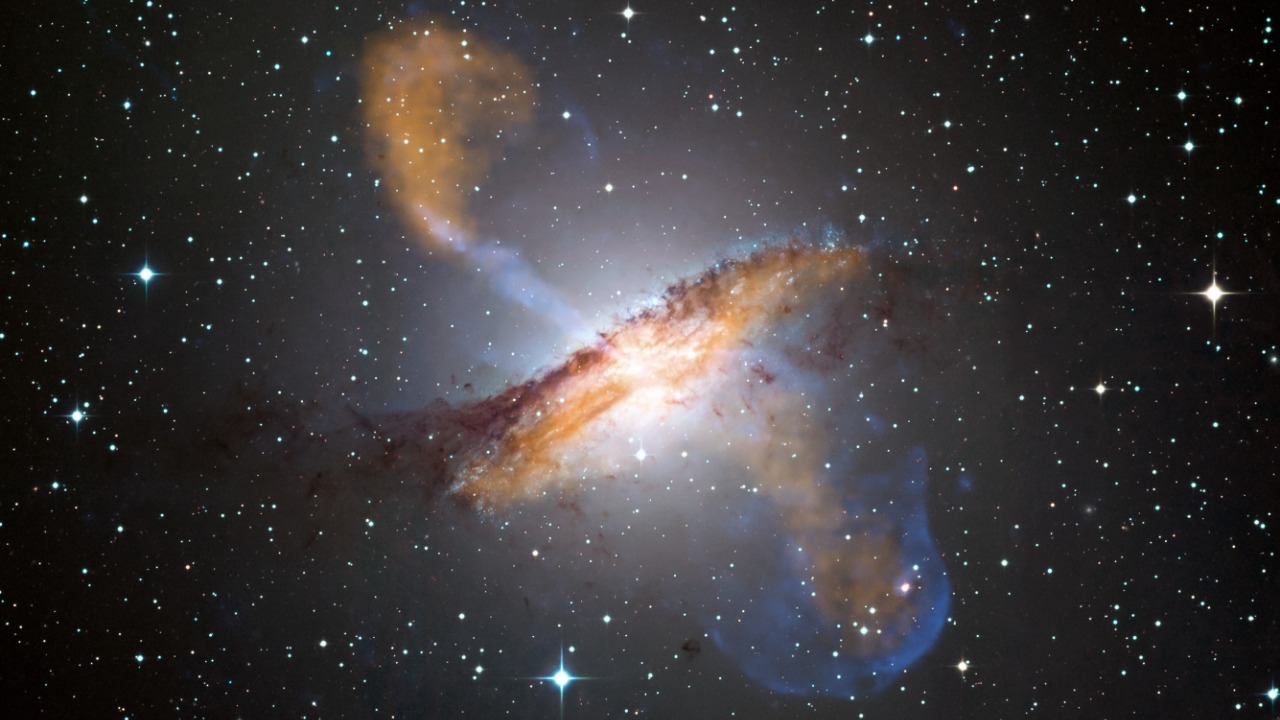
Black holes form when massive stars collapse under their own gravity at the end of their life cycles. This collapse compresses the star’s core to a point of infinite density, known as a singularity. The process is accompanied by a massive release of energy, often leading to a supernova explosion. While the core becomes a black hole, the outer layers of the star are ejected into space.
Not all stars end up as black holes. A star must have a mass greater than about three times that of our sun to overcome the pressure of neutron degeneracy and continue collapsing. This threshold is known as the Tolman-Oppenheimer-Volkoff limit.
Types of Black Holes
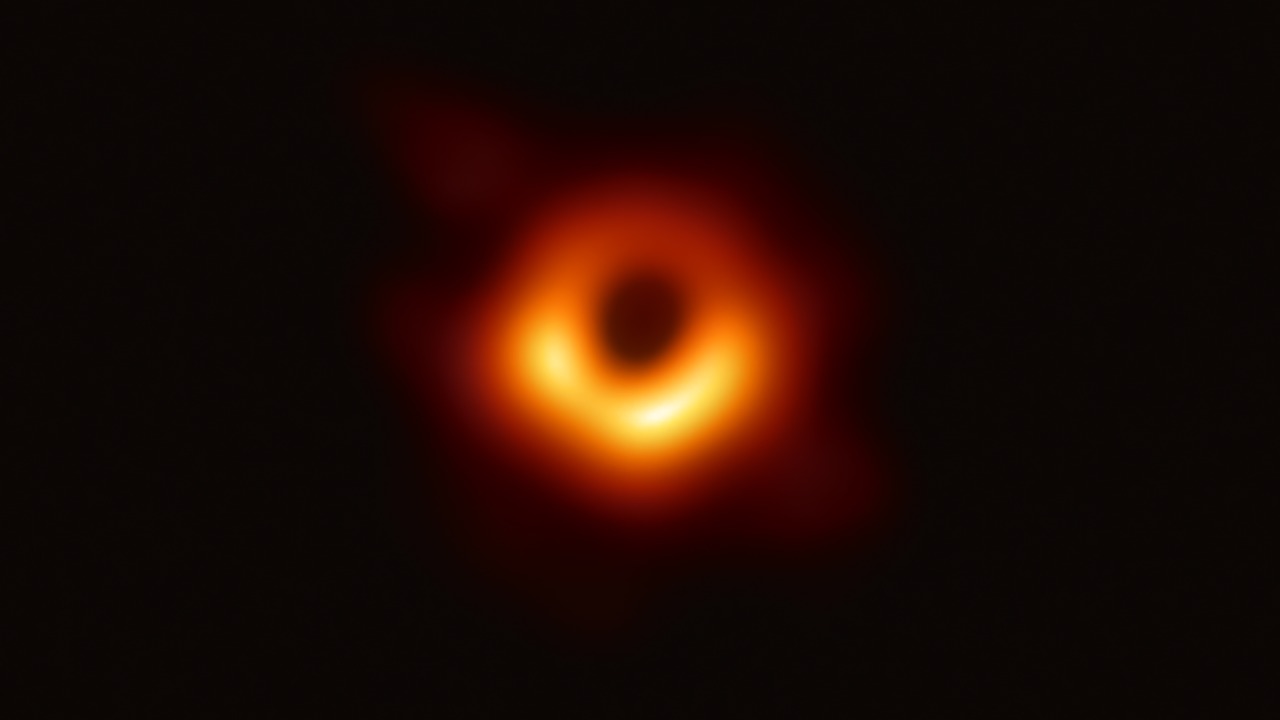
Black holes come in different sizes and classifications. Stellar black holes, the most common type, are formed from the remnants of massive stars. Their masses range from about three to several tens of solar masses. Supermassive black holes, on the other hand, reside at the centers of most galaxies, including our own Milky Way, and can have masses equivalent to billions of suns.
Intermediate black holes, with masses between stellar and supermassive black holes, and primordial black holes, which are hypothetical and could have formed soon after the Big Bang, are other intriguing categories. Understanding these types helps scientists explore the diversity and evolution of black holes.
The Event Horizon Mystery
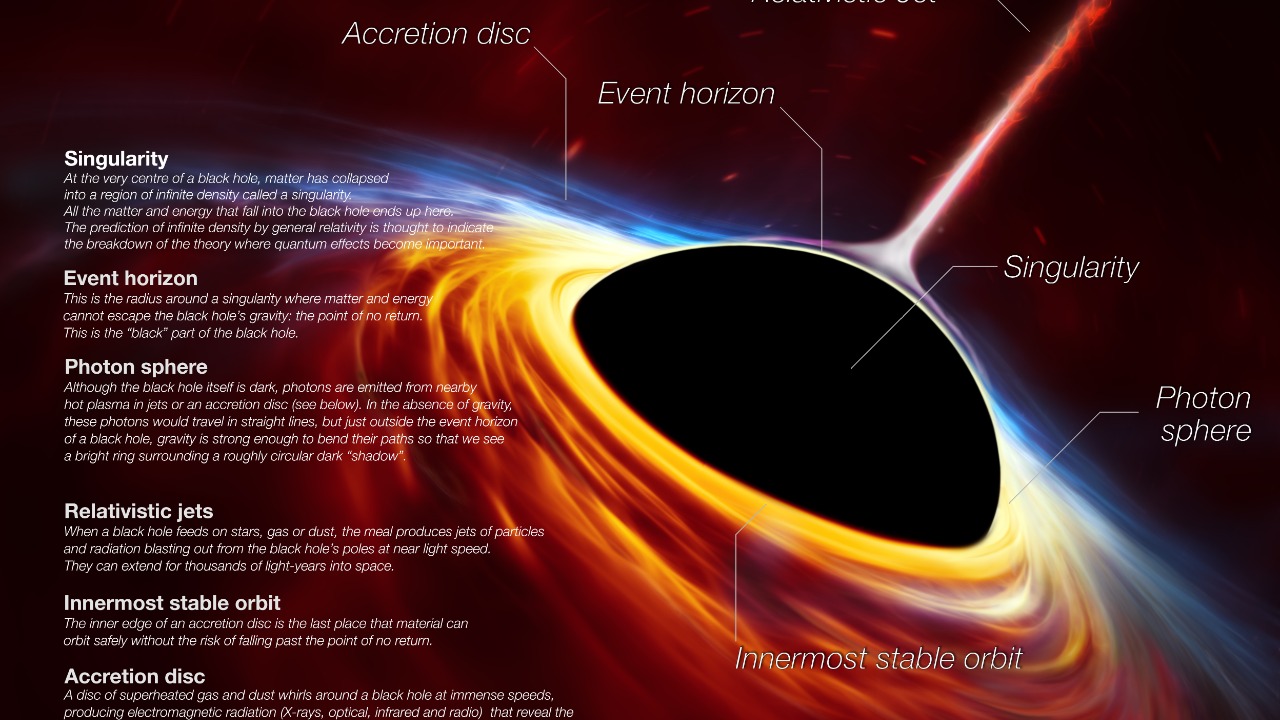
The event horizon is the boundary surrounding a black hole beyond which nothing can escape, not even light. This “point of no return” defines the black hole’s size. Despite being invisible, the event horizon is a critical feature that scientists study to understand the gravitational pull and properties of black holes.
Delving into the event horizon’s mysteries, scientists use the term “information paradox” to describe how information that falls into a black hole appears to be lost forever, challenging our understanding of quantum mechanics. This paradox continues to be a major area of research in theoretical physics.
Hawking Radiation Explained
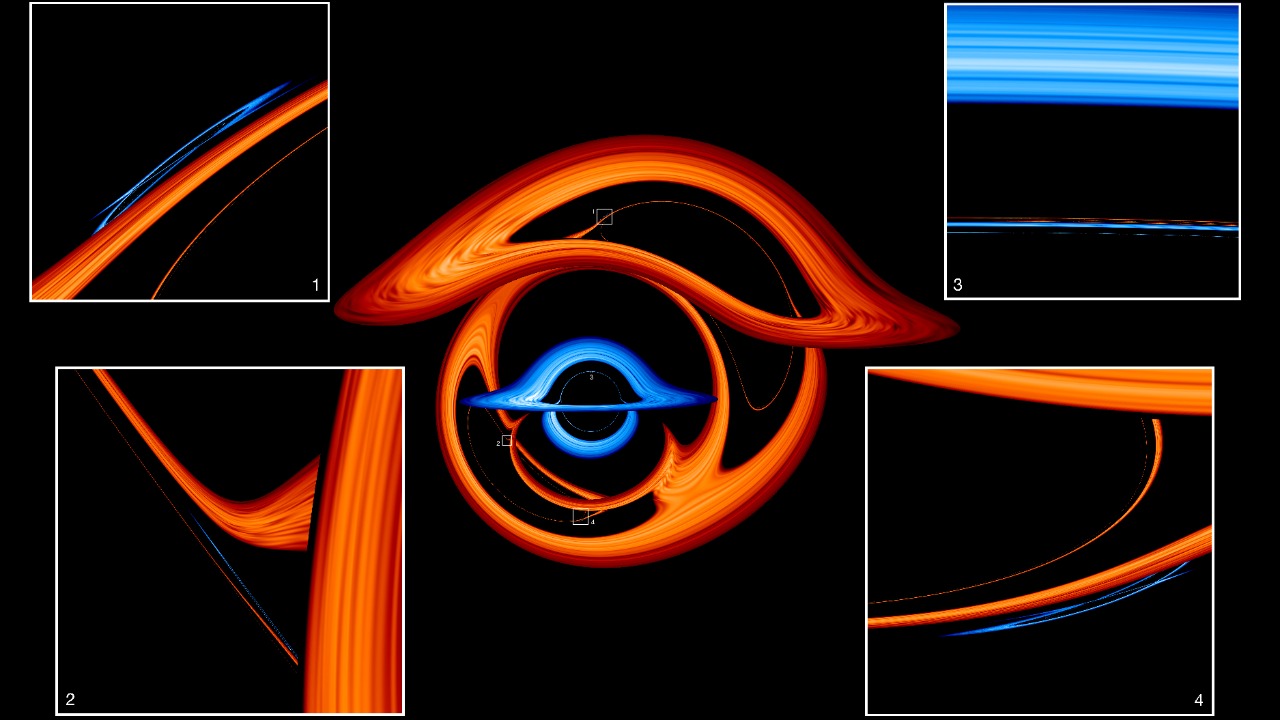
Proposed by physicist Stephen Hawking, Hawking radiation is a theoretical concept that suggests black holes can emit radiation due to quantum effects near the event horizon. This radiation allows black holes to lose mass over time, eventually leading to their evaporation.
Hawking radiation challenges the notion that nothing can escape a black hole’s gravity. Although this radiation has not yet been observed directly, it has significant implications for our understanding of black holes and quantum gravity.
Black Holes and Time Dilation
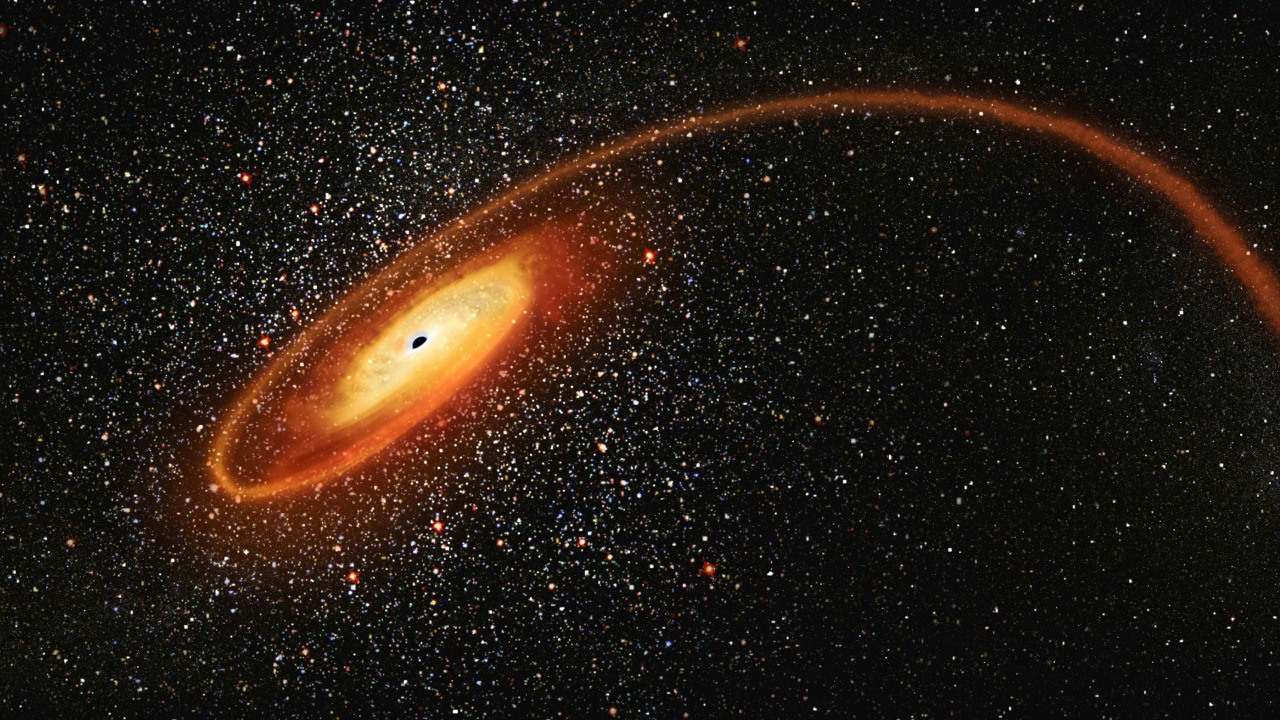
Black holes have a profound effect on time. According to Einstein’s theory of general relativity, the intense gravitational field of a black hole warps the fabric of space-time, causing time to slow down near it. This phenomenon, known as time dilation, means that an observer closer to a black hole would experience time at a slower rate compared to someone farther away.
As objects approach the event horizon, time appears to slow down infinitely from an outside observer’s perspective. This effect is not merely theoretical; it has been observed in other strong gravitational fields, like those near neutron stars.
The Role of Black Holes in Galaxy Formation
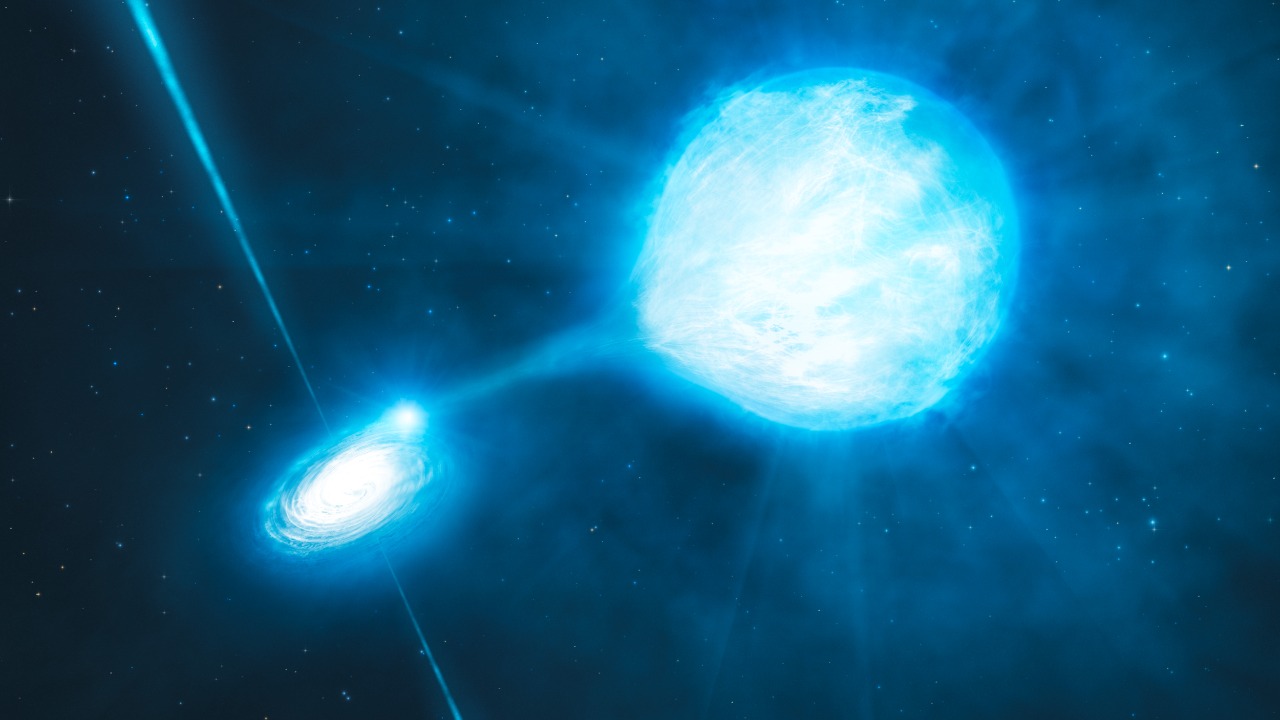
Supermassive black holes are thought to play a central role in the formation and evolution of galaxies. These colossal entities, found at the centers of most galaxies, including our Milky Way, are believed to influence the growth and distribution of stars.
The interaction between black holes and their host galaxies is complex. Researchers study the feedback mechanisms that regulate star formation and galactic evolution, highlighting the significance of black holes in cosmic architecture.
Black Holes Can Merge
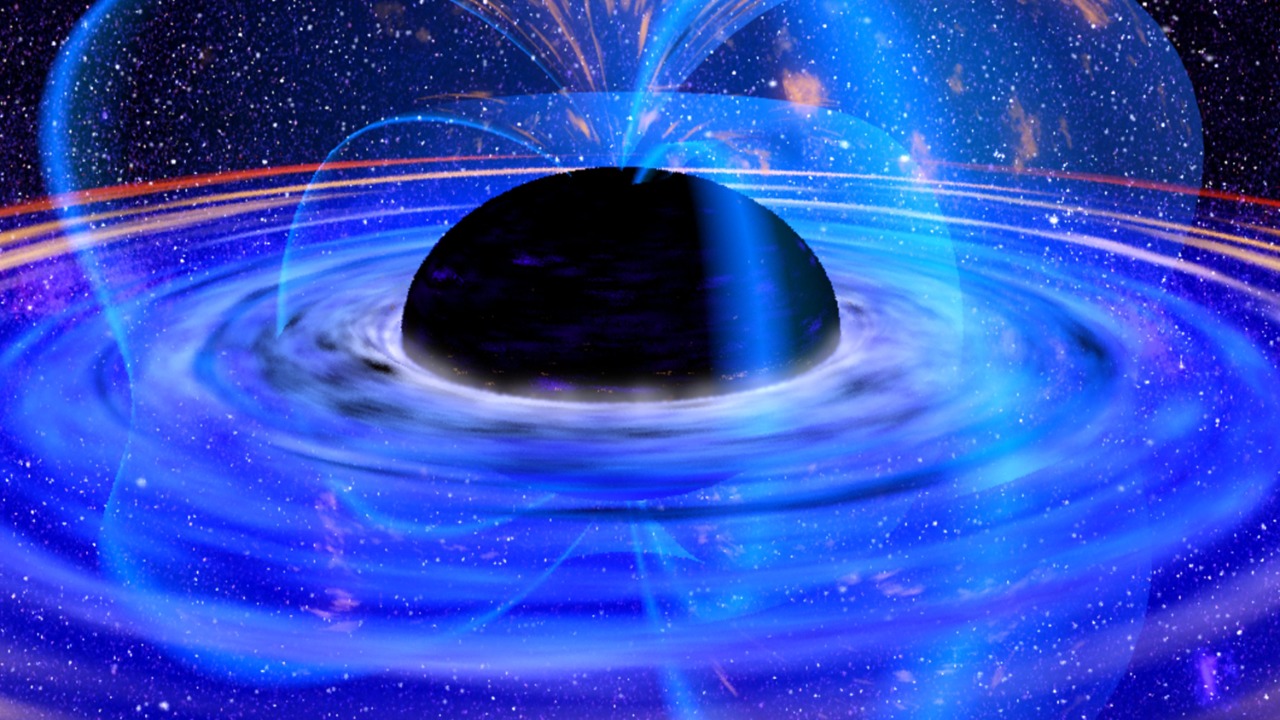
When two black holes orbit each other closely, they can eventually merge into a larger black hole. This process generates gravitational waves, ripples in the fabric of space-time, which were first detected in 2015 by the LIGO observatory.
The detection of these waves confirmed a major prediction of Einstein’s theory and opened a new way of observing the universe. Merging black holes offer insights into the dynamics of the universe, including the population and distribution of black holes.
Detecting Black Holes: Gravitational Waves
Gravitational waves are a groundbreaking tool for studying black holes. These waves are produced by cataclysmic events, such as black hole mergers, and provide a new method for detecting and understanding these enigmatic objects.
Since the first detection, the study of gravitational waves has become a vibrant field of research. These observations help scientists probe the properties of black holes, including their masses and spins, offering a glimpse into the most extreme environments in the universe.
Black Holes in Popular Culture
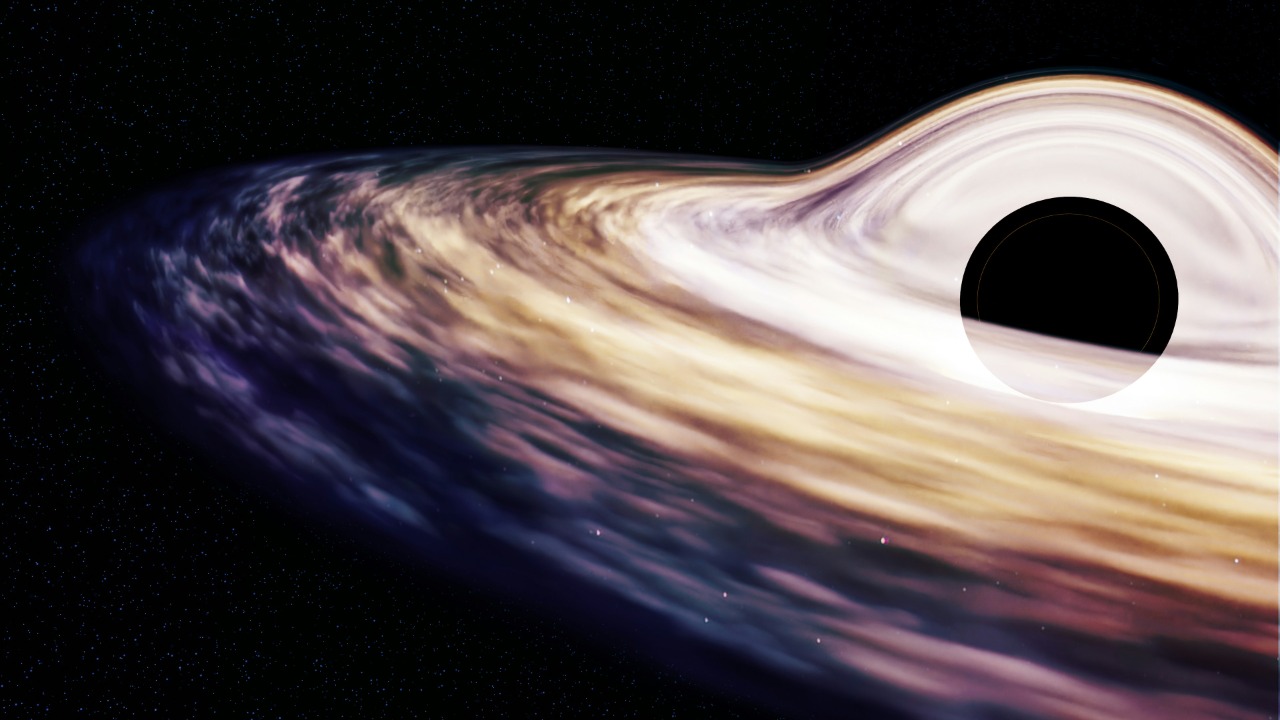
Black holes have captivated the imagination of artists, writers, and filmmakers, becoming a staple in science fiction and popular culture. From movies like “Interstellar” to novels and television shows, these cosmic phenomena are often portrayed with a mix of scientific accuracy and creative license.
While some depictions may exaggerate or misrepresent certain aspects, they serve to intrigue and inspire audiences. Such portrayals highlight the mysterious allure of black holes and their impact on both scientific inquiry and cultural expression. For more insights on how black holes are perceived, check out common misconceptions surrounding them.
