
Hidden cameras in short-term rentals and hotel rooms tend to turn up inside ordinary household objects. Security writers and university researchers have catalogued the common disguises, from fire safety gear to picture frames. Nine objects are covered below, along with what each source says about checking them.
Read next on Morning Overview: New FCC rules on how people can stop robocalls and texts take effect Nov. 25
1. Smoke detector: The Favorite Hiding Spot
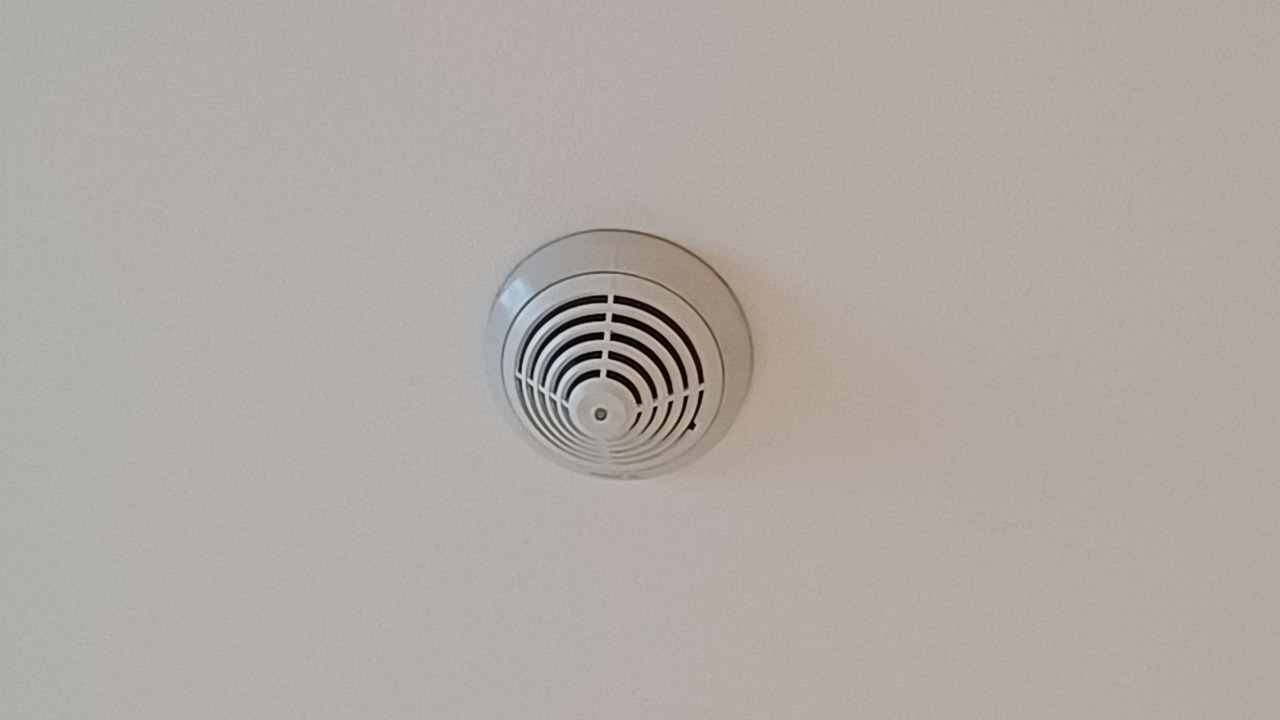
In a Tom’s Guide privacy guide on hotels and Airbnbs, Tom’s Guide says security experts consistently identify smoke detectors as the most popular location for hidden cameras in accommodation. It is a device guests expect to see in any room, which is part of why it works as a disguise.
Because the source ranks it first among hiding places, a smoke detector is a sensible first stop for a renter checking a room. The article gives the ranking but no count of how often it happens, so the claim is about popularity among experts rather than frequency.
2. Motion sensor: Sensors in Ceiling Corners
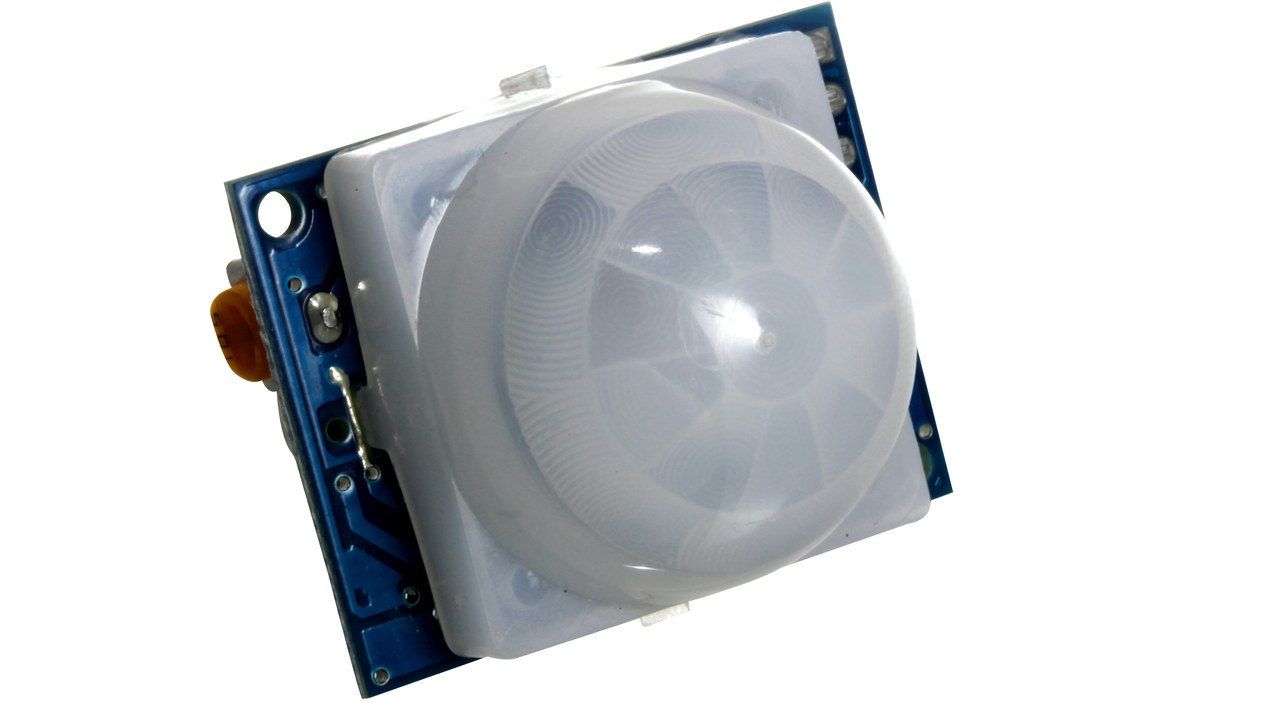
The same Tom’s Guide article notes that passive infrared sensors in ceiling corners or wall joints can house cameras. These are motion-detector units, and the corners and wall joints are where the source says to look.
The wording is that such sensors can house cameras, not that they usually do, so the point is possibility rather than prevalence. Renters can treat any unfamiliar sensor high on a wall or in a corner as worth a closer look, especially if the listing never mentioned a security system.
3. Air purifier: Appliances on the Checklist
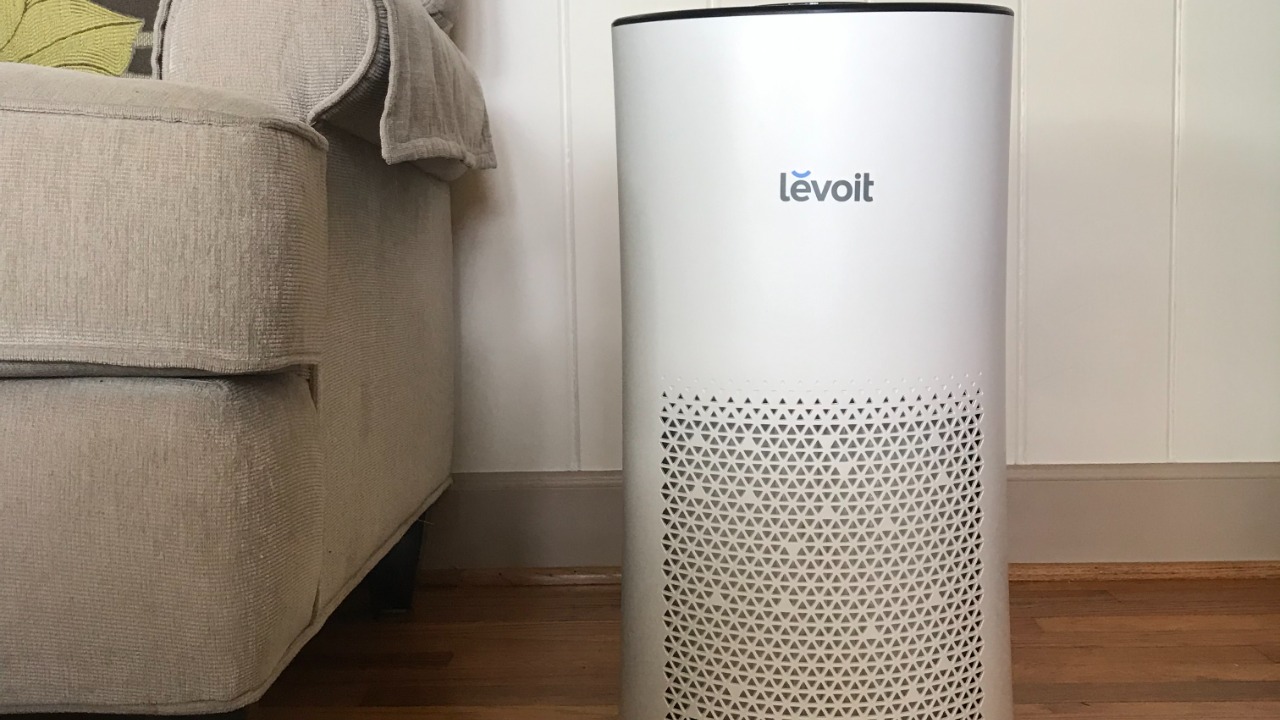
Tom’s Guide includes air purifiers on a list of everyday objects to check, alongside light bulbs, TV boxes, routers, alarm clocks, mirrors and books, according to the Tom’s Guide checklist. Air purifiers are easy to overlook because they look like ordinary appliances sitting in a bedroom or living room.
The source offers the list as a set of places to look, not as evidence that any given purifier is compromised. For renters, the practical takeaway is that plug-in devices that nobody would question are part of what the guide asks guests to inspect.
4. Alarm clock: Clocks That Watch Back
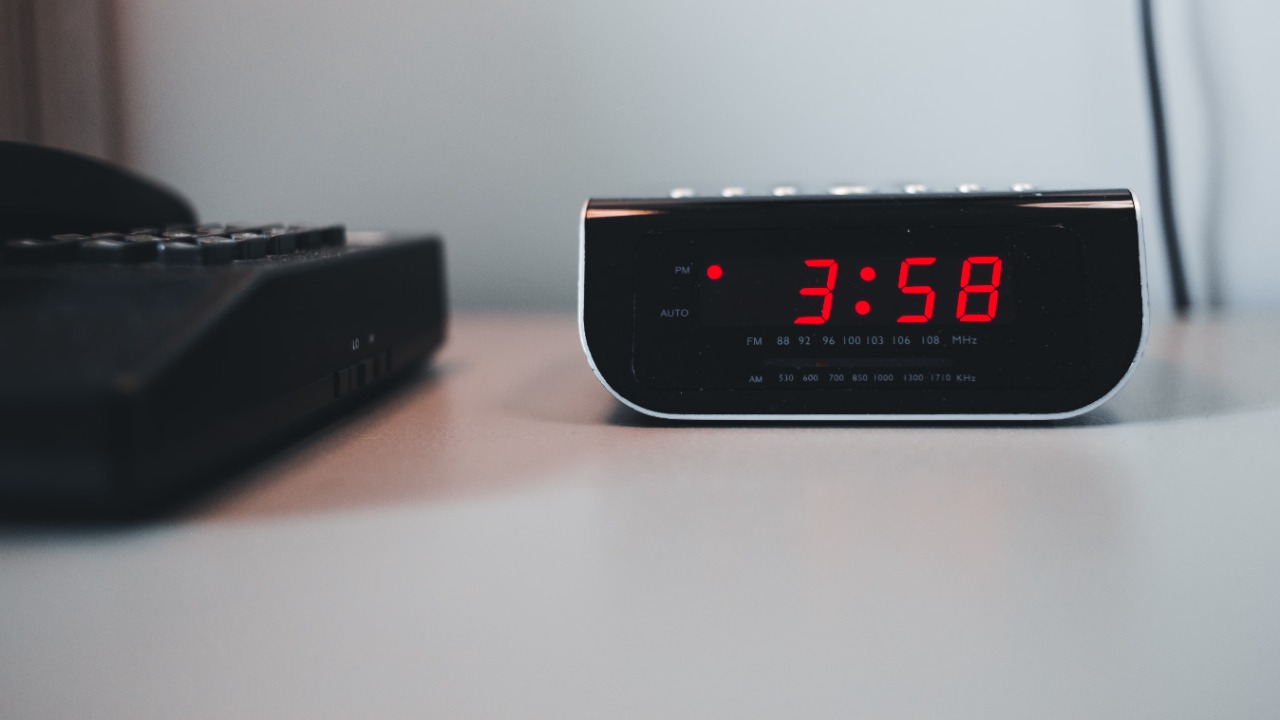
Travelers United says clocks and clock radios are known to have been used to hide video cameras in the past, according to its Travelers United checklist. A bedside clock sits at a convenient height and is expected to be plugged in, which suits a concealed device.
The phrasing is historical, noting that clocks have been used this way, and the advice appears in a nine-step list for hotel rooms and Airbnbs. Renters can look for a clock they did not expect to find in the room, or one pointed at the bed.
5. Two-way mirror: The Fingertip Mirror Test
Travelers United advises a fingertip test to see whether a mirror is two-way, as set out in its hotel-room camera steps. The article lists mirrors among the items to check in hotel rooms and rentals.
The advice is a simple physical check that, as described, needs only a fingertip, which makes it practical for any renter. The source recommends the test but does not say how common two-way mirrors are, so the guidance is about checking rather than about a known level of risk in rentals. A renter who finds a mirror mounted oddly can run the test in seconds.
6. HVAC air vent: Behind the Vents
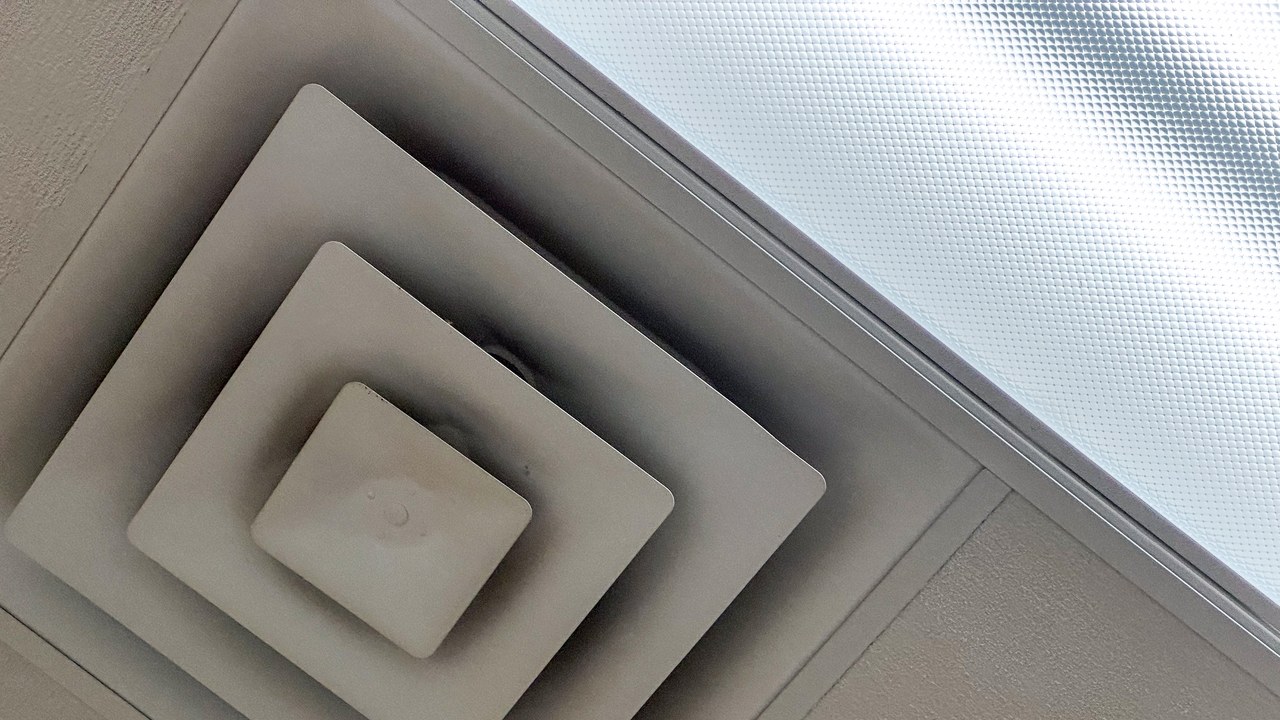
The same Travelers United guide tells guests to check behind all HVAC air vents, according to the nine-step guide. The guide treats vents as a place where a device could be tucked out of sight.
The instruction is blunt: check behind all of them, not just the one nearest the bed. Renters can follow it with a flashlight and a few minutes, and the source offers it as one step among nine rather than as proof that vents are a common hiding place. Checking takes little effort, which is probably why the guide includes it.
7. USB charger: Wall Plugs With a Lens
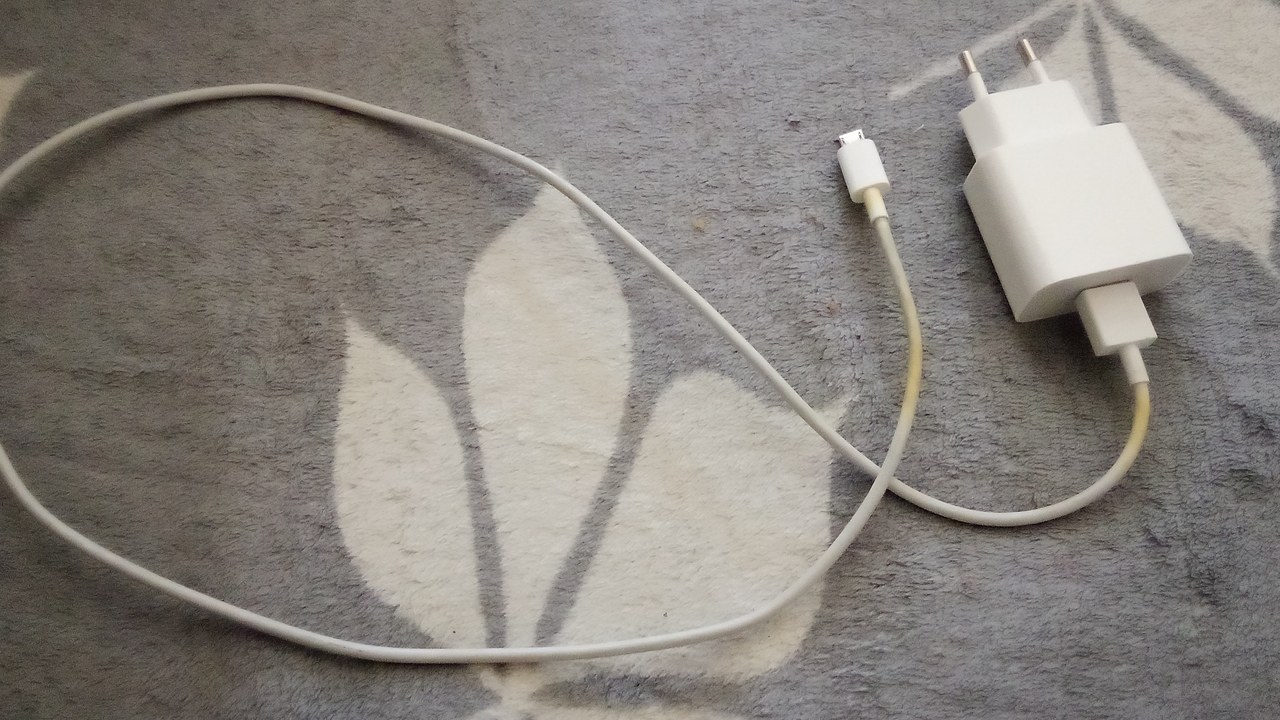
A Washington University research paper says hidden cameras are concealed inside household electrical devices such as a smoke detector, an alarm clock or a USB charger. The university research paper adds USB chargers to the list of disguises, because a charger is a normal sight beside any bed or desk.
This is an academic source describing how such devices are concealed, not a count of incidents in rentals. Renters can still use it as a reminder that a charger that appears to be one more cable accessory might deserve a second look.
8. Light bulb: A Bulb Instead of a Lamp

The same Washington University paper cites a camera disguised as a lamp bulb, as reported in the study’s lamp-bulb example. A bulb sits in plain view in a socket that visitors expect to be lit, which is the point of the disguise, since nobody questions a bulb.
The paper mentions the example among others and does not say how often such bulbs turn up. Renters can take it as one more ordinary fixture worth glancing at, and the paper’s examples suggest that anything with a lens-sized opening deserves a second look.
9. Picture frame: Cameras in Plain Frames
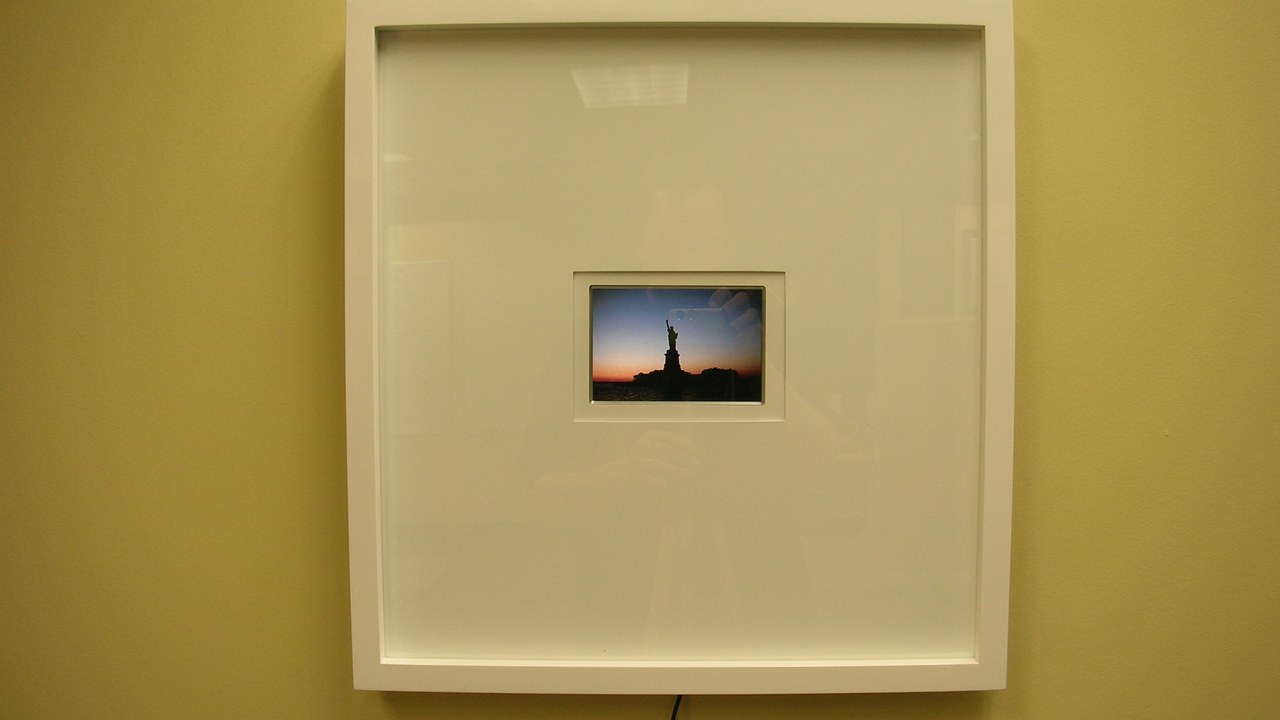
The Washington University paper says 16 percent of the hidden cameras it surveyed use non-electrical camouflage such as picture frames, and the CCS22 paper also cites an Airbnb study that found cameras in 1 in 132 listings. Picture frames show that a disguise does not need power or wiring.
The two figures come from different measures: one describes how surveyed cameras were disguised, the other how many listings had cameras. Neither is a forecast for any particular rental, but together they back up the advice to look at decorative items as well as electronics.
More from Morning Overview
- Cadillac cut the price of its cheapest EV, which goes up to 317 miles on a charge
- Winter weather advisories cover I-80, I-70 and the Bighorns with up to 15 inches of snow
- Arizona’s governor declared a statewide emergency after Flagstaff logged its wettest Nov. 1 on record
- Zero Motorcycles unveiled an electric motorcycle targeted at under $8K and a street-legal dirt bike at EICMA
