
Facial recognition technology is becoming more common in everyday devices, often without us even realizing it. From enhancing security to providing personalized experiences, this technology is integrated into more than just our smartphones. Here are nine surprising devices that utilize facial recognition.
Smart Refrigerators

Smart refrigerators are no longer just about keeping your food fresh. Many now come equipped with facial recognition technology that can identify users and suggest personalized recipes based on dietary preferences. This feature can also help in managing shopping lists by recognizing who’s opening the fridge and what items they might be consuming more frequently. It’s a step towards a more personalized kitchen experience.
Digital Picture Frames
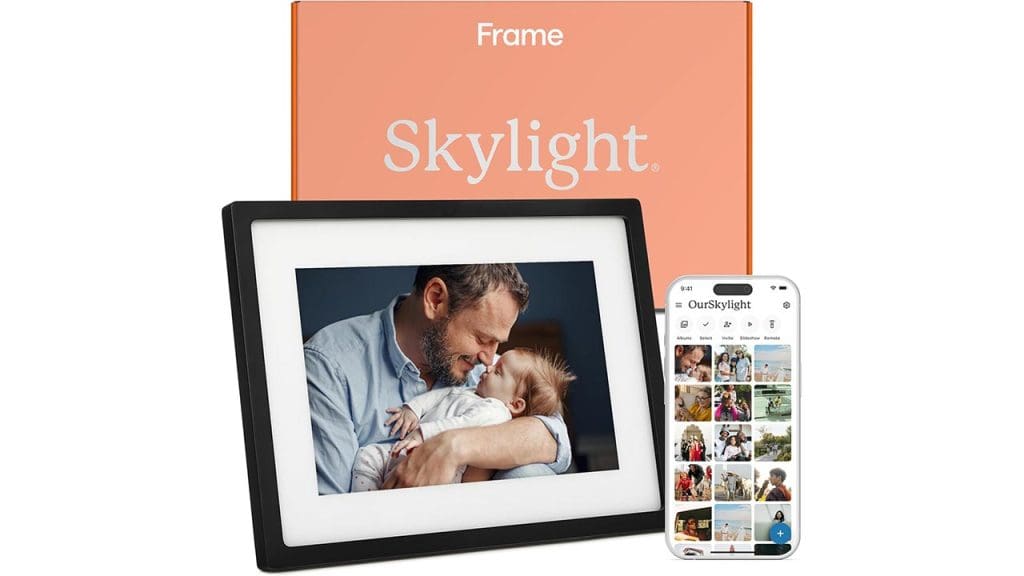
Digital picture frames have evolved from simple photo displays to smart devices that can recognize faces. With facial recognition, these frames can sort and display photos based on who is in them, ensuring that you always see the faces you love most. This technology can even tag families and friends, making it easier to organize and curate your digital photo collections.
Smart Mirrors
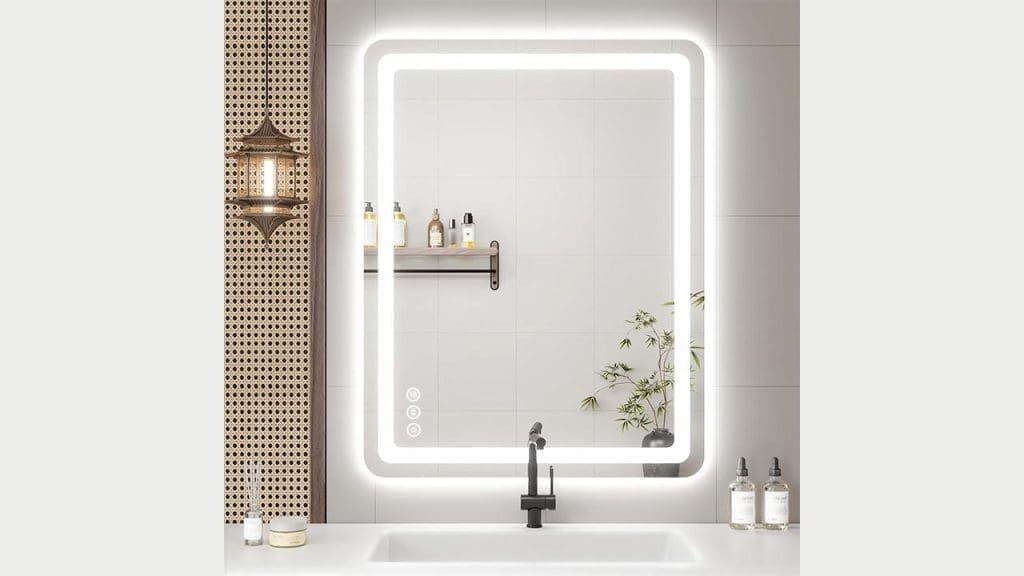
Smart mirrors with facial recognition can offer a personalized experience every time you look into them. Beyond simply reflecting your image, they can display personalized news, weather updates, and even skincare routines tailored to your skin type. By recognizing who is using the mirror, they can adjust settings and provide relevant information instantly, transforming your daily routine.
Gaming Consoles

Many modern gaming consoles now incorporate facial recognition to enhance user experience. This technology allows for personalized game settings and profiles, ensuring a seamless transition from one player to another. Moreover, it adds an extra layer of security by preventing unauthorized access to your gaming content and purchases.
Home Security Systems
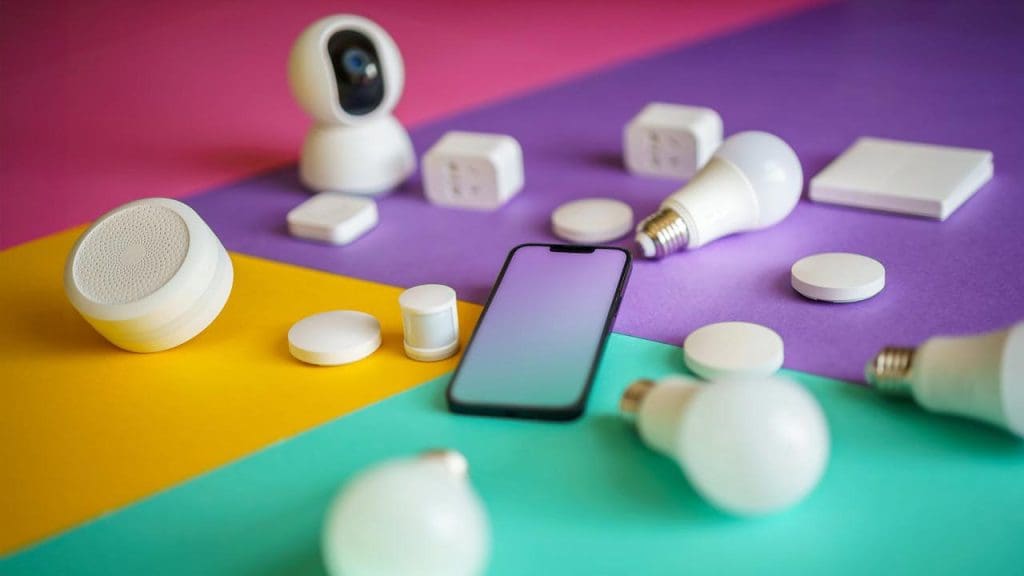
Home security systems have significantly advanced with the integration of facial recognition technology. These systems can distinguish between family members, friends, and potential intruders, providing alerts only when necessary. This helps to reduce false alarms and ensures that your home remains secure while maintaining privacy.
Smart Locks
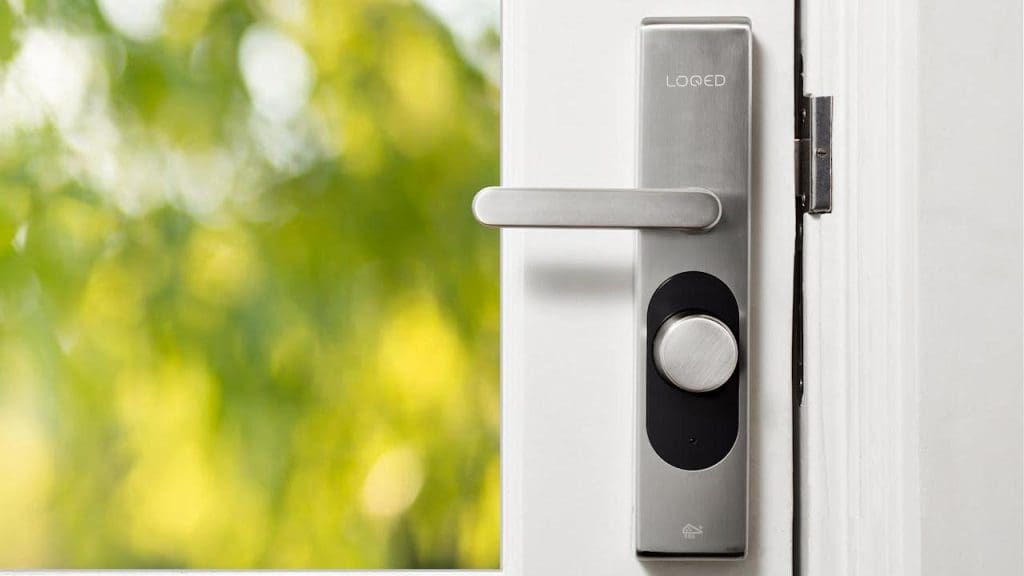
Smart locks using facial recognition provide a convenient and secure way to enter your home. By recognizing authorized faces, these locks eliminate the need for keys or codes, reducing the risk of lost keys or code breaches. It’s a modern solution that combines security with ease of access, ensuring your home remains safe.
Automated Retail Checkouts
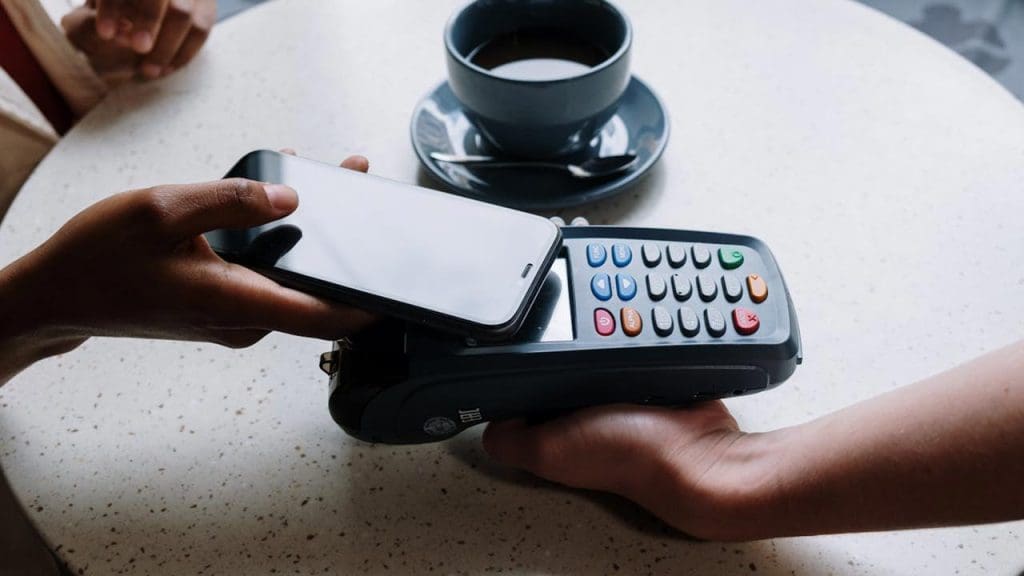
Facial recognition is transforming the retail experience with automated checkout systems. By identifying customers, these systems can speed up the checkout process and offer targeted promotions. This technology not only enhances convenience but also helps retailers gather valuable data on shopping habits and preferences.
Fitness Trackers
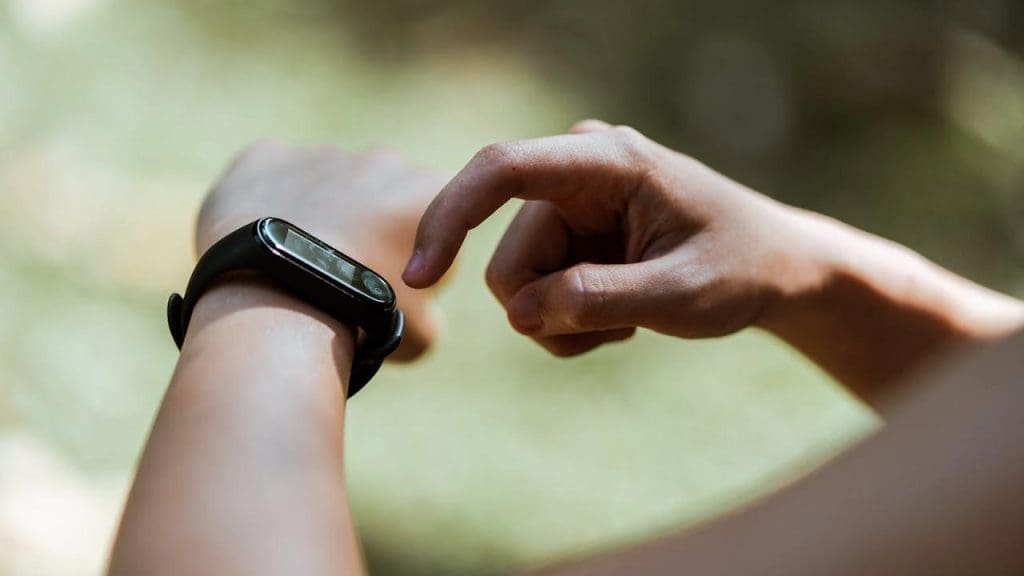
Some advanced fitness trackers now incorporate facial recognition to offer personalized health insights. By identifying users, these devices can tailor workout routines and monitor progress with more accuracy. This personal touch ensures that users receive the most effective fitness guidance for their unique needs.
Personal Robots
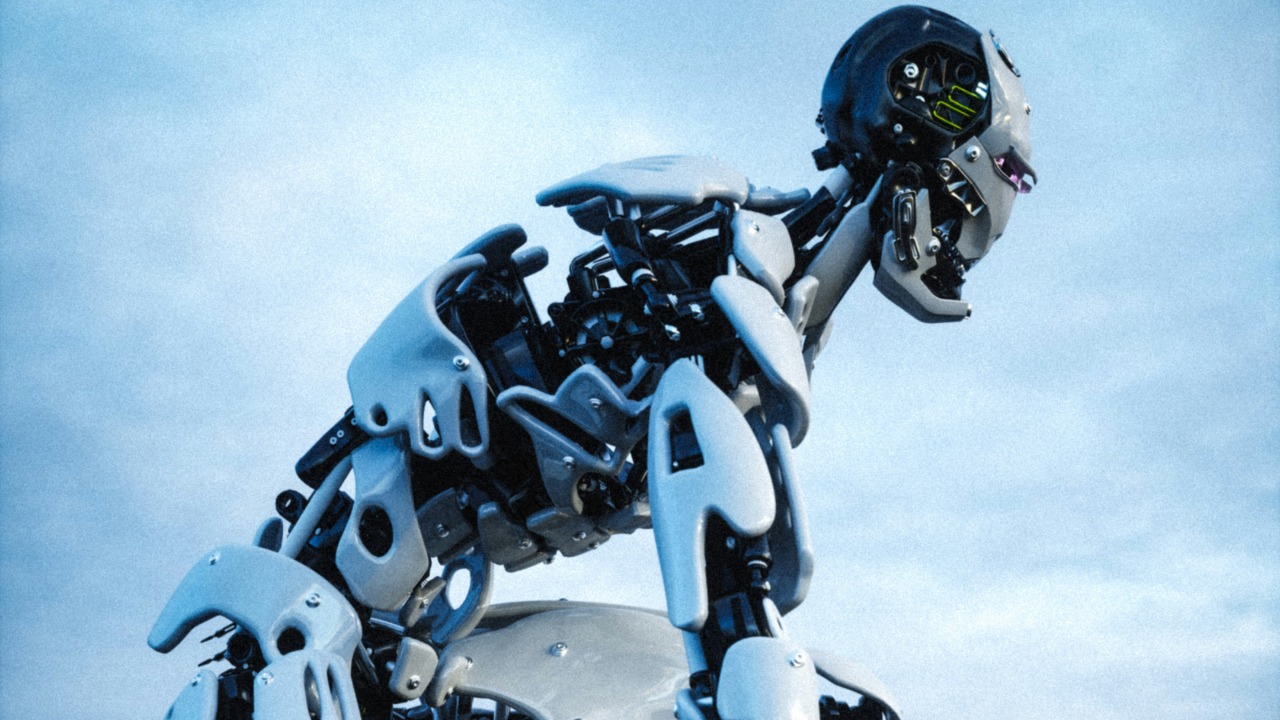
Personal robots equipped with facial recognition can interact with users on a more personal level. By recognizing and remembering faces, these robots can offer customized assistance and companionship. This capability is particularly beneficial in settings such as elder care, where robots can provide tailored support and reminders based on individual preferences and needs.
