
Luxury cars promise a serene ride, but the hardware underneath often carries a brutal price when it wears out. Air springs, adaptive dampers, and oversized brakes deliver comfort and grip while quietly setting owners up for repair invoices that dwarf anything an economy sedan produces. The nine models below stand out for chassis and stopping systems that can drain a wallet fast.
1. BMW 7 Series: Flagship Comfort At A Cost
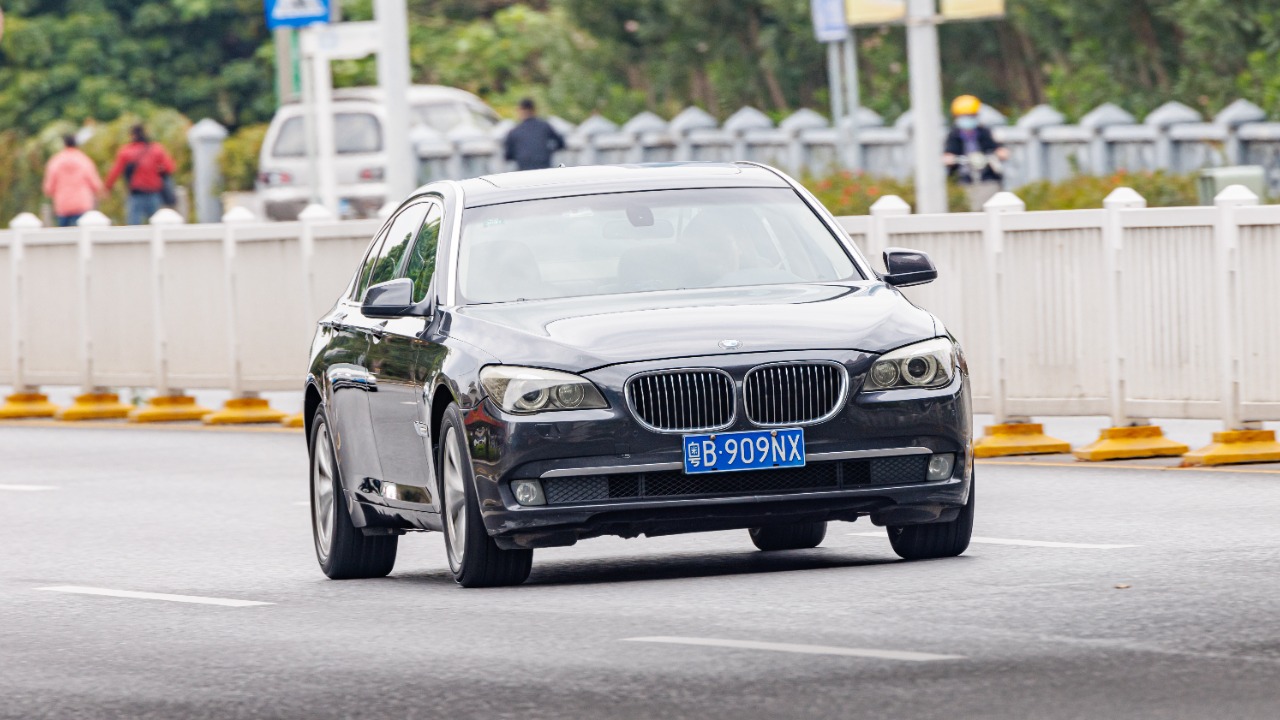
The BMW flagship sedan pairs self-leveling air suspension with large, high-performance brakes, a combination that pampers passengers but punishes budgets once mileage climbs. Air spring assemblies, compressors, and electronic dampers are dealer-priced components, and the front rotors are big enough that a full brake job alone can rival a used car payment.
Independent specialists can soften the blow, yet the parts themselves stay expensive because they are engineered for a heavy, fast luxury car. Owners who skip preventive checks often discover a failed compressor or leaking strut only after the ride sinks, turning a routine service into a four-figure surprise that arrives without much warning.
2. Mercedes-Benz S-Class: AIRMATIC Bills Add Up
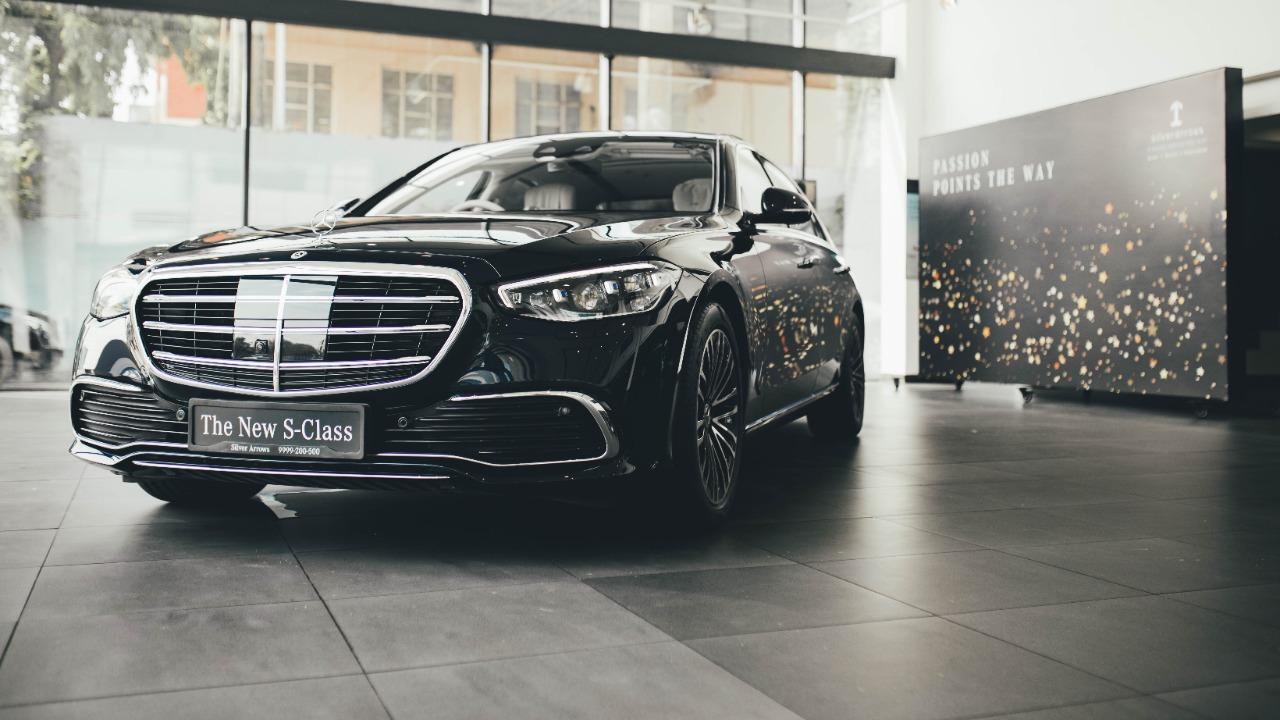
Few sedans ride as smoothly as the S-Class, and much of that magic comes from the AIRMATIC and available active suspension that the Mercedes-Benz flagship’s reviewers praise. That sophistication has a downside: air struts, sensors, and hydraulic actuators are costly to replace, and repairs frequently climb into the thousands once labor is added.
The complexity that makes the car feel weightless also multiplies the ways it can fail as it ages. A single corner losing pressure can leave the sedan leaning overnight, and the diagnostic time needed to trace an electronic fault often adds as much to the invoice as the replacement hardware itself.
3. Porsche Panamera: Sports Car Stops Priced Steeply
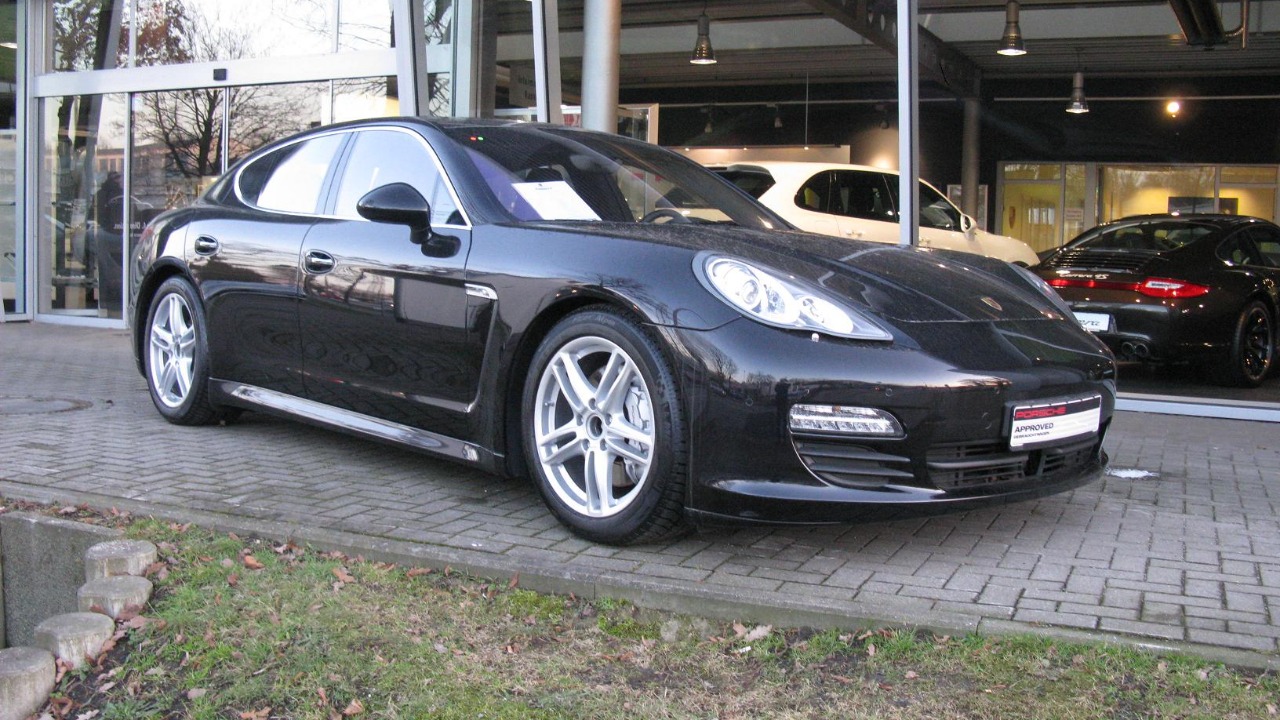
Built to corner and brake like a sports car despite its size, the Porsche performance sedan wears large brakes and adaptive dampers engineered for real speed. Those systems perform brilliantly, but replacement rotors, pads, and suspension components carry premium pricing, and optional carbon-ceramic brakes push the numbers into genuinely eye-watering territory.
Because the hardware is tuned for high performance, owners who drive enthusiastically wear it faster than they might expect. Even routine maintenance reflects the badge, so a set of brakes or a failed air spring becomes a reminder that the thrill of the drive comes with a matching bill whenever the parts finally give out.
4. Range Rover: Air Struts That Sink Wallets
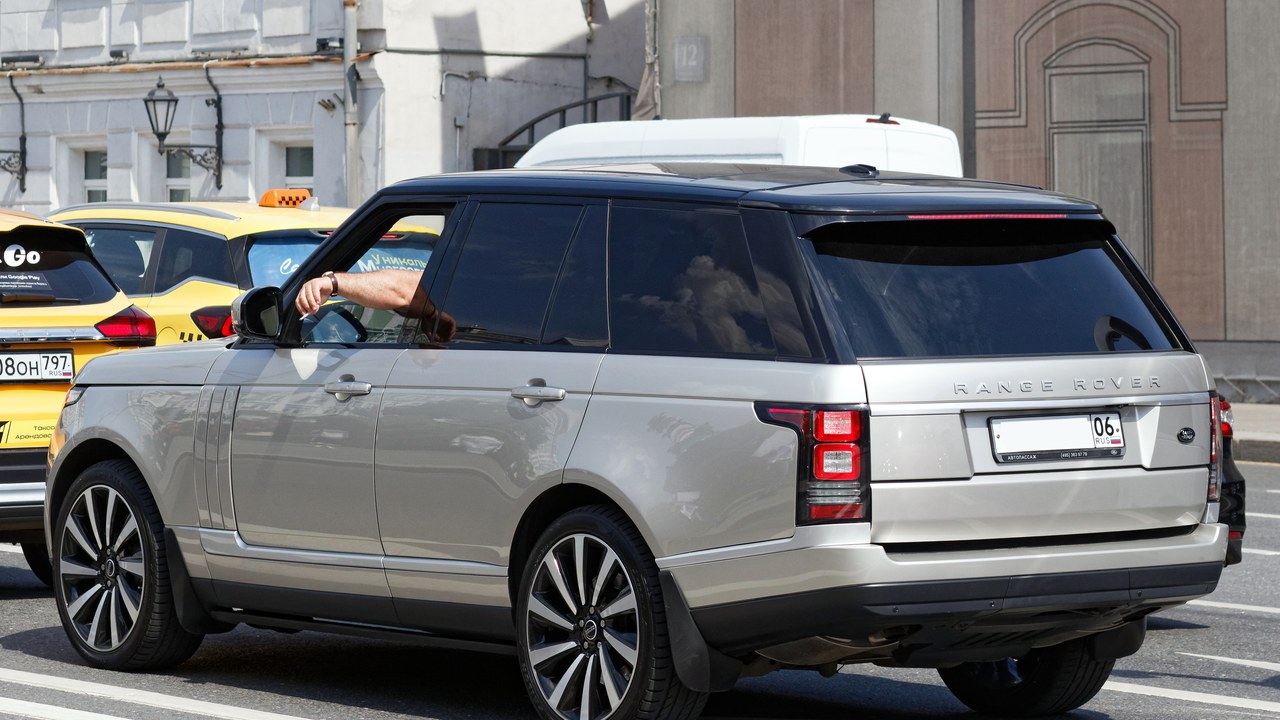
Long a symbol of go-anywhere luxury, the Land Rover full-size SUV relies on air suspension to raise, lower, and level itself over rough ground. That capability is a signature feature, yet failing air struts and compressors are a well-known weak point, and replacing them heavily is neither quick nor cheap.
The system’s reputation for trouble makes many buyers wary of older examples, since a sagging corner can strand the truck at an awkward height. Combined with sizable brakes suited to its considerable weight, the Range Rover can hand owners some of the most intimidating chassis repair estimates in the segment as the miles accumulate.
5. Audi A8: Adaptive Ride, Adaptive Invoices
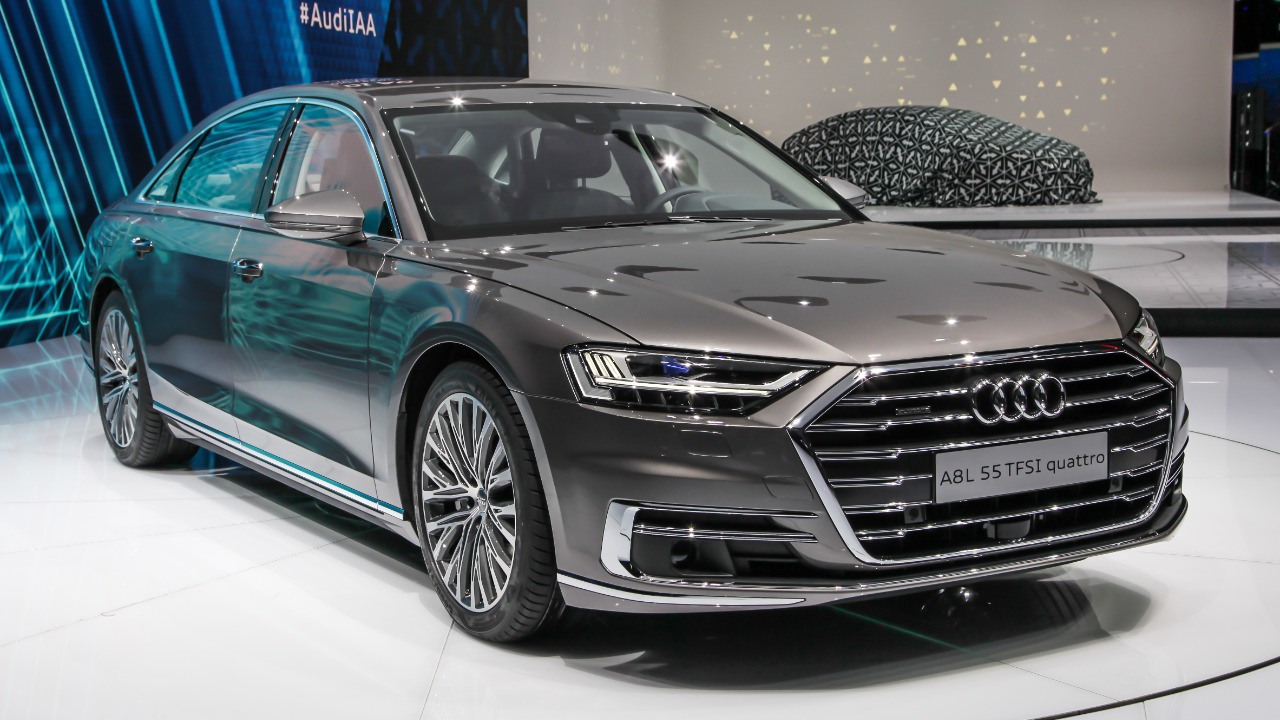
As Audi’s technology showcase, the A8 luxury sedan layers adaptive air suspension over an already complex all-wheel-drive platform. The ride is polished and the handling composed, but the air springs, dampers, and control modules that make it possible are expensive components, and their replacement costs reflect the car’s standing at the top of the lineup.
Brakes sized for a heavy, quick sedan add to the running expense, and the electronics tying the suspension together can be slow to diagnose. Buyers drawn to a discounted used A8 sometimes underestimate how quickly a chassis fault erases their savings, since one failed strut can undo the appeal of a bargain price.
6. Maserati Quattroporte: Exotic Badge, Exotic Repairs
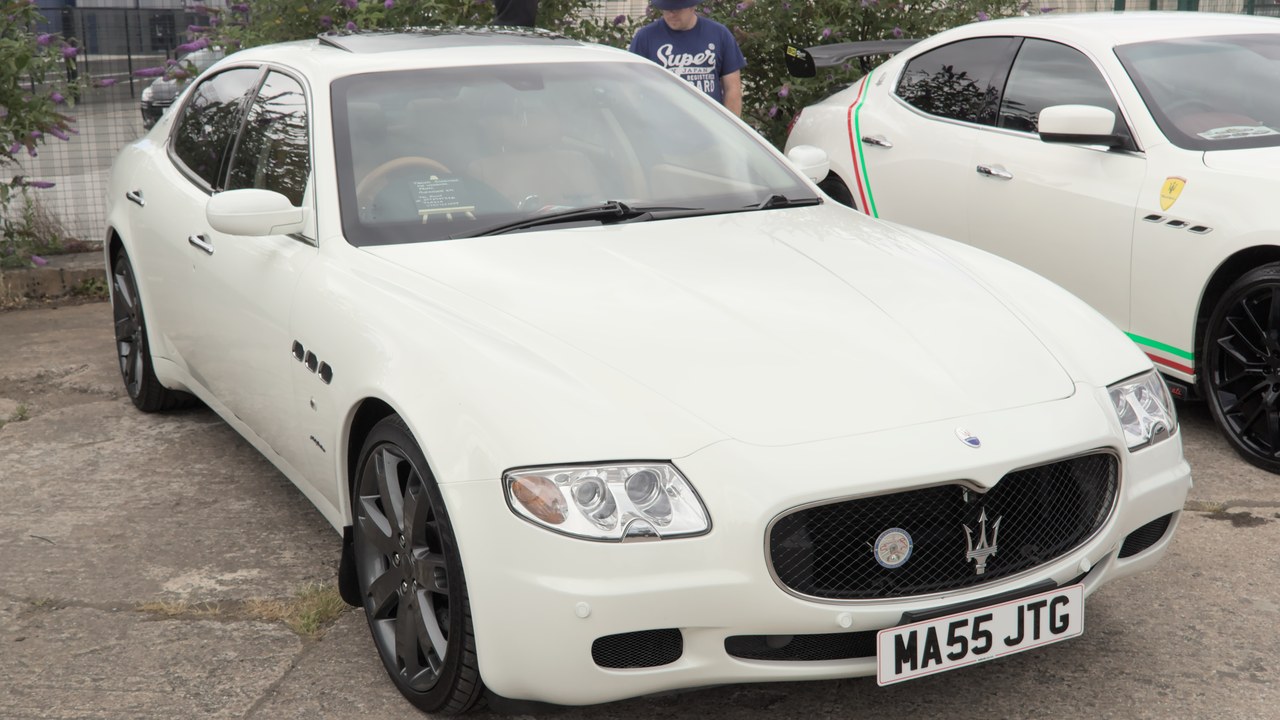
An Italian grand tourer with a trident on the nose, the Maserati luxury sedan pairs a low-volume exotic pedigree with brake and suspension parts to match. Components are shared across a small production run, so pricing tends to run higher than mainstream rivals, and specialist labor is often required to service the chassis correctly.
That exclusivity is central to the car’s appeal, but it also thins the supply of affordable parts and independent expertise. Owners chasing the romance of the badge frequently learn that stopping and cornering hardware carries exotic-grade invoices, turning routine wear items into expenses that few everyday luxury sedans could ever approach.
7. Cadillac Escalade: Magnetic Ride Runs Rich
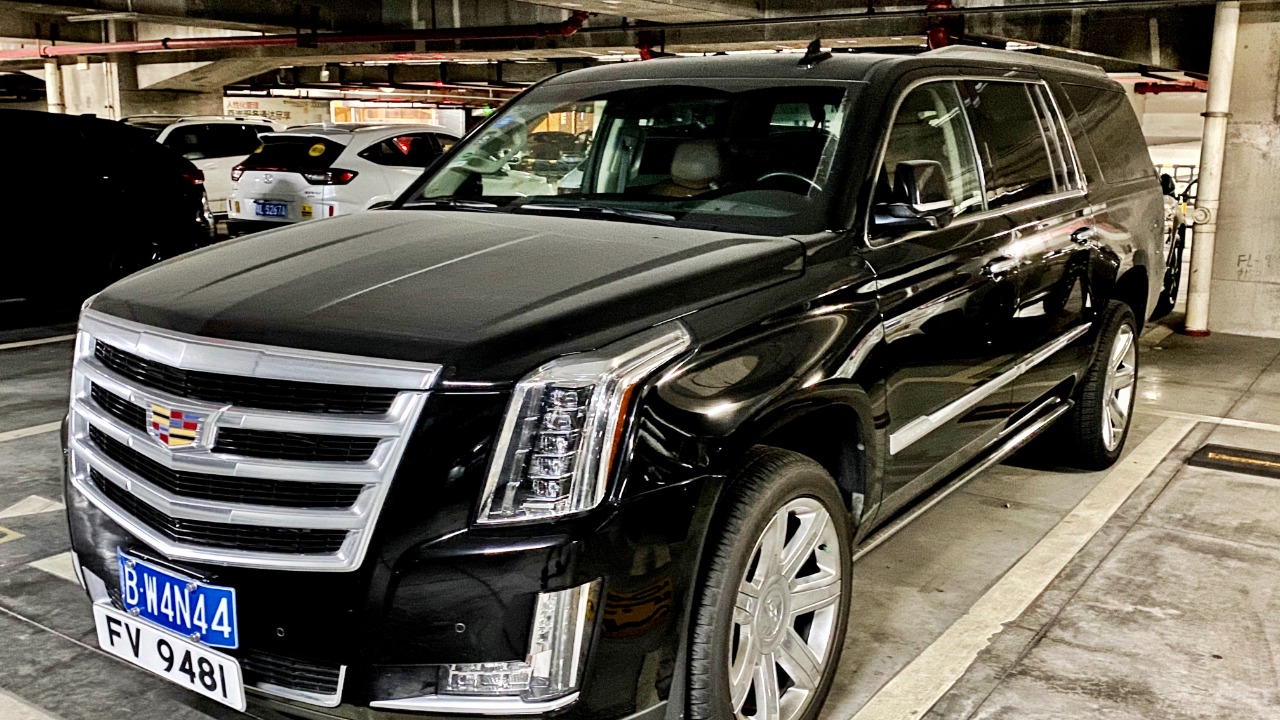
America’s best-known luxury SUV, the Cadillac full-size SUV uses magnetic ride dampers that adjust firmness in milliseconds to keep its considerable mass composed. The technology works impressively well, but the magnetically controlled shocks are far pricier than conventional units, and replacing a set is a notable expense once the fluid inside them degrades.
Brakes built to slow a heavy body-on-frame truck add their own recurring cost, especially for owners who tow. While the Escalade benefits from wide parts availability compared with imports, the specialized dampers keep its suspension bills well above what a typical SUV owner would expect to pay over the life of the vehicle.
8. Tesla Model X: Heavy EV Eats Hardware
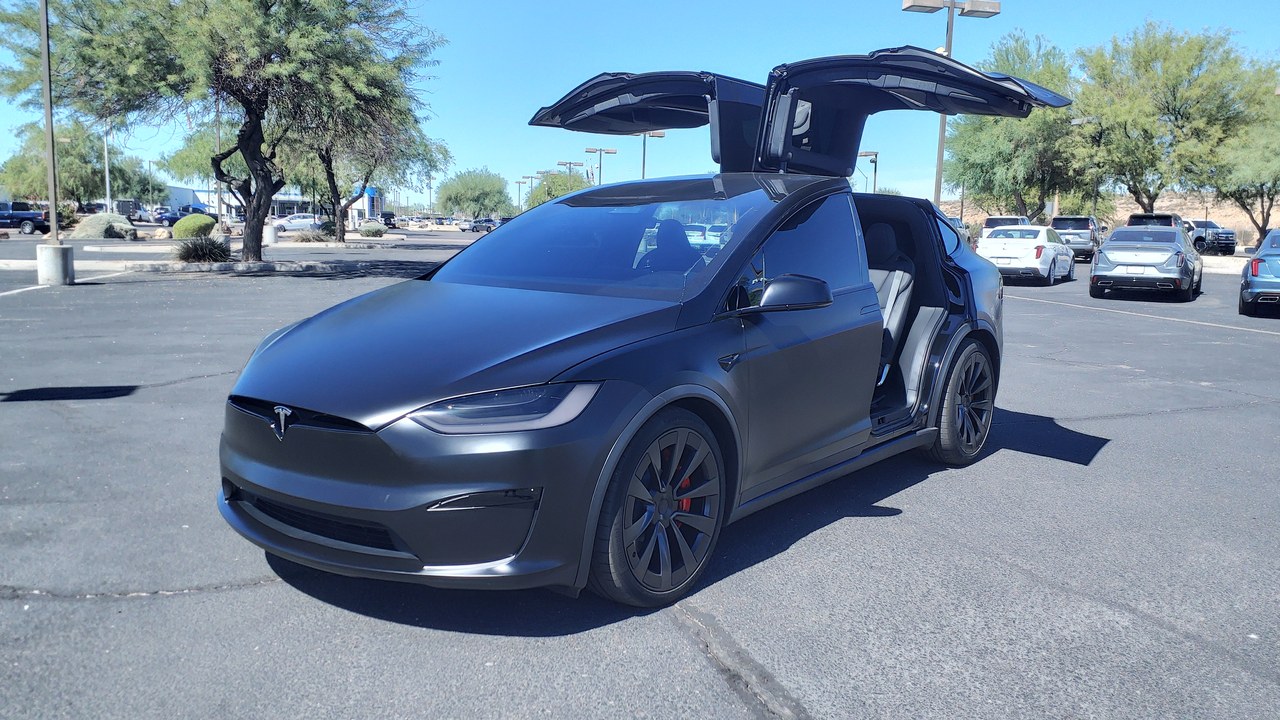
A large electric SUV with falcon-wing doors, the Tesla electric SUV carries a heavy battery pack that loads its air suspension and brakes hard. Regenerative braking spares the pads in daily driving, yet the sheer mass strains suspension components, and the adaptive air springs are expensive to replace when they eventually leak or fail.
Repairs often route through the manufacturer’s own network, where parts and scheduling can limit cheaper independent options. The weight that gives the Model X its planted feel is the same weight that wears chassis hardware, so owners keeping one past its warranty may face suspension estimates that rival those of traditional luxury marques.
9. BMW X7: Big SUV, Bigger Estimates
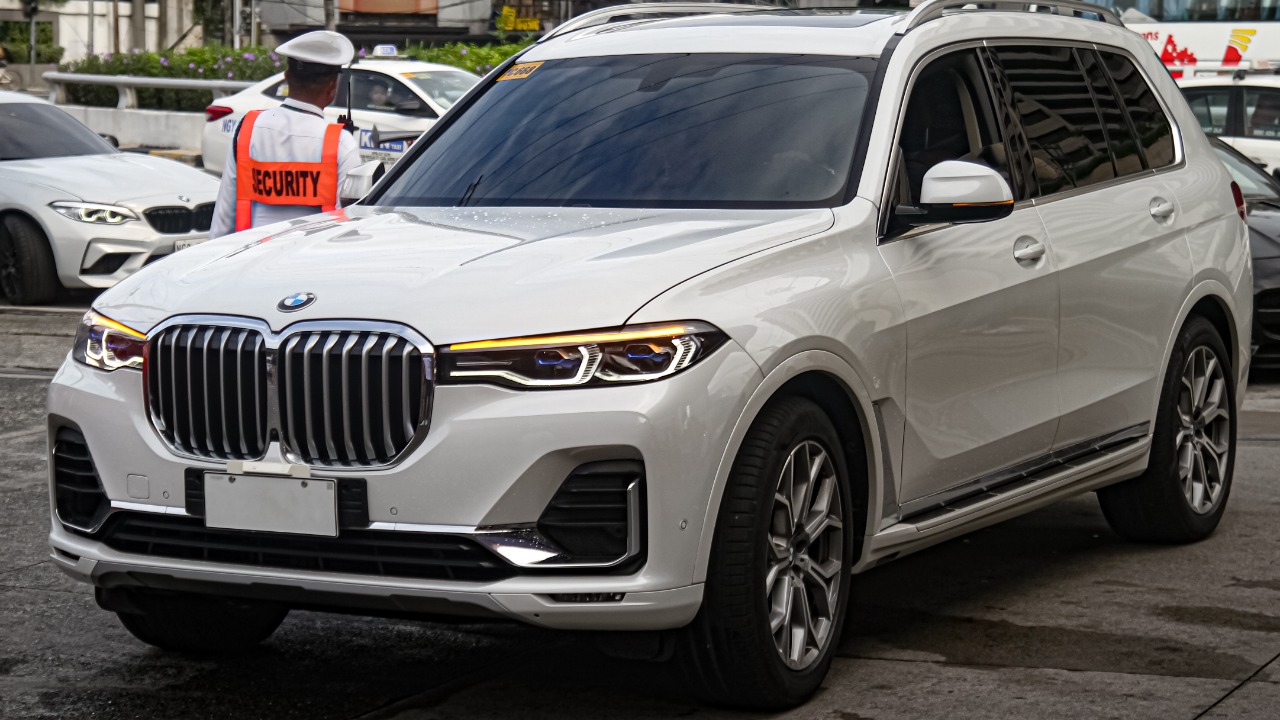
BMW’s largest SUV, the BMW three-row SUV rides on standard air suspension at both axles to manage its size and weight. The setup delivers a smooth, controlled ride, but the air springs, compressor, and adaptive dampers are costly to replace, and the vehicle’s bulk demands large brakes that are not cheap to renew.
As with its 7 Series sibling, complexity is the price of refinement, and a single failed air unit can level the truck awkwardly until repaired. Buyers attracted to a used example should budget for chassis maintenance, because the systems that make the X7 feel effortless become a meaningful expense once the newness wears off.
More from Morning Overview
