
Outward visibility rarely appears on a window sticker, yet it shapes every parking maneuver and lane change an owner makes. Styling trends have pushed beltlines up, thickened roof pillars and shrunk rear glass, and drivers notice the difference from the seat. Here are nine vehicles owners and reviewers repeatedly single out for pinched sightlines.
1. Chevrolet Camaro: Slit-Window Sightlines
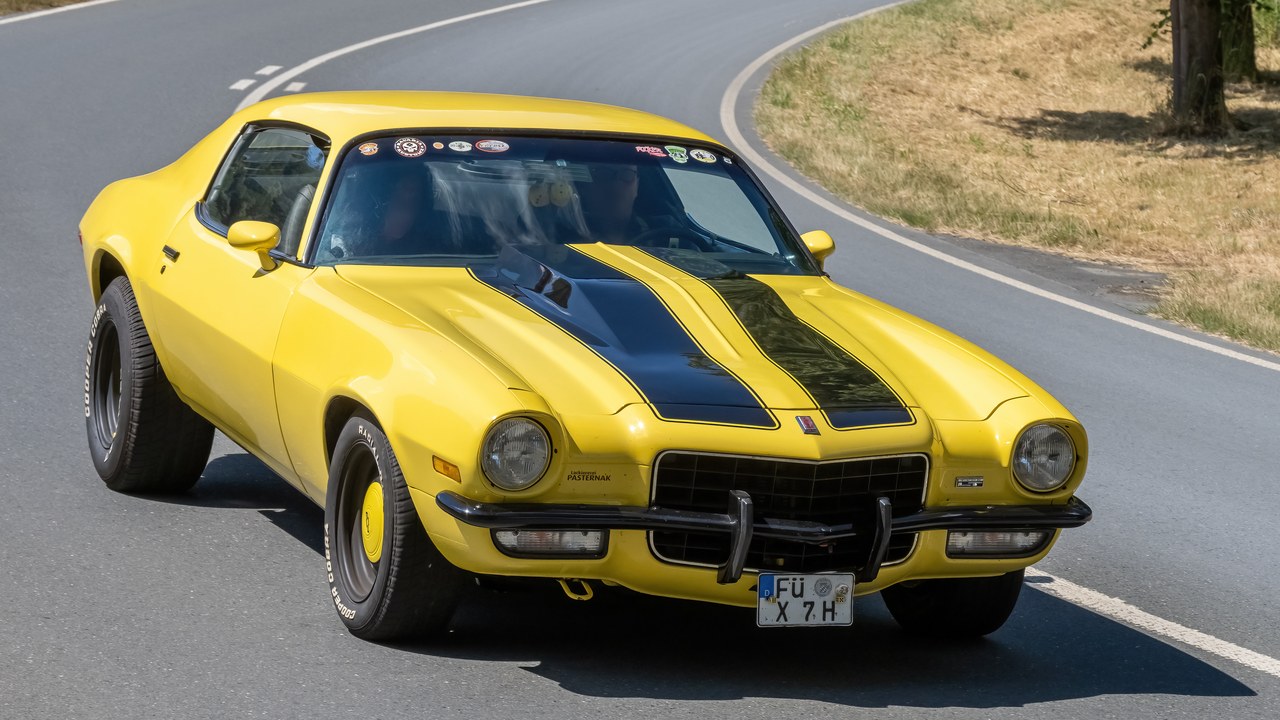
Owners of recent Camaro generations complain that a high beltline and shallow side glass leave them squinting through what feels like a mail slot. The proportions are deliberate, since the Camaro’s chopped roofline sits over a tall body, leaving short windows and a broad rear quarter panel that swells into a thick pillar.
Reviewers note that judging a curb or spotting a car in the next lane often means leaning forward in the seat. The cost shows up in tight garages and parallel parking, where drivers fall back on mirrors and the backup camera for moves that a taller-glassed sedan would leave to a glance.
2. Dodge Challenger: A Bunker-Like Rear View
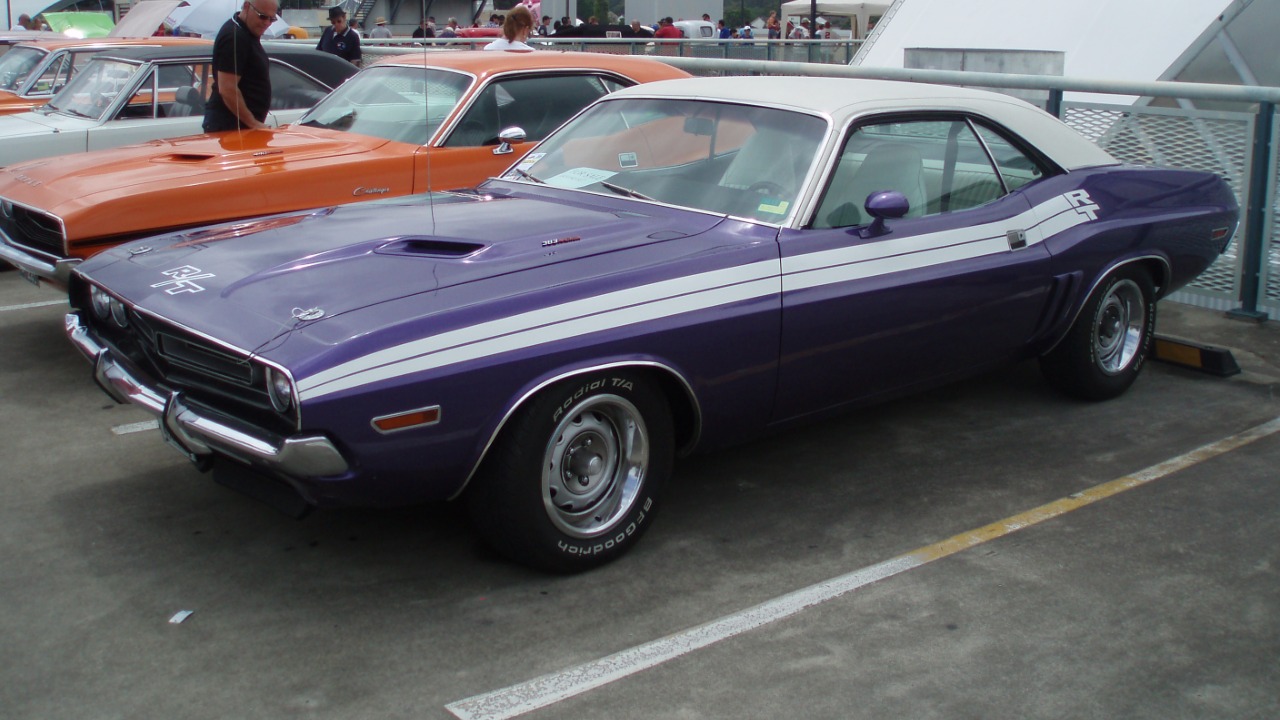
Thick roof pillars are the recurring complaint aimed at the Dodge Challenger, whose retro shape pairs a wide rear pillar with a rear window that is short relative to the body. Owners describe over-the-shoulder checks that reveal mostly sheet metal, and the same mass that gives the coupe its presence blocks the diagonal view a driver uses when merging.
Blind-spot monitoring softens the problem without erasing it, and shoppers coming from a hatchback or crossover often report the biggest adjustment when backing out of a crowded lot. Reversing into a space rather than nosing in is the workaround owners mention most.
3. Ford Mustang: A Beltline That Keeps Climbing
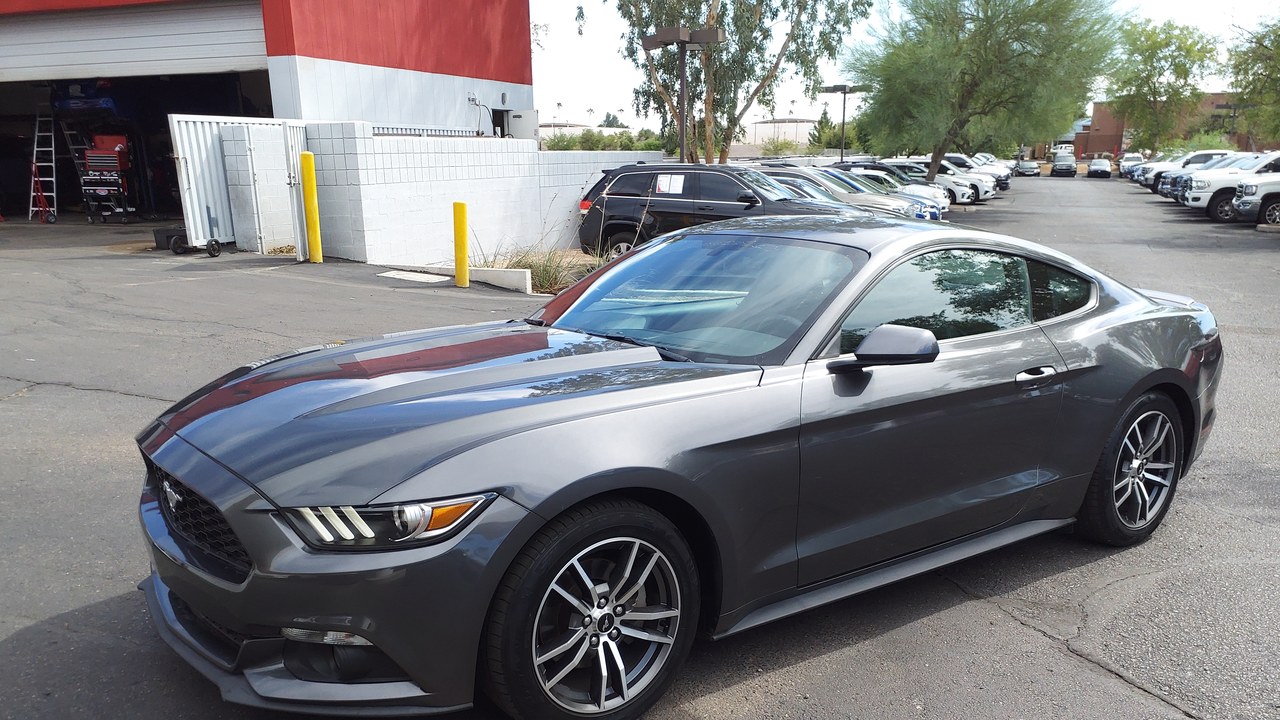
A window line that rises steadily toward the tail is the shape complaint that follows the modern Mustang coupe, because the glass narrows exactly where a driver looks when reversing or changing lanes. The rear three-quarter view shrinks as the fastback roof drops toward the decklid, and owners report that the passenger-side blind spot is the harder of the two to clear.
Convertible versions trade one limitation for another, since the folding top stack sits behind the rear seats. Buyers who park on the street tend to notice the pinch first, and used listings for the coupe are worth checking for a factory blind-spot system rather than assuming one is fitted.
4. Chevrolet Corvette: The Mid-Engine Trade-Off
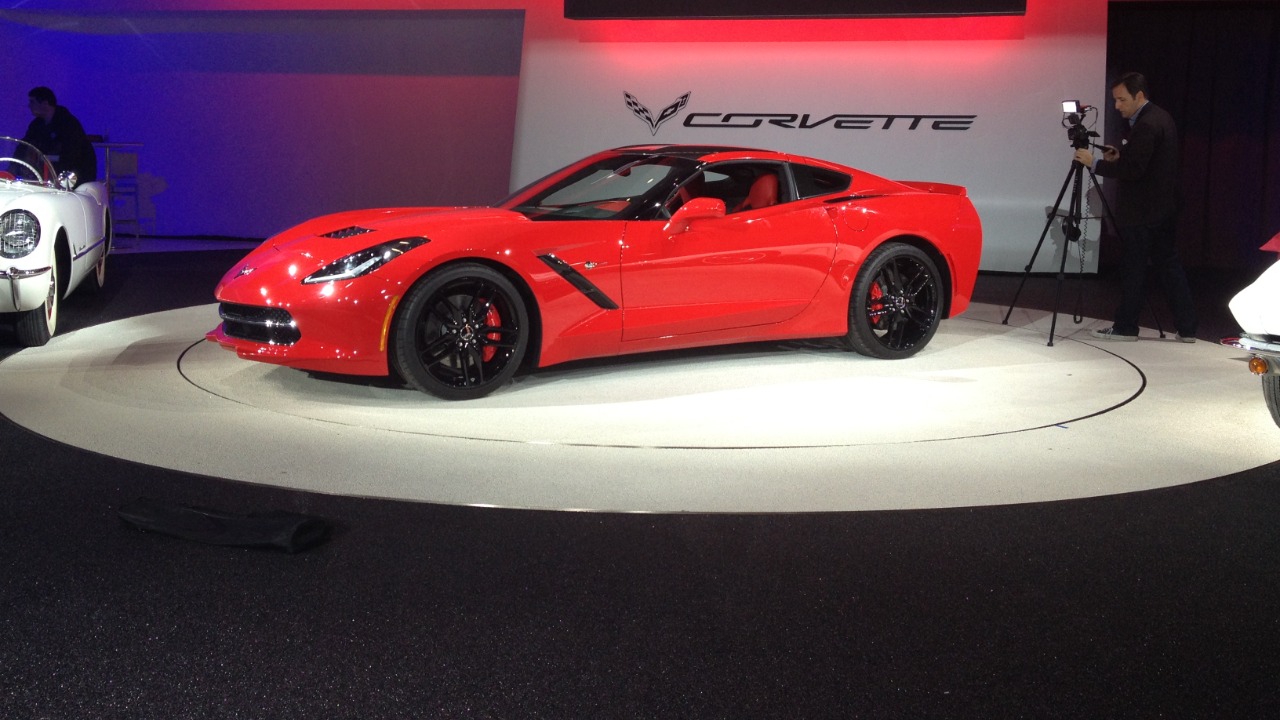
Moving the engine behind the seats reshaped what a driver can see, and complaints about the mid-engine Corvette focus on a rear view framed by the engine cover, buttresses and a shallow strip of back glass. The layout that improved balance also put structure where a rear window used to be, so mirrors and the camera carry more of the load than in the front-engine cars that came before.
Owners generally treat it as an accepted cost rather than a defect, though reversing out of an angled space draws the most grumbling. Low seating adds a second constraint, since a tall truck parked alongside can hide cross traffic entirely.
5. Nissan Z: Low Roof, Wide Pillars
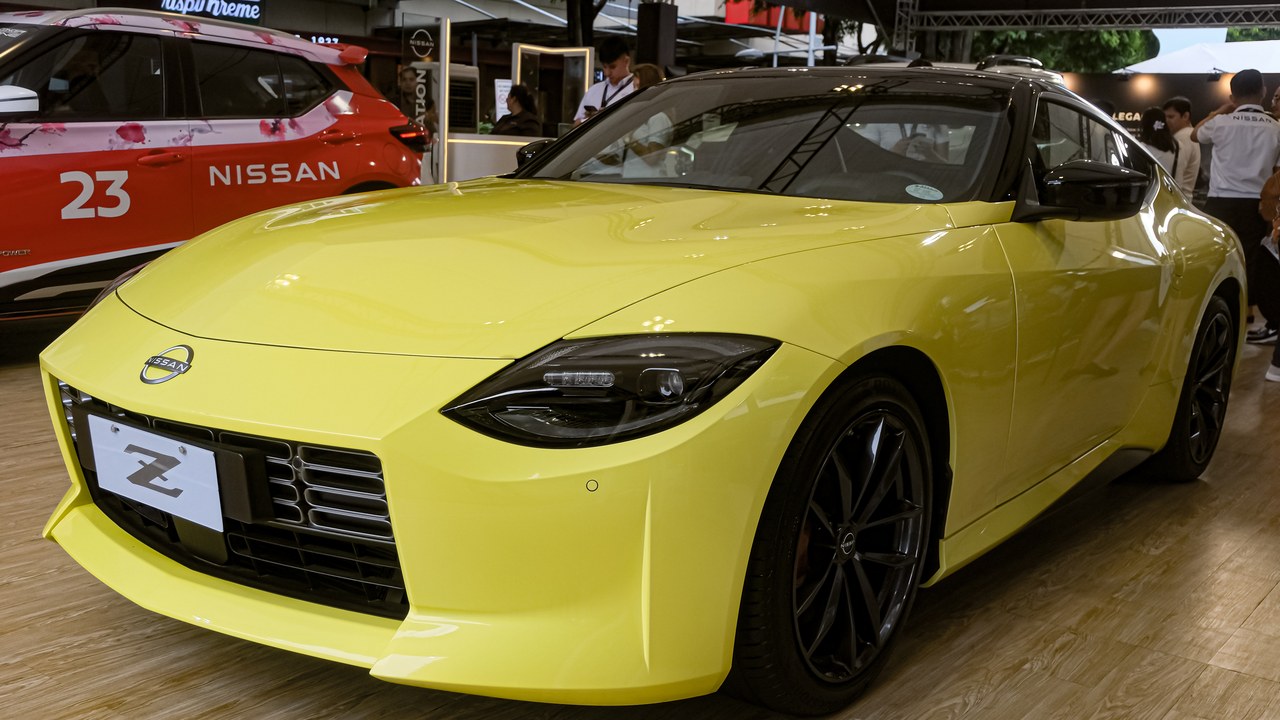
Sports-car proportions cut both ways on Nissan’s Z coupe, where a low roofline sits close to the driver’s head and broad rear pillars frame a small back window. Owners report that the view over the shoulder is largely blocked, and that the long hood and rising fenders make the front corners hard to place when easing into a parking space.
The compensation is a compact footprint, which keeps the car easier to thread than its sightlines suggest. Drivers who commute in stop-and-go traffic tend to rely on the mirrors and rear camera, and reviewers advise a long test drive in a parking structure before signing.
6. Chrysler 300: Tall Doors, Short Windows
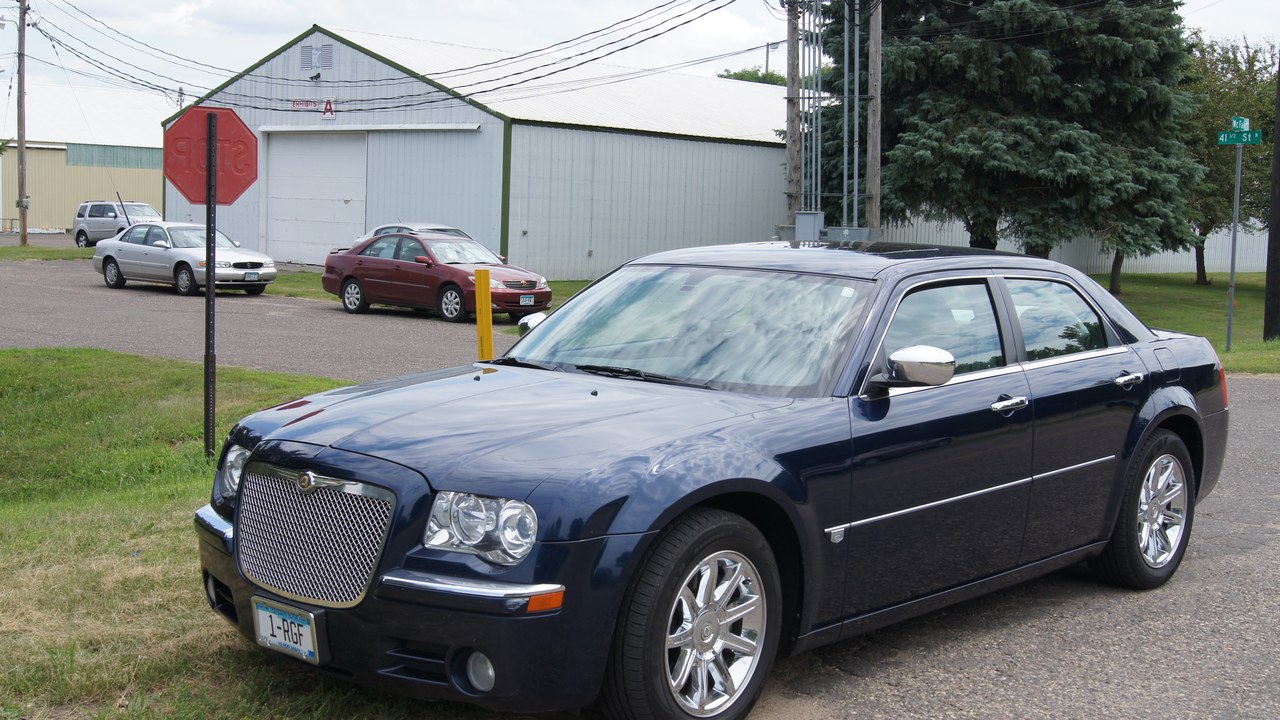
Slab-sided styling gave the Chrysler 300 sedan its bank-vault look and, owners complain, a shallow band of side glass to see through. The doors are unusually deep, so the window openings sit high relative to the seat, and shorter drivers describe raising the cushion to get a useful angle on the road ahead.
Thick rear pillars and a modest back window compound the effect during lane changes. Reviewers generally rate the ride and interior room highly, which is why the sightlines register as a livability quirk rather than a reason to walk away, though buyers should verify blind-spot monitoring on older examples.
7. Dodge Charger: Wide Pillars, Wider Blind Spots
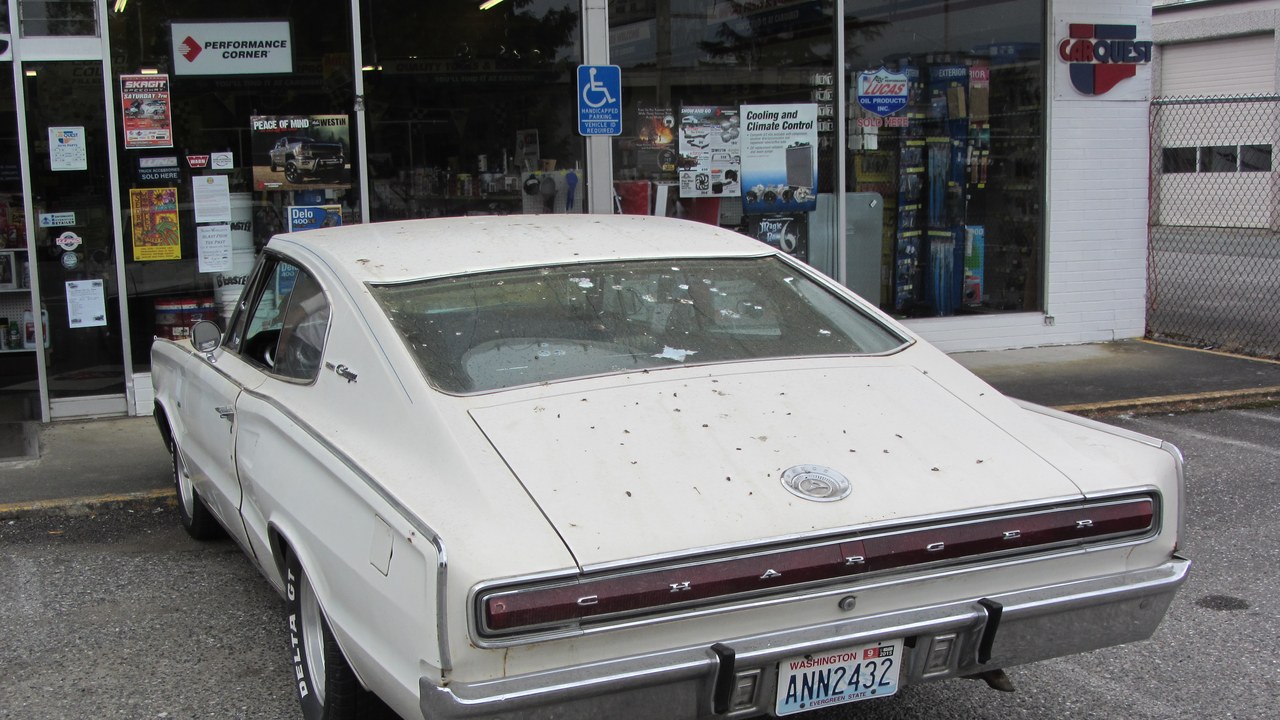
Complaints about the Dodge Charger sedan center on roof pillars broad enough that owners say a neighboring car can disappear behind them, a byproduct of the coupe-like roof grafted onto a full-size four-door. The rear pillars widen where they meet the trunk, and drivers report that a quick shoulder check confirms less than the mirrors do.
Fleet use puts the issue in front of a lot of drivers, since police and rental duty keep the model in constant rotation. For private owners, blind-spot alerts and a well-aimed set of mirrors are the usual fix, and choosing pull-through spaces removes much of the guesswork.
8. Range Rover Evoque: A Roofline On A Downward Slope
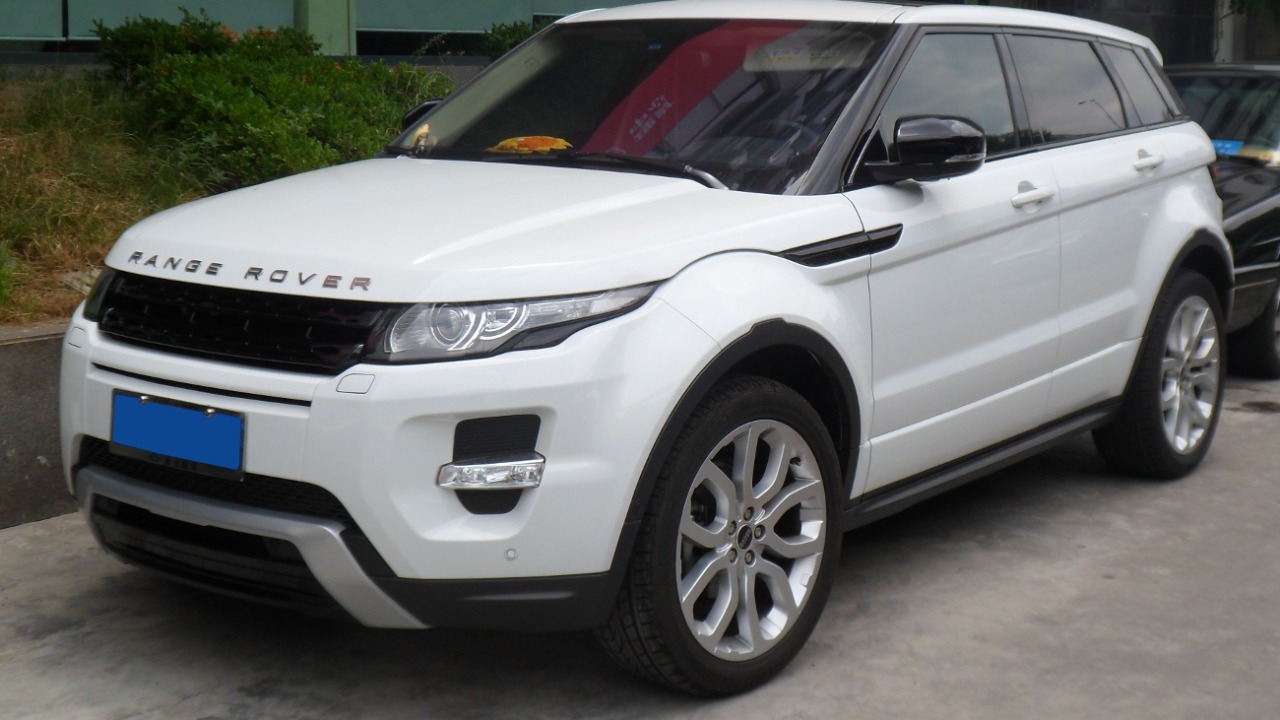
The tapering roofline that defines the Range Rover Evoque drops toward the tailgate and leaves a rear window that is wide but shallow. Owners describe the mirror view as a letterbox, and the effect grows with rear headrests and passengers in the back seats. The high shoulder line that makes the profile work also raises the sills, trimming the downward view to either side.
Camera-based parking aids are the standard answer, and drivers report leaning on them rather than the mirror for tight maneuvers. Shoppers cross-shopping a boxier compact crossover usually find the difference obvious the moment the two are reversed out of the same driveway.
9. Toyota Prius: The Divided Rear Window
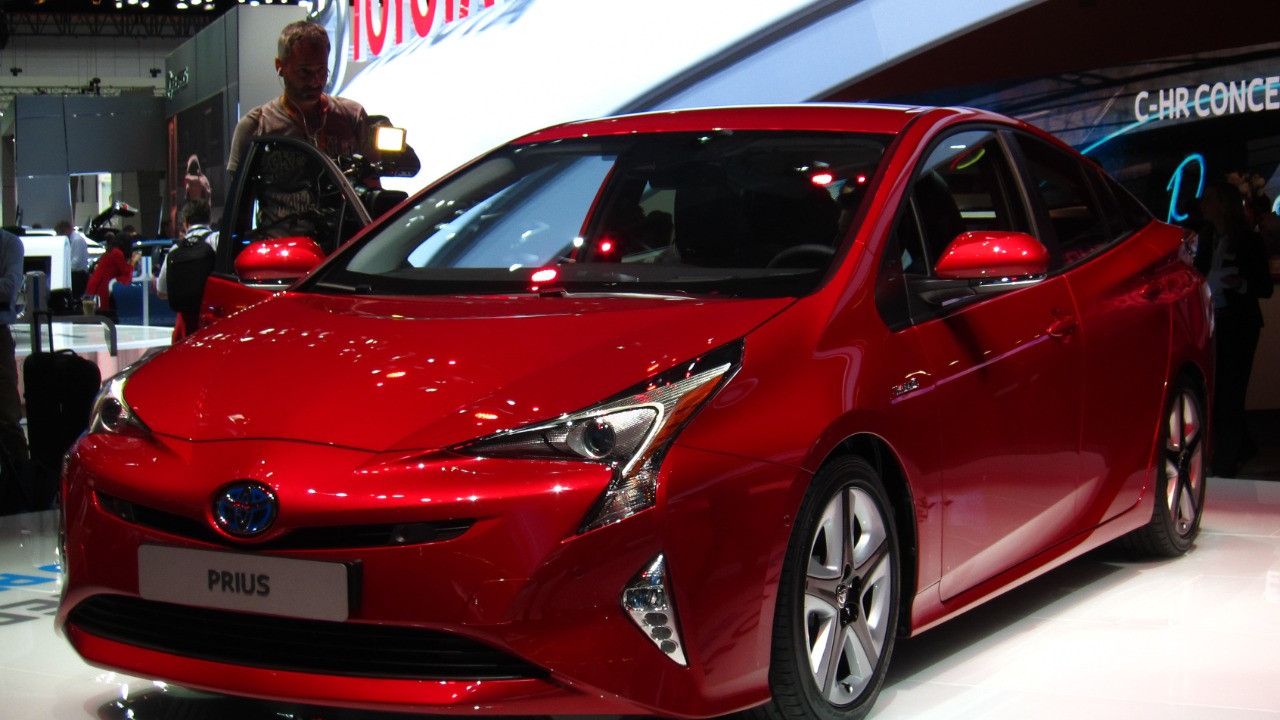
A horizontal bar splitting the hatch glass is the signature quirk of the Toyota Prius hatchback, a consequence of the wedge shape that helps the car slip through the air. The upper pane shows the horizon while the lower pane shows the pavement, and owners report that the divider sits at eye level in the mirror. Thick pillars at both ends of the roof add to the enclosure.
Not every generation uses the split arrangement, so the complaint tracks specific body styles rather than the nameplate as a whole. Rear cameras have largely neutralized the reversing problem, leaving the divided view as an annoyance on the highway more than a hazard in a parking lot.
More from Morning Overview
