
All-wheel drive used to mean paying a premium, but a handful of automakers now build it into the base price of everyday cars and SUVs. Subaru and Mazda dominate the list, treating grip as a standard feature rather than an option box to check. Here are nine cars and SUVs that deliver standard all-wheel drive without crossing the $35,000 mark.
1. Subaru Impreza: The Cheapest Way In
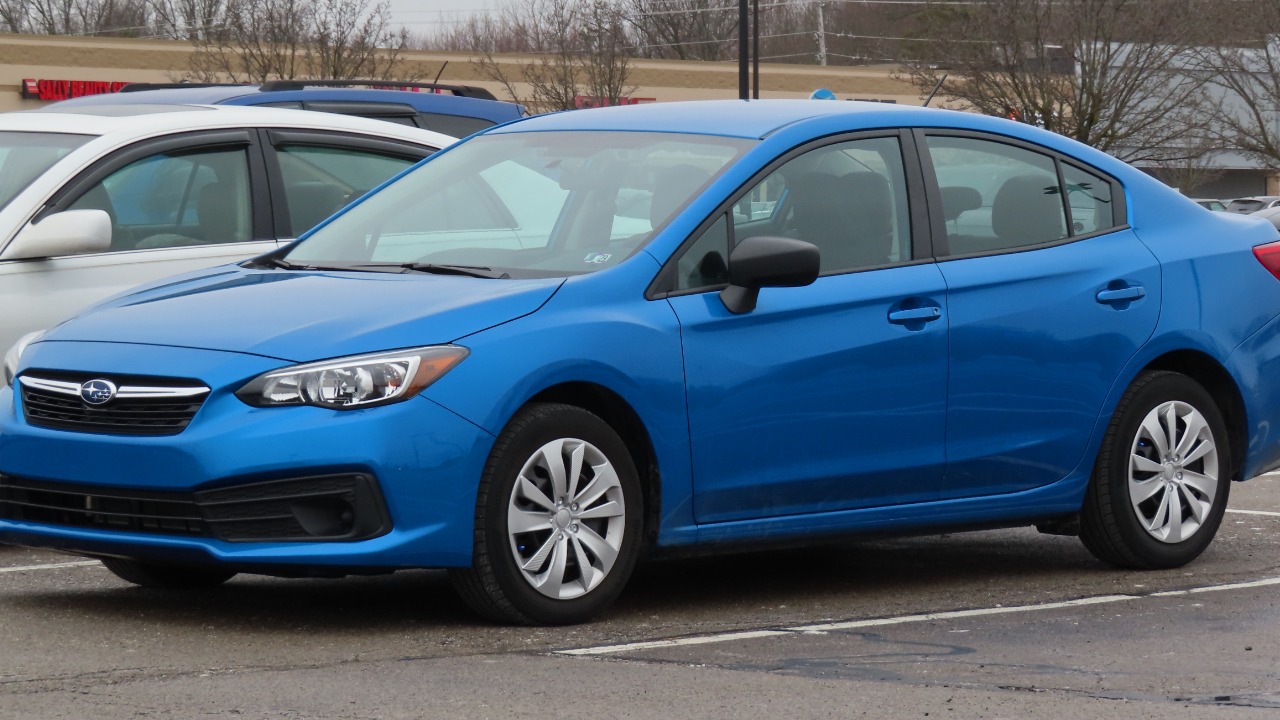
The Subaru Impreza pairs a standard symmetrical all-wheel-drive system with a hatchback body starting around $24,000, placing it among the cheapest AWD cars sold in the United States. No trim level drops the system or charges extra for it.
For buyers cross-shopping economy hatchbacks, that removes the usual upcharge competitors attach to all-wheel drive, making the Impreza a rare bargain in the segment. The tradeoff is modest power, so the car rewards drivers who prioritize traction over speed. Fuel economy remains competitive with rivals that reserve all-wheel drive for pricier trims, reinforcing the value case for budget-minded shoppers.
2. Mazda CX-30: Grip Built In From The Start
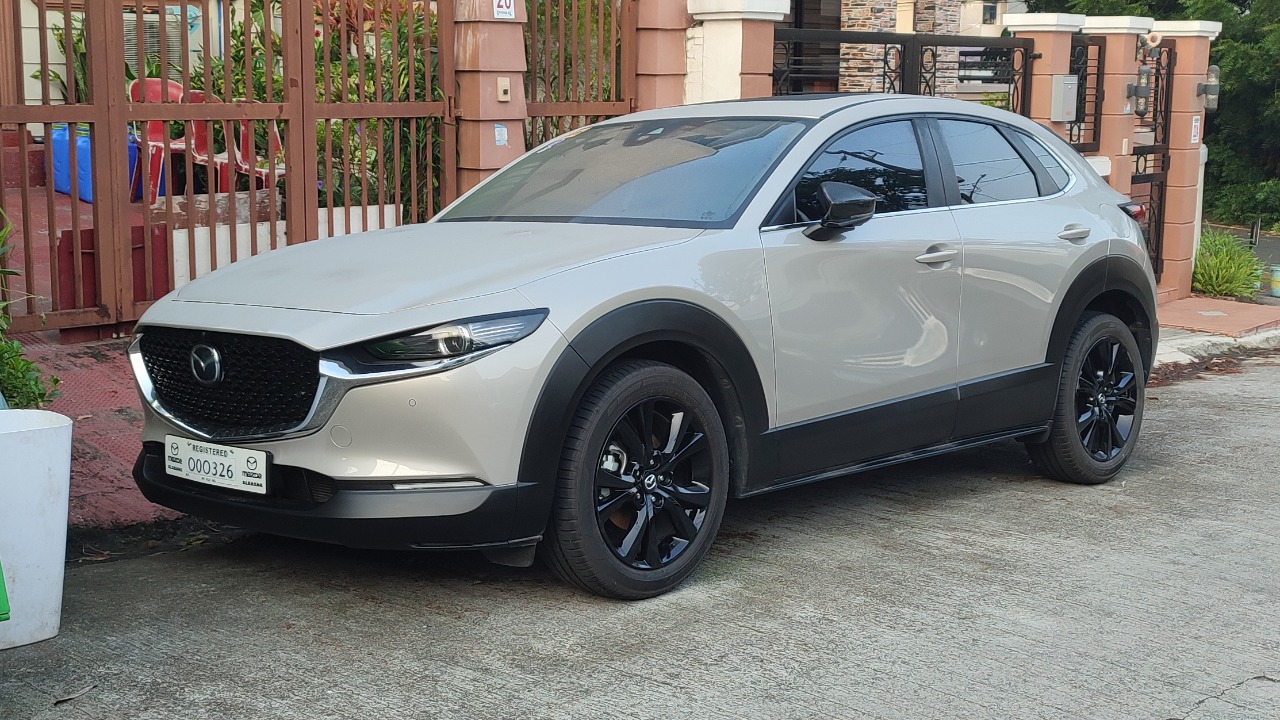
Every U.S.-market Mazda CX-30 ships with i-Activ all-wheel drive as standard equipment, with pricing starting near $26,000 according to the CX-30 model overview. The system engages before wheel slip occurs, not after.
That preemptive approach matters most on wet pavement or loose gravel, where reactive systems react a beat too late. Buyers get the safety margin of AWD without hunting for a specific trim or option package. Fuel economy stays close to the front-wheel-drive versions offered by rival brands, so the added traction carries little penalty at the pump.
3. Subaru Crosstrek: Rugged And Ready Standard
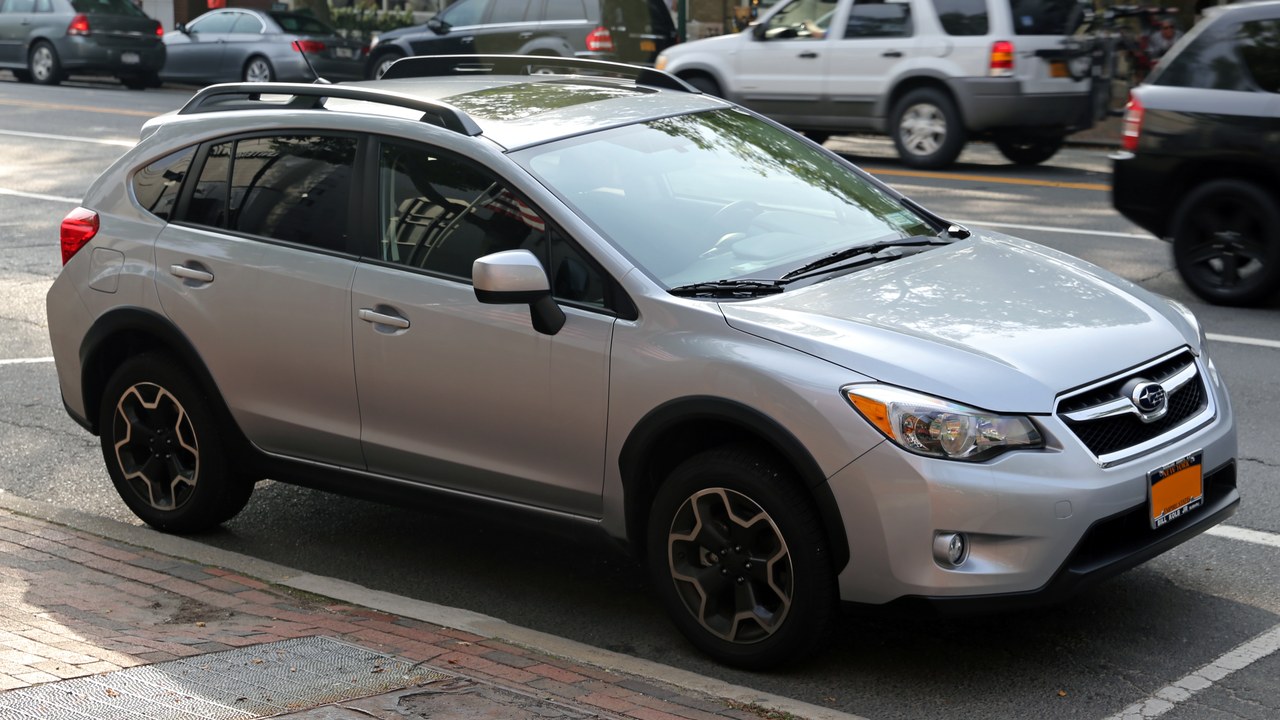
The Subaru Crosstrek starts at about $26,995 and includes symmetrical all-wheel drive on every trim, according to the Crosstrek reference entry. Ground clearance rivals some small SUVs twice its price.
That combination makes the Crosstrek a common pick for buyers who want light off-road capability without committing to a larger, thirstier vehicle. Resale value has historically held up well, reinforcing the case for the compact crossover. Owners frequently cite the higher seating position and standard roof rails as reasons the crossover suits both commuting and weekend outdoor trips.
4. Subaru Outback: Wagon Practicality Meets Standard AWD
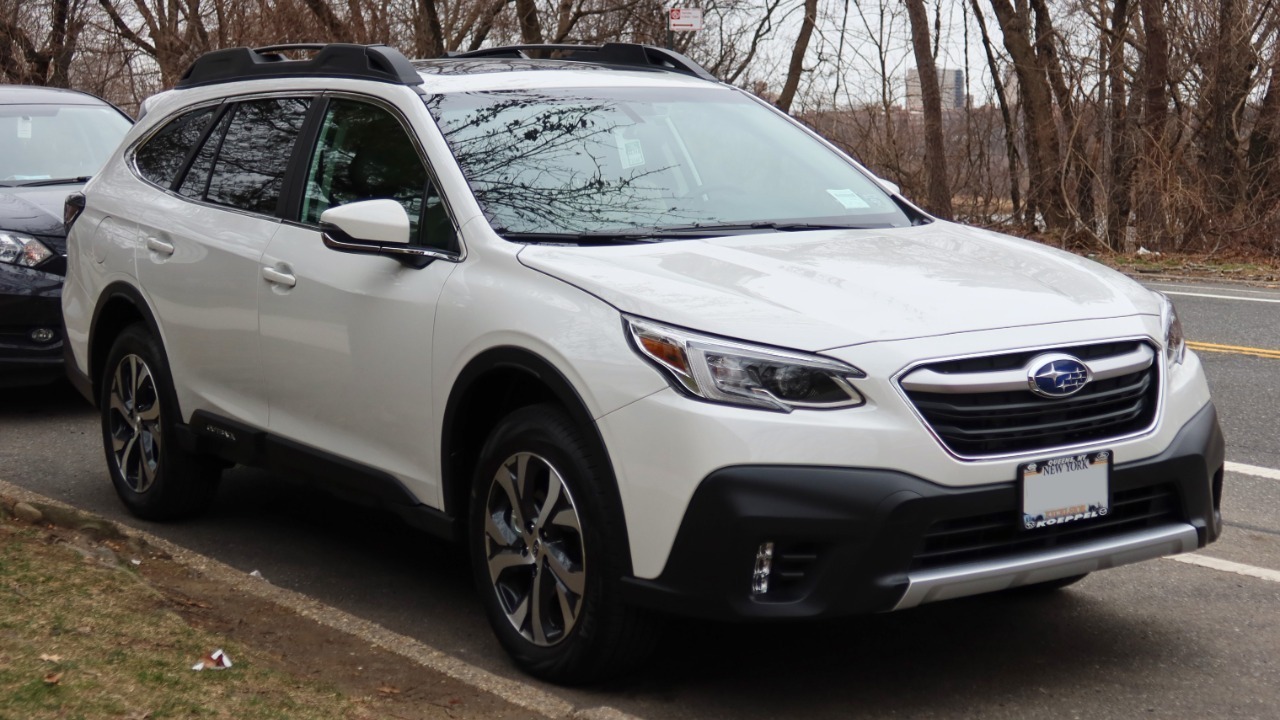
Subaru builds all-wheel drive into every Outback, a wagon-based crossover priced from roughly $30,000, per the Outback model page. Cargo space stretches well beyond most compact SUVs in its price range.
Families cross-shopping SUVs often land on the Outback specifically because it delivers wagon-level cargo room and car-like handling alongside the traction of standard AWD. Higher ground clearance than a typical sedan adds further versatility. The wagon shape also lowers the center of gravity compared with taller SUVs, a factor that improves handling in poor weather.
5. Mazda CX-5: The Segments Steady Seller
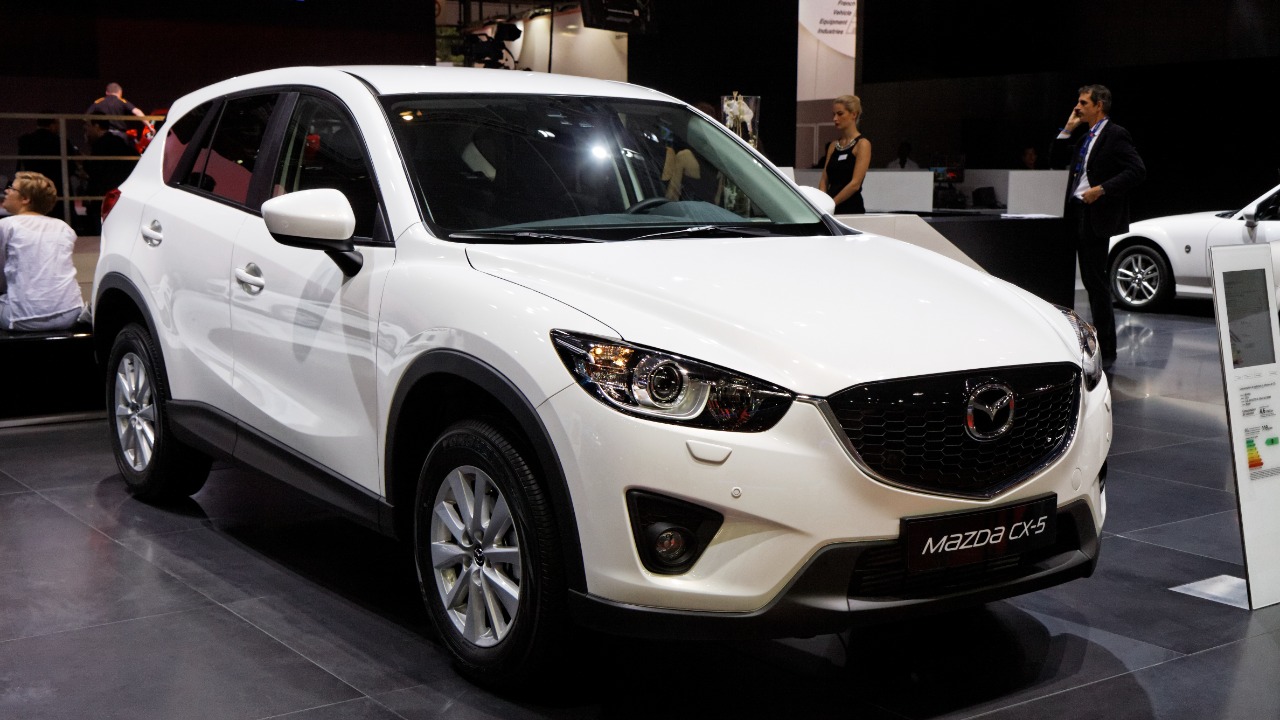
The Mazda CX-5 keeps i-Activ all-wheel drive standard across nearly every trim while staying under $35,000, according to the CX-5 specification history. It remains one of Mazda’s best-selling models in the United States.
Consistent sales volume has kept parts and service costs predictable for owners, an underrated factor when budgeting for a compact SUV. The interior quality also outpaces several rivals in the same price bracket. Available turbocharged engines add power for shoppers who want more than the base four-cylinder without sacrificing the standard traction system.
6. Mazda CX-50: Off-Road Lean Same Standard Grip
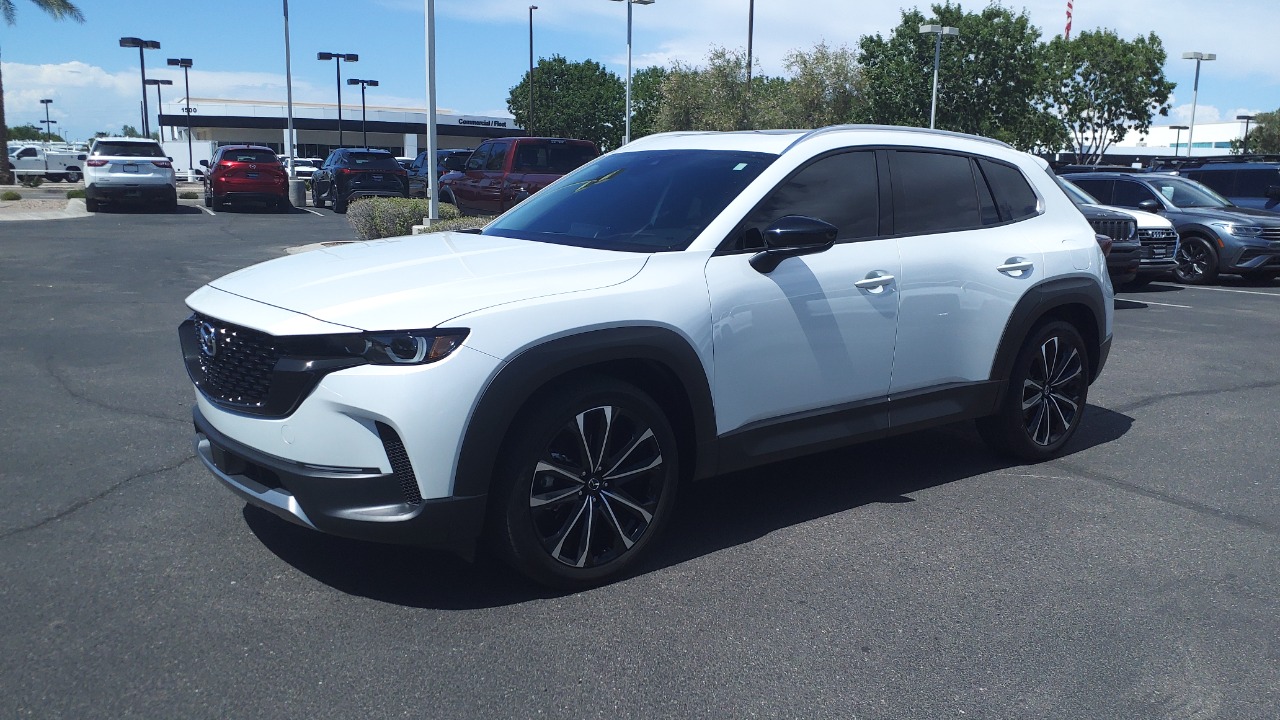
Mazda equips every CX-50 with standard all-wheel drive, starting near $29,900 based on the CX-50 model summary. The chassis sits slightly lower and wider than the CX-5, aimed at outdoor-oriented buyers.
That wider stance improves stability on unpaved roads without sacrificing the fuel economy typical of a compact crossover. Buyers get a more trail-capable feel without paying for a larger, heavier SUV. Its raised suspension and standard roof rails also cater to campers and cyclists who need extra ground clearance and gear capacity. Ground clearance beats most direct rivals by a meaningful margin.
7. Subaru Forester: Roomy Standard By Design
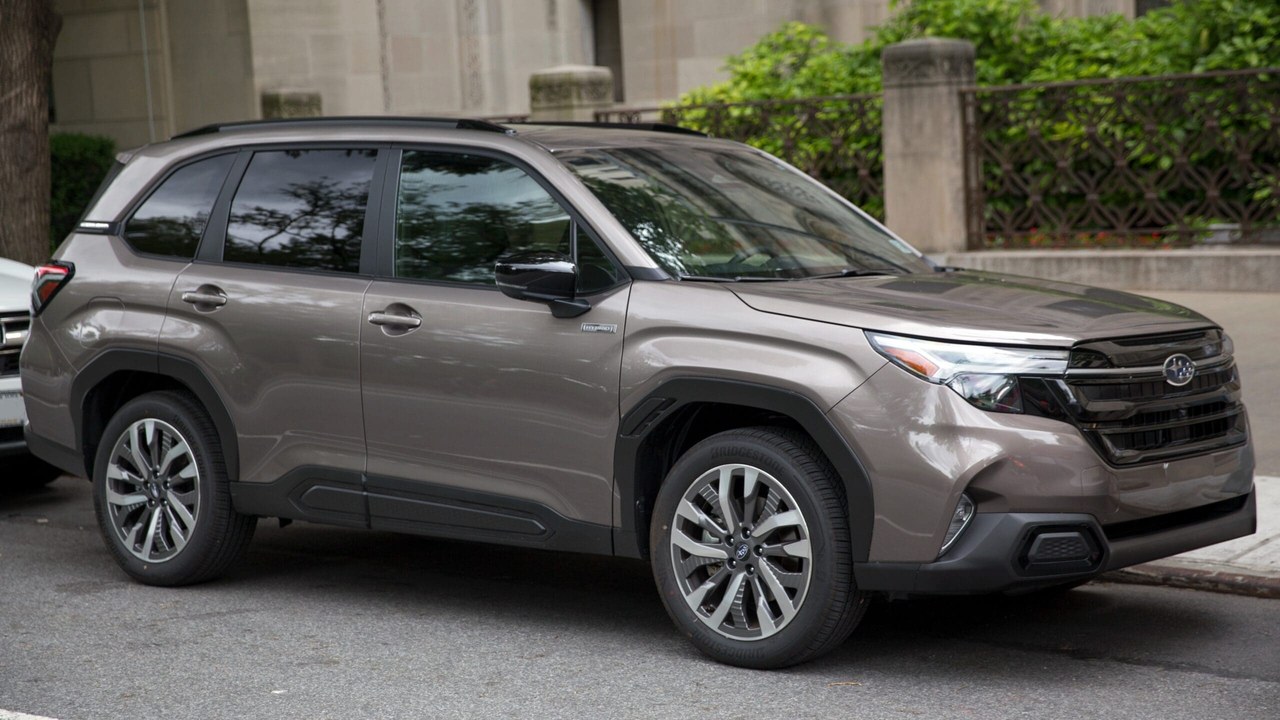
The Subaru Forester includes standard symmetrical all-wheel drive in a compact SUV body priced around $31,000, per the Forester model history. Interior visibility is frequently cited as class-leading thanks to its tall glass area.
That visibility, combined with all-weather traction, has made the Forester a repeat favorite for buyers who drive in snow or rain regularly. Cargo space matches or beats several nominally larger competitors. A raised roofline and boxy shape translate into one of the largest cargo holds in the compact-SUV class, standard AWD included.
8. Dodge Hornet: An American Entry In A Crowded Field
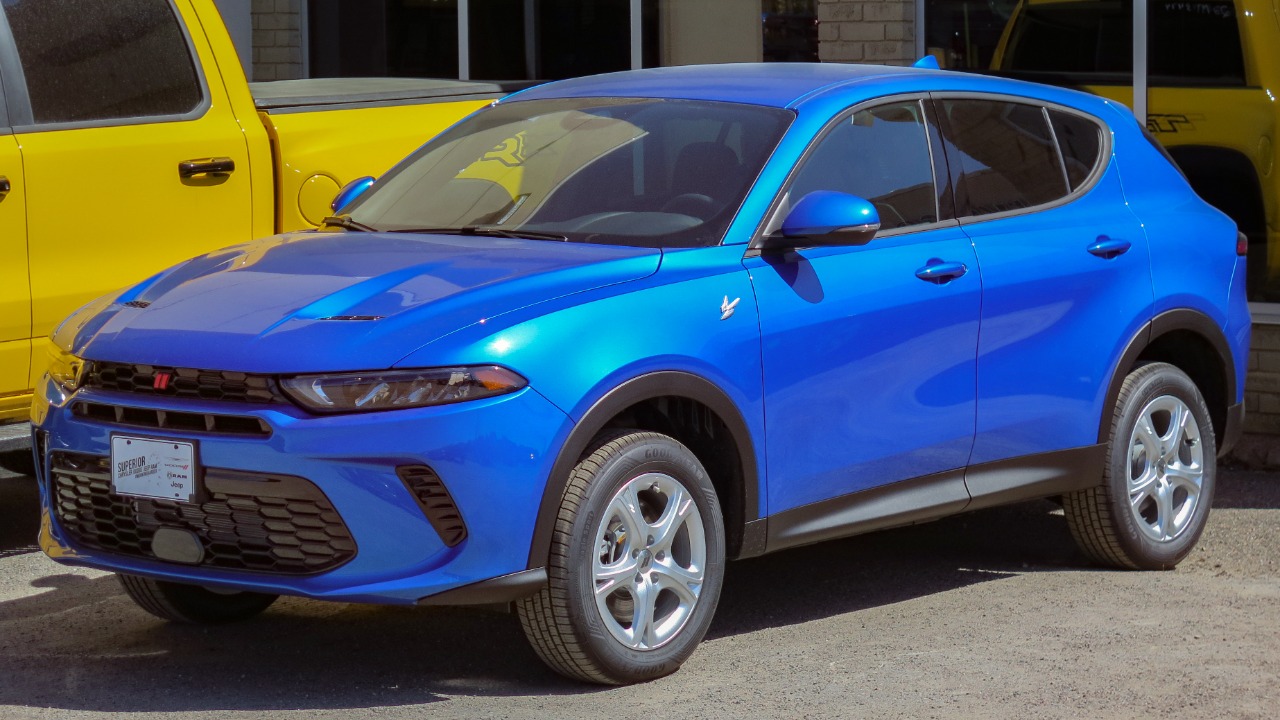
The Dodge Hornet comes standard with all-wheel drive on its sporty compact crossover body, starting around $32,000, according to the Hornet model overview. It shares underpinnings with an Alfa Romeo crossover sold overseas.
That shared platform brings sharper handling than most crossovers in this price range, at the cost of a firmer ride. It stands out as one of the few domestic nameplates in a field otherwise led by Japanese brands. Dodge markets the crossover toward younger buyers seeking a distinct look, betting the shared engineering offsets its unfamiliar badge in a crowded field.
9. Subaru WRX: Performance Without Losing Standard AWD
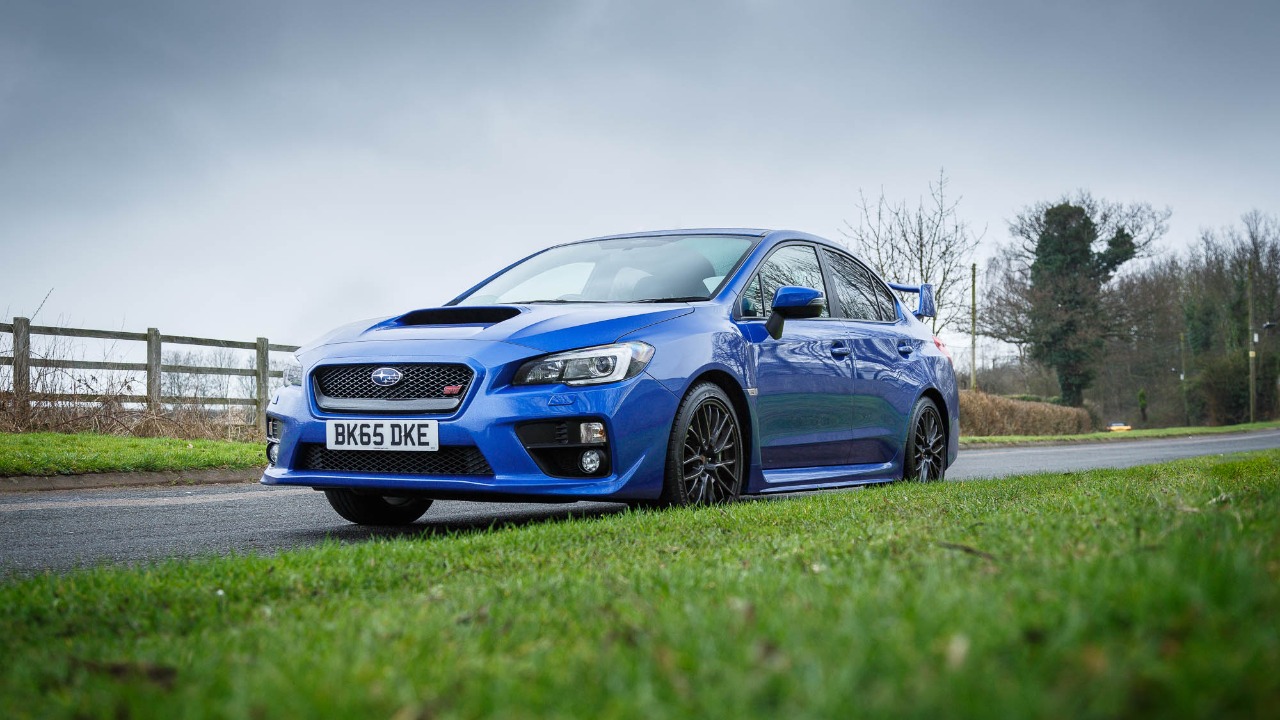
The Subaru WRX pairs standard symmetrical all-wheel drive with a turbocharged engine and, on some trims, a manual gearbox, starting around $34,000 per the WRX model reference. It stays under the $35,000 threshold despite the performance hardware.
That positioning makes the WRX an outlier on this list: a genuine performance sedan that still delivers the same standard traction as the economy models above it. Insurance costs tend to run higher given the performance-oriented profile. Fuel economy suffers next to the other models on this list, a tradeoff buyers accept in exchange for the added performance.
More from Morning Overview
- Four U.S. startups fired up their first small nuclear reactors, aiming to power AI data centers on-site
- 11 engines built to run well past 200,000 miles
- A handful of car transmissions are so tough that mechanics say they almost never die
- Card skimmers hidden on gas pumps are draining accounts, and there’s a quick way to spot them
