
Pickups built on car platforms instead of truck frames have a history stretching back to the late 1950s. The idea has returned in waves, from muscle-era utes and tariff-dodging oddities to modern hybrids. Here are nine of them, starting with the one that began it all.
The day in tech, in one email: TLDR is the daily newsletter with links and TLDRs of the most interesting stories in startups, tech and programming.
We may earn a commission if you sign up.
1. Ford Ranchero: Sedan Turned Workhorse
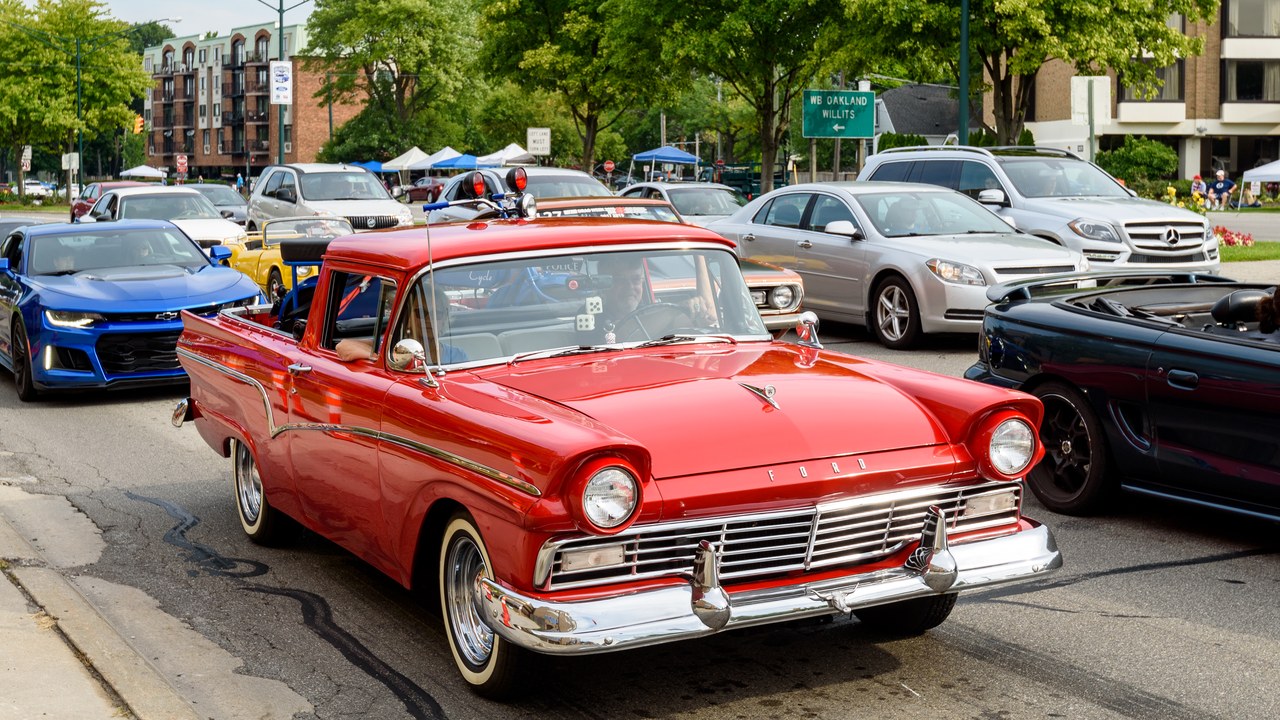
Introduced as a 1957 model, the Ranchero is described as the first postwar American vehicle of its type adapted from a popular sedan by the factory. Ford built 508,355 of them through 1979, a run long enough to span several different car platforms.
The idea was simple and durable: take a family car’s front end and passenger cabin, then replace the back seat and trunk with an open cargo bed. That blend of car comfort and light hauling set the template for every car-based pickup that followed, which is why this list begins here.
2. Chevrolet El Camino: Chevy’s Answer
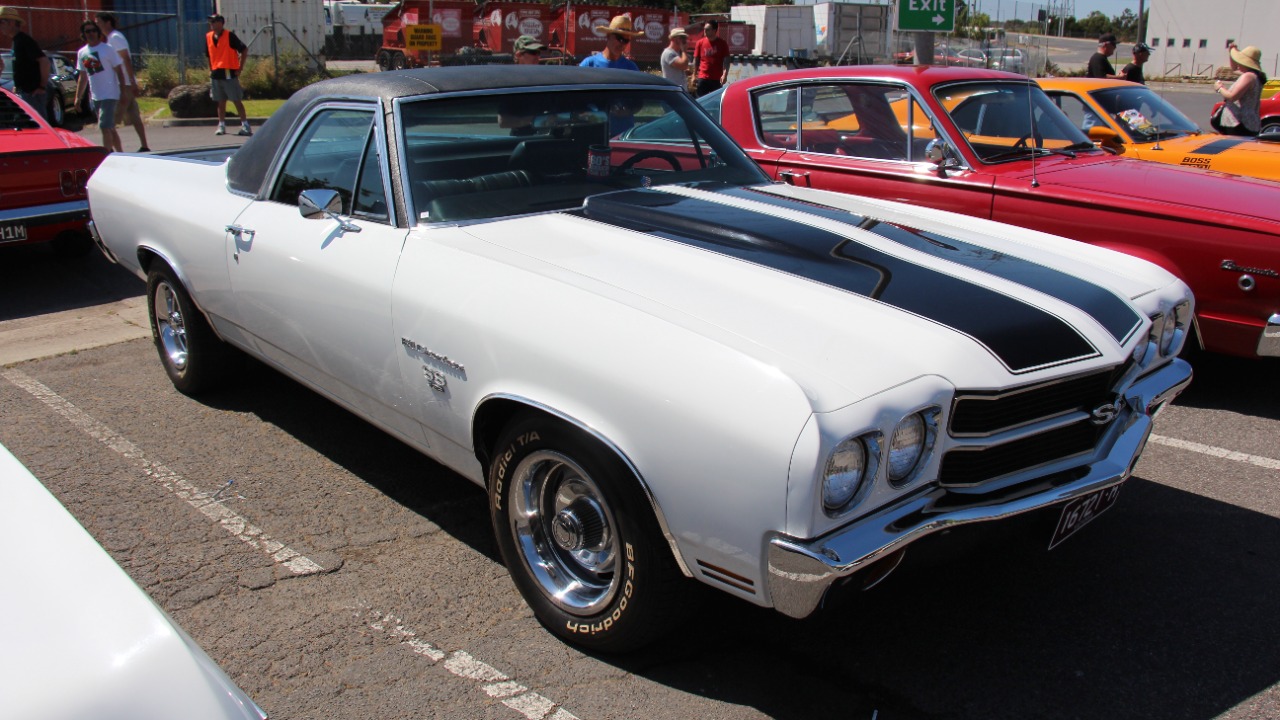
Chevrolet brought out the El Camino for 1959 in response to the Ranchero and kept selling it through 1987. The hottest version, the 1970 SS 454 LS6, was rated at 450 hp, an output more commonly associated with muscle coupes than with anything that carries a load.
That combination of a cargo bed and big-block performance explains much of the model’s lasting appeal. Few vehicles of any kind have mixed utility and straight-line speed so openly, and the El Camino remains the best-known rival to Ford’s original coupe utility.
3. Subaru BRAT: Tariff Loophole on Wheels
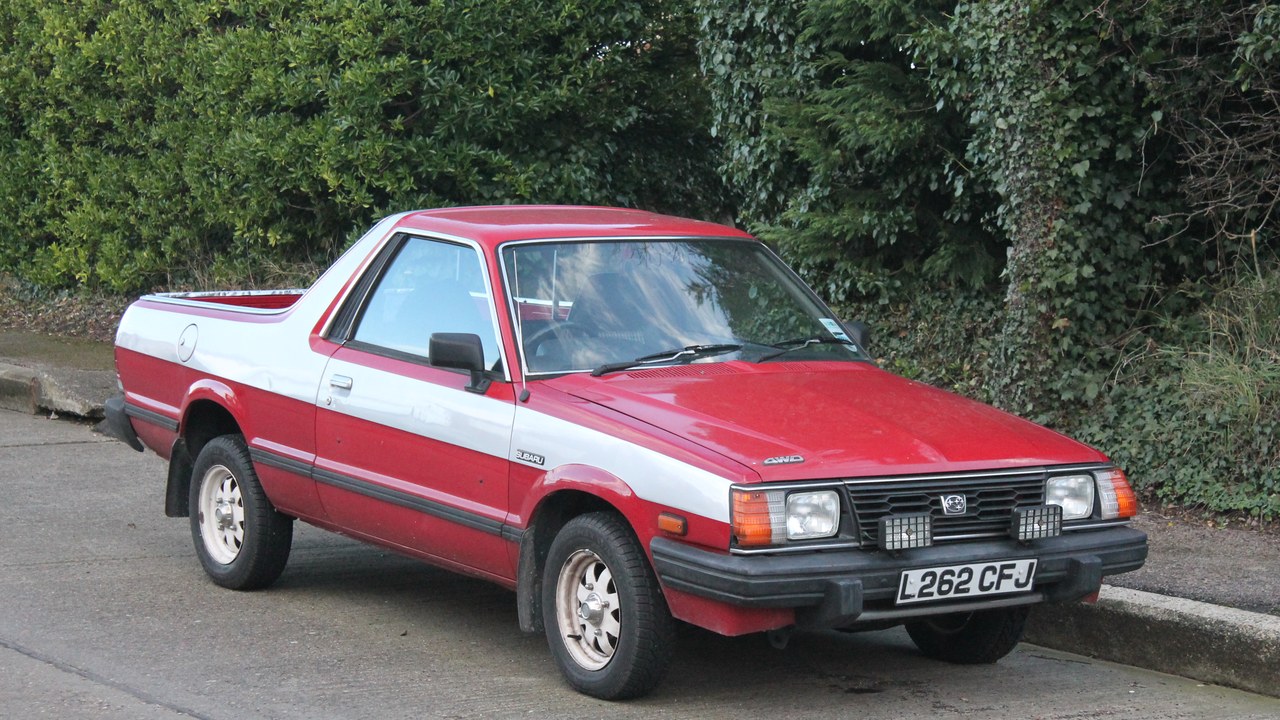
Rear-facing seats in the bed were a ploy to circumvent the punitive 25% Chicken Tax on light trucks, letting Subaru classify the BRAT as a car instead. It was sold in North America from 1978 to 1987 with four-wheel drive.
The trade rule shaped the design more than any engineering goal did. Small seats bolted into a cargo area became the legal difference between a truck and a passenger vehicle, and that quirk has made the compact BRAT one of the more memorable footnotes in pickup history.
4. Dodge Rampage: Front-Drive Pickup
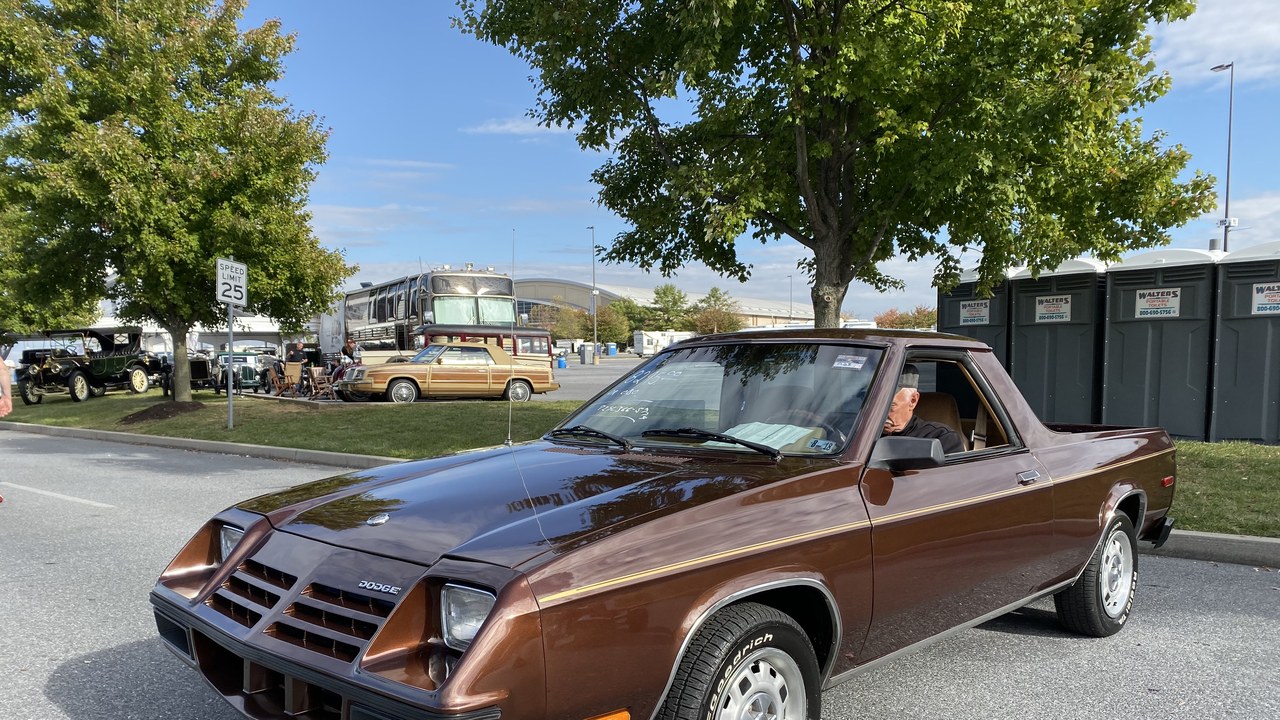
Chrysler built the Rampage as a front-wheel-drive pickup on the Omni 024 platform, marketed from 1982 to 1984 model years. It carried a 1,145-lb payload, a respectable figure for a small car-derived truck. Just 11,732 found buyers in 1984.
Those low sales help explain its short life. Compact imports and traditional small trucks already crowded the segment, so a front-drive utility based on a hatchback struggled to stand out, even though the layout anticipated later unibody pickups. Collectors now treat the Rampage as a rare find, partly because so few were made.
5. Chevrolet SSR: Retro Roadster Pickup

A retractable hardtop gave the SSR the look of a retro roadster with a pickup bed behind the cabin. Production ran from 2003 to 2006, and the final SSR was built on March 17, 2006.
As a car-based pickup, it leaned toward style statement over work vehicle. The power-folding roof and rounded fenders made it one of the oddest entries on this list, and it has since become a curiosity that collectors and trivia fans still point to. Few other pickups ever combined a folding metal roof with an open bed.
6. Subaru Baja: Crossover With a Bed
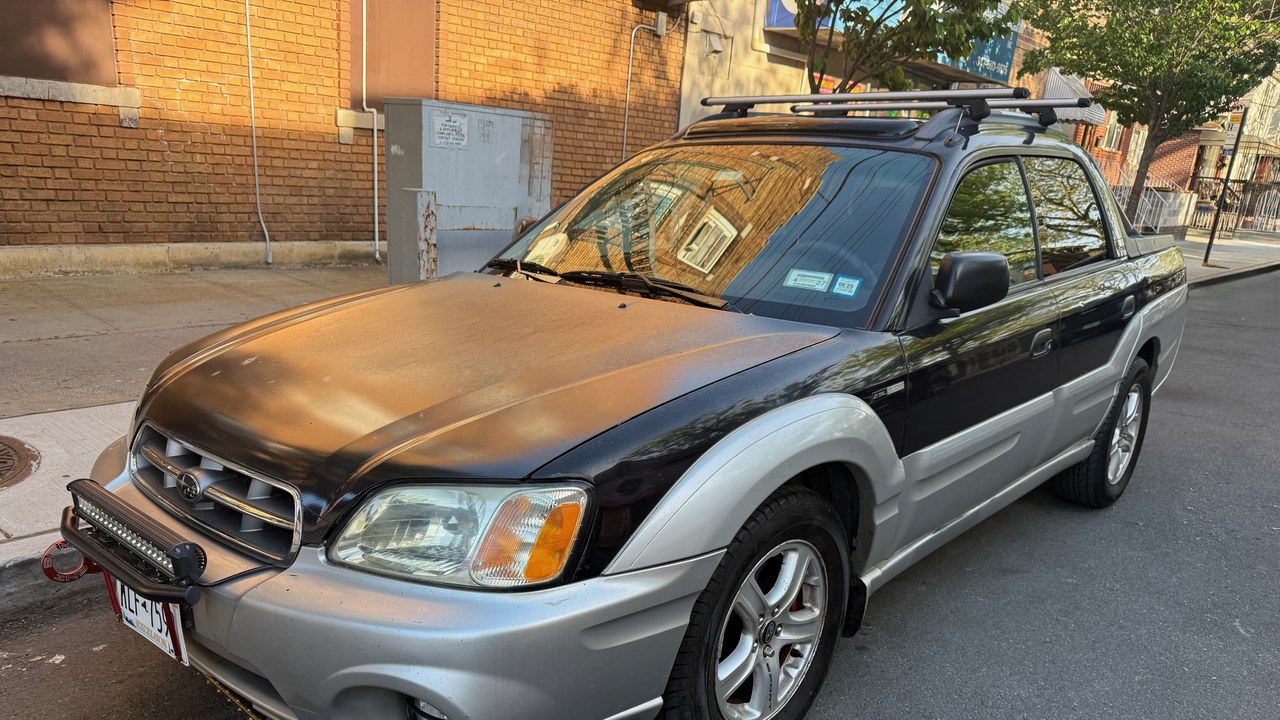
Subaru built the Baja from July 2002 to April 2006, and Subaru discontinued Baja production that April. Its Indiana plant was later repurposed for the Toyota Camry in 2007.
The Baja revived the brand’s old idea of a car-based utility, this time with the all-wheel-drive crossover feel of the company’s wagons. Its short run and the factory’s later change of purpose give the model a clear beginning and end, and a loyal following that remembered it afterward. Enthusiasts still seek out clean examples for their distinctive styling.
7. Honda Ridgeline: Unibody Pickup Today
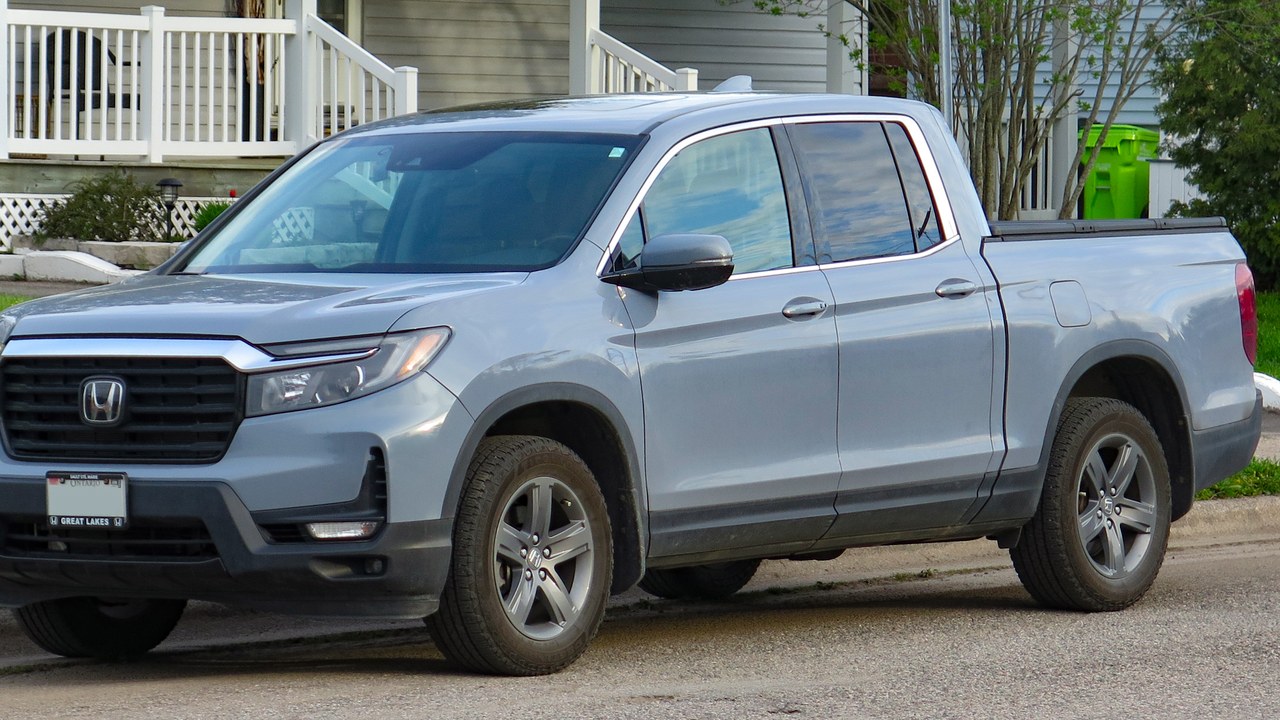
Honda’s 2026 Ridgeline starts at $40,595 for the Sport, and Honda’s pricing release lists it at 18 city, 24 highway and 21 combined mpg. It stands as a current example of a pickup built without a conventional separate truck frame.
The unibody approach gives the Ridgeline a car-like character that traditional full-size rivals rarely match, with a ride and cabin feel closer to a crossover than a work truck. Buyers who want a crew-cab bed for weekend projects, rather than maximum towing, are the audience Honda has courted with the model for years.
8. Hyundai Santa Cruz: Alabama-Built Compact
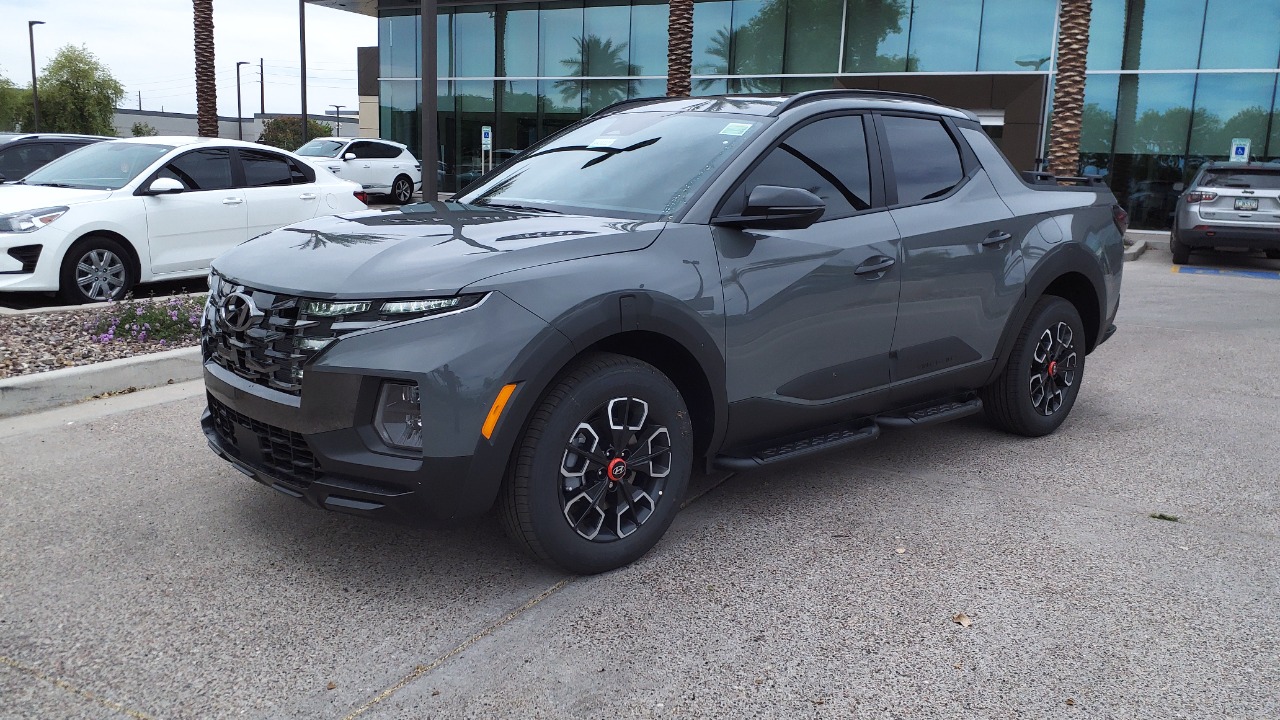
Hyundai builds the Santa Cruz at its plant in Montgomery, Alabama since June 2021. U.S. sales peaked at 36,675 in 2023, and the model is reported to end in 2026.
A compact crossover underpinning and a short bed set it apart from midsize trucks. If the reported end of sales holds, the Santa Cruz will have had a brief but visible run among modern car-based pickups, leaving the field to the Maverick and Ridgeline. Its departure would also shrink the choice of small, affordable pickups available at dealers.
9. Ford Maverick (2022-present): Hybrid Price Leader
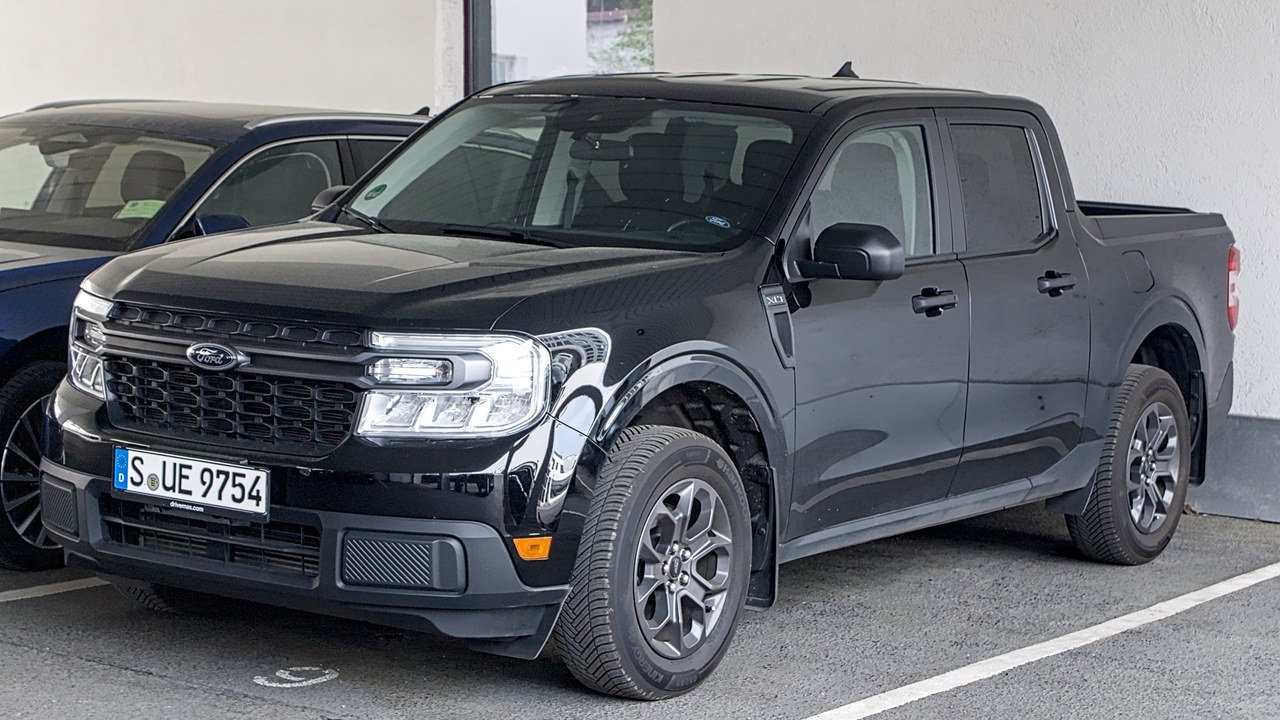
Ford’s Maverick comes with a standard hybrid powertrain rated at an EPA-estimated 42 mpg in the city, and pricing starts at $28,145 for 2026. That puts a fuel-sipping pickup within reach of buyers who might otherwise shop for a small crossover.
Ford’s own Ranchero opened this list in 1957, and the modern Maverick closes it with the same basic logic: car-sized dimensions, everyday comfort and a bed for occasional hauling. The hybrid standard equipment is the clearest sign of how far the concept has moved.
The day in tech, in one email: Get TLDR →
We may earn a commission if you sign up.
More from Morning Overview
- Hurricane Hunter radar shows four warning signs that a tropical cyclone is about to strengthen, a University of Miami study found
- Tropical Storm Rachel is dumping up to 12 inches on four Mexican states on its way to major hurricane strength
- The FTC says Lens.com doubled the price shoppers saw in Google ads
- Common allergy, bladder and sleep pills tied to sharply higher dementia odds
