Ancient texts offer a glimpse into the beliefs, cultures, and knowledge of early civilizations, often challenging our understanding of the past. These texts have shaped our perspectives on history, revealing complex societies and profound philosophies. Here are nine ancient texts that have significantly reshaped our comprehension of human history.
The Epic of Gilgamesh
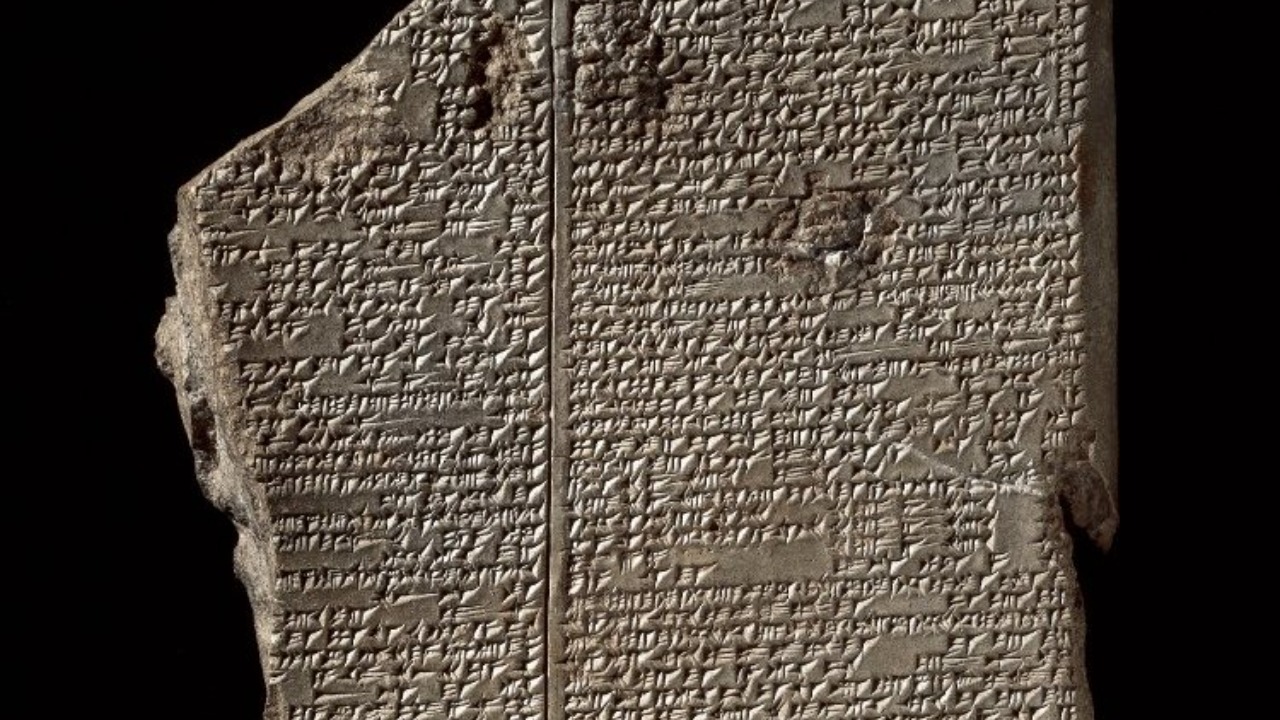
The Epic of Gilgamesh is one of the oldest known literary works, originating from ancient Mesopotamia. This epic poem chronicles the adventures of King Gilgamesh and explores themes of friendship, mortality, and the quest for eternal life. Its discovery has provided valuable insights into Mesopotamian culture and religious beliefs.
The epic is preserved on clay tablets, written in cuneiform script, and is considered a treasure trove for historians and archaeologists. The narrative’s parallels with later biblical stories, such as the Great Flood, have sparked debates on cultural exchanges and influences between ancient civilizations.
The Dead Sea Scrolls
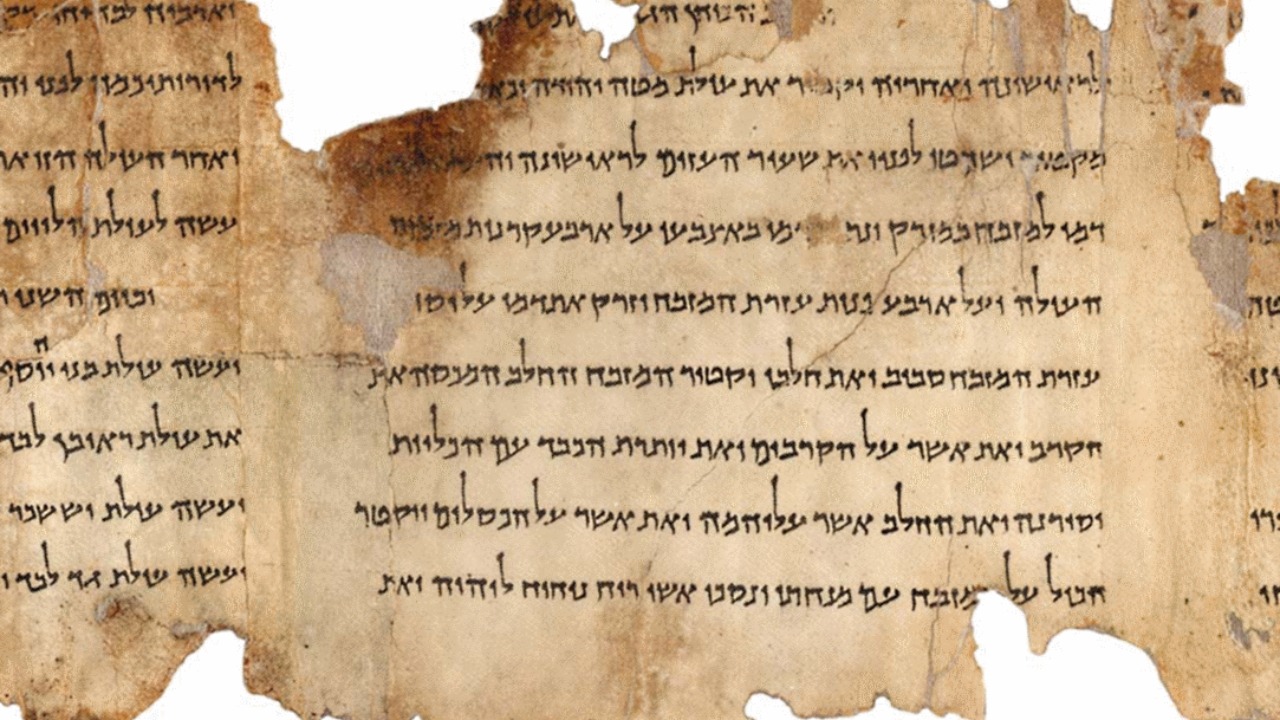
Discovered in the mid-20th century, the Dead Sea Scrolls consist of hundreds of Jewish texts that date back to the Second Temple period. These scrolls have been instrumental in understanding the religious landscape during the time of Jesus and the development of early Jewish and Christian traditions
The scrolls include biblical manuscripts, sectarian writings, and religious commentaries, providing a richer context for the history of Judaism and early Christianity. Their discovery has shed light on the diversity of beliefs and practices in ancient Judea.
The Rosetta Stone
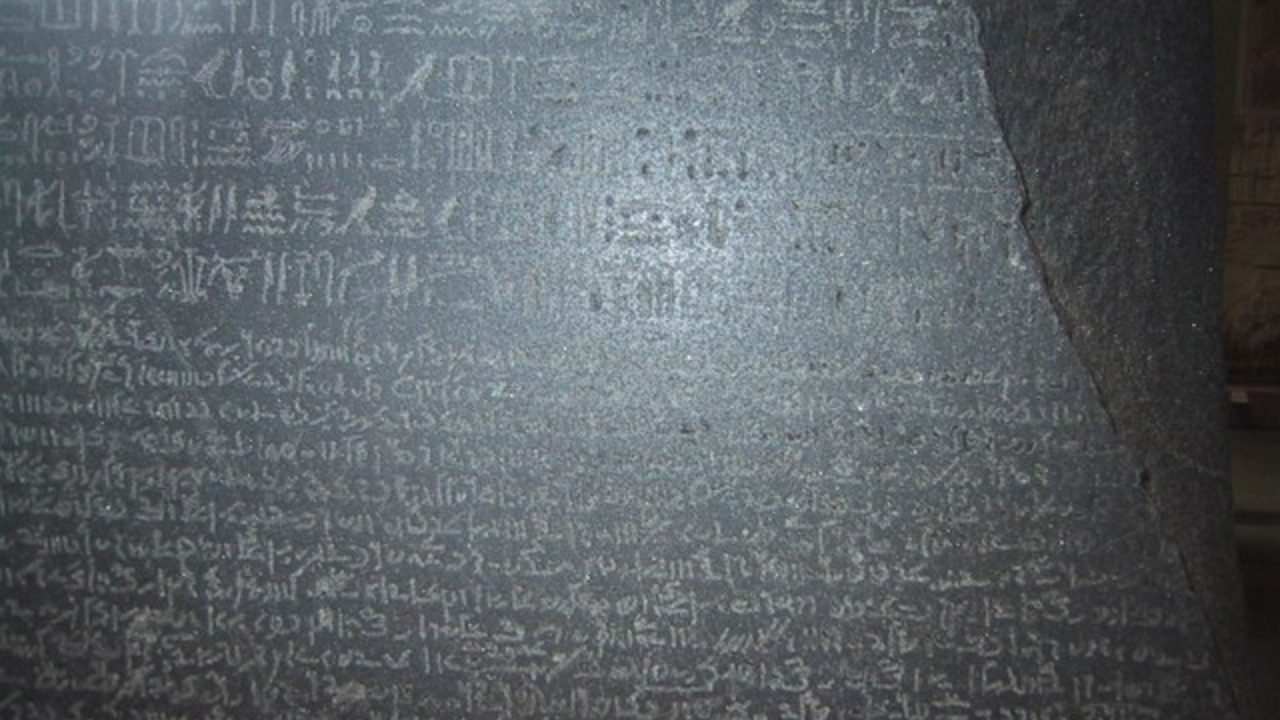
The Rosetta Stone, discovered in 1799, was the key to deciphering Egyptian hieroglyphs. This granodiorite stele features a decree issued in Memphis in 196 BC, inscribed in three scripts: Greek, Demotic, and hieroglyphic.
The stone’s multilingual inscriptions enabled scholars, notably Jean-François Champollion, to unlock the secrets of ancient Egyptian writing. This breakthrough has allowed historians to delve deeper into Egypt’s rich history and culture, enhancing our understanding of one of the world’s oldest civilizations.
The Nag Hammadi Library
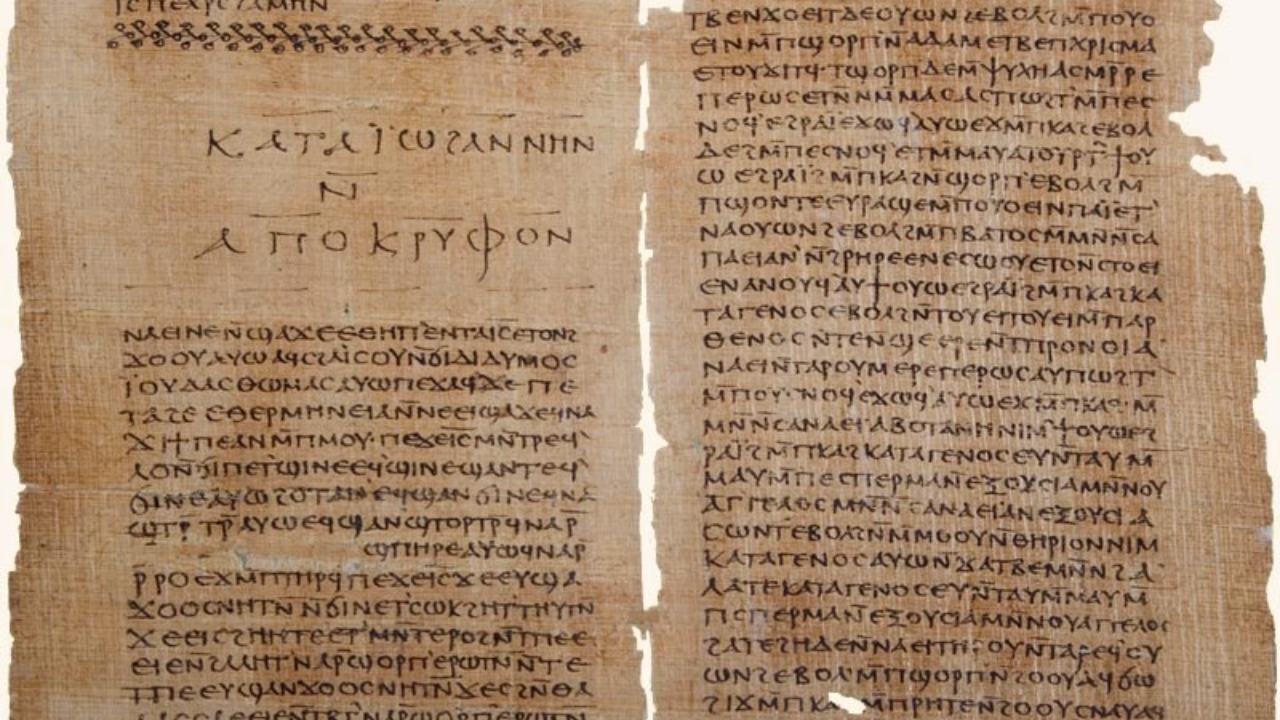
The Nag Hammadi Library is a collection of early Christian and Gnostic texts discovered in Egypt in 1945. These texts, written in Coptic, have provided insights into early Christian thought and the diversity of beliefs in the early centuries of Christianity.
The library includes writings such as the Gospel of Thomas and the Gospel of Philip, which offer alternative perspectives on Jesus’s teachings and the nature of the divine. This collection has been pivotal in understanding the development and suppression of Gnostic beliefs in early Christian history.
The Book of the Dead
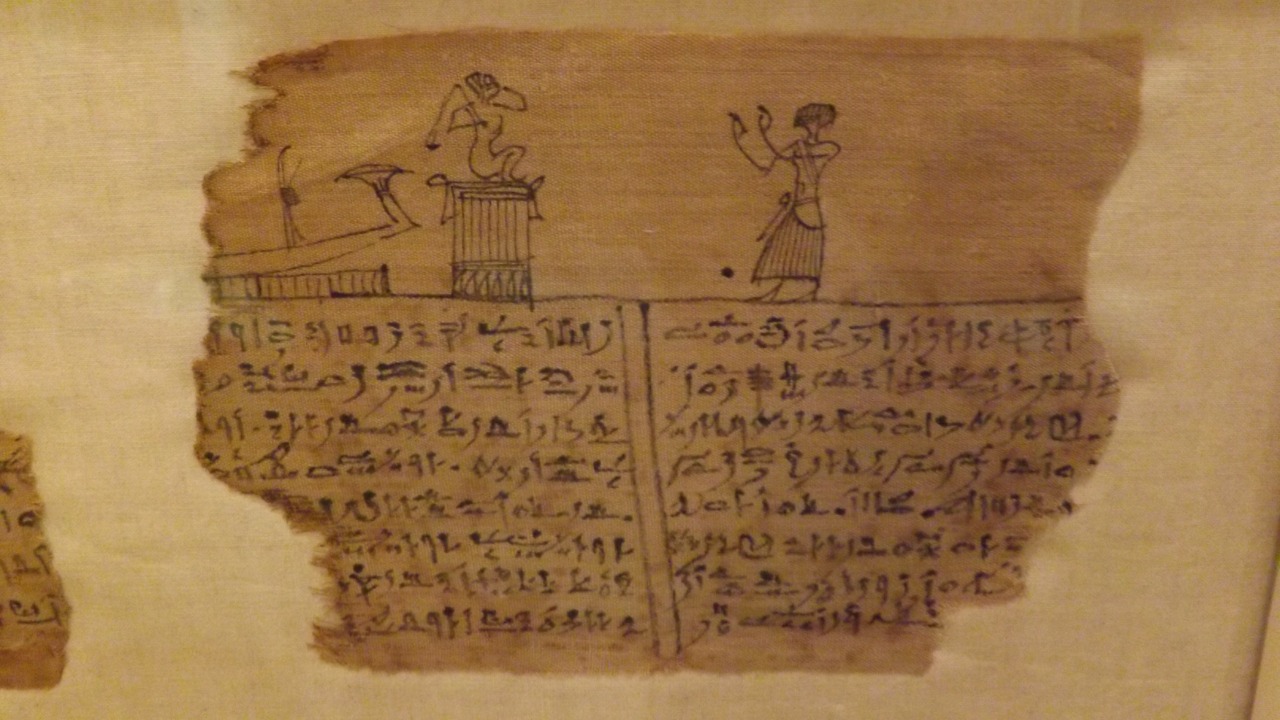
The Book of the Dead is an ancient Egyptian funerary text containing spells and incantations intended to guide the deceased through the afterlife. This collection of texts was customized for individuals and placed in their tombs to ensure a safe passage to the next world.
These texts reveal much about Egyptian religious beliefs, concepts of the afterlife, and the importance of rituals and magic in their worldview. The Book of the Dead continues to be a crucial resource for understanding the spirituality and funerary practices of ancient Egypt.
The Mahabharata
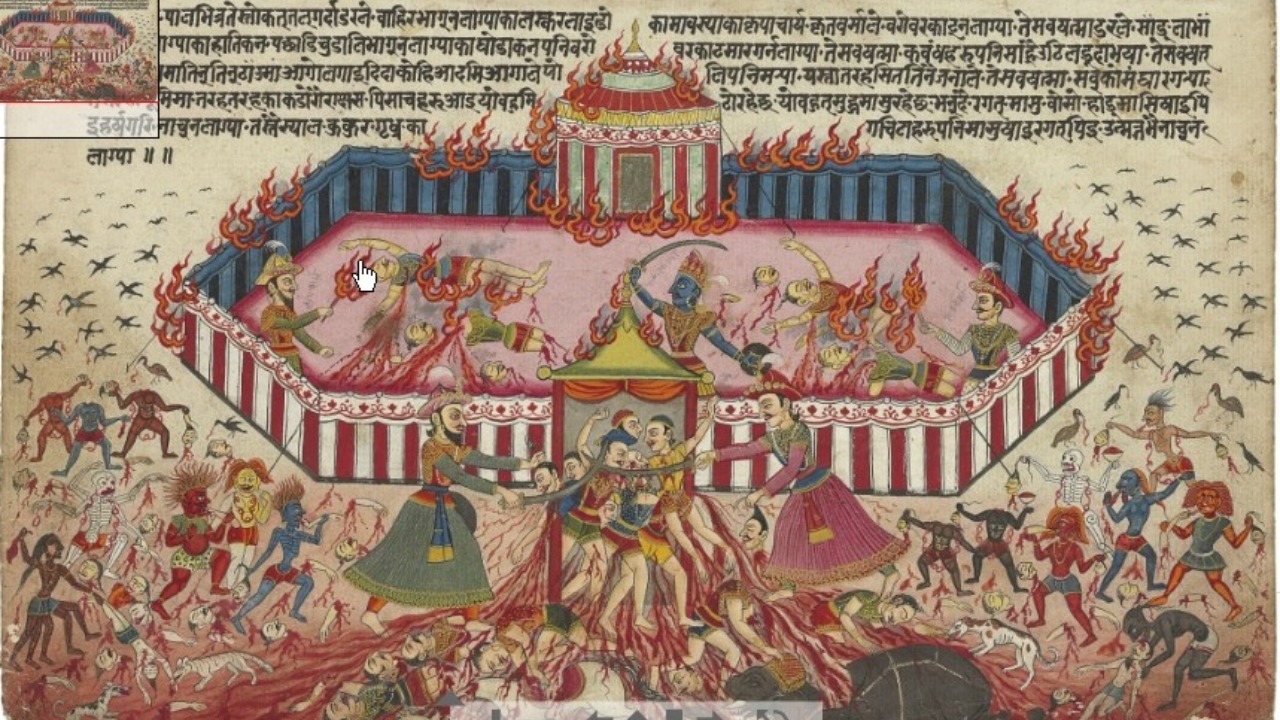
The Mahabharata is one of the longest epic poems in the world, originating from ancient India. It narrates the struggle between two groups of cousins, the Pandavas and the Kauravas, and is a rich tapestry of mythology, philosophy, and moral dilemmas.
This epic has significantly influenced Indian culture and religious thought, particularly through the Bhagavad Gita, a philosophical discourse within the Mahabharata. Its exploration of dharma (duty) and karma (action) continues to resonate in modern philosophical and spiritual discussions.
The Enuma Elish
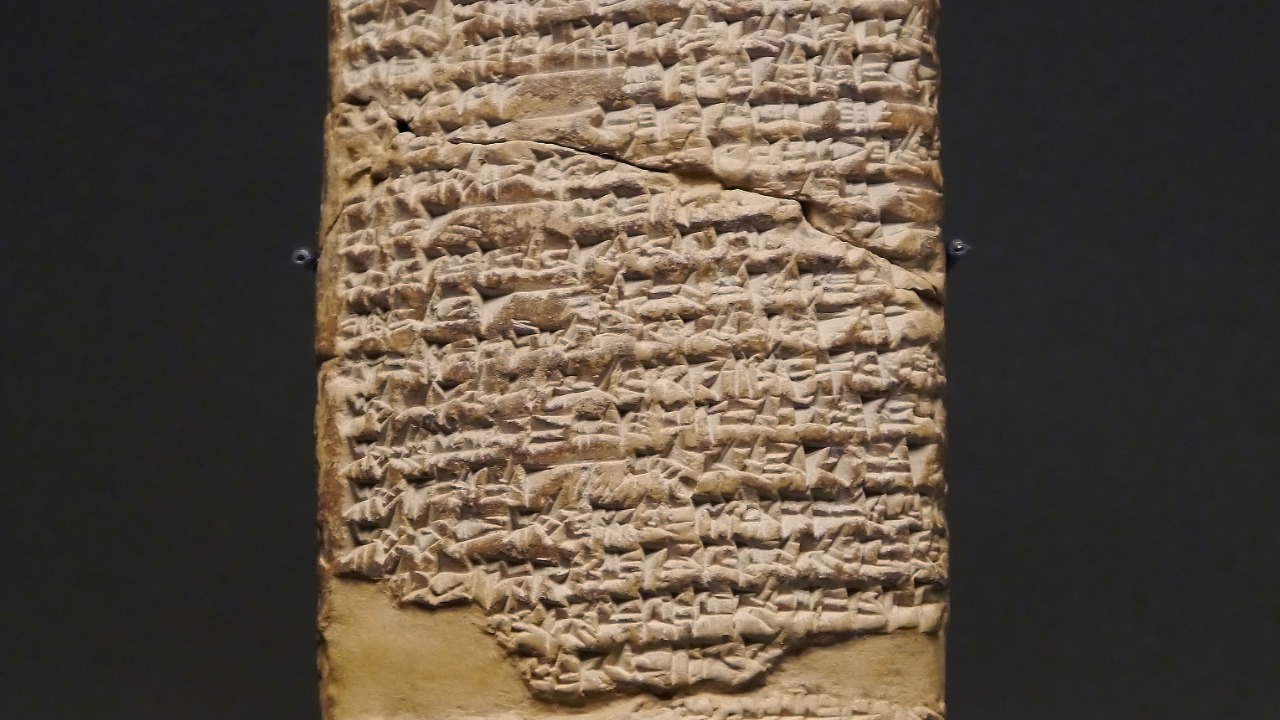
The Enuma Elish is an ancient Babylonian creation myth that describes the origins of the universe and the rise of the god Marduk. This epic poem provides insights into Babylonian cosmology and the religious significance of Marduk’s ascendancy.
By comparing the Enuma Elish with other creation myths, scholars have explored the interconnectedness of ancient Near Eastern cultures and their shared motifs. This text has been vital in understanding the religious and political landscape of ancient Mesopotamia.
The I Ching
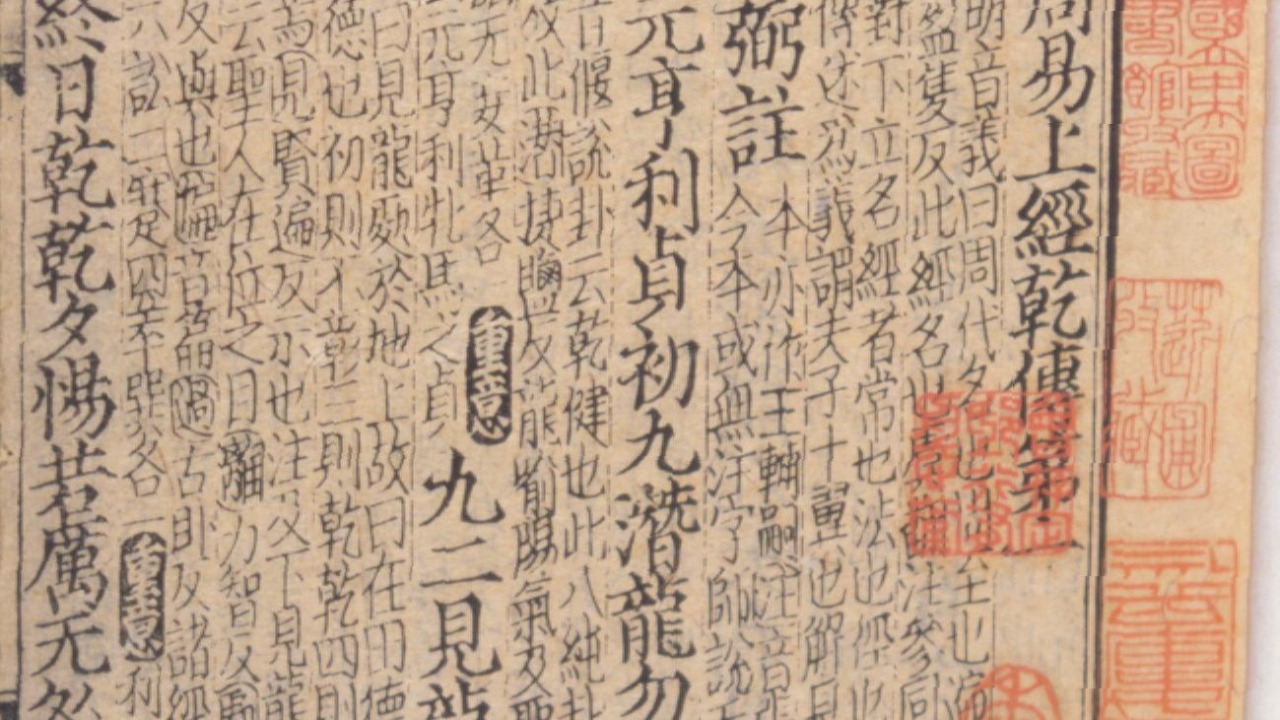
The I Ching, or Book of Changes, is an ancient Chinese divination text and one of the oldest Chinese classics. It is composed of hexagrams used to interpret and predict changes in life, offering guidance through wisdom and philosophy.
Its influence extends beyond divination, impacting Chinese philosophy, Confucianism, and Taoism. The I Ching’s enduring relevance in Chinese culture highlights its role in shaping philosophical and ethical thought, making it a cornerstone of Eastern traditions.
The Popol Vuh
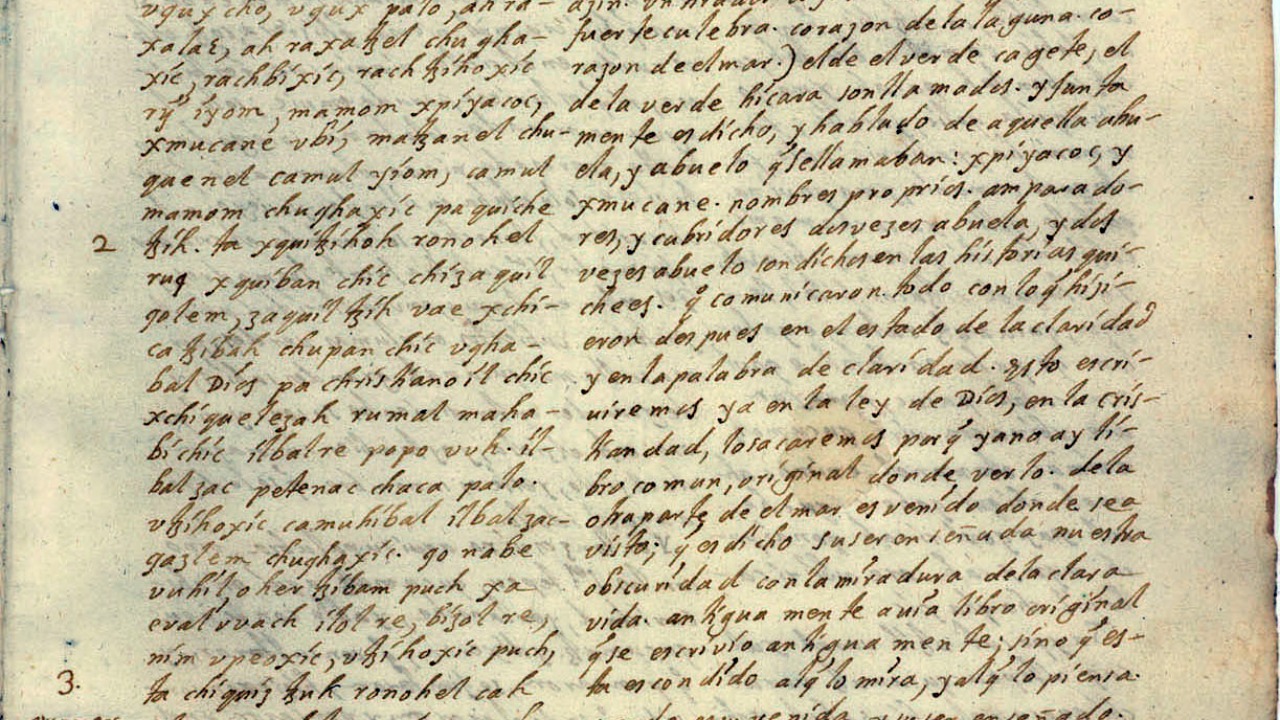
The Popol Vuh is the sacred book of the K’iche’ Maya, containing mythological narratives and historical accounts. Written in the 16th century, it offers a glimpse into the religious and cultural beliefs of the Maya civilization.
This text includes the creation myth of the Maya and the adventures of the Hero Twins, central figures in Maya mythology. The Popol Vuh has been crucial in understanding the social and religious fabric of the Maya people, enriching our appreciation of pre-Columbian history in the Americas.
