Some of the world’s most enduring mysteries hail from the realm of ancient technology. From the towering pyramids of Egypt to the intricate Antikythera mechanism, these remarkable feats of engineering continue to perplex historians and scientists alike, defying complete explanation with their complex designs and intricate workings.
The Mystifying Construction of the Pyramids of Giza

Among the wonders of the ancient world, the Pyramids of Giza stand out for their sheer size and precision. Despite our knowledge of the tools available to the ancient Egyptians, the exact methods used to construct these monumental structures remain a mystery. Theories range from the use of large ramps and pulleys to the possibility of unknown technologies.
These pyramids perfectly align with the cardinal points, demonstrating an advanced understanding of astronomy. Moreover, the construction precision, with each stone fitting perfectly with the next, leaves us in awe of the capabilities of ancient civilizations.
The Unexplained Technology Behind The Antikythera Mechanism
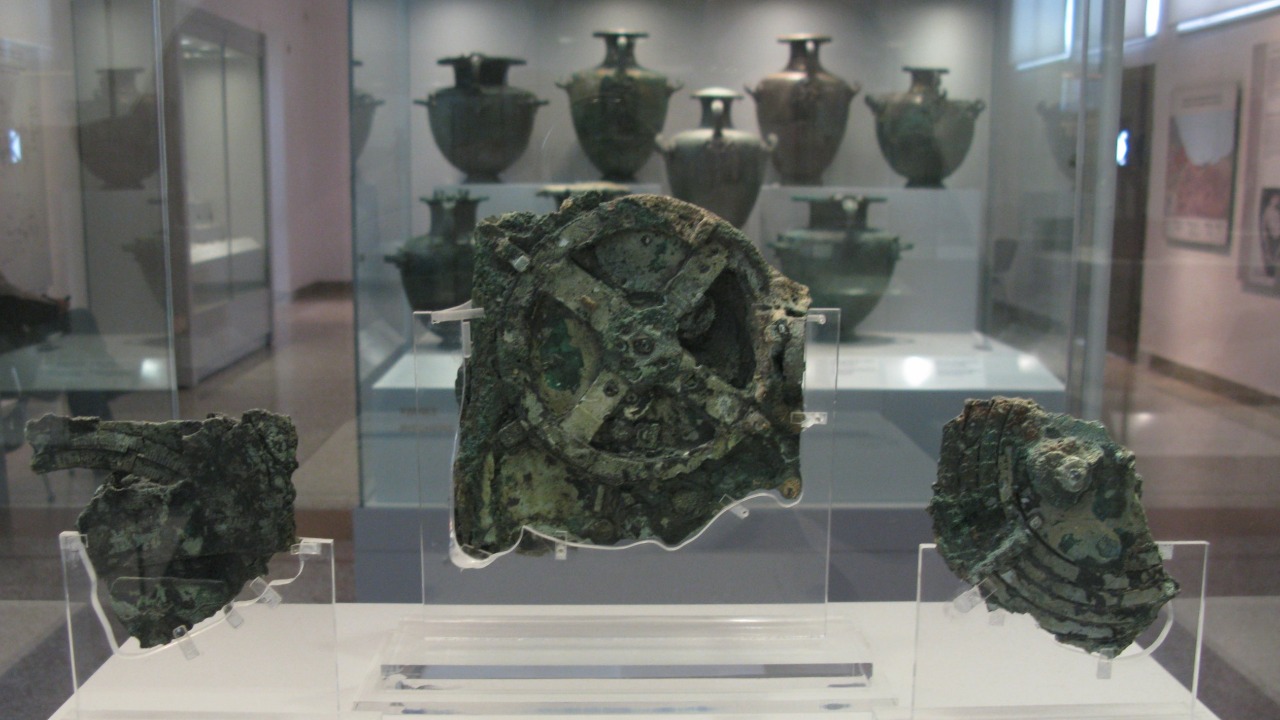
Discovered in a shipwreck off the Greek island of Antikythera, this ancient device is often referred to as the world’s first computer. The Antikythera Mechanism, a complex system of bronze gears and dials, was used to predict celestial events and eclipse dates over a four-year cycle.
Despite extensive study, we still don’t fully understand how this highly advanced technology came to be in ancient Greece. The sophistication and precision of the mechanism surpass anything else found from that era, suggesting a level of technological development not typically associated with ancient societies.
The Enigma of the Roman Dodecahedrons
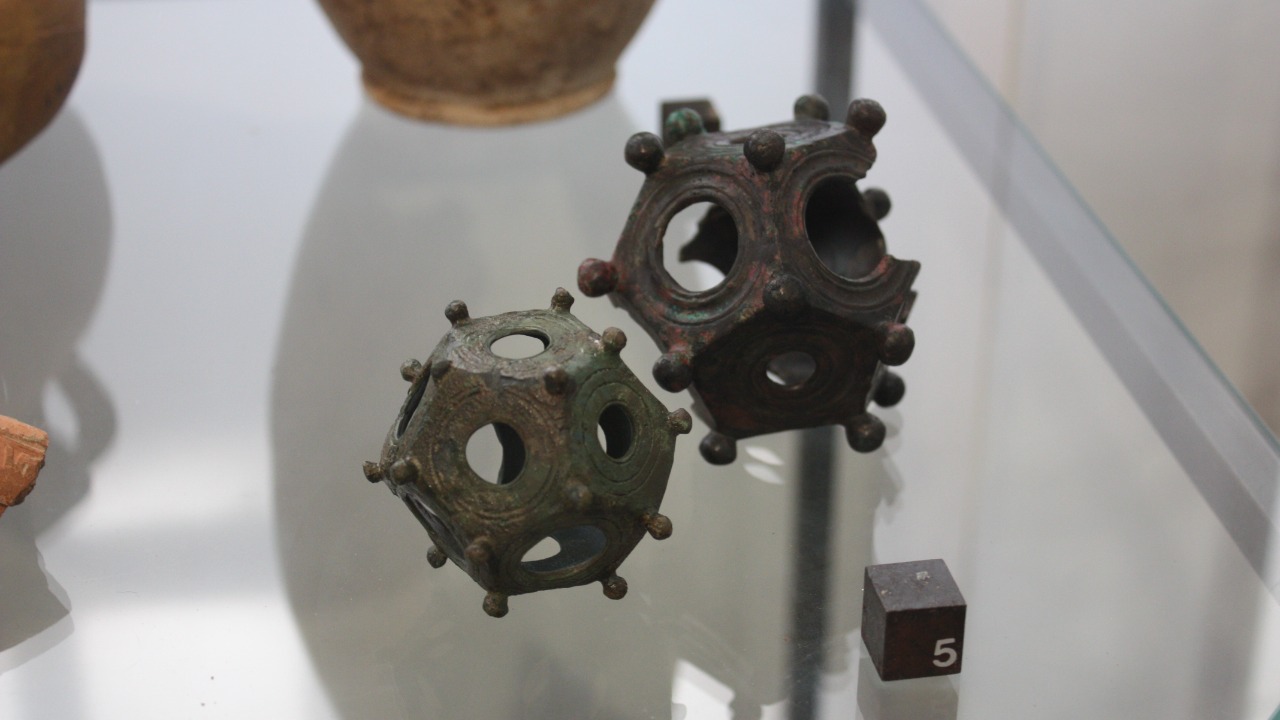
Roman dodecahedrons—small, hollow objects with twelve flat faces and a hole on each face—are another enigma of ancient technology. They have been found all across Europe, yet their exact purpose remains unknown. Some propose they were used as measuring devices, while others suggest a more ceremonial use.
Despite years of study, we’ve yet to arrive at a definitive explanation. The wide geographical distribution of these items and their consistent design features suggest a common purpose, but without any historical documentation or context, their true function continues to elude us.
The Perplexing Purpose of the Nazca Lines

The Nazca lines, enormous geoglyphs etched into the desert floor in Peru, are another baffling example of ancient technology. Visible only from the air, these vast drawings of animals, plants, and geometric shapes were created by the Nazca culture around 2000 years ago.
Many theories have been proposed for their purpose, from astronomical calendars to religious ceremonies, yet none provide a complete explanation. The technology and methods used to create such large-scale, precise designs, and the mystery of their intended audience, continue to puzzle researchers.
The Inexplicable Origin and Usage of Greek Fire
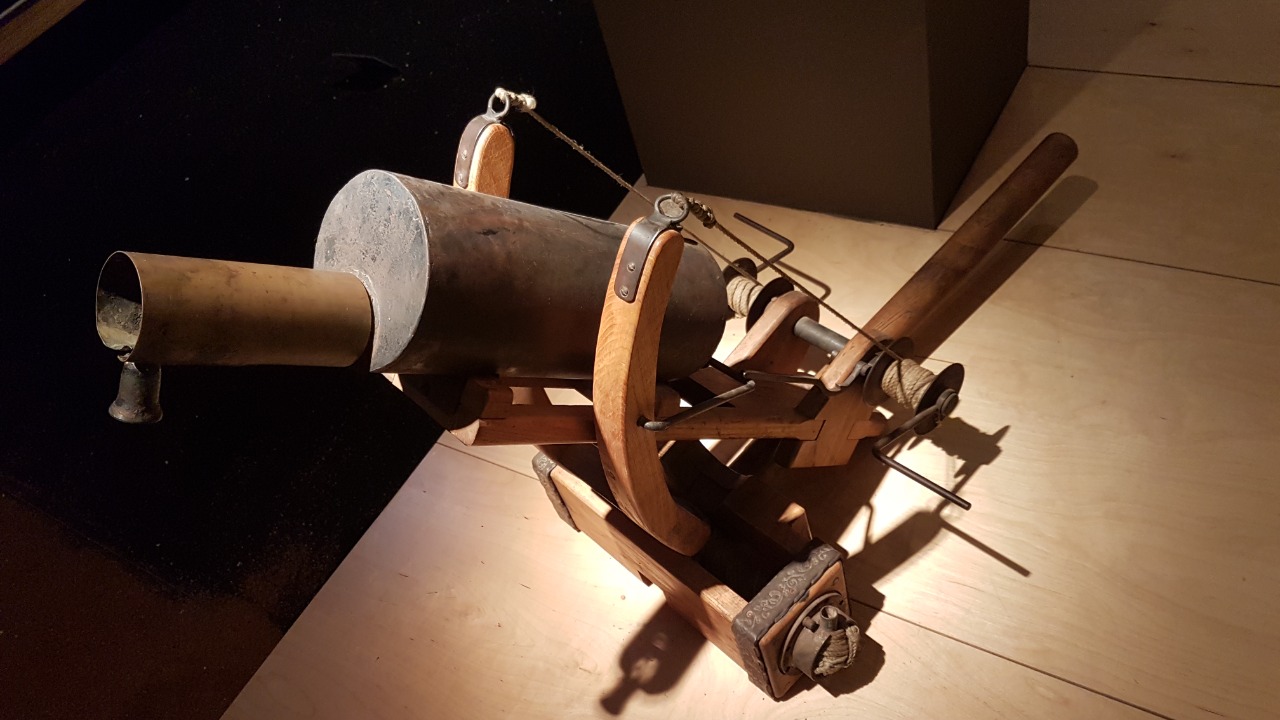
The Byzantine Empire’s use of ‘Greek Fire’, a weapon that could continue burning even on water, was pivotal in many naval victories. Despite many attempts, the exact composition and method of deployment of this incendiary weapon have never been successfully replicated.
Was it a closely guarded state secret, lost to time, or an example of a technological leap that we can’t fully understand? The mystery of Greek Fire reminds us that ancient civilizations had knowledge and technologies that were not only advanced for their time but remain inscrutable to this day.
The Undeciphered Code of the Voynich Manuscript

The Voynich Manuscript, a medieval document written in an unknown language and filled with botanical, astronomical, and anatomical illustrations, has stumped cryptographers for over a century. Despite numerous attempts, the code remains undeciphered and the manuscript’s purpose unknown.
This mysterious book exemplifies the complexity and sophistication of ancient knowledge systems, many of which remain beyond our comprehension. The manuscript’s enduring mystery challenges our understanding of historical communication technologies and the extent of our knowledge about the past.
The Astonishing Precision of the Stone Spheres of Costa Rica
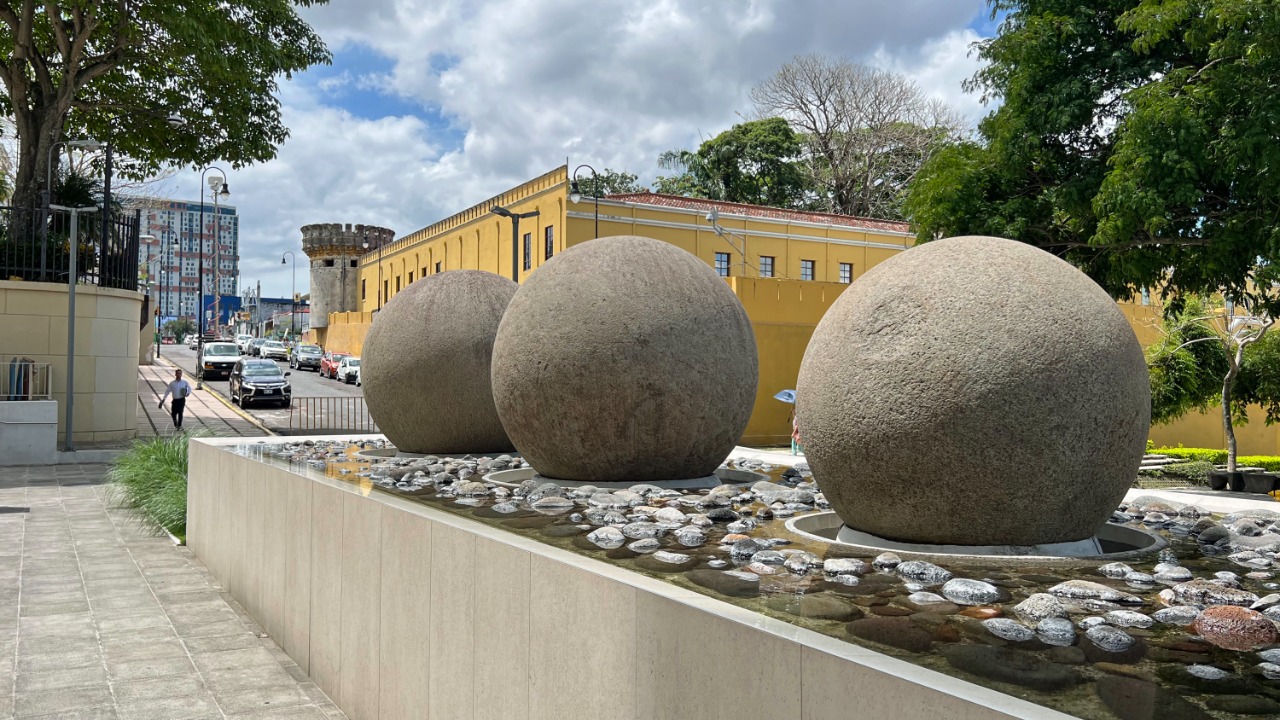
The pre-Columbian stone spheres of Costa Rica, ranging from a few centimeters to over two meters in diameter, are a marvel of ancient technology. The methods used to shape these near-perfect spheres and the purpose they served in their cultural context remain a mystery.
These stone spheres demonstrate a high level of craftsmanship and an understanding of stone-working technology that seems out of sync with what we know of the region’s historical development. Their presence raises intriguing questions about the technological capabilities of pre-Columbian cultures.
The Unknown Craftsmanship of the Terracotta Army

The Terracotta Army, a collection of thousands of life-sized soldier and horse figures found in the tomb of China’s first emperor, is an impressive example of ancient craftsmanship. Each figure is unique, suggesting a production process that challenges our understanding of ancient manufacturing techniques.
The sophistication and scale of the Terracotta Army underscore the technological prowess of ancient China. However, the techniques used to create these intricate figures, as well as the organizational capacity required to produce them on such a large scale, remain largely unexplained.
The Puzzle of the Advanced Hydraulic System in the Ancient City of Petra

The ancient city of Petra in modern-day Jordan is renowned for its rock-cut architecture and advanced water management system. Despite the arid environment, the city’s inhabitants developed a complex network of dams, conduits, and reservoirs to manage water supply and prevent floods.
While we have some understanding of how this system worked, the technological knowledge and skills required to design and maintain such a sophisticated hydraulic system in the ancient world continue to amaze us. The ingenuity displayed in Petra’s water management showcases the remarkable technological capabilities of ancient civilizations.
