
The 1970s battered Detroit with oil shocks, tightening emissions regulations, and fierce competition from imported rivals, and the pressure produced some genuinely regrettable machines. Rushed engineering, aggressive corner-cutting, and questionable styling turned several hopeful launches into cautionary tales that enthusiasts still recall with a wince. From exploding subcompacts to rust-prone twins, these are the standouts, all nine.
1. Ford Pinto: The Exploding Subcompact
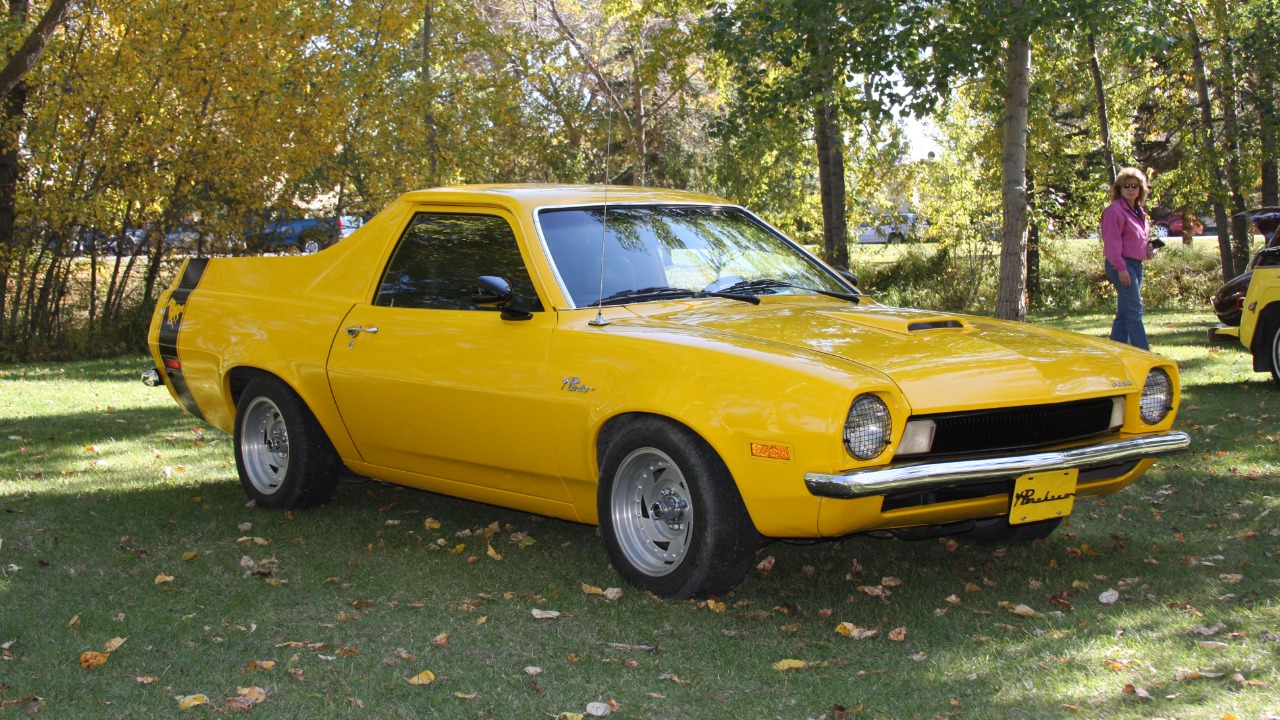
The Ford Pinto arrived in 1970 as Detroit’s cheap answer to imported economy cars, yet its reputation curdled once its rear-mounted fuel tank was tied to fires in rear-end collisions. A notorious internal cost-benefit analysis, surfaced during litigation, appeared to weigh recall expenses against injury payouts, and the compact Ford became a lasting symbol of that gamble.
Sales stayed brisk for years, but the safety saga reshaped how regulators and juries treated automotive design decisions. Product-liability standards tightened, and the case is still taught in business ethics courses as a cautionary tale. Decades later, the name conjures danger more than the affordable transportation it once promised buyers.
2. Chevrolet Vega: Aluminum Ambitions Undone
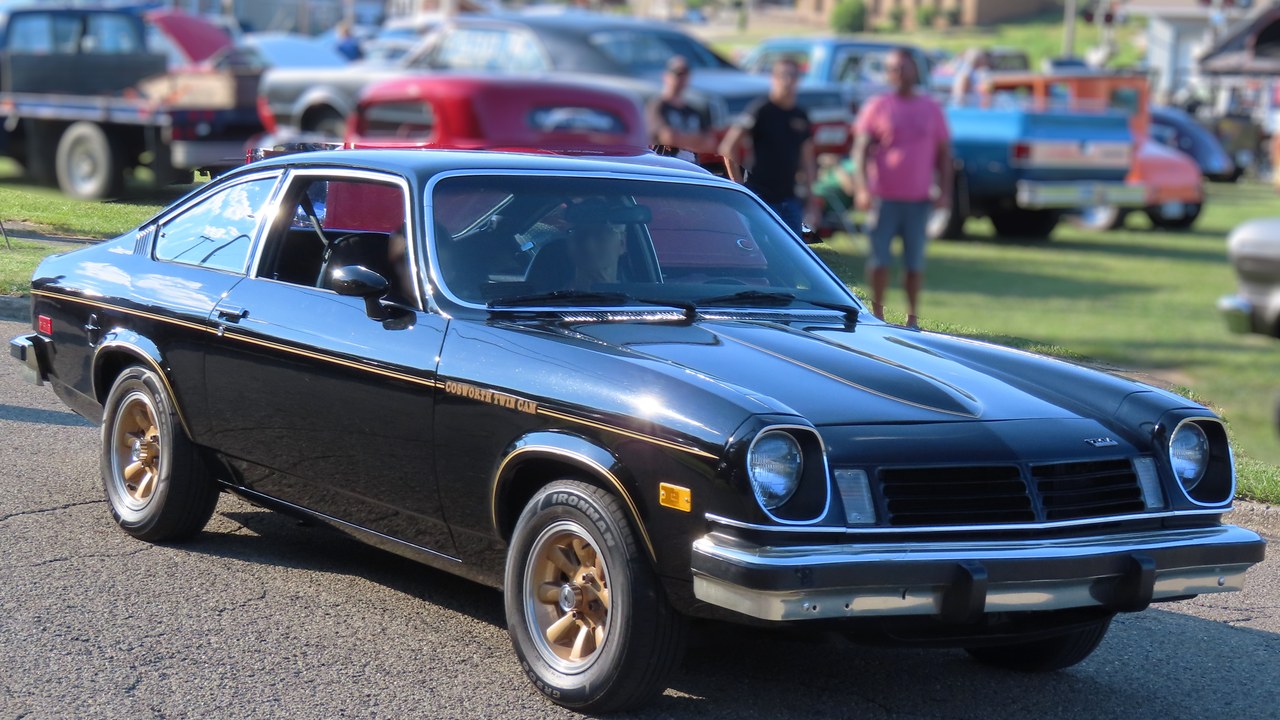
Chevrolet launched the Vega in 1970 to critical praise, even earning Motor Trend’s Car of the Year, but the celebration faded fast. Its innovative aluminum-block engine warped and burned oil, while thin sheet metal rusted with alarming speed. Owners of the subcompact Chevrolet traded early accolades for repair bills.
The rapid reversal damaged confidence in domestic engineering just as Japanese rivals were gaining ground. General Motors issued fixes and a lengthened warranty, but the reputation never recovered. What began as a showcase of forward-thinking manufacturing ended as evidence that ambition without durability could sink even a well-marketed nameplate.
3. AMC Gremlin: The Chopped-Off Compact
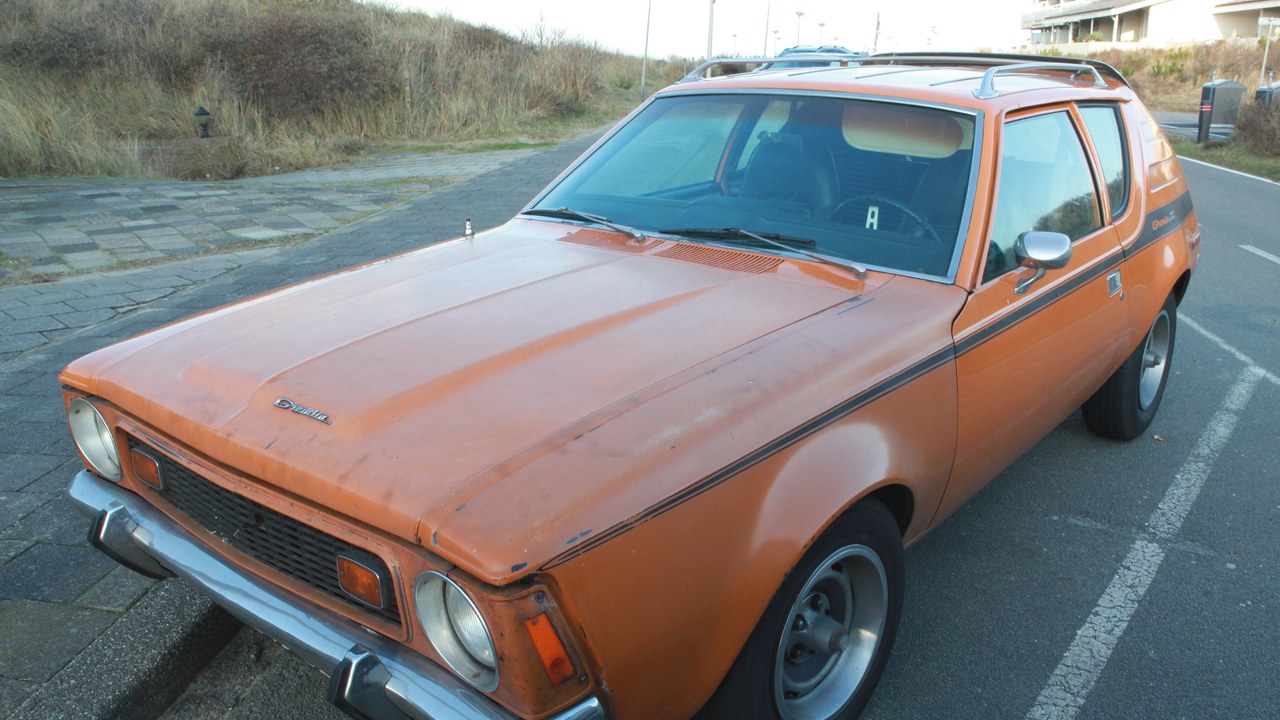
American Motors rushed the Gremlin to market in 1970, reportedly sketched on an airline sickness bag, with a rear end that looked abruptly sawn off. The stubby styling drew ridicule even as the budget price found buyers. Critics savaged the AMC subcompact for its awkward proportions and crude ride.
Despite the mockery, the odd shape gave the small automaker a fighting chance against Detroit’s giants and imported rivals. Sales were respectable, yet the car anchored a reputation for oddball design that AMC never shook. Today it survives mostly as a nostalgic punchline, prized by collectors precisely for the quirks that once invited scorn.
4. AMC Pacer: The Rolling Fishbowl
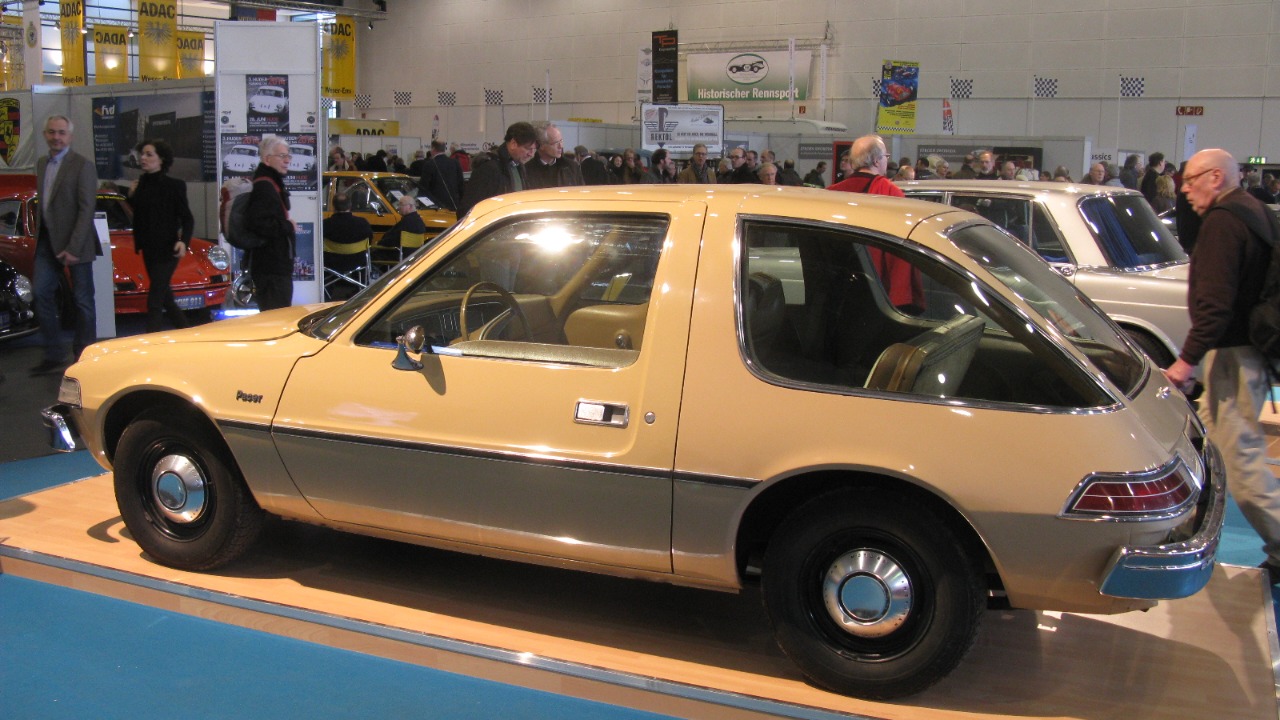
Introduced in 1975, the AMC Pacer promised a roomy, glassy cabin marketed as the first wide small car, but its bulbous silhouette baffled the public. Enormous windows earned it the fishbowl nickname and turned the interior into a greenhouse. A planned rotary engine never arrived, leaving the wide-body Pacer overweight and underpowered.
Initial curiosity produced strong first-year sales, but interest collapsed as fuel prices and reliability worries mounted. Production ended in 1980, cementing the car as a symbol of 1970s excess in miniature. Its unmistakable shape later made it a pop-culture cameo, remembered fondly even by those who would never have bought one new.
5. Chevrolet Chevette: Bare-Bones And Behind
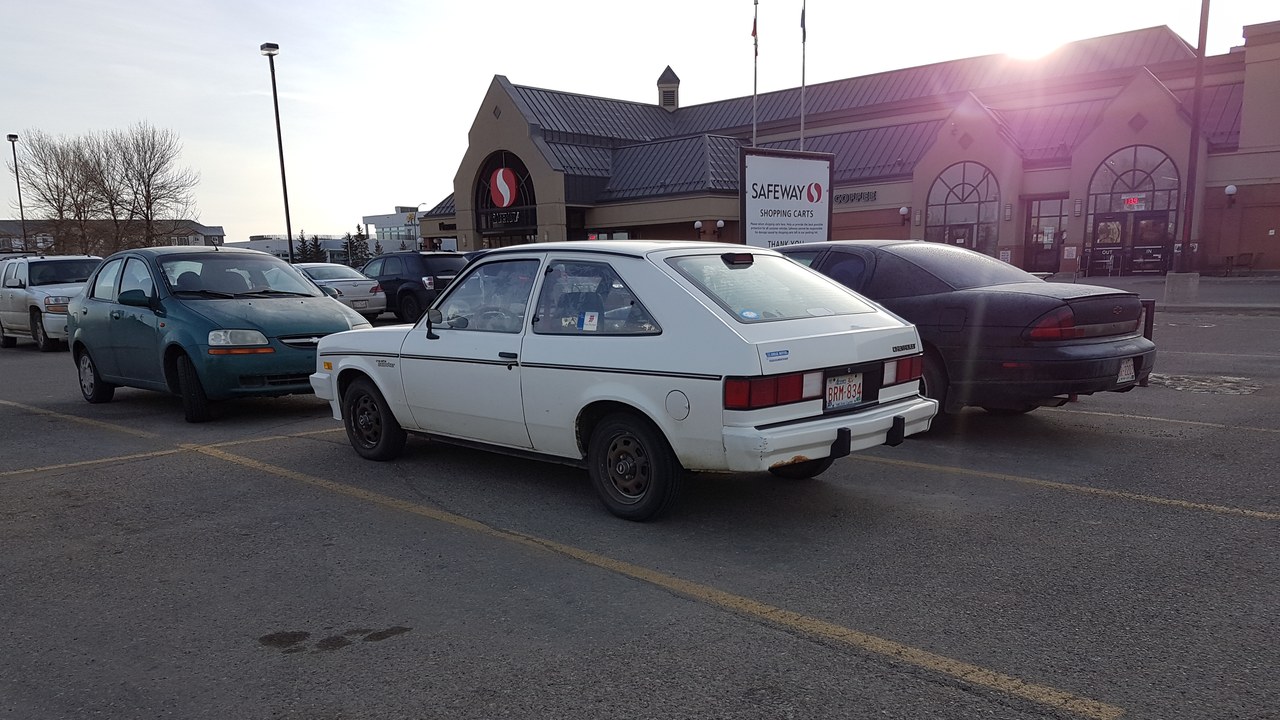
The Chevrolet Chevette debuted in 1976 as a rock-bottom economy car, and rock-bottom is exactly how many owners described the experience. Underpowered engines strained to reach highway speeds, while the spartan cabin offered little beyond basic transportation. Reviewers dismissed the entry-level Chevrolet as outdated almost from launch.
Ironically, the low price and cheap upkeep kept it selling well into the 1980s, long after rivals moved ahead. It became a default choice for buyers who wanted nothing more than affordable wheels, and little more is what they received. The car endures as a byword for joyless, penny-pinching motoring rather than any genuine achievement.
6. Ford Mustang II: The Pony Car Shrinks
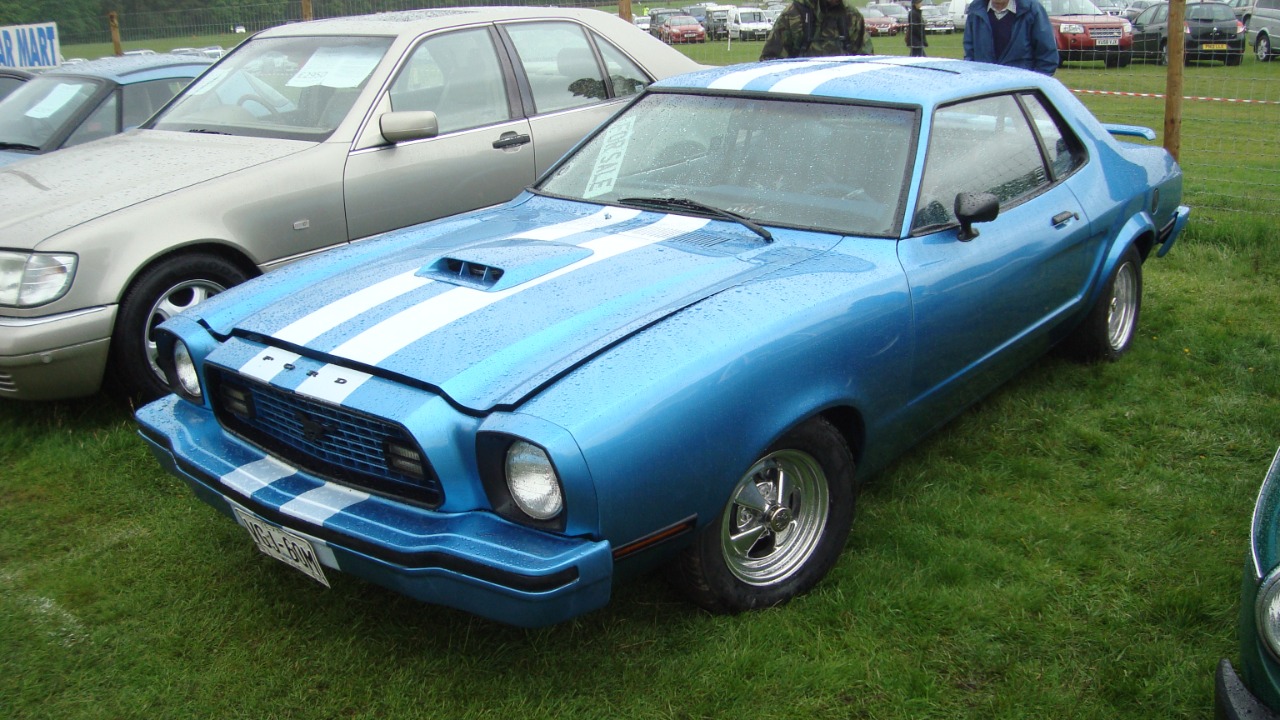
Ford downsized its icon for 1974, building the Mustang II on the humble Pinto platform just as the fuel crisis hit. Gone were the muscular V8s of the 1960s, replaced initially by four-cylinder and V6 engines that felt anemic. Enthusiasts recoiled as the second-generation Mustang traded performance for economy.
Commercially, the timing was shrewd, and strong sales arguably kept the nameplate alive through a brutal decade. Yet purists have long regarded it as the low point in the model’s history, a fun-starved detour. Its rehabilitation among collectors has been slow, and the car still divides fans who cannot forgive the compromises.
7. Plymouth Volare: Recalled Before Its Prime
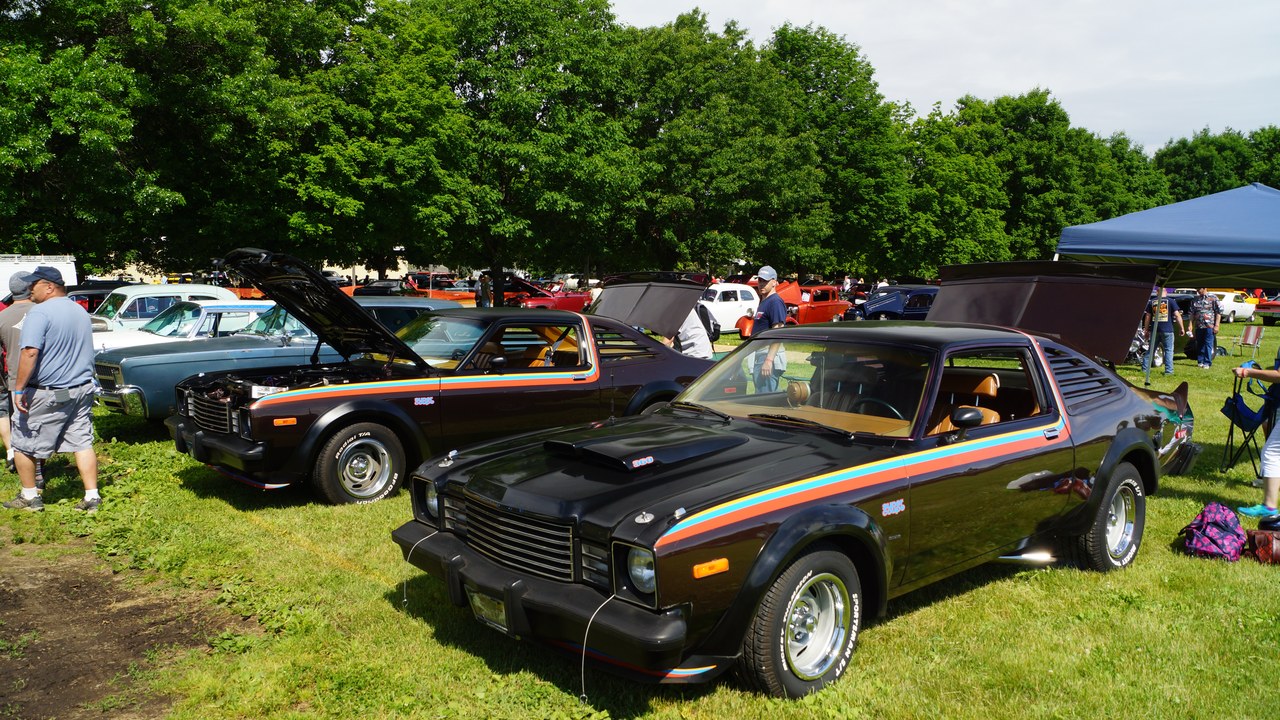
Plymouth introduced the Volare for 1976 with high hopes and even a Car of the Year award, yet quality problems surfaced almost immediately. Front fenders rusted prematurely, and a cascade of recalls addressed stalling, brakes, and suspension faults. Buyers of the compact Plymouth found themselves back at dealerships far too often.
The repeated fixes drained goodwill and hammered Chrysler’s finances during a period when the company could least afford it. What should have been a strong seller instead deepened the automaker’s reputation for shoddy assembly. The Volare is now remembered less for its clean styling than for the warranty claims that trailed it.
8. Dodge Aspen: Rust And Recalls Repeat
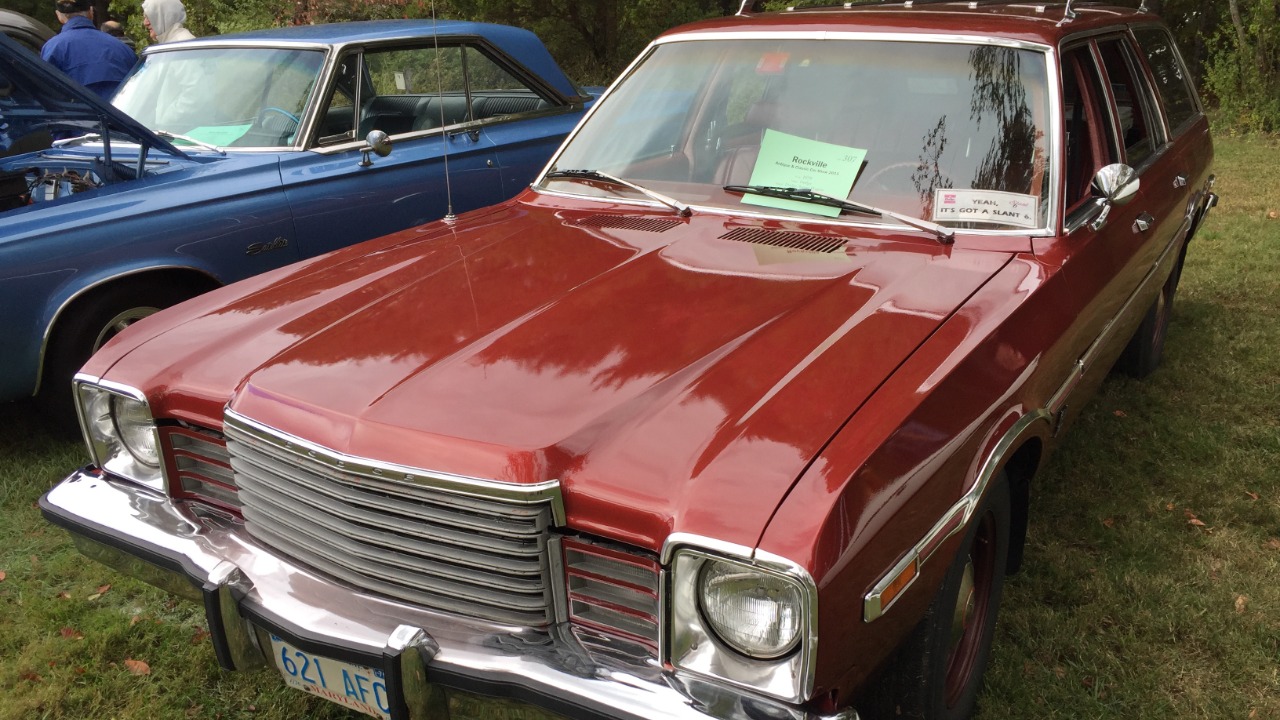
Sharing its platform with the Volare, the Dodge Aspen arrived in 1976 carrying the same promise and the same defects. Early cars developed rust quickly and generated a string of safety recalls that tarnished the launch. Owners of the Dodge compact endured stalling engines and prematurely corroding bodywork.
Because the twins were essentially identical, the reputational damage doubled across two brands at once, compounding Chrysler’s troubles. Later model years improved, but first impressions had already hardened among wary shoppers. The Aspen now stands beside its Plymouth sibling as a textbook example of a rushed launch undermining an otherwise sensible design.
9. Chevrolet Monza: Sporty Looks, Vega Bones
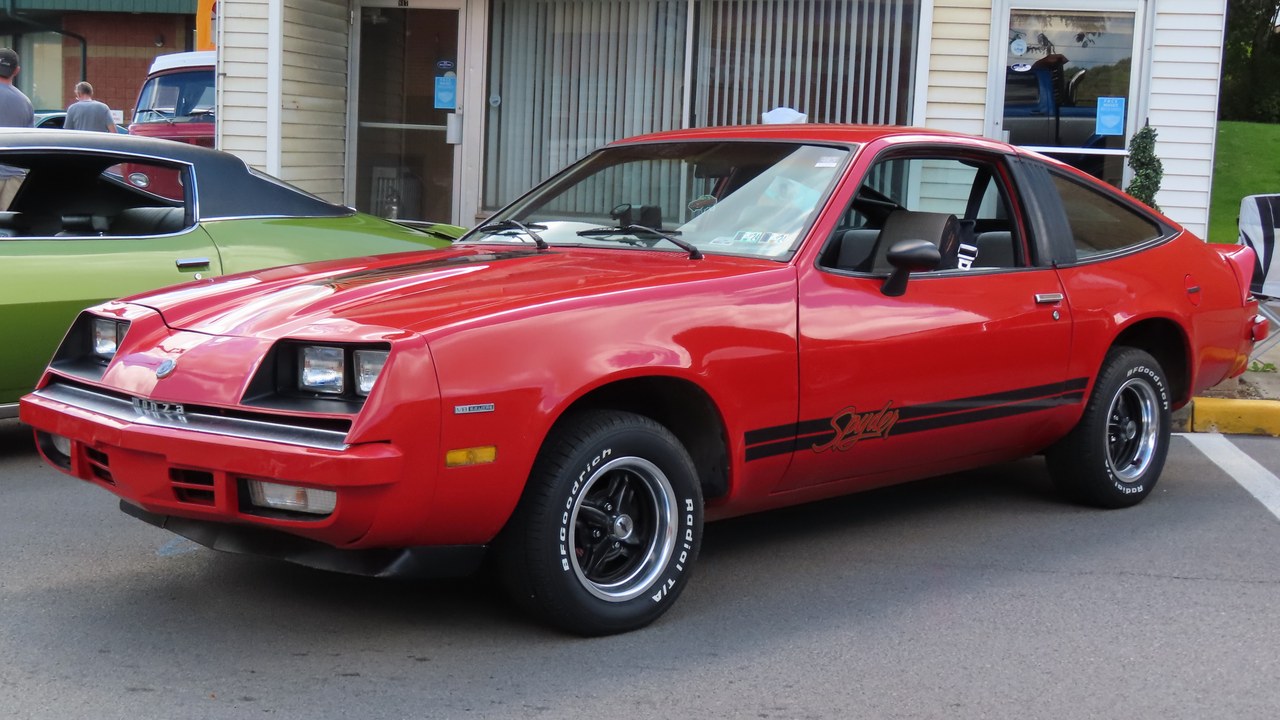
Built on the troubled Vega architecture, the Chevrolet Monza wrapped sporty fastback styling around mechanicals that inspired little confidence. Servicing was notoriously awkward, with some V8 versions reportedly requiring the engine to be lifted to reach a spark plug. The sporty Chevrolet inherited its donor’s rust and reliability flaws.
The attractive shape moved plenty of units early on, proving that styling could briefly paper over engineering weaknesses. Once the Vega’s problems became common knowledge, though, the Monza’s appeal cooled considerably. It closed the decade as another reminder that a handsome body could not rescue a fundamentally compromised platform underneath.
More from Morning Overview
