The universe is a vast expanse filled with mysteries waiting to be unraveled. Among these enigmas are peculiar space signals that continue to baffle scientists and astronomers. From radio bursts to intermittent signals, each phenomenon presents an unsolved puzzle that challenges our understanding of the cosmos.
The Wow! Signal
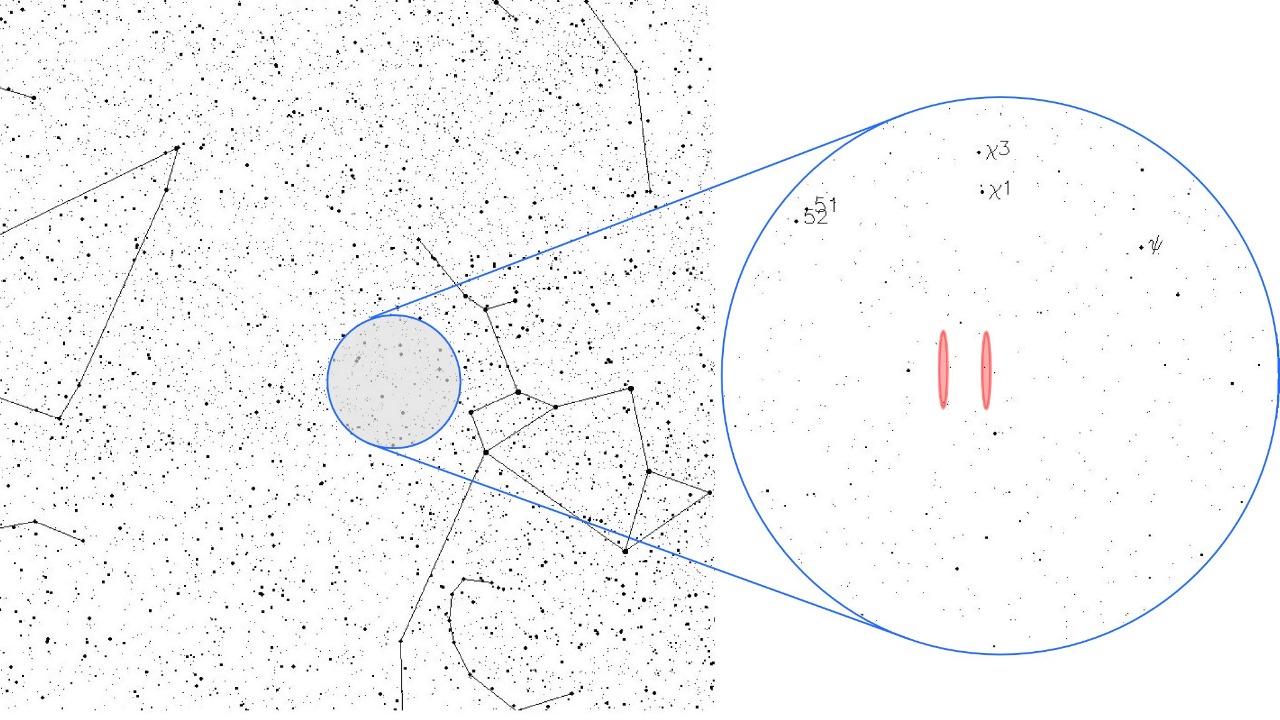
In 1977, a radio telescope at Ohio State University detected an unusual signal from space that became known as the Wow! Signal. This 72-second transmission was so intense that astronomer Jerry Ehman circled the data on a printout and wrote “Wow!” next to it. Despite numerous efforts to trace its origin, the signal has never been heard again, leaving its source a mystery.
Some speculate that it was a signal from an extraterrestrial civilization, while others suggest more mundane explanations like natural astrophysical events. However, no concrete evidence supports any theory, making the Wow! Signal an enduring enigma in the search for extraterrestrial intelligence.
Fast Radio Bursts (FRBs)
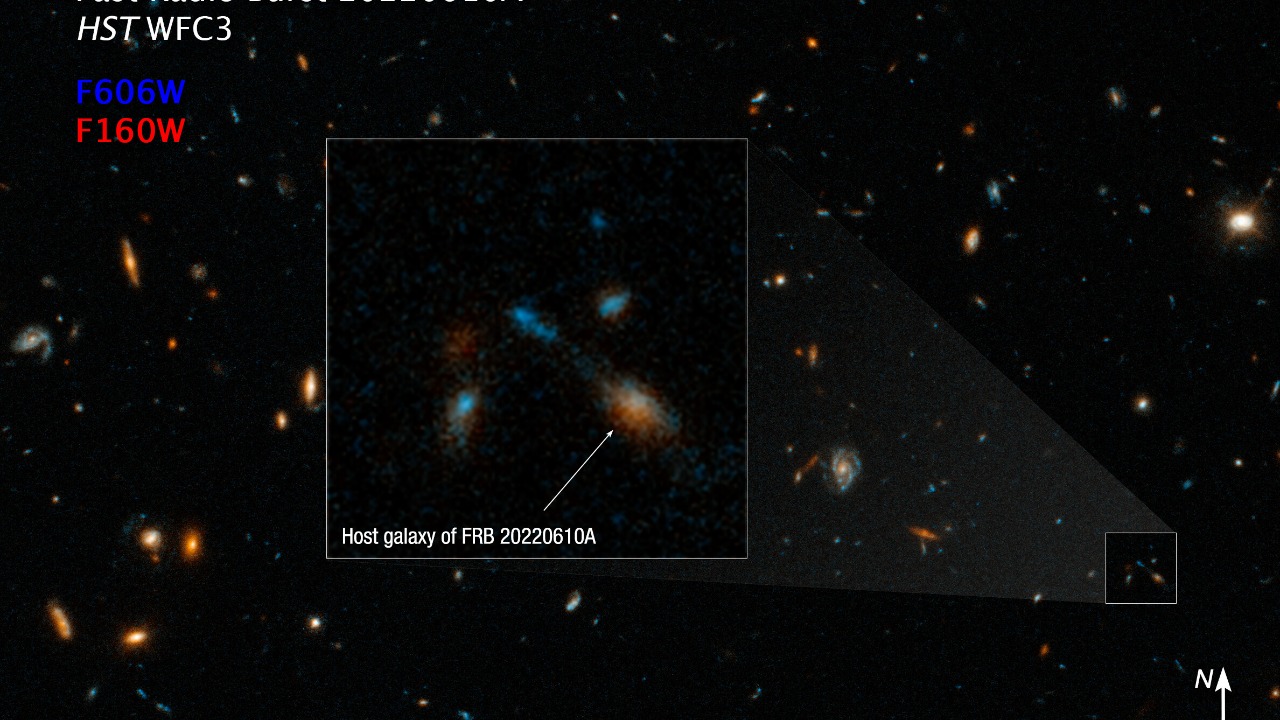
Fast Radio Bursts (FRBs) are intense pulses of radio waves that last only milliseconds, yet they emit as much energy as the sun does in a day. Discovered in 2007, these signals have been spotted coming from random locations in the sky, making their origins difficult to trace. Theories range from neutron stars to alien technology.
FRBs remain an area of active research, with new detections providing more data but few answers. The mystery of FRBs continues to intrigue astronomers as they seek to understand these fleeting but powerful phenomena.
The Lorimer Burst
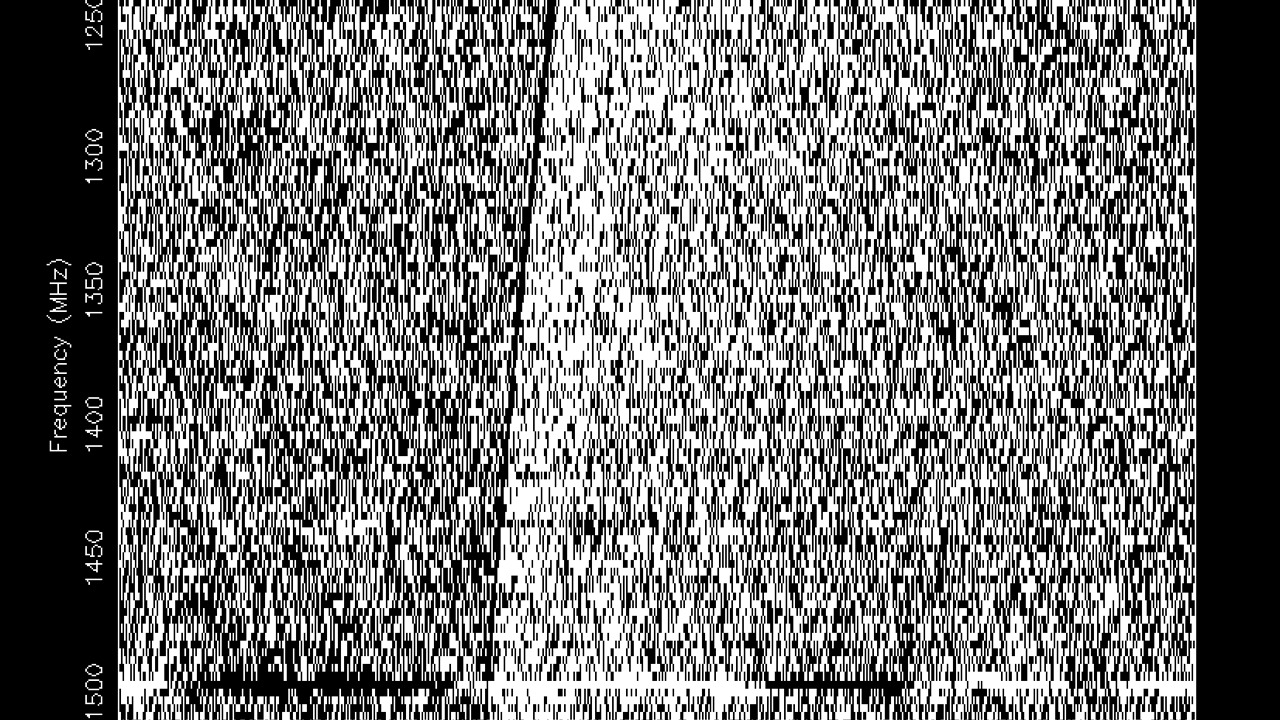
The Lorimer Burst, named after its discoverer, Dr. Duncan Lorimer, was the first recorded instance of a Fast Radio Burst. Detected in 2007, this singular event set the stage for the subsequent discovery of other FRBs. The burst was unexpected and left scientists scrambling for explanations.
Despite being the first of its kind, the Lorimer Burst remains unexplained. Its intensity and brief duration challenge conventional astronomical theories, prompting ongoing studies and debates within the scientific community.
The Green Bank Intermittent Signal
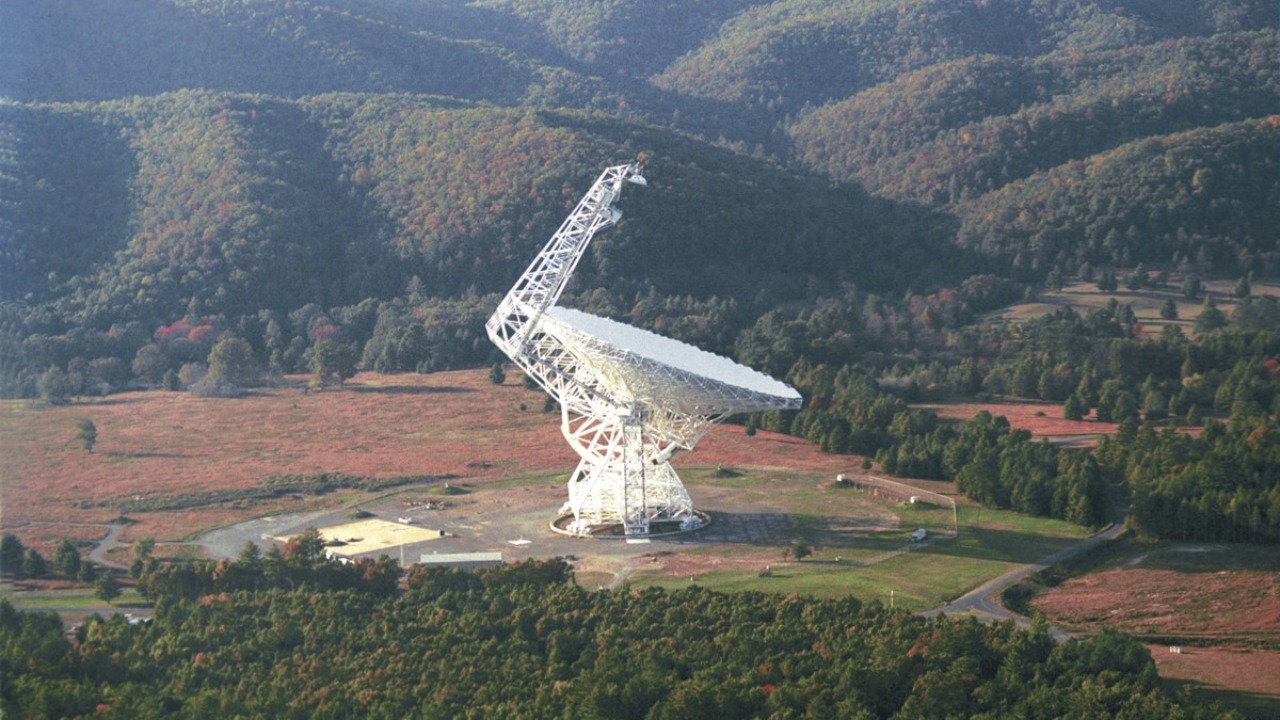
In 2019, astronomers using the Green Bank Telescope detected an intermittent radio signal with no apparent source. This signal, unlike others, appeared and disappeared over time, adding an extra layer of complexity to its origin story.
Researchers have yet to determine the cause of the Green Bank Intermittent Signal. Some hypothesize it could be the result of rotating neutron stars, while others consider it a potential sign of extraterrestrial communication. The intermittent nature continues to perplex scientists.
The SHGb02+14a Transmission
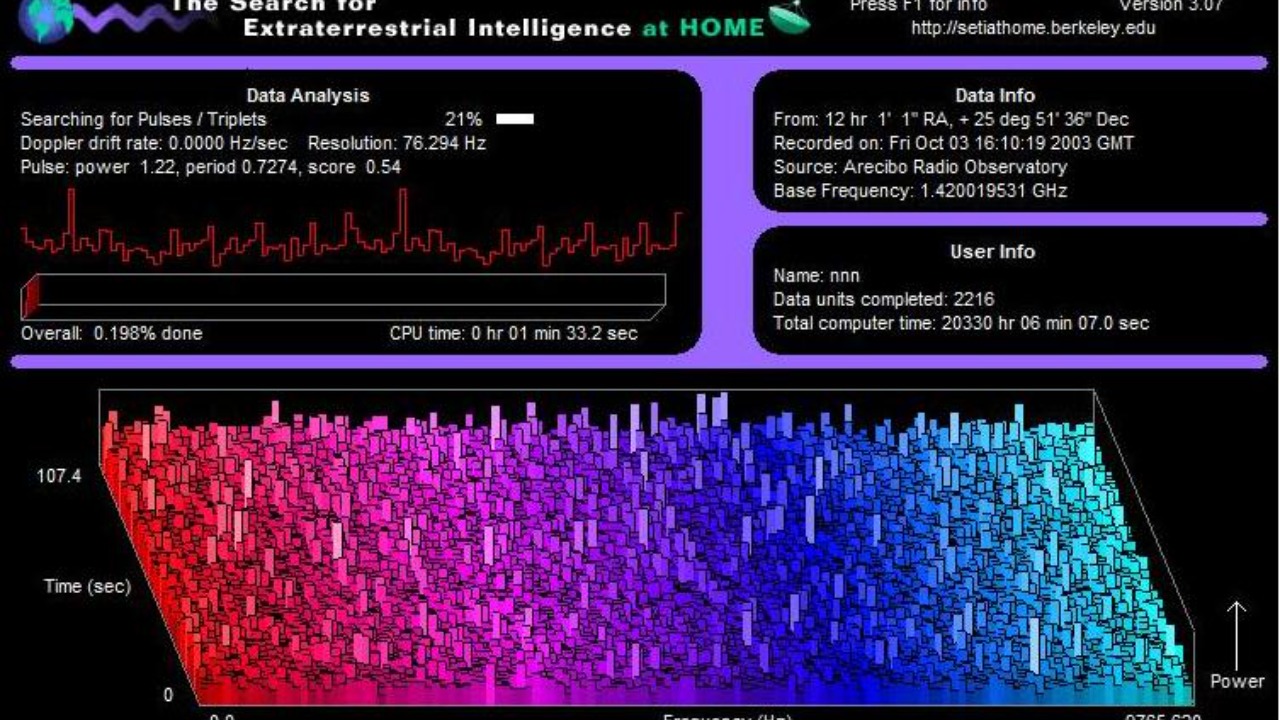
Discovered by the SETI@home project, the SHGb02+14a transmission is a perplexing radio signal that seems to originate from a point between the constellations Pisces and Aries. The signal’s frequency and pattern led some to propose it as a candidate for extraterrestrial communication.
Despite its intriguing characteristics, the signal’s true nature remains elusive. It has not been detected again, and its source is still unidentified, leaving open the possibility that it may be a natural, albeit rare, cosmic occurrence.
The BLC1 Signal
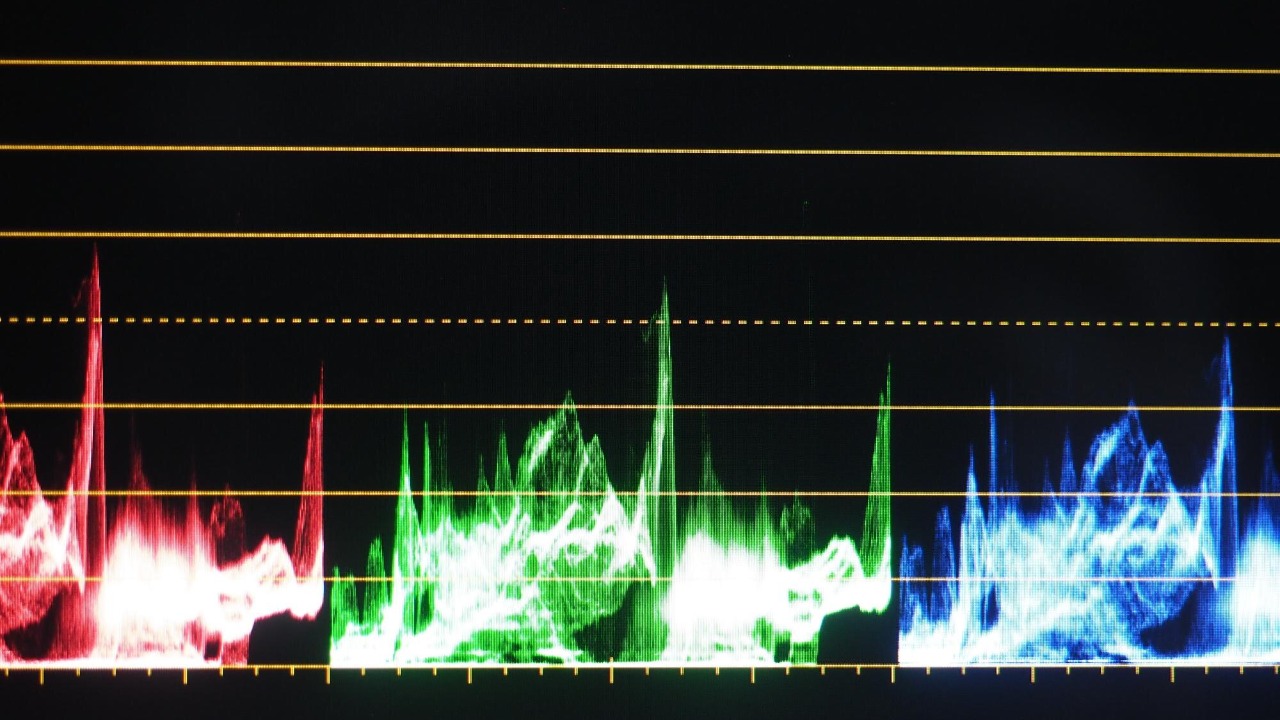
In 2020, astronomers detected the BLC1 signal, which appeared to come from the direction of Proxima Centauri, the closest star to the sun. Initially, it sparked excitement as a potential sign of alien technology, but subsequent analysis suggested it might be terrestrial interference.
Although the BLC1 Signal has been largely attributed to earthly sources, its initial characteristics were compelling enough to warrant further investigation. The signal serves as a reminder of the challenges in distinguishing between cosmic and terrestrial phenomena.
The X-ray Flashes from Galaxy NGC 5128
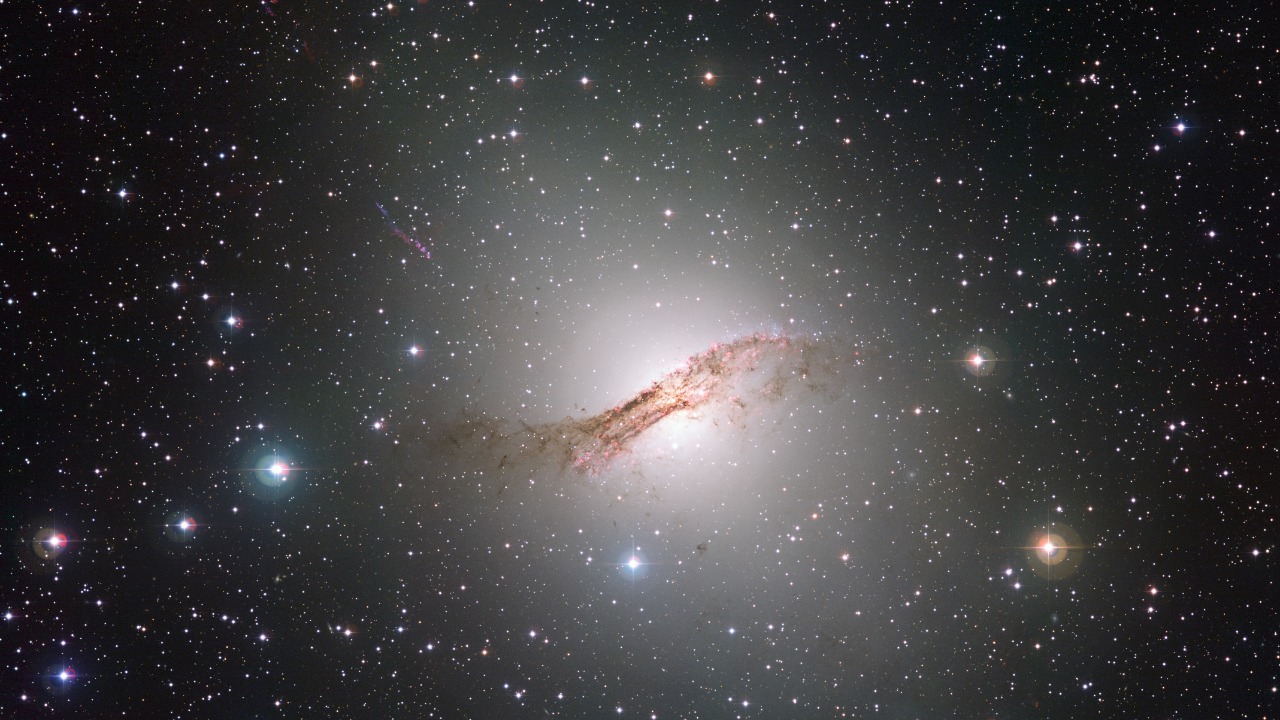
X-ray flashes originating from the galaxy NGC 5128 have puzzled astronomers since their discovery. These bursts of high-energy radiation are sporadic and lack a clear source, making them difficult to study in detail.
Various theories have been proposed, including black hole activity and neutron star collisions, but none have been conclusively proven. The flashes remain an intriguing subject of research, as scientists seek to understand their origins and implications for cosmic events.
The Mysterious Pulses from FRB 121102
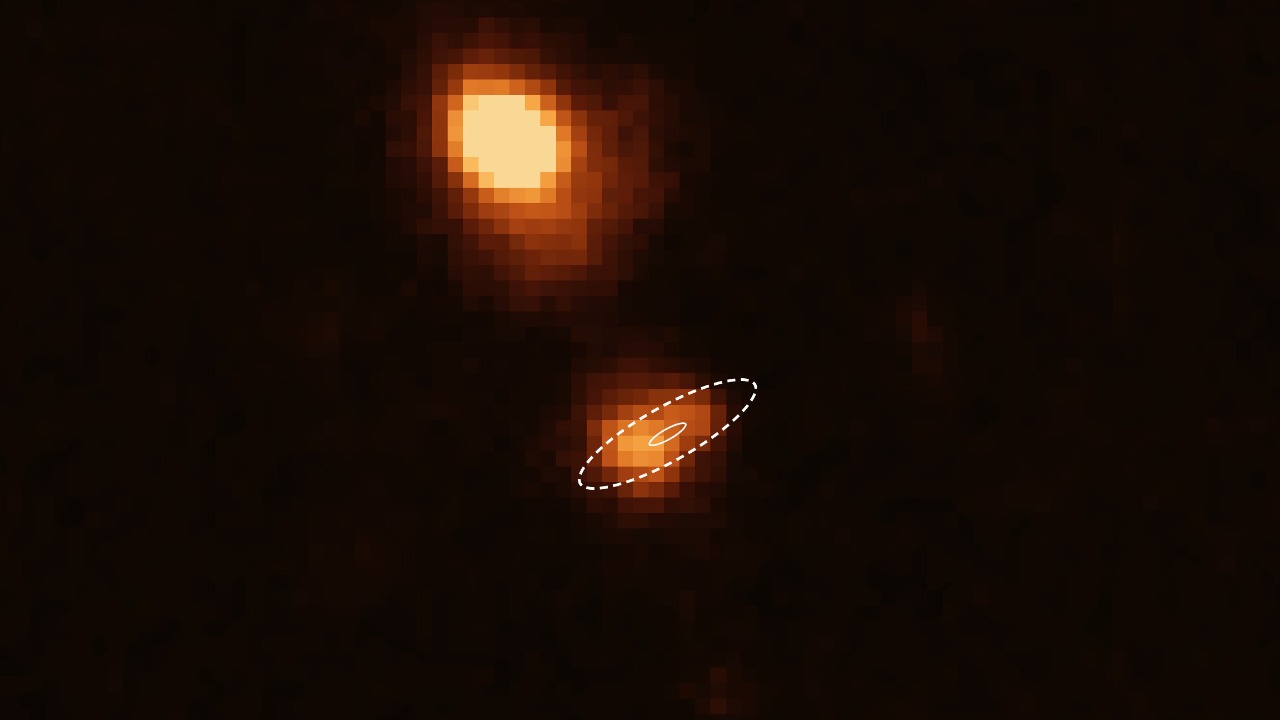
FRB 121102 is unique among Fast Radio Bursts because it is the first known repeater, emitting multiple radio bursts over several years. Originating from a dwarf galaxy, these mysterious pulses have provided valuable data but few answers.
The repeating nature of FRB 121102 challenges existing models of FRB generation, prompting new theories and continued observation. The source of these bursts remains unidentified, making it a key focus for astronomers hoping to unlock the secrets of these celestial signals.
