Steel has long been a symbol of strength and durability, but materials science continues to unveil substances that are even stronger. These innovative materials are changing industries and pushing the boundaries of what’s possible. Let’s explore some of the most intriguing materials that outperform steel in strength.
Graphene
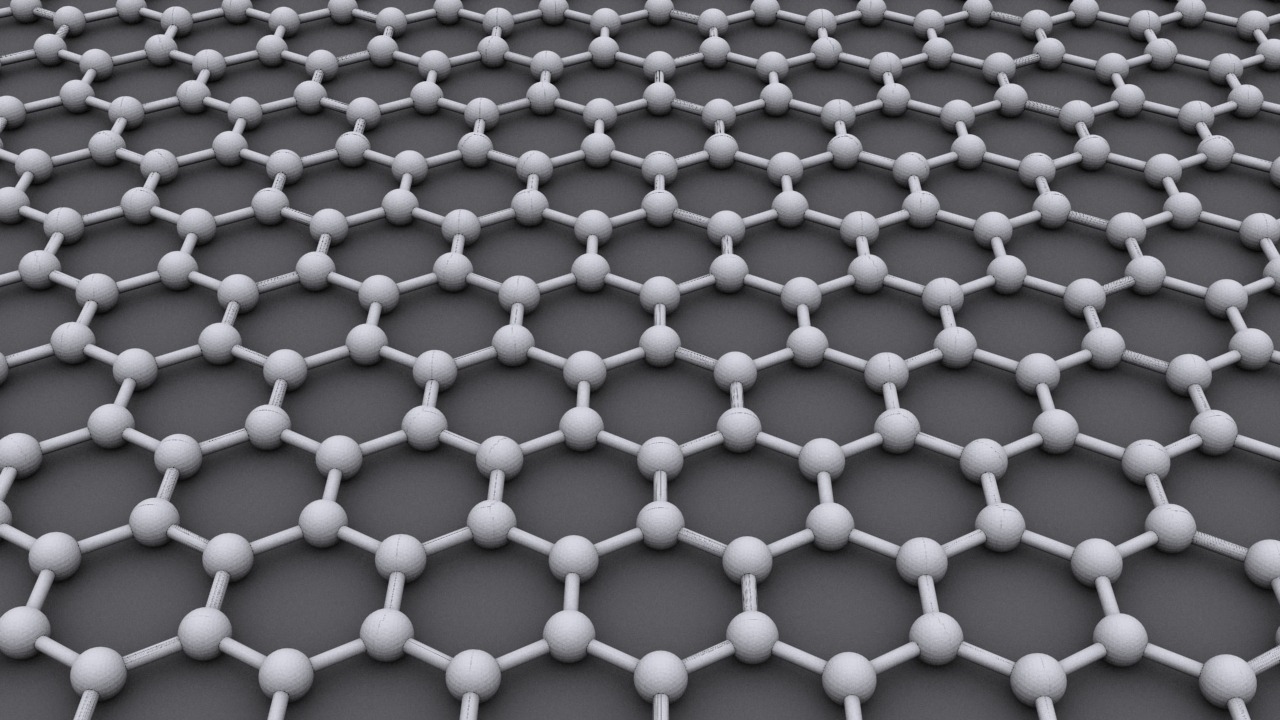
Graphene, a single layer of carbon atoms arranged in a two-dimensional lattice, is renowned for its extraordinary strength. It is approximately 100 times stronger than the strongest steel, yet it is incredibly lightweight. This unique combination of strength and lightness makes graphene a material of great interest for applications ranging from electronics to aerospace.
Beyond its strength, graphene exhibits excellent electrical conductivity and flexibility. Its potential uses include creating more efficient batteries, advanced sensors, and flexible electronic devices. Discover more about this groundbreaking material on JSTOR.
Carbon Nanotubes
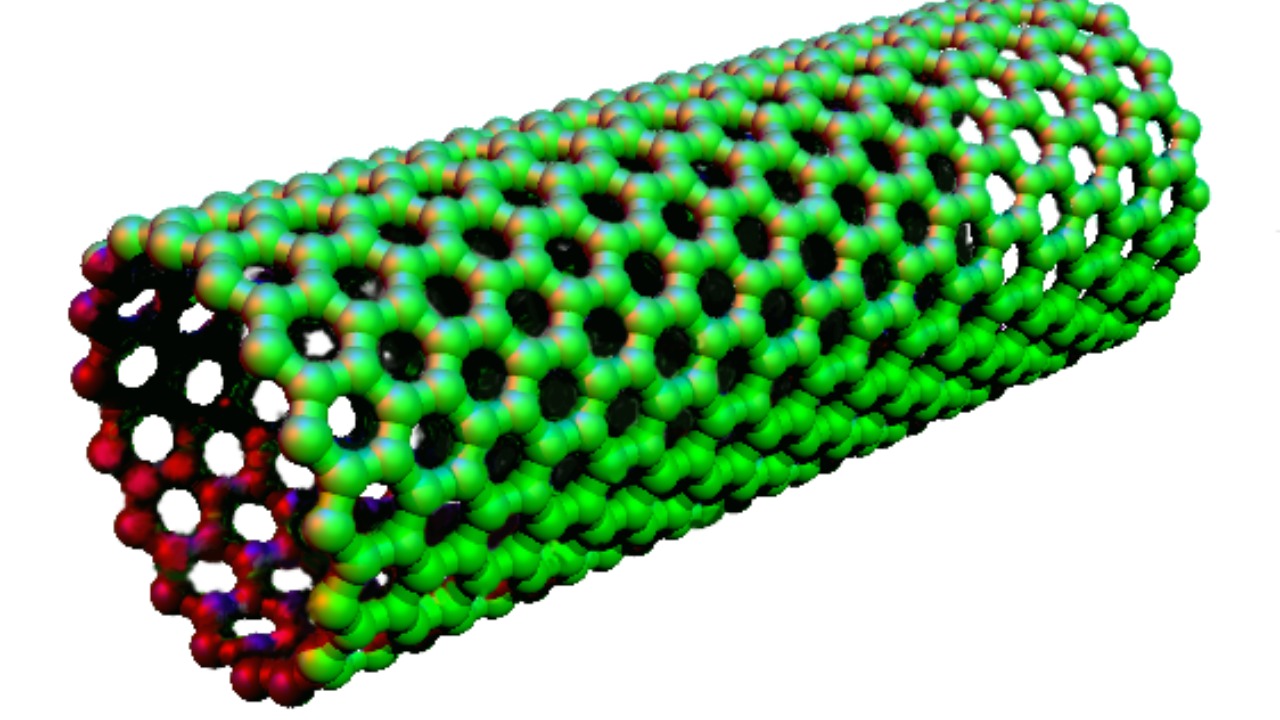
Carbon nanotubes are cylindrical molecules made up of carbon atoms, and they boast remarkable mechanical properties. These tubes can be up to 60 times stronger than steel while being six times lighter. Their strength comes from the carbon-carbon bonds, which are among the strongest in nature.
The potential applications for carbon nanotubes are vast, including their use in building lighter and stronger structures, improving the performance of sports equipment, and enhancing the durability of electronic devices. Learn more about their impact on materials science in the Mizuno JPX 925 review.
Spider Silk
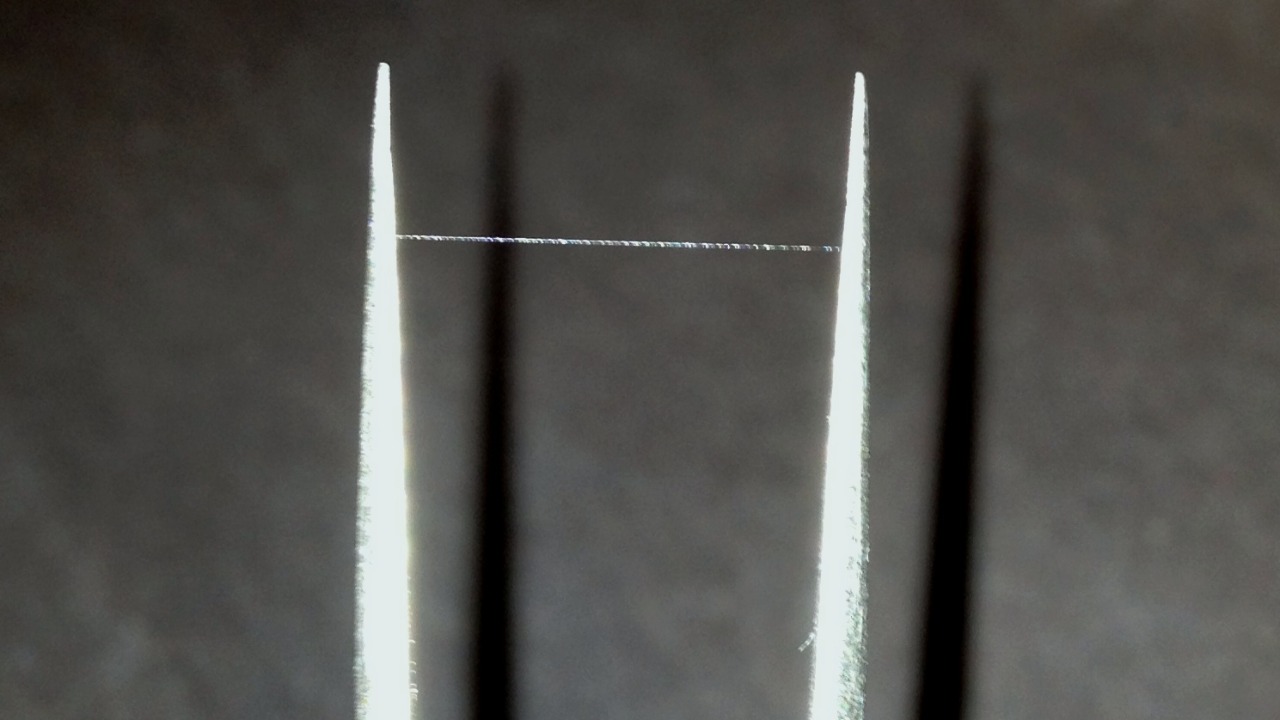
Spider silk is a natural wonder, known for being five times stronger than steel by weight. This incredible material is produced by spiders for web-building and catching prey. Scientists have been fascinated by its strength and elasticity, leading to research into synthetic spider silk.
Efforts to produce artificial spider silk could revolutionize industries such as textiles and medicine, providing new materials for sutures, bulletproof clothing, and biodegradable fishing lines. A fascinating aspect of spider silk production is explored on Reddit.
Metallic Glass
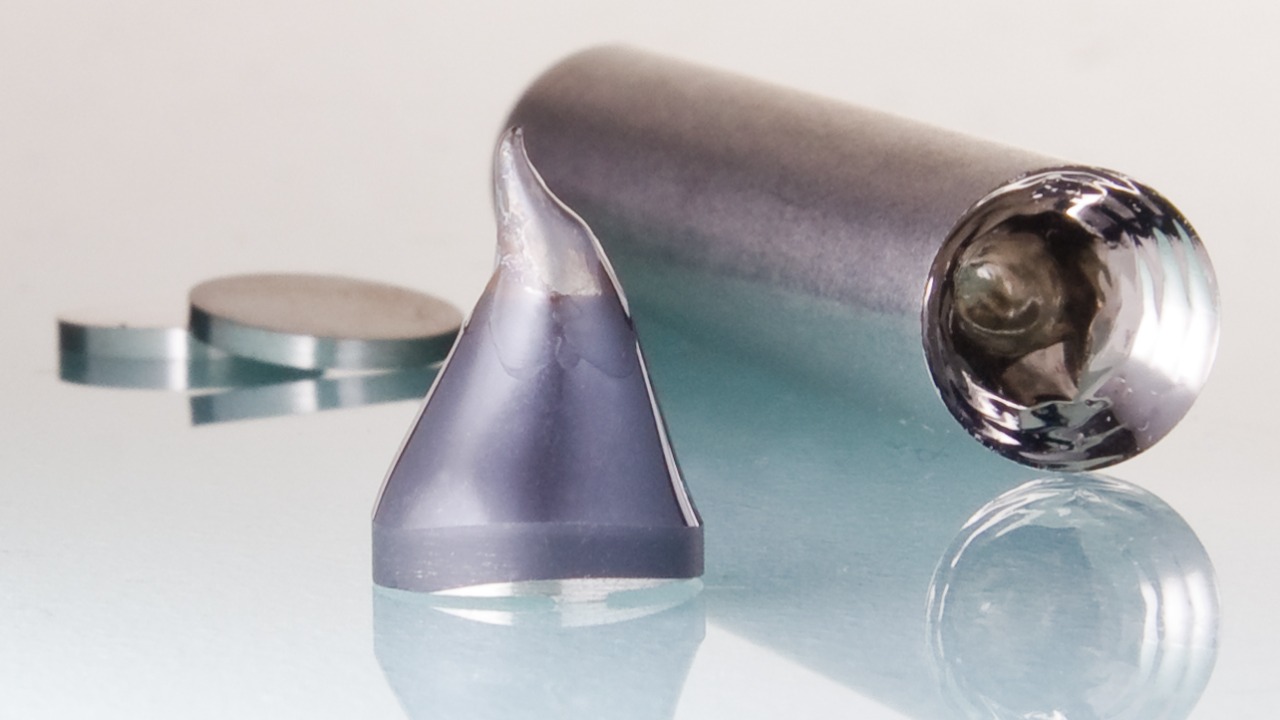
Metallic glass, also known as amorphous metal, is a type of alloy with a disordered atomic structure, unlike the crystalline structure found in traditional metals. This lack of structure gives metallic glass its impressive strength and elasticity. It can be significantly stronger than steel, making it ideal for applications requiring high strength and resilience.
Metallic glass is utilized in various fields, including sports equipment, medical devices, and even some types of consumer electronics. The potential for this material continues to grow as researchers develop new alloys with enhanced properties.
Kevlar
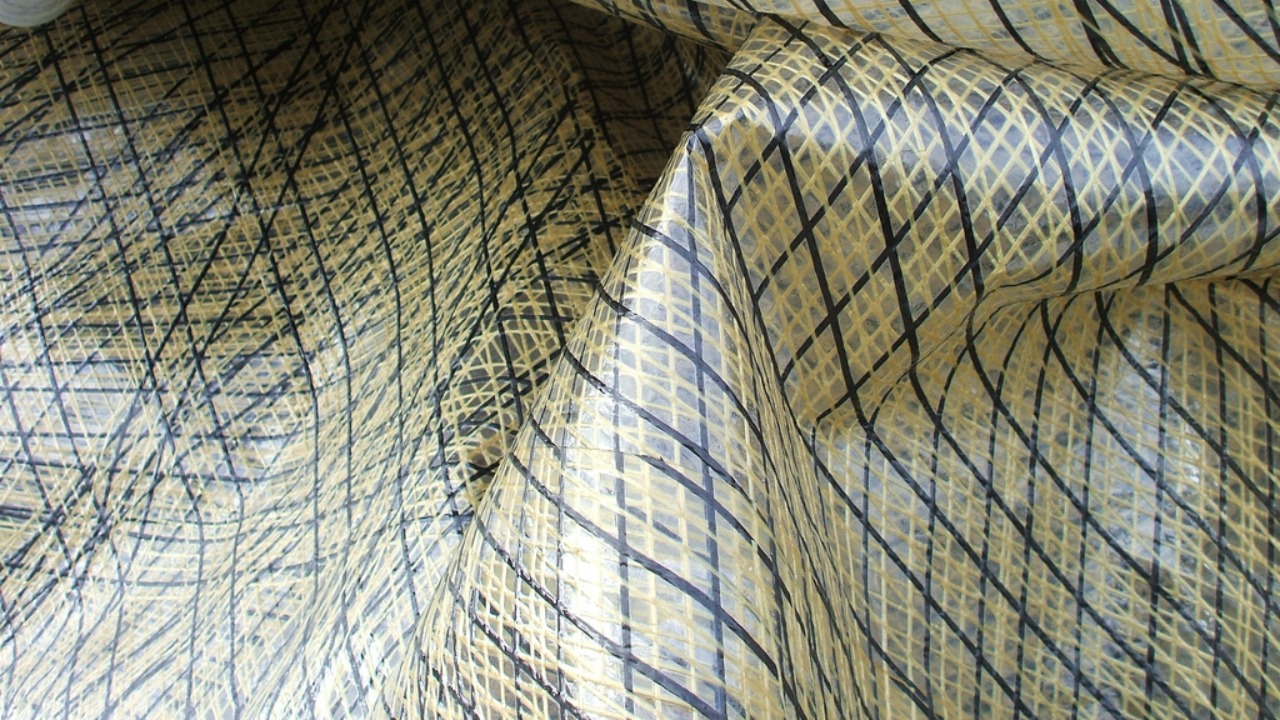
Kevlar is a synthetic fiber known for its high tensile strength-to-weight ratio. It is five times stronger than steel on an equal weight basis, which is why it is used in bulletproof vests, helmets, and other protective gear. The strength of Kevlar comes from its tightly packed, parallel polymer chains.
Beyond protective clothing, Kevlar’s applications extend to tire reinforcement, ropes, and aerospace components. This versatile material is a testament to the advancements in polymer science and its impact on safety and durability.
Dyneema
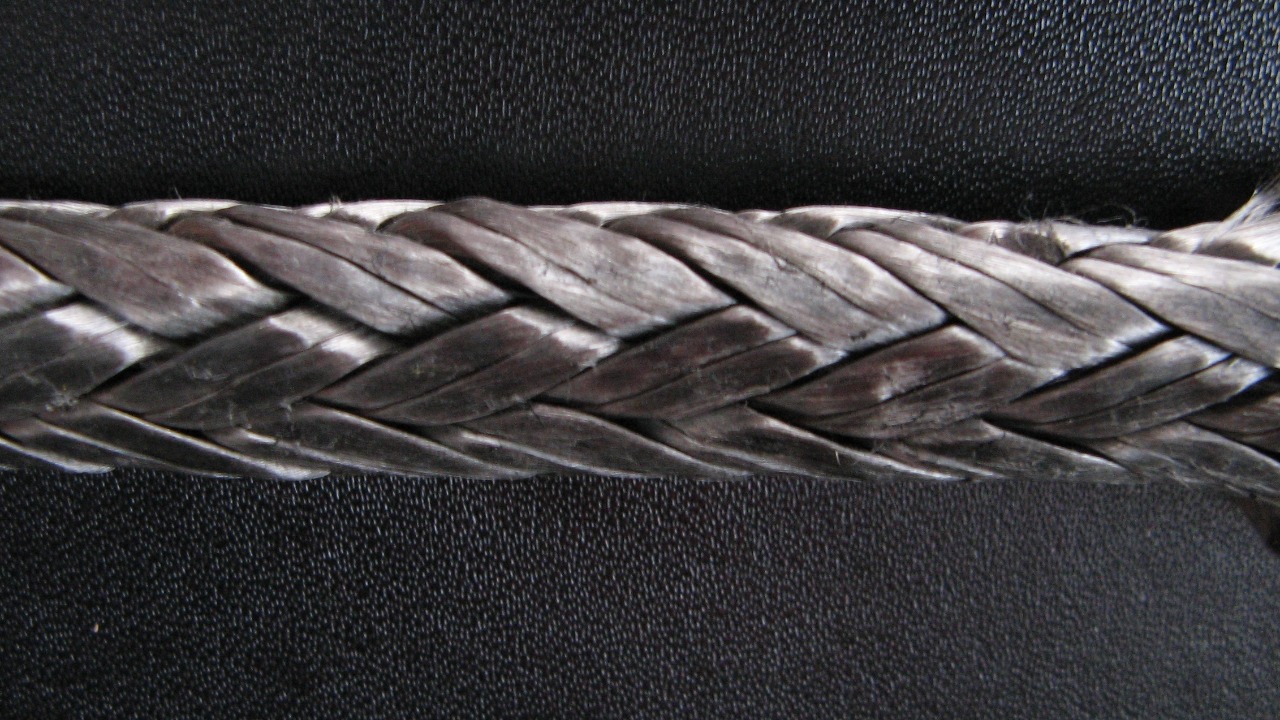
Dyneema is an ultra-high-molecular-weight polyethylene fiber known for being one of the strongest and lightest materials available. It is 15 times stronger than steel, providing exceptional strength and lightweight properties. This makes it ideal for applications such as high-performance ropes, nets, and ballistic armor.
Dyneema’s unique properties are utilized in industries ranging from maritime to military, where strength and weight are critical factors. The combination of strength, flexibility, and durability makes it a preferred choice for many demanding applications. More on its capabilities can be found on Live Science.
Aerogel
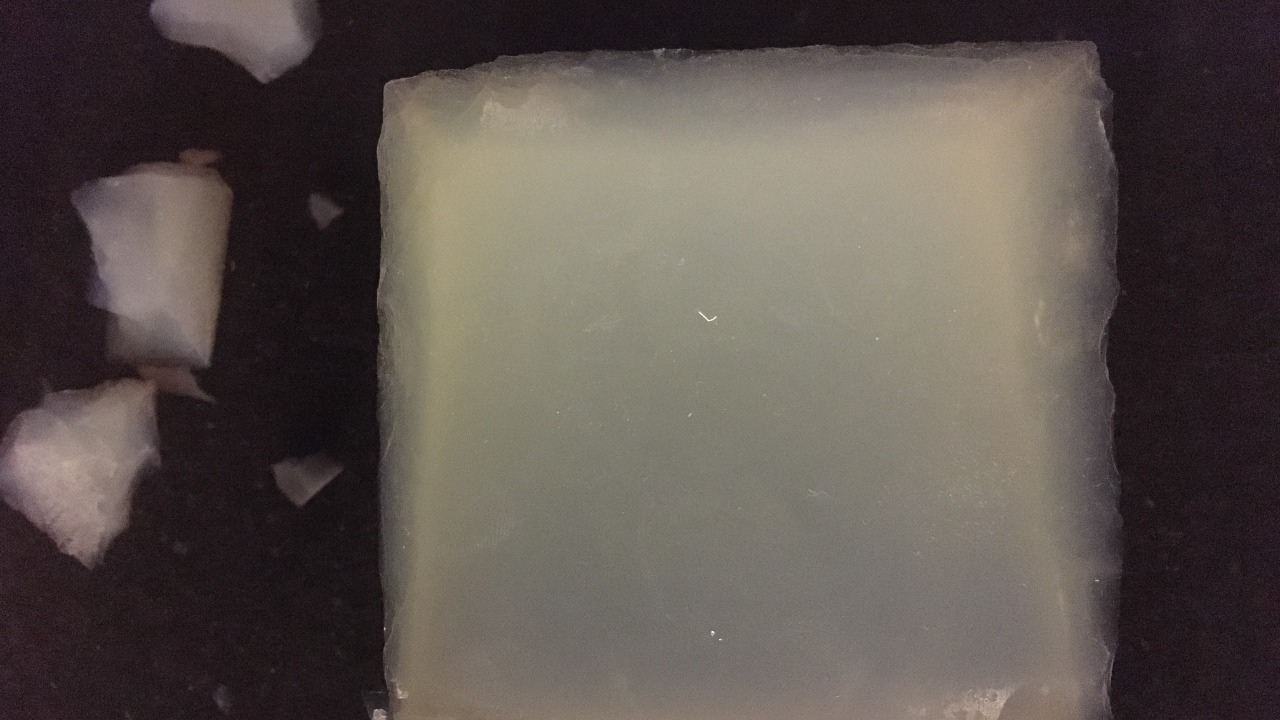
Aerogel, often referred to as “frozen smoke” due to its appearance, is an extremely light and porous material. Despite its delicate look, it is incredibly strong and can support over 4,000 times its own weight. Aerogel’s strength and insulating properties make it valuable in applications such as space suits and oil spill cleanup.
The material is composed of a gel in which the liquid component is replaced by gas, resulting in a solid with very low density. Aerogel’s unique properties are being explored for use in various innovative technologies. Learn more about its potential from Yahoo News.
Carbon Fiber
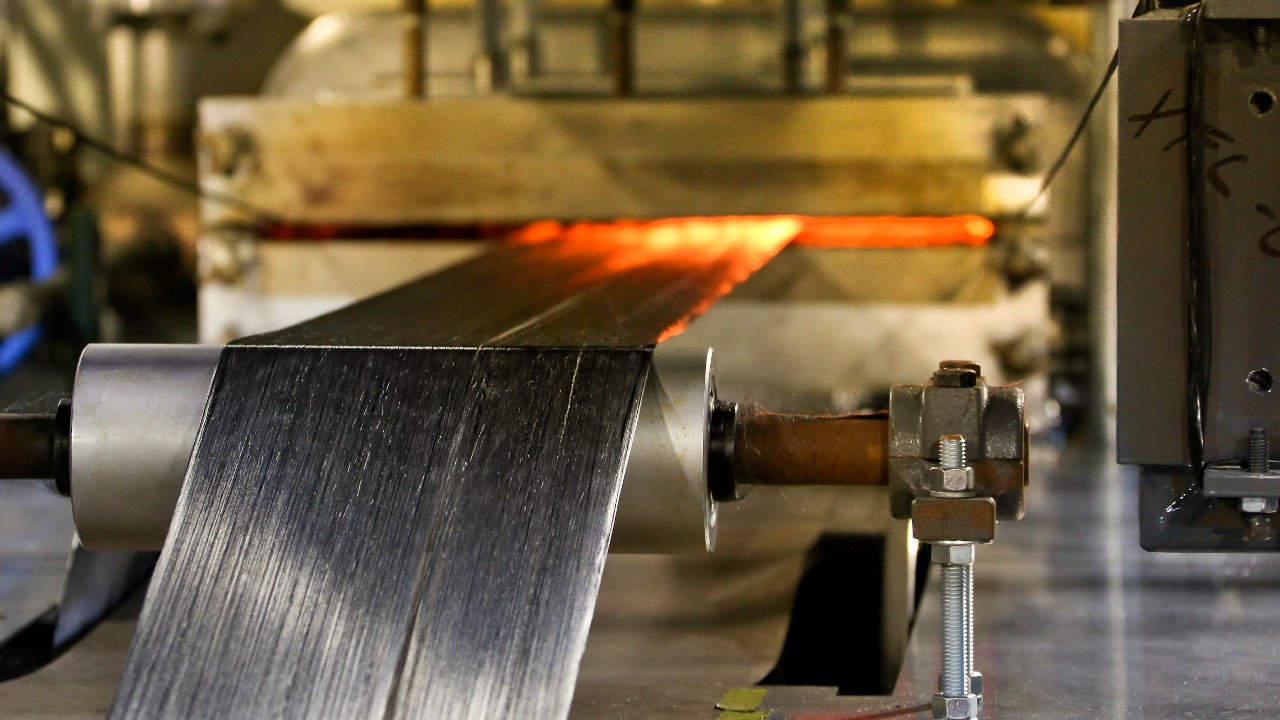
Carbon fiber is a material composed of thin, strong crystalline filaments of carbon. It is known for its high stiffness, high tensile strength, low weight, and high chemical resistance. Carbon fiber is five times stronger than steel and twice as stiff, yet it is much lighter.
These properties make carbon fiber an ideal material for lightweight structures in the aerospace, automotive, and sports industries. Its ability to combine strength with lightweight characteristics has made it a staple in high-performance products, from bicycles to aircraft components.
