
Quantum technology is reshaping urban landscapes in unprecedented ways. From transportation to economic planning, the integration of quantum advancements is creating smarter, more efficient cities. Here’s how quantum tech is revolutionizing city living.
Enhanced Urban Transportation Systems

Quantum technology is poised to drastically improve urban transportation systems. Quantum computers can process vast amounts of data to optimize traffic flow, reducing congestion and travel times. By accurately predicting traffic patterns and public transit needs, city planners can devise more efficient routes and schedules. Additionally, quantum sensing technology enhances the precision of autonomous vehicles, making them safer and more reliable for urban commuting.
Revolutionized Energy Grids
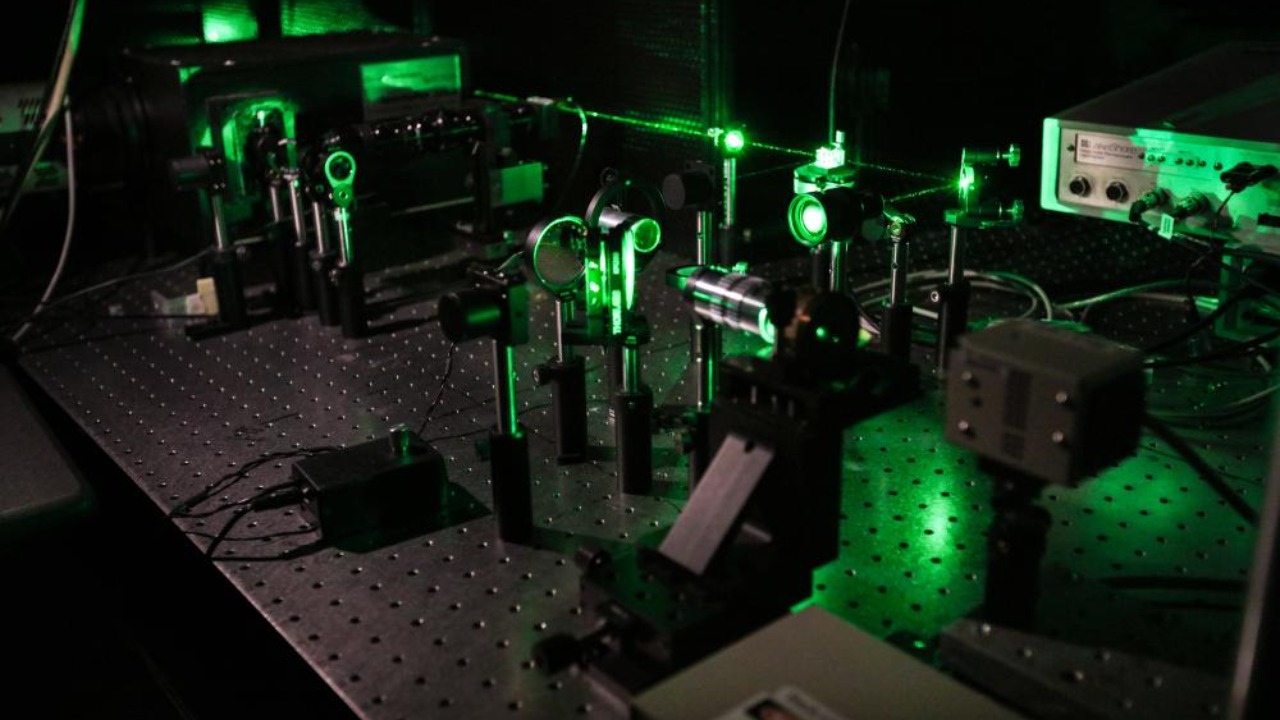
Energy grids stand to benefit immensely from quantum advancements. Quantum algorithms enable more efficient energy distribution, reducing waste and enhancing grid reliability. With the ability to predict energy consumption patterns more accurately, cities can better integrate renewable energy sources. This transformation leads to a more sustainable urban environment, reducing the carbon footprint and ensuring a stable energy supply for residents.
Advanced Environmental Monitoring

Quantum sensors offer unprecedented accuracy in environmental monitoring. This technology allows for real-time tracking of pollution levels, enabling cities to respond swiftly to environmental changes. Improved monitoring of air and water quality helps city planners implement more effective policies for environmental protection. Consequently, urban areas become healthier and more resilient against climate change effects.
Improved Public Safety and Security
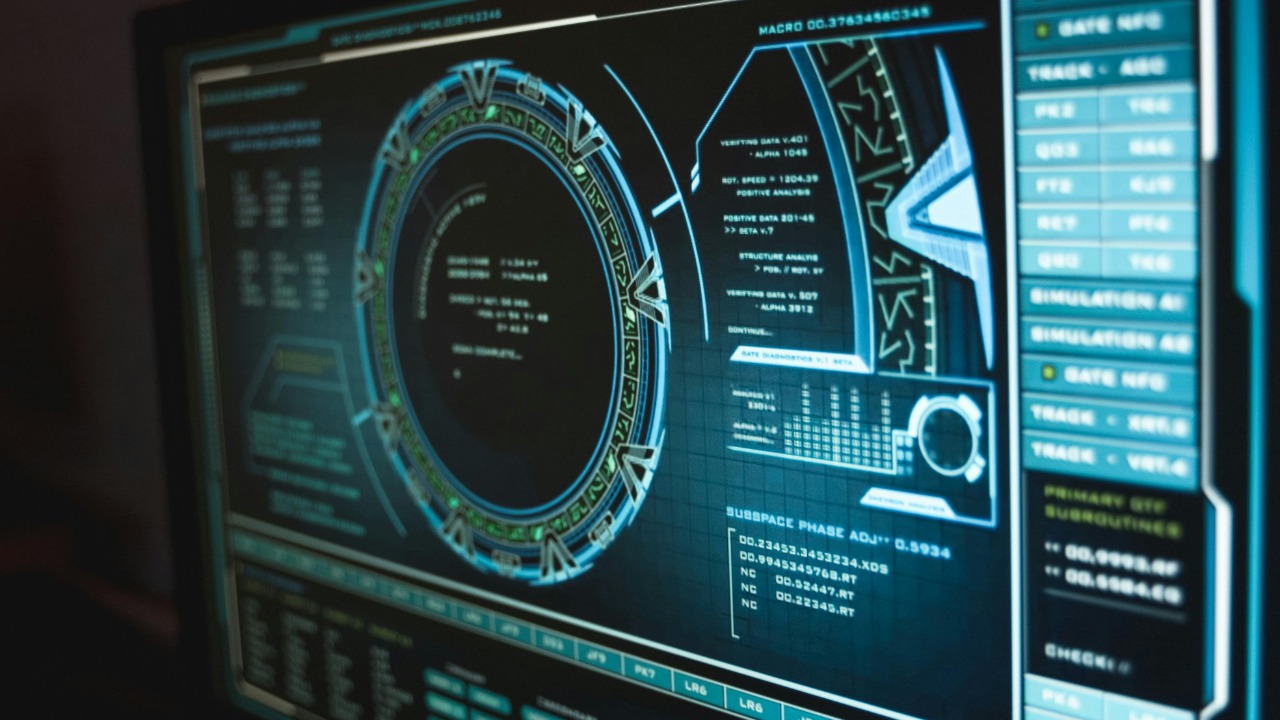
Quantum technology enhances public safety through more secure communication and data encryption. Quantum cryptography provides an unbreakable security layer for sensitive data, protecting infrastructure from cyber threats. In addition, quantum sensors improve surveillance capabilities, allowing for better detection of potential security risks. This ensures that cities remain safe and secure environments for their inhabitants.
Transformative Healthcare Facilities

Quantum computing is transforming healthcare in cities by accelerating drug discovery and personalizing treatment plans. With faster data analysis, healthcare facilities can diagnose and treat patients more efficiently. Quantum technology also facilitates the development of advanced medical imaging techniques, improving early detection of diseases. This results in healthier urban populations and a more robust healthcare system.
Optimized Waste Management

Efficient waste management is crucial for sustainable urban living, and quantum technology contributes significantly in this area. Quantum algorithms optimize waste collection routes and schedules, reducing operational costs and environmental impact. Additionally, quantum sensors monitor waste processing facilities, ensuring compliance with environmental standards and preventing hazardous waste leaks.
Intelligent Infrastructure Development

Quantum technology aids in the design and construction of intelligent infrastructure. By analyzing massive datasets, quantum computers identify optimal building materials and architectural designs. This leads to more sustainable and resilient urban infrastructures that can adapt to changing environmental conditions and population needs.
Augmented Economic Planning and Management
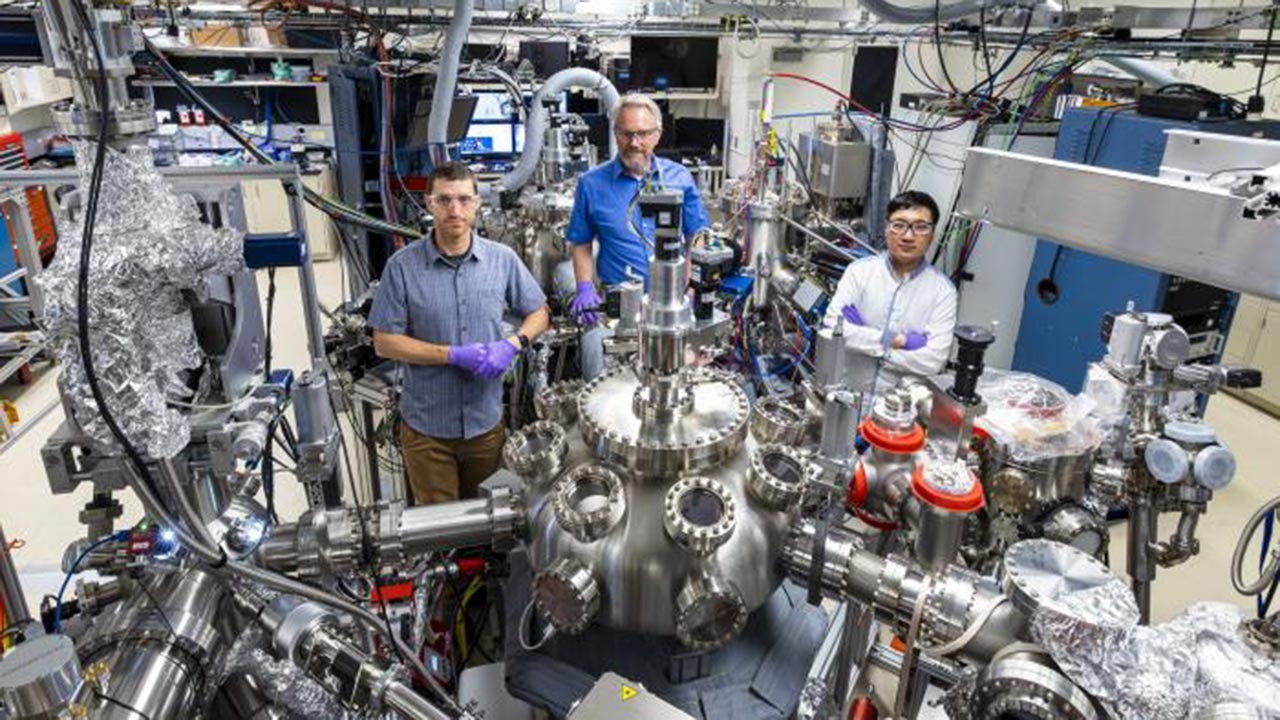
Quantum advancements are reshaping economic planning by providing deeper insights into market trends and consumer behavior. Cities can leverage quantum computing to develop more effective economic strategies, optimizing resource allocation and boosting economic growth. By simulating complex economic models, city planners can make more informed decisions that drive urban prosperity and improve residents’ quality of life.
