
Artificial Intelligence (AI) is rapidly advancing, challenging the limits of human intelligence. By examining the areas where AI excels, we can understand how it might outthink humans. Here are eight ways AI is poised to surpass human cognitive abilities.
Problem-Solving Efficiency
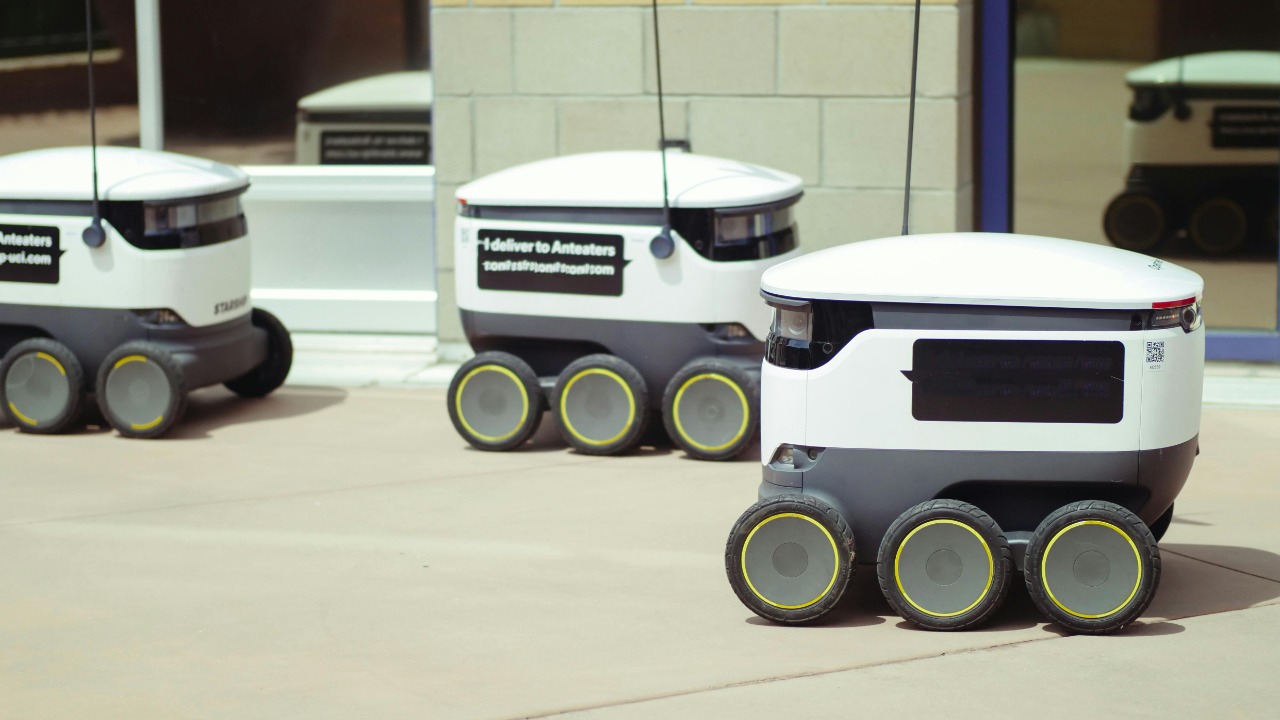
AI systems can solve complex problems with remarkable efficiency. Unlike humans, who may be limited by cognitive biases or fatigue, AI can process vast amounts of data without pause. Algorithms are designed to find optimal solutions by analyzing numerous variables simultaneously.
This ability allows AI to tackle challenges such as disease modeling or logistical optimizations far more effectively than human counterparts.
Data Processing and Analysis

AI excels in processing and analyzing large datasets quickly, a task that would be overwhelming for humans. With advanced algorithms, AI can sift through data to identify trends and correlations that might otherwise go unnoticed.
This capability is crucial in fields like finance and healthcare, where timely decisions can have significant impacts. As AI continues to evolve, its data processing prowess will only expand, enabling more precise and informed decisions.
Pattern Recognition

One of AI’s most significant strengths is its ability to recognize patterns. Machine learning algorithms are trained to detect subtle patterns in data that are invisible to the human eye. This skill is invaluable in areas such as image and speech recognition, where AI can surpass human accuracy.
As these technologies improve, AI will continue to redefine industries by offering insights and efficiencies that are beyond human capability.
Predictive Analytics

AI-driven predictive analytics can forecast future events with high accuracy by analyzing historical data. This capability is utilized in various sectors, including business and weather forecasting, to anticipate trends and prepare strategies.
By leveraging predictive models, organizations can make proactive decisions, reducing risks and enhancing outcomes.
Language Understanding and Translation
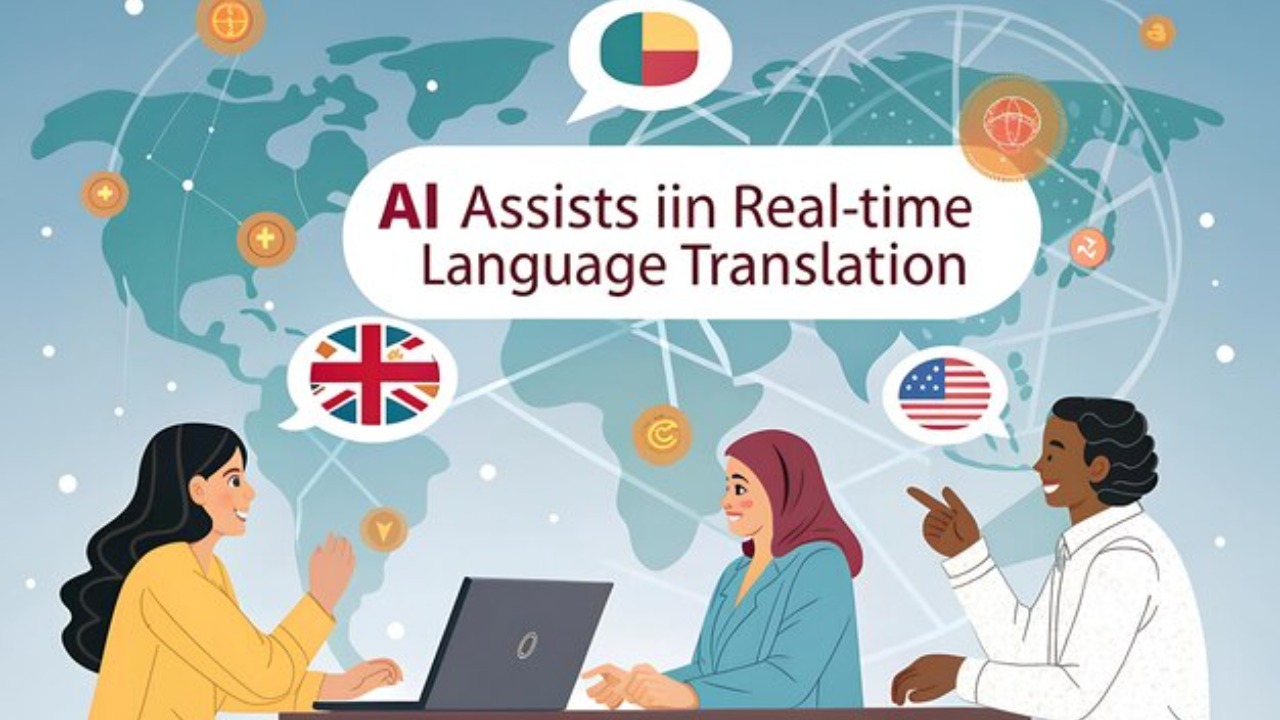
AI’s proficiency in language understanding and translation is transforming communication. With natural language processing (NLP), AI can comprehend and generate human language, facilitating cross-cultural interactions and breaking down language barriers.
AI-powered translation tools are becoming increasingly accurate, making it easier for people to connect globally. As these systems improve, they will continue to enhance understanding across languages and cultures.
Decision-Making Speed
AI can make decisions at a speed that’s unattainable for humans. In fast-paced environments like financial markets, AI algorithms can execute trades in milliseconds, responding to market changes instantaneously.
This rapid decision-making ability is not confined to finance; it extends to areas such as emergency response and autonomous vehicles, where quick, informed decisions are critical.
Continuous Learning and Adaptation
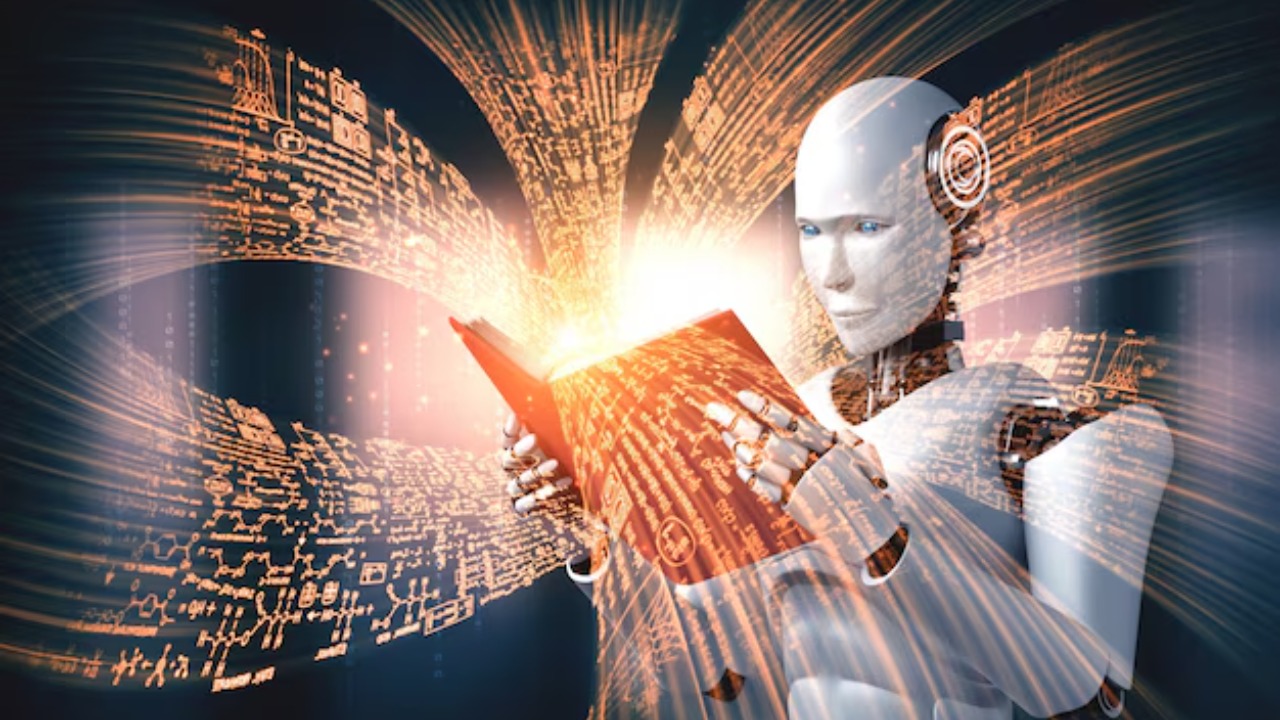
AI systems are designed to continuously learn and adapt, improving their performance over time. This ability to self-improve distinguishes AI from static software solutions. Through machine learning techniques, AI can refine its algorithms based on new data, enhancing accuracy and efficiency.
This dynamic learning capability ensures that AI remains relevant and effective in rapidly changing environments.
Creative Innovation

AI is making strides in the realm of creative innovation, challenging the notion that creativity is a uniquely human trait. AI systems can now generate art, music, and even literature, offering new perspectives and ideas. By analyzing vast amounts of creative content, AI can produce novel works that blend human understanding with computational creativity, expanding the boundaries of artistic expression.
