Image Credit: RL GNZLZ from Chile - CC BY-SA 2.0/Wiki Commons
Federal safety regulators collect owner complaints on every vehicle sold in the United States, and a handful of nameplates accumulate far thicker files than the rest. Some earn it through a single defect that reached millions of drivers, while others simply sell in enormous numbers. Here are eight vehicles whose owner grievances turned into federal investigations, recalls and lawsuits.
1. Ford Explorer: The Exhaust Odor Investigation
<p>Image Credit: Alexander-93 – CC BY-SA 4.0/Wiki Commons</p>
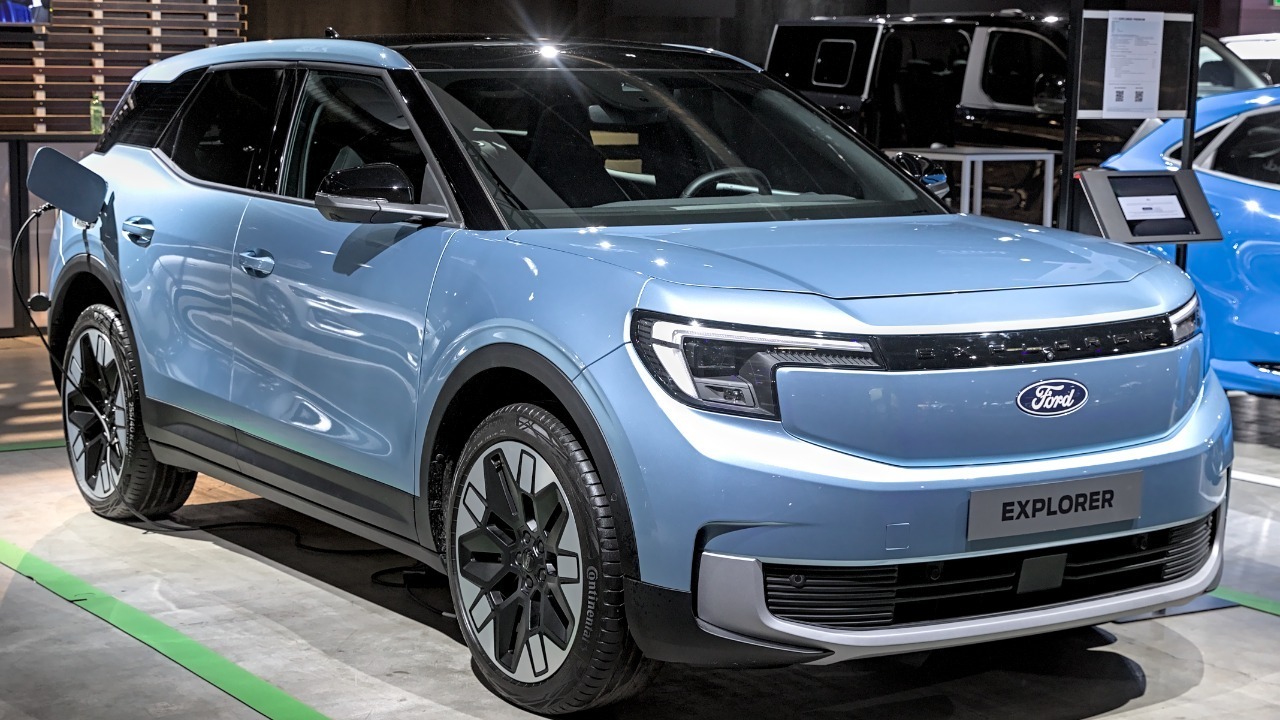
Complaints of exhaust fumes leaking into the cabin pushed federal regulators to investigate roughly 1.3 million fifth-generation Ford Explorers built from 2011 to 2017, and police-package versions drew the sharpest scrutiny after officers reported carbon monoxide symptoms behind the wheel. An earlier chapter set the pattern: tread separations on Firestone tires fitted to the Explorer led to a recall of millions of tires and a congressional response in 2000.
Ford issued service actions rather than a full safety recall, arguing the fumes traced to aftermarket equipment and sealing gaps rather than a design defect. For used-Explorer shoppers, the practical checks are the rear liftgate seals and any holes drilled into the body for lights or radios.
2. Jeep Grand Cherokee: The Shifter That Rolled Away
Image Credit: Elishur19 – CC BY-SA 4.0/Wiki Commons
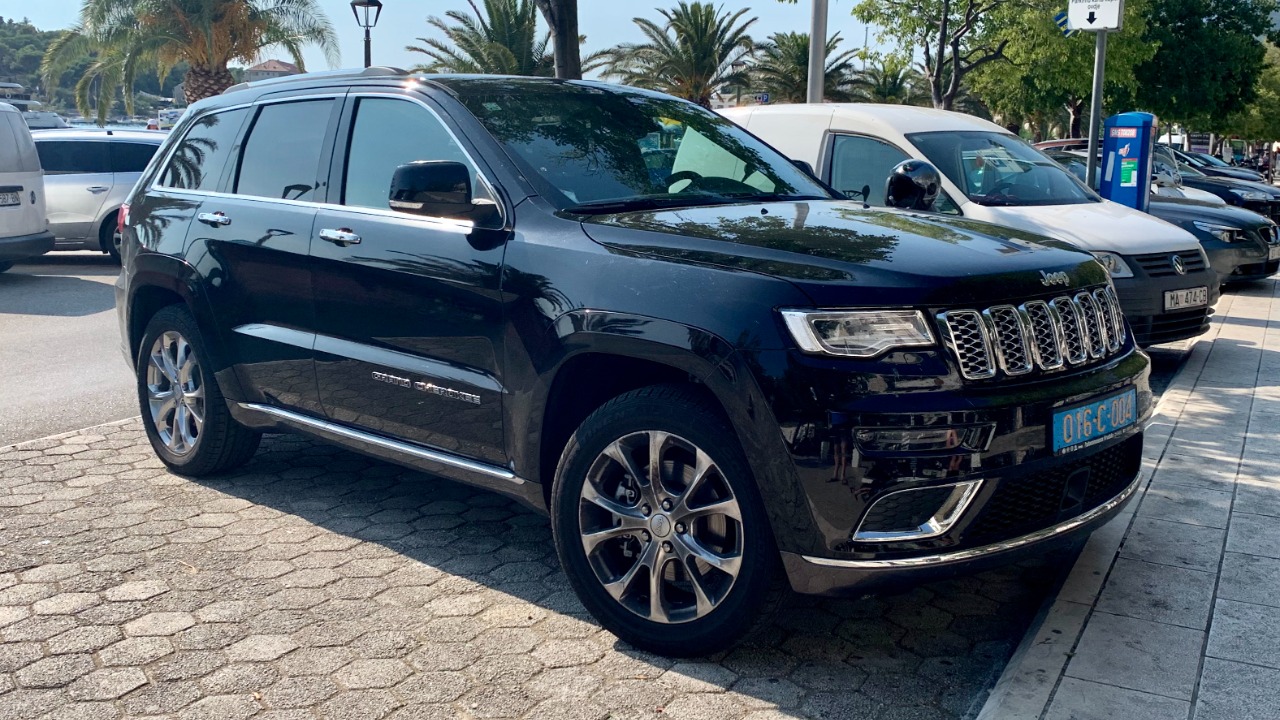
A monostable electronic gear selector fitted to the 2014 and 2015 Jeep Grand Cherokee left drivers unsure whether the transmission had actually reached park, and hundreds of owner complaints and dozens of injury reports preceded a 2016 recall of more than a million Fiat Chrysler vehicles. The lever sprang back to a center position after every selection instead of resting in a visible gate.
The fix was software that shifted the vehicle into park automatically when the driver door opened, not a redesigned lever. Later model years abandoned the design entirely, so the defect is largely confined to a two-year window that used-car buyers can identify by the shifter shape alone.
3. Nissan Altima: Transmission Grievances Stack Up
Image Credit: MercurySable99 – CC BY-SA 4.0/Wiki Commons
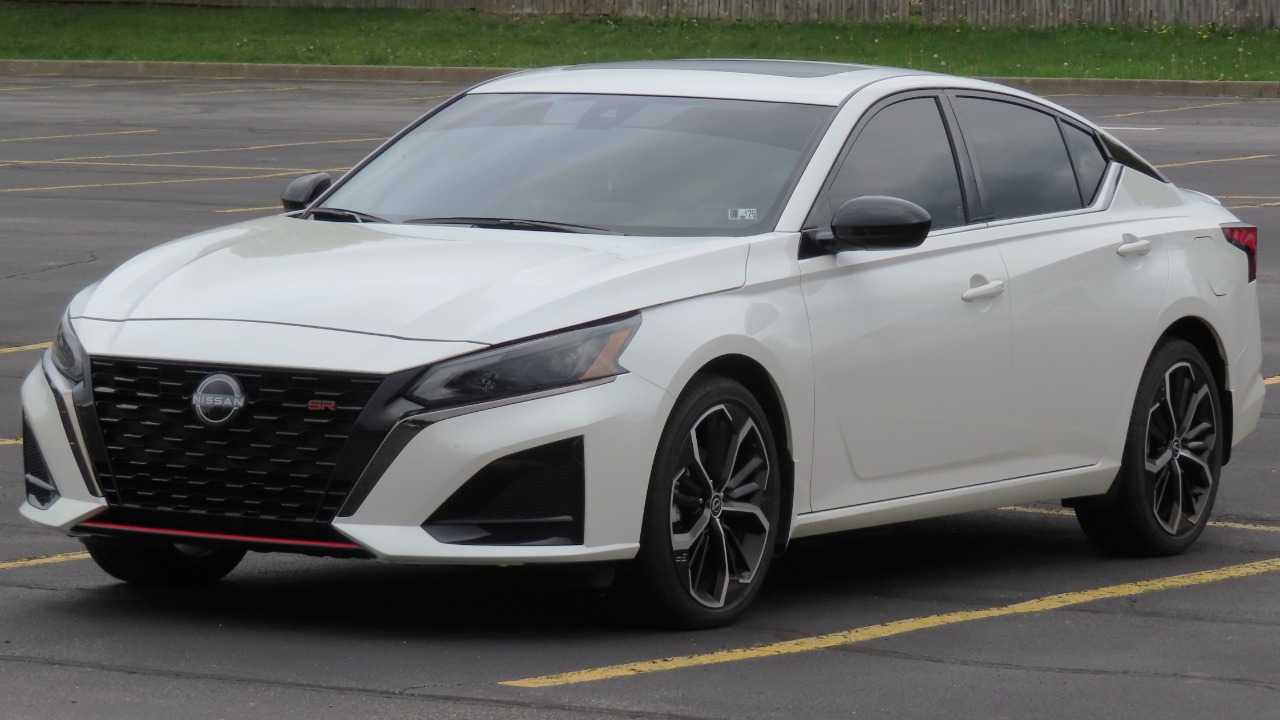
Continuously variable transmissions gave the Nissan Altima its fuel-economy numbers and also its longest-running complaint thread, with judder, hesitation and outright failure common enough that Nissan doubled CVT warranty coverage to ten years or 120,000 miles on earlier cars and settled class-action claims. Separate hood-latch defects brought repeated recalls of 2013 through 2015 sedans, where a corroded secondary latch could let the hood fly open at speed.
Complaint volume does not automatically mean a car is unsafe, but a transmission that fails outside the powertrain warranty is a four-figure repair on a mid-size sedan worth little more. Service records showing a replaced or reprogrammed CVT carry more weight than a clean-feeling test drive.
4. Chevrolet Cruze: Recalls In The Compact Class
Image Credit: Dinkun Chen – CC BY-SA 4.0/Wiki Commons
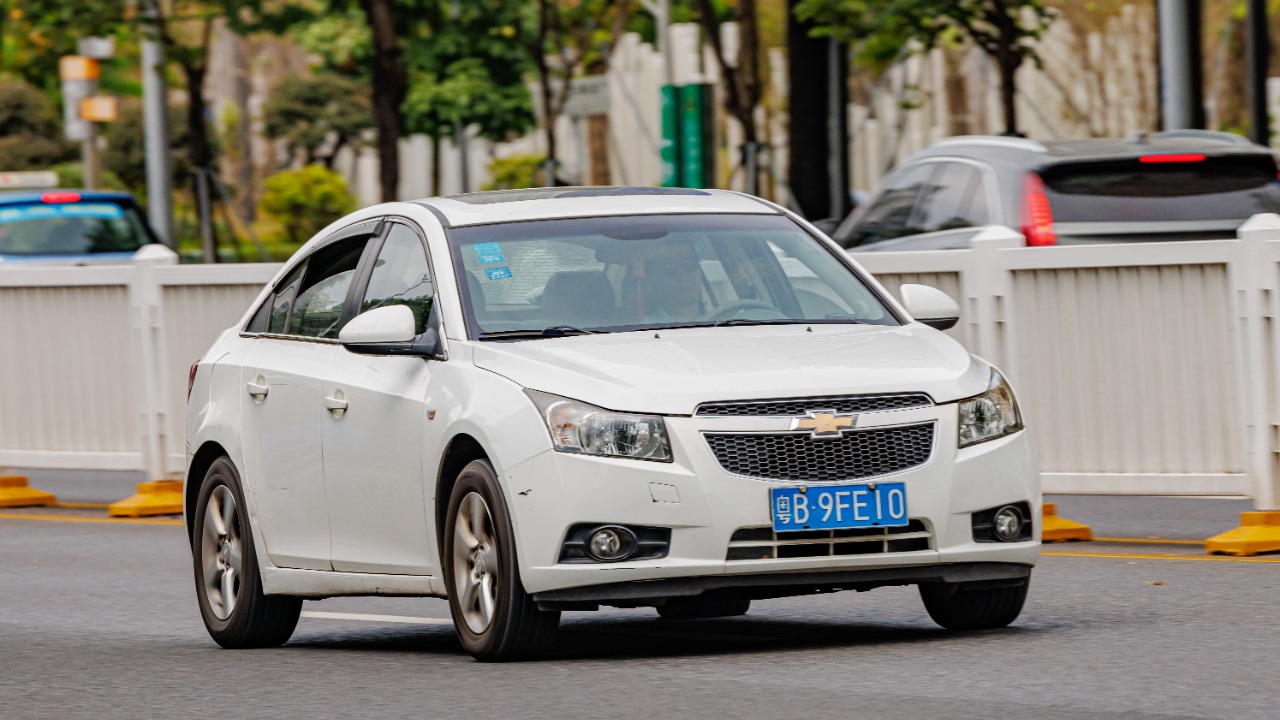
General Motors recalled 2013 and 2014 Chevrolet Cruze sedans fitted with the 1.4-liter turbocharged engine in 2014 after finding that a right front axle shaft could fracture and separate while the car was moving, one entry in a recall year that spanned tens of millions of GM vehicles. Diesel versions later drew emissions litigation alleging defeat devices on 2014 through 2016 models.
Owner-reported trouble on the gasoline cars clusters around the turbocharged engine cooling and crankcase-ventilation plumbing, much of it molded in plastic and prone to leaking as it ages. None of that is catastrophic on its own, but the repair bills arrive in the years when a compact is supposed to be cheap to keep.
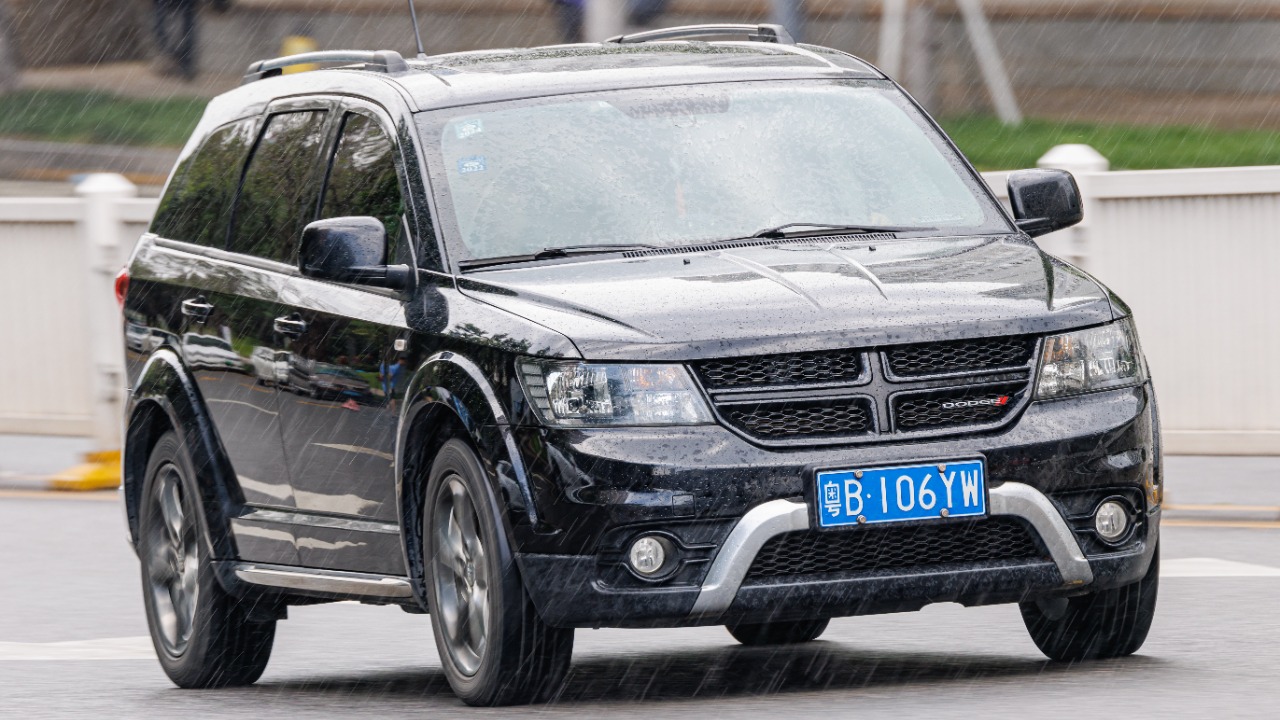
5. Dodge Journey: Eleven Years Without A Redesign
Image Credit: Dinkun Chen – CC BY-SA 4.0/Wiki Commons
The Dodge Journey reached showrooms for 2009 and left production in 2020 with its basic structure intact, meaning a crossover engineered in the mid-2000s outlasted two full redesign cycles at rival brands. Base versions kept a 2.4-liter four paired with a four-speed automatic long after competitors moved to six-speed and continuously variable gearboxes, a pairing that fed steady complaints about strained acceleration.
Age alone is not a defect, and a low sticker price kept the Journey selling until the end. It does explain the shape of its complaint file, which reads less like one dramatic failure than a decade of small, repeated grievances about an aging design.
6. Ford Focus: The Dual-Clutch Reckoning
Image Credit: Dinkun Chen – CC BY-SA 4.0/Wiki Commons
Ford fitted the DPS6 PowerShift dual-clutch automatic to the Ford Focus from 2012, and the dry-clutch design shuddered, slipped and hesitated badly enough that the company extended warranty coverage, issued a long series of software and hardware fixes, and settled a class action covering roughly two million Focus and Fiesta cars. Documents surfaced in litigation showed engineers had flagged the shudder before launch.
The transmission was not the only source of Focus complaints, but it dominated the file for a decade and turned resale values of the affected years upside down. Cars with documented clutch and transmission-control-module replacements are the safer used purchase, since the failure tends to return on untouched examples.
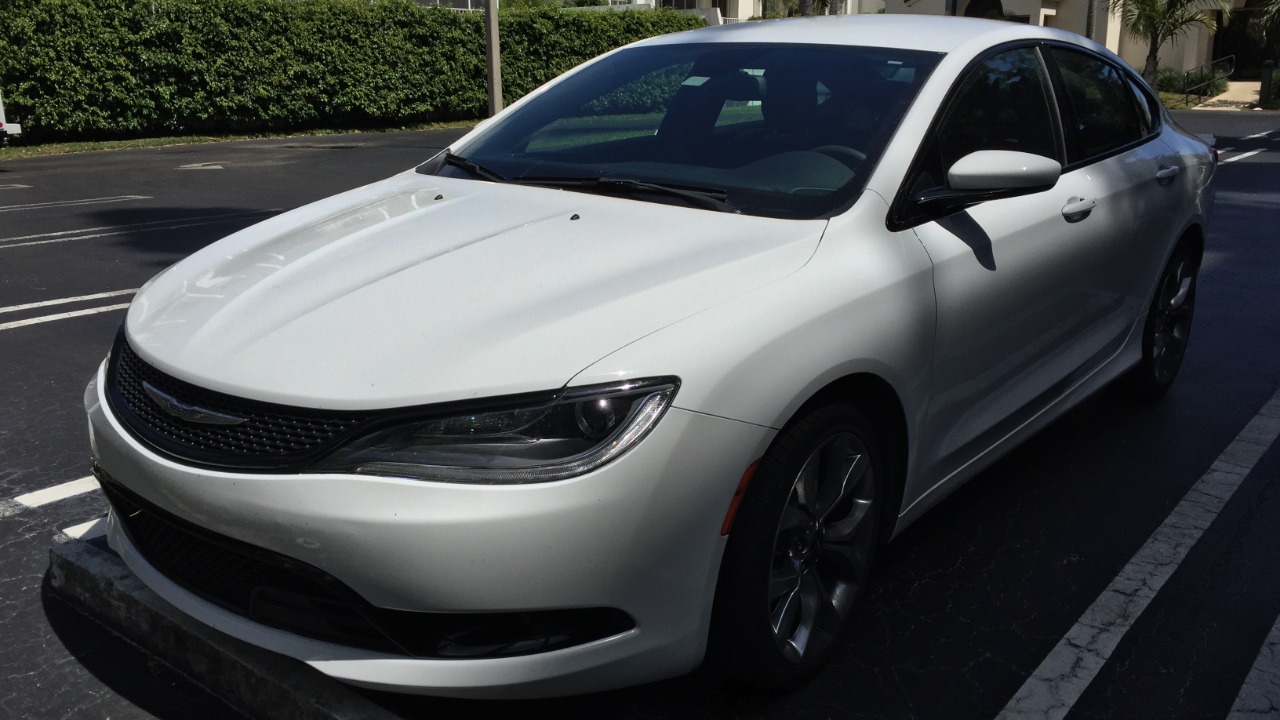
7. Chrysler 200: Nine Speeds, Short Life
Image Credit: CZmarlin – CC BY-SA 4.0/Wiki Commons
The second-generation Chrysler 200 launched for 2015 with a nine-speed automatic that drew complaints about harsh shifts, hunting between ratios and delayed engagement, prompting repeated software recalibrations. Chrysler ended production in December 2016 after barely two years on sale, leaving a sedan with a compressed production run and weak residual values.
Rear-seat room and outward visibility drew their own criticism, and reviewers ranked the car behind the Camry and Accord it was built to challenge. A discontinued nameplate compounds every other complaint, because an owner chasing a transmission fix is doing it on a model line that was cancelled rather than revised.
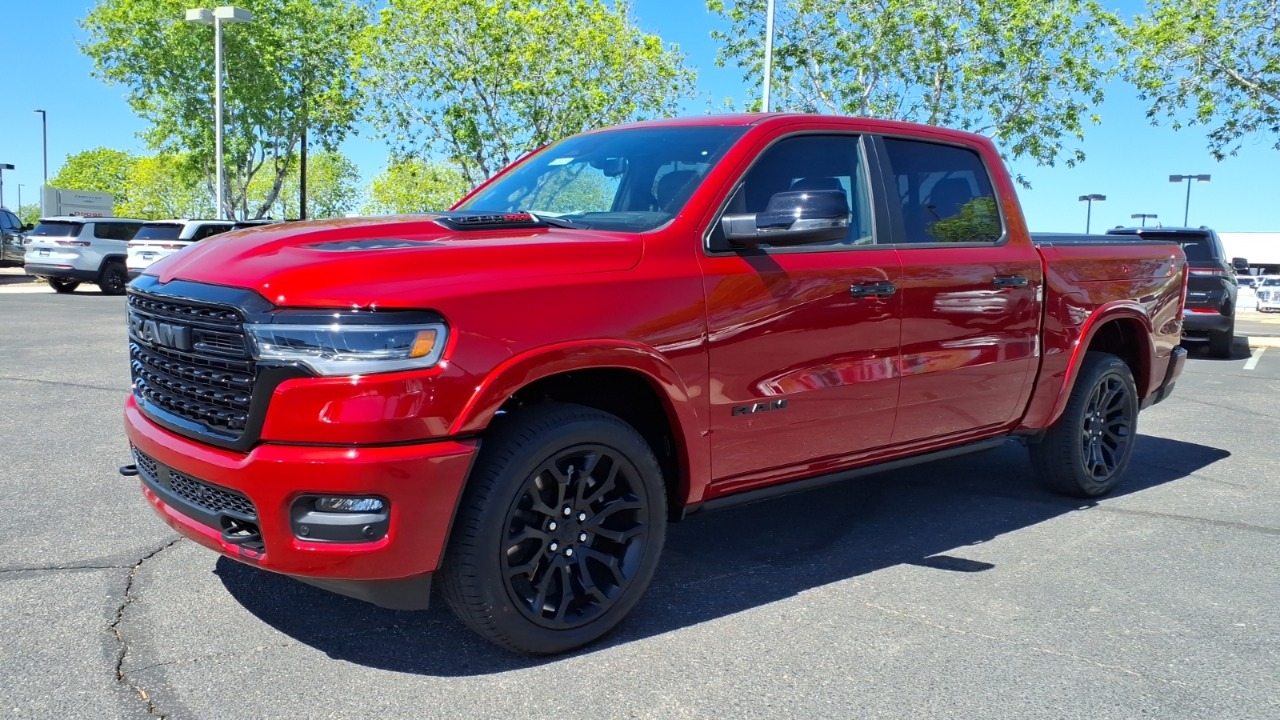
8. Ram 1500: Volume Inflates The Tally
Image Credit: HJUdall – CC0/Wiki Commons
Ram pickup sales have topped 600,000 units in a single year in the United States, and that volume puts a very large denominator under every complaint count attached to the Ram 1500. Raw totals therefore rank the truck near the top of complaint tables even when the rate per vehicle sits close to the segment average.
Reading complaint data without adjusting for sales volume flatters low-volume models and punishes best-sellers. The more useful comparison is complaints per thousand vehicles sold within a single model year, which is closer to how defect investigators separate a genuine pattern from a popular truck.
More from Morning Overview
Morning Overview is reader-supported. Some links in our articles are affiliate links, and we may earn a commission at no extra cost to you. As an Amazon Associate I earn from qualifying purchases. Full disclosure.