
As the world grapples with increasing uncertainties, underground facilities designed for the end times have captured the public’s imagination. These highly secure and meticulously built structures serve various purposes, from safeguarding essential resources to providing havens for government and military operations.
Here’s a look at eight remarkable underground facilities that might just play a crucial role in doomsday scenarios.
The Svalbard Global Seed Vault
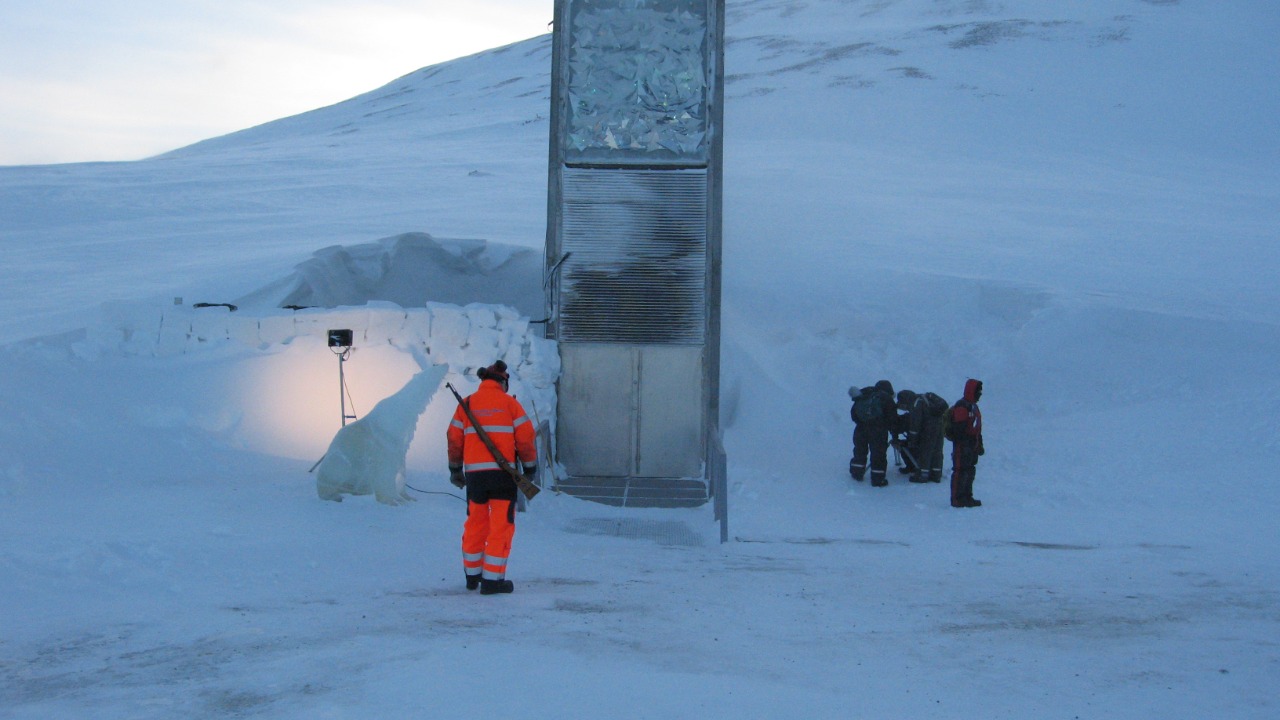
Located on the remote Arctic Svalbard archipelago, the Svalbard Global Seed Vault stands as a critical resource for preserving plant biodiversity. This facility houses over a million seed samples from around the world, acting as a global backup in case of agricultural crises. The vault is built to withstand natural and human-made disasters, ensuring that humanity has a chance to reboot essential crops if needed.
The vault operates under the principles of safety and security, with multiple layers of protection against environmental threats. It offers a stark reminder of the importance of safeguarding our planet’s genetic resources for future generations.
Cheyenne Mountain Complex
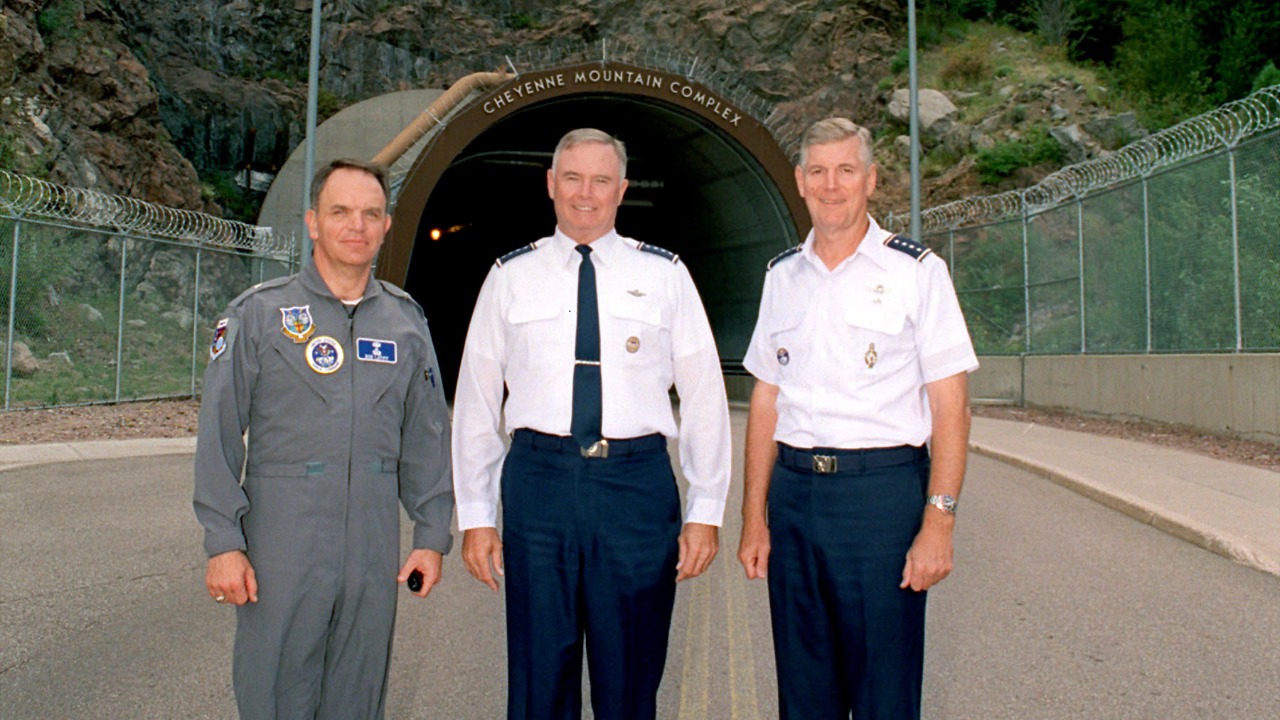
The Cheyenne Mountain Complex, nestled deep within a granite mountain in Colorado, serves as a military command center and a resilient bunker. This facility was originally designed during the Cold War era to withstand a nuclear attack and continues to function as a high-security installation. Its primary purpose is to provide a secure location for the North American Aerospace Defense Command (NORAD) and the United States Northern Command (USNORTHCOM).
Equipped with state-of-the-art technology, the complex maintains round-the-clock vigilance against aerial threats. Its robust infrastructure enables it to sustain operations even under extreme conditions, making it a key asset for national defense.
Mount Weather Emergency Operations Center
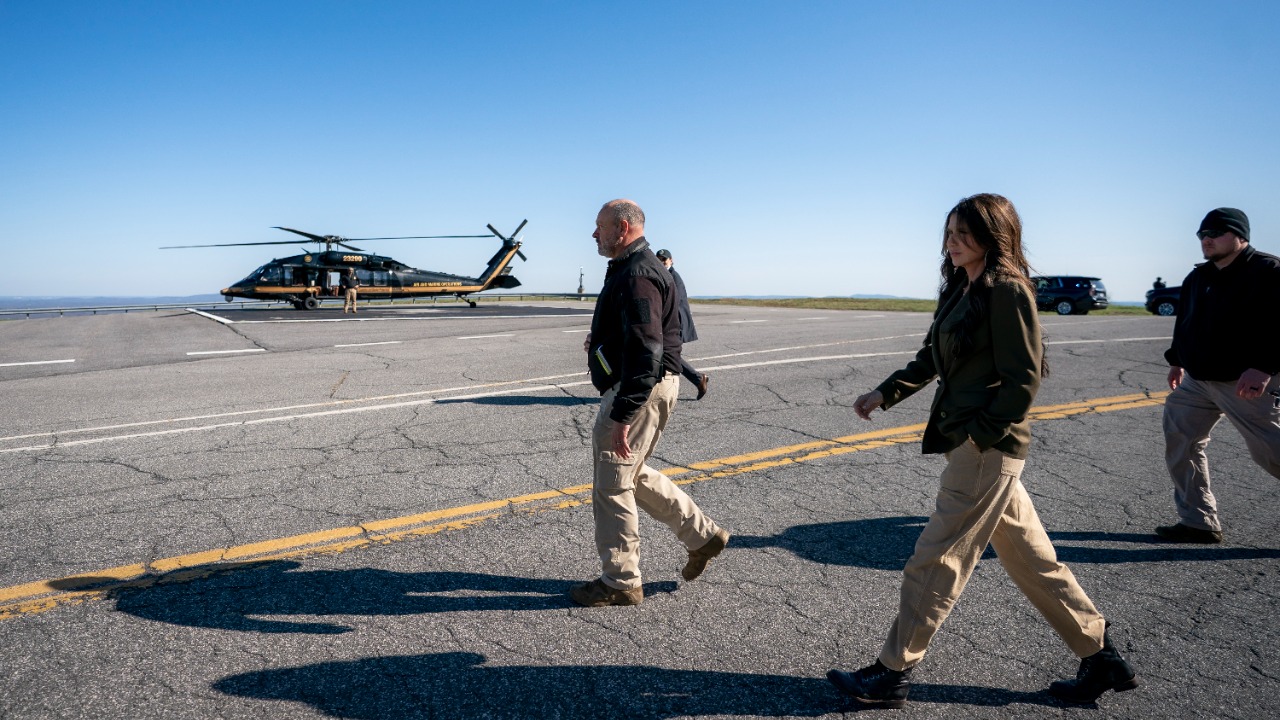
Mount Weather, located in Virginia, functions as an emergency operations center for the U.S. government. This facility is equipped to house government officials and maintain continuity of government during national emergencies. Its history dates back to the Cold War, and it remains a critical part of the nation’s emergency preparedness strategy.
Besides serving as a secure bunker, Mount Weather is also home to the Federal Emergency Management Agency (FEMA) and plays a vital role in coordinating disaster response efforts. Its extensive underground network is designed to support extended operations during crises.
The Greenbrier Bunker
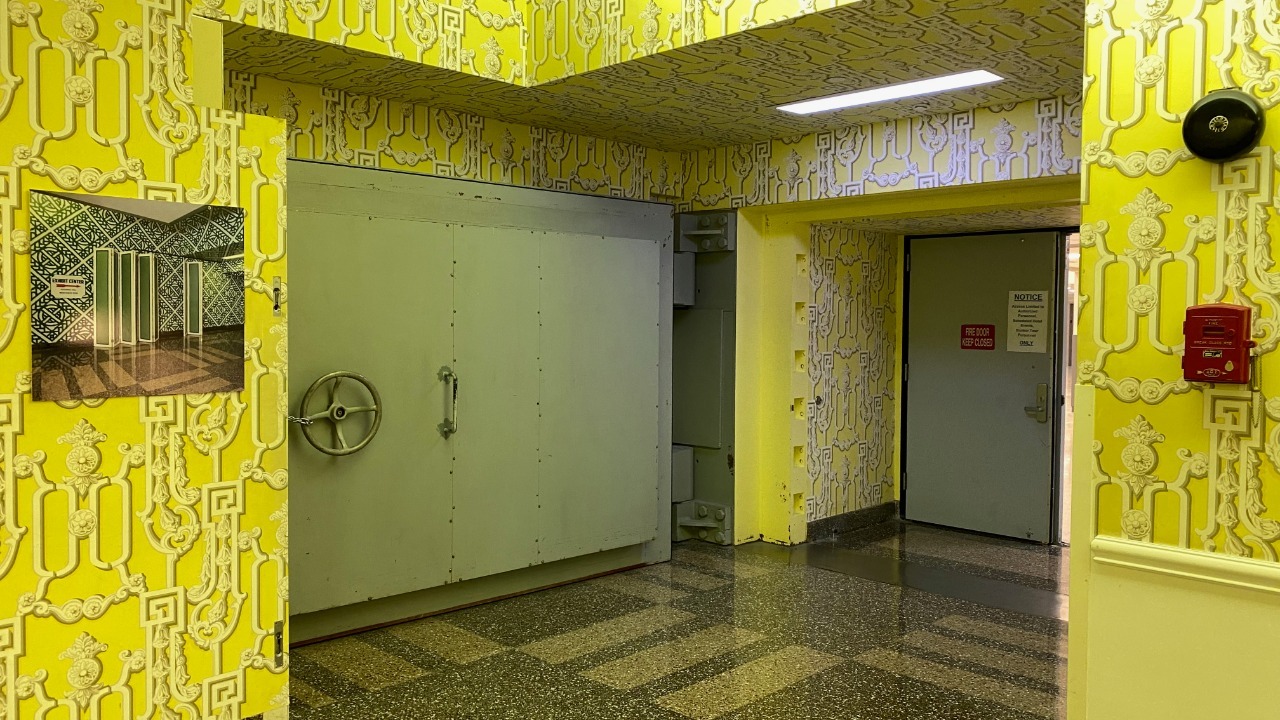
Concealed beneath the luxurious Greenbrier Resort in West Virginia lies a once-secret bunker built to shelter members of Congress during the Cold War. Known as the Greenbrier Bunker, this facility was designed to ensure the continuity of legislative functions in the event of a nuclear attack.
Although it was decommissioned after being publicly revealed in the 1990s, the bunker remains a fascinating piece of history. Today, it serves as a tourist attraction, offering visitors a glimpse into the Cold War era’s heightened sense of urgency and preparedness.
Raven Rock Mountain Complex
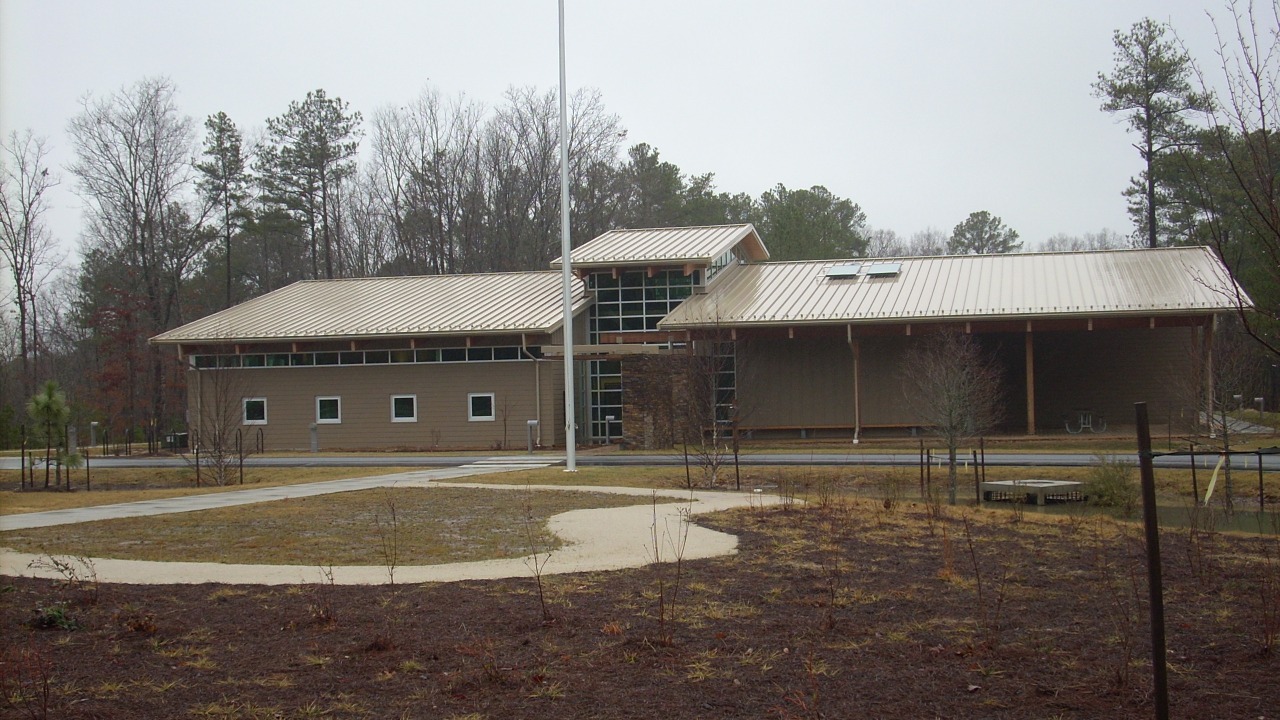
Often referred to as the “underground Pentagon,” the Raven Rock Mountain Complex is a strategic military facility located in Pennsylvania. Its primary function is to provide a secure location for military leadership in times of crisis. The complex is equipped with all the necessary amenities to support extended operations, including working, living, and dining facilities.
Raven Rock is designed with self-sufficiency in mind, featuring its own power generation and water supply systems. This ensures that essential military functions can continue uninterrupted, even in the face of external threats.
Iron Mountain Vault
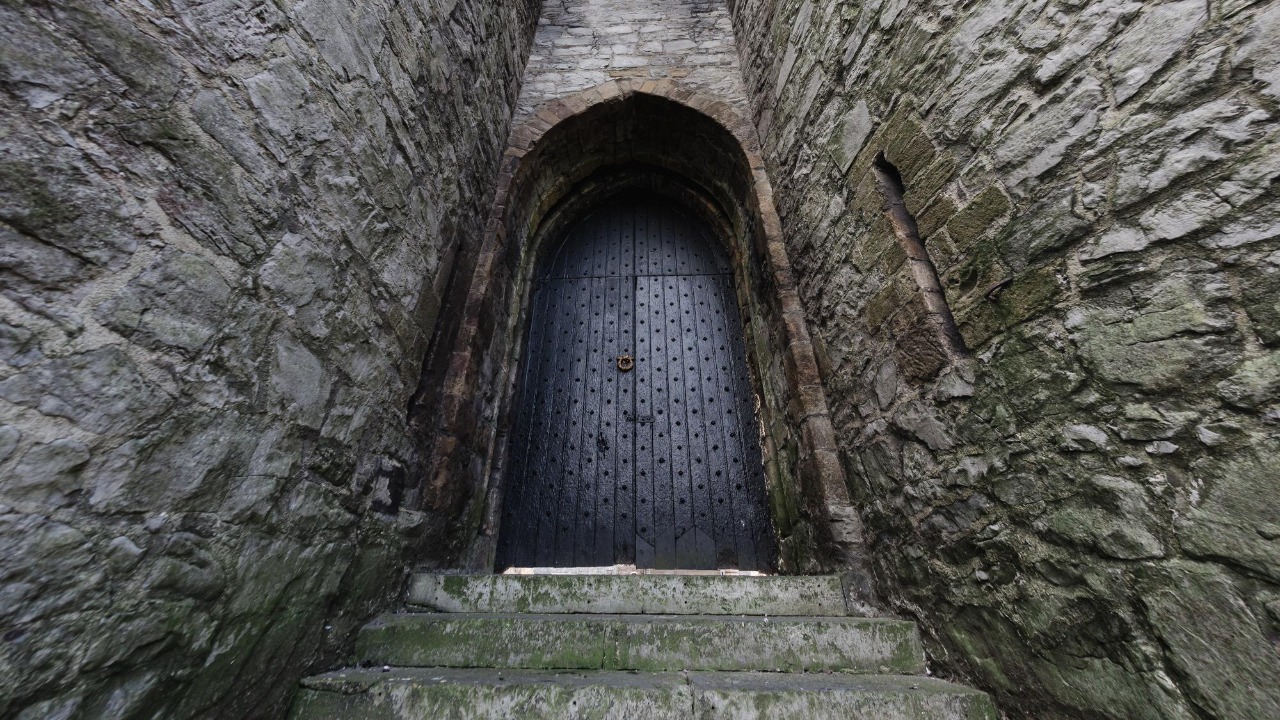
Iron Mountain, situated in a former limestone mine in Pennsylvania, is a high-security storage facility known for preserving critical data and documents. This underground vault serves as a secure repository for corporate and government records, as well as priceless artifacts and artworks.
The facility’s climate-controlled environment and robust security measures make it an ideal location for safeguarding sensitive information. With a growing emphasis on data protection, Iron Mountain plays a crucial role in ensuring that valuable digital assets remain safe from both natural and man-made disasters.
Europa One
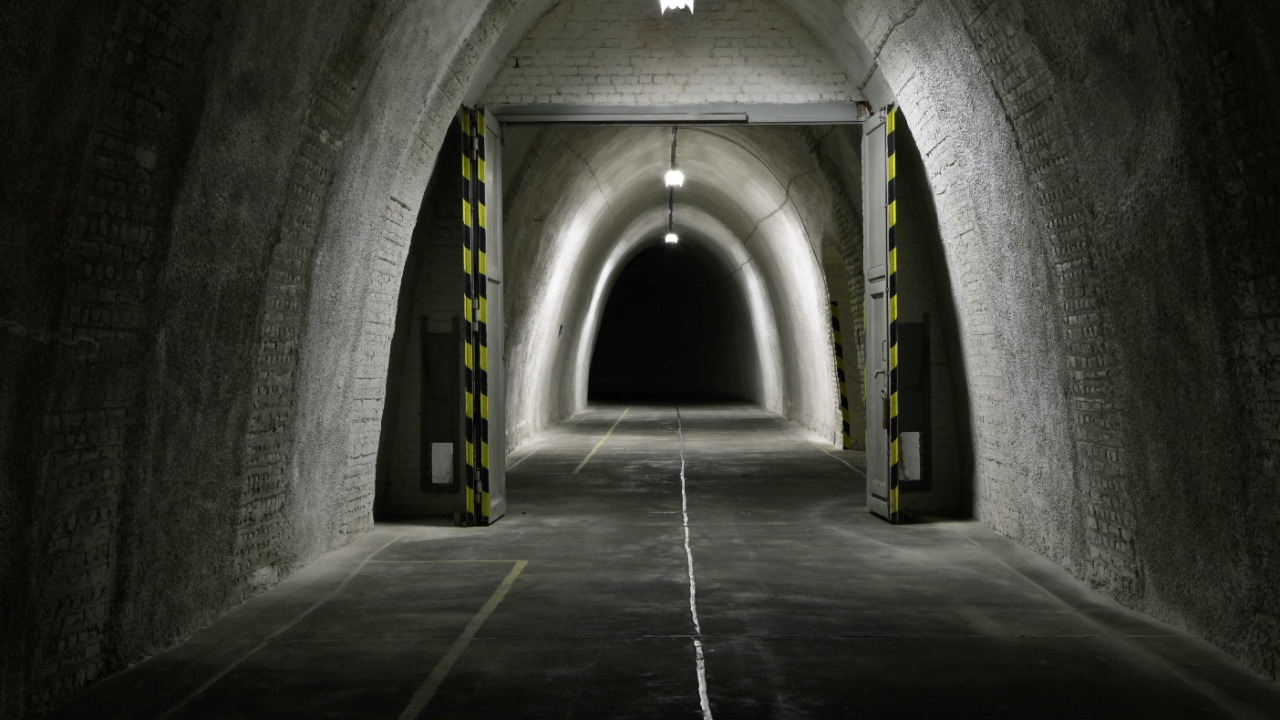
Europa One is a state-of-the-art underground bunker complex located in Germany. Designed as a luxury doomsday haven, it offers its occupants a high level of comfort and security. The facility is equipped with top-tier amenities, including private apartments, communal spaces, and recreational facilities.
This bunker is built to accommodate a select group of individuals, providing them with a safe refuge in case of global catastrophes. Its design reflects a growing trend among the wealthy to invest in survival solutions that do not compromise on luxury.
The Shanghai Complex
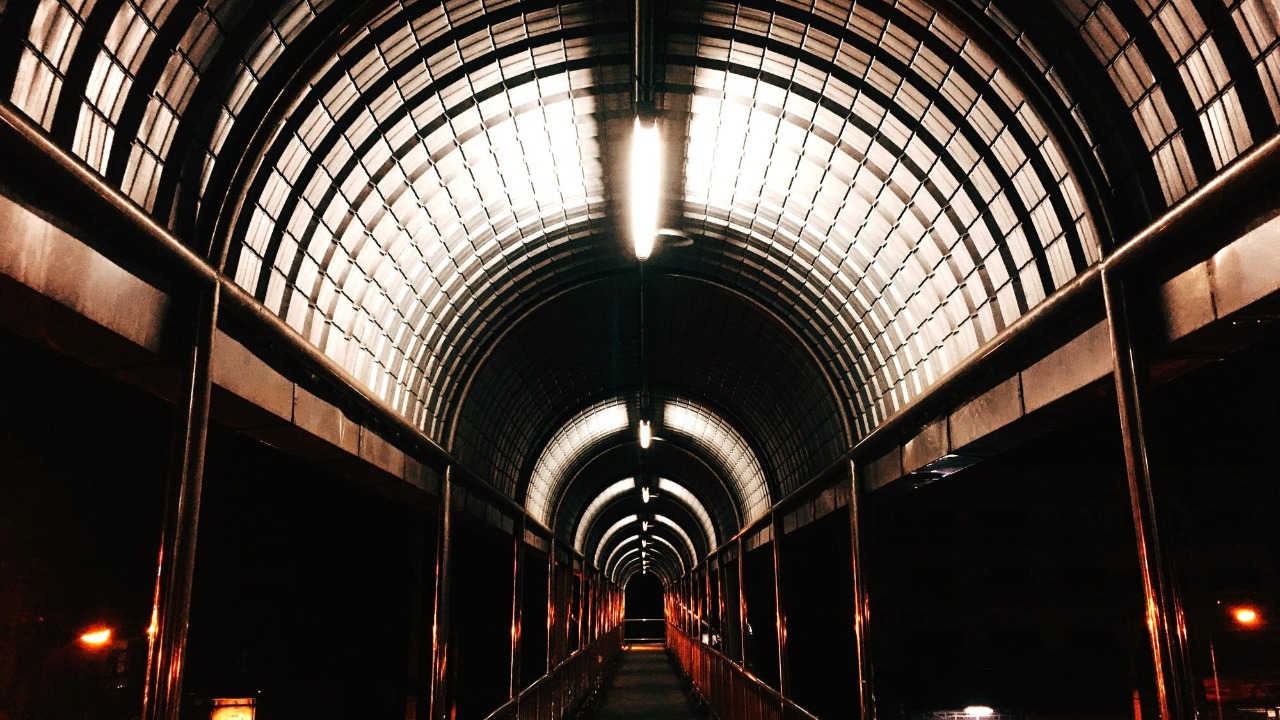
The Shanghai Complex is a vast underground facility built to serve as both a transportation hub and a secure refuge. Located beneath the bustling city of Shanghai, this complex is designed to withstand natural disasters and potential attacks.
In addition to its primary function as a transportation center, the Shanghai Complex is equipped with emergency accommodations and storage facilities. Its strategic location and robust construction make it a key component of the city’s disaster preparedness infrastructure.
