Truck enthusiasts often prioritize power, towing capacity, and ruggedness over fuel efficiency. However, fuel economy remains an essential factor for many buyers, especially when manufacturers promise specific numbers. Unfortunately, some trucks fall short of their advertised fuel efficiency, leading to disappointment and unexpected costs. Here, I delve into eight trucks that have been reported to underdeliver on their fuel economy promises.
Ford F-150 EcoBoost
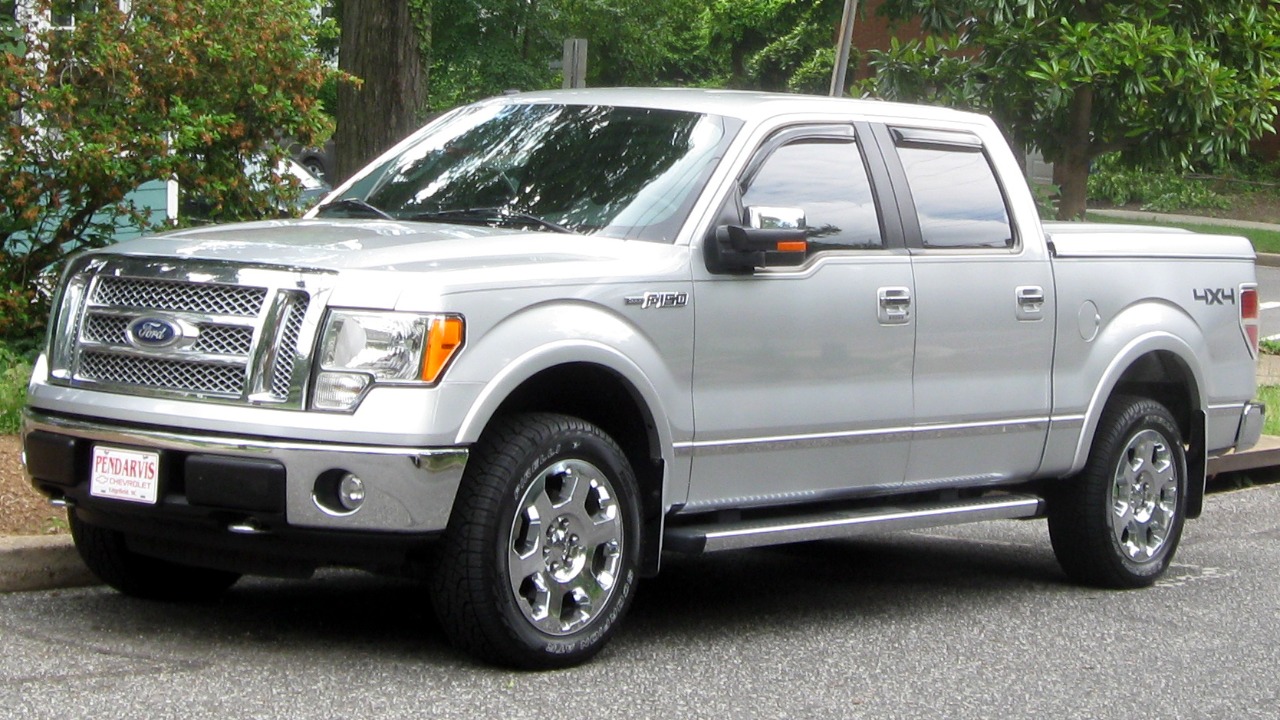
The Ford F-150 EcoBoost is celebrated for its blend of power and efficiency, but certain model years have not lived up to their fuel economy claims. For instance, the 2015 F-150 EcoBoost promised impressive mileage numbers, yet many drivers report achieving significantly less than the advertised figures. The discrepancy often arises from real-world driving conditions that differ from those in official tests.
While the EcoBoost engine technology is praised for its performance, the gap in expected versus actual fuel economy can be frustrating, especially for those who rely heavily on their truck for work. It’s crucial to consider the variability in driving habits and terrains which can affect fuel efficiency.
Chevrolet Silverado 1500
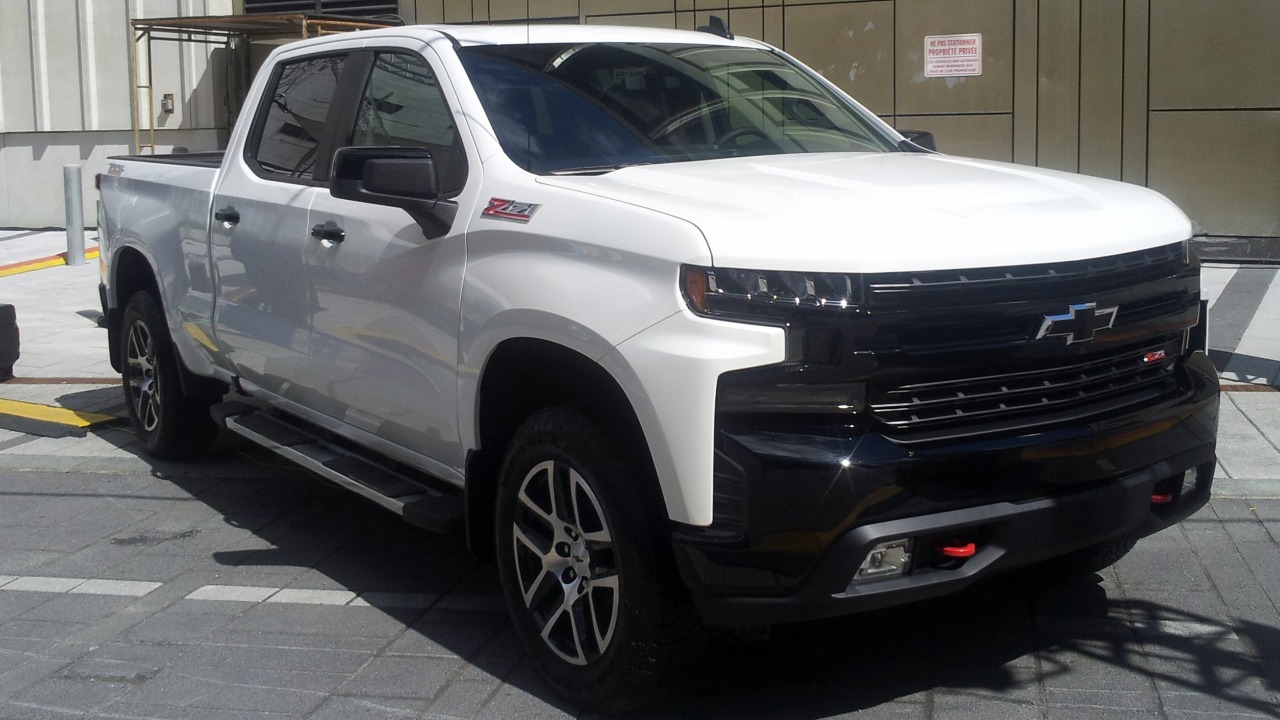
The 2019 Chevrolet Silverado 1500 was advertised with competitive fuel efficiency, particularly with its V6 engine option. However, drivers have found that the real-world mileage often falls short. Factors such as load weight and driving style can significantly impact fuel consumption, leading to a divergence between expected and realized efficiency.
For those considering a Silverado, it’s wise to factor in the potential for lower fuel economy when calculating ownership costs. More insights on fuel mileage discrepancies can be found here.
RAM 1500 HEMI
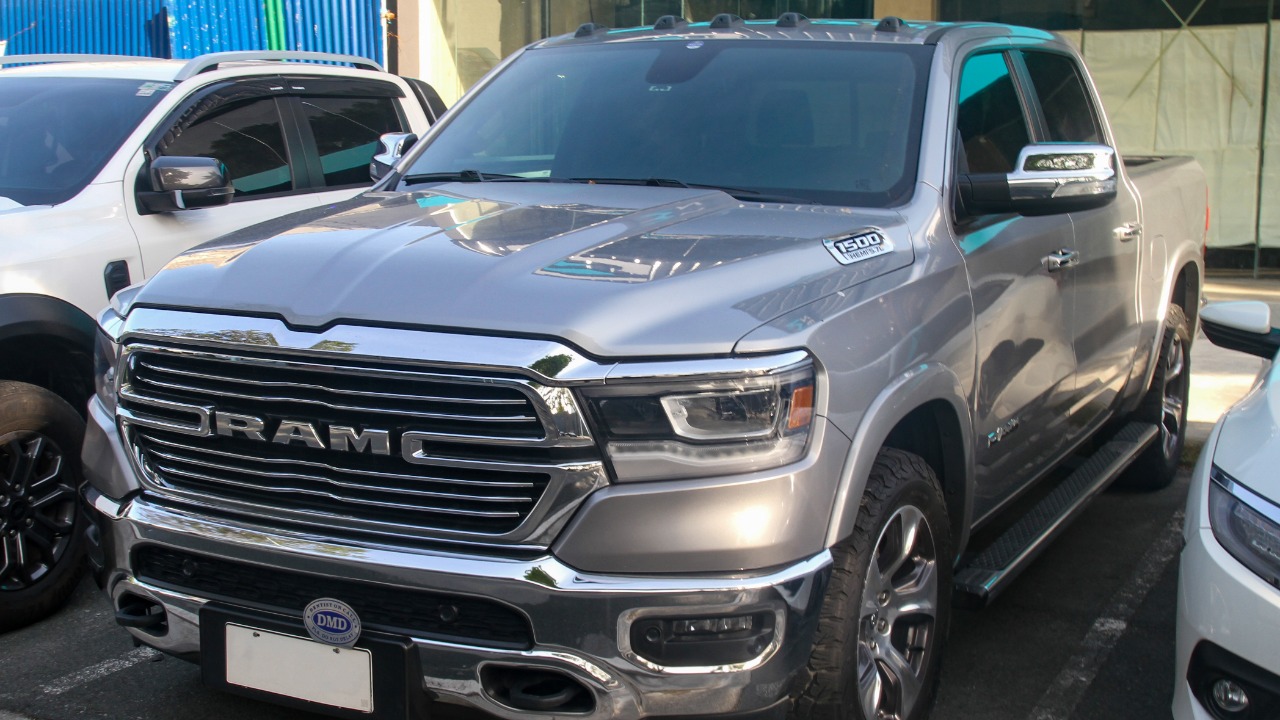
The RAM 1500 HEMI is renowned for its power and towing capacity, but not necessarily for its fuel economy. The 2020 model, equipped with the 5.7L HEMI V8, often records lower fuel efficiency than its EPA ratings suggest. This variance can be attributed to the engine’s design, which prioritizes performance over fuel savings.
Buyers often face a trade-off between power and efficiency, which is evident in real-world usage. A detailed analysis of consumer experiences with RAM’s fuel economy can be found here.
GMC Sierra 1500
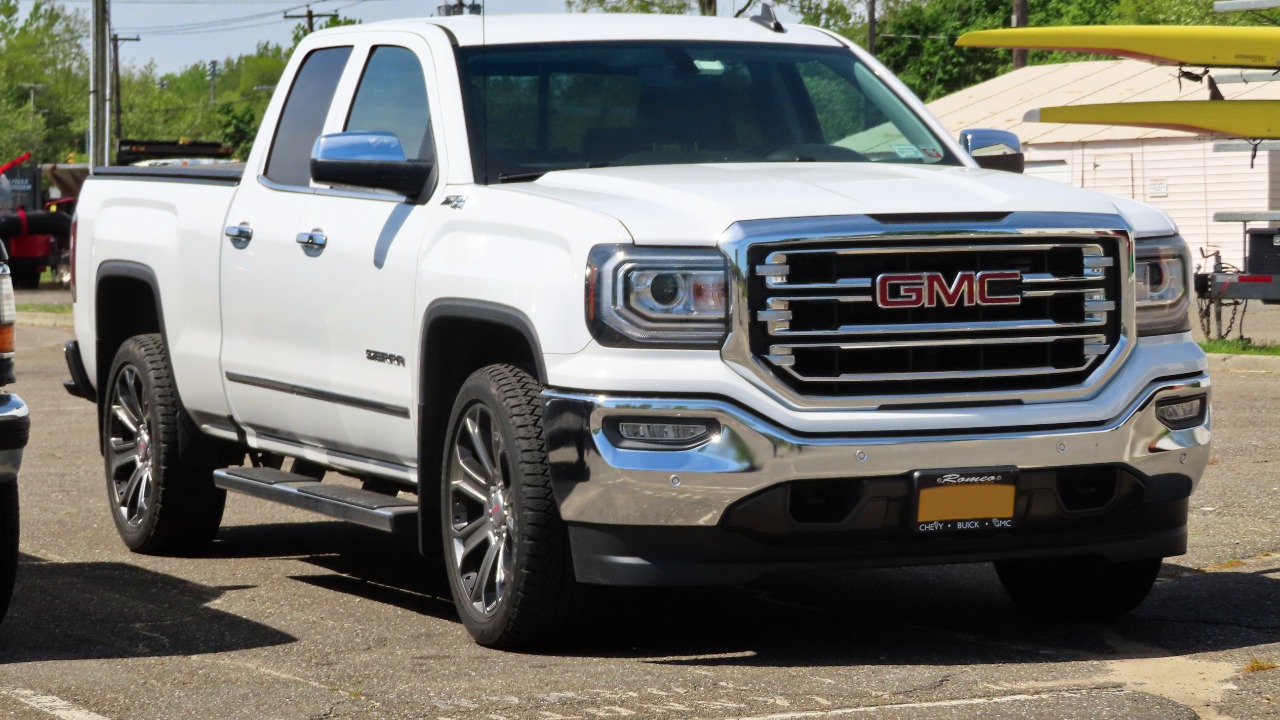
The GMC Sierra 1500 is another truck that has been scrutinized for its fuel economy performance. The 2018 model, in particular, has been noted for not achieving its projected mileage figures. Despite the advanced technology and aerodynamics, the real-world figures often don’t align with expectations.
This discrepancy can lead to higher operating costs, as fuel expenses rise. Future buyers should consider these factors and possibly look into user reports before making a purchase decision.
Toyota Tundra
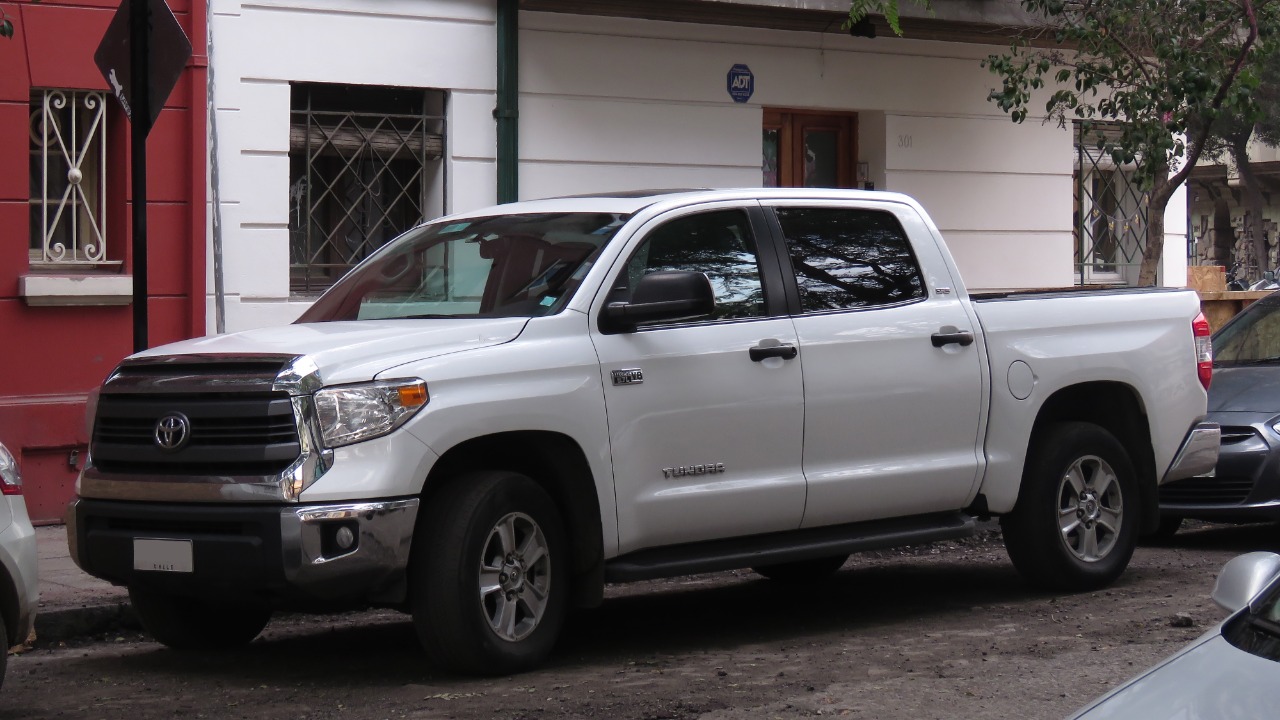
The Toyota Tundra is a robust truck known for its reliability, yet its fuel economy is often less than stellar. The 2017 Tundra, equipped with a 5.7L V8 engine, has been reported by owners to achieve lower mileage than advertised. This is partly due to its heavy-duty nature and the powerful engine that consumes more fuel.
For potential buyers, understanding these nuances is essential to avoid surprises. More on vehicle fuel economy performance can be explored in this study.
Nissan Titan
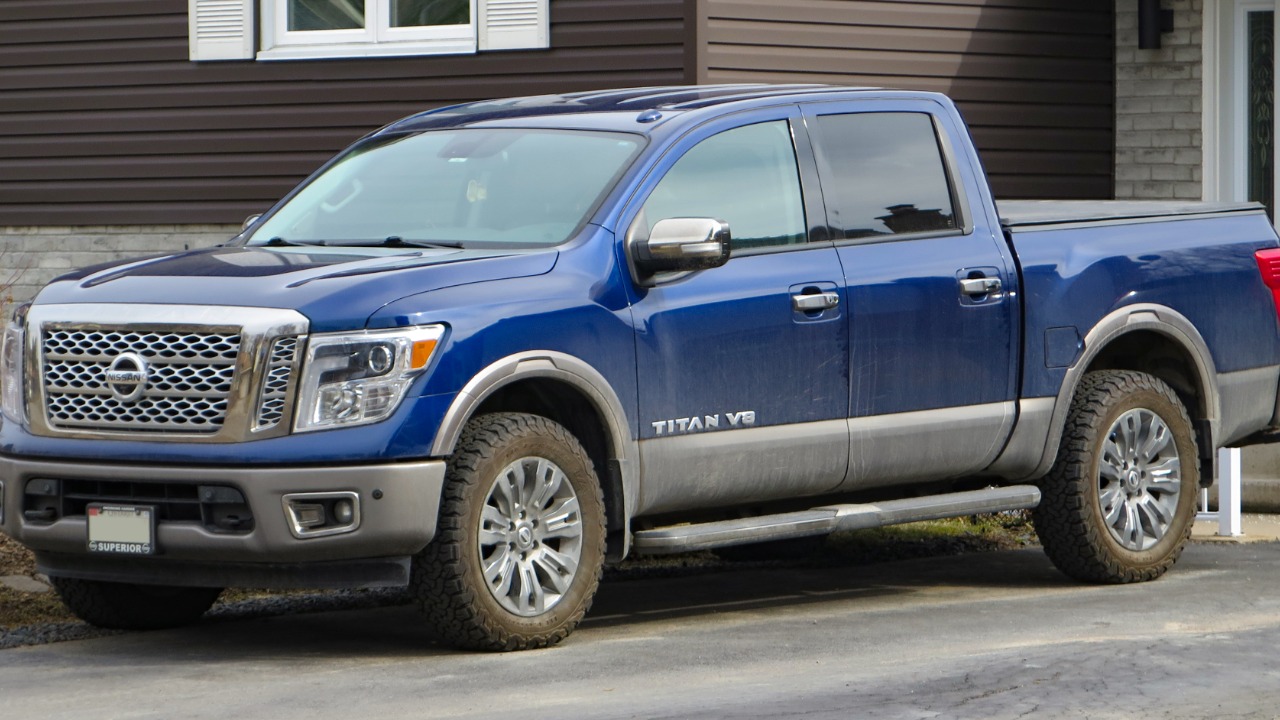
The Nissan Titan has faced criticism for its fuel economy as well. The 2018 model, with its V8 engine, often falls short of its promised efficiency, especially in urban settings. Many users have reported that the truck’s performance is not matched by its fuel consumption, leading to higher than expected fuel costs.
Given this, potential buyers should weigh the benefits of the Titan’s capabilities against its less-than-ideal fuel economy.
Jeep Gladiator

The Jeep Gladiator is celebrated for its off-road prowess, but its fuel economy doesn’t always meet expectations. The 2020 model, for instance, has been noted for lower than advertised fuel efficiency, particularly in off-road conditions where fuel usage increases.
While the Gladiator offers unique features and capabilities, future owners should be mindful of the potential fuel costs involved in different driving scenarios.
Honda Ridgeline
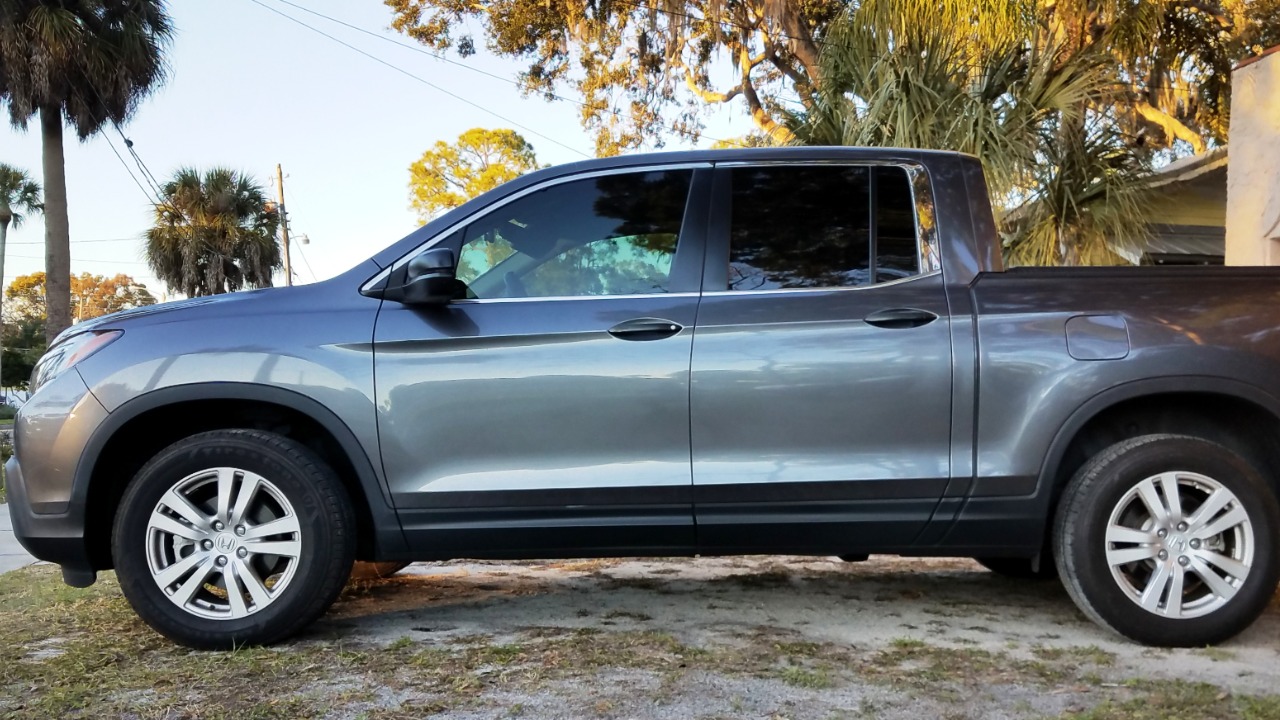
The Honda Ridgeline, known for its comfortable ride and utility, also struggles with meeting advertised fuel economy figures. The 2019 model has been pointed out by drivers for consuming more fuel than anticipated, especially when loaded with cargo.
Understanding the factors affecting fuel economy, such as load and terrain, is crucial for prospective Ridgeline owners. For a broader perspective on fuel economy assessments, you can check out this resource.
