
Science fiction has long been a source of inspiration, predicting technological innovations and sparking the imaginations of scientists and inventors. Many futuristic ideas depicted in books and movies have surprisingly come to life, reshaping our world in ways we once thought impossible. Here are eight remarkable instances where science fiction became reality.
Space Travel and Moon Landing
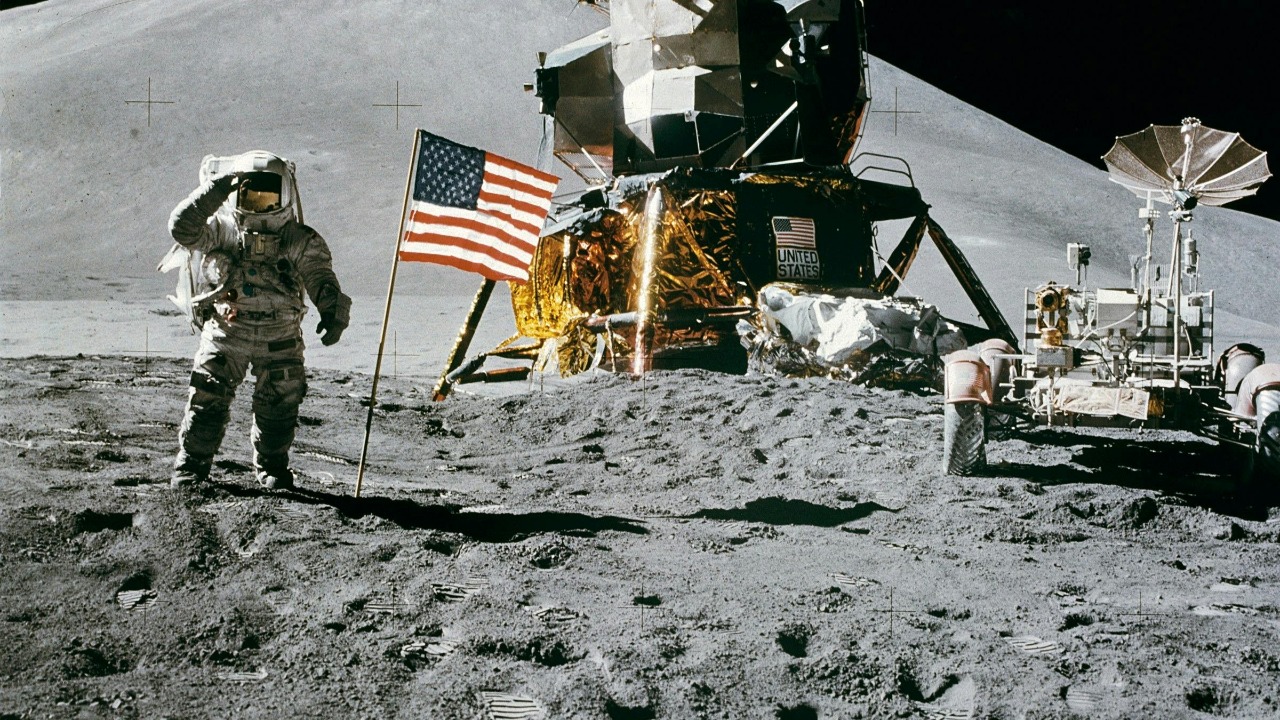
Long before the Apollo 11 mission in 1969, writers like Jules Verne imagined human journeys to the moon. The successful moon landing marked a milestone in space exploration, turning what was once a fiction into a historic reality. Today, space travel has become more routine, with private companies like SpaceX and Blue Origin planning missions beyond Earth’s orbit, aiming for Mars and beyond.
This shift from imagination to reality demonstrates the power of visionary thinking. For more on how science fiction has influenced real-world achievements, check out this article on technological achievements inspired by sci-fi.
Communication Satellites
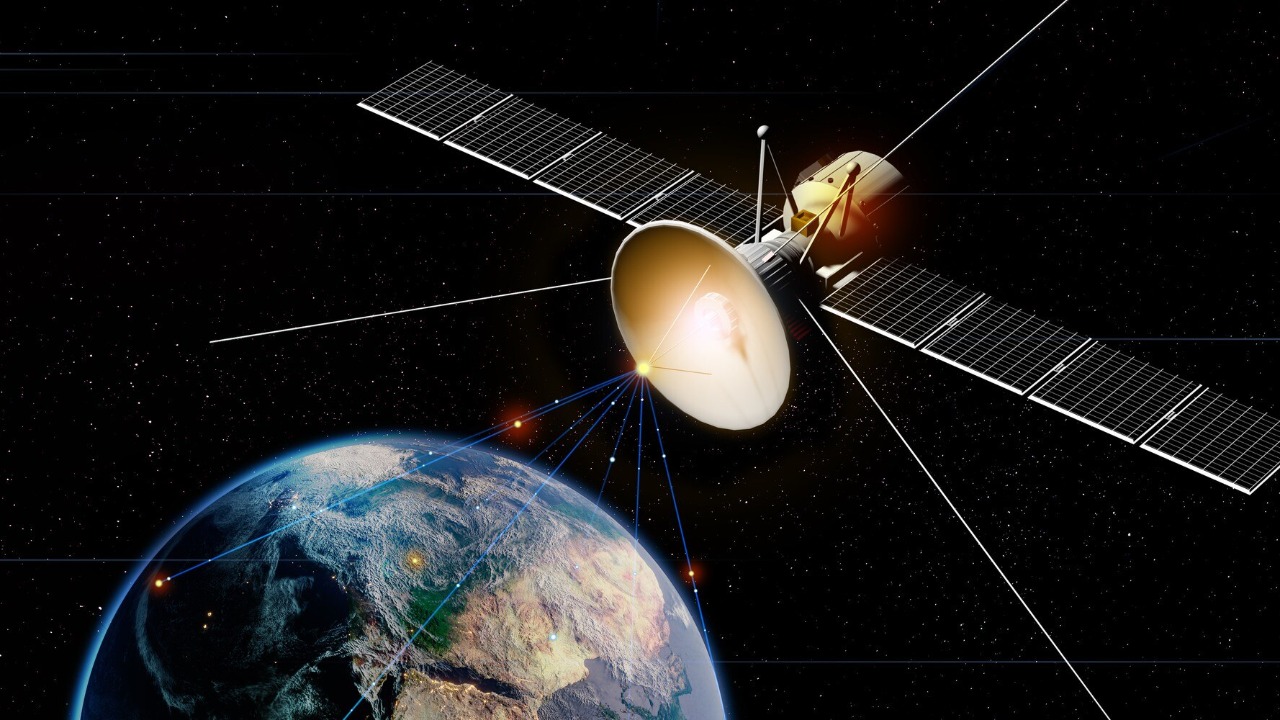
Arthur C. Clarke’s 1945 proposal for geostationary satellites laid the groundwork for today’s global communication networks. His visionary article detailed how satellites could relay signals across the globe, a concept that was realized with the launch of satellites like Telstar and Syncom in the 1960s. Now, communication satellites are integral to our daily lives, enabling everything from global broadcasting to GPS navigation.
This transformation from concept to reality highlights how visionary ideas can revolutionize communication. For a deeper dive into the contributions of science fiction authors, read about H.G. Wells and others who changed the genre forever.
The Internet and Cyberspace
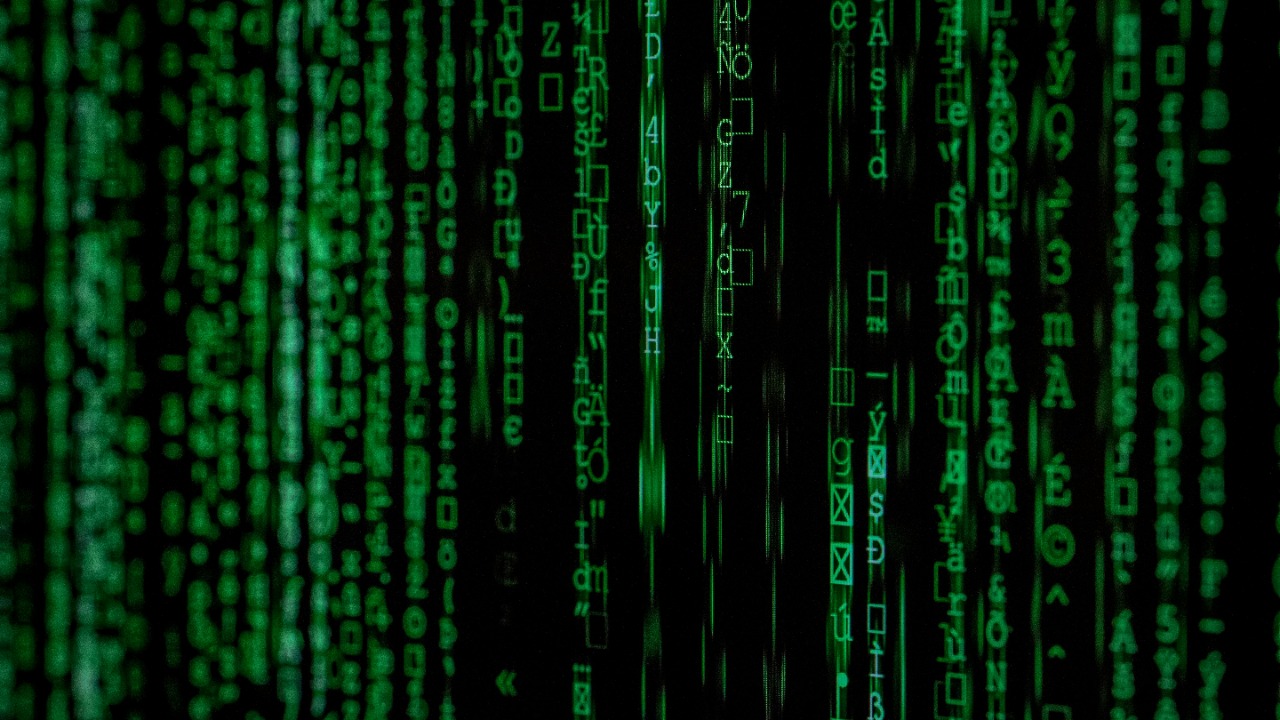
William Gibson’s 1984 novel “Neuromancer” introduced the concept of cyberspace, a virtual reality data space that closely resembles today’s Internet. What began as a fictional realm for hackers and cyberpunks is now an essential part of modern life, connecting billions worldwide and revolutionizing how we communicate, work, and access information.
The evolution of the Internet from a niche idea to a ubiquitous tool underscores the predictive power of science fiction. Learn more about how yesterday’s science fiction is turning into today’s reality in this opinion piece.
Smartphones and Mobile Tech
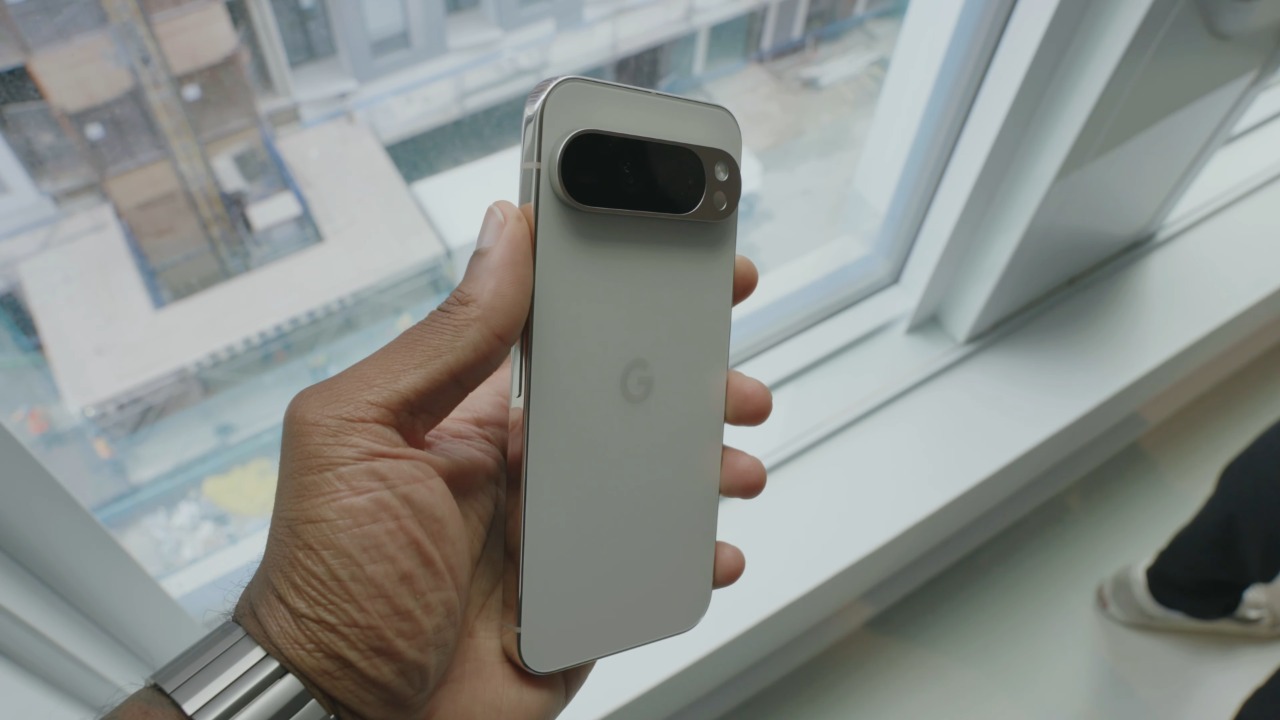
Devices resembling today’s smartphones appeared in early science fiction, such as the communicators in “Star Trek.” These futuristic gadgets predicted the rise of mobile technology that allows us to connect with anyone, anywhere, at any time. The rapid evolution of smartphones has transformed them into indispensable tools for communication, entertainment, and business.
The integration of powerful computing capabilities into handheld devices highlights the foresight of sci-fi creators. For a comprehensive look at the influence of science fiction on modern technology, explore this detailed analysis.
Autonomous Vehicles
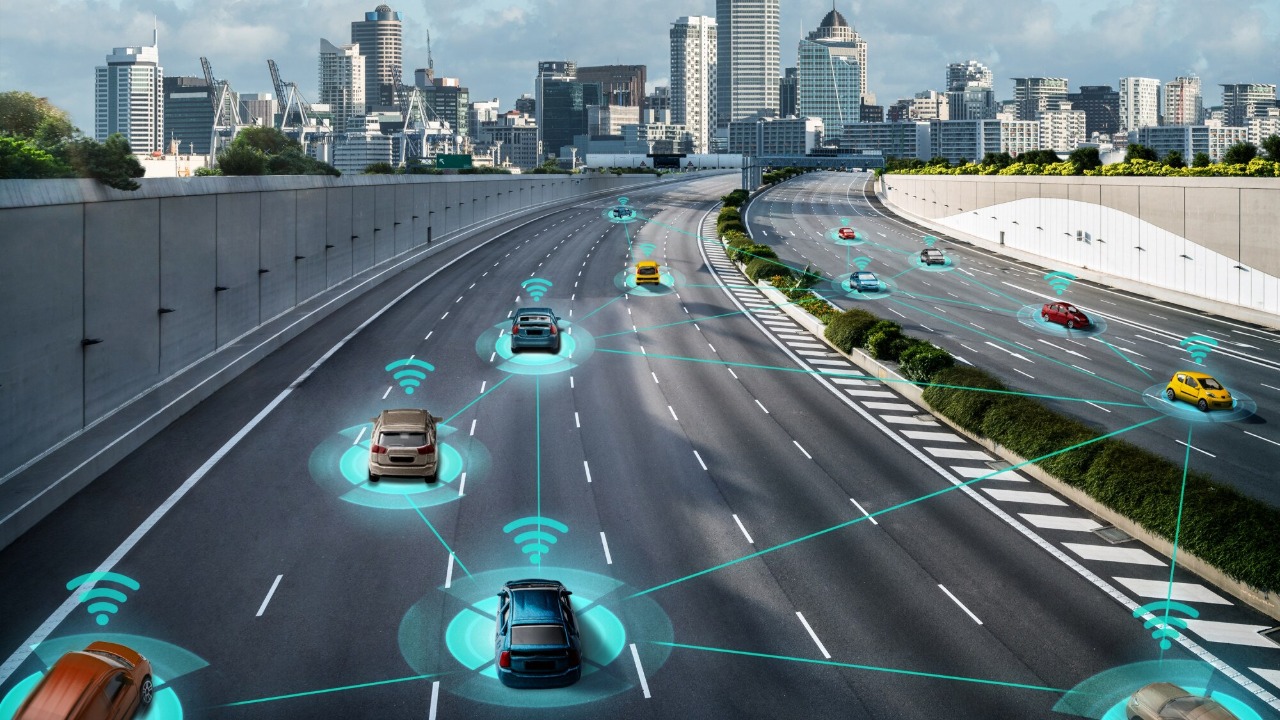
Science fiction has long envisioned self-driving cars, from Knight Rider’s KITT to other futuristic narratives. Today, autonomous vehicles are on the verge of becoming mainstream, with companies like Tesla, Waymo, and Uber investing heavily in this technology. These vehicles promise to revolutionize transportation by improving safety, reducing traffic congestion, and lowering emissions.
The transition from fictional depictions to real-world prototypes showcases the impact of sci-fi on technological advancement. For a curated list of influential sci-fi movies that have shaped our cultural understanding, visit this list.
Virtual Reality and Augmented Reality

The concept of immersive digital worlds has been a staple of science fiction for decades, from “The Matrix” to “Ready Player One.” Today, virtual reality (VR) and augmented reality (AR) are making these experiences possible, with applications in gaming, education, and even therapy. These technologies are reshaping how we interact with digital content and the physical world.
The emergence of VR and AR technologies highlights the influence of speculative fiction on real-world innovation. These advancements continue to push the boundaries of what’s possible, opening new avenues for entertainment and learning.
Artificial Intelligence and Robotics
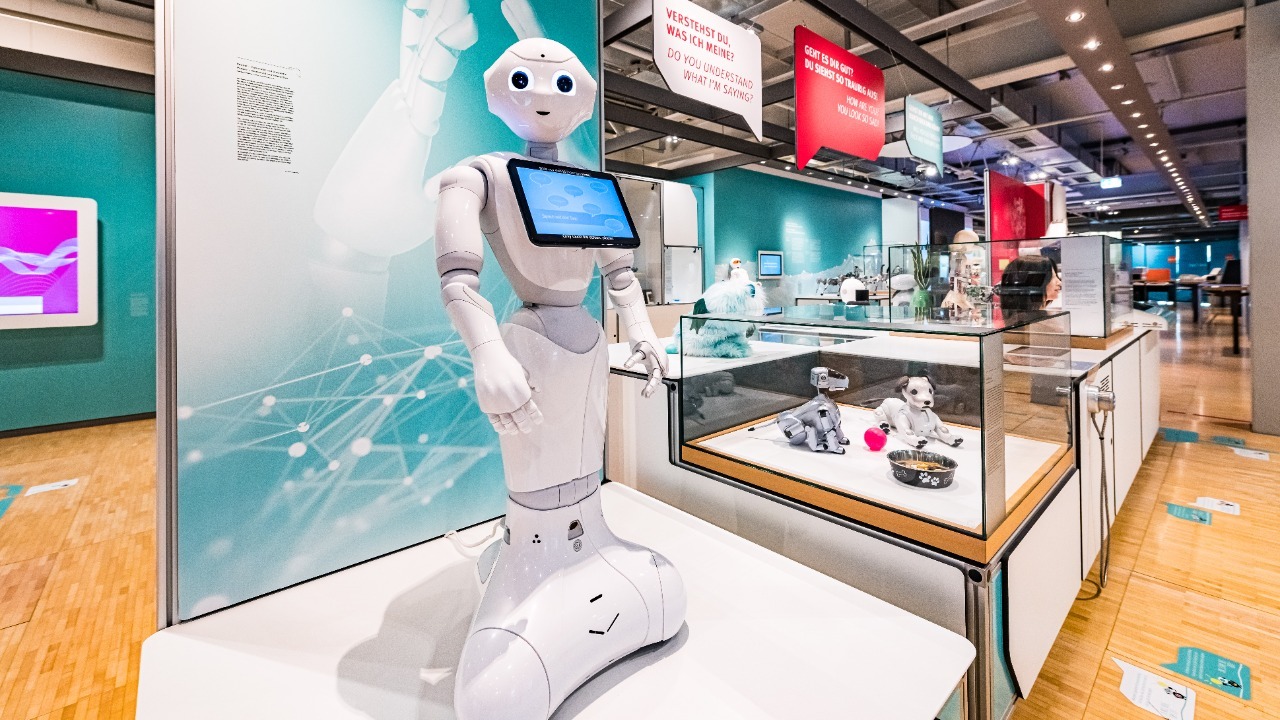
Fictional robots and AI, like those seen in “I, Robot” and “The Terminator,” have fascinated audiences for decades. Today, artificial intelligence is becoming increasingly sophisticated, with applications in healthcare, finance, and autonomous systems. Robotics, too, is advancing, from industrial robots to humanoid helpers.
The ongoing development of AI and robotics illustrates the tangible impact of science fiction on technological progress. These innovations are reshaping industries and society at large, moving us closer to scenarios once only imagined in stories.
Genetic Engineering and Cloning

From Mary Shelley’s “Frankenstein” to “Jurassic Park,” science fiction has long explored the ethical and scientific implications of genetic manipulation. Today’s breakthroughs in genetic engineering, such as CRISPR technology, are making precise DNA editing a reality. Cloning, once a sci-fi staple, became real with the birth of Dolly the sheep in 1996, raising profound ethical questions.
The realization of these once-fictional technologies underscores the enduring influence of science fiction on scientific inquiry and ethical debate. These advancements continue to shape the future of medicine, agriculture, and beyond, as we navigate the complex moral landscape they present.
