As emissions standards tighten in 2026, several popular SUVs may find themselves struggling to meet new regulations. While automakers are working diligently to improve fuel efficiency and reduce emissions, some models face significant challenges. Here’s a closer look at eight SUVs that could be at risk.
Ford Explorer
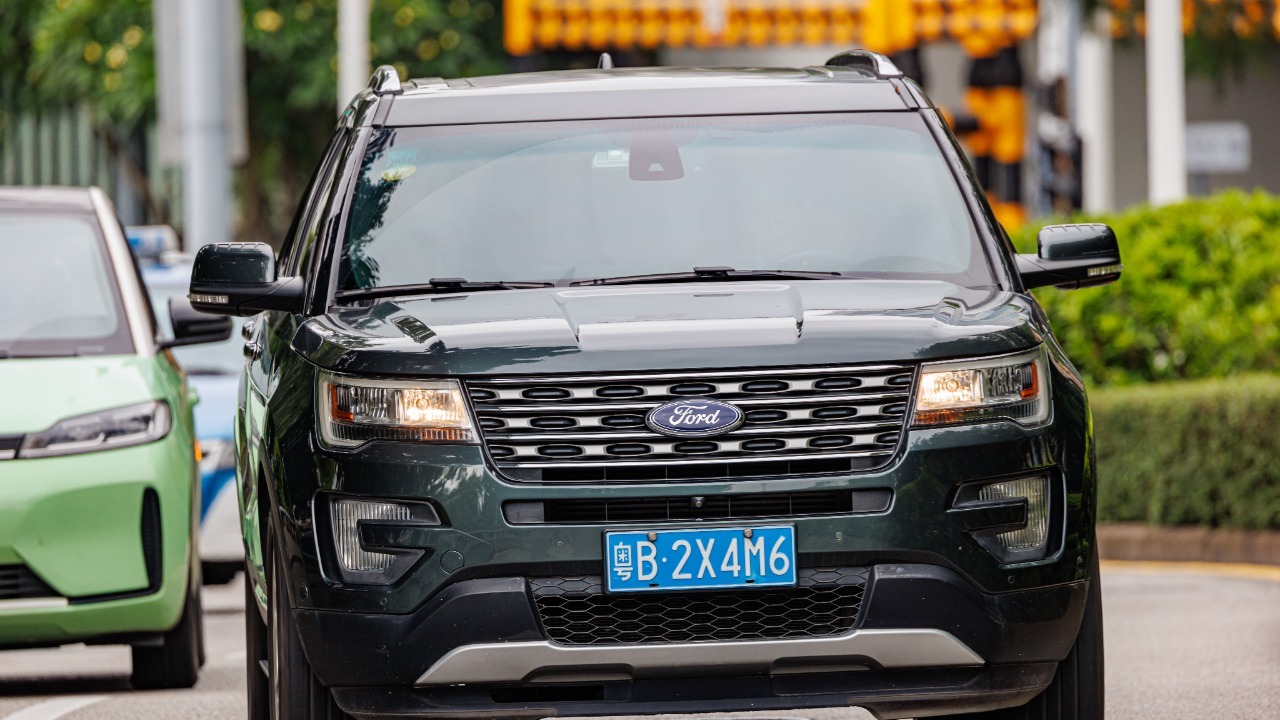
The Ford Explorer is a staple in the SUV market, known for its spacious interior and family-friendly features. However, its larger engine options and heavier build contribute to higher emissions levels, making it a candidate for failing future standards. With the 2026 regulations looming, Ford will need to focus on improving fuel efficiency and possibly introducing more hybrid and electric versions of the Explorer.
California’s stringent emissions rules already pose a challenge for the Explorer, highlighting the broader impact of evolving regulations on traditional SUVs. Addressing these challenges head-on will be crucial for Ford to maintain its market position.
Chevrolet Tahoe
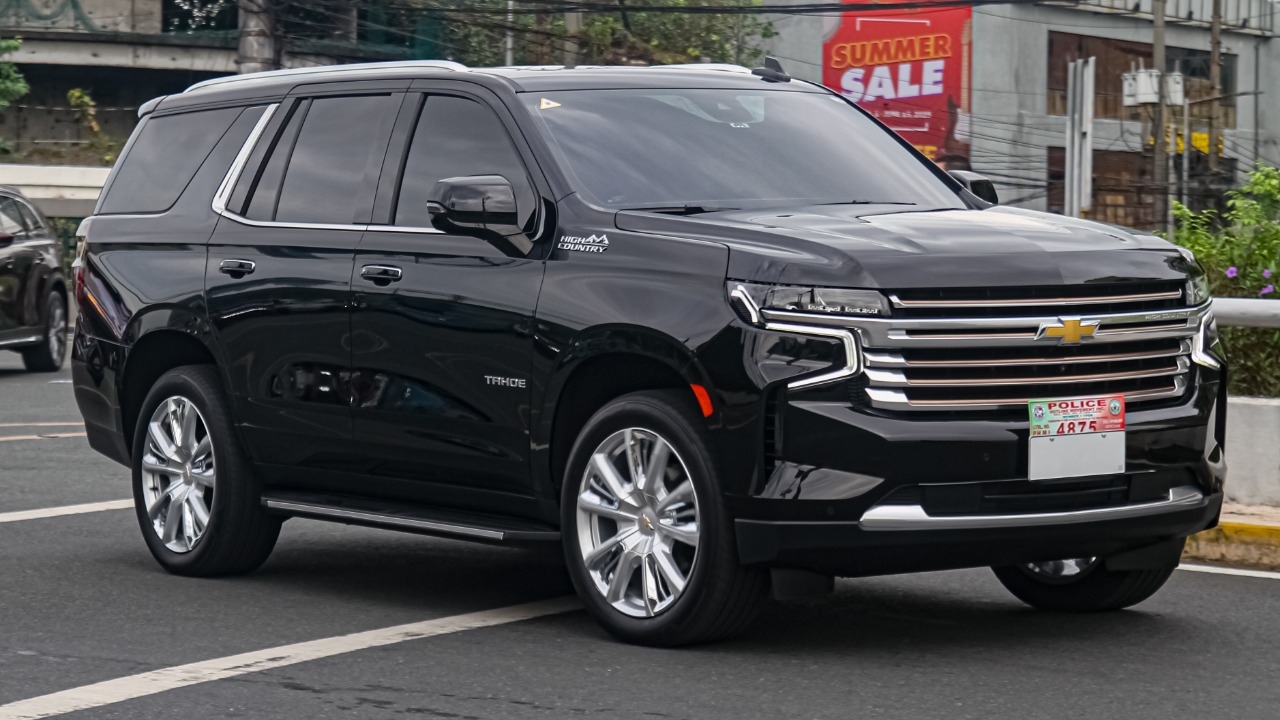
The Chevrolet Tahoe is another popular SUV that may struggle to comply with upcoming emissions standards. Its large size and powerful V8 engine, while appealing for performance and towing capability, result in higher emissions. To navigate this issue, Chevrolet might need to innovate with greener technology and alternative powertrains.
As the auto industry grapples with stricter standards, discussions on emissions regulations for larger vehicles are increasingly relevant. The Tahoe’s future could very well depend on Chevrolet’s commitment to sustainability and technological advancement.
Toyota 4Runner
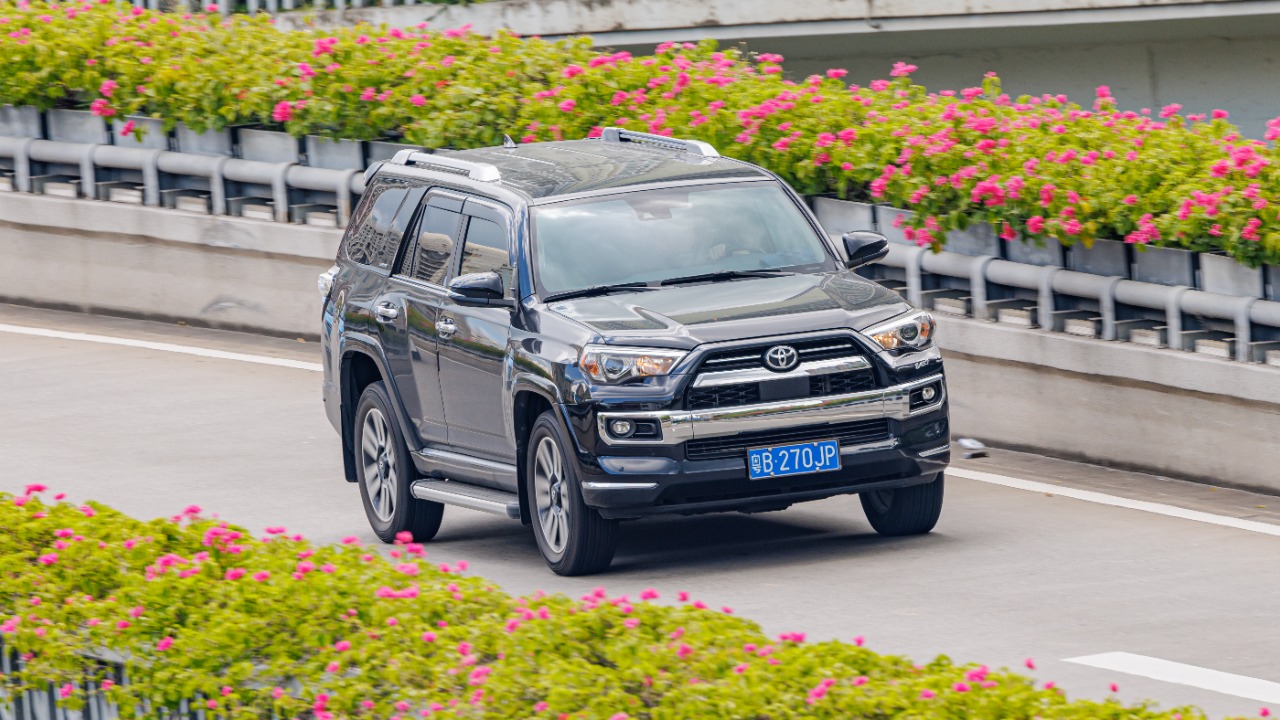
The Toyota 4Runner has long been celebrated for its off-road capabilities and rugged design. However, these features come at the cost of fuel efficiency, putting the 4Runner at risk under new emissions standards. Toyota’s focus on hybrid technology in other models might not be enough unless they extend these innovations to their SUV lineup.
Considering the 4Runner’s entrenched reputation for durability, adapting to the new regulations might require a significant overhaul. The brand’s commitment to hybrid and electric vehicle technology will be pivotal in ensuring the 4Runner’s compliance and continued success.
Jeep Grand Cherokee
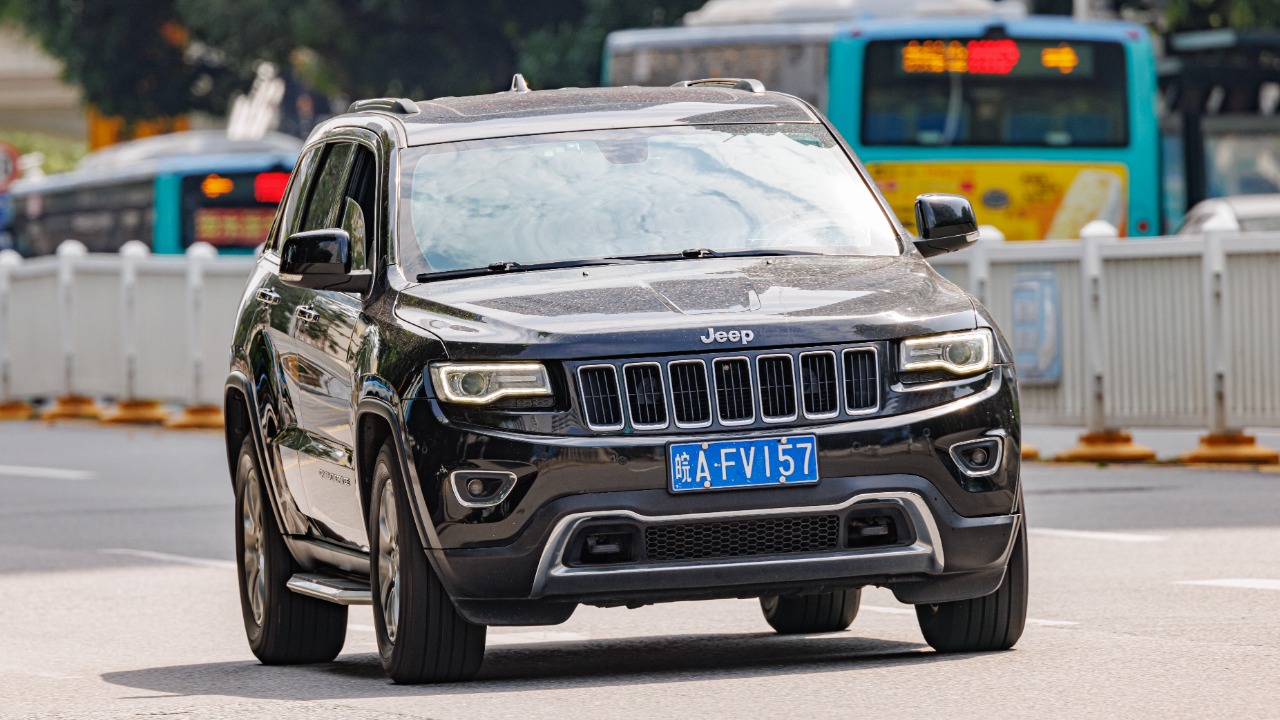
The Jeep Grand Cherokee, known for its rugged appeal and off-road prowess, faces a similar dilemma. Its robust engine options and four-wheel-drive capabilities often result in higher emissions, challenging compliance with the 2026 standards. Jeep has started exploring hybrid options, but the transition needs to accelerate if the Grand Cherokee is to meet future requirements.
Efforts to roll back vehicle standards have been criticized by environmental groups, as outlined in a recent analysis. Jeep’s proactive adoption of cleaner technologies will be essential for its models to remain competitive and compliant.
Honda Pilot
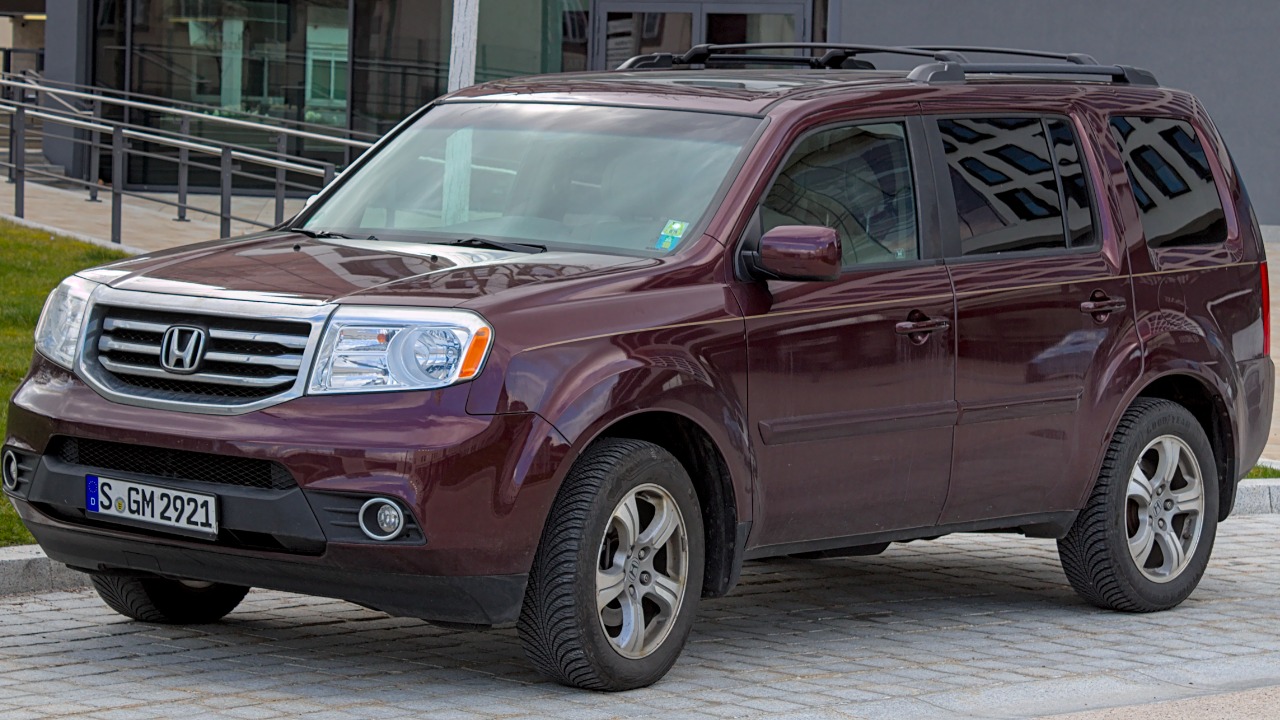
The Honda Pilot, a family-oriented SUV, combines comfort with performance. However, like many of its peers, it faces challenges in meeting tougher emissions standards due to its size and engine configurations. Honda has been a leader in hybrid technology, which could play a critical role in ensuring the Pilot’s future viability.
The integration of more hybrid and possibly electric variants in the Pilot lineup might not only help in meeting the standards but also appeal to environmentally conscious consumers. Honda’s proactive measures in this space could set a benchmark for the industry.
Nissan Armada
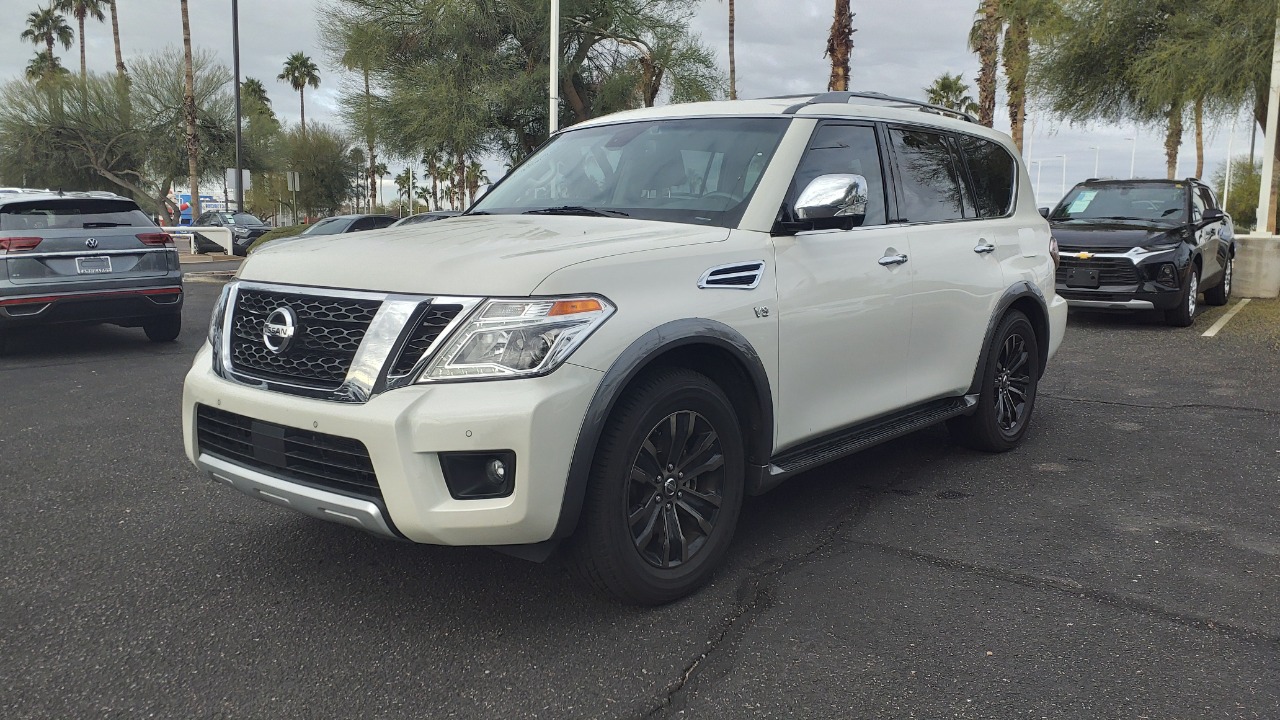
The Nissan Armada is renowned for its size and power, factors that contribute to its elevated emissions profile. As regulations become more stringent, Nissan must explore cleaner technologies to ensure the Armada remains compliant. The introduction of hybrid or electric options could be a strategic move for Nissan in this regard.
The policy implications of stricter emissions standards necessitate a shift in how traditional SUVs like the Armada are produced. Nissan’s innovation in this area will be crucial for aligning with future regulations and consumer expectations.
Dodge Durango
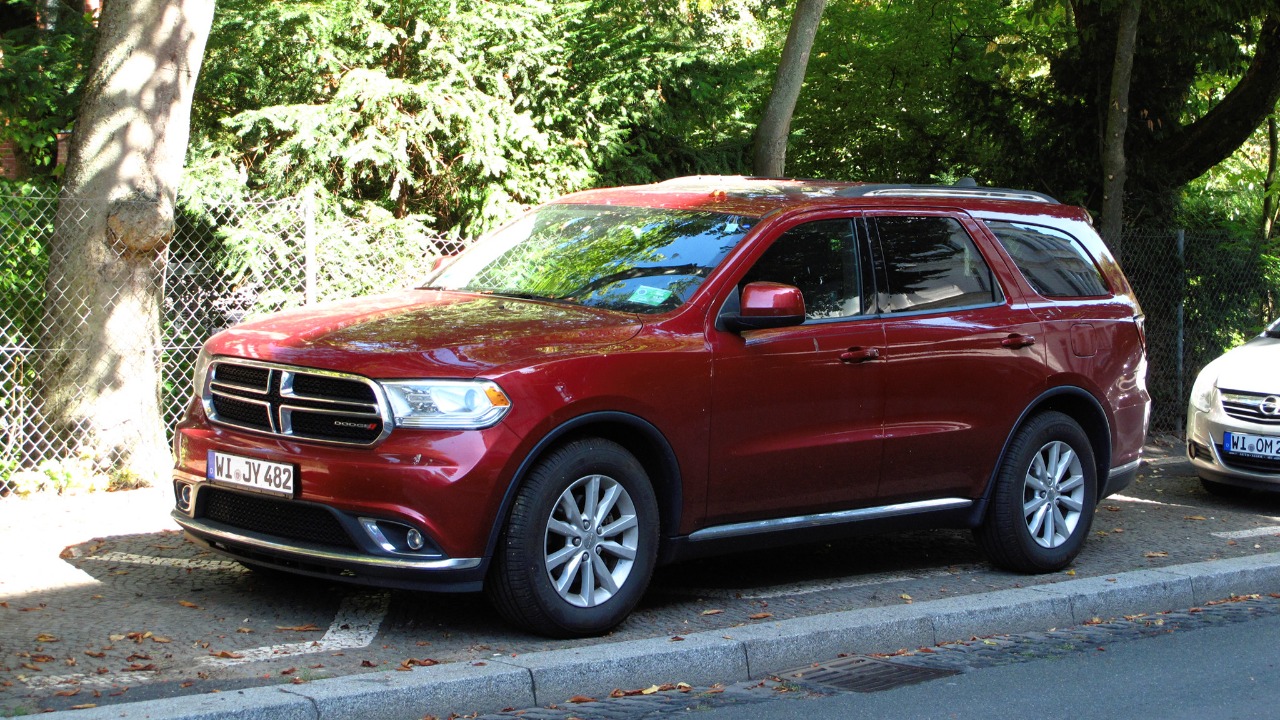
The Dodge Durango is often praised for its muscular performance and towing capacity. However, its powerful engines result in emissions that may not meet the 2026 standards. Dodge will need to leverage its technological resources to innovate and create more efficient powertrains for the Durango.
As the push for lower emissions becomes a focal point in the automotive industry, the Durango’s compliance will depend heavily on Dodge’s ability to integrate greener technologies without compromising the vehicle’s performance capabilities.
Volkswagen Atlas
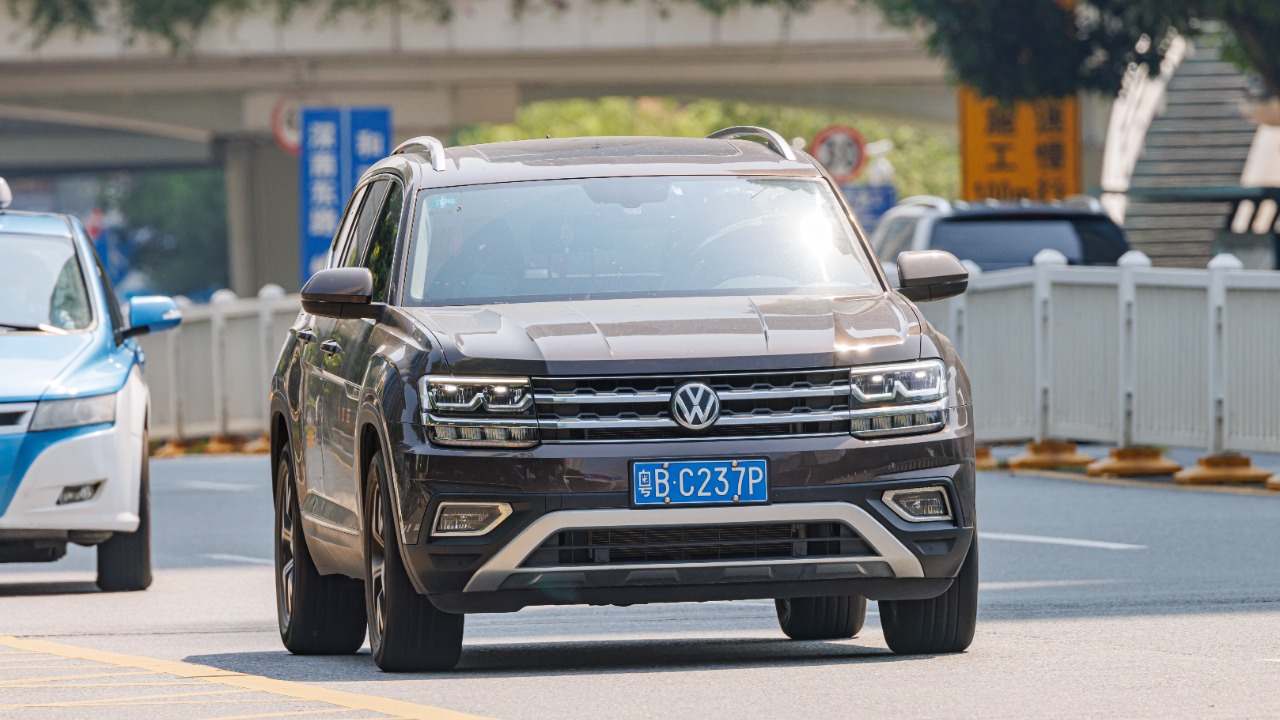
The Volkswagen Atlas offers ample space and versatility, making it a popular choice for families. However, its emissions levels present a challenge for meeting future standards. Volkswagen’s experience with electric vehicles may aid in transforming the Atlas into a more eco-friendly option.
Despite being a relative newcomer, the Atlas must evolve to keep pace with regulatory changes. With electric car sales occasionally stalling, Volkswagen’s approach to integrating electric variants in its lineup could be instrumental in the Atlas’s adaptation to new standards.
