As advancements in technology continue to redefine military capabilities, supersonic weapons have emerged as pivotal components of modern arsenals. These weapons, capable of traveling faster than the speed of sound, offer unparalleled speed and precision. Here’s a closer look at eight supersonic weapons currently in use.
Hypersonic Glide Vehicles (HGVs)
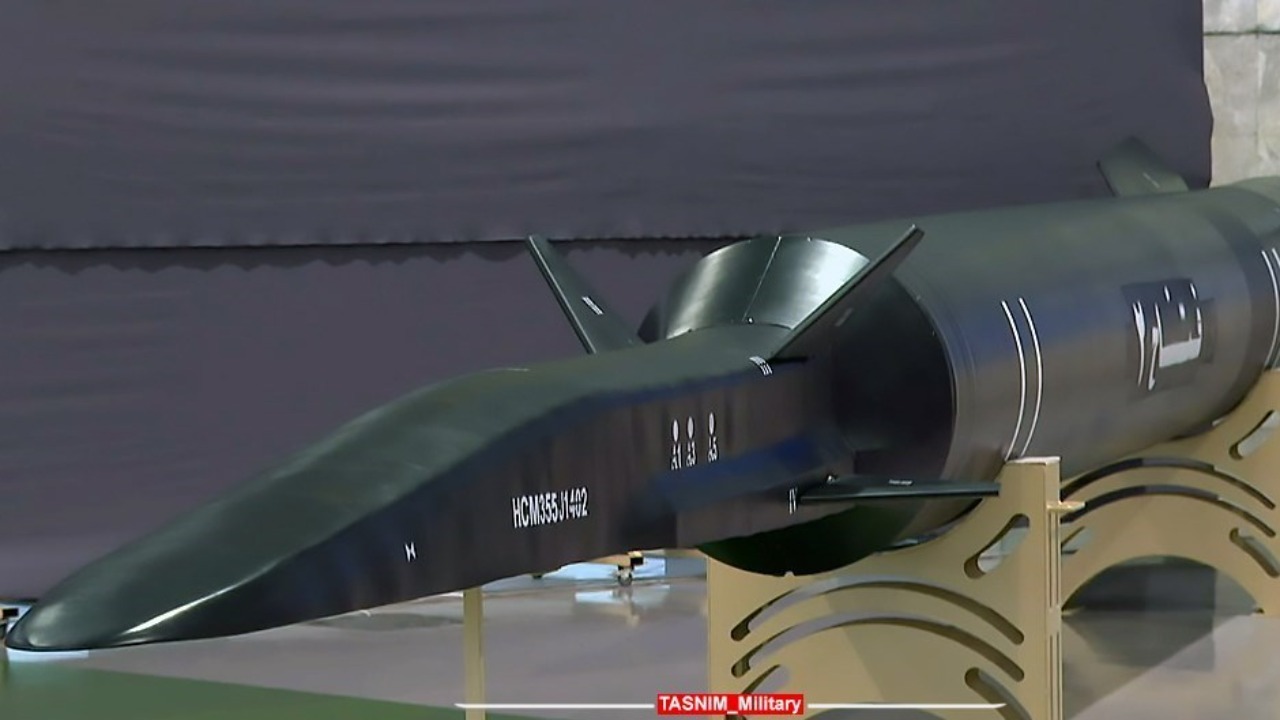
Hypersonic Glide Vehicles (HGVs) represent a groundbreaking leap in weapon technology, traveling at speeds exceeding Mach 5. Unlike traditional ballistic missiles, HGVs are launched into the upper atmosphere and then glide towards their targets, making them challenging to detect and intercept. With the ability to maneuver during flight, HGVs pose significant challenges to existing missile defense systems.
Countries like China, Russia, and the United States are actively developing and deploying HGVs. The strategic advantage offered by these weapons lies in their speed and unpredictability, which could potentially render conventional defense mechanisms obsolete.
Supersonic Cruise Missiles
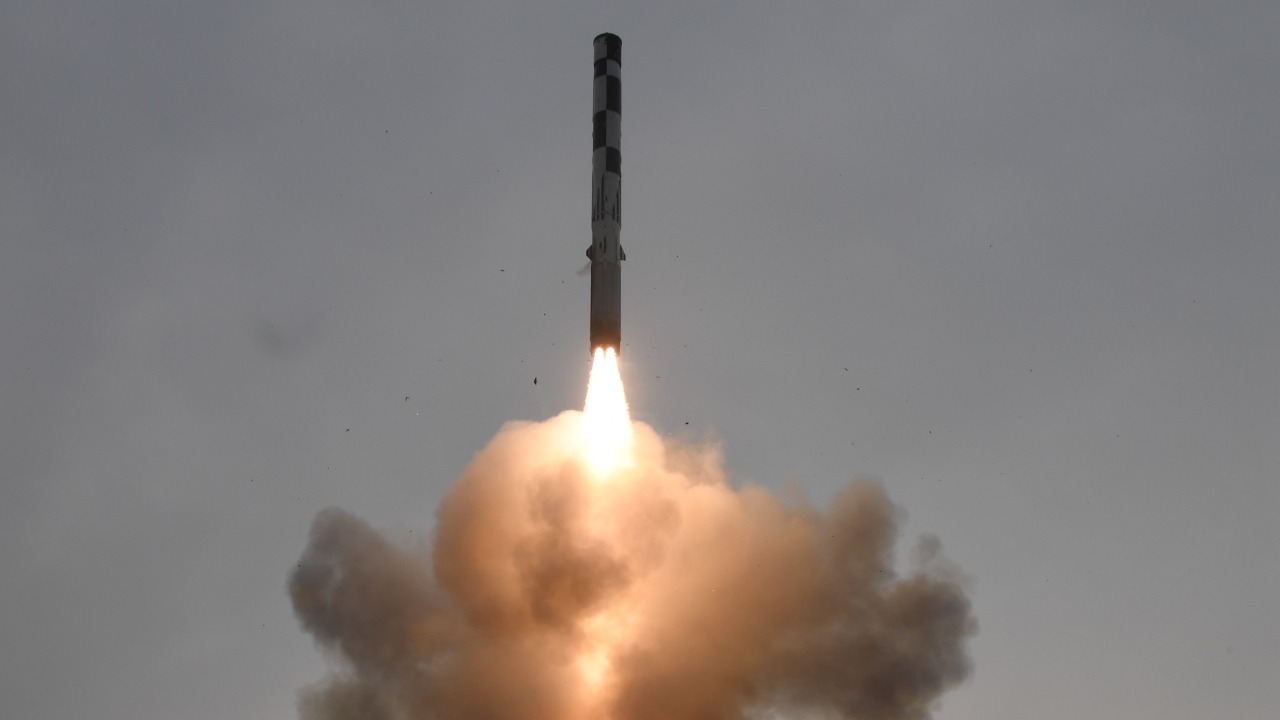
Supersonic cruise missiles are designed to travel at supersonic speeds throughout their entire flight path. Unlike their subsonic counterparts, these missiles are capable of reaching targets much faster, reducing the time for countermeasures. Countries such as India and Russia have developed supersonic cruise missiles like the BrahMos, which is renowned for its high speed and precision.
The development of supersonic cruise missiles underscores the growing emphasis on speed in modern warfare. These missiles provide a tactical edge, allowing militaries to strike with speed and accuracy, minimizing response time for adversaries.
Air-Launched Rapid Response Weapons (ARRW)
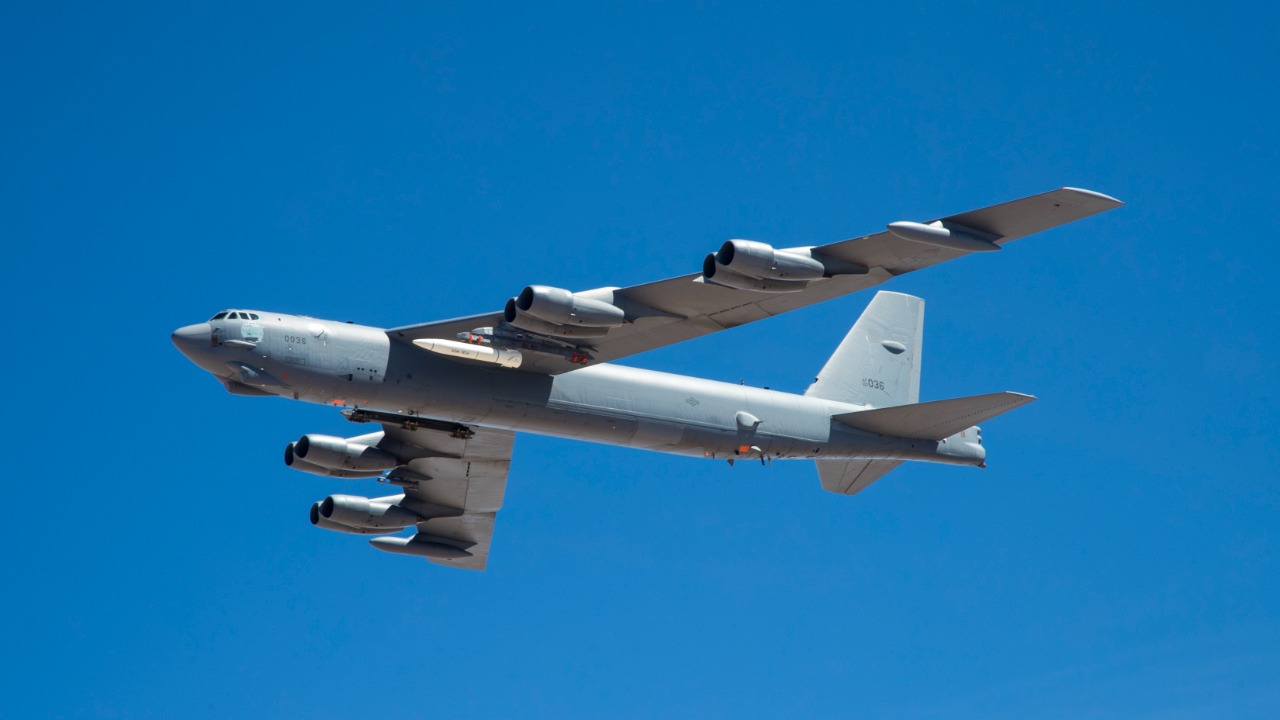
The Air-Launched Rapid Response Weapon (ARRW) is a type of hypersonic weapon that the United States is developing to enhance its rapid strike capabilities. Launched from an aircraft, the ARRW can reach hypersonic speeds, allowing it to quickly engage targets with minimal warning.
This weapon is a part of the US Department of Defense’s broader hypersonic initiatives aimed at maintaining a competitive edge. The ARRW is designed to provide a swift, precise strike option, capable of hitting high-value targets in contested environments.
Anti-Ship Supersonic Missiles
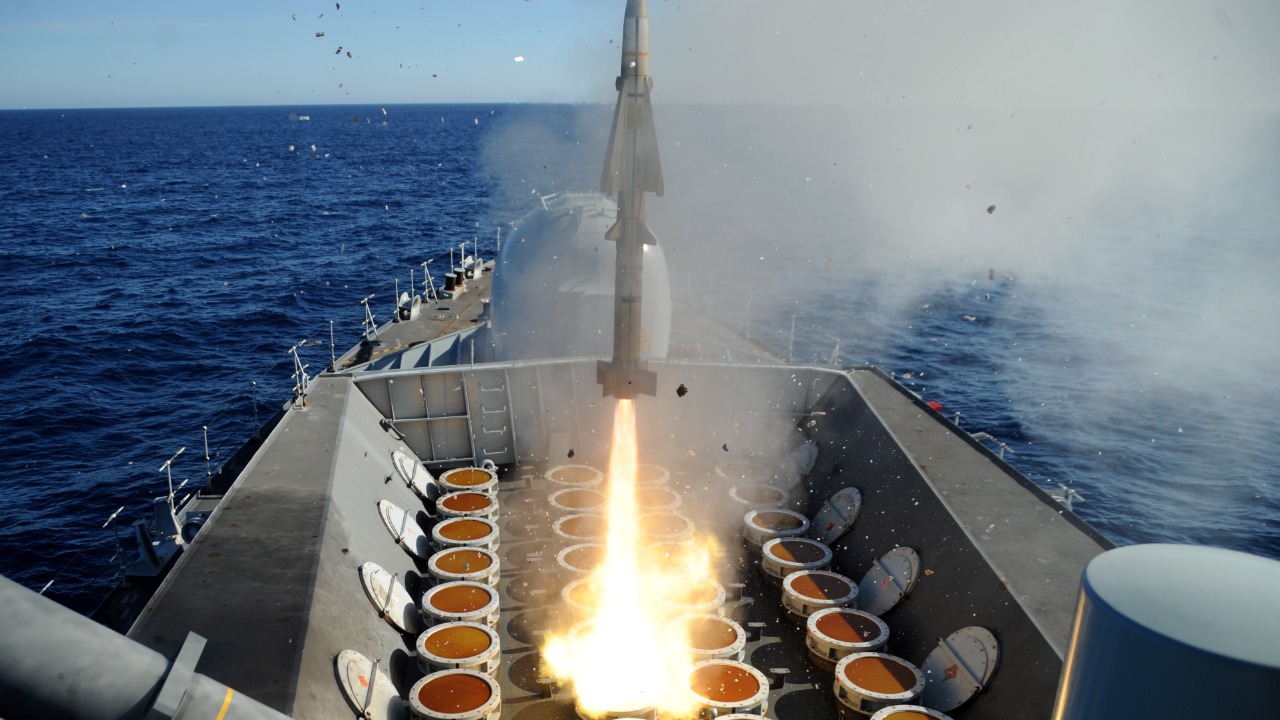
Anti-ship supersonic missiles are specialized weapons designed to target naval vessels. These missiles, such as the Russian P-800 Oniks, offer high speed and agility, making them difficult to intercept. With the capability to travel at supersonic speeds, these missiles can rapidly close in on enemy ships, delivering devastating payloads.
The integration of anti-ship supersonic missiles into naval forces enhances maritime strike capabilities, providing a potent tool for denying adversaries freedom of movement at sea. Their development reflects the ongoing evolution of naval warfare strategies.
Supersonic Air-to-Air Missiles
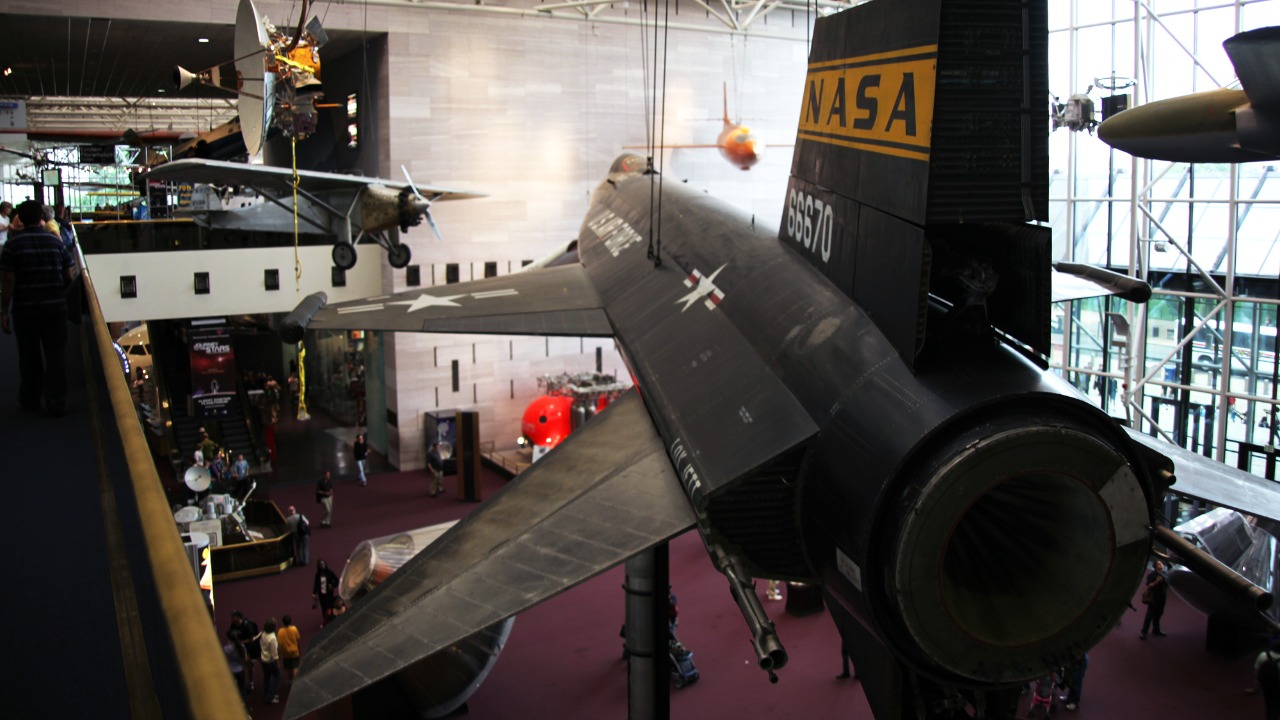
Supersonic air-to-air missiles are a key component of modern air combat, designed to engage and destroy enemy aircraft. These missiles, which include models like the AIM-120 AMRAAM, offer a significant advantage with their speed and improved range.
The ability to intercept and destroy targets at supersonic speeds is crucial for maintaining air superiority. Supersonic air-to-air missiles enhance a fighter jet’s capabilities, allowing it to engage hostile aircraft swiftly and effectively, thereby safeguarding airspace.
Supersonic Bombers
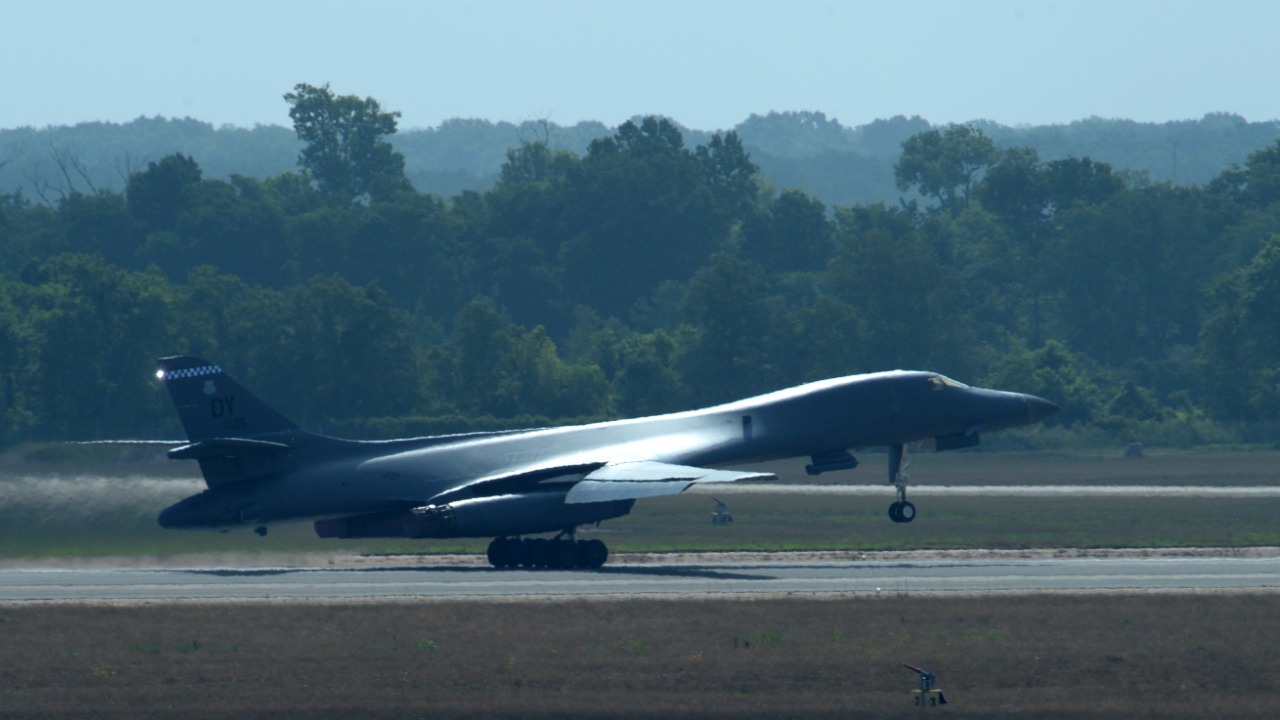
Supersonic bombers, such as the Tupolev Tu-160, are designed to deliver payloads at high speeds. These aircraft can travel faster than the speed of sound, enabling them to penetrate enemy defenses and strike with precision and speed.
The strategic value of supersonic bombers lies in their ability to carry out rapid, long-range missions. Their speed and payload capacity make them invaluable assets in scenarios requiring swift and decisive action.
Supersonic Interceptors
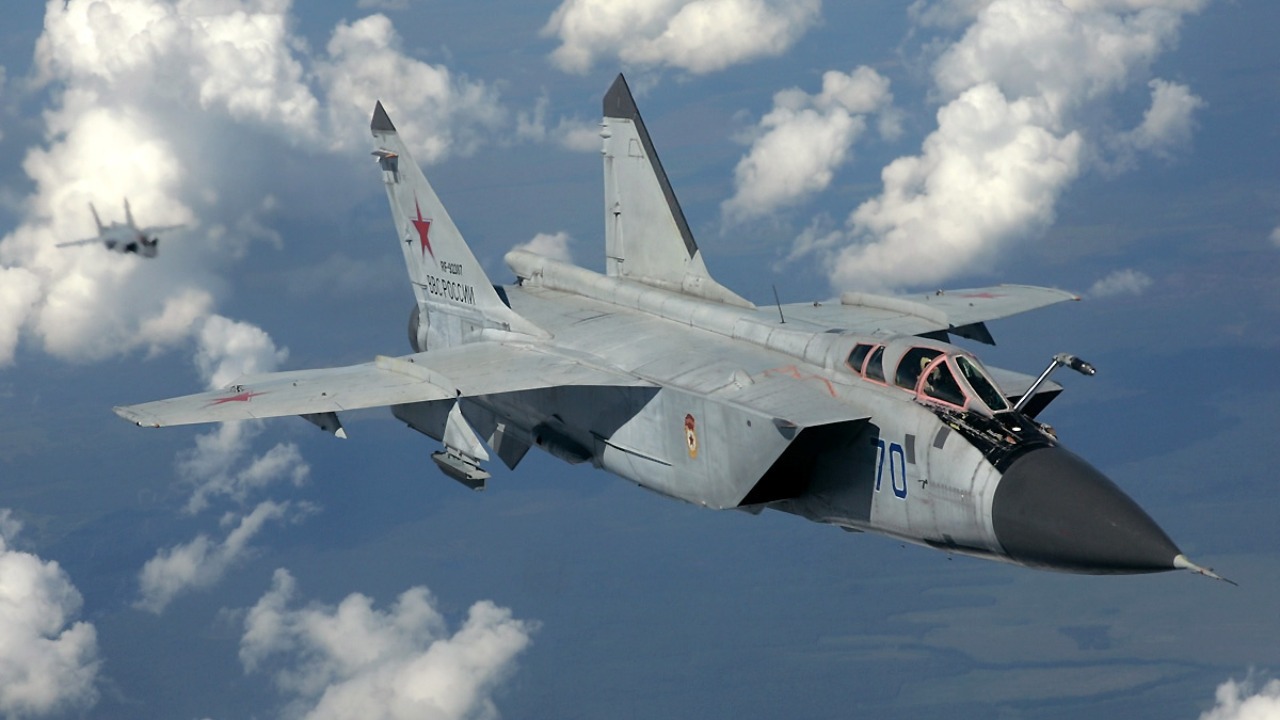
Supersonic interceptors are specialized aircraft designed to quickly engage and neutralize incoming threats. These aircraft, like the MiG-31, are capable of reaching high speeds, allowing them to intercept enemy aircraft or missiles effectively.
The development of supersonic interceptors is driven by the need for rapid response capabilities. These aircraft provide a critical defense line, capable of engaging threats before they reach their targets.
Supersonic Artillery Shells
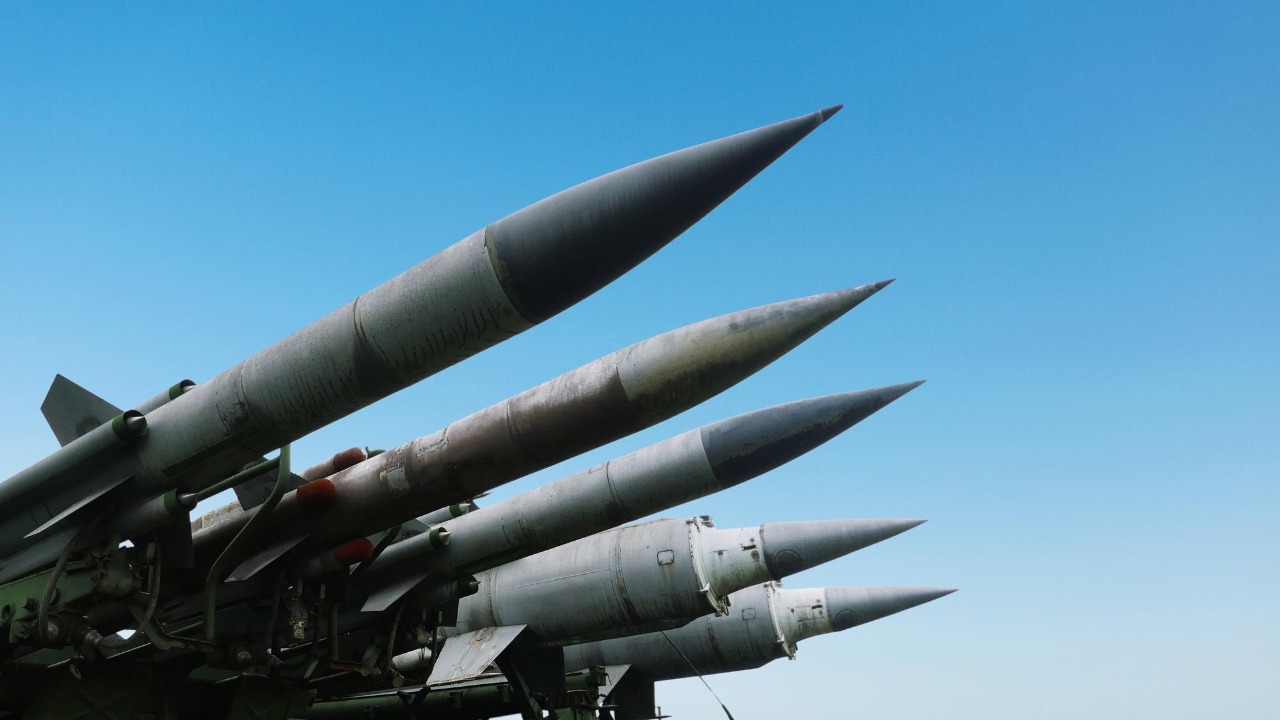
Supersonic artillery shells represent an innovative advancement in artillery technology. These shells, designed to travel at supersonic speeds, offer extended range and improved accuracy over traditional artillery.
The integration of supersonic artillery enhances ground forces’ capabilities, providing a rapid and effective means of delivering firepower. Such advancements are part of broader efforts to modernize artillery systems, ensuring they remain effective in contemporary combat environments. To learn more about the ongoing efforts, visit this study.
