
The station wagon has been squeezed out of most American showrooms by crossovers that borrow its shape and charge more for it. A handful of long-roof models survive, split between rugged all-road variants and low-slung performance machines. Here are eight wagons that have kept the body style alive on this side of the Atlantic.
1. Subaru Outback: The Long Roof That Outlived Its Rivals
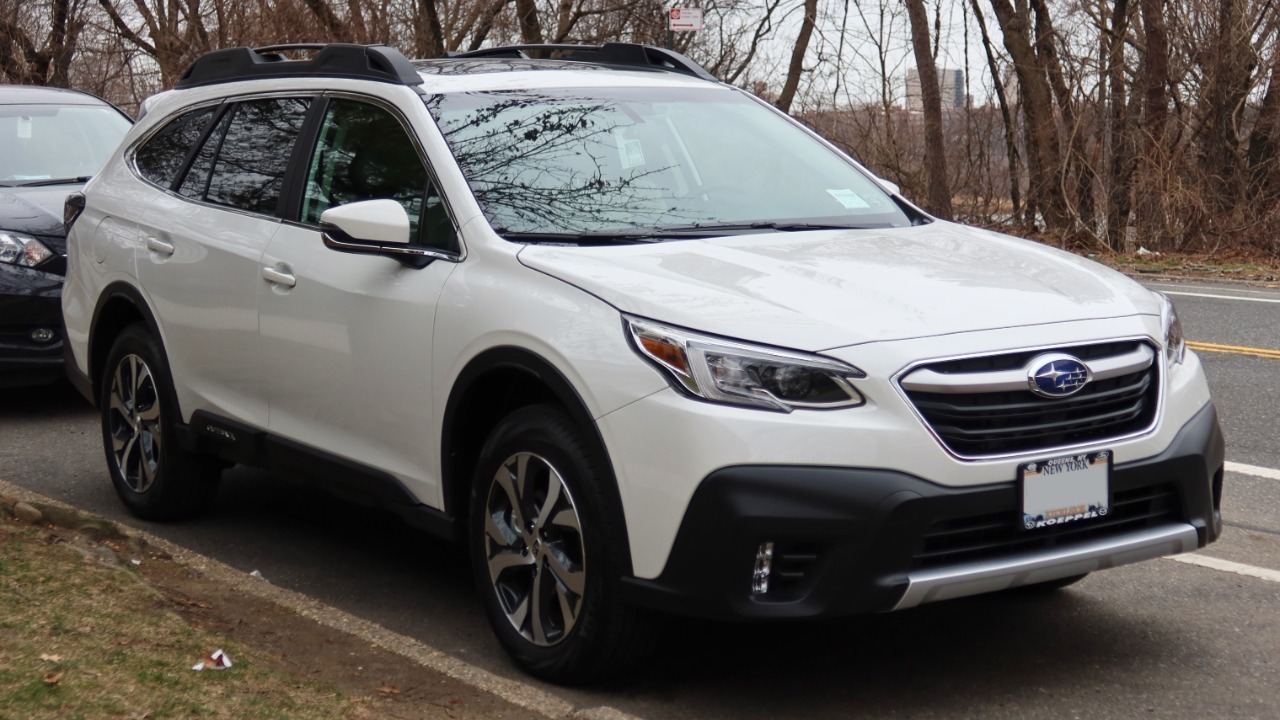
Subaru has kept the Outback in American showrooms since the 1995 model year, when it arrived as a raised, body-clad version of the Legacy wagon. Symmetrical all-wheel drive is standard across the range, and recent versions ride roughly 8.7 inches off the ground, more clearance than several compact crossovers offer. The long-running Outback line has outlasted nearly every wagon it originally launched against.
Subaru markets the result as an SUV, yet the car-based platform, low load floor and wagon roofline are unchanged in substance. That framing is a large part of why the Outback survived while badge-honest wagons disappeared, and it explains why the nameplate now anchors the brand’s American volume instead of sitting at the margins of it.
2. Audi A4 Allroad: The Understated All-Weather Estate
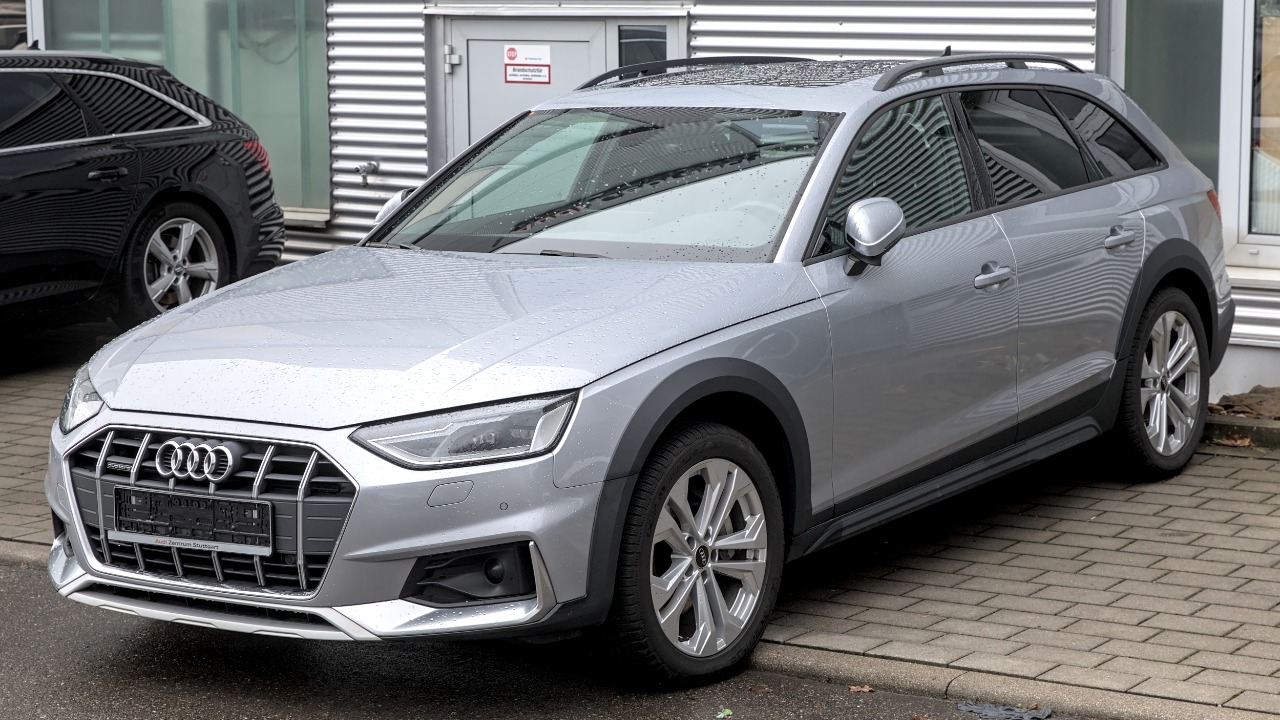
The A4 allroad pairs an Avant wagon body with quattro all-wheel drive, plastic wheel-arch cladding and roughly 1.3 inches of extra ride height over the standard A4 wagon. Audi built the recipe around a turbocharged 2.0-liter four rather than a heavy off-road driveline, so the raised A4 estate drives much like the sedan it shares a platform with.
Cargo volume lands near 58 cubic feet with the rear seats folded, which is crossover territory in a vehicle a driver can see out of easily. The trade-off is clearance measured in inches rather than trail ratings: the allroad exists for snow, gravel and unpaved access roads, not for rock crawling, and its cladding is as much styling as armor.
3. Audi A6 Allroad: The Executive Wagon With Air Springs
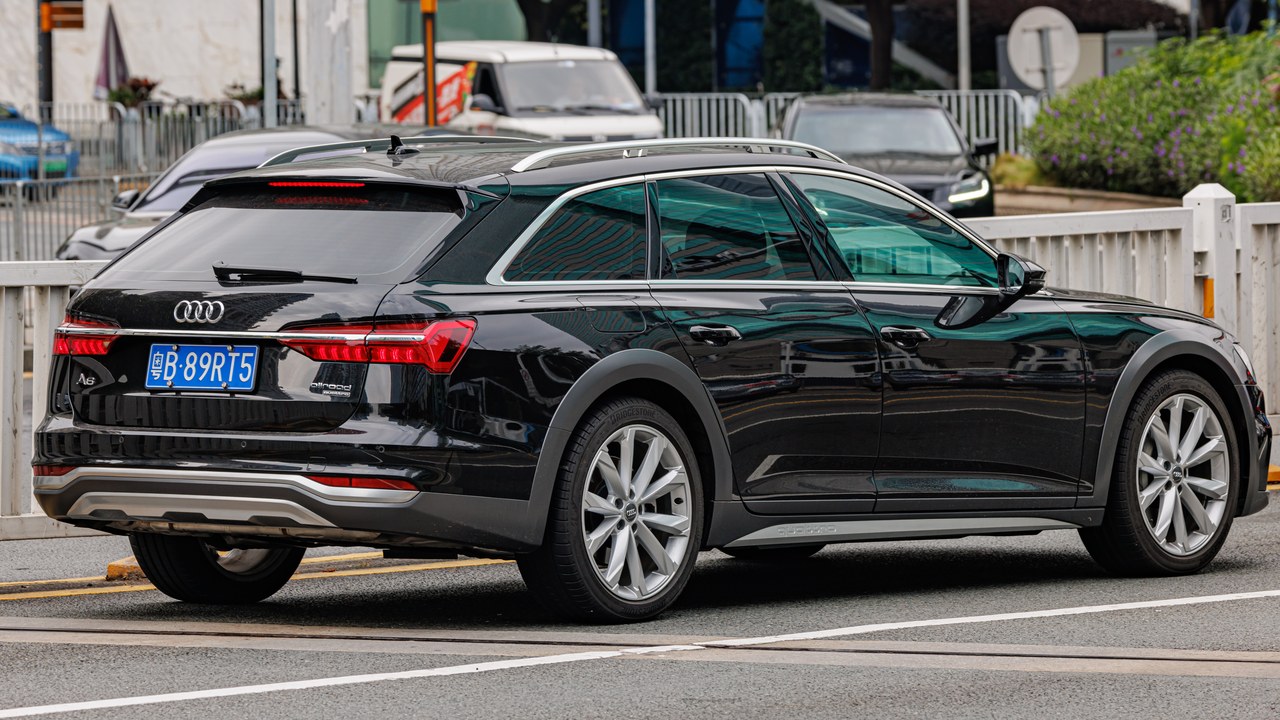
The A6 allroad sits a class above its A4 sibling and rides on adaptive air suspension that raises or lowers the body depending on speed and driving mode. Power has come from a turbocharged 3.0-liter V6 with a 48-volt mild-hybrid system, and quattro is standard. The A6 wagon variant traces directly to the original allroad quattro of 1999.
Those air springs are the whole idea: the wagon settles for stability at highway speed and lifts for a snowed-in driveway without inheriting the top-heavy behavior of a tall SUV. They are also the expensive component later in the car’s life, which is why used allroads often trade below comparable sedans despite carrying far more equipment.
4. Mercedes-Benz E-Class All-Terrain: The E-Class On Stilts
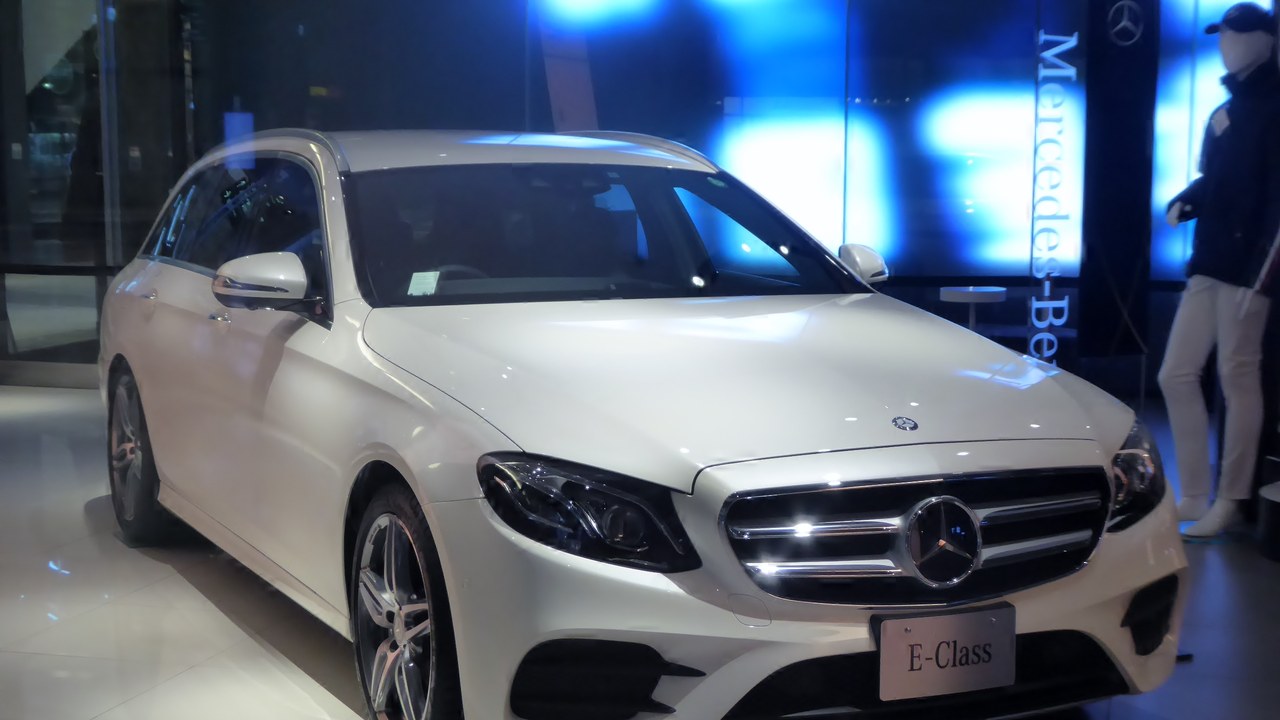
The All-Terrain is the E-Class estate fitted with air suspension, standard 4Matic all-wheel drive, protective cladding and about an inch and a half of additional ground clearance. Mercedes introduced the variant in 2017 to answer the Audi allroad and Volvo Cross Country, and the E-Class wagon range has carried it through the generations since.
A dedicated off-road driving mode sharpens the throttle mapping and raises the body further, though the more useful point is that the car keeps a wagon’s low center of gravity. Cargo capacity in the estate body approaches 64 cubic feet, and the load bay is long enough to swallow gear that would require a roof box on the equivalent sedan.
5. Porsche Taycan Cross Turismo: The Electric Long Roof
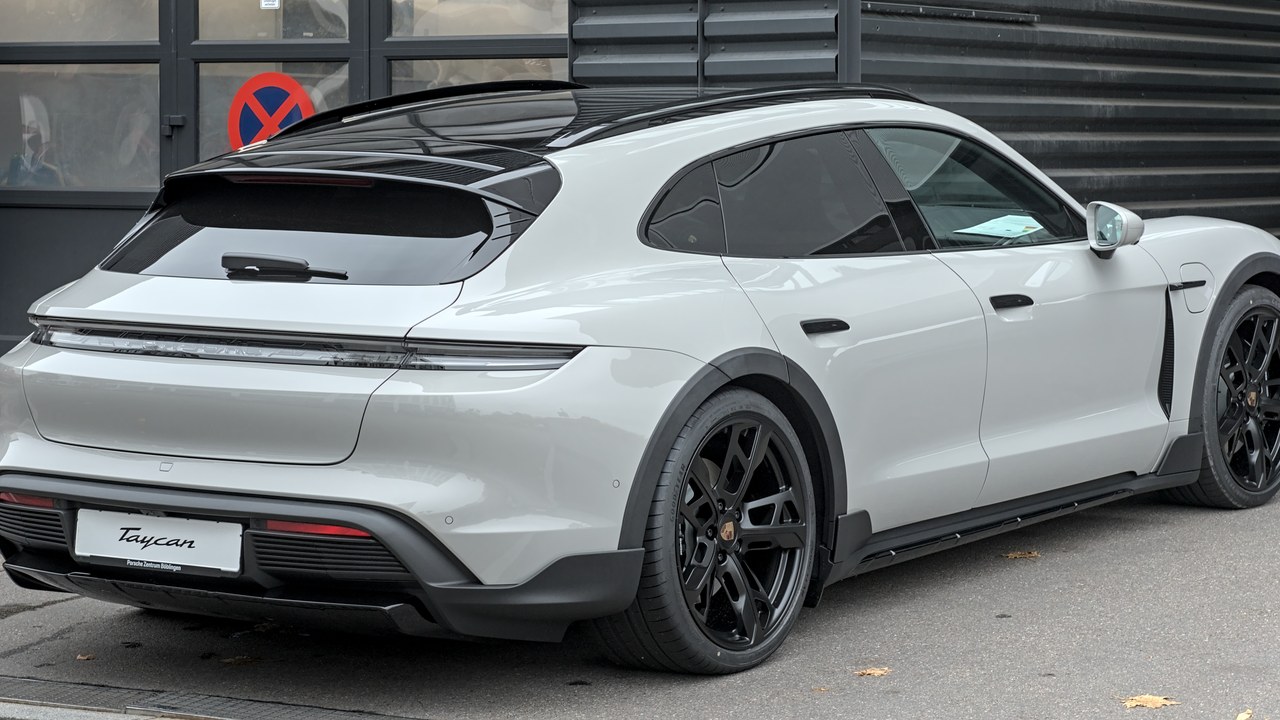
Porsche’s first battery-electric production car arrived in 2019 as a low four-door, and two years later it grew a long roof. The Cross Turismo is the Taycan model range in estate form, with raised suspension, wheel-arch cladding and all-wheel drive as standard, following the Mission E Cross Turismo concept Porsche had shown in 2018.
A lower Sport Turismo version followed, keeping the extra rear headroom and the hatchback opening without the raised ride height or the plastic body cladding. Both share the sedan’s 800-volt electrical architecture, so choosing a long roof costs nothing in charging hardware. Porsche kept both bodies in the range, which leaves the Taycan among the few nameplates sold in America that can still be ordered as a wagon.
6. Volvo V60: The Wagon Volvo Never Gave Up On
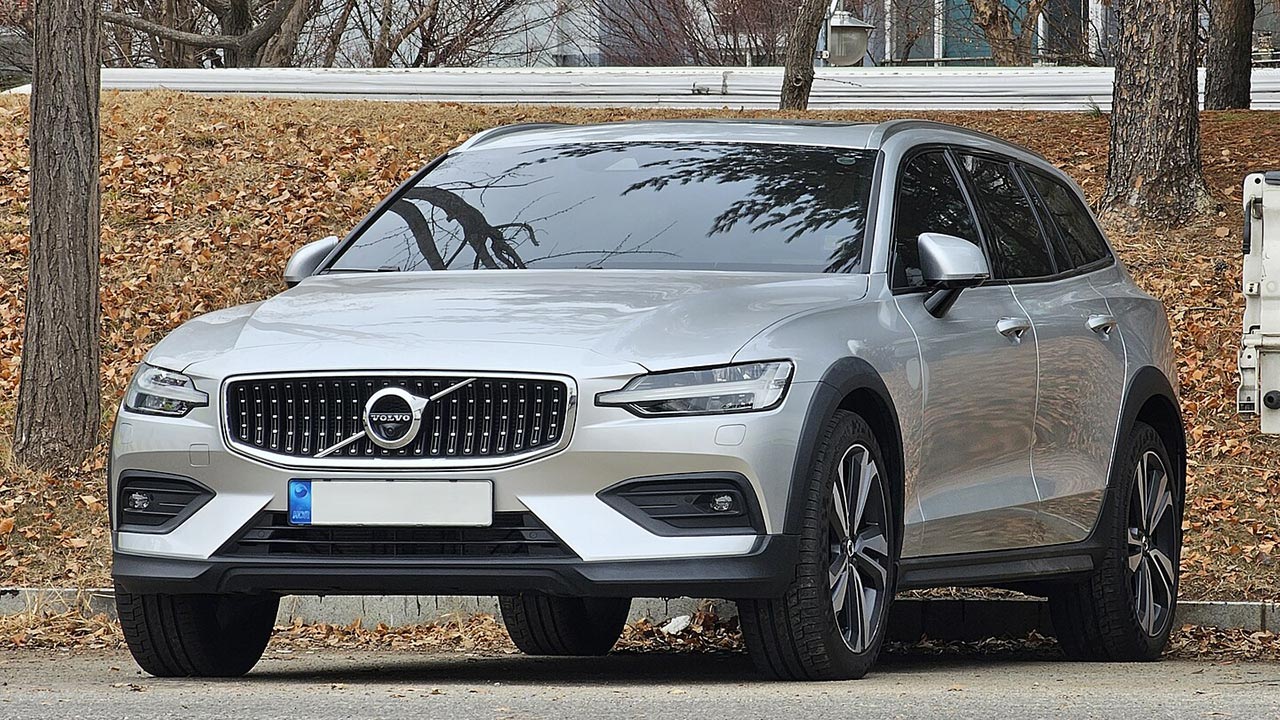
Volvo has built a mid-size wagon almost without interruption since the 1960s, and the V60 is the current one, riding on the same SPA platform as the S60 sedan with turbocharged four-cylinder power. The V60 estate reaches American buyers mainly in Cross Country form, with raised suspension, all-wheel drive and underbody protection as standard equipment.
That Cross Country treatment adds roughly three inches of ground clearance, putting the wagon within an inch of many crossovers while preserving a lower roof, a longer load floor and a far lower center of gravity. For drivers who want the space without the seating height, that difference is essentially the entire argument.
7. Volvo V90: The Flagship Long Roof
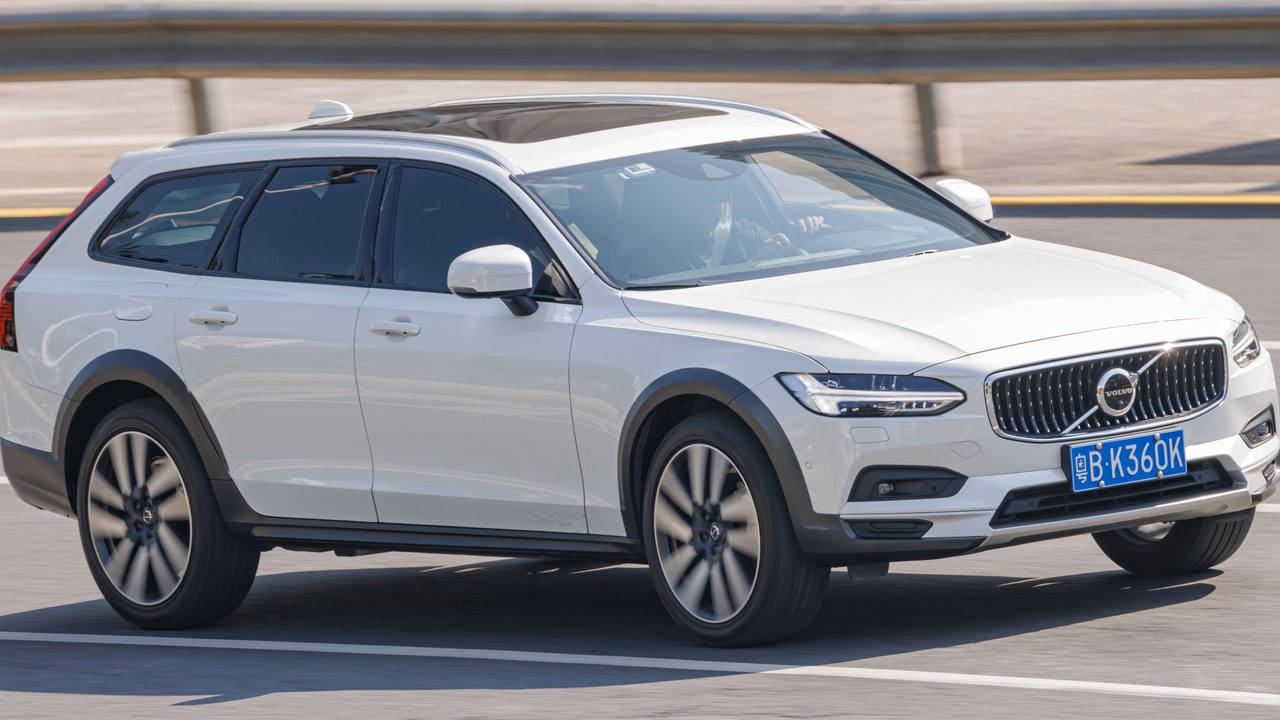
The V90 is the wagon version of Volvo’s S90 flagship, built on a 115.8-inch wheelbase and sharing the sedan’s four-cylinder engine family, plug-in hybrid versions included. Volvo has treated the V90 estate as a low-volume halo in North America, building it largely to order rather than stocking it in depth on dealer lots.
Order-only distribution is the familiar pattern for large wagons: demand is real but thin, and a model that moves in the hundreds cannot justify the inventory a crossover selling in the tens of thousands commands. The lifted V90 Cross Country, with its cladding and taller suspension, has consistently found more buyers than the standard-height car.
8. Audi RS 6 Avant: The Fast Wagon America Waited For
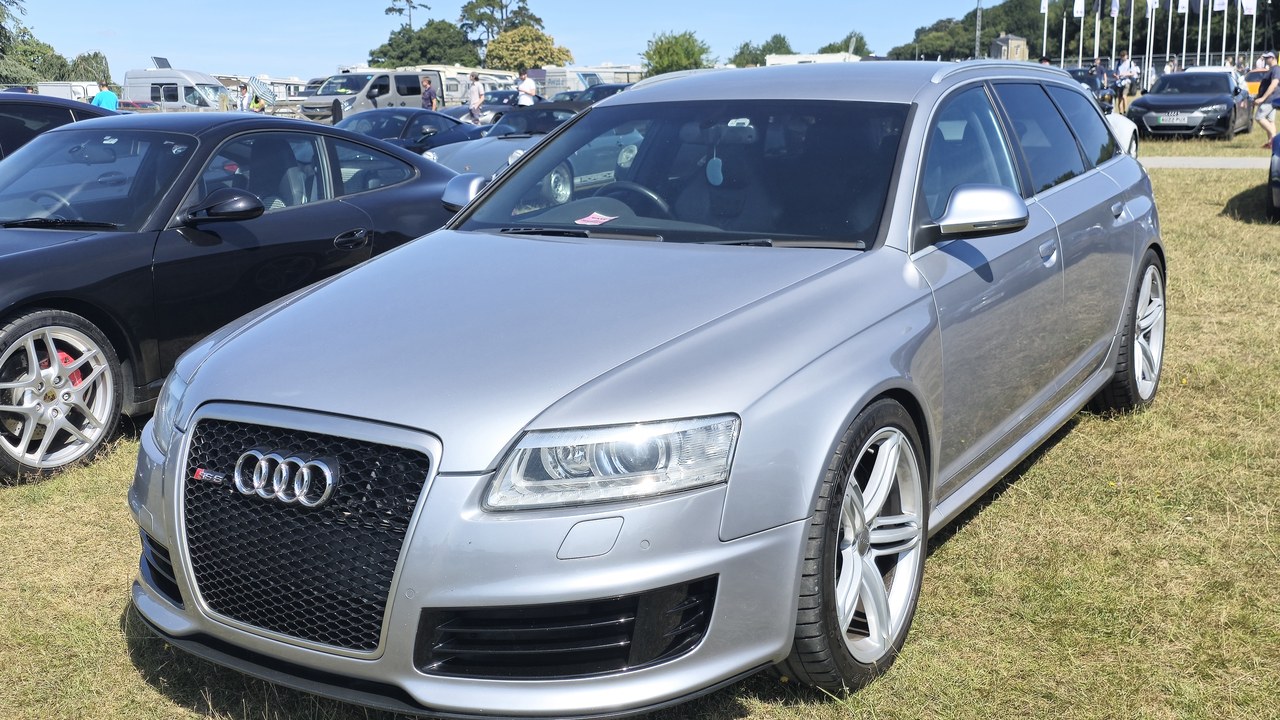
The RS 6 reached American showrooms once before, as a sedan in 2003, and then stayed away for three generations while Europe kept the fast wagon to itself. Audi Sport builds the fourth-generation RS 6 Avant in estate form only, with a twin-turbocharged 4.0-liter V8 and quattro all-wheel drive, and this is the version American dealers finally sell.
Audi’s own model history explains the gap. The first RS 6 came as both a saloon and an Avant, the second generation used a twin-turbocharged 5.0-liter V10, and the third was offered as a wagon and nothing else. That last decision left the United States without an RS 6 of any kind for more than a decade, until the current car crossed the Atlantic.
More from Morning Overview
- The Pentagon’s newest UFO files describe a fish-scaled, potato-shaped object on camera
- Scientists spotted a rare tusked whale alive at sea for the first time, then fired a crossbow at it.
- A Colorado wildfire forced level-three ‘leave now’ orders across Ouray County
- A skeleton beneath Petra’s Treasury was found clutching a chalice that resembles the Holy Grail
