
New drivers do best in cars that forgive mistakes instead of punishing them. The safest first picks combine strong crash-test scores with standard driver aids such as automatic emergency braking and blind-spot warning, so a moment of inattention is less likely to end in a serious crash. These eight small cars and compact crossovers are common recommendations for teenagers and other new drivers shopping on a budget.
1. Mazda 3: Top Safety Scores
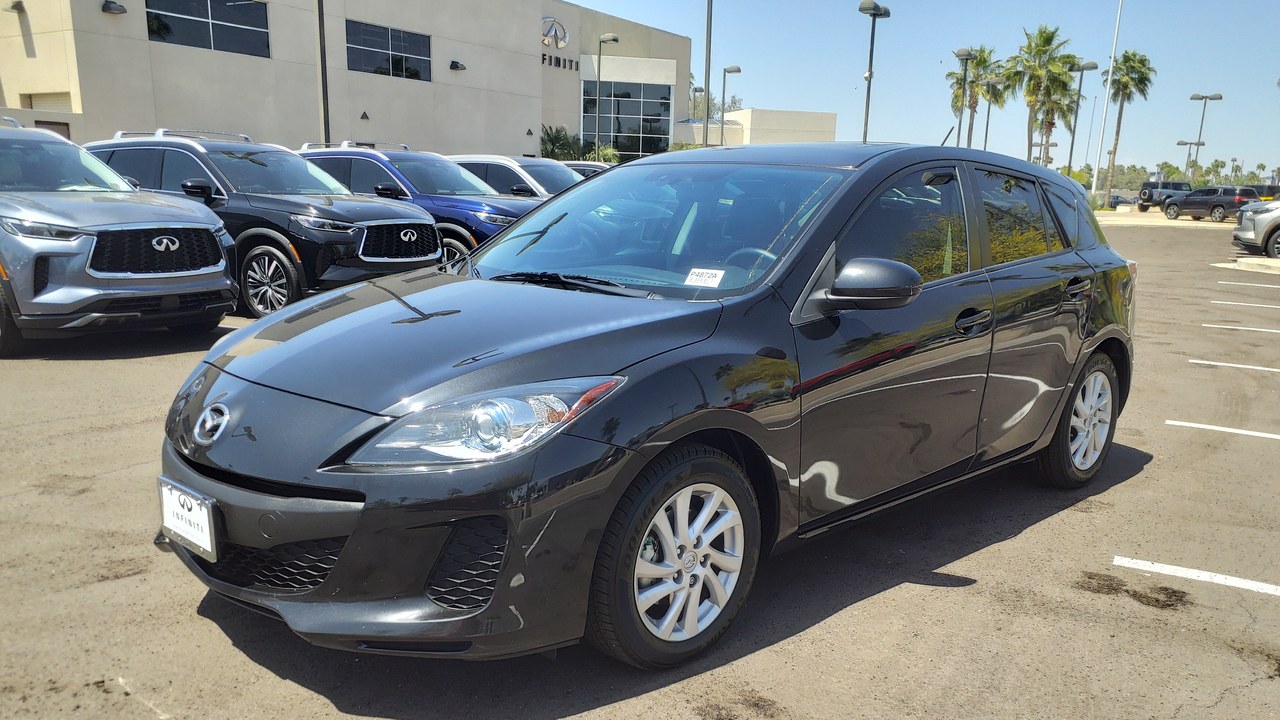
The Mazda 3 posts some of the strongest crash-test scores in the compact segment, and Mazda equips automatic emergency braking, lane-departure warning, blind-spot monitoring, and adaptive cruise control as standard gear on most trims, giving a first-time driver a wide safety cushion built into the base price rather than sold as an expensive option package.
Its compact footprint and light, predictable steering also make it easier to park and maneuver than many small SUVs, which matters for someone still building confidence and spatial awareness behind the wheel. Insurance costs also tend to run lower than average for the class, since insurers weigh the strong safety record when setting premiums for a young or first-time policyholder.
2. Honda Civic: A Proven Starter Car
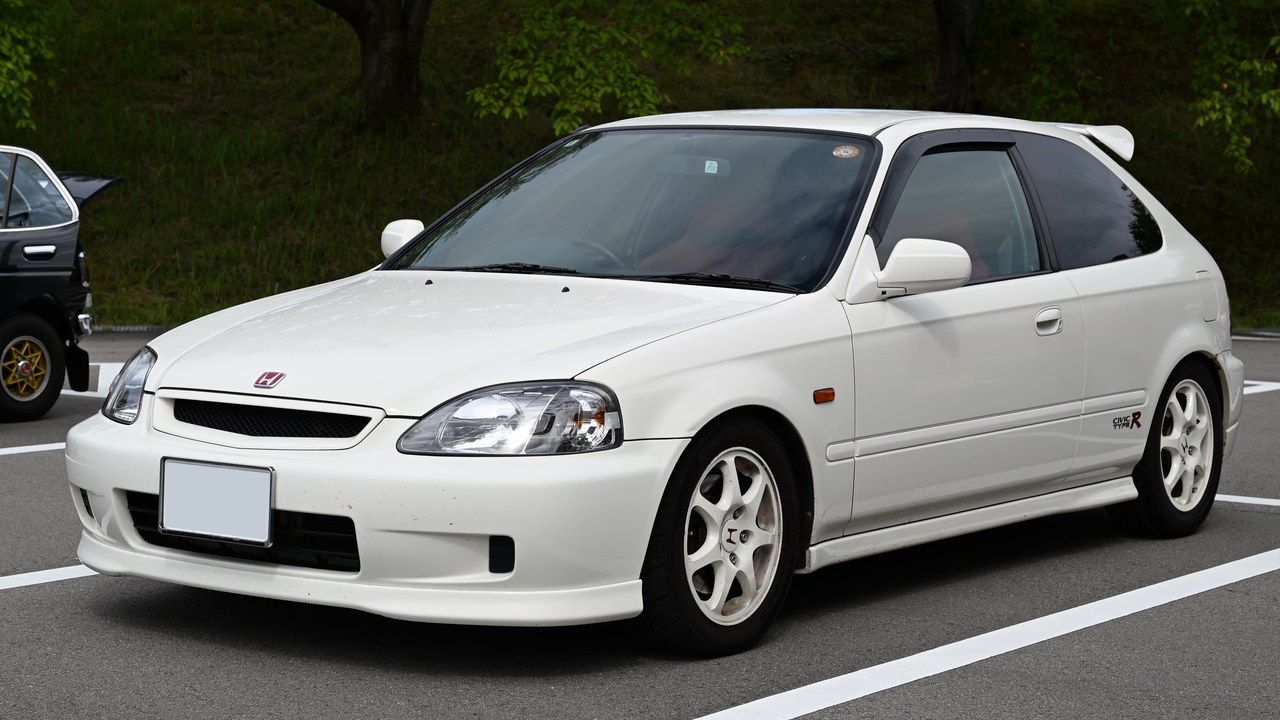
The Honda Civic has spent decades as one of the most recommended first cars for teenagers, largely because it pairs high crash-test marks with light, forgiving controls and a driving position that gives new drivers a clear view of the road ahead.
Parts and repairs are also inexpensive and widely available, which keeps insurance and upkeep costs manageable during the years a young driver is still learning and more likely to need bodywork. The Civic’s light clutch and steering feel, on manual and automatic versions alike, make it one of the easier cars to learn to drive smoothly rather than in jerky starts and stops.
3. Toyota Corolla: Forgiving By Design
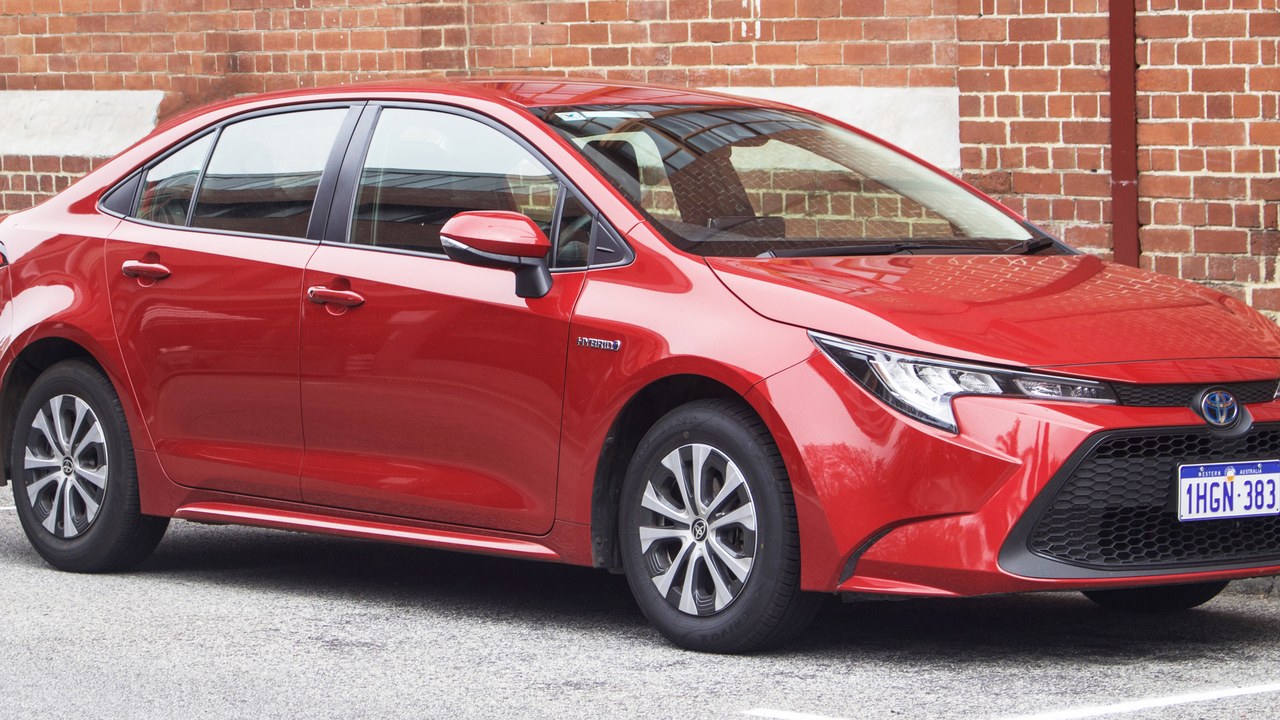
Every current Toyota Corolla trim comes standard with a suite of driver aids, including automatic emergency braking, lane-tracing assist, and automatic high beams, so the car actively helps correct small errors rather than leaving a beginner to catch every mistake alone.
The ride is soft and the controls are simple, and the low, predictable cost of ownership makes the Corolla an easy car for a parent to insure without a major budget shock. Resale value tends to stay strong as well, so a family that outgrows the car after a couple of years of driving lessons can usually recover a fair share of the purchase price.
4. Subaru Impreza: All-Weather Confidence
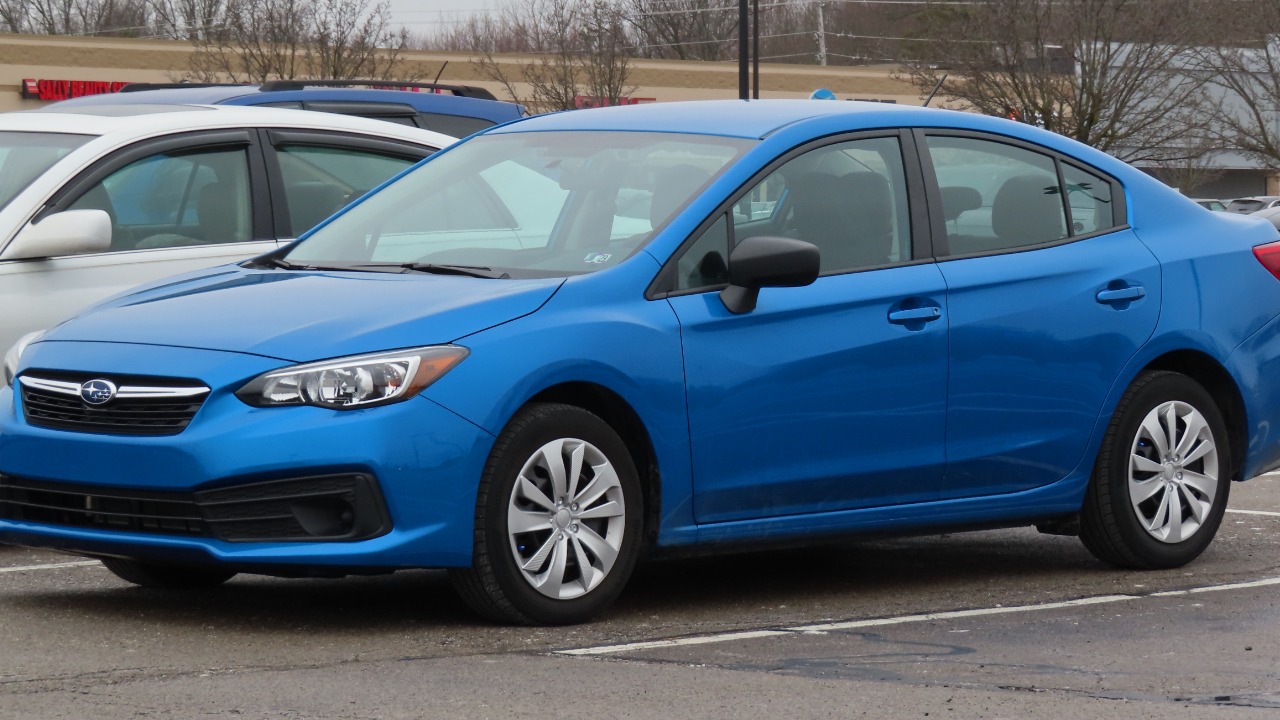
The Subaru Impreza is one of the few small cars sold with standard all-wheel drive at every trim level, giving a new driver extra traction and stability on wet roads or in early snow without needing to buy an upgraded package.
It also carries strong crash-test results and a suite of standard driver-assist features, so the added grip comes without trading away the modern safety net that matters most for a beginner. That combination makes it a common recommendation in regions with harsh winters, where extra traction can matter more to a new driver than raw horsepower or styling.
5. Hyundai Elantra: Feature-Rich And Affordable
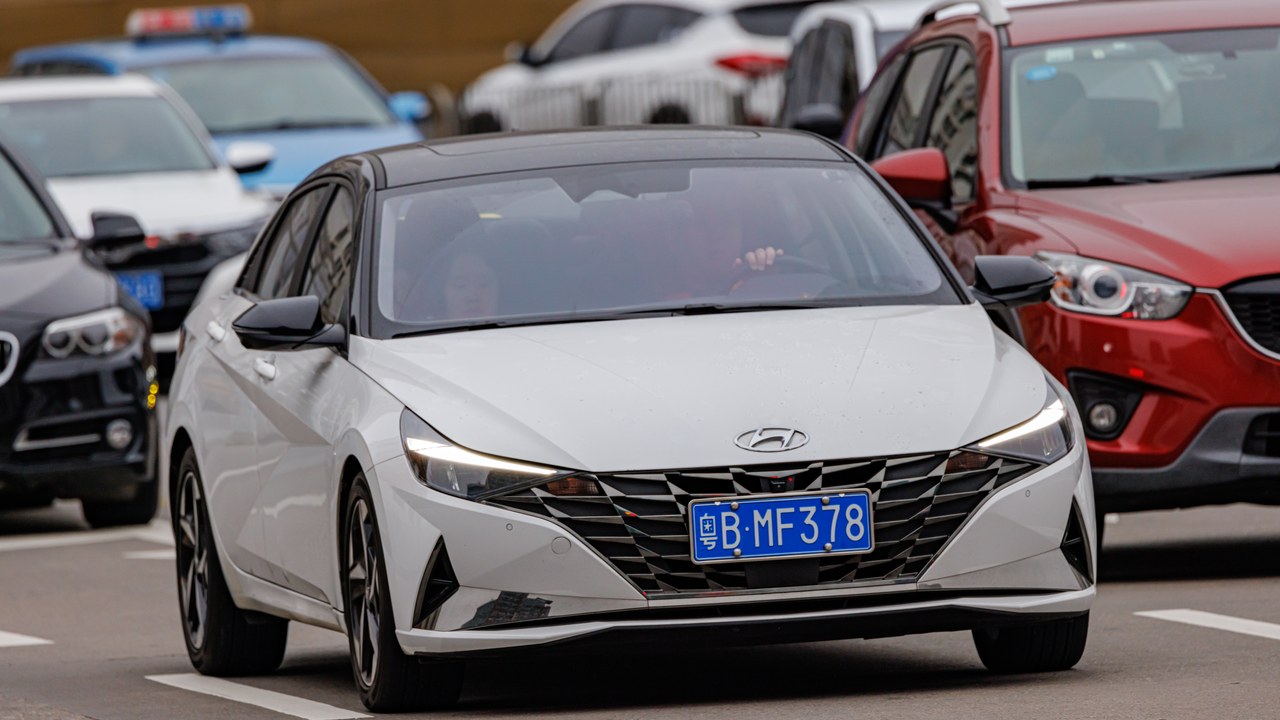
The Hyundai Elantra bundles forward-collision warning, automatic emergency braking, and lane-keeping assist as standard safety equipment on most versions, a rarer combination in its price range that gives budget-conscious families more protection for a new driver without upgrading trims.
Hyundai also backs the car with one of the longer warranties in the segment, which can ease the financial worry that often comes with handing a first car to a teenager. The interior layout is straightforward and the controls are easy to learn quickly, so a new driver spends less time hunting for buttons and more time watching the road.
6. Honda CR-V: A Simple Compact SUV
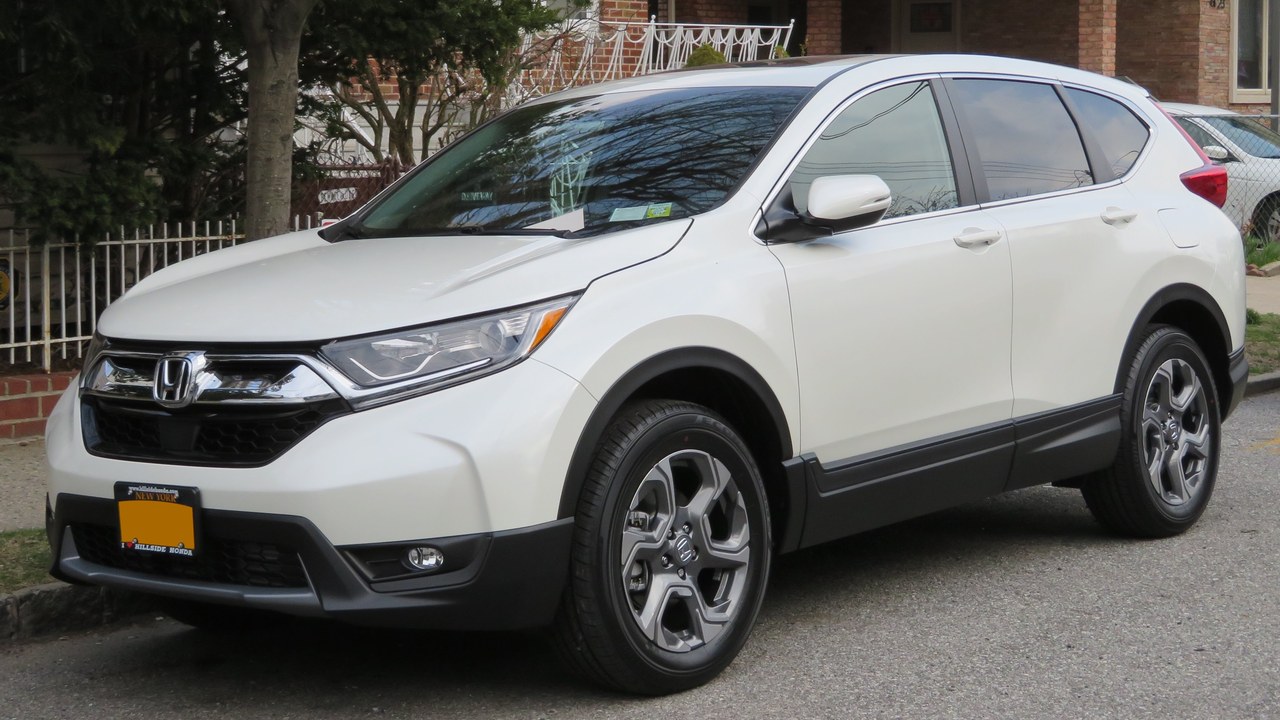
For families who want more visibility than a sedan offers, the Honda CR-V pairs a higher seating position with strong crash-test performance and standard driver-assist tech, letting a new driver see over traffic while still getting the same safety net as Honda’s smaller models.
Its controls and handling stay simple and car-like rather than trying to feel sporty, which keeps the learning curve gentle for someone still adjusting to a taller, heavier vehicle. The extra cargo and passenger room also make it a practical choice for a family that wants one vehicle to serve as both a first car and a backup for errands.
7. Mazda CX-30: High Marks, Clear Sightlines
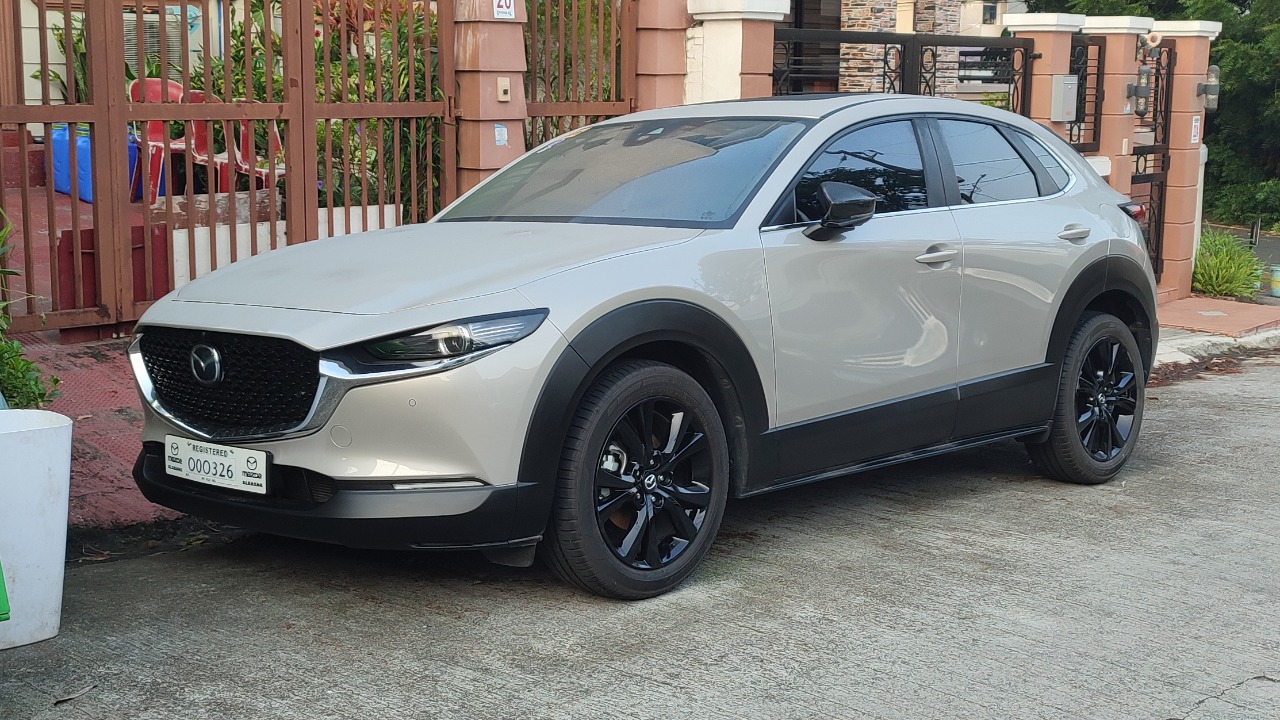
The Mazda CX-30 earns some of the highest safety ratings among small crossovers, combining a raised driving position with wide windows and standard driver aids that give new drivers a clearer picture of what is happening around the car.
The extra ride height over a sedan also makes it easier to judge distances when parking or merging, two of the trickier skills for someone new to the road. Standard all-wheel drive on most trims adds further traction in rain or light snow, rounding out a package built around visibility, grip, and forgiving handling rather than outright speed.
8. Toyota Camry: A Stable Midsize Option
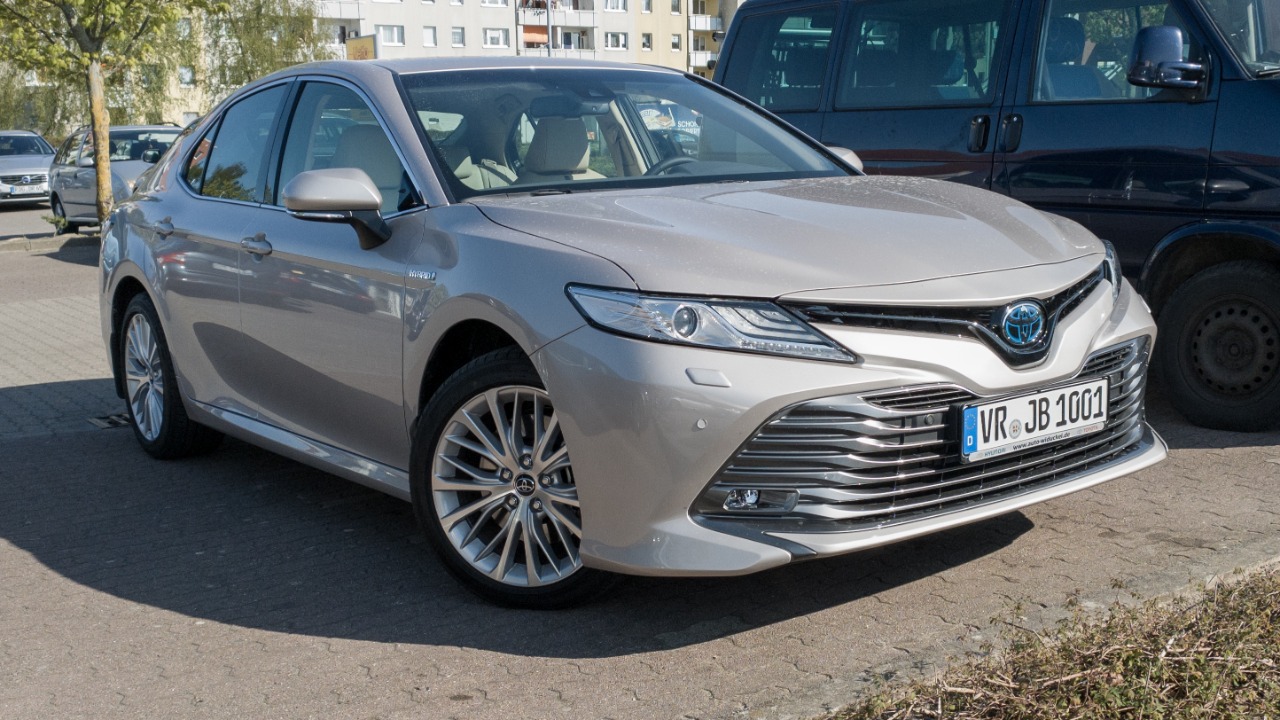
The Toyota Camry is larger than the other cars on this list, but its planted, stable handling and consistently strong crash-test history make it a common pick for parents who want extra size and structure around a new driver.
Standard automatic emergency braking and lane-departure warning carry over from Toyota’s smaller models, so the added size does not come at the cost of modern driver-assist protection. A roomy cabin and a comfortable ride also make longer drives less tiring, which can help a new driver stay focused on the road during unfamiliar highway trips.
More from Morning Overview
