
Staying safe online is more crucial than ever. Scammers are getting more sophisticated, making it essential to arm ourselves with the right knowledge and tools. Here are eight simple ways to avoid online scams and protect your digital life.
1. Strengthen Your Passwords

One of the simplest ways to protect yourself online is by creating strong, unique passwords. Avoid using personal information like birthdays or names. Instead, opt for a mix of letters, numbers, and symbols. Consider using a password manager to keep track of your credentials securely.
For more insights, check out this study on password security.
2. Verify Website Security

Always check for the padlock symbol in the address bar before entering any personal information on a website. This indicates that the site is secure and encrypts your data. Be wary of sites without this symbol, as they may not protect your information.
For further reading, visit this article on web security.
3. Be Cautious with Emails

Phishing scams often come in the form of emails that appear to be from trusted sources. Always verify the sender’s email address and look for signs of suspicious content. Avoid clicking on links or downloading attachments from unknown senders.
Learn more about email scams in this NPR article on scam protection.
4. Use Two-Factor Authentication

Two-factor authentication (2FA) adds an extra layer of security by requiring a second form of verification. This could be a text message code or an authentication app. Enabling 2FA on your accounts makes it significantly harder for scammers to gain access.
Explore more on this topic in this informative book.
5. Monitor Financial Accounts Regularly

Regularly reviewing your financial statements can help you spot unusual activity early. Set up alerts for transactions to get notified immediately of any unauthorized charges. Quick detection is key to preventing significant financial loss.
6. Avoid Public Wi-Fi for Sensitive Transactions
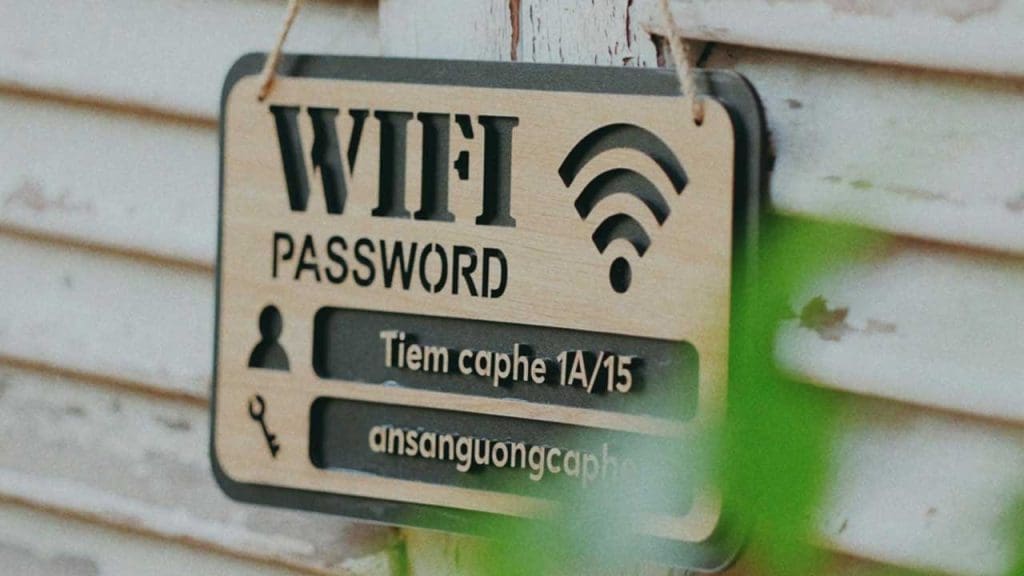
Public Wi-Fi networks are convenient but often lack security. Avoid conducting sensitive transactions, like online banking, over public Wi-Fi. If necessary, use a virtual private network (VPN) to encrypt your connection.
7. Keep Software Updated

Software updates often include security patches that protect against new threats. Ensure your operating system, apps, and antivirus software are up-to-date. Enable automatic updates whenever possible to stay protected without hassle.
8. Educate Yourself on Common Scams

Staying informed about common online scams can help you recognize red flags. Regularly read up on the latest cybersecurity news and consider sharing this knowledge with friends and family. It’s a proactive step in safeguarding your online presence.
For more tips, check out this guide on educating your network.
By following these eight simple steps, you can significantly reduce your risk of falling victim to online scams. Stay vigilant and make cybersecurity a priority to enjoy a safer online experience.
