
Every automaker has its share of hits and misses, but some models stand out for all the wrong reasons. Whether due to design flaws, marketing failures, or simply not meeting consumer expectations, these sedans have left automakers wishing they could rewrite history.
Ford Edsel
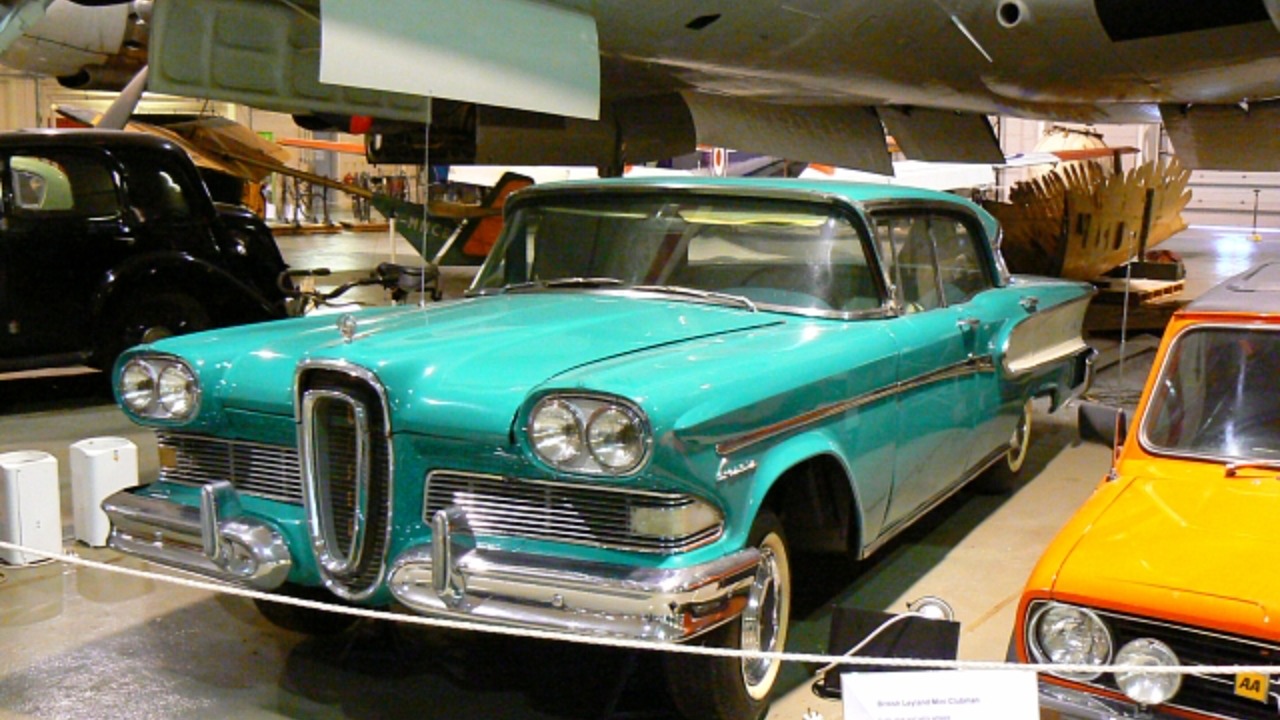
The Ford Edsel is often cited as one of the biggest automotive blunders in history. Released in the late 1950s, it was supposed to be a luxurious addition to Ford’s lineup but ended up being an expensive failure. The Edsel’s design was polarizing, and its marketing campaign was overhyped, leaving potential buyers confused and uninterested.
Additionally, the Edsel faced mechanical issues that further tarnished its reputation. Despite Ford’s significant investment in the model, it was discontinued after just a few years. The Edsel remains a cautionary tale about the importance of market research and consumer understanding.
Chevrolet Citation
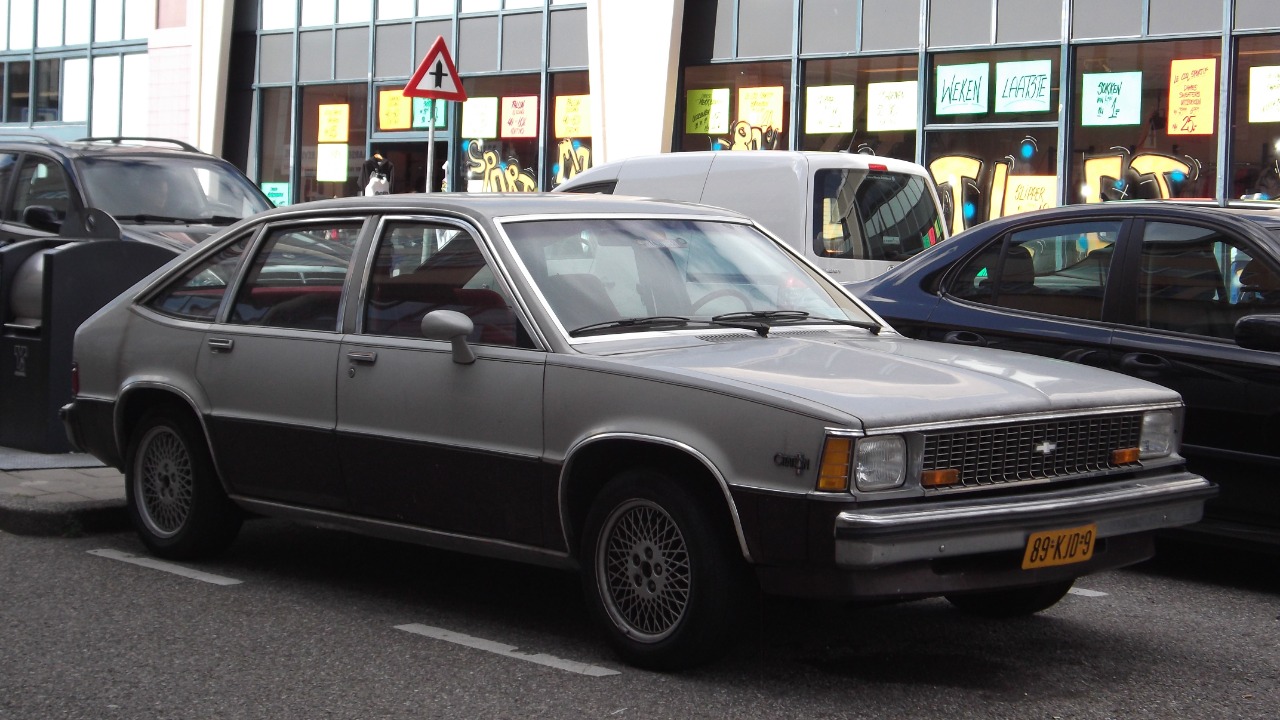
The Chevrolet Citation, introduced in 1980, aimed to offer a compact alternative during a time of rising fuel prices. However, it quickly became infamous for its reliability issues. Critics pointed out its poor build quality and problematic braking system, which led to numerous recalls.
Despite its initial strong sales, customer dissatisfaction grew, and the Citation’s reputation plummeted. Chevrolet’s attempt to capture a new market segment backfired, leaving the Citation as a reminder of the importance of quality assurance in vehicle manufacturing.
Yugo GV
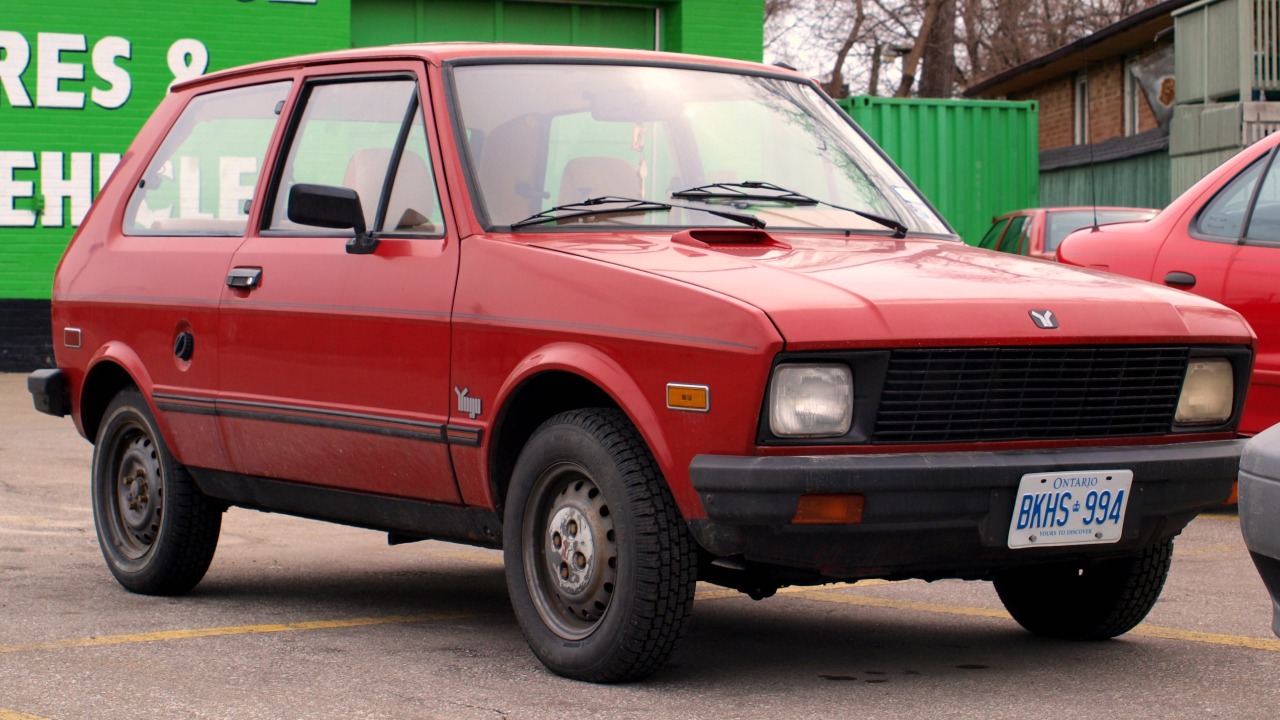
The Yugo GV, imported from Yugoslavia, was marketed as an affordable car for the budget-conscious consumer. However, its low price came with significant drawbacks, most notably its lack of durability and poor performance. The Yugo quickly became the butt of jokes and a symbol of poor quality.
Reliability issues and safety concerns plagued the Yugo, leading to its rapid decline in popularity. Its brief stint in the U.S. market serves as a lesson that even the most budget-friendly cars need to meet basic quality standards to succeed.
Chrysler Sebring
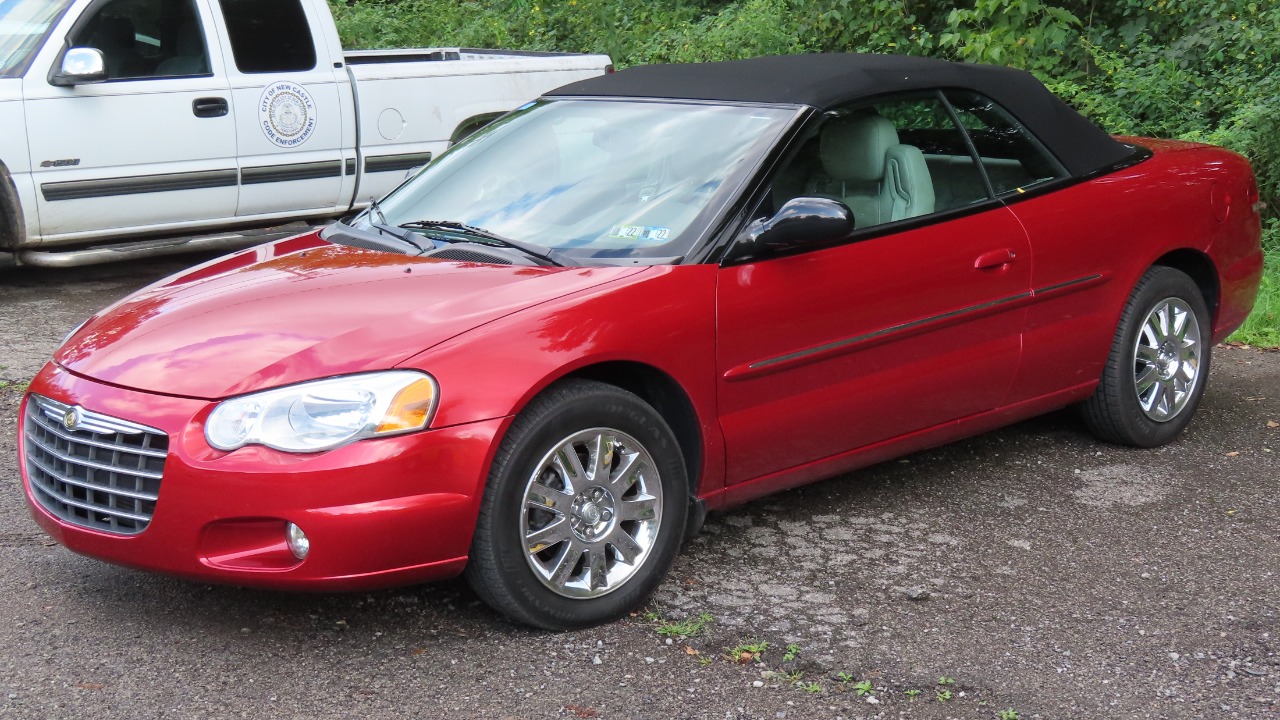
The Chrysler Sebring, particularly the models produced in the late 1990s and early 2000s, struggled to find its niche. While it was intended to be a stylish and affordable midsize sedan, it fell short in both design and performance. Consumer Reports frequently criticized its handling and interior quality.
Production quality issues, combined with a lack of distinctive features, meant the Sebring never truly captured the market’s attention. Ultimately, it was overshadowed by more reliable and stylish competitors, leading Chrysler to eventually phase it out.
Dodge Dart
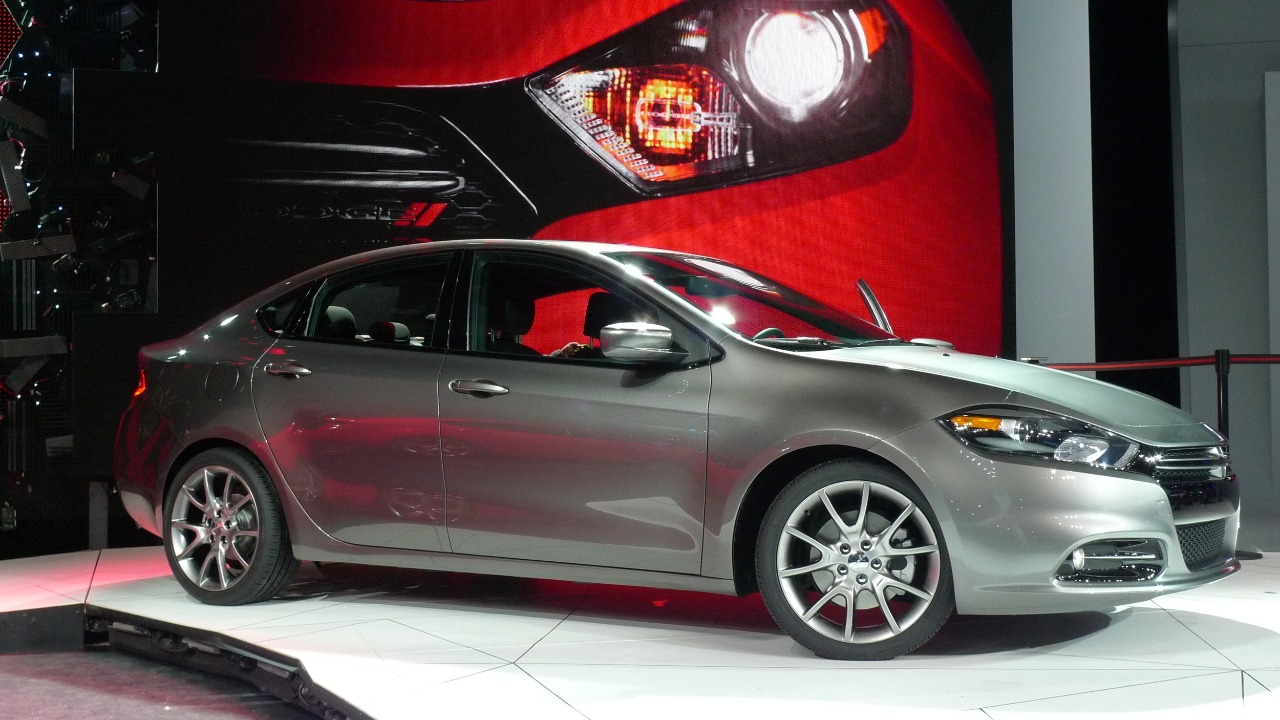
Revived in 2013, the Dodge Dart was positioned as a compact sedan aimed at younger buyers. However, it struggled with identity issues and failed to differentiate itself from the competition. Despite its modern design, the Dart’s performance and interior quality left much to be desired.
Sales figures never met expectations, and the Dart was discontinued after just a few years on the market. This model highlights the importance of aligning product features with consumer expectations to ensure lasting success in the competitive automotive market.
Lincoln Blackwood
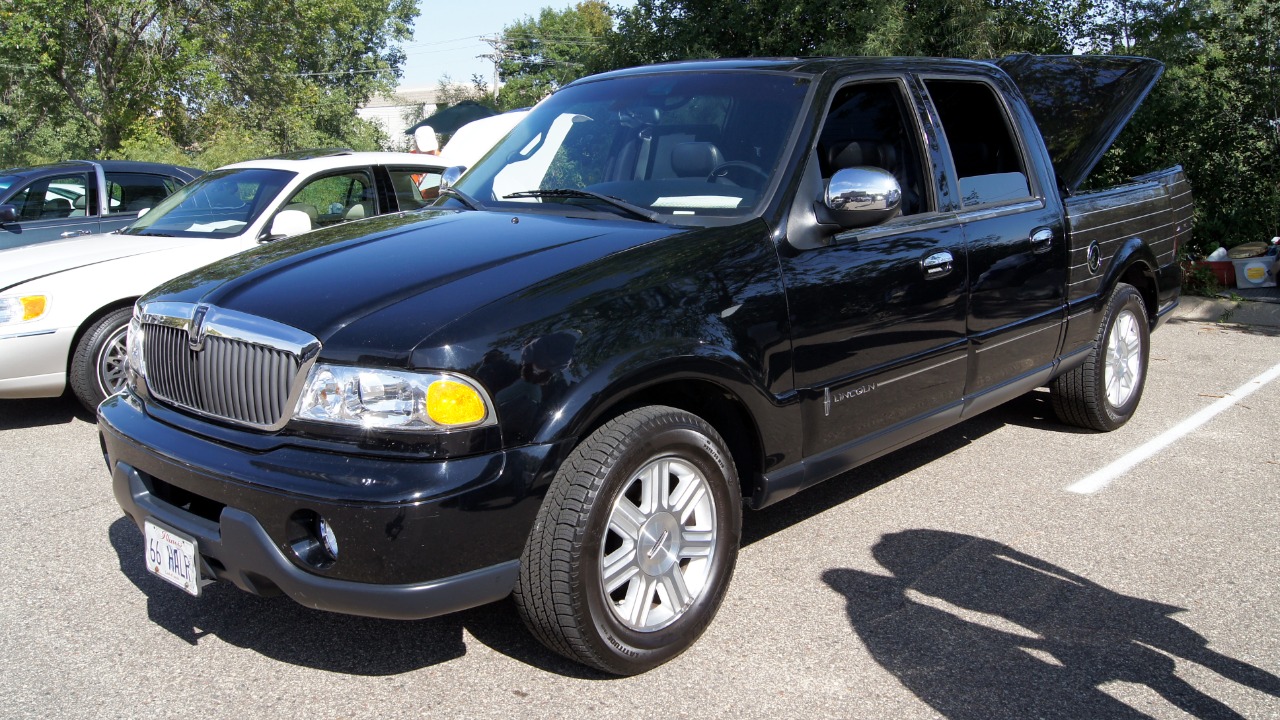
Lincoln’s attempt to enter the luxury truck market with the Blackwood proved to be an ill-fated venture. Released in 2002, the Blackwood was a peculiar mix of luxury car features and truck functionality, but it failed to appeal to either audience.
The Blackwood’s limited practicality and high price tag led to poor sales, with the model being discontinued after just one year. It serves as a reminder that even established brands like Lincoln can misjudge market demands.
Jaguar X-Type
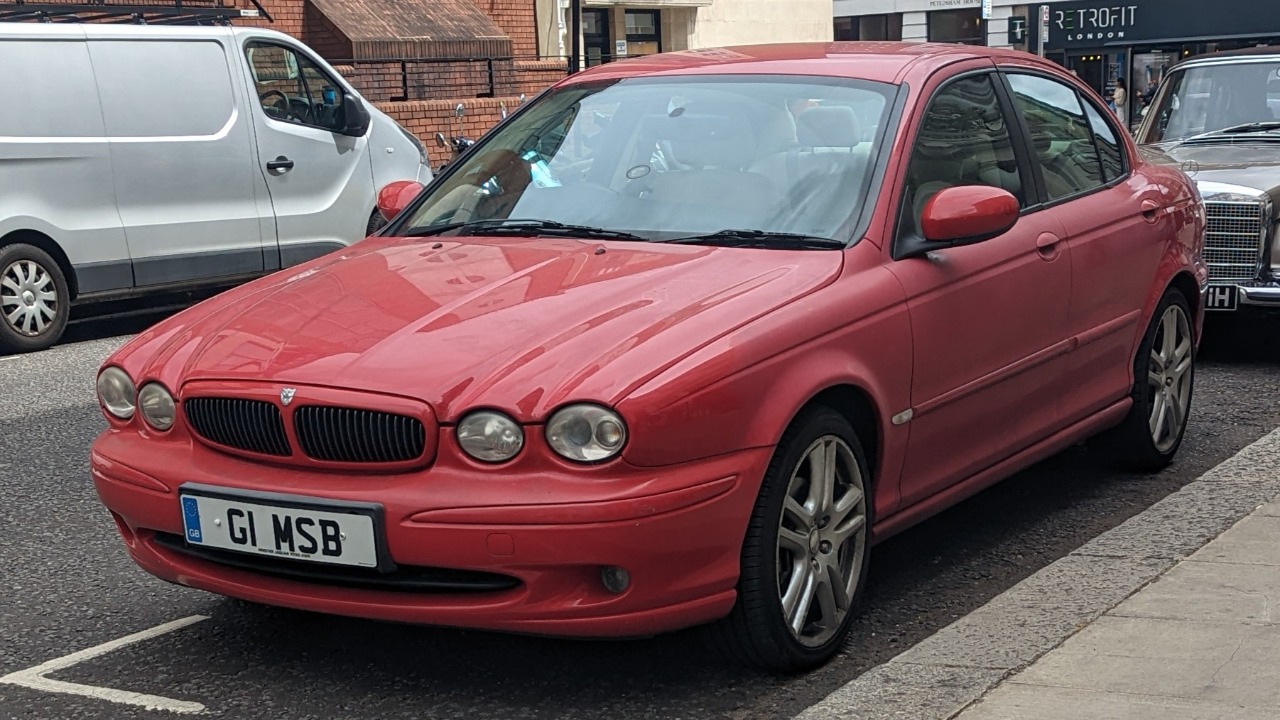
The Jaguar X-Type, launched in 2001, was intended to be a more accessible entry into the luxury car market. Unfortunately, it was criticized for its lack of traditional Jaguar qualities and its reliance on Ford’s platform, which compromised its luxury status.
While it aimed to broaden Jaguar’s appeal, the X-Type struggled with quality issues and failed to resonate with the brand’s core audience. It was eventually phased out, marking a rare misstep for the iconic British automaker.
Acura ZDX
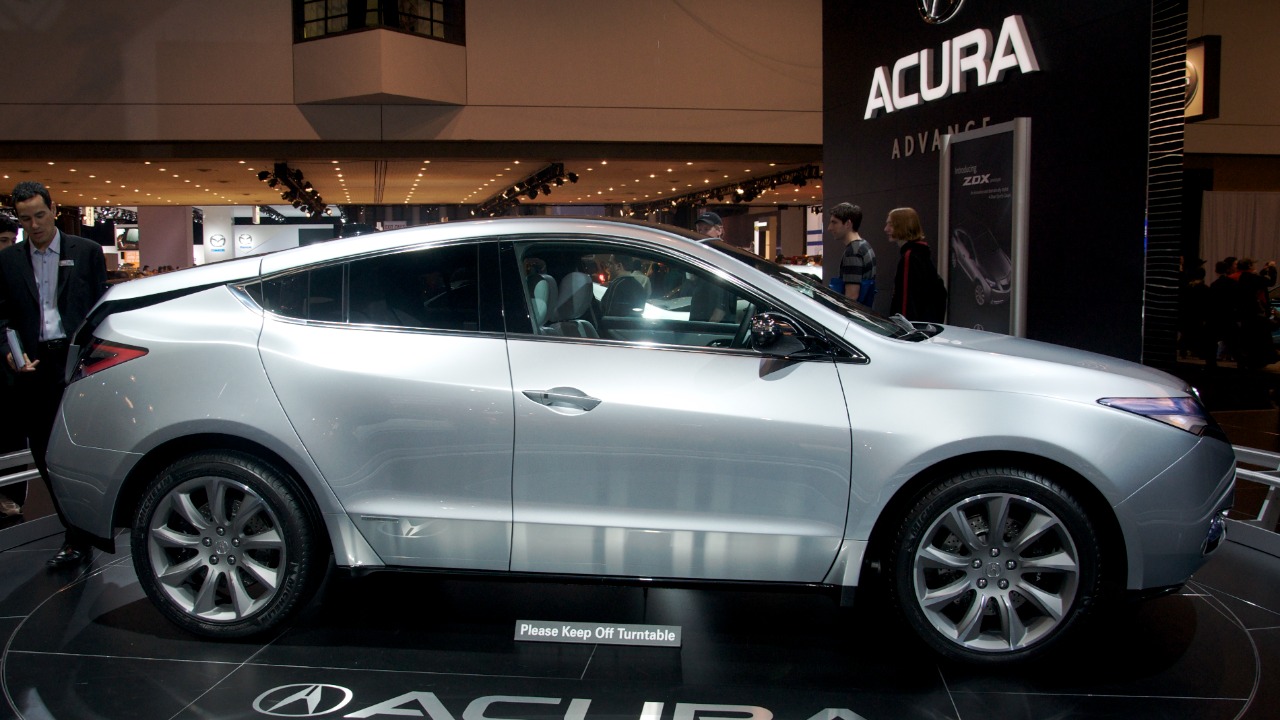
The Acura ZDX, introduced in 2009, was a bold attempt to create a crossover coupe that fused sporty design with SUV functionality. However, its unusual styling and limited practicality alienated potential buyers. The ZDX’s steep price tag didn’t help its cause, either.
Despite its innovative concept, the ZDX couldn’t find a substantial audience and was discontinued after just four years. This model reflects the challenges automakers face when trying to push design boundaries while maintaining mass-market appeal.
For more insights into car models that didn’t quite hit the mark, check out this article. Additionally, you can explore more about automotive regrets in this book or learn about cars to avoid in the future here.
