
Electric vehicles (EVs) are known for their efficiency and eco-friendliness, but you may notice a drop in range over time. Understanding the factors that contribute to reduced range can help optimize your EV’s performance. Here are eight reasons your EV range might be decreasing.
Battery Degradation
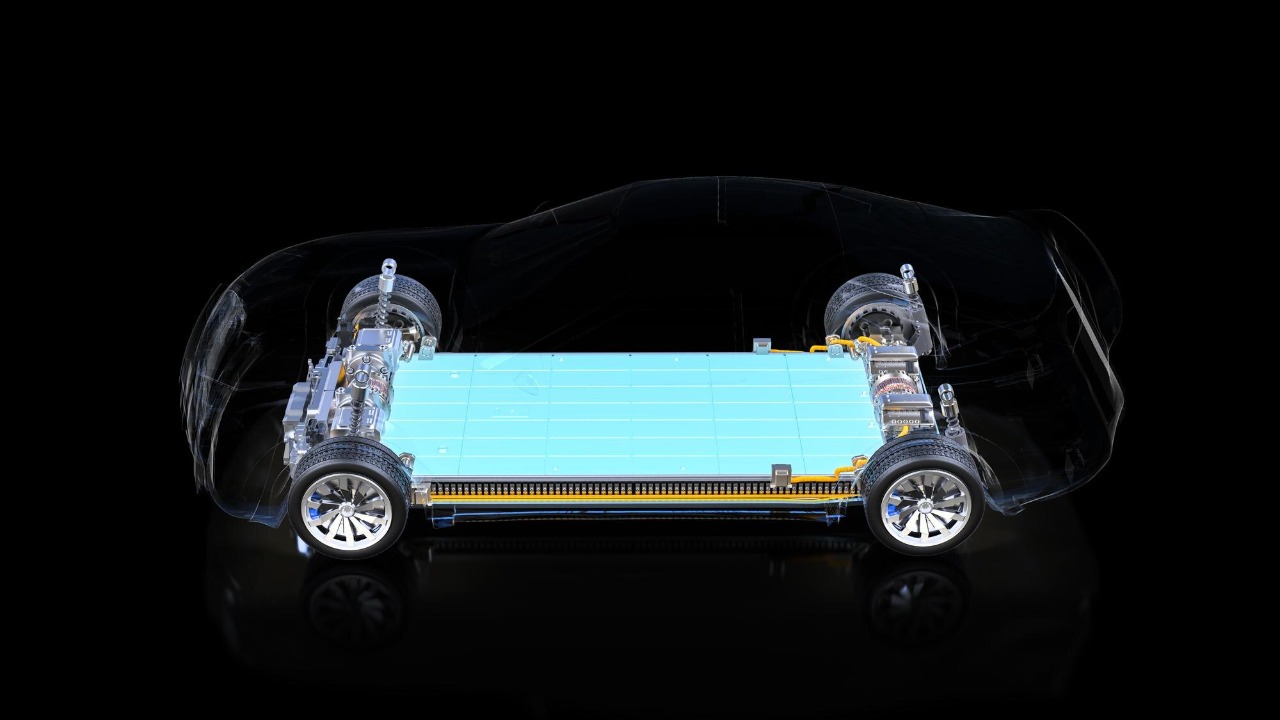
Battery degradation is an inevitable process that occurs as your EV ages. Over time, the chemical reactions within the battery become less efficient, reducing the amount of energy it can store. This natural wear and tear can lead to a noticeable drop in range. Regular maintenance and battery health checks can help you monitor and manage degradation, ensuring you get the most out of your vehicle.
To prolong battery life, avoid frequent fast charging and keep the battery charge level between 20% and 80% when possible. Understanding how battery degradation works can give you insights into maximizing your EV’s lifespan.
Temperature Extremes
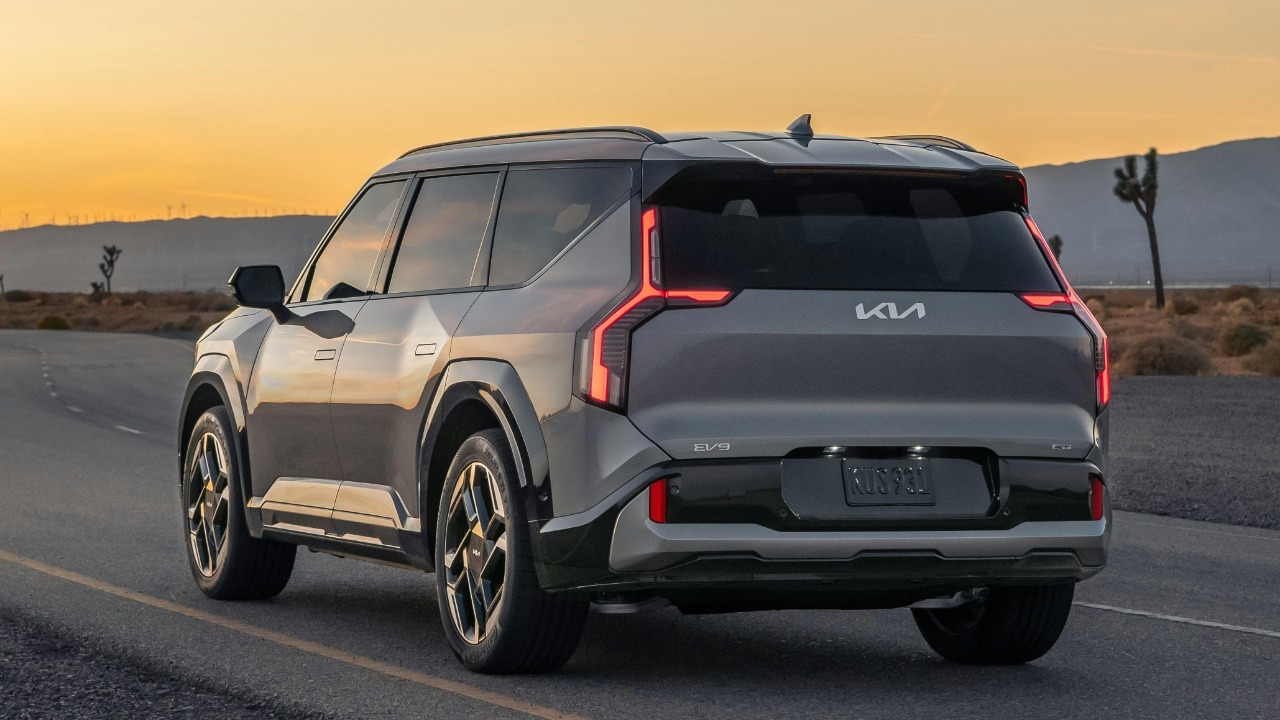
Extreme temperatures can significantly affect your EV’s range. In cold weather, the battery’s chemical reactions slow down, leading to reduced efficiency. Similarly, very high temperatures can also cause the battery to lose energy more quickly. This is why you might notice a drop in range during the peak of winter or summer.
Parking in a garage or shaded area and pre-conditioning your EV while it’s still plugged in can help mitigate these effects. Additionally, consider investing in a thermal management system to maintain the battery at an optimal temperature.
Excessive Use of Climate Control Systems
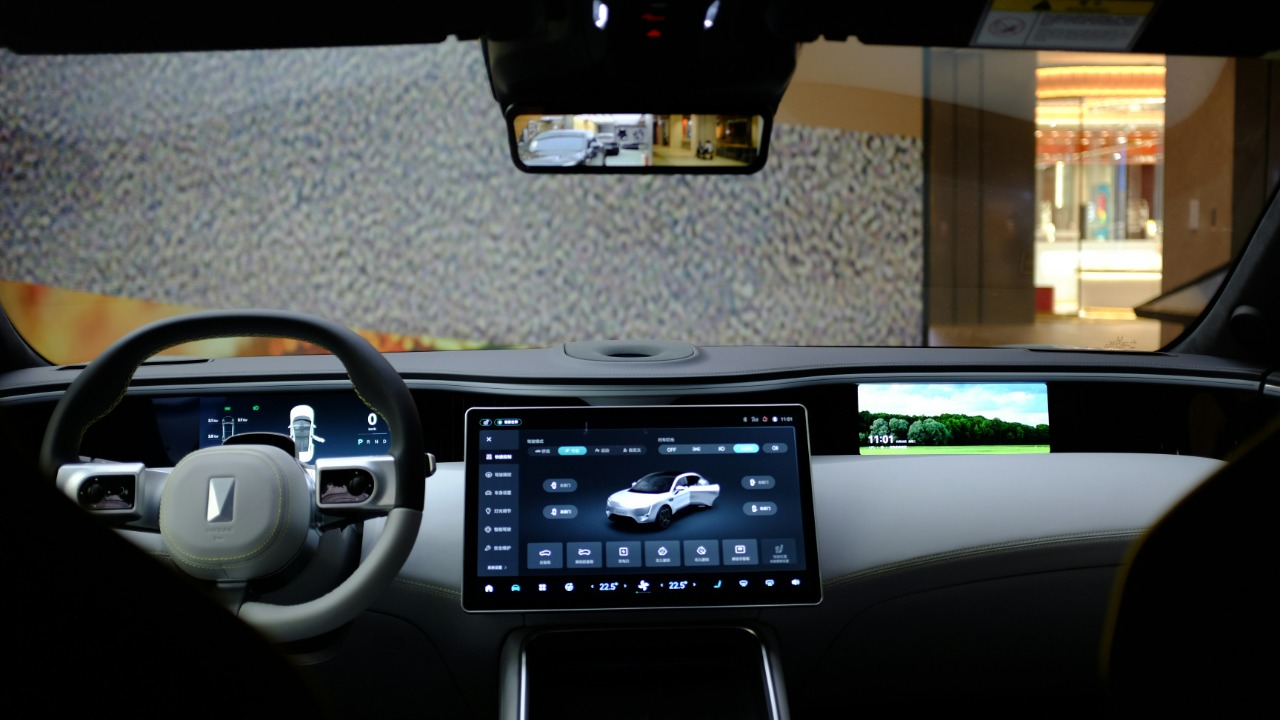
Running your EV’s climate control systems, such as heating or air conditioning, can also impact range. These systems draw power from the battery, reducing the energy available for driving. While it’s essential to maintain comfort, being mindful of usage can help preserve battery life.
Consider using seat warmers instead of cabin heating or relying on natural ventilation when possible. Pre-conditioning your vehicle while it’s still charging can also reduce the need for extensive climate control adjustments during your trip.
Increased Vehicle Load
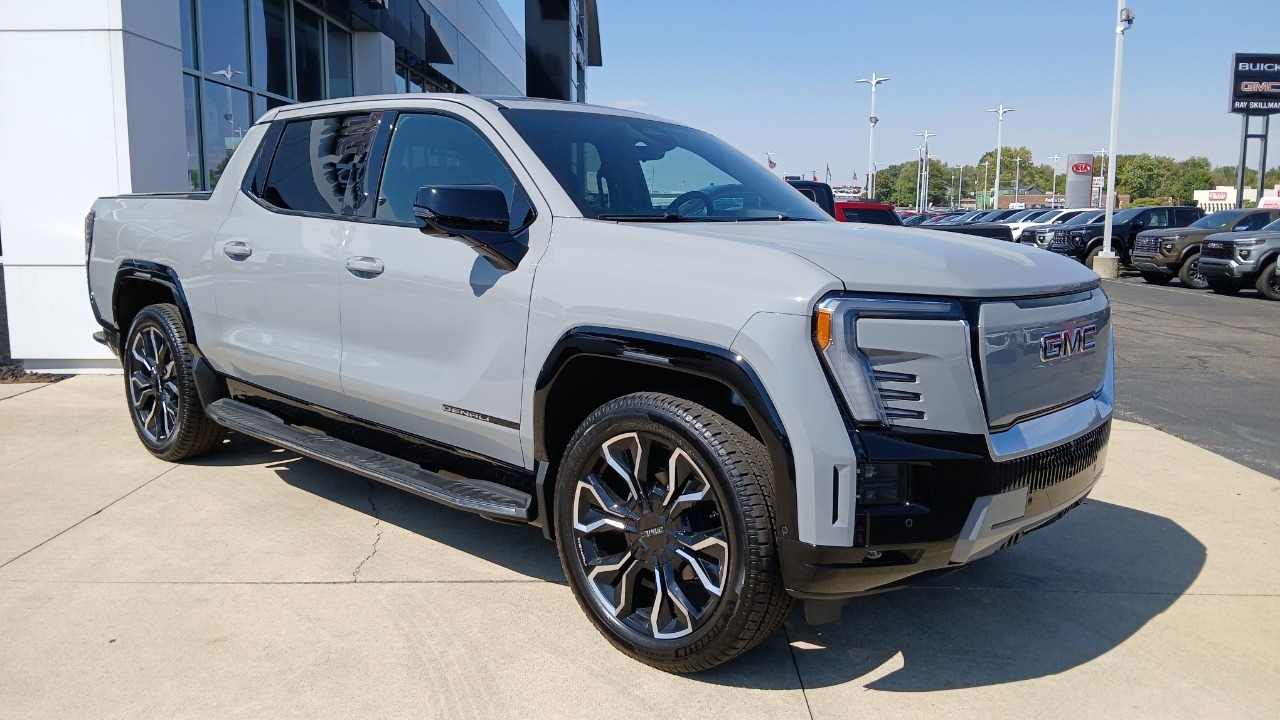
Carrying extra weight in your EV can lead to decreased range. Whether it’s additional passengers or heavy cargo, the increased load requires more energy to move, which can drain the battery faster.
To improve efficiency, remove unnecessary items from your vehicle and consider how often you travel with a full load. For long trips, plan strategically to minimize weight and maximize range. Insights from EV users suggest that conscious load management can make a significant difference.
Aggressive Driving Habits
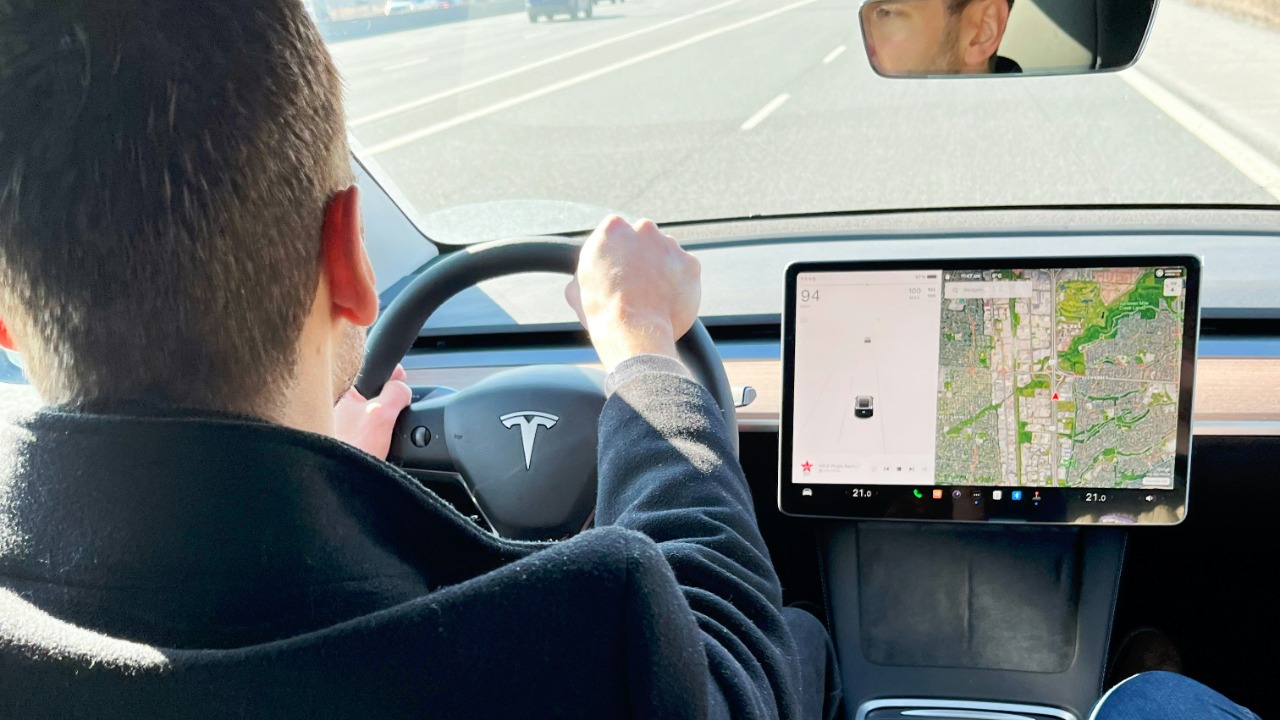
Driving habits play a crucial role in determining your EV’s efficiency. Rapid acceleration, high speeds, and frequent braking can all contribute to increased energy consumption. Maintaining a steady pace and utilizing eco-driving techniques can help extend your range.
Accelerate gently, anticipate stops to reduce braking, and make use of cruise control on highways to conserve energy. Adopting a smoother driving style can not only boost range but also enhance the overall driving experience.
Tire Pressure Issues
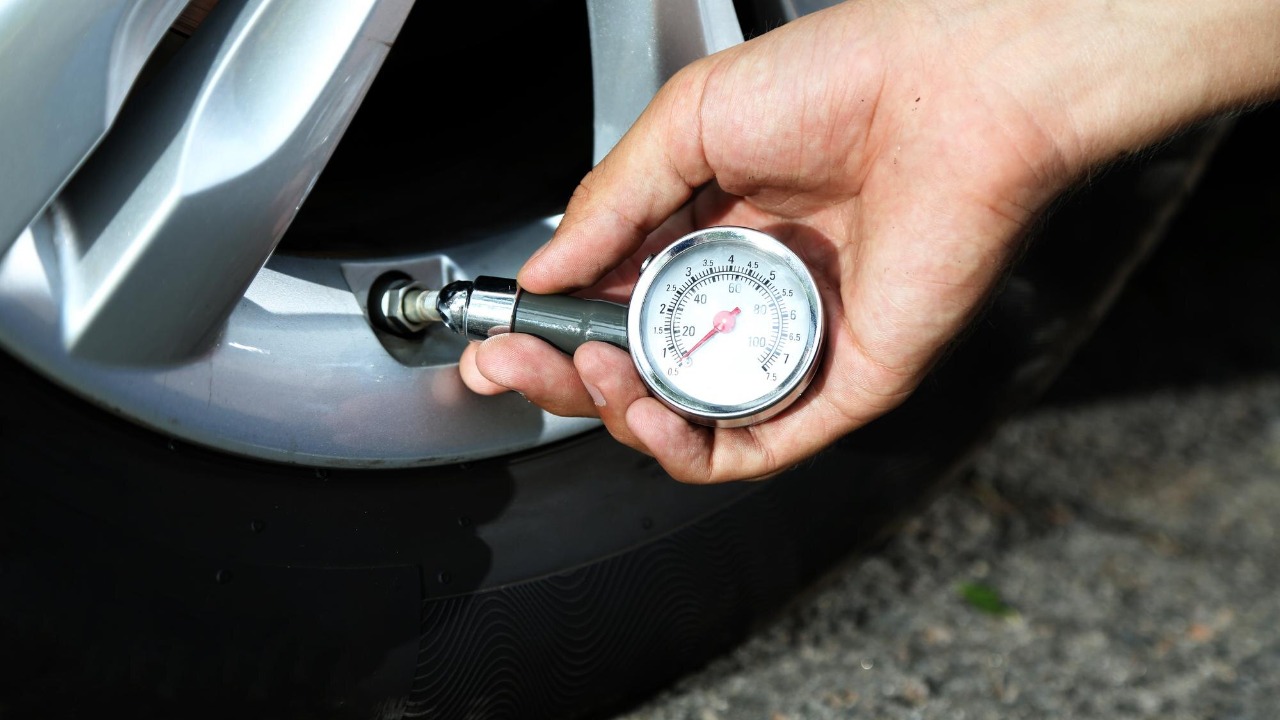
Properly inflated tires are essential for maximizing your EV’s range. Under-inflated tires create more rolling resistance, requiring more energy to maintain speed and thus reducing range. Regularly checking and maintaining the correct tire pressure can help optimize energy consumption.
Consider investing in a tire pressure monitoring system or simply check your tires monthly. Keeping an eye on tire wear and alignment can also contribute to a more efficient ride. Learn more about other factors that drain EV batteries.
Software Updates and Settings
Software updates are designed to improve your EV’s performance, but sometimes they can inadvertently affect range. New features or changes in energy management settings can lead to increased energy consumption.
Staying informed about the implications of software updates and adjusting settings to suit your driving needs is crucial. Engage with your EV’s community or consult the manufacturer for tips on optimizing settings for better range.
Regenerative Braking Inefficiencies
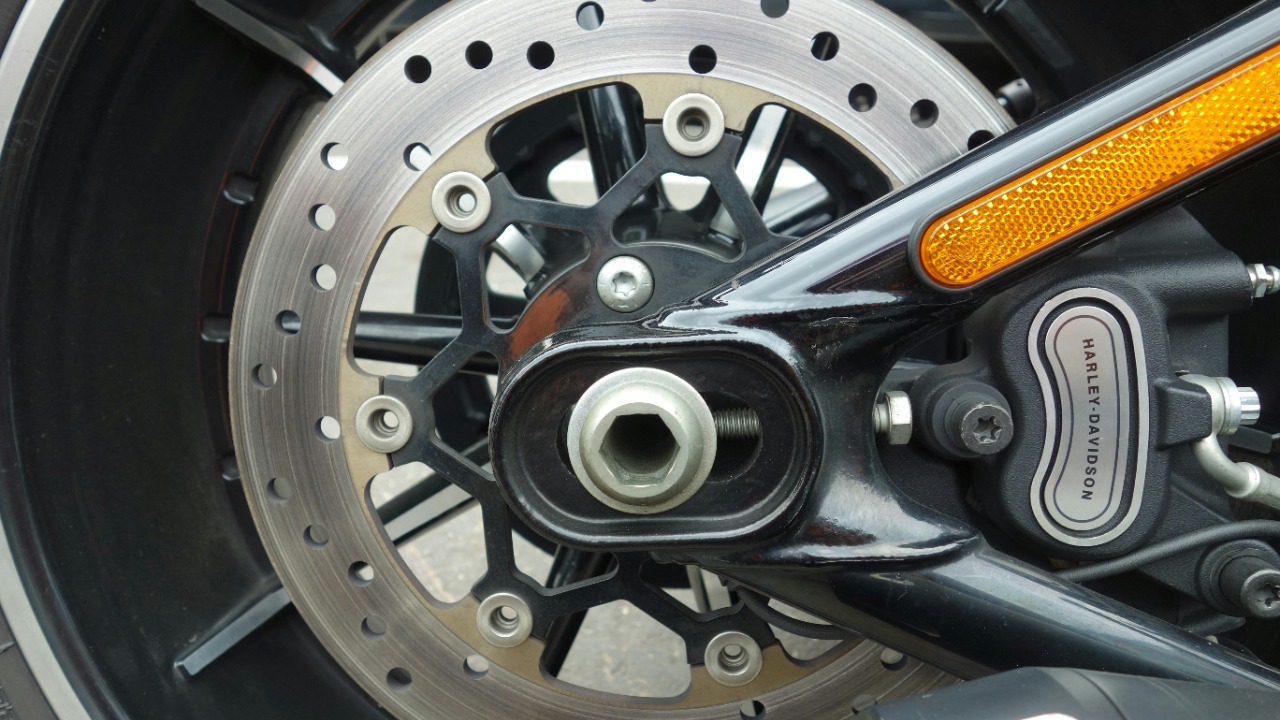
Regenerative braking is a key feature in EVs that helps extend range by converting kinetic energy back into stored energy during braking. However, if not used effectively, it can lead to energy loss rather than gain.
To maximize the benefits of regenerative braking, familiarize yourself with its settings and adjust them to match your driving style. Research on EV efficiency highlights the importance of using regenerative braking strategically to conserve energy.
