
Self-driving cars promise a future of convenience and safety, but the reality might not be as rosy. As these vehicles become more prevalent, several concerns arise that might make you think twice before hopping into an autonomous ride.
1. Lack of Control
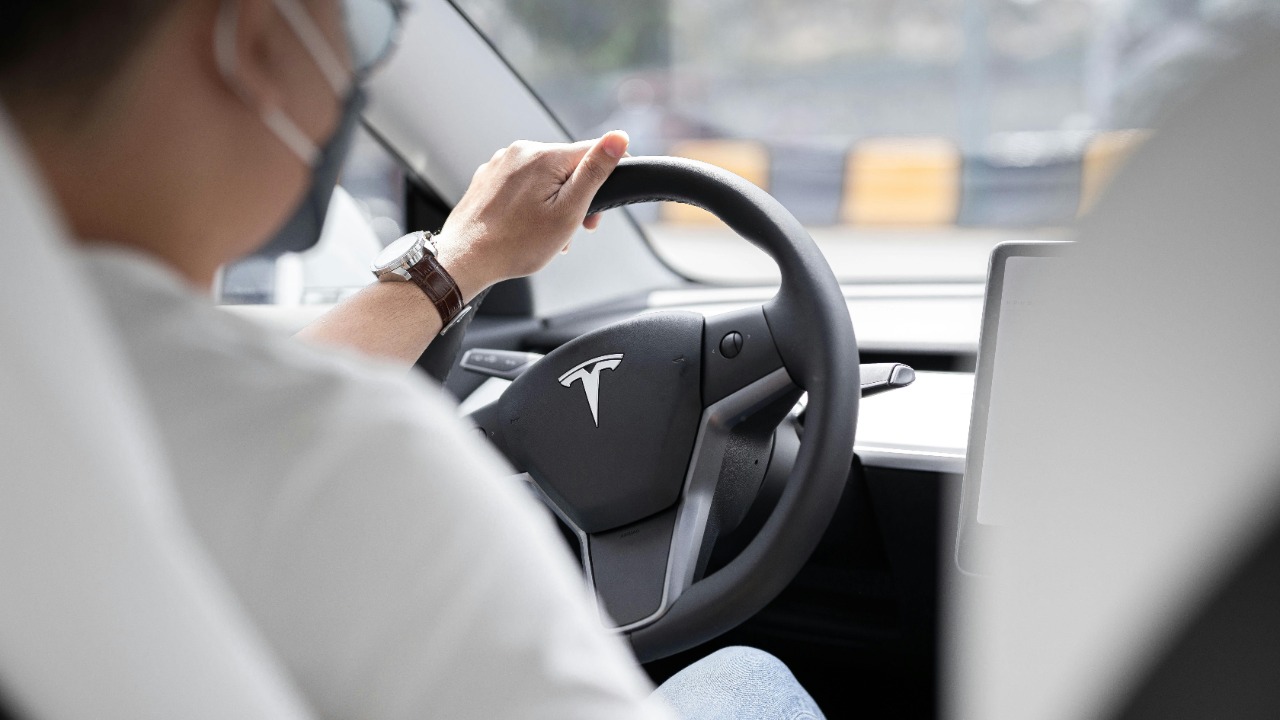
One of the primary issues with self-driving cars is the loss of control. Many drivers enjoy the sense of freedom and control that comes with driving a vehicle. However, with a self-driving car, you’re merely a passenger, reliant on the vehicle’s system to get you from point A to point B. This can be disconcerting, especially for those who find reassurance in being at the wheel. The idea that one must trust a machine entirely might be too much for some to handle.
2. Reliability Concerns
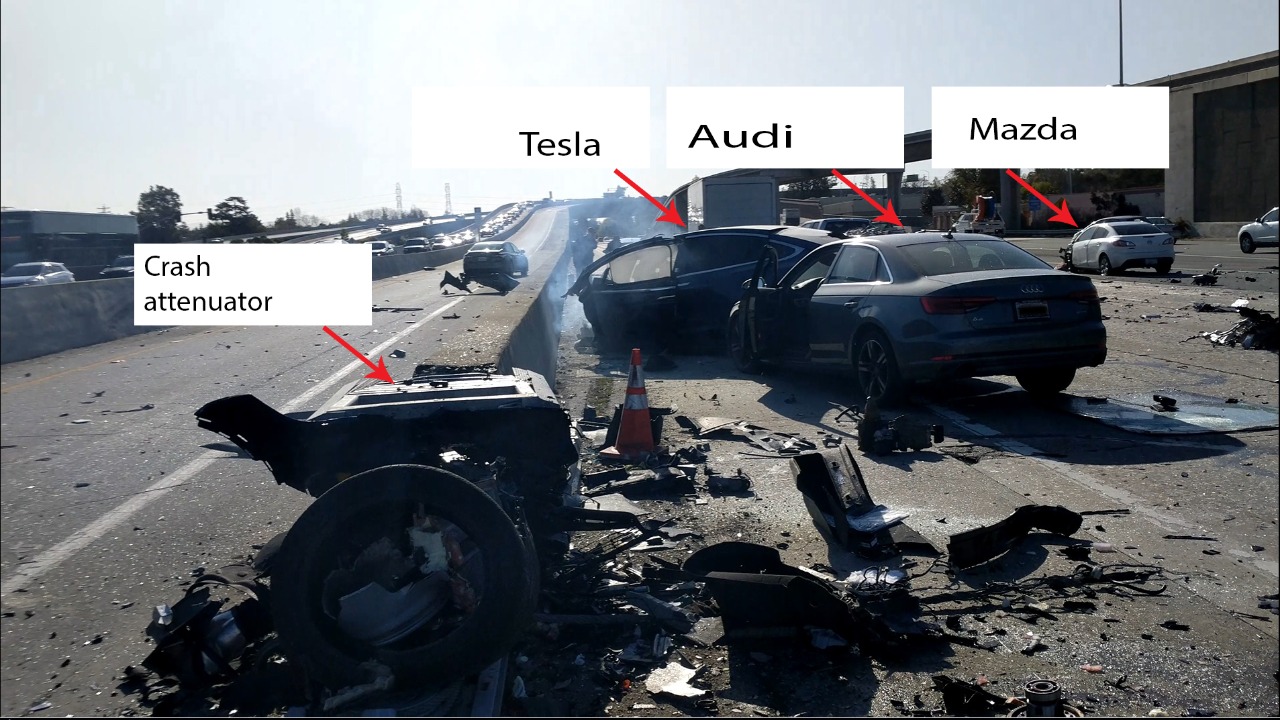
Reliability is a significant concern when it comes to self-driving cars. There have been reports of fatal crashes involving autonomous vehicles, raising questions about their safety. While technology continues to improve, the fear of system failures or software glitches remains, making people wary of putting their lives in the hands of a machine that might not always perform as expected.
3. Privacy Issues
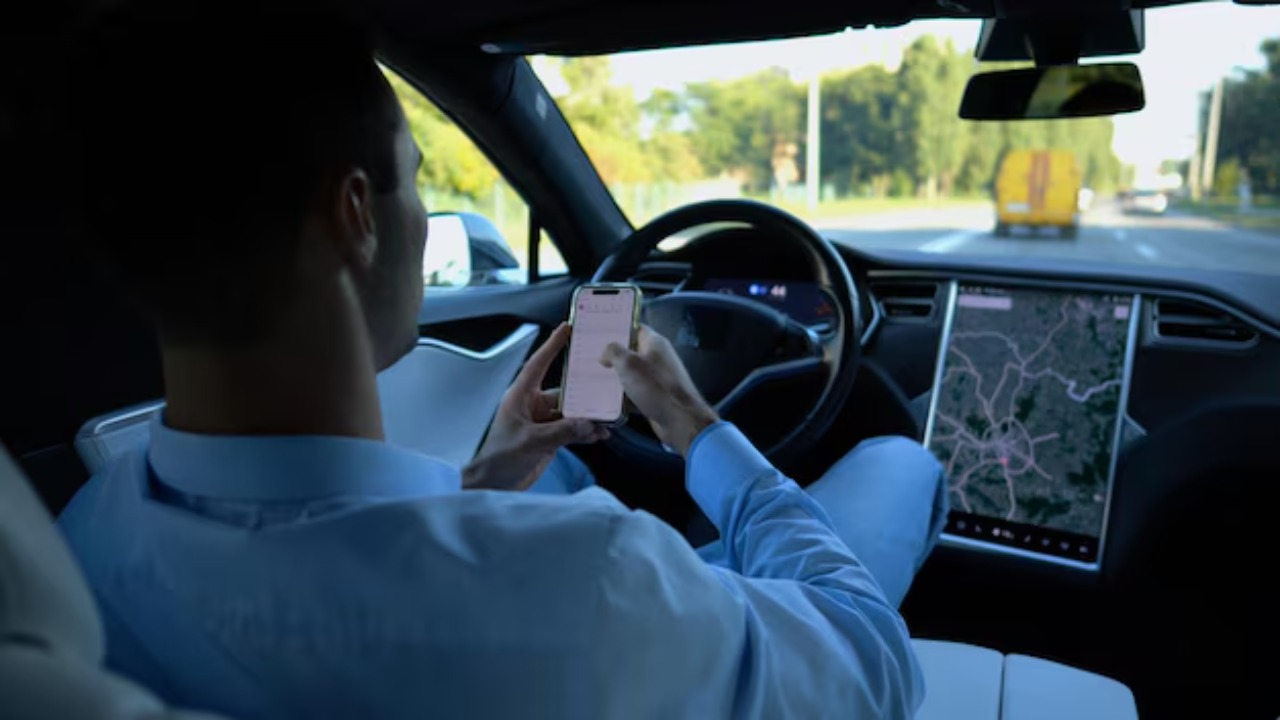
Privacy is another significant concern with self-driving cars. These vehicles collect vast amounts of data to navigate and operate efficiently. This data includes not just location and route information but potentially personal details as well. The question arises: who has access to this data? The potential for misuse or unauthorized access to personal information might make you think twice before choosing a self-driving car.
4. High Costs

Self-driving cars are expensive. The technology required to make a vehicle autonomous is complex and costly, driving up the price for consumers. While prices may decrease over time, the initial investment is significant, putting these vehicles out of reach for many. For those who do not see the value in the additional cost, traditional cars remain a more viable option.
5. Ethical Dilemmas
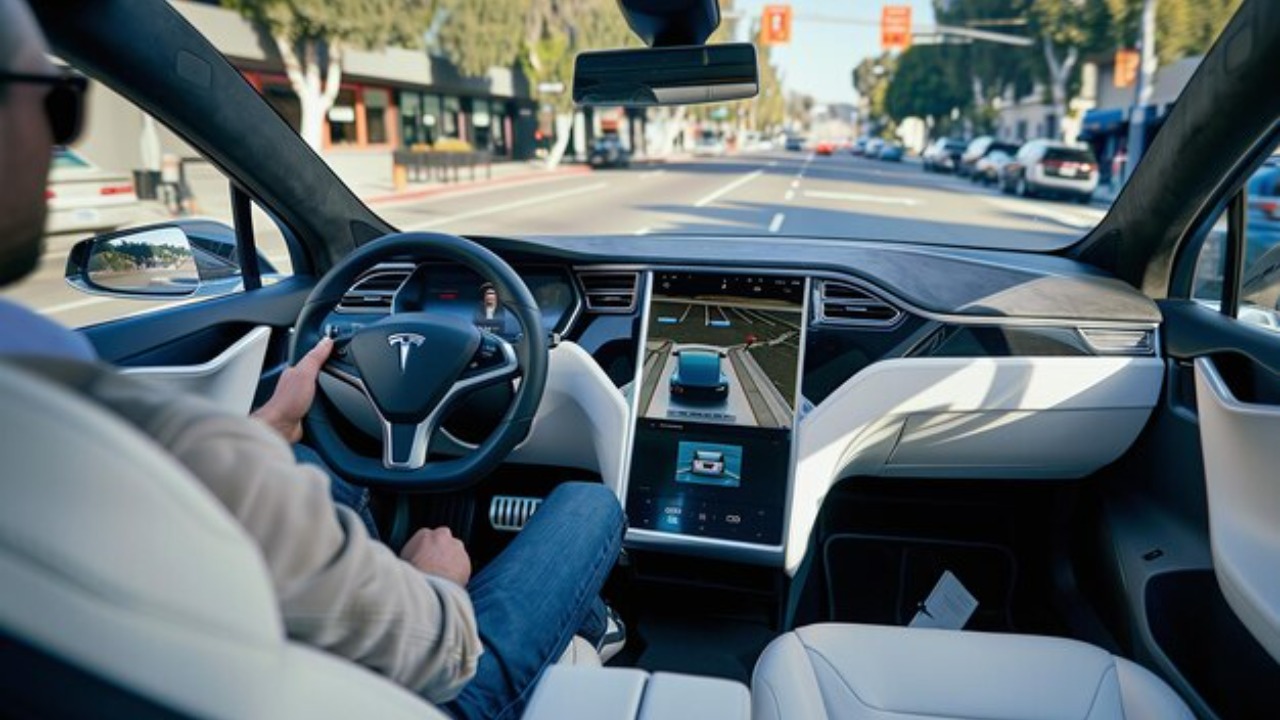
Self-driving cars bring forth a host of ethical dilemmas. For instance, how should a vehicle be programmed to react in unavoidable accident scenarios? Decisions that would typically be made by human instinct are now dictated by algorithms, raising moral questions about programming priorities. There’s a discomforting thought about machines making life-and-death decisions, further complicating the acceptance of self-driving cars.
6. Limited Adaptability
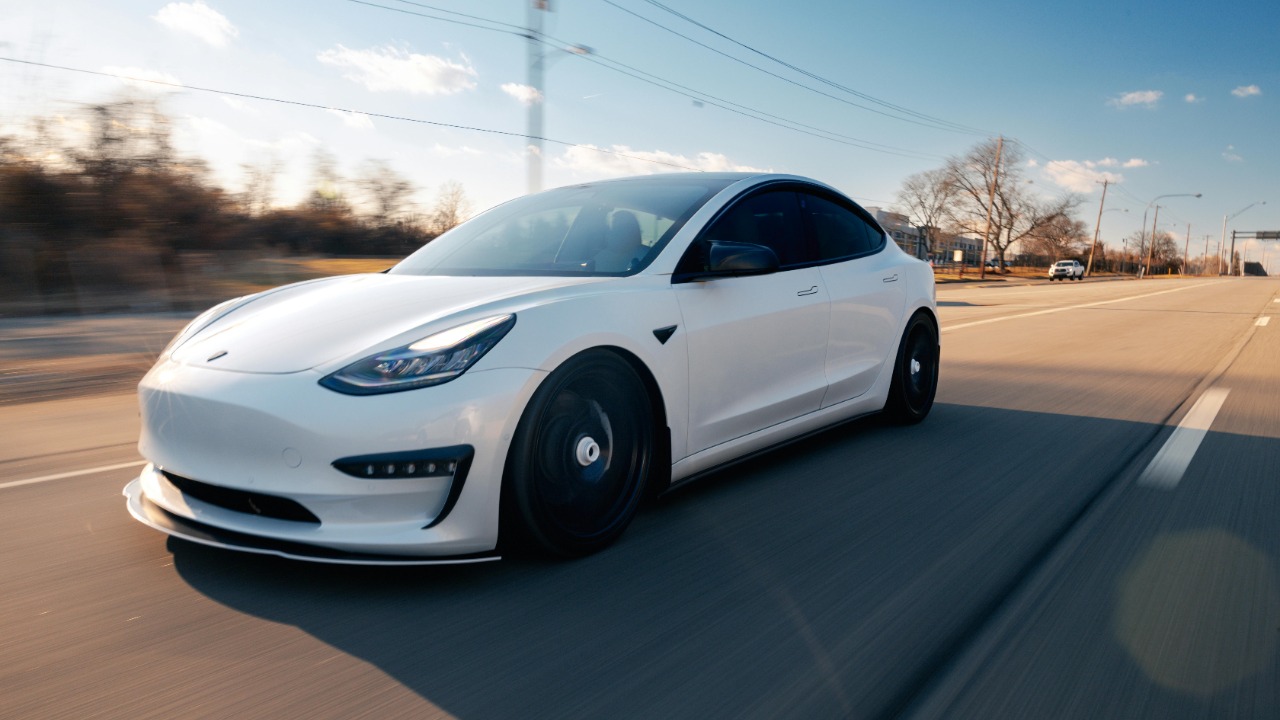
While self-driving cars are designed to handle a variety of road conditions, their adaptability is still limited. Unpredictable weather, complex urban environments, and unique driving situations can pose challenges that these vehicles might not handle as adeptly as a human driver. This limitation can lead to concerns about their ability to function in all scenarios, making traditional driving feel like a safer bet.
7. Dependency on Technology
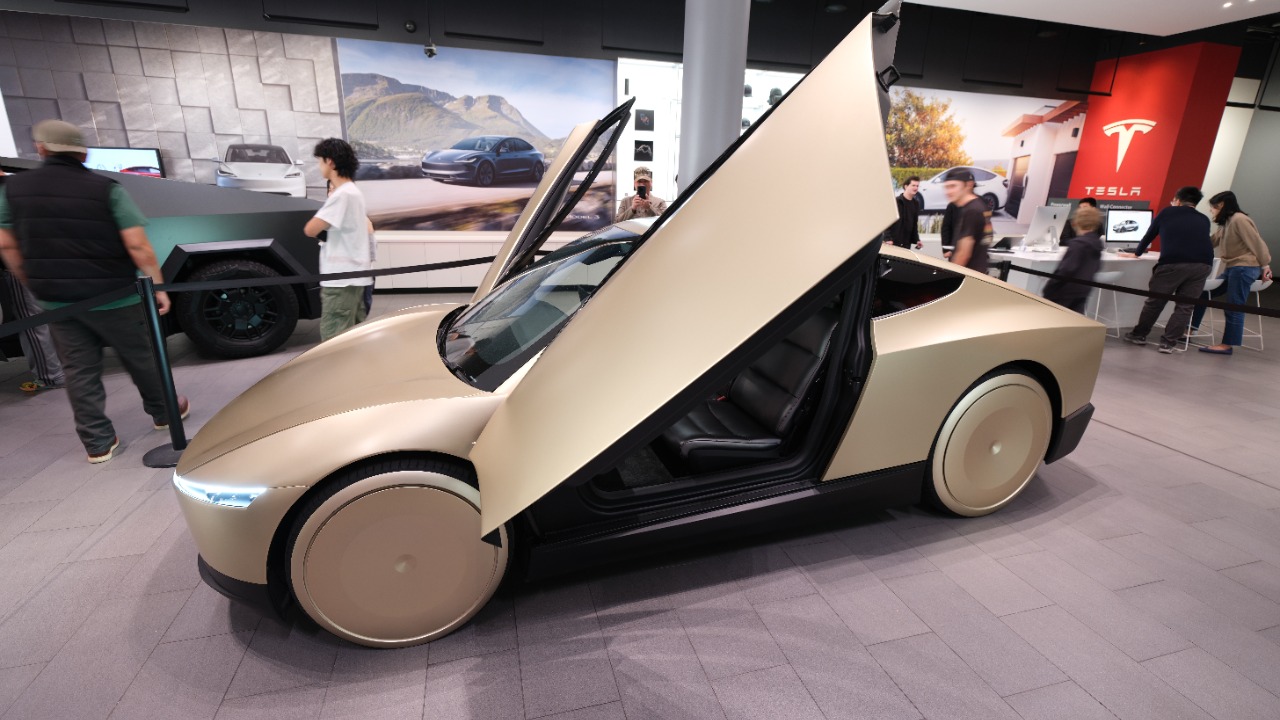
Becoming overly reliant on technology is a real fear with self-driving cars. As we integrate these vehicles into our lives, we risk losing essential driving skills and becoming dependent on technology that isn’t infallible. This dependency can make us vulnerable to malfunctions and breakdowns, underscoring the importance of maintaining some level of human oversight in transportation.
8. Impact on Employment
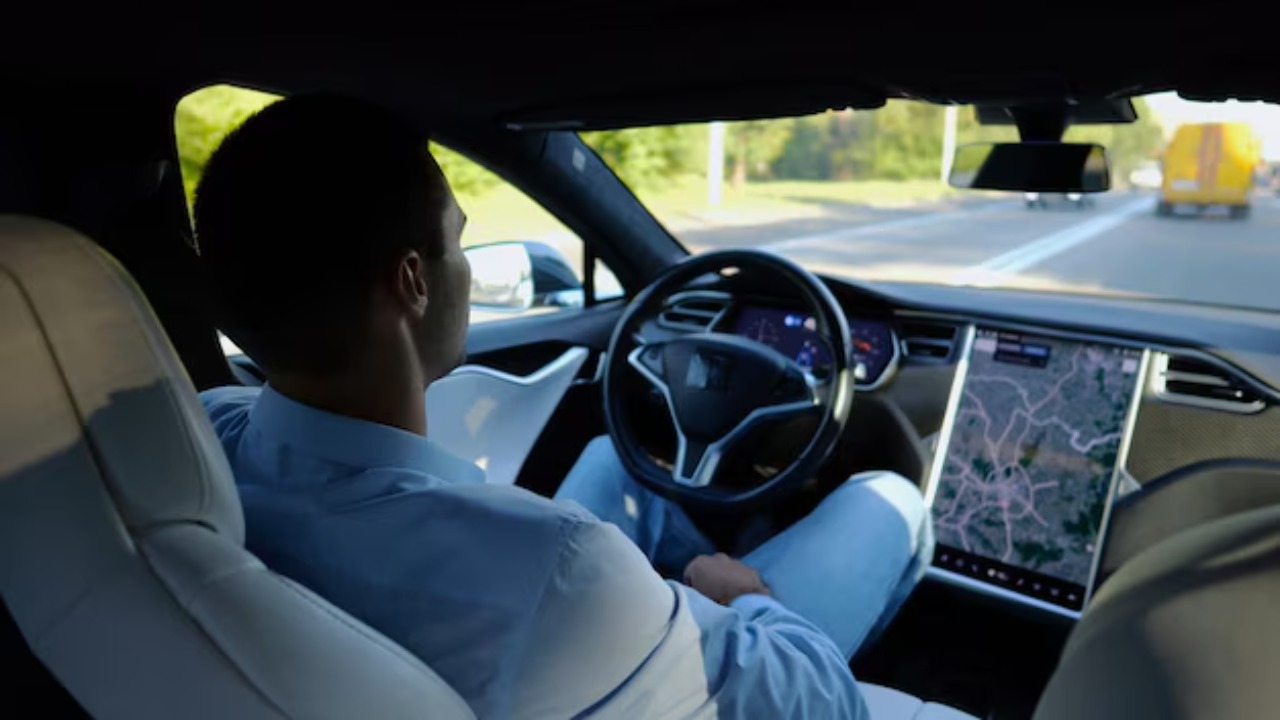
The rise of self-driving vehicles poses a threat to employment, particularly in industries reliant on drivers, such as trucking and ride-sharing. The potential impact on jobs can lead to economic and social challenges as displaced workers struggle to find new employment opportunities. This shift could cause significant disruption, making the transition to autonomous vehicles a contentious issue.
