
Pickup buyers face a market where sticker prices climb faster than capability, and not every badge earns its keep. The trucks worth the money share a short list of traits: durable powertrains, honest running costs, wide parts support and resale value that holds long after the warranty lapses. Here are eight pickups that reward the buyer rather than the balance sheet.
1. Toyota Tacoma: The Resale Value Benchmark
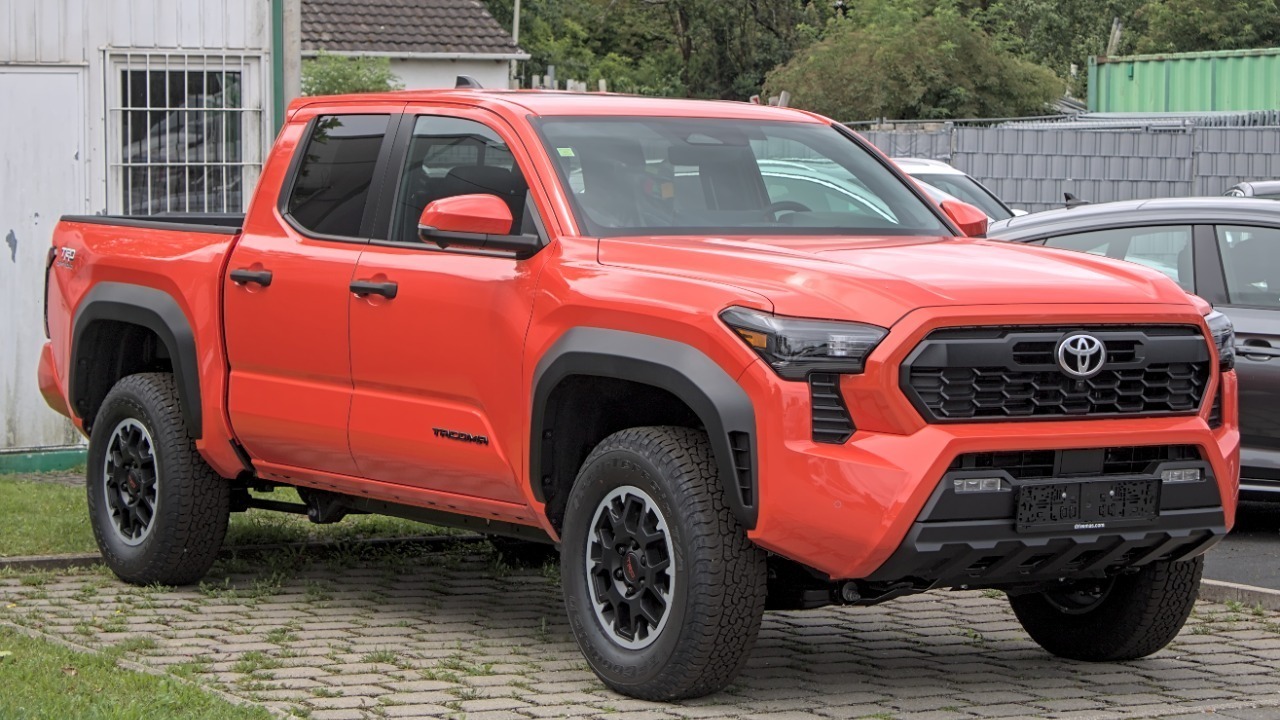
The Tacoma has spent decades as the default answer in the midsize segment, and the reason is arithmetic rather than affection: few pickups hold their value as stubbornly. Toyota’s fourth-generation truck, detailed in the model’s generation history, switched to a turbocharged four-cylinder with an available hybrid option while keeping the body-on-frame construction that off-road buyers demand.
That conservatism is the buying case. Parts are everywhere, independent mechanics know the platform, and a strong trade-in figure quietly offsets a higher purchase price over a decade of ownership. Shoppers chasing the lowest monthly payment tend to overlook that math.
2. Ford Maverick: The Affordable Hybrid Hauler
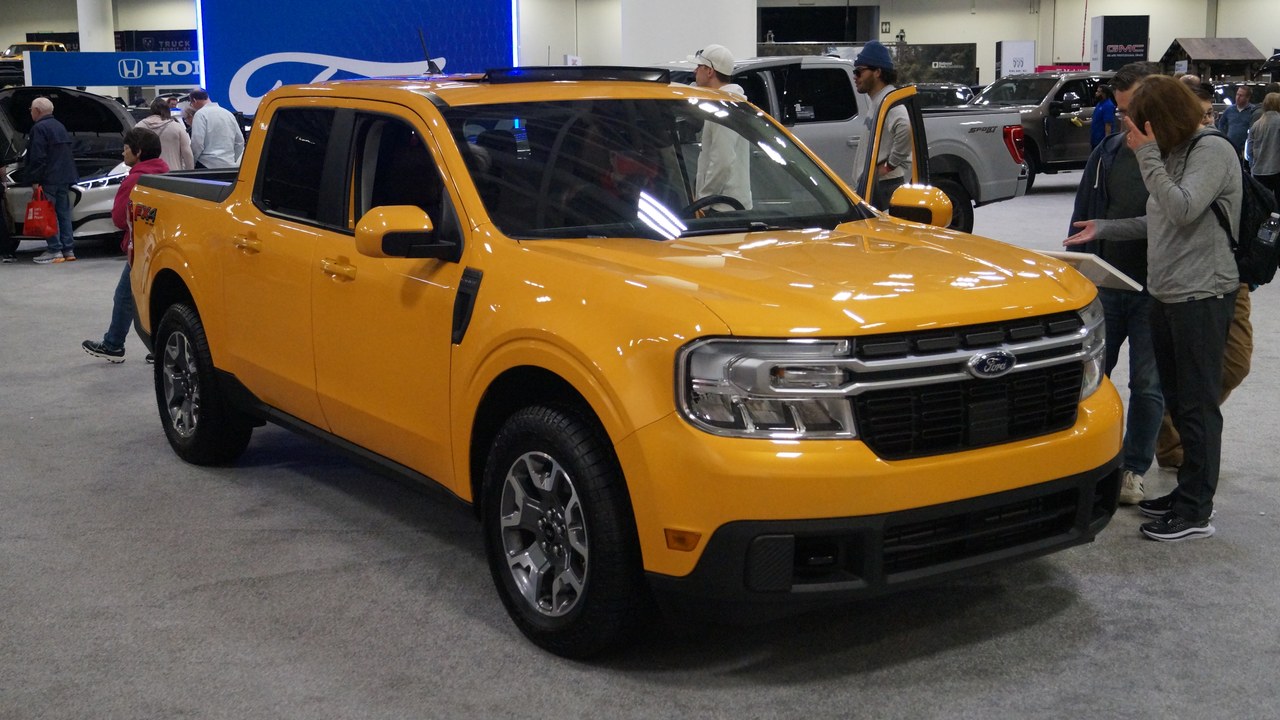
Ford built the Maverick around a unibody crossover platform, and the result undercut every other new pickup on price when it arrived. A hybrid powertrain came standard on the launch truck, delivering city fuel economy in the low forties, and the compact pickup’s specifications list a 1,500-pound payload with a 4,000-pound tow rating on the optional towing package.
The compromises are real: the bed is short, the unibody structure rules out serious trailering, and dealer markups have eaten into the value story. For a buyer hauling mulch and bicycles rather than a skid steer, it remains the cheapest honest truck on the lot.
3. Honda Ridgeline: The Comfortable Unibody Outlier
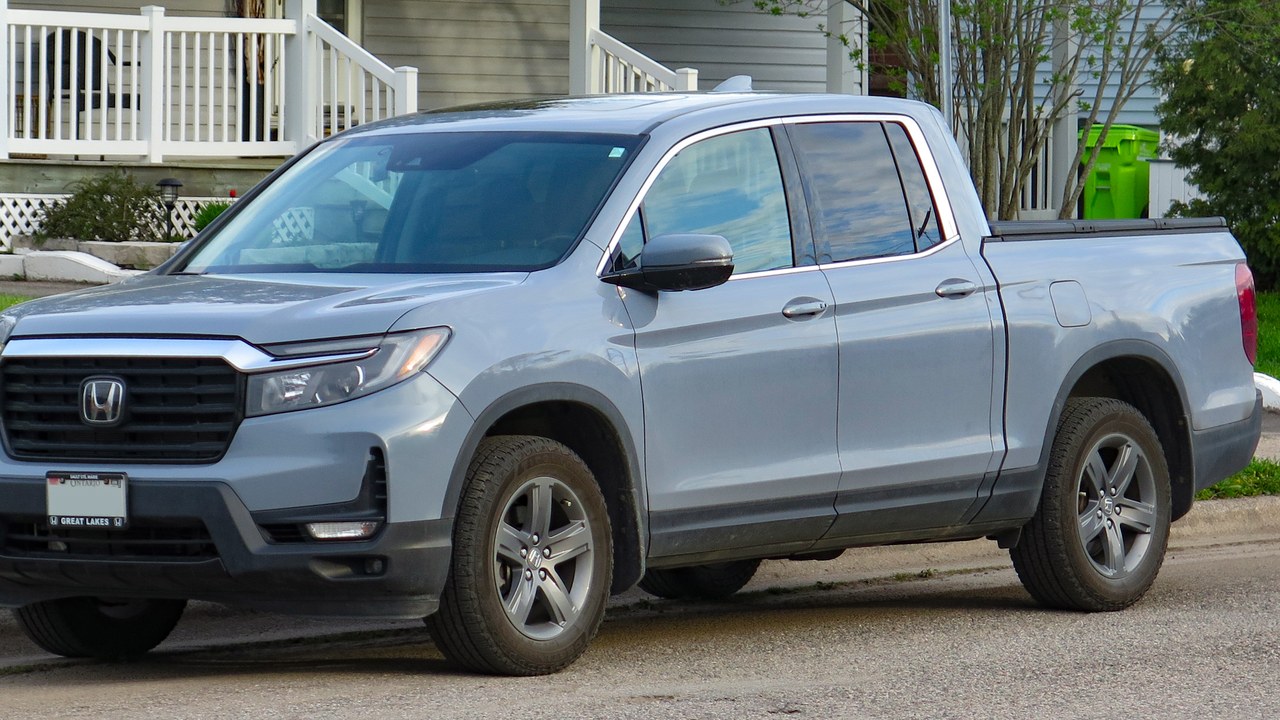
Honda’s pickup rejects the ladder frame entirely, using a unibody structure with independent rear suspension shared with the Pilot. That layout produces ride quality no body-on-frame rival matches, and the Ridgeline’s design features include a lockable in-bed trunk and a dual-action tailgate that swings sideways as well as folding down.
Towing tops out around 5,000 pounds, so heavy trailers are off the table. Buyers who use a bed for gear, tools and weekend loads rather than livestock trailers get a quieter cabin, better handling and a reliability record that has stayed near the top of the segment.
4. Toyota Tundra: Full-Size Durability Without Drama
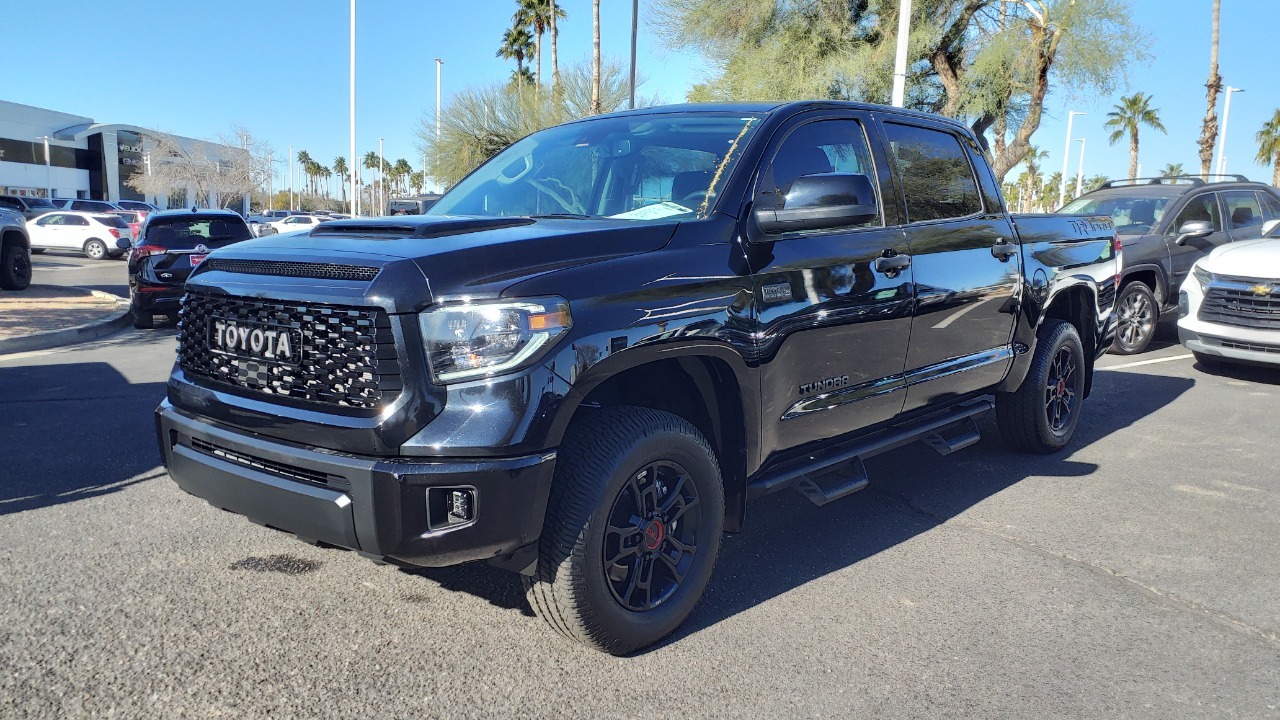
The Tundra abandoned its long-running V8 for a twin-turbocharged V6, offered with a hybrid version that pushes output well above 400 horsepower. Toyota also replaced the leaf-sprung rear axle with a coil-spring multi-link setup, and the full-size Toyota pickup gained a composite bed that resists dents and rust. Maximum towing sits near 12,000 pounds in the right configuration.
Sales volume never approached Detroit’s, which keeps incentives thin and aftermarket support narrower. What buyers get in exchange is the segment’s most consistent record for staying out of the shop, and residual values that reflect it.
5. Ford F-150: Capability In Every Configuration
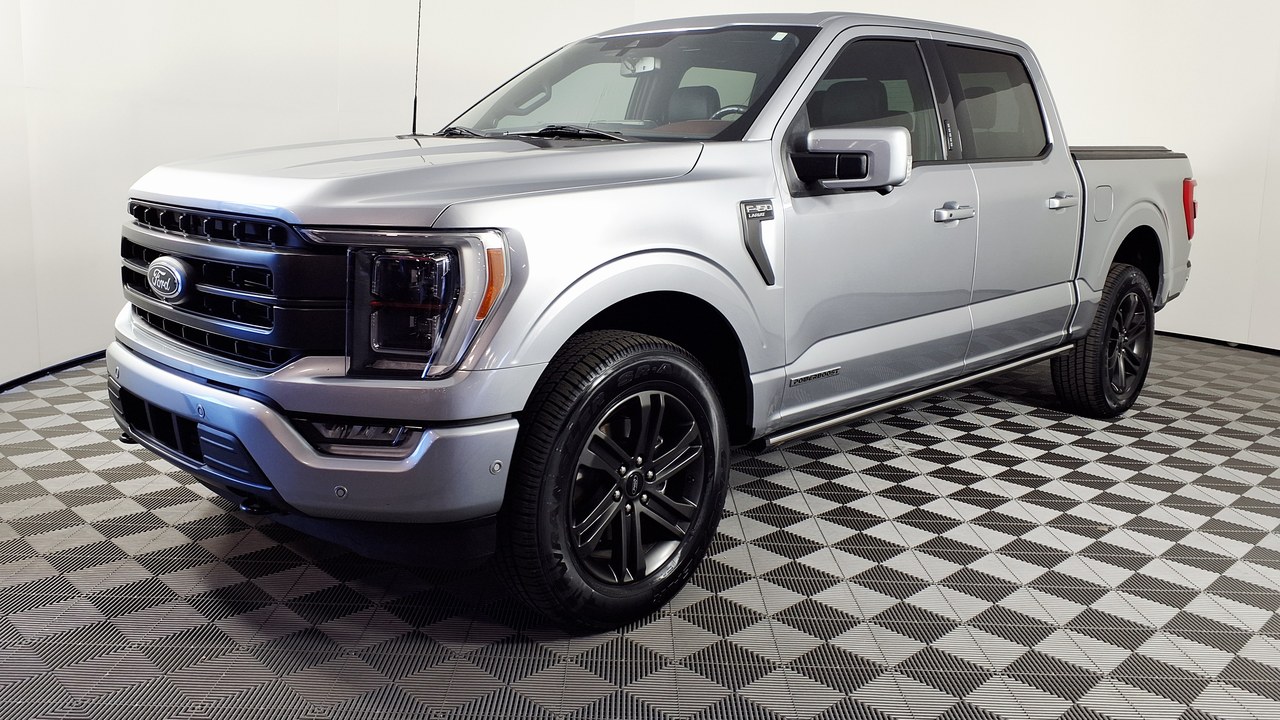
No pickup has been sold in greater numbers in the United States for four decades, and that scale is itself a buying argument. The F-Series half-ton switched to an aluminum-alloy body to shed weight, spans engines from a naturally aspirated V6 to a twin-turbo hybrid, and can supply household current through an onboard generator rated up to 7.2 kilowatts.
Ubiquity means cheap parts, universal mechanic familiarity and deep discounting when a model year turns over. The caution is configuration: the trim and engine spread is enormous, and a poorly specified truck can cost thousands more while towing less than a cheaper one.
6. Chevrolet Colorado: One Engine, Fewer Regrets

Chevrolet simplified its midsize truck to a single 2.7-liter turbocharged four-cylinder, tuned in three outputs topping out at 310 horsepower and 430 pound-feet of torque. That decision stripped the weakest engines off the order sheet, and the third-generation Colorado pairs the powertrain with a standard eight-speed automatic and a maximum tow rating of 7,700 pounds.
Torque arrives low enough to make the truck feel bigger than its footprint, and the off-road ZR2 variant is genuinely capable rather than a trim package. Resale trails the Tacoma, which is precisely why a lightly used example is often the better value.
7. Ram 1500: The Ride Quality Leader
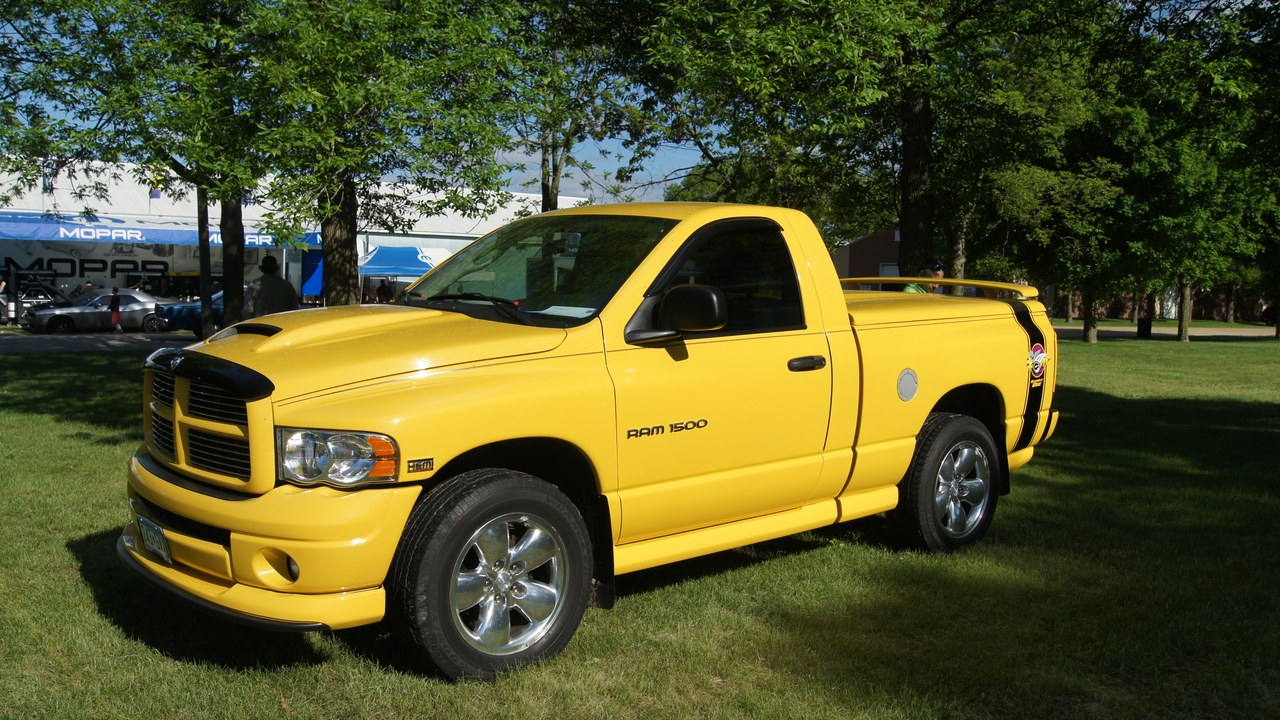
Ram replaced the traditional leaf-spring rear axle with coil springs, then offered a four-corner air suspension on higher trims, and the result reset expectations for how a half-ton rides. The Ram pickup lineup also introduced a 12-inch portrait touchscreen and cabin materials that pushed the segment upmarket well before rivals responded.
The trade-off is complexity. Air springs, adaptive dampers and the optional mild-hybrid system all add failure points as mileage climbs, so a long-term owner is better served by a simpler mid-level configuration than by the top trim’s full feature list. Plainer trucks age more gracefully.
8. GMC Sierra 1500: Silverado Hardware, Upgraded Cabin
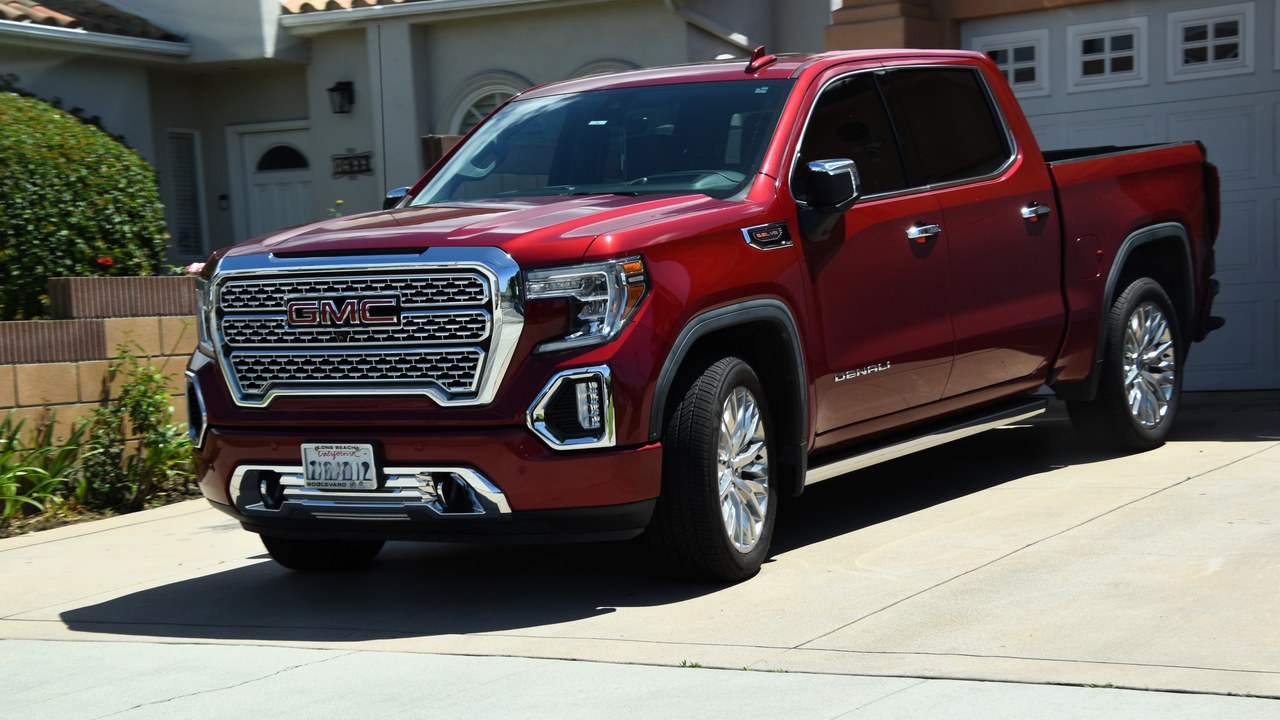
The Sierra shares its frame, engines and bed with the Chevrolet Silverado, then spends the price difference on interior materials and features. A six-function MultiPro tailgate that folds into steps and a load stop is offered across the range, and the GMC full-size pickup pairs small-block V8s with an available Duramax inline-six diesel.
Denali and AT4 trims climb into luxury-truck money, which undercuts the value case at the top of the range. Mid-level Sierras, however, deliver mechanical hardware identical to a Silverado with a better cabin for a modest premium, and the shared parts bin keeps repairs predictable.
More from Morning Overview
- Long-term use of common heartburn pills is tied to kidney and dementia risk
- A California supervolcano has bulged upward about two and a half feet since 1978
- The FTC is warning about a scam quietly draining thousands from victims
- The NSA is again telling phone owners to switch off one location setting
