
Particle accelerators push subatomic particles to extraordinary speeds, then smash them together or into fixed targets so scientists can study the building blocks of matter. Some collide protons or ions to recreate conditions from the early universe, while others generate intense beams of neutrons or X-rays to probe atomic structure. Here are eight accelerators that continue driving major discoveries in physics, chemistry, and medicine today.
1. Large Hadron Collider: The Ultimate Collision Machine
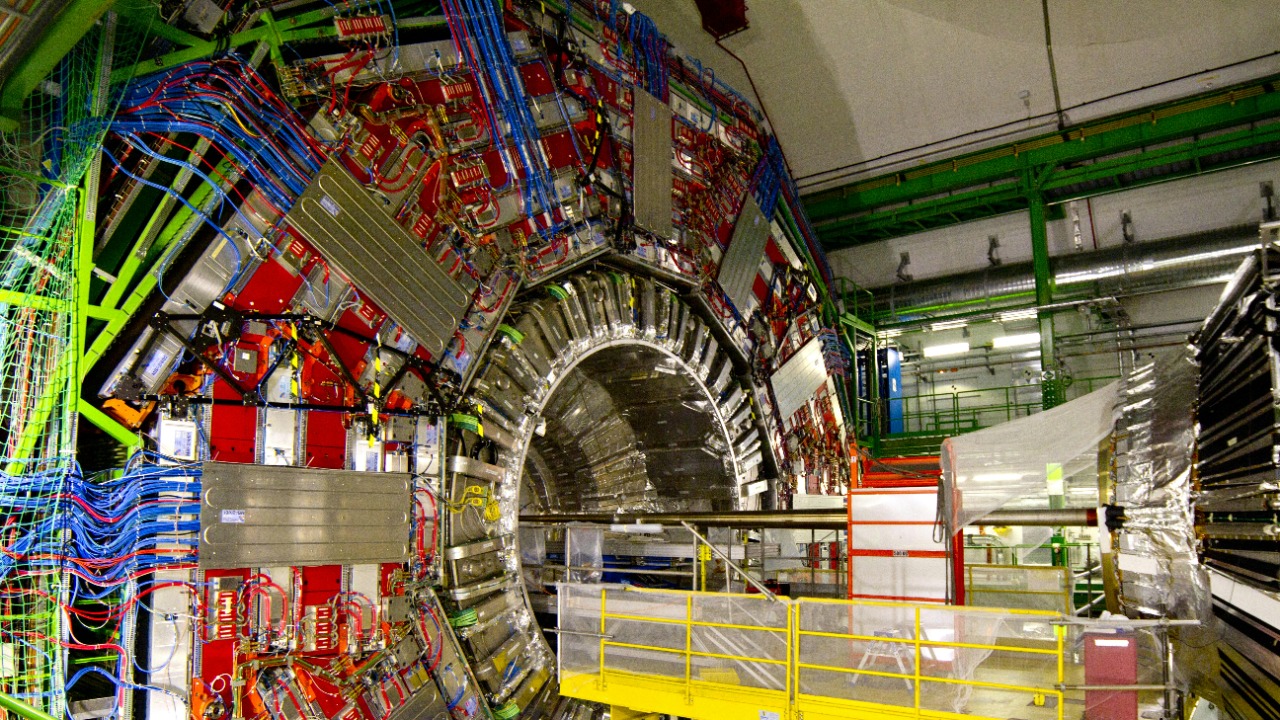
The Large Hadron Collider, operated by CERN along the border of Switzerland and France, is widely regarded as the largest and most powerful collider ever built. Protons race in opposite directions through an underground ring before smashing together at extraordinary speed, letting physicists study the fundamental particles and forces that make up matter.
The collisions there led to the discovery of the Higgs boson, confirming a long-standing prediction about how particles acquire mass. Ongoing runs continue searching for physics beyond the current understanding of the universe, including clues about dark matter that no other machine on this list has been able to supply.
2. Relativistic Heavy Ion Collider: Recreating The Early Universe
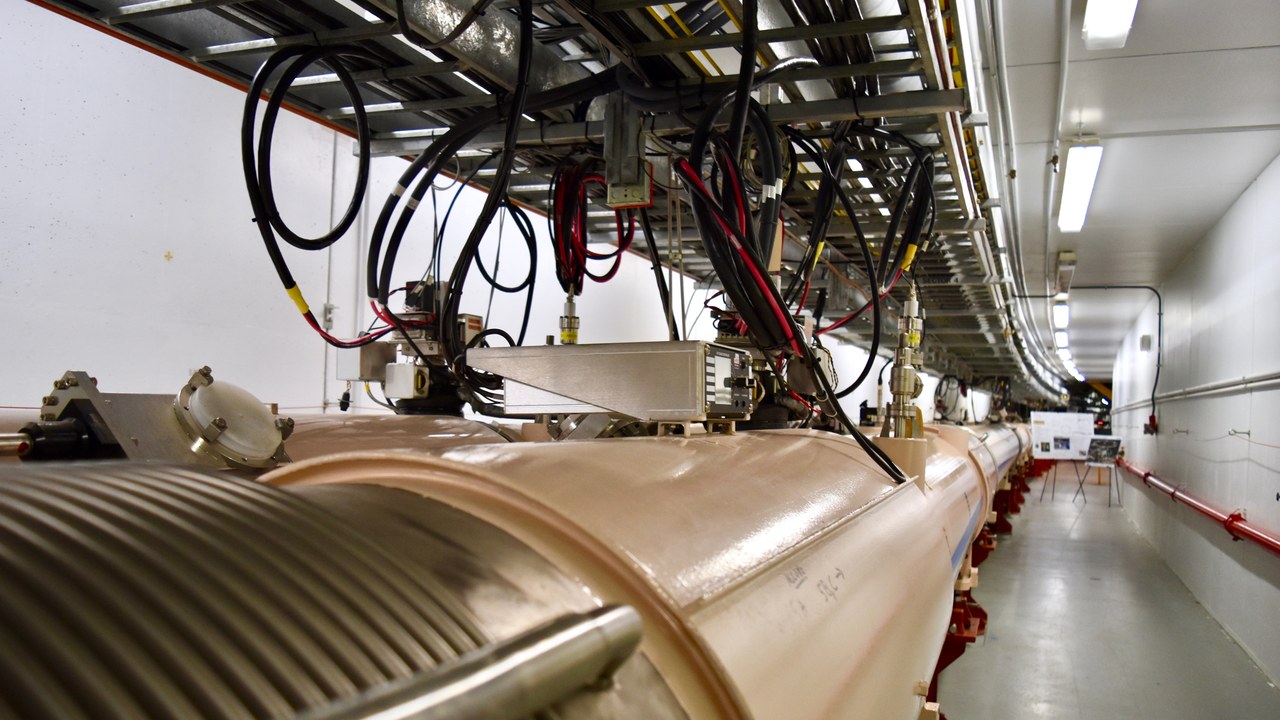
The Relativistic Heavy Ion Collider, run by Brookhaven National Laboratory on Long Island, New York, is built to smash gold ions together at tremendous speed. When the heavy nuclei collide, they briefly melt into a superhot, superdense soup of unbound quarks and gluons, a state of matter thought to have existed just after the universe began.
Physicists use the resulting quark-gluon plasma to study how ordinary matter first formed as the early universe cooled and expanded. The facility also explores how protons and neutrons get their spin, a question that has puzzled nuclear physicists for decades and remains only partly answered even after years of dedicated experiments.
3. SuperKEKB: Luminosity’s Record Holder
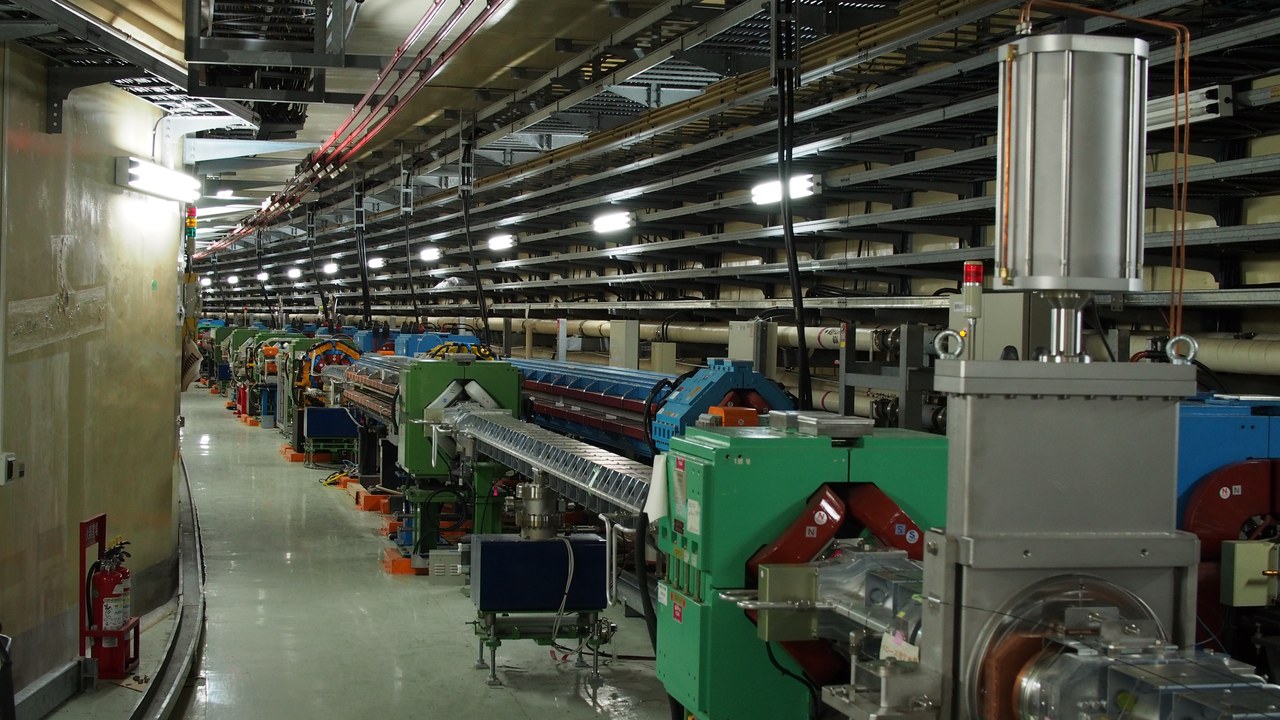
SuperKEKB, operated by the KEK laboratory in Tsukuba, Japan, collides electrons and positrons and holds the record for the highest collision luminosity ever achieved by an accelerator. That measure describes how many particle interactions the machine can pack into a given stretch of time, and a higher figure means more chances to catch rare subatomic events that would otherwise go unnoticed.
The collider feeds the Belle II detector, which searches for tiny differences in how matter and antimatter behave after collisions. Those differences may help explain why the universe is made overwhelmingly of matter rather than the balanced mix that simpler theories would otherwise predict.
4. J-PARC: Japan’s Proton Powerhouse
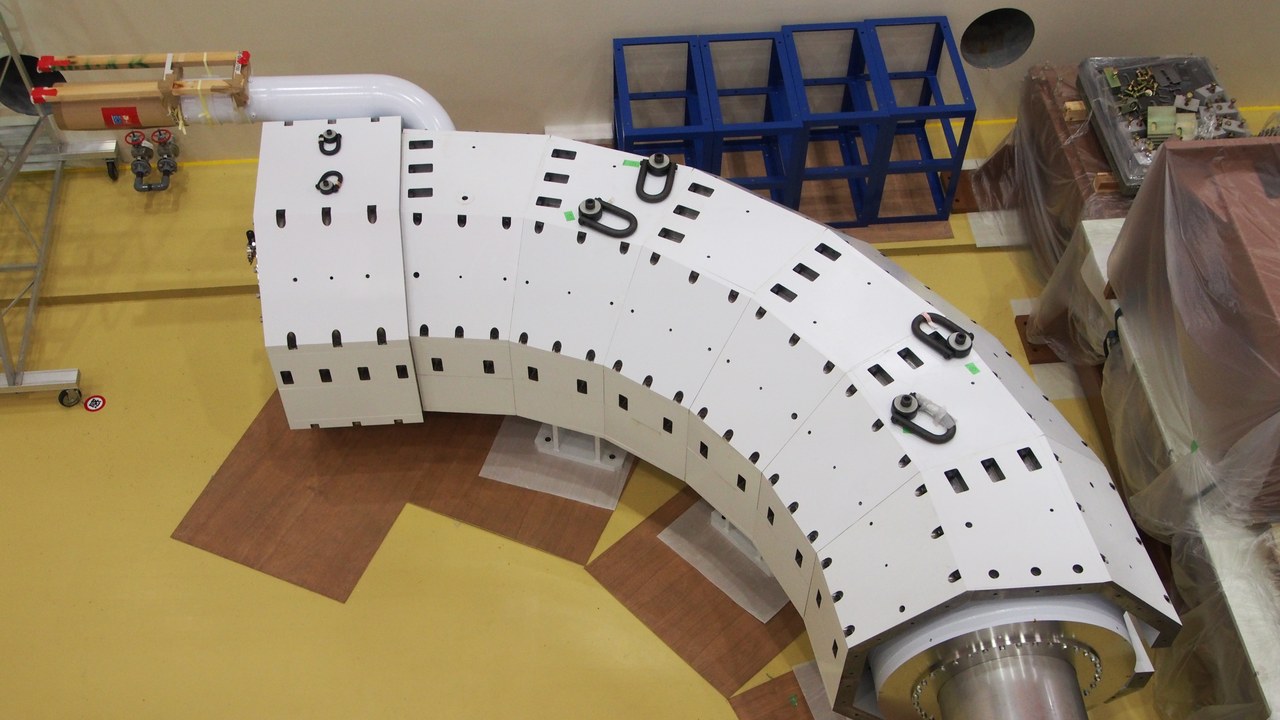
J-PARC, the Japan Proton Accelerator Research Complex in Tokai, drives protons through a chain of accelerators before directing the resulting beams toward a range of neutrino, nuclear, and materials science experiments. Its proton beams are converted into secondary beams of neutrons, muons, and neutrinos that travel on to detectors both onsite and far away.
One beam travels underground toward the Super-Kamiokande detector, where scientists track how neutrinos change identity over long distances. The complex also supports industrial and medical research, using its intense particle beams to probe materials that are difficult to study with any other technique available today.
5. Fermilab: America’s Proton Powerhouse
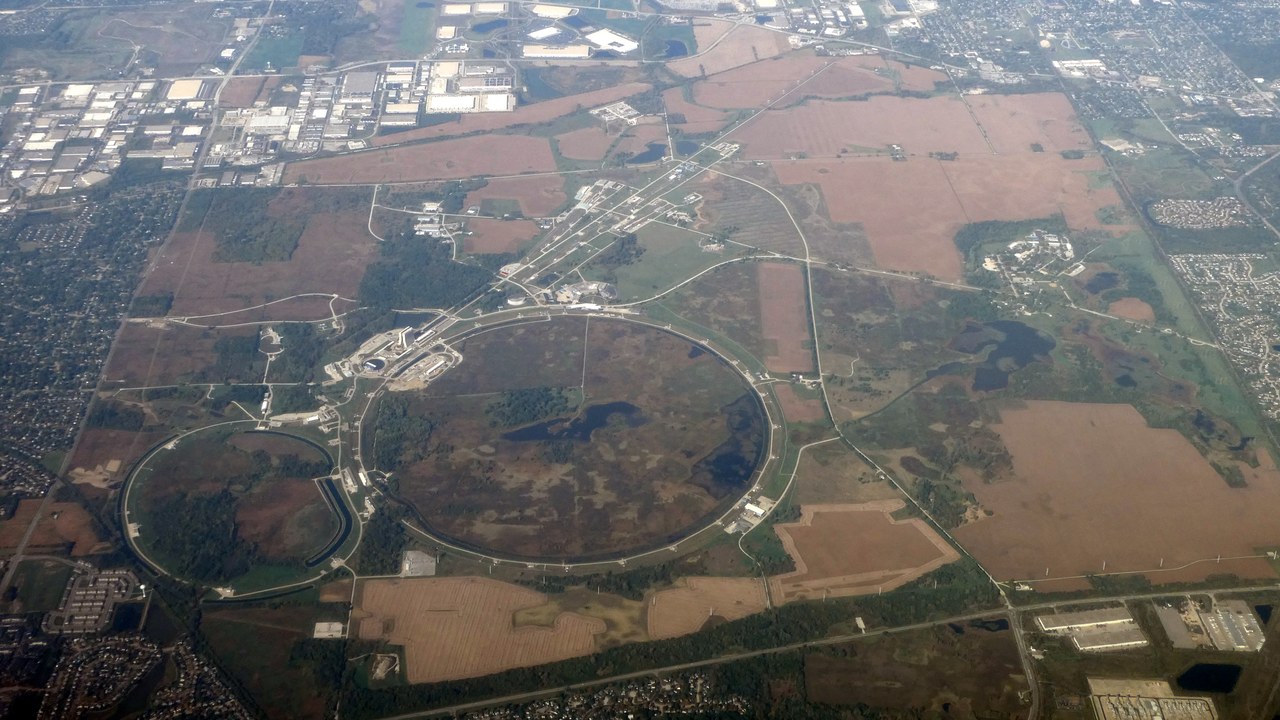
Fermilab, west of Chicago, drives the most intense high-energy proton beams in the United States through a chain of rings centred on its Main Injector. The laboratory’s Tevatron once held the collision-energy record before it was shut down in 2011, and the machines that remain are built for sheer particle count rather than record energy. The accelerator complex there now produces the neutrino beam fired underground toward detectors hundreds of miles away.
That neutrino programme has become the site’s centre of gravity, and beam power has been raised repeatedly to shorten the years of running each measurement demands. The rings themselves read from the air as pale circles pressed into restored Illinois prairie, an unusually legible piece of physics infrastructure.
6. Spallation Neutron Source: Neutrons On Demand
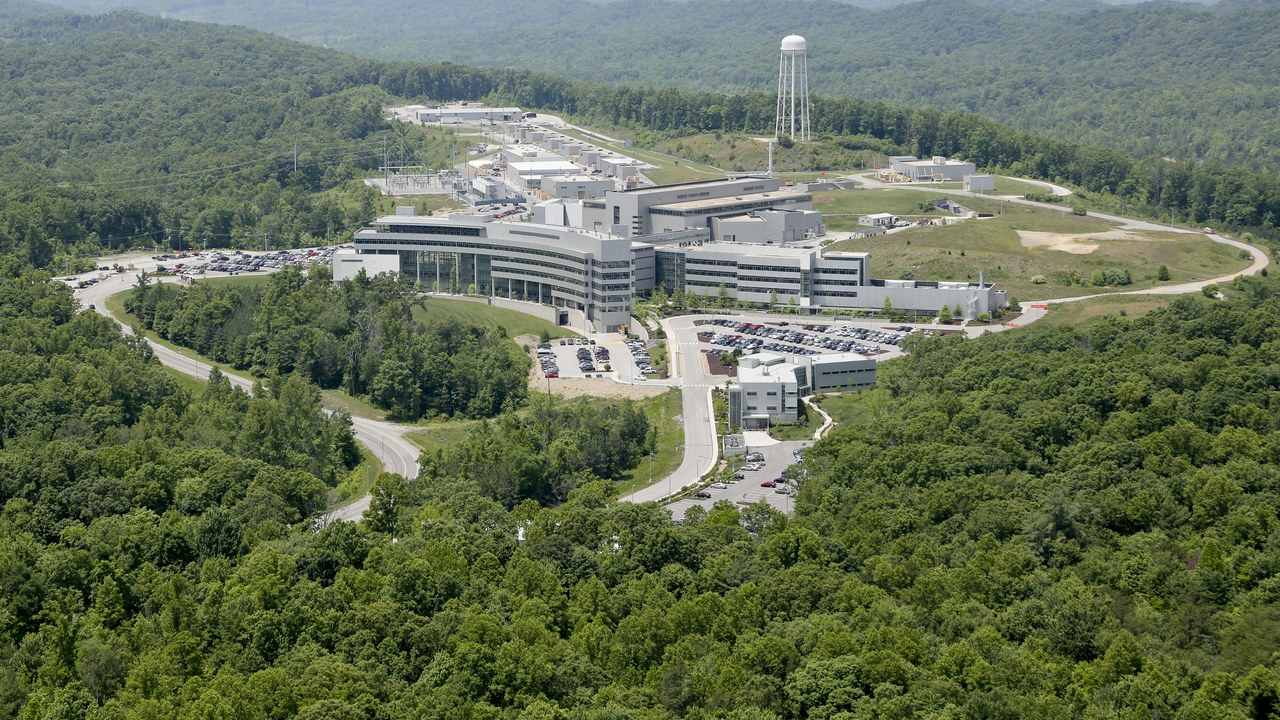
The Spallation Neutron Source at Oak Ridge National Laboratory in Tennessee fires pulses of protons into a liquid mercury target to produce the world’s most intense pulsed neutron beams. Neutrons scattered by the target pass through samples of material, and the pattern they leave behind reveals details about atomic structure that are otherwise invisible.
Scientists use the facility to study everything from battery materials and pharmaceuticals to the proteins that make up living cells. Because neutrons carry no electric charge, they can probe deep inside dense materials without being deflected the way charged particles or ordinary light would be along the way.
7. European Synchrotron Radiation Facility: Europe’s Brightest X-Ray Beam

The European Synchrotron Radiation Facility, located in Grenoble, France, accelerates electrons around a storage ring to generate a brilliant X-ray source probing matter atom by atom. The resulting beams are far brighter than anything achievable in a conventional laboratory, letting researchers image structures too small or fast-moving for ordinary microscopes to capture.
Its beamlines have been used to map the structure of proteins, study ancient artifacts without damaging them, and examine materials under extreme pressure and temperature. Funded jointly by multiple European countries, the facility hosts visiting scientists throughout the year who compete for a limited number of beam slots.
8. Diamond Light Source: Britain’s Brightest X-Ray Ring
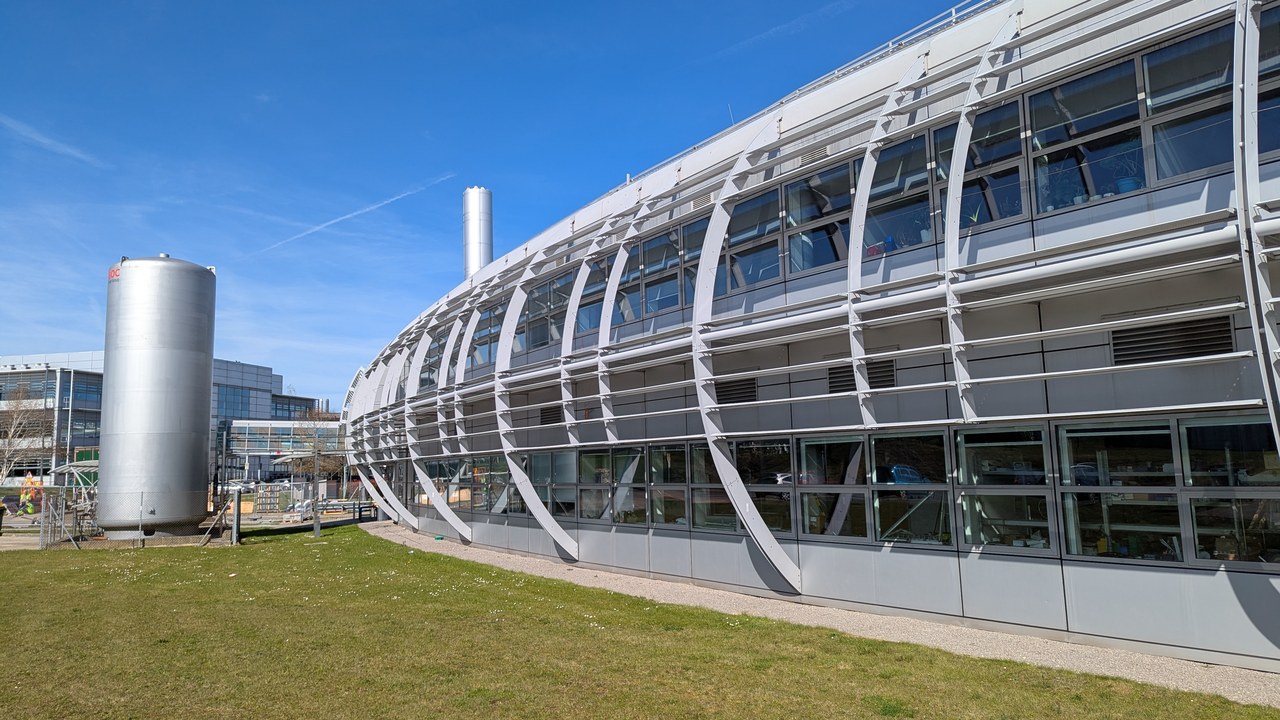
Diamond Light Source accelerates electrons to 3 GeV around a storage ring roughly 560 metres in circumference on the Harwell campus in Oxfordshire, bending them to throw off X-rays far brighter than any laboratory source can manage. Dozens of beamlines branch from that ring, each tuned to a different measurement, from protein crystallography to the internal structure of batteries and jet-engine alloys. The national synchrotron facility has served researchers since it opened in 2007.
Because a single ring feeds many experiments at once, beam time is rationed by peer review, and one allocated shift can decide whether a research group publishes that year. An upgrade programme is now rebuilding the machine to deliver a tighter, brighter beam to the same beamlines.
More from Morning Overview
- A handful of SUVs keep hitting 300,000 miles, and they share one engine trait
- Supplements now rank as the fifth-leading cause of death from liver disease.
- A study names the one SUV most likely to reach 250,000 miles
- More than 60,000 people flee the Spokane area as complex fires overrun 600 structures
