The trucking industry is facing a wave of new regulations aimed at enhancing safety and environmental responsibility. While these changes promise a safer and cleaner future, they also contribute to rising costs for manufacturers and consumers alike. Let’s explore the new safety laws that are impacting truck prices today.
Enhanced Emission Standards
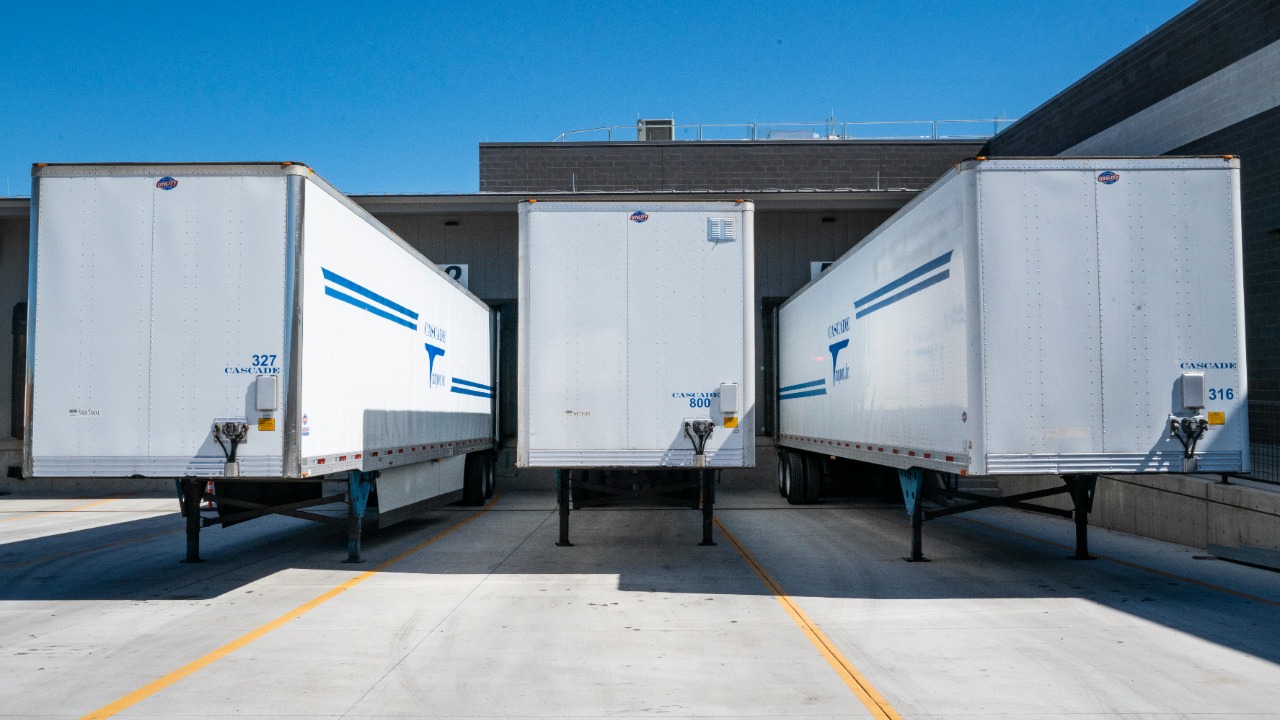
Recent changes in emission standards require trucks to adhere to stricter limits on pollutants, including nitrogen oxides and particulate matter. These enhanced regulations are part of a broader effort to reduce the environmental impact of transportation. To comply, manufacturers are investing in cleaner technologies, which inevitably lead to higher production costs, subsequently raising the price of trucks for consumers.
Additionally, these standards often necessitate the use of advanced exhaust after-treatment systems, adding another layer of expense. While beneficial for the environment, the financial implications are significant for the industry.
Mandatory Electronic Logging Devices

The introduction of mandatory Electronic Logging Devices (ELDs) aims to improve road safety by ensuring that drivers adhere to hours-of-service regulations. These devices automatically record driving time, minimizing the risk of driver fatigue and related accidents. However, the cost of installing and maintaining these systems adds a financial burden to trucking companies, which may be passed on to consumers in the form of higher prices.
While the benefits of ELDs in enhancing road safety are clear, the upfront investment and ongoing maintenance costs are a concern for many in the industry.
Advanced Driver Assistance Systems
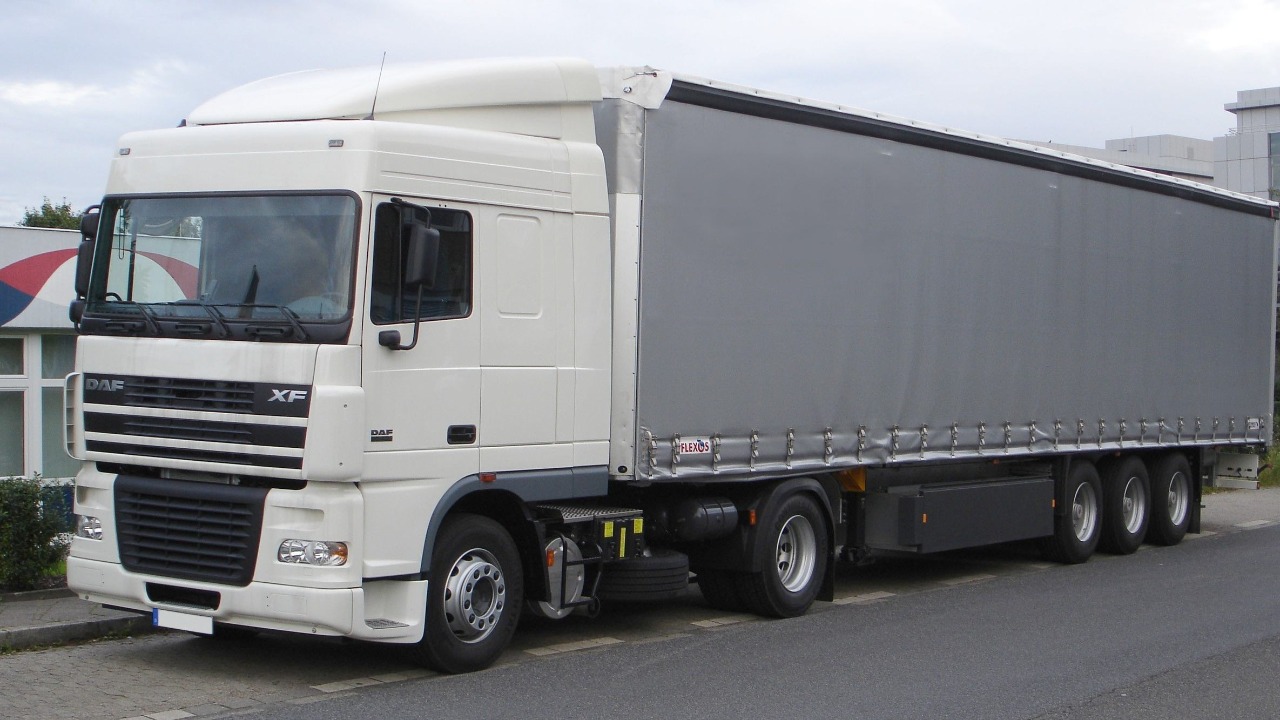
Advanced Driver Assistance Systems (ADAS) are becoming a standard feature in new trucks, designed to reduce accidents and improve driver safety. These systems include features like automatic emergency braking, lane-keeping assist, and adaptive cruise control. While they offer significant safety advantages, the integration of such technology significantly increases the cost of manufacturing trucks.
The complexity of these systems requires specialized components and software, which contribute to the rising cost of new trucks. However, the potential for accident reduction and enhanced safety makes this an investment worth considering.
Upgraded Brake Performance Regulations

Upgraded brake performance regulations are being implemented to enhance the stopping power of trucks, reducing the risk of accidents in emergency situations. This requires the use of advanced braking materials and technologies, which increase manufacturing costs. The investment in better brakes, while costly, aims to significantly reduce the risk of collisions and improve overall road safety.
These improvements are crucial for preventing accidents, especially in high-traffic areas where quick, reliable stopping power is essential.
Strengthened Side Guard Requirements
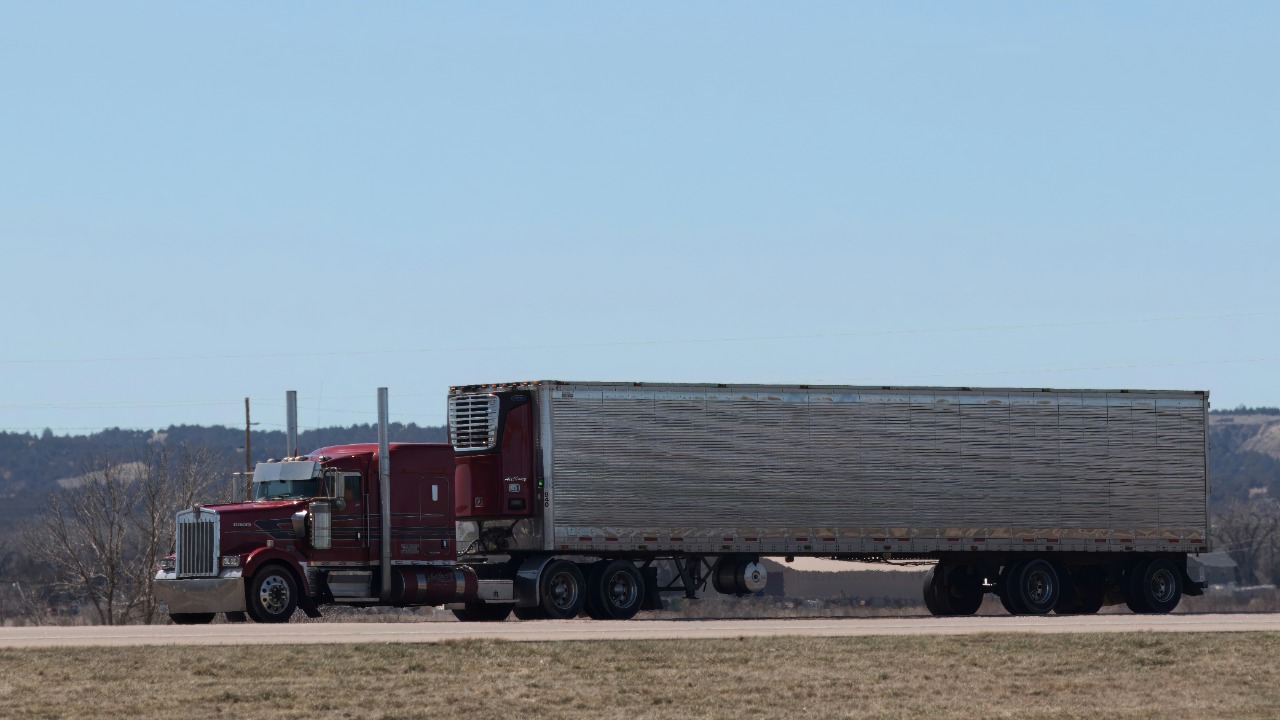
To protect pedestrians and cyclists, strengthened side guard requirements are being enforced on new trucks. These side guards help prevent individuals from being pulled under the vehicle in the event of a collision. Implementing these features involves additional materials and labor, contributing to the higher cost of trucks.
While the initial expense may be daunting, the potential for saving lives and reducing injury severity is a compelling argument for their inclusion.
Comprehensive Tire Safety Regulations
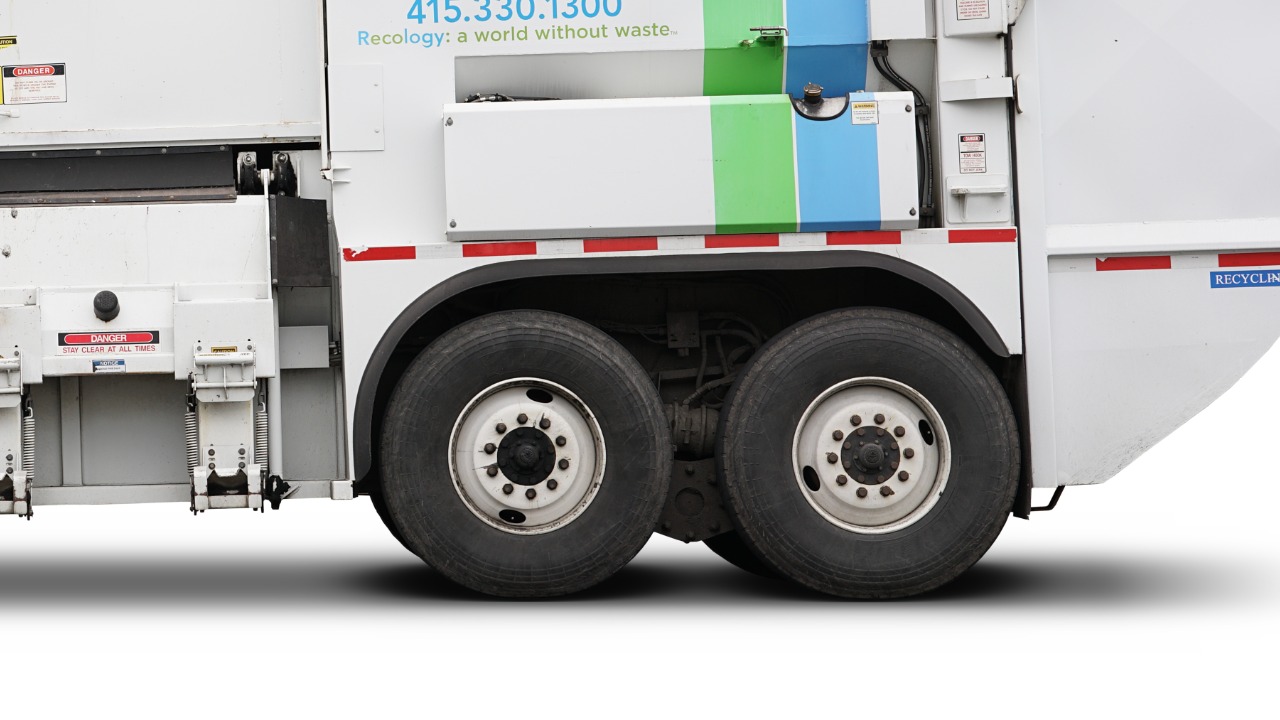
Comprehensive tire safety regulations are being introduced to ensure that truck tires meet higher safety standards. These regulations focus on tire performance, durability, and maintenance, requiring the use of higher-quality materials and more rigorous testing. As a result, the cost of complying with these standards can lead to increased prices for new trucks.
Reliable tires are essential for the safety and efficiency of trucks, making this investment an important consideration for the industry.
Stricter Rear Underride Protection Laws

Stricter rear underride protection laws are being implemented to prevent smaller vehicles from sliding underneath trucks during collisions. This involves reinforcing the rear of trucks with stronger guards and materials. The additional engineering and materials needed to meet these requirements add to manufacturing costs, impacting the final price of new trucks.
These upgrades are crucial for improving safety outcomes in accidents, making them a necessary, albeit costly, enhancement.
Reinforced Cargo Securement Rules
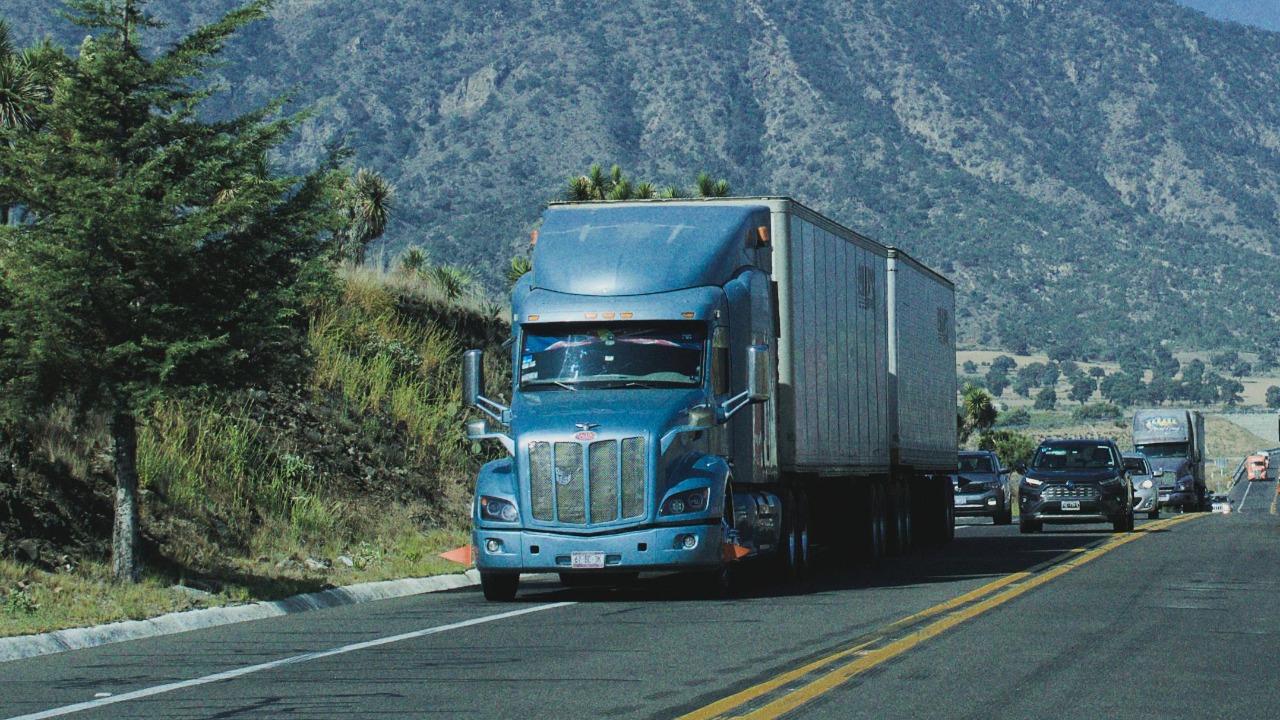
Reinforced cargo securement rules are designed to ensure that loads are safely and securely fastened during transit. This requires the use of more robust materials and securement devices, which can increase production costs. While these rules add to the expense of manufacturing, they play a vital role in preventing accidents caused by shifting or falling cargo.
Ensuring that cargo is securely fastened is not only a regulatory requirement but also a critical safety measure that protects both drivers and other road users.
