The world of electric vehicles is buzzing with the latest breakthroughs in battery technology. With the goal of increasing the range, reducing the charging time and bringing down the costs, here are the eight key breakthroughs that are set to redefine the electric vehicle landscape.
The Introduction of Solid-State Batteries
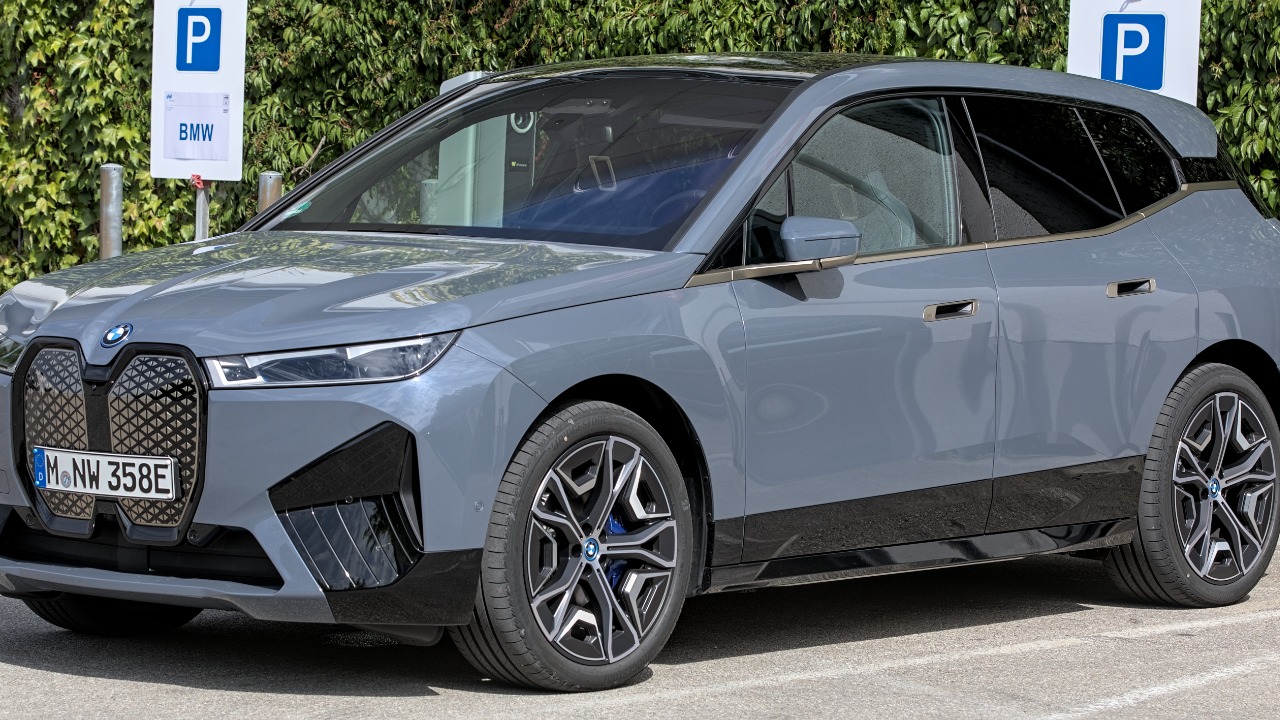
One of the most promising developments in EV technology is the introduction of solid-state batteries. These batteries replace the liquid or gel electrolyte used in conventional lithium-ion batteries with a solid material, significantly improving energy density and safety. Companies like Toyota and BMW are heavily investing in this technology, expecting to bring solid-state batteries to the market by the mid-2020s.
Lithium-Sulfur Batteries: A Game-Changer for EVs
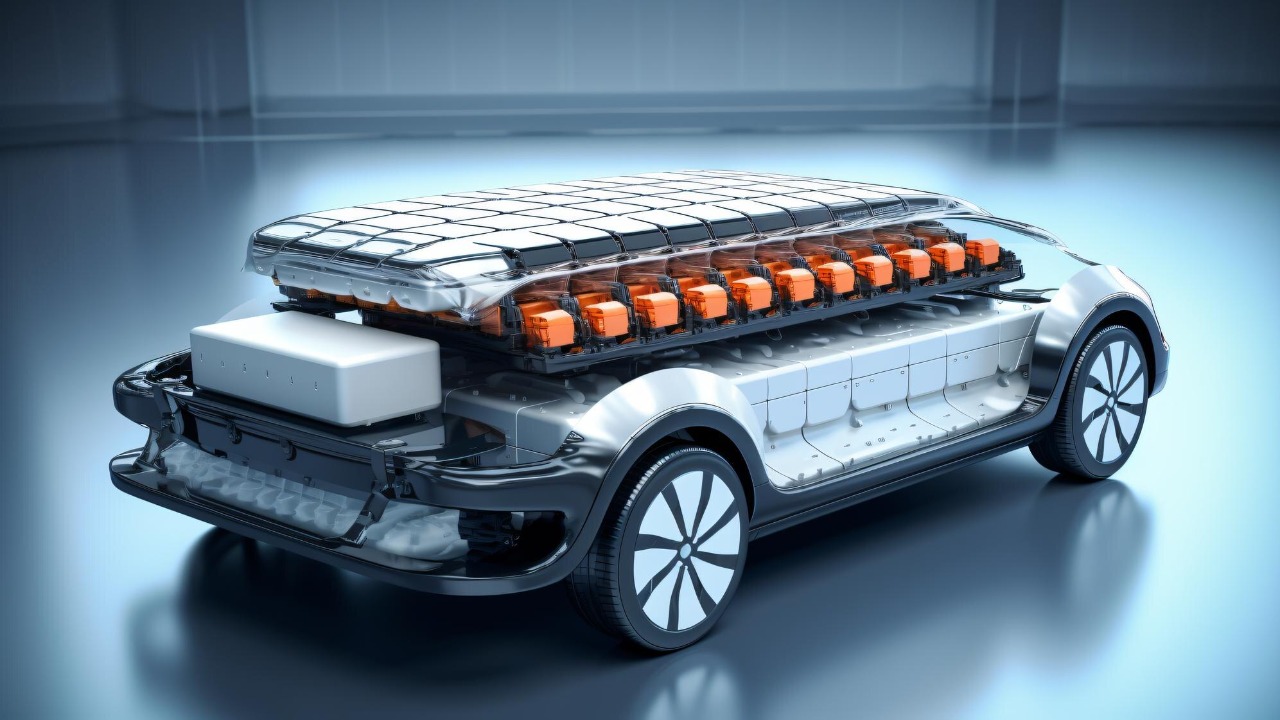
Lithium-Sulfur batteries have the potential to deliver greater energy density than conventional lithium-ion batteries. This could translate into longer driving ranges for electric vehicles. A study published in the scientific journal Joule discusses the potential of lithium-sulfur batteries in detail.
The Rise of Graphene Batteries in Electric Vehicles
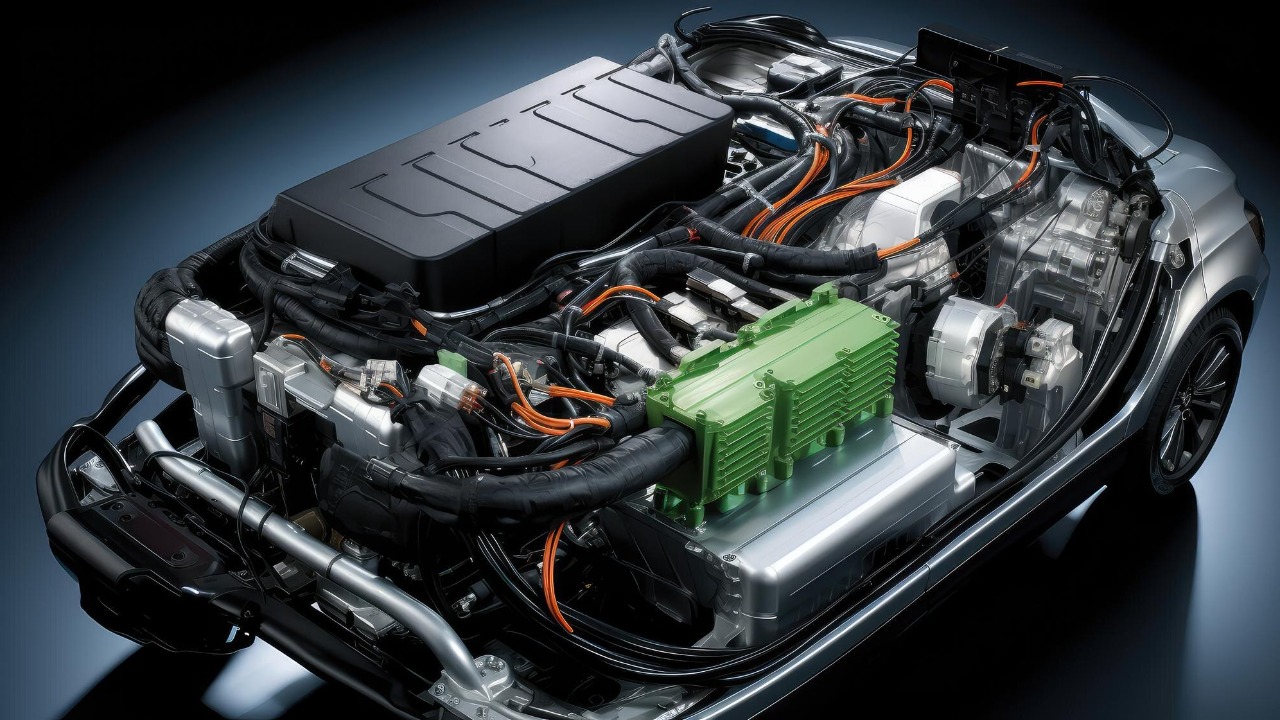
Graphene batteries are another exciting development in the EV arena. These batteries can store and deliver energy much more quickly than traditional batteries, reducing charging times. Furthermore, they are also more durable and safer, reducing the risk of battery fires. Research into the potential of graphene batteries for electric vehicles is ongoing, with promising results.
Sodium-ion Batteries: An Affordable and Sustainable Alternative
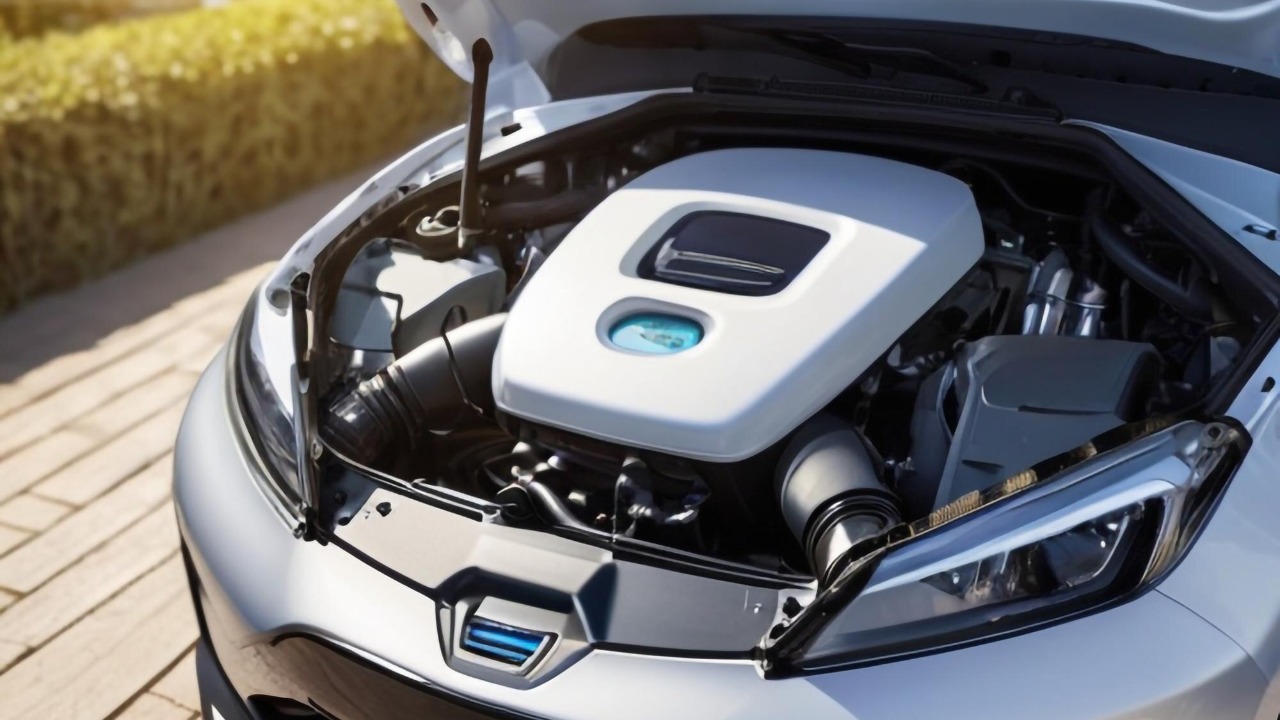
Sodium-ion batteries could offer a more affordable and sustainable alternative to lithium-ion batteries for electric vehicles. Sodium is more abundant and cheaper than lithium, which could bring down the cost of electric vehicle batteries. Research into the viability of sodium-ion batteries for use in electric vehicles is still in the early stages, but the prospects are promising.
The Advancements in Wireless Charging Technology

Wireless charging technology is set to revolutionize the way we power our electric vehicles. By simply parking your car over a charging pad, your vehicle can start charging without the need for any cables. This technology is still in the early stages of development, but the convenience it promises makes it an exciting prospect for the future of electric vehicles.
Battery Swapping: A Solution to Charging Time Dilemma

A unique solution to the charging dilemma is battery swapping, where a depleted battery is simply replaced with a fully charged one. This drastically reduces waiting times and could make electric vehicles more appealing to the masses. Companies like NIO in China have already implemented battery swapping stations, demonstrating the viability of this solution.
Ultra-Fast Charging: Charging EVs in Minutes
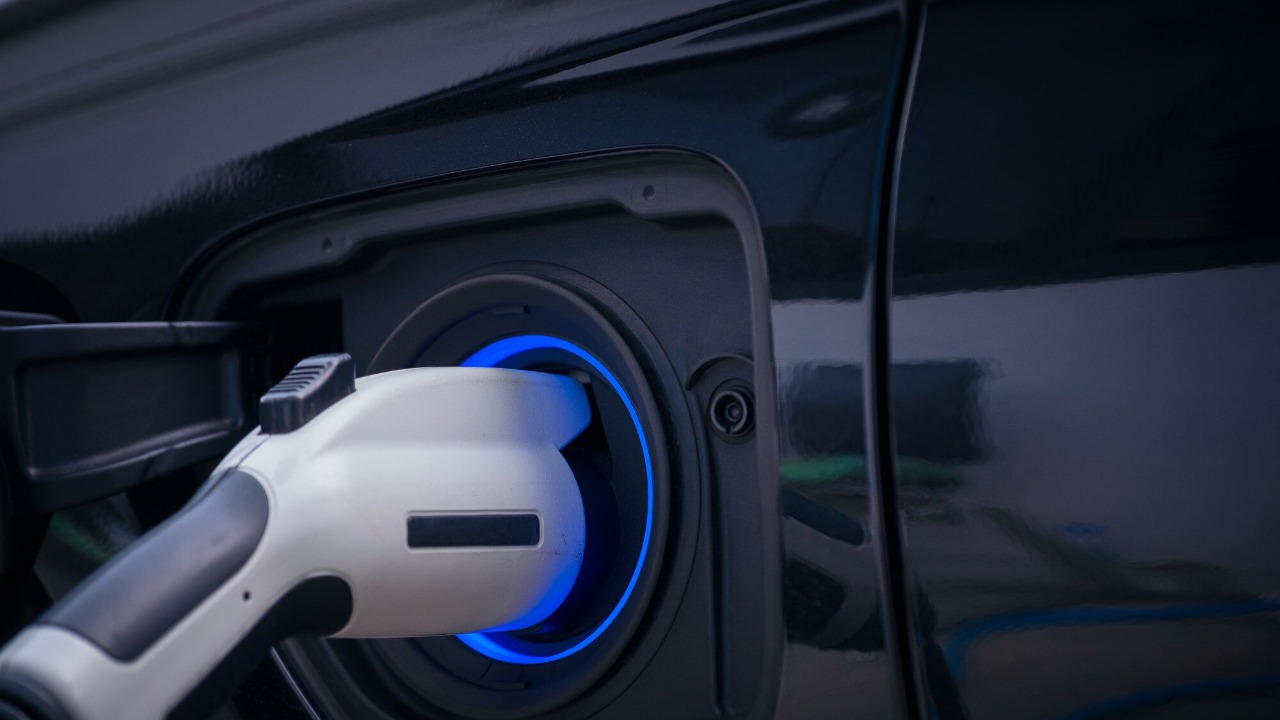
Ultra-fast charging technology aims to reduce charging times to as little as a few minutes. This would make charging an electric vehicle comparable to refueling a conventional car, significantly reducing one of the main barriers to widespread adoption of electric vehicles. While there are technical challenges to overcome, the potential benefits of ultra-fast charging are immense.
The Promise of Lithium-Air Batteries: Lighter and More Energy-Dense
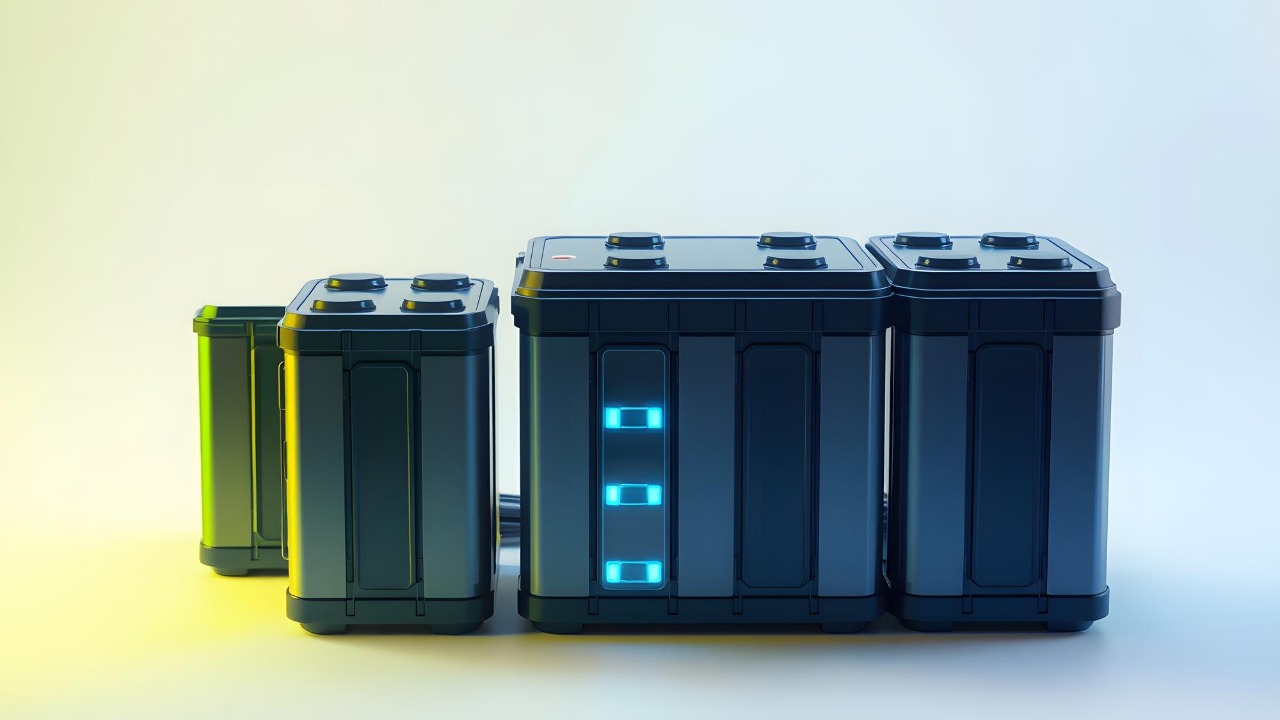
Lastly, Lithium-Air batteries hold the promise of being lighter and more energy-dense than current lithium-ion batteries. A study in ScienceDirect discusses the potential of such batteries, which can offer greater range and performance for electric vehicles. However, significant technical challenges need to be overcome before these batteries can be commercialized.
