
Midsize sedans no longer dominate American driveways, but the survivors have had decades to work the flaws out of their engineering. Reliability rankings keep circling the same badges, and the reasons are rarely glamorous: proven powertrains, restrained technology, and enormous parts supply. Here are eight midsize sedans that reliability watchers keep placing near the top for 2026.
1. Toyota Camry: The Default Benchmark
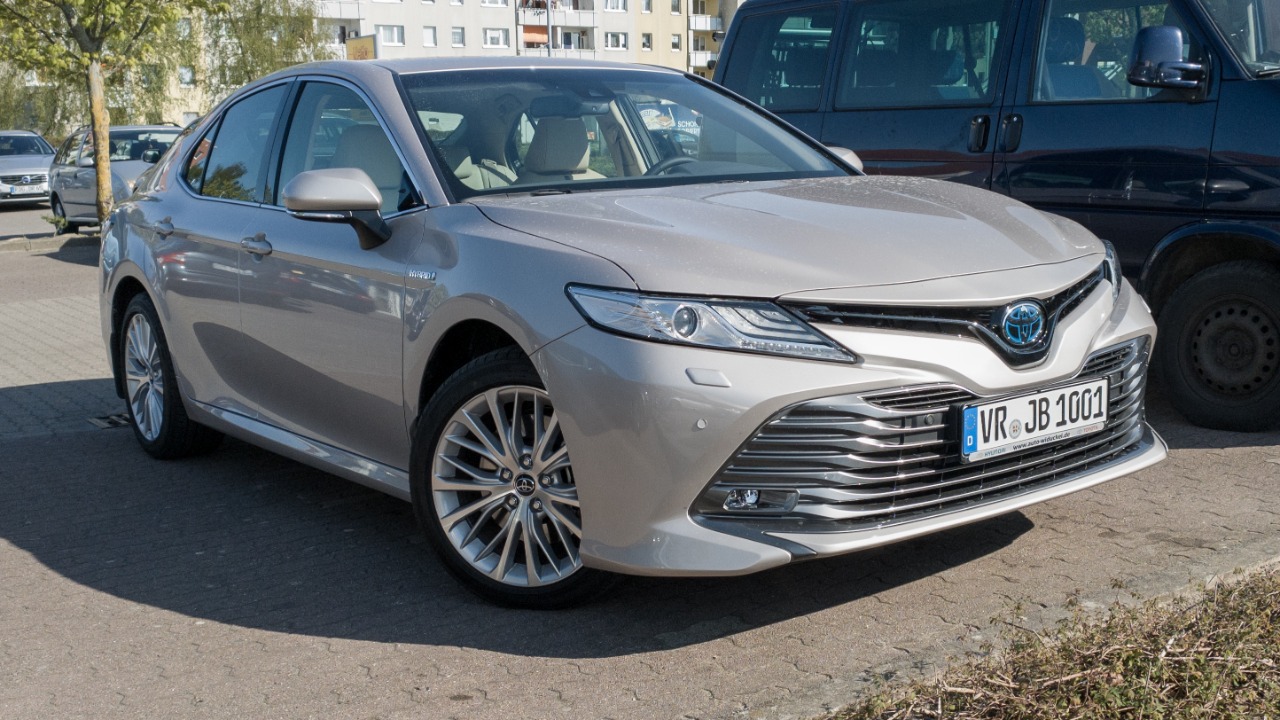
Every other midsize sedan gets measured against the Camry, and the reason is repetition rather than brilliance: Toyota has iterated the same basic recipe across generation after generation instead of reinventing it. Toyota also sits near the top of Consumer Reports brand rankings, and the Camry is the volume model carrying that reputation into showrooms.
Familiarity has practical consequences. Independent mechanics know the platform, parts turn up at any counter, and resale stays firm because used buyers trust the badge without being sold on it. The trade-off is that a Camry rarely surprises anyone, dynamically or aesthetically, which is precisely why it keeps landing on dependability lists.
2. Honda Accord: Decades Of Repetition
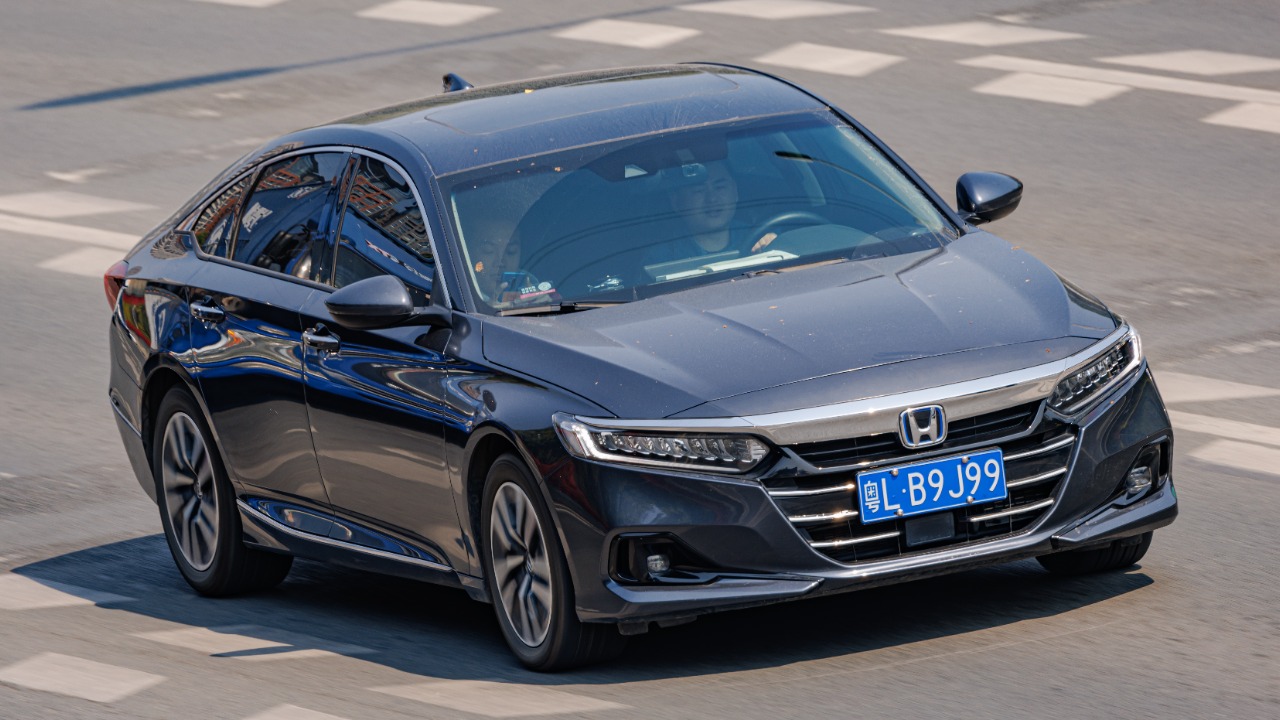
Few nameplates have run for as many consecutive years as the Accord, and that continuity is the point: each redesign inherits a validated engine family, transmission and body structure rather than starting from a blank sheet. The Accord’s model history stretches back decades, giving Honda an unusually long feedback loop on what fails and when.
Predictability is the practical benefit. Wear items are documented, specialist knowledge is not confined to dealer service bays, and hybrid versions have been on the road long enough that their behavior at high mileage is no longer speculative. The weak spot is the one afflicting most modern sedans: infotainment and electronics age faster than the mechanical parts underneath.
3. Subaru Legacy: Traction As Standard Equipment
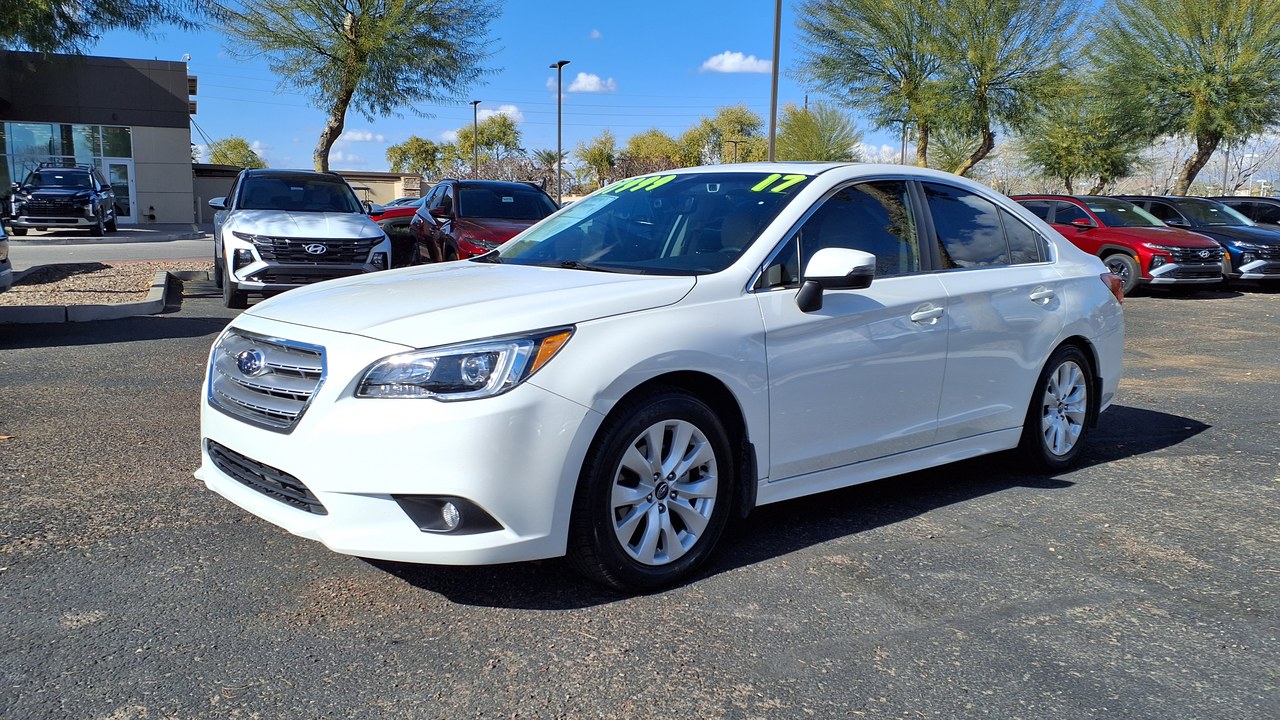
Driving all four wheels normally adds parts and therefore adds failure points, yet Subaru’s Legacy sedan has run the same boxer-engine and symmetrical all-wheel-drive architecture long enough for the hardware to be thoroughly understood. It remains the rare midsize entry treating winter traction as a base feature instead of an option package.
That layout cuts both ways on ownership costs. Tires wear as a matched set of four and drivetrain service is less forgiving of neglect, but the mechanical package is conventional and widely serviced. Owners in snow states tend to keep these cars long past the point where a front-drive rival would have been traded, which props up the nameplate’s durability reputation.
4. Toyota Crown: Hybrid Flagship Hardware
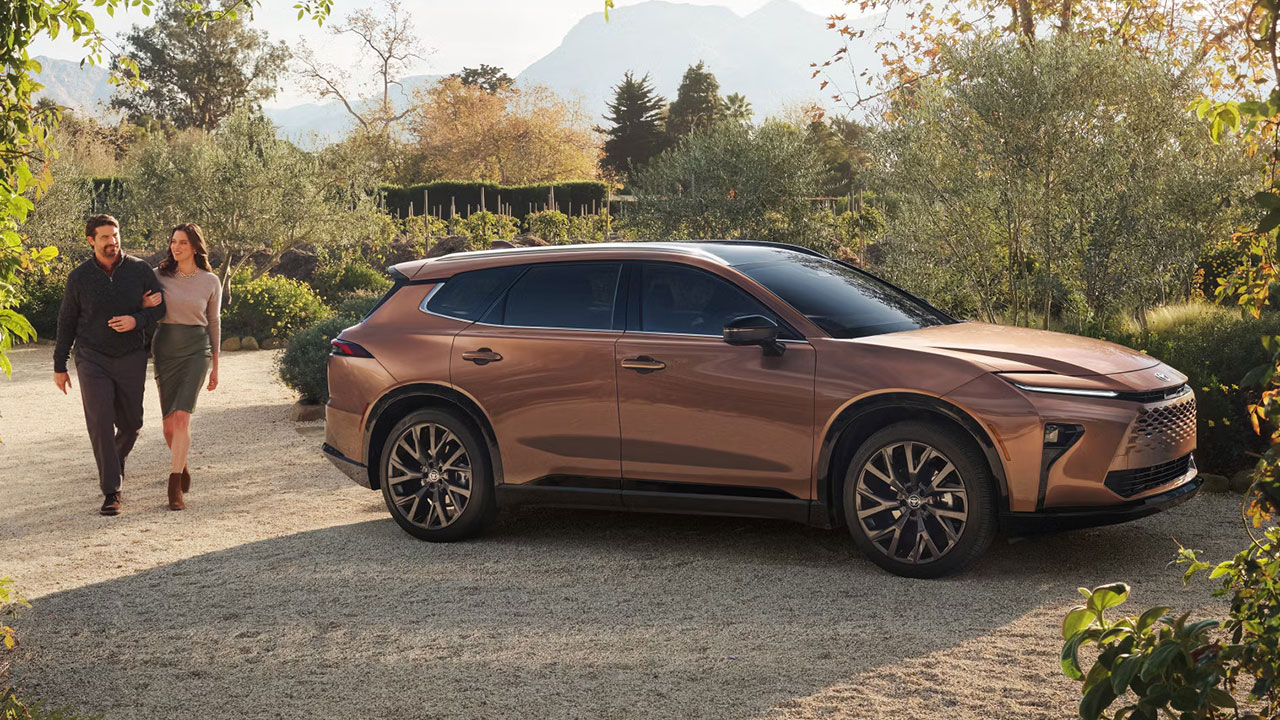
Flagship badging matters less here than the drivetrain underneath, a hybrid system refined across millions of Toyotas before it reached this car. The Toyota Crown pairs that inherited dependability with a raised, deliberately unconventional body sitting somewhere between a sedan and a crossover.
Hybrid systems tend to help longevity rather than hurt it: the gasoline engine works under lighter load, an electric motor handles low-speed duty, and regenerative braking spares the friction brakes. The offsetting risk sits in the electronics and battery pack, where repairs are dealer-level work rather than driveway maintenance. Shoppers drawn by the styling collect the reliability record almost incidentally.
5. Lexus ES: Luxury Without The Fragility
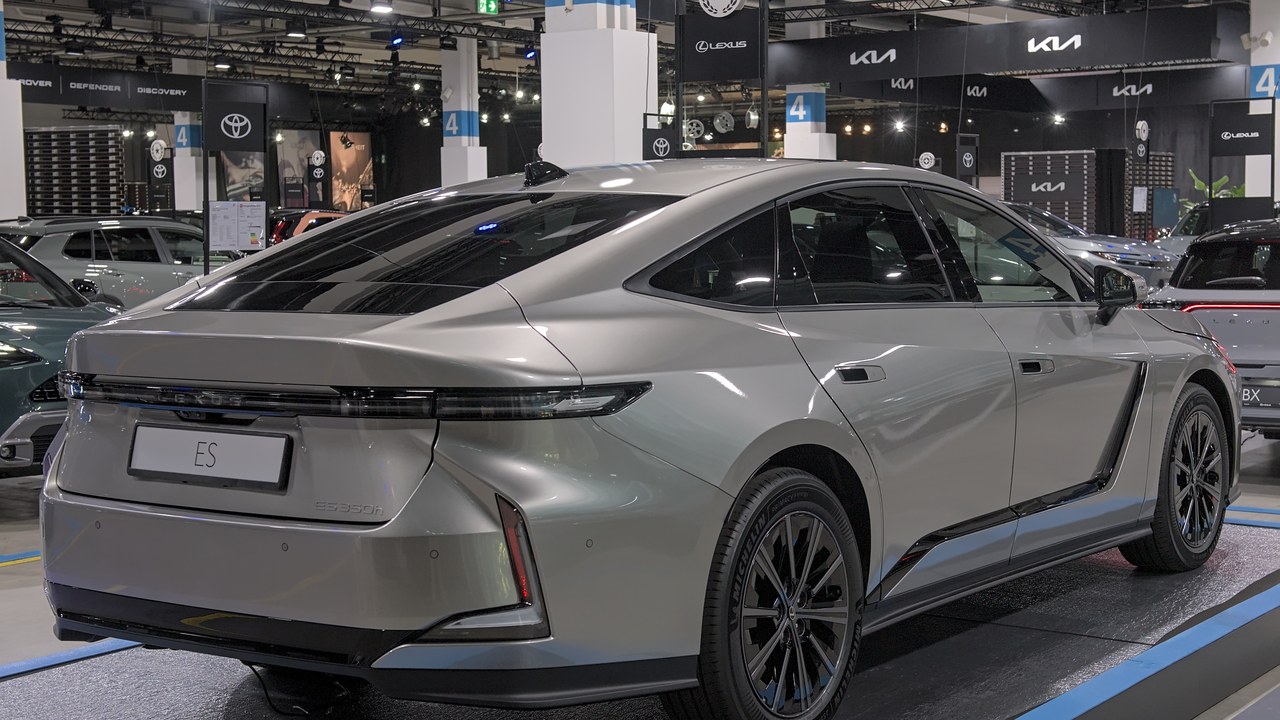
Most luxury sedans buy refinement with complexity, then charge for it in the repair bay. The Lexus ES takes the opposite route, wrapping proven Toyota mechanicals in a heavily insulated cabin, and it earns top reliability marks for the restraint.
The result is a luxury car with an unusually flat cost curve as it ages. Suspension and drivetrain repairs stay closer to mainstream money, and the parts bin overlaps with high-volume models. Enthusiasts find the ES numb next to its German rivals; drivers who prize a car that starts every morning without drama tend to consider that a reasonable exchange.
6. Kia K5: The Improving Newcomer
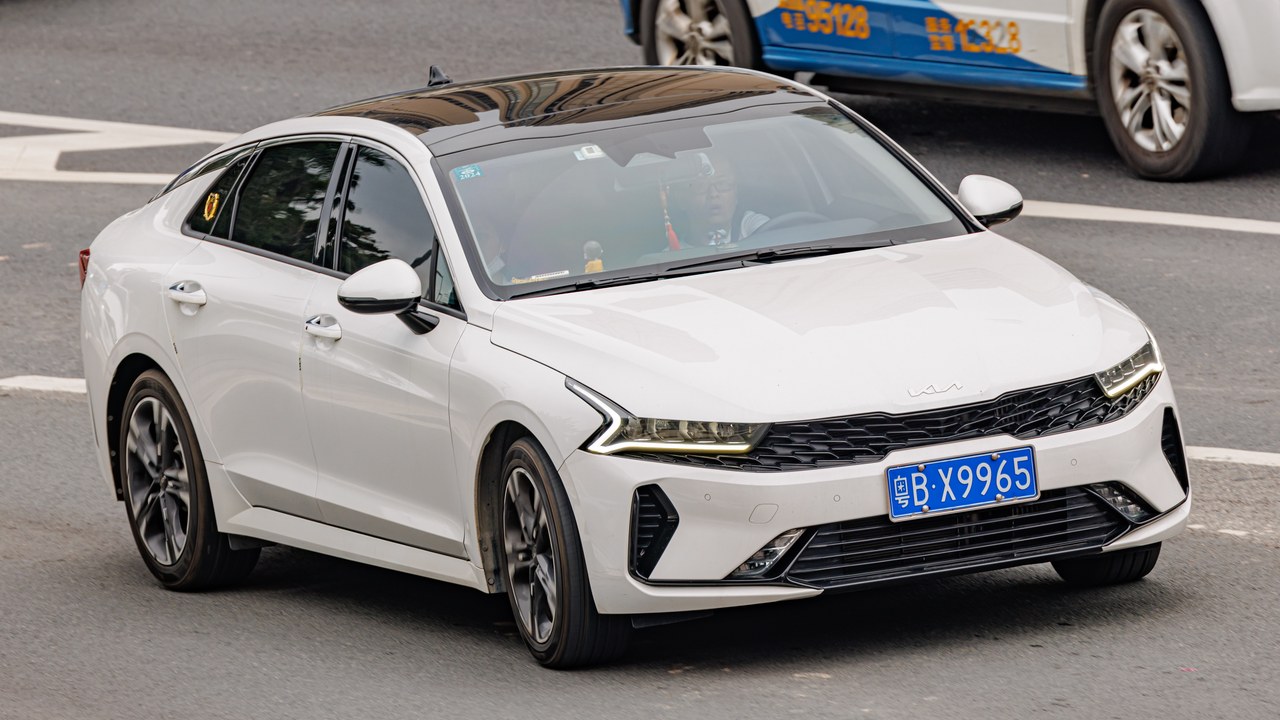
Kia’s K5 replaced the Optima and inherited a mechanical package the group has been steadily hardening after a rough stretch of engine trouble earlier in its history. The Kia K5 now competes on styling and equipment while its dependability scores climb toward the segment’s traditional leaders.
Improvement is not the same as a settled record, and the distinction matters most on the used lot, where earlier and later builds sit side by side at similar prices. Factory warranty coverage is generous by segment standards, which cushions the risk for original owners. Service history is the variable worth checking hardest.
7. Hyundai Sonata: Value That Holds Up
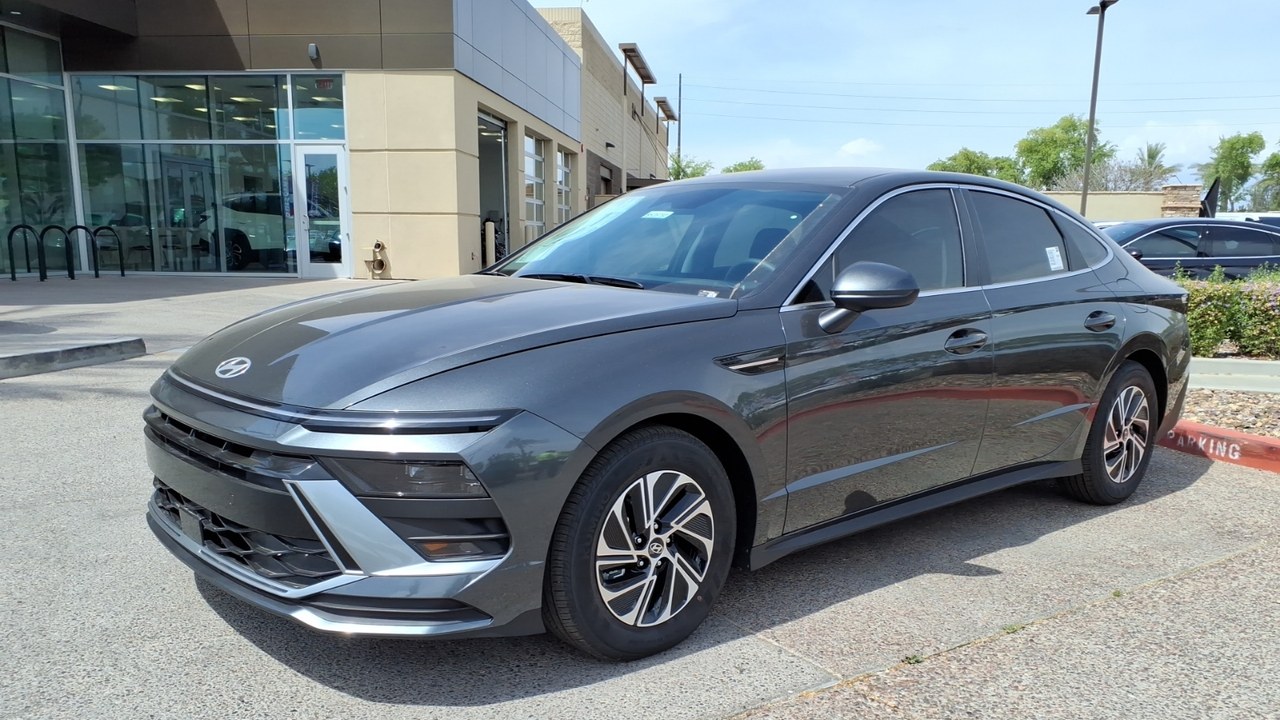
Content per dollar is the Sonata’s pitch, and reliability scores have risen far enough that the pitch no longer needs a caveat about durability. Hyundai’s Sonata combines a long factory warranty with a conventional automatic transmission and a widely used four-cylinder engine, all of which keep routine service straightforward.
Discounting works against the car in one respect: incentives and fleet volume soften resale relative to the Japanese benchmarks, so depreciation rather than repair frequency becomes the larger ownership cost. That same dynamic makes a used Sonata one of the cheaper routes into a dependable midsize sedan, assuming the maintenance record is intact.
8. Mazda 6: Overbuilt And Understated
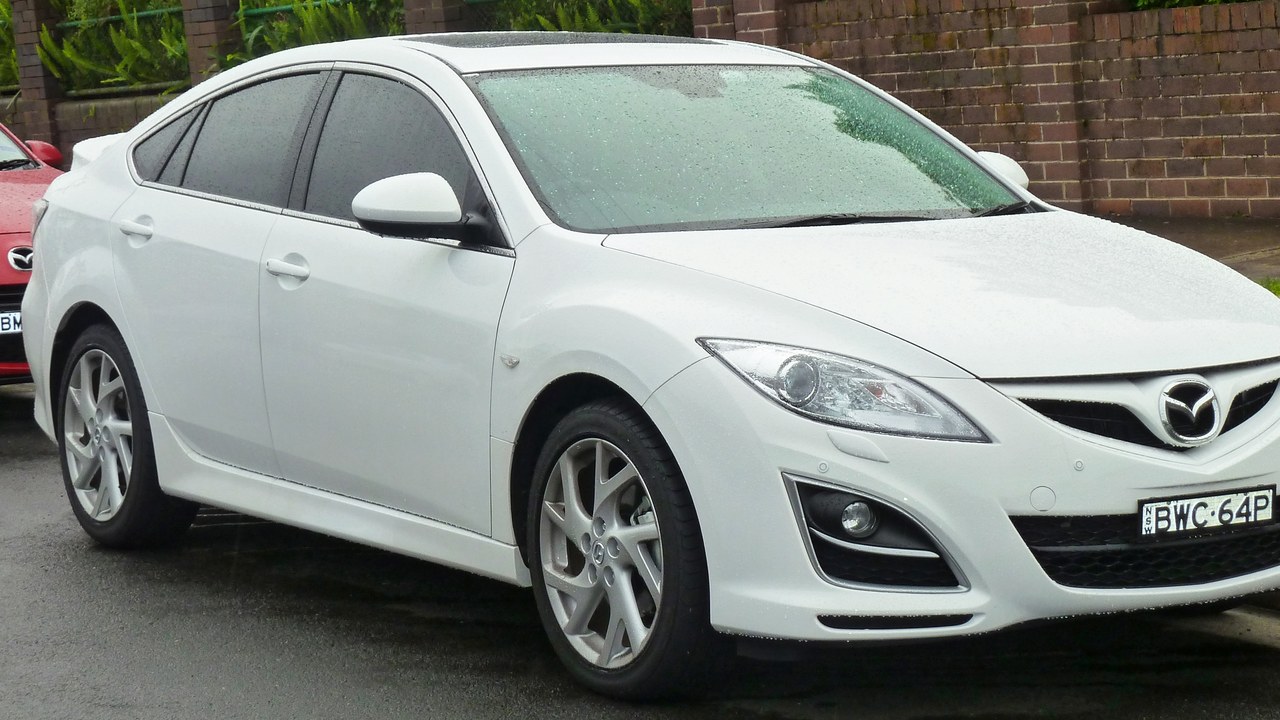
Mazda engineered the 6 around naturally aspirated engines and a conventional torque-converter automatic while rivals moved to small turbos and continuously variable transmissions, and that conservatism aged well. The Mazda 6 is prized for durability by owners who pile on mileage, with a sharper driving character than the segment average.
Corrosion in salted climates is the recurring complaint attached to older examples, so underbody condition deserves more scrutiny than the engine. Later cars added turbocharged versions that shift the maintenance picture somewhat. Bought used, the 6 rewards inspection over badge-shopping, and a documented service history separates the strong examples from the neglected ones.
More from Morning Overview
