
Throughout history, various materials once deemed useful were later banned due to their health risks. As scientific understanding of these materials evolved, governments and health organizations worldwide took action to protect public health. Here, I delve into eight materials that have been banned for their harmful effects.
Asbestos
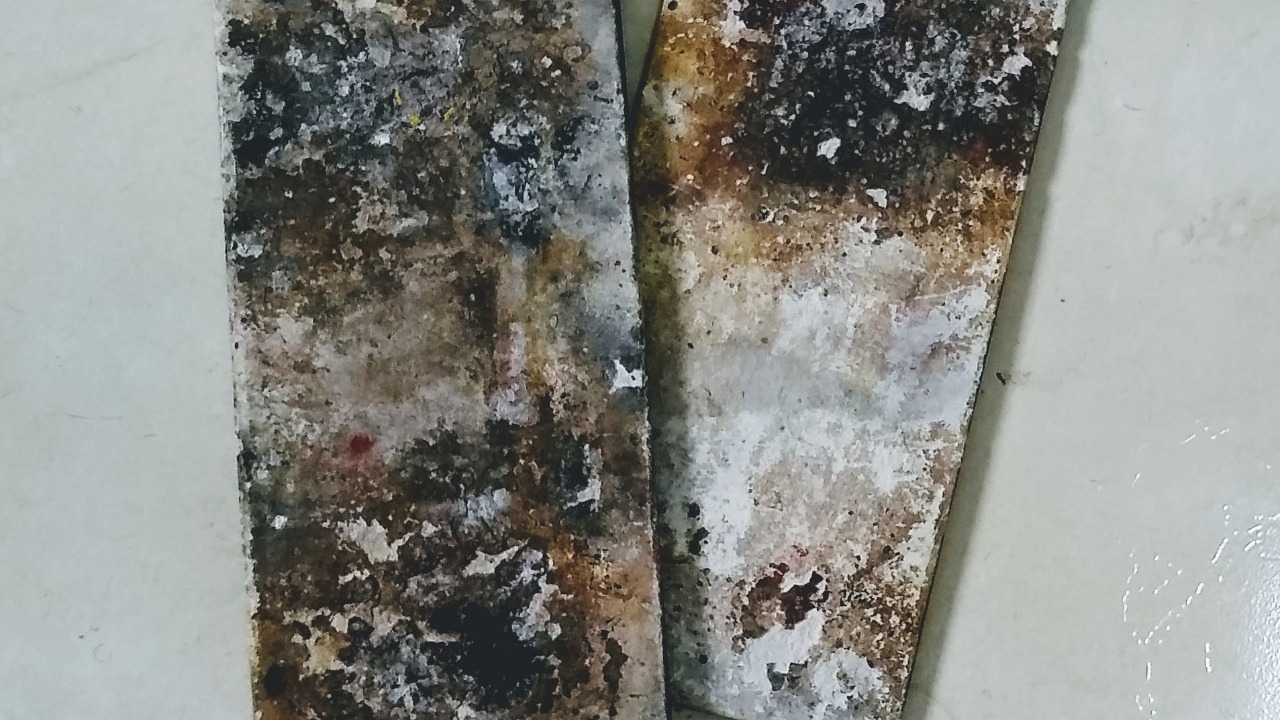
Asbestos was once hailed for its heat resistance and insulating properties, making it a popular choice in construction and manufacturing. However, exposure to asbestos fibers can lead to serious health issues, including lung cancer and mesothelioma. The dangers became widely recognized, leading to bans in many countries. Notably, the United States Environmental Protection Agency implemented regulations to limit its use, although a complete ban has yet to be achieved.
Efforts to remove asbestos from existing structures continue globally. It is crucial for older buildings, where the material remains, to undergo abatement processes to prevent exposure and ensure safety for occupants and workers involved in renovations or demolitions.
Lead Paint
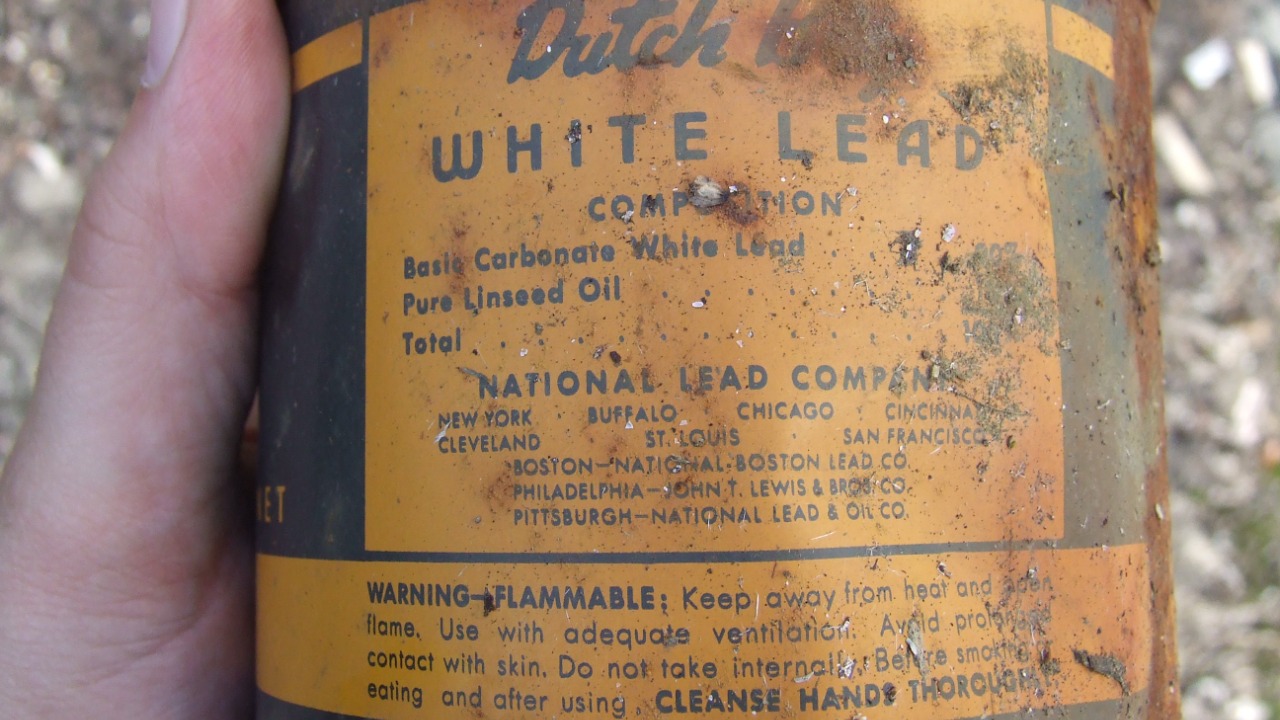
Lead-based paint was commonly used in homes and toys due to its durability and vibrant colors. However, it poses severe health risks, especially to children, including neurological damage and developmental issues. In 1978, the United States banned the use of lead paint in residential properties and public buildings.
Despite these measures, lead paint persists in older homes, necessitating ongoing efforts to remediate and educate the public about the dangers. The Consumer Product Safety Commission continues to enforce regulations to prevent lead exposure from imported toys and other consumer products.
BPA (Bisphenol A)
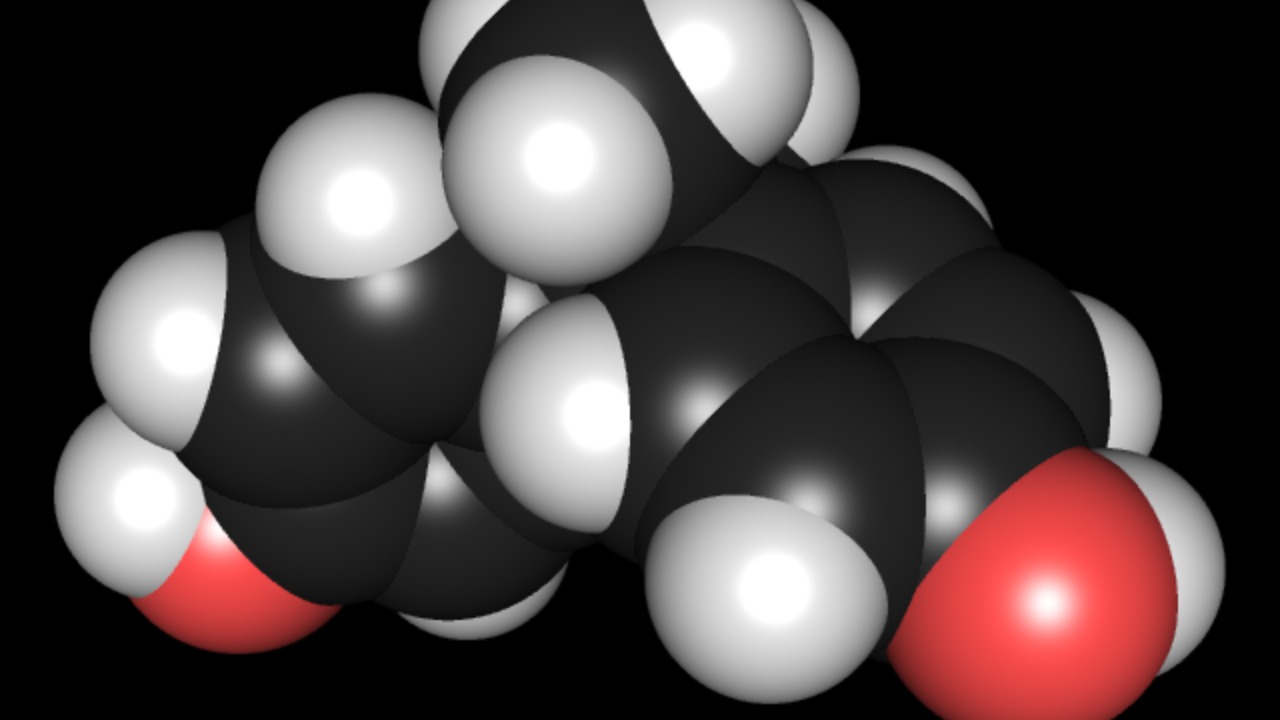
BPA is a chemical used in producing plastics and resins, found in items like water bottles and food containers. Concerns about its effects on the endocrine system prompted a wave of research and regulatory scrutiny. Studies suggest that BPA can mimic estrogen, potentially affecting reproductive health. Consequently, many countries have instituted bans on its use in baby bottles and children’s products.
The movement towards BPA-free products has gained momentum, with manufacturers increasingly opting for safer alternatives to meet consumer demand and adhere to regulatory guidelines.
Formaldehyde
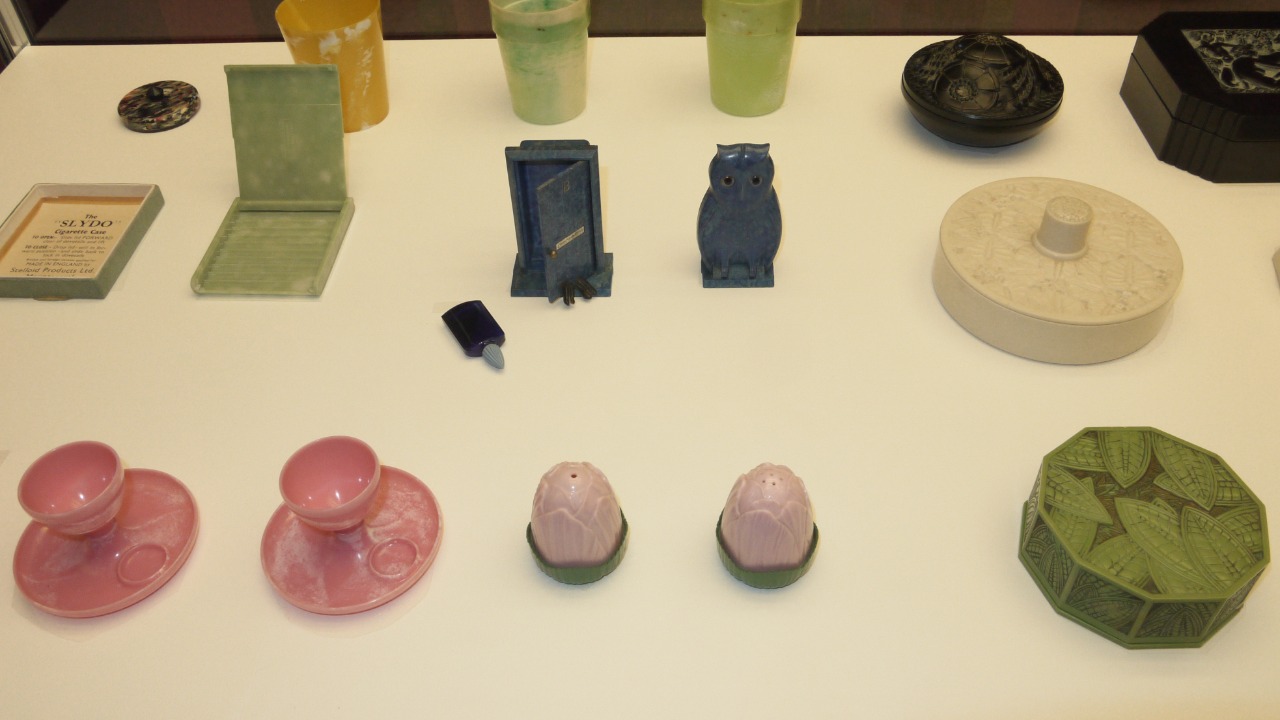
Formaldehyde is a chemical commonly used in building materials and household products. Prolonged exposure can lead to respiratory issues and has been classified as a carcinogen. As awareness of these dangers increased, regulations were introduced to limit formaldehyde emissions, particularly in pressed wood products.
Manufacturers have been encouraged to adopt low-emission alternatives, reducing formaldehyde levels in consumer products. Ongoing research into its health effects continues to inform guidelines, ensuring safer standards for indoor air quality.
DDT (Dichloro-Diphenyl-Trichloroethane)
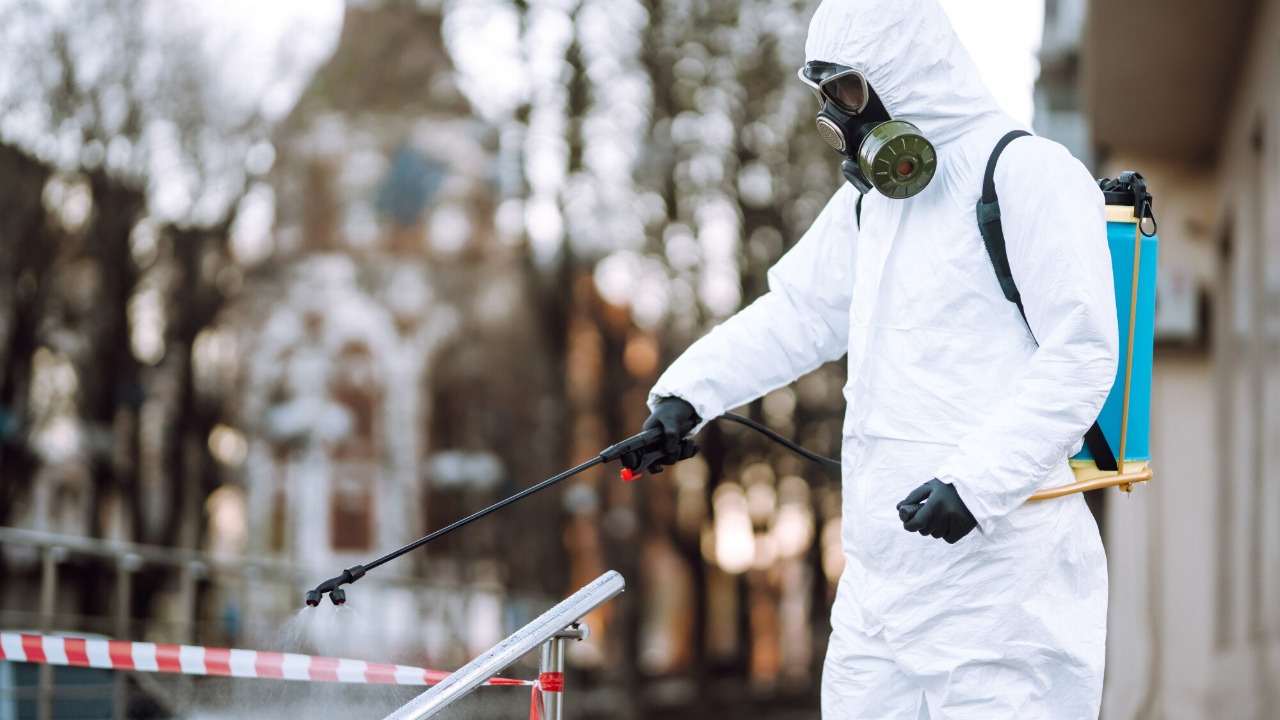
DDT was once a widely used pesticide, celebrated for its effectiveness in controlling mosquito populations and reducing malaria rates. However, its environmental persistence and potential health risks led to significant concerns. The chemical was linked to adverse effects on wildlife and possible carcinogenic properties in humans.
In response, many countries, including the United States, banned DDT in the 1970s. Efforts to find safer alternatives continue, balancing the need for pest control with environmental and human health considerations.
Thalidomide
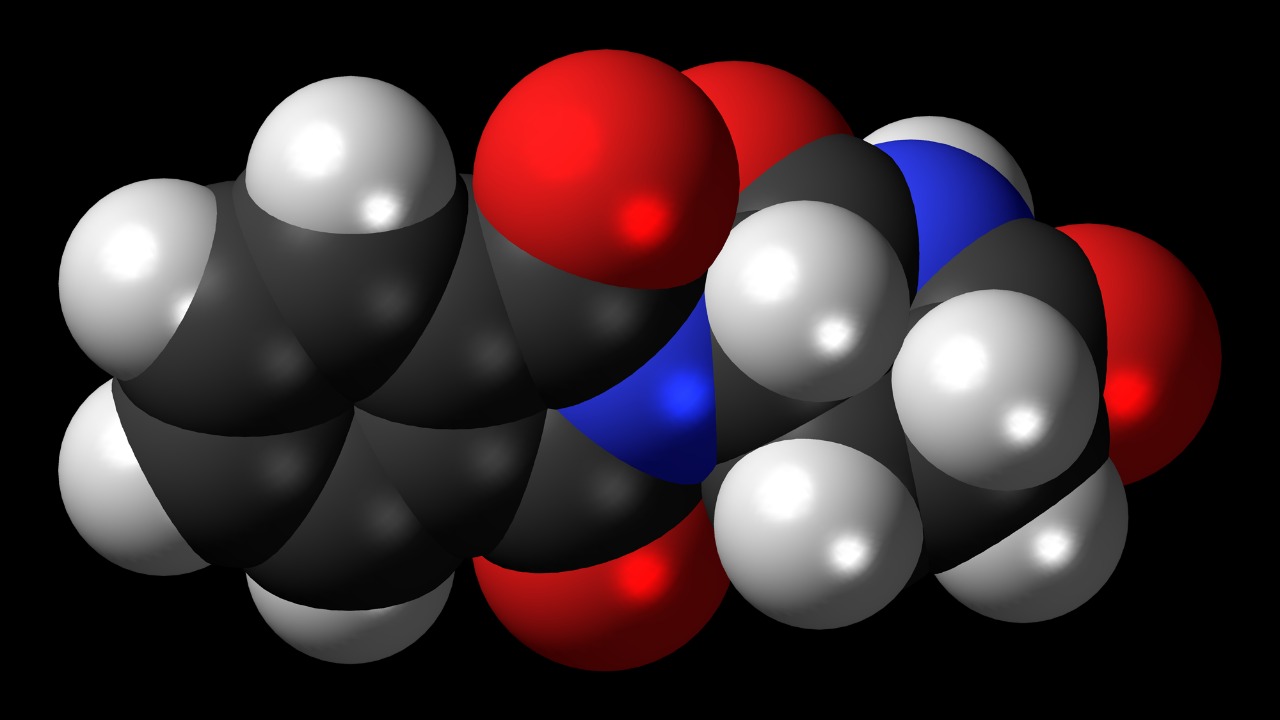
Thalidomide was originally marketed as a sedative and treatment for morning sickness in pregnant women. Tragically, it led to thousands of birth defects before being withdrawn from the market. The drug’s impact prompted stricter drug regulations and testing protocols worldwide.
Today, thalidomide is used under strict controls to treat certain cancers and complications of leprosy. Its legacy underscores the importance of rigorous drug testing and regulatory oversight in protecting public health.
PCBs (Polychlorinated Biphenyls)
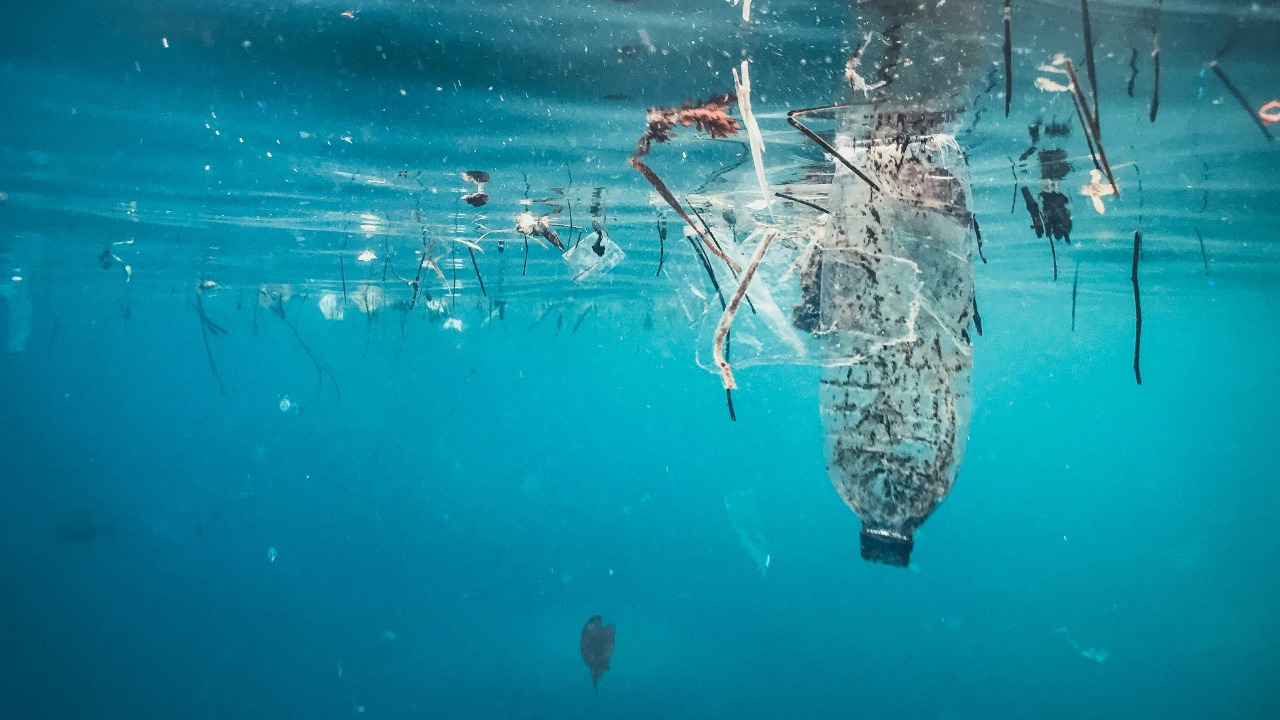
PCBs were widely used in electrical equipment and industrial applications due to their insulating properties. However, they are highly toxic and persist in the environment, accumulating in the food chain and posing risks to human and animal health.
The production of PCBs was banned in the late 1970s in many countries, including the United States, under the Toxic Substances Control Act. Cleanup efforts and monitoring programs aim to address lingering contamination and prevent further exposure.
Mercury
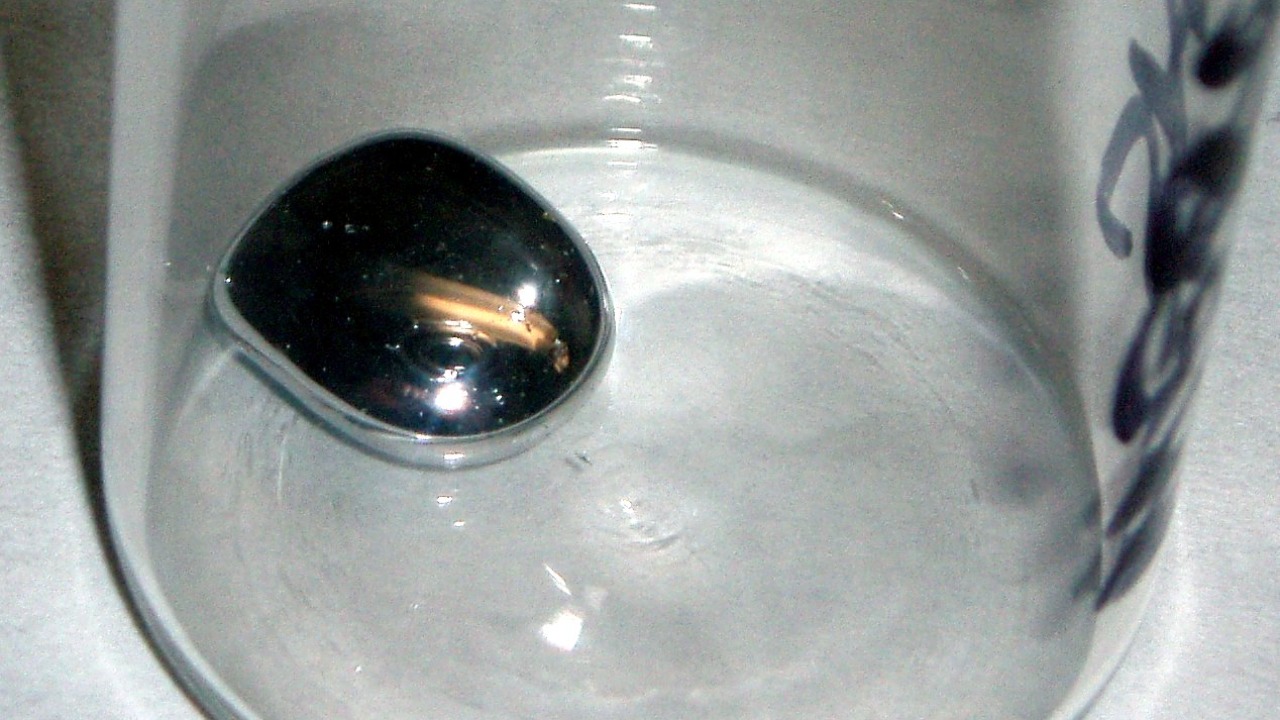
Mercury is a naturally occurring element used in various industrial processes and products, such as thermometers and dental amalgams. Its neurotoxic effects, particularly in children and fetuses, have led to global efforts to reduce exposure and eliminate its use in many applications.
The Minamata Convention on Mercury, an international treaty signed in 2013, aims to protect human health and the environment by controlling mercury emissions and phasing out its use in products like batteries and fluorescent lamps.
