While electric vehicles (EVs) are lauded for their environmental benefits and fuel savings, some hidden costs can surprise new owners. From battery replacement to depreciation rates, it’s important to consider these factors before making a purchase. Let’s delve into the eight hidden costs of owning an EV that every potential buyer should be aware of.
Battery Replacement and Degradation
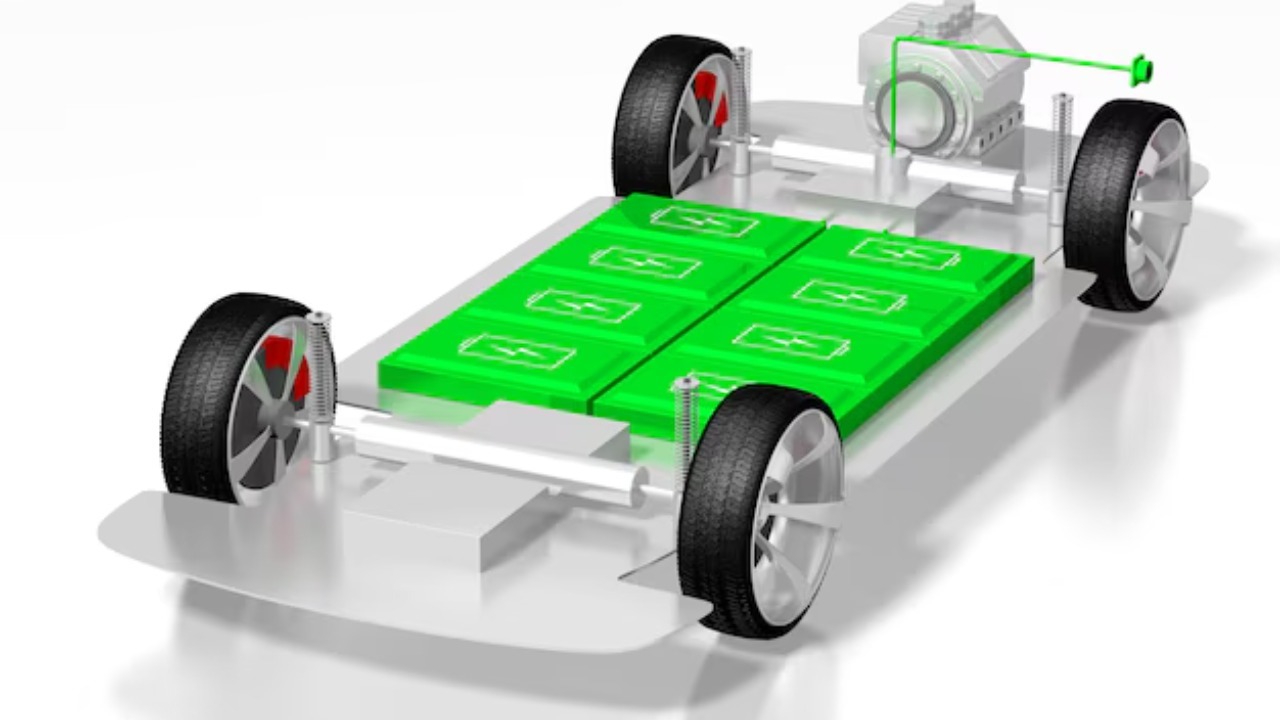
One of the primary concerns with owning an EV is the battery’s lifespan. While EV batteries are designed to last several years, they eventually degrade, leading to reduced range and efficiency. Replacing a battery can be expensive, often running into thousands of dollars. It’s crucial to factor in this potential cost, especially if you plan to keep the vehicle long-term. Regular maintenance and smart charging habits can help prolong battery life, but eventual replacement is almost inevitable.
Charging Infrastructure Installation
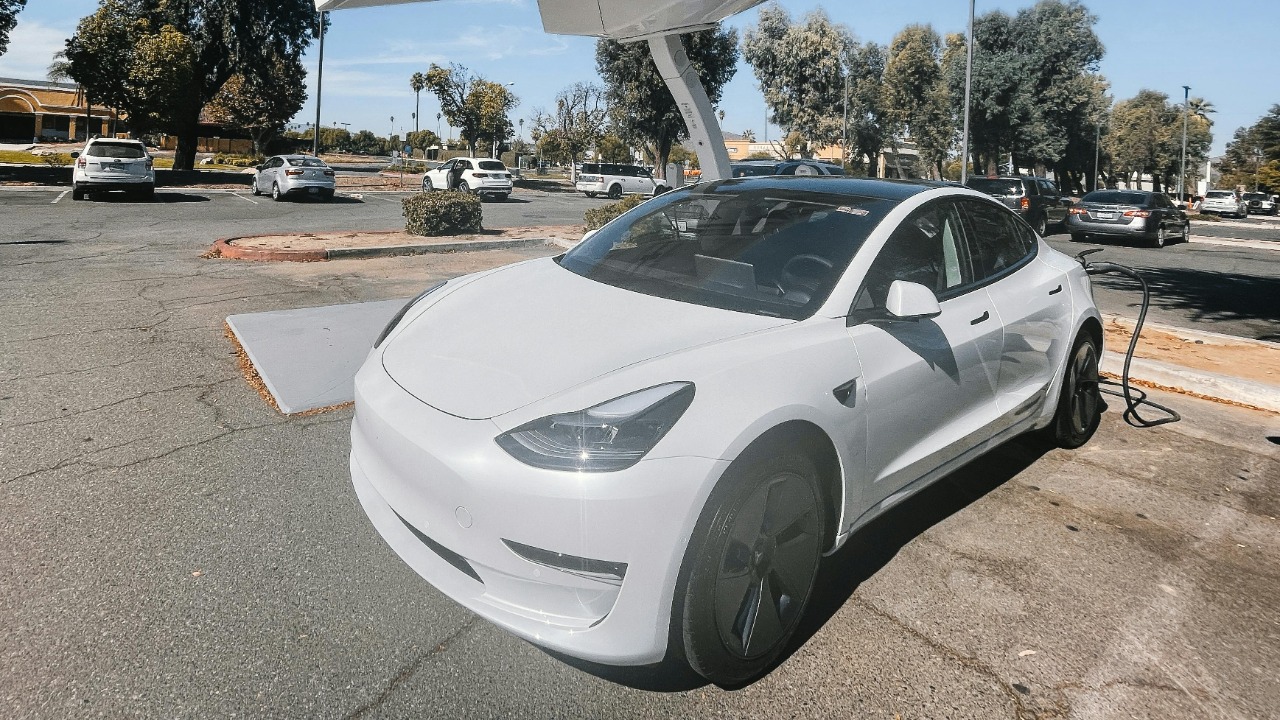
Setting up a home charging station can be a significant expense. While some EVs come with basic charging equipment, many owners opt for faster Level 2 chargers. Installing these chargers may require electrical upgrades, costing hundreds to thousands of dollars. Additionally, if you live in a rented property or an apartment, getting permission for installation might be an added hurdle. Researching local installation costs and potential rebates can help mitigate this expense.
Increased Home Electricity Bills

While EVs save on fuel costs, they can lead to a spike in home electricity bills. Depending on your location and electricity rates, the cost of charging your vehicle at home can add up. It’s wise to monitor your electricity usage and explore time-of-use plans offered by utility companies to optimize charging times and reduce expenses. Additionally, investing in solar panels could offset some of these costs over time.
Maintenance of Specialized Components
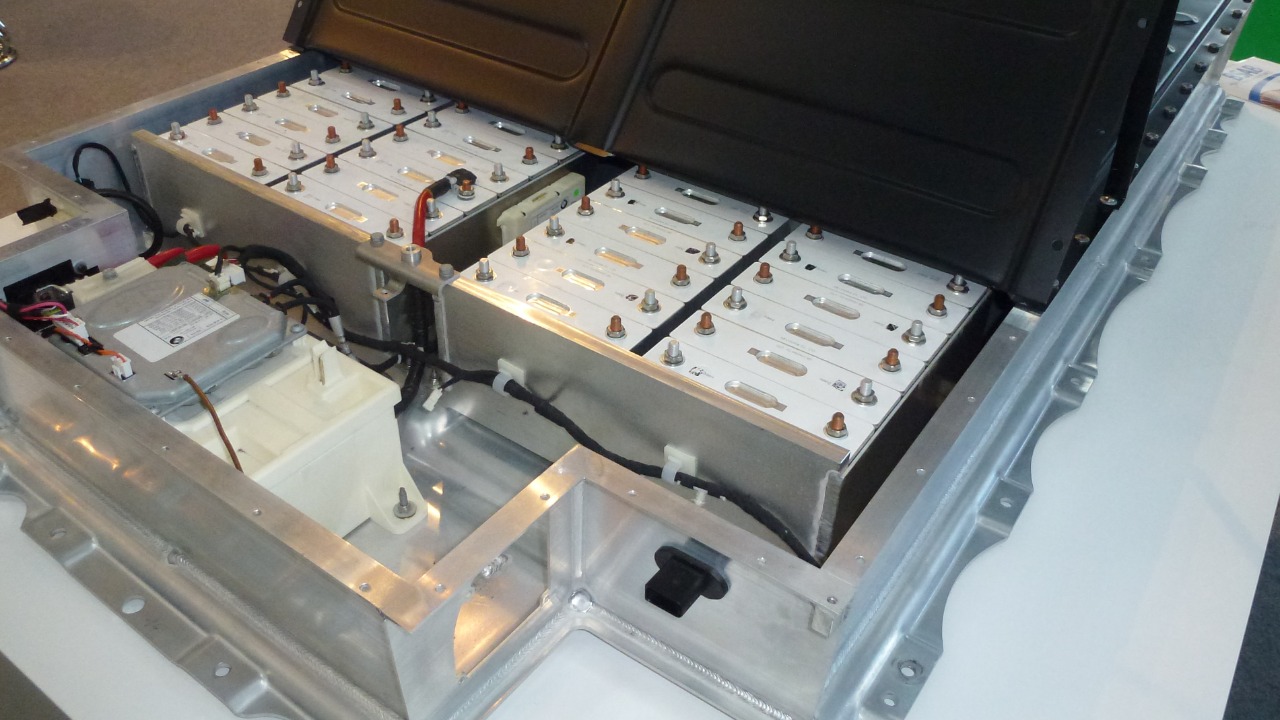
Though EVs generally require less maintenance than traditional cars, they still have specialized components that can incur costs. Brake systems, battery thermal management, and other unique parts may require attention. Regular checks are essential to ensure optimal performance. While the absence of oil changes is a relief, the potential need for specialized service can lead to unexpected expenses. It’s advisable to find a trusted EV service provider to avoid premium charges.
Insurance Premiums

Insurance costs for EVs can be higher due to their advanced technology and high repair costs. Many insurers consider these factors when calculating premiums. It’s important to shop around and compare insurance rates before committing to a purchase. Additionally, installing safety features and opting for higher deductibles can help reduce premiums. Always be transparent with your insurer about any modifications or additional features to avoid future complications.
Depreciation Rates

EVs tend to depreciate faster than their internal combustion engine counterparts. Rapid advancements in technology can make older models less attractive in the resale market, leading to a steep drop in value. While some EVs hold their value better than others, it’s crucial to research specific models and their depreciation rates. Opting for models with strong resale histories and newer technology can mitigate depreciation losses.
Software and Connectivity Fees

Many EVs come equipped with advanced software features, some of which require subscription fees. Navigation, remote diagnostics, and other connectivity services can incur monthly or annual charges. Staying updated with the latest software may enhance the driving experience but can also add to the overall cost of ownership. It’s essential to review these features and their associated fees before purchase to avoid surprises down the road.
Resale Market Fluctuations

The EV resale market is still in its infancy and can be unpredictable. Factors like government incentives, battery advancements, and consumer preferences can lead to fluctuations in resale value. It’s important to stay informed about market trends and consider timing your sale strategically. Purchasing an EV from a reputable brand can also improve resale prospects, as established manufacturers often have better brand loyalty and market recognition.
