
Electric SUVs promised fewer moving parts and less time in the shop, but the first wave has produced a long list of recalls, software patches and stranded owners. Battery fires, overheating contactors and doors that unlatch on the move have all landed on federal recall notices. Here are eight electric SUVs that have already given their owners trouble.
1. Audi e-tron: Wet Wiring Forced An Early Recall
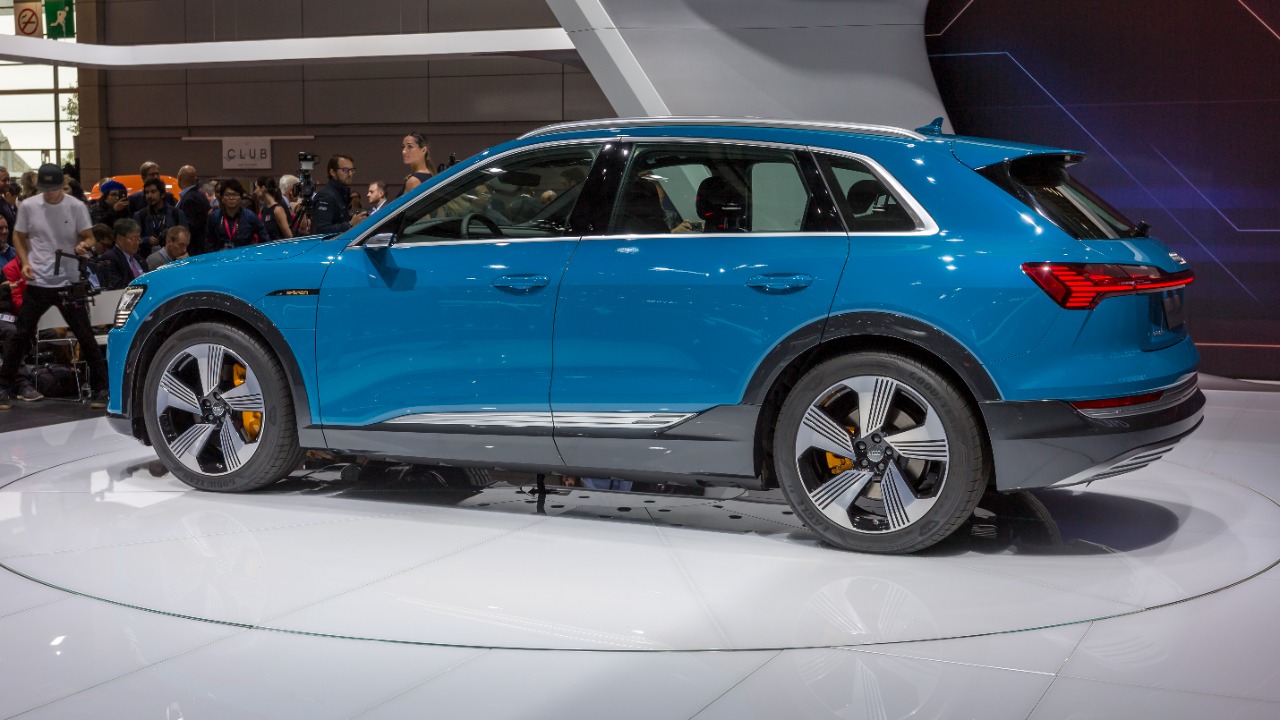
Audi’s first mass-market electric SUV reached American driveways under a cloud. Weeks into deliveries in 2019, the company recalled the e-tron over a wiring harness that could let moisture seep into the high-voltage battery and, in rare cases, start a fire. The battery moisture recall touched fewer than 2,000 vehicles worldwide, but it arrived before most buyers had even taken delivery.
Later cars were rebadged as the Q8 e-tron and moved past the problem. The early recall still set a tone that owner complaints about slow charging sessions and balky infotainment did nothing to dispel, and modest range for such a heavy vehicle made every glitch feel more expensive. Used examples now trade at heavy discounts.
2. Jaguar I-Pace: Owners Told To Limit Charging

Praise from reviewers did not spare Jaguar’s electric SUV from a run of battery trouble. After fires in parked cars, Jaguar recalled thousands of early I-Pace crossovers built with LG battery modules and issued software meant to detect a failing cell before it ignites.
Interim guidance asked owners to charge no higher than about 75 percent and to park outdoors until the fix was applied, which is a lot to ask of a luxury purchase. Jaguar has since ended production as it retools around a new electric lineup, thinning the service network. Used buyers should confirm the recall work was completed.
3. Ford Mustang Mach-E: Overheating Contactors Cut The Power
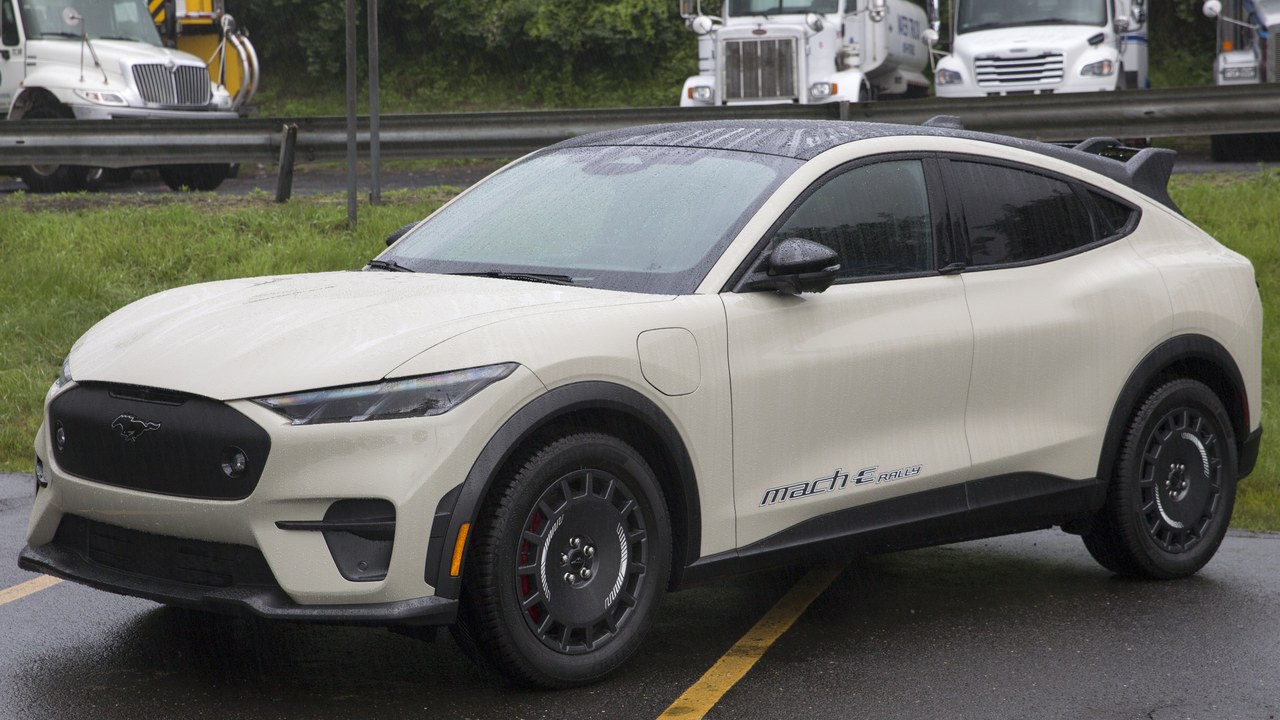
Few electric crossovers sold better outside Tesla, and few produced a bigger software headache. A 2022 recall covered roughly 49,000 examples of the Ford electric crossover whose high-voltage battery contactors could overheat during DC fast charging or repeated hard acceleration, then cut power to the wheels without warning.
Ford treated the fault with a software update rather than new hardware, pushed over the air or installed at a dealer, and paused shipments while the remedy was validated. That sequence has become the segment’s routine. It works, but it also means a vehicle’s reliability now depends on a code release schedule as much as on its parts.
4. Chevrolet Bolt EUV: The Battery Recall That Covered Everything
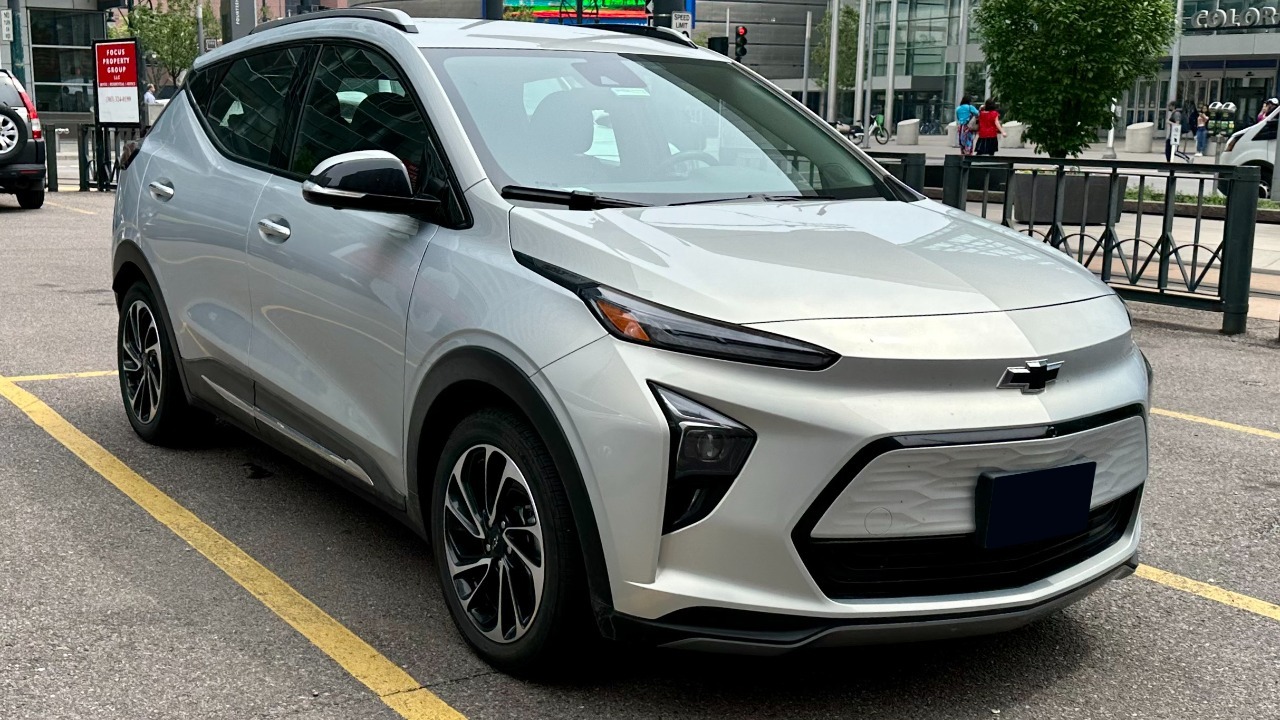
The taller, roomier Bolt arrived in 2021 and was swept into a recall within months. General Motors ultimately recalled every Bolt EV and EUV ever built, roughly 142,000 vehicles, after fires were traced to two rare manufacturing defects that could appear together in LG battery cells.
Owners were told to park outdoors and away from buildings while they waited for replacement modules, and production stopped for months. General Motors booked a charge near $1.9 billion, most of it later reimbursed by the cell supplier. Cars that received fresh packs are arguably among the sounder used electrics, though the episode still shadows the name.
5. Volkswagen ID.4: Door Handles That Let Water In
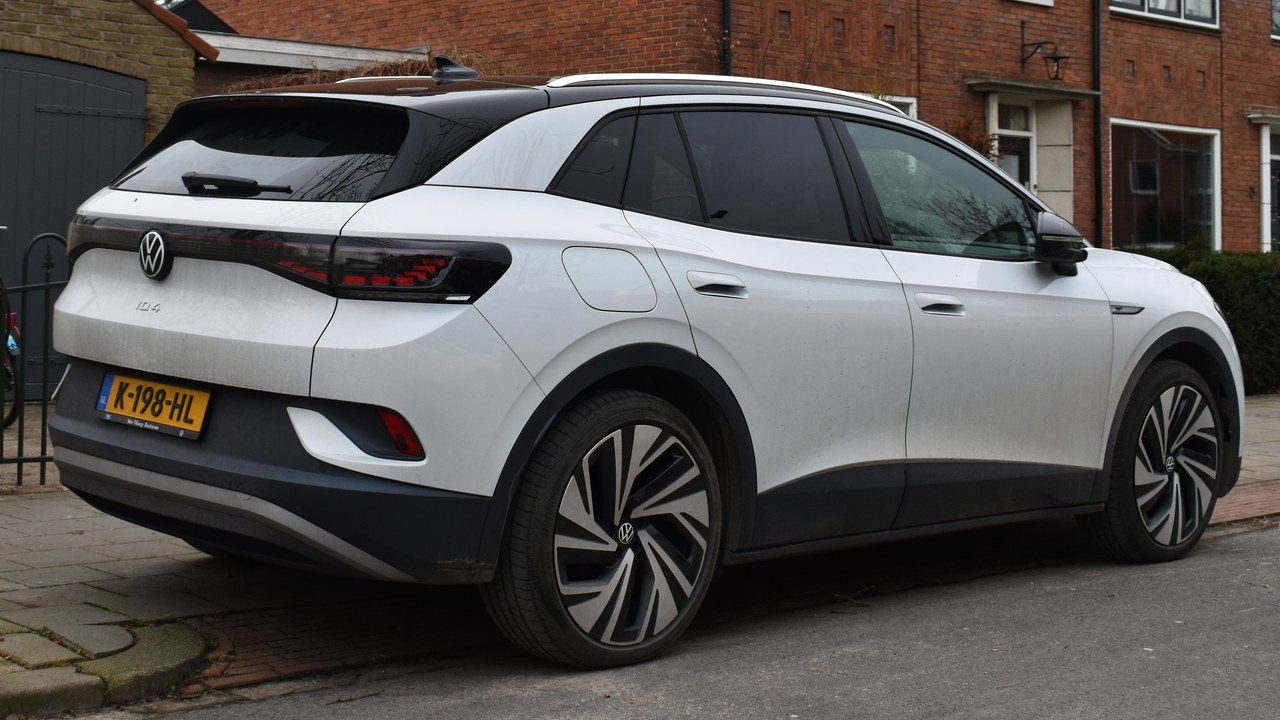
Volkswagen shipped its electric SUV with software its own executives later conceded was not ready. Infotainment freezes, phantom warnings and sluggish charging sessions filled owner forums, and a 2023 recall of the Volkswagen electric SUV addressed water intrusion in the door handles that could cause a door to open unexpectedly.
Dealers installed a free update that replaced the infotainment software wholesale, and later builds respond far more quickly. Volkswagen has since reorganized the software arm blamed for the delays. The earliest cars are the ones worth inspecting closely, because not every owner brought a vehicle back for work that was not strictly mandatory.
6. Tesla Model X: Wing Doors And Corroding Bolts
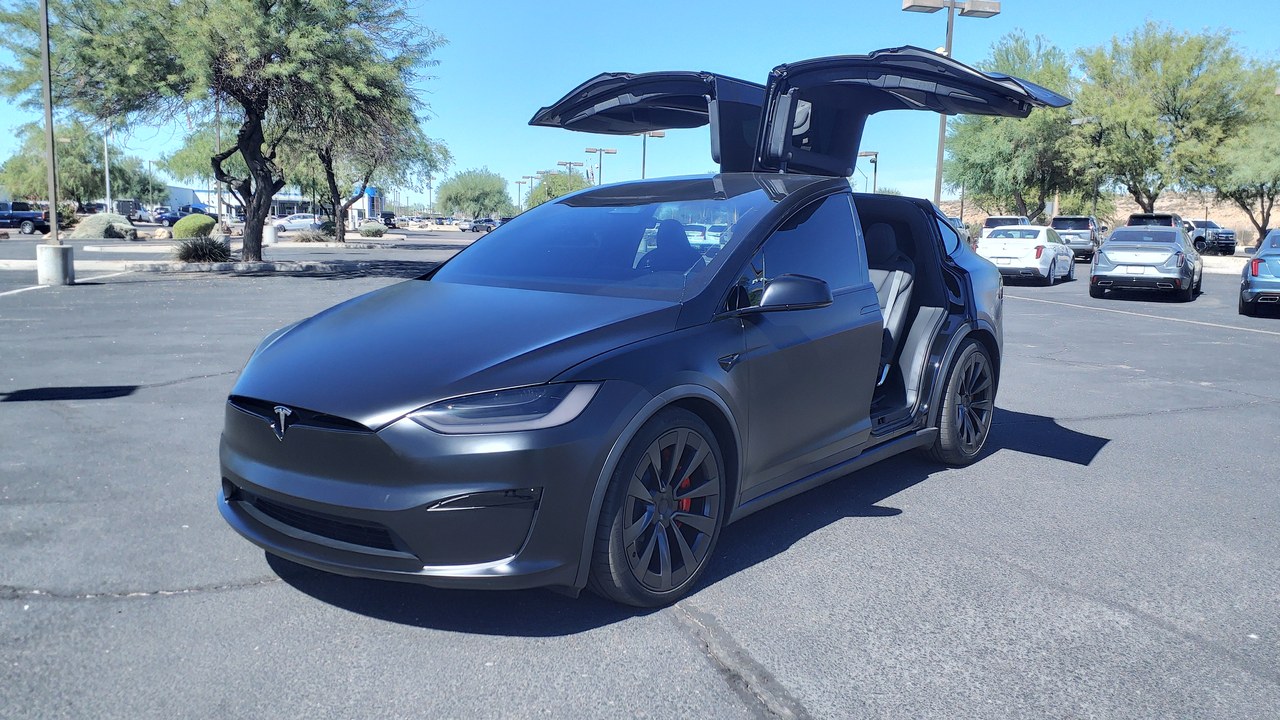
Rear doors that lift like wings gave this SUV its signature and its longest service history, since the sensors and hinges that operate them have been a recurring shop visit since launch. In 2020 Tesla recalled roughly 15,000 early Model X SUVs whose power steering bolts could corrode where roads are heavily salted.
An earlier campaign covered third-row seat backs that could fold forward in a collision. Neither fault is unique to electric drive, but both landed on a vehicle whose complexity was the entire selling point. Independent repair options stay thin, so an out-of-warranty owner usually pays service-center rates for whatever goes wrong.
7. Nissan Ariya: A Slow Start, Slower Charging
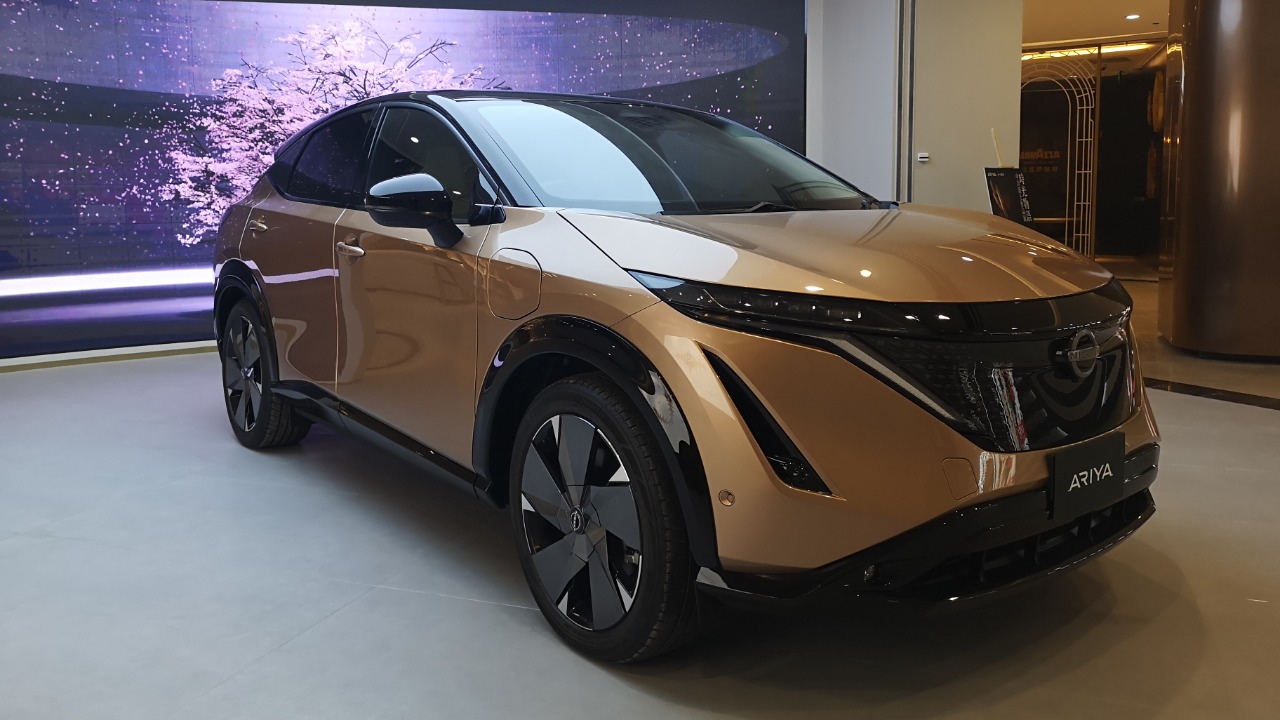
Nissan sold the first mass-market electric car, then took years to follow it with an electric SUV. The Nissan Ariya crossover slipped repeatedly from its announced timeline and reached American dealers in small numbers, and the cars that did arrive fast-charge at a peak near 130 kilowatts, well behind rivals on a long day of driving.
Early examples also lack the battery preconditioning that competitors use to warm a pack before a fast charger, so cold-weather stops drag on. Owner complaints cluster around charging behavior and infotainment rather than drivetrain failures. That is the milder end of this list, but it is not what a flagship launch was supposed to deliver.
8. Rivian R1S: One Bolt, Almost The Whole Fleet
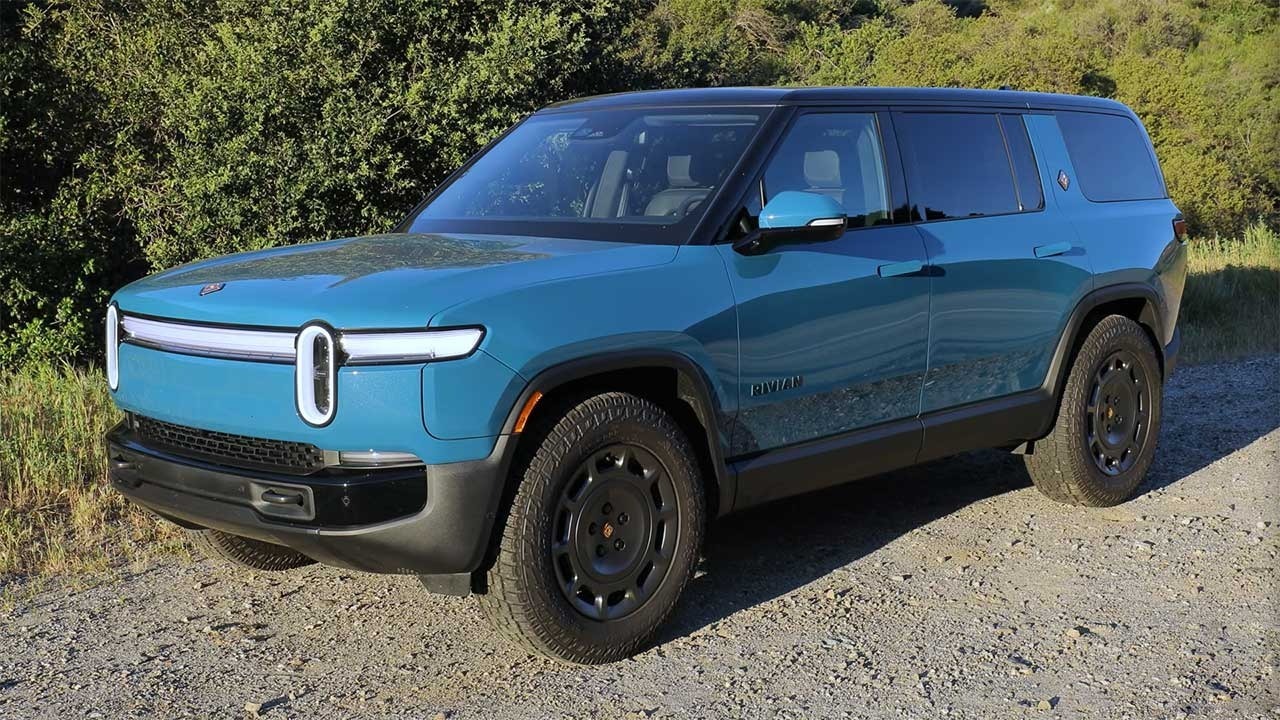
Strong reviews met an unusually rough introduction for Rivian’s three-row SUV. In October 2022 the company recalled about 13,000 vehicles, nearly everything it had built, because a fastener joining the front upper control arm to the steering knuckle on the Rivian R1S and R1T might not have been tightened enough.
Most inspections took minutes, but the recall landed alongside long service waits and early-build fit-and-finish complaints as the young company scaled. Rivian has since expanded its service centers and mobile technician fleet. Later production, particularly the revised second-generation platform, draws noticeably fewer of those complaints from owners.
More from Morning Overview
