Electric vehicles (EVs) have become increasingly popular due to their eco-friendly nature and lower operational costs. However, not all electric cars retain their value well over time. If you’re considering purchasing an EV, it’s important to factor in resale value, as some models depreciate significantly faster than others.
Nissan Leaf

The Nissan Leaf, particularly models from 2011 to 2017, is known for its rapid depreciation. Despite its popularity as one of the first mass-market electric cars, the early models have suffered from limited range and battery degradation issues, leading to a steep drop in resale value. According to Economic Times, these factors have contributed to a lower demand in the used car market.
Chevrolet Bolt EV

The Chevrolet Bolt EV, particularly the 2017 and 2018 models, has experienced a significant depreciation. While the Bolt EV offers an impressive range, the model has been plagued by battery issues leading to recalls, which has subsequently affected its resale value. As per Business Insider, potential buyers are often wary of these early models, preferring newer iterations with improved battery safety.
BMW i3
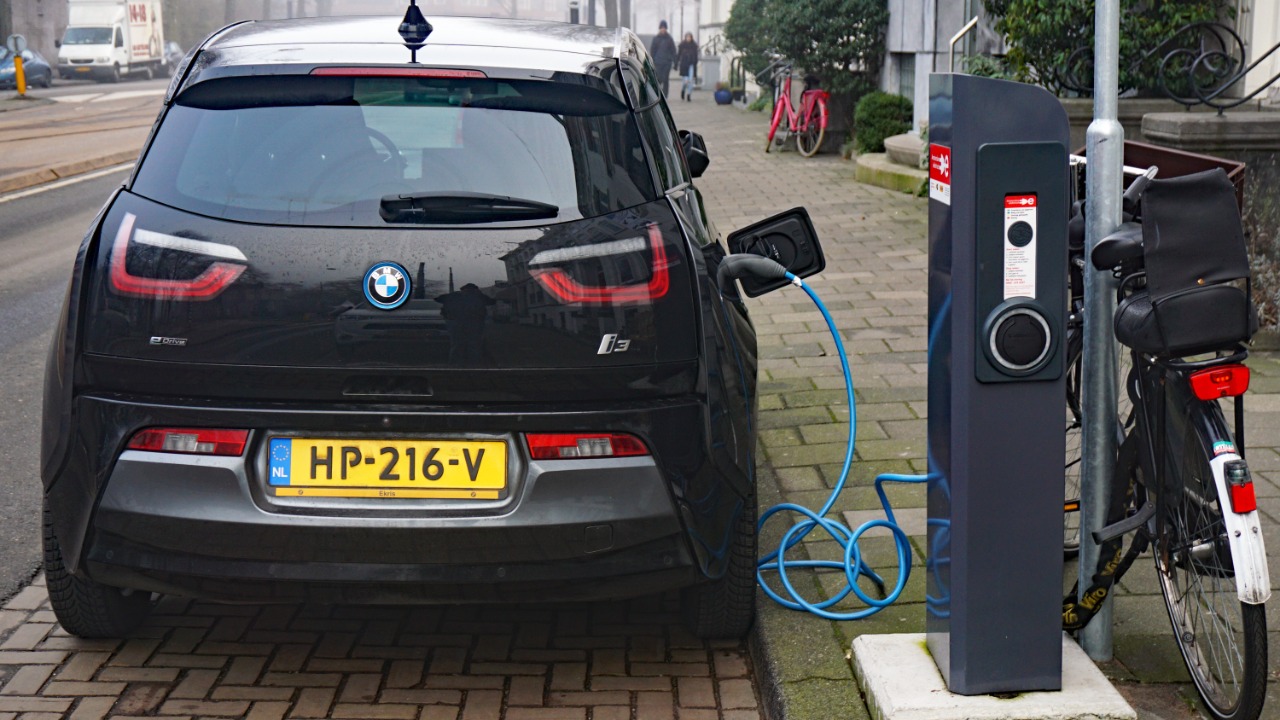
The BMW i3, especially the 2014 to 2016 models, also faces rapid depreciation. While it was innovative at launch, its quirky design and limited range have restricted its appeal in the used car market. The high initial purchase price followed by the rapid drop in value makes it less attractive for those considering resale potential. Insights from Springer suggest that unique models often face challenges in retaining value.
Fiat 500e
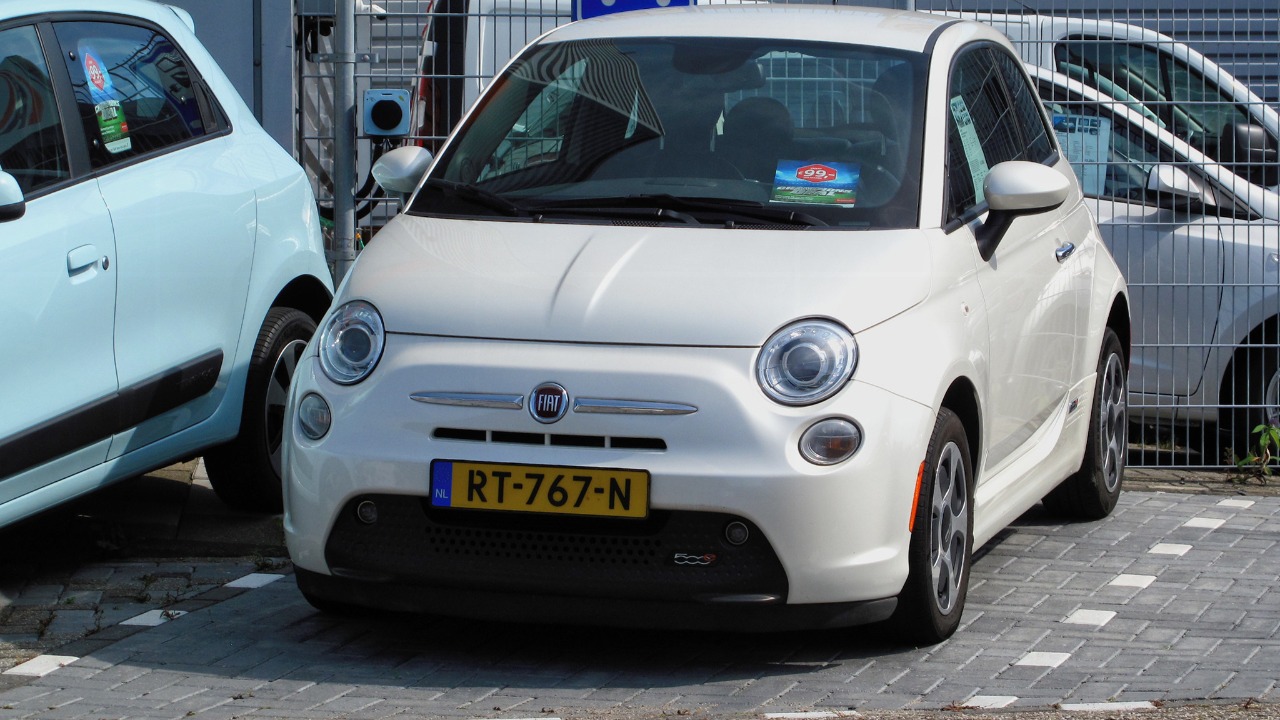
The Fiat 500e, particularly models from 2013 to 2019, is known for its sharp depreciation. Despite its fun driving experience and compact design, its limited range and niche appeal have contributed to its poor resale value. The small size and lack of practicality for many buyers further exacerbate its depreciation in the used market.
Hyundai Ioniq Electric
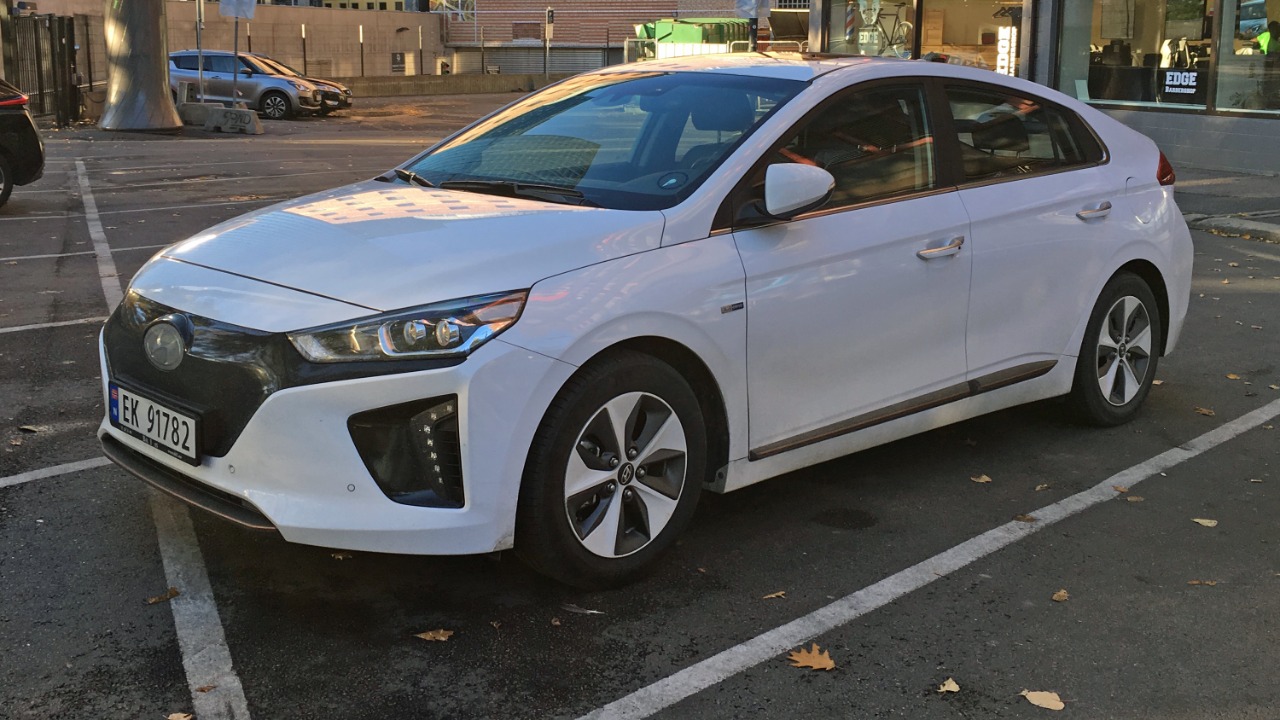
The Hyundai Ioniq Electric, particularly the 2017 and 2018 models, has faced significant depreciation. While the Ioniq Electric offers good efficiency and features, it struggles with limited range compared to competitors, which impacts its desirability in the used market. A Semantics Scholar study highlights that range limitations often deter potential second-hand buyers.
Ford Focus Electric
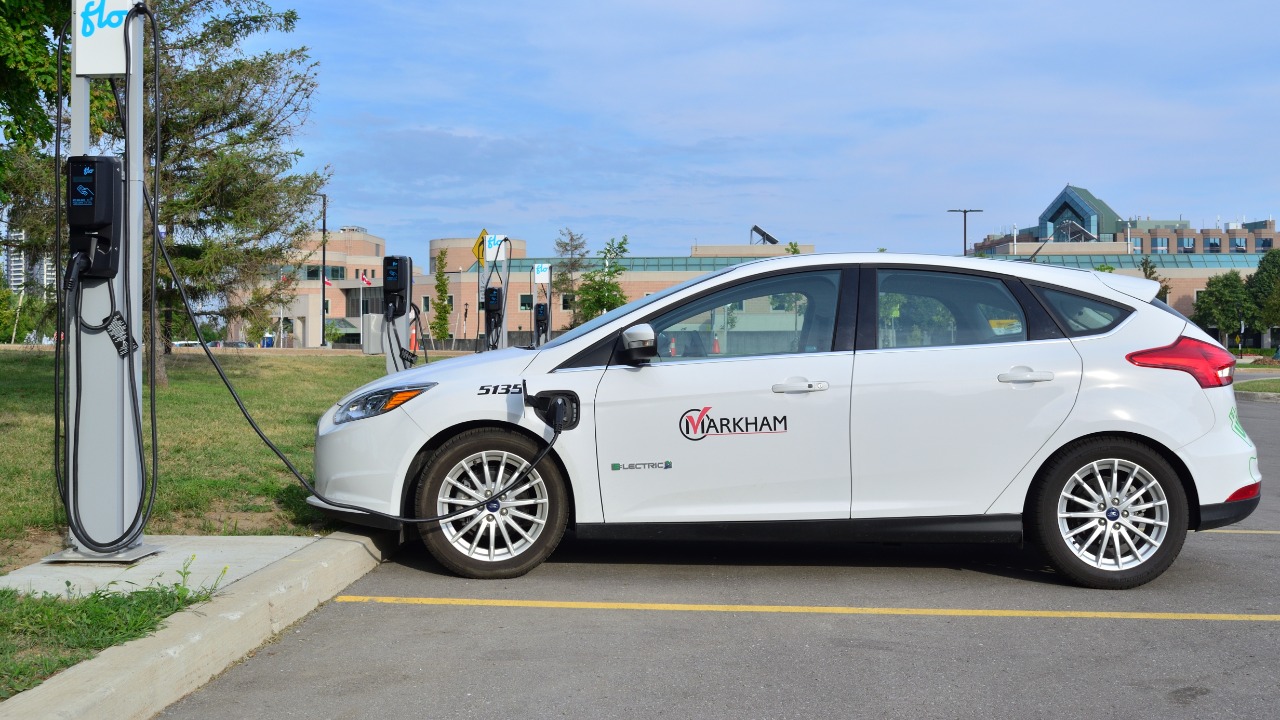
The Ford Focus Electric, particularly models from 2012 to 2018, has not fared well in terms of resale value. Its modest range and the availability of more practical and efficient options have led to a rapid depreciation. The lack of significant updates over the years also contributed to its reduced appeal among used car buyers.
Mitsubishi i-MiEV
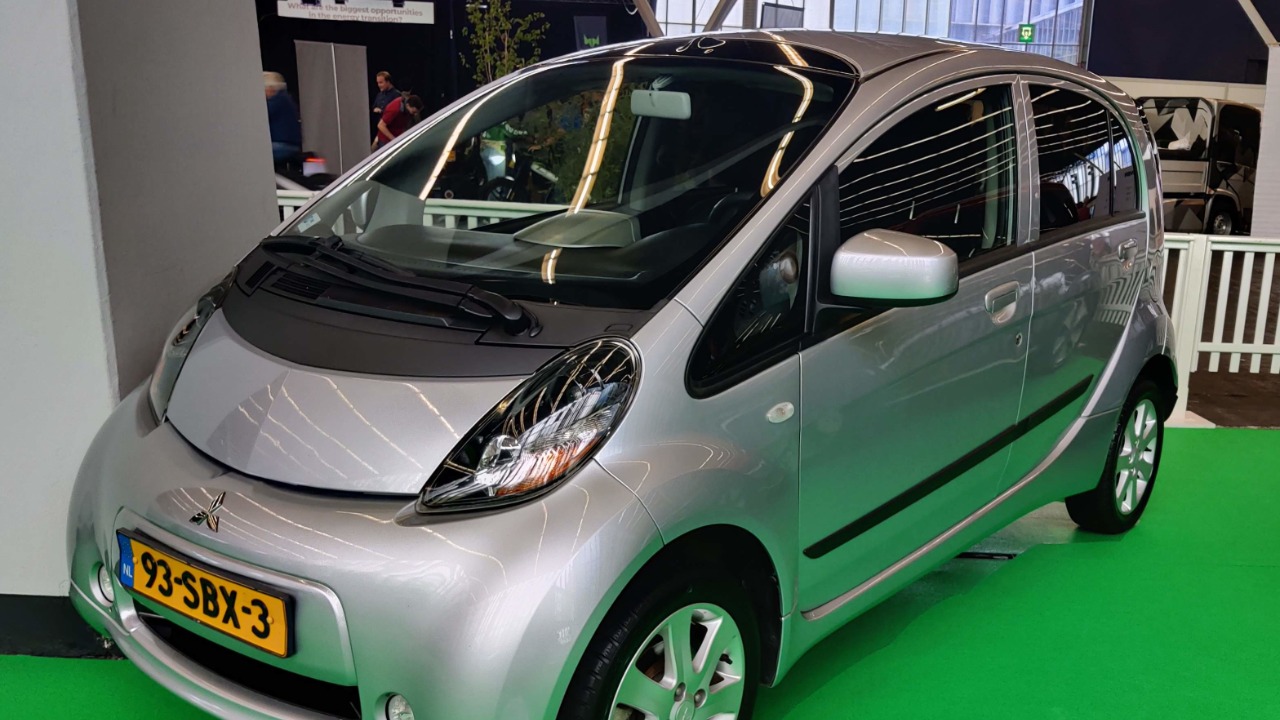
The Mitsubishi i-MiEV is known for its poor resale value, especially models from 2012 to 2017. While it stands out for its affordability, the limited range and niche market appeal have severely impacted its desirability. Many buyers opt for more mainstream models with better range and features, leaving the i-MiEV with a dwindling market presence.
Smart EQ ForTwo

The Smart EQ ForTwo, particularly from the 2018 model year, faces steep depreciation. Despite its compact design and urban-friendly features, its limited range and practicality issues have led to a significant drop in value. Buyers looking for EVs often prefer models that offer more space and range, resulting in low demand for used Smart EQ ForTwo models.
