Electric vehicles on American roads no longer follow one formula. Sedans, crossovers, pickups, and performance-oriented models now translate battery power into distinctly different ownership experiences, from efficient commuting to towing and rapid highway charging. These eight electric cars show how widely the market has expanded beyond the early niche of small urban vehicles.
1. Tesla Model 3: The Sedan That Broke Through
<p>Granada – CC BY-SA 4.0/Wiki Commons</p>
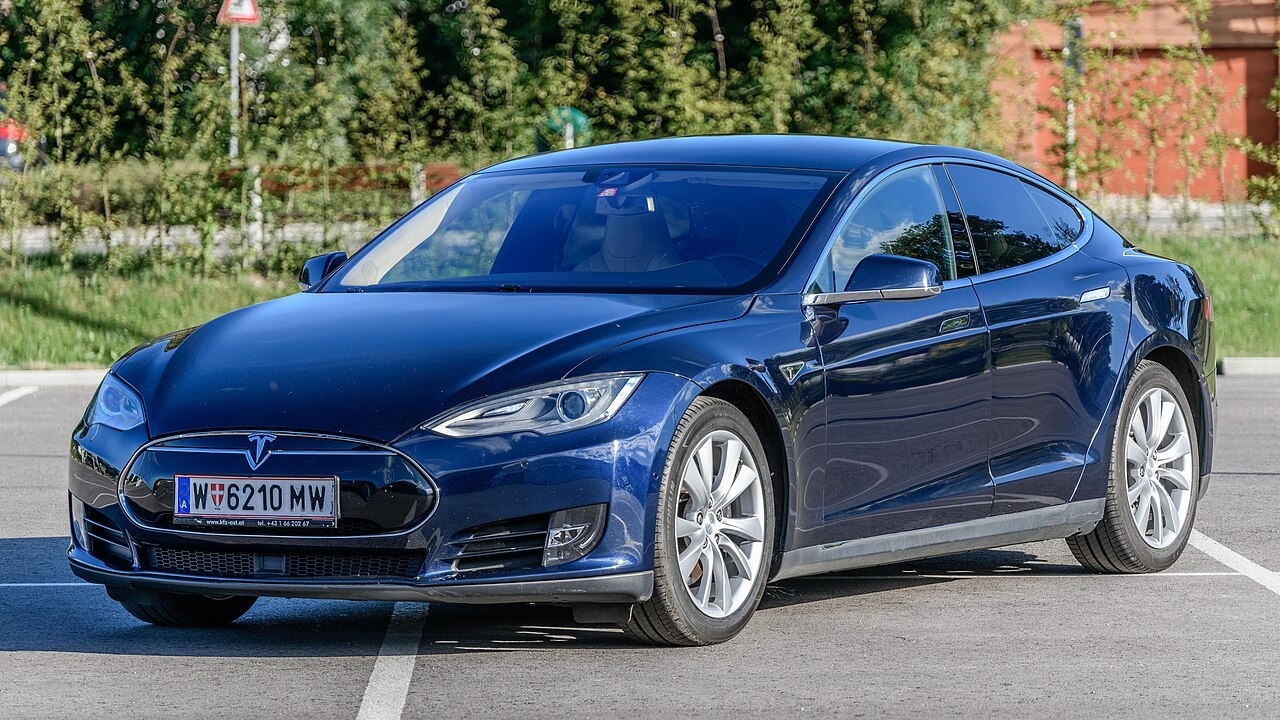
The Model 3 turned Tesla from a maker of expensive, lower-volume electric cars into a mass-market force. The company’s automotive history places the sedan after the Roadster, Model S, and Model X, giving it an established battery and charging ecosystem. Its compact footprint and fastback shape made an electric car feel like a normal daily vehicle rather than a technological experiment.
American roads now carry Model 3s from multiple production years, battery configurations, and hardware revisions, so range and charging performance vary. Buyers comparing used examples need to evaluate battery condition, repair history, wheel size, climate, and access to convenient charging. The minimalist cabin also makes software central to the driving experience, a design choice that separates the Model 3 from conventional sedans.
2. Tesla Model Y: Crossover Practicality Goes Electric
Image Credit: Aos.1905 – CC BY-SA 4.0/Wiki Commons
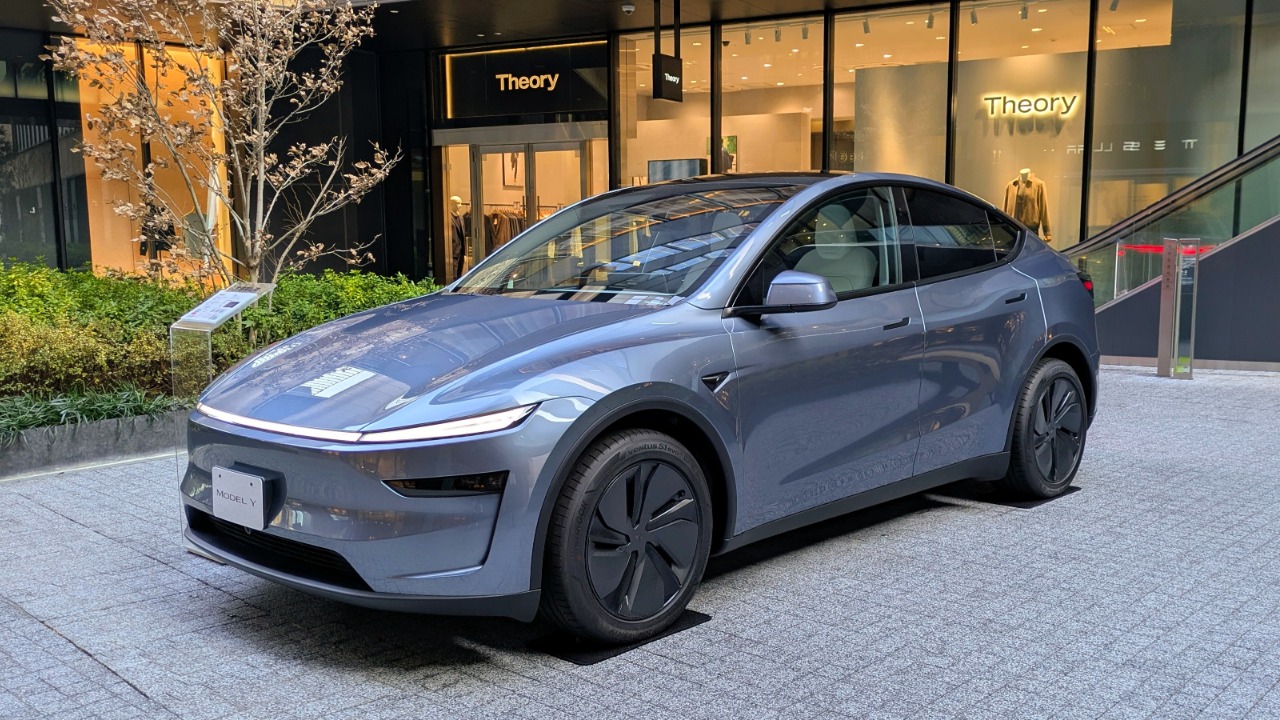
The Model Y applies Tesla’s battery-electric formula to the compact-crossover shape that dominates family-car shopping. Its vehicle profile reflects close ties to the Model 3 while adding a taller body, hatchback access, and more flexible cargo space. That combination helped electric propulsion reach buyers who wanted everyday utility without moving to a large SUV or pickup.
The shared platform does not make the two Teslas interchangeable. The Model Y’s ride height, cabin volume, weight, wheels, and available seating configurations change efficiency and comfort. Used shoppers also encounter meaningful variation across factories and production dates. Charging access remains the practical dividing line: home charging can make routine ownership simple, while drivers dependent on public stations must plan around local availability and trip patterns.
3. Ford Mustang Mach-E: A Historic Badge Meets Batteries
Image Credit: OWS Photography – CC BY 4.0/Wiki Commons
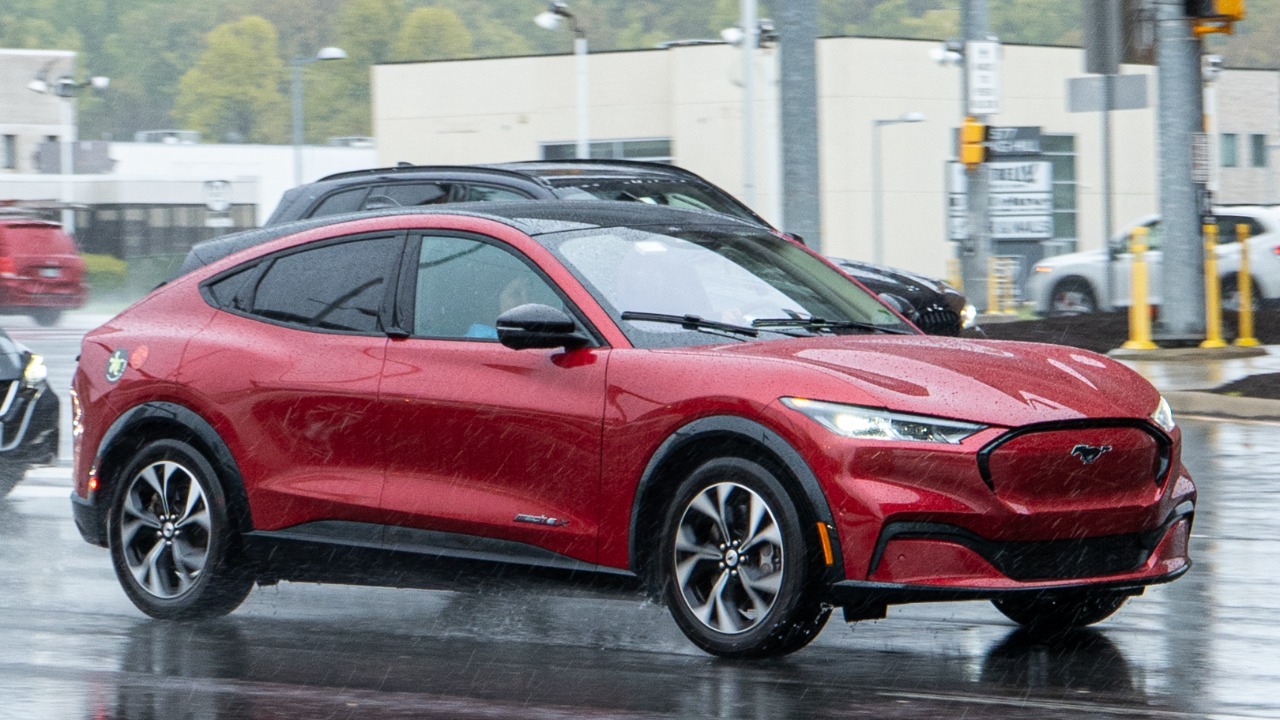
Ford used the Mustang name to frame its battery crossover as something more emotional than an appliance. The Mach-E’s design is a five-door utility vehicle rather than a direct electric version of the traditional coupe, but familiar lighting and body cues connect the two. Rear- and all-wheel-drive configurations let the platform cover efficient commuting and stronger performance roles.
That breadth means the badge alone does not identify range, power, or charging behavior. Battery size, drivetrain, wheels, weather, and software state all affect real use. The Mach-E also illustrates how legacy automakers translate dealer service, familiar controls, and established branding into an EV. Buyers still need to examine battery coverage, charging history, and open service actions for the exact vehicle under consideration.
4. Chevrolet Bolt EV: Useful Range in a Small Package
Image Credit: Gregory Varnum – CC BY-SA 4.0/Wiki Commons
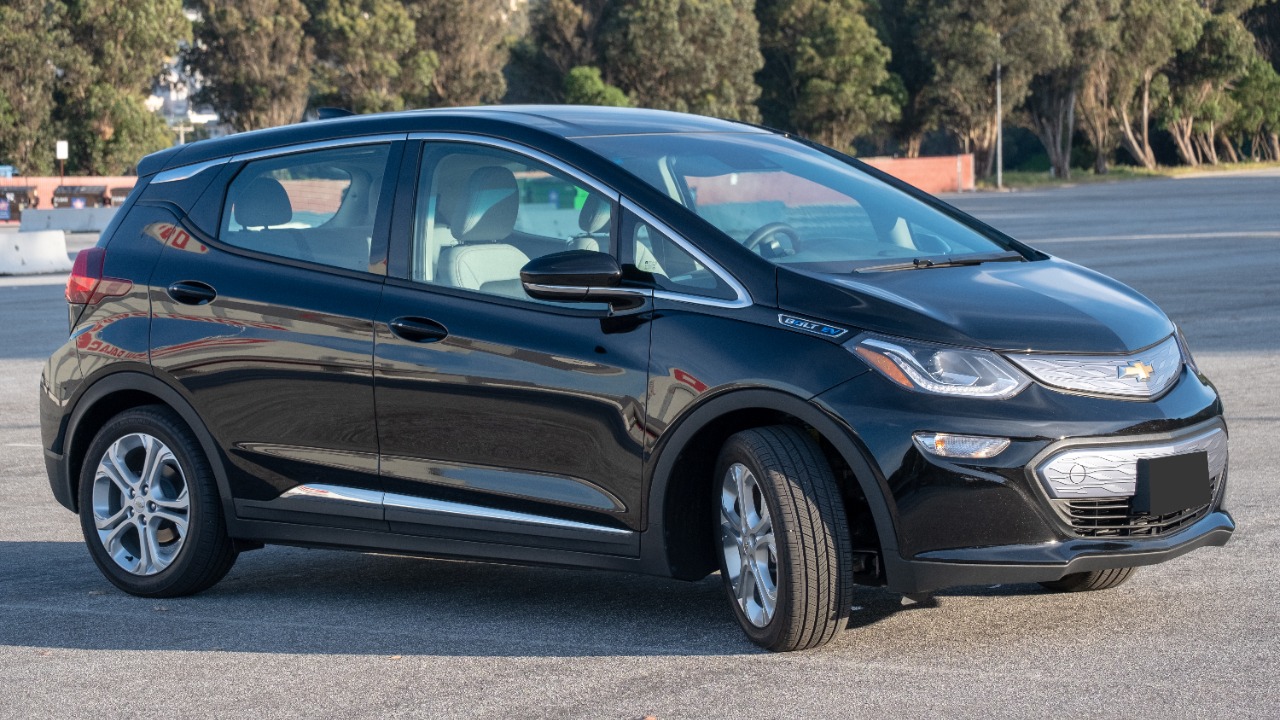
The Bolt EV demonstrated that a small, affordable hatchback could offer enough battery capacity for more than short urban trips. Its model history distinguishes the original Bolt EV from the larger Bolt EUV, though the names are often blurred in conversation. A tall roof and wheels pushed toward the corners created useful passenger space within a compact footprint.
Used Bolts require careful attention to battery documentation because the model was subject to a major battery recall and remedy program. Charging speed is another consideration: the car’s highway fast-charging capability trails newer 800-volt designs, even when daily range is sufficient. For drivers who can charge overnight and value efficiency over rapid road-trip stops, the Bolt EV remains a practical illustration of early mainstream electric-car design.
5. Hyundai Ioniq 5: Fast Charging Shapes the Experience
Image Credit: HJUdall – CC0/Wiki Commons
The Ioniq 5 pairs a sharply creased, retro-influenced body with modern electric architecture. Its E-GMP platform uses an 800-volt electrical system, a design that can support high charging power at compatible stations. A long wheelbase and flat floor give the cabin proportions that are difficult to achieve when an engine and transmission occupy the front of a conventional crossover.
Peak charging claims do not describe every stop. Battery temperature, state of charge, station capability, and shared-site conditions determine the actual curve. The Ioniq 5 therefore works best when owners understand route planning and preconditioning rather than focusing on one maximum number. Different drivetrains, battery sizes, and wheel packages also change range, performance, and ride, making exact configuration important for comparisons.
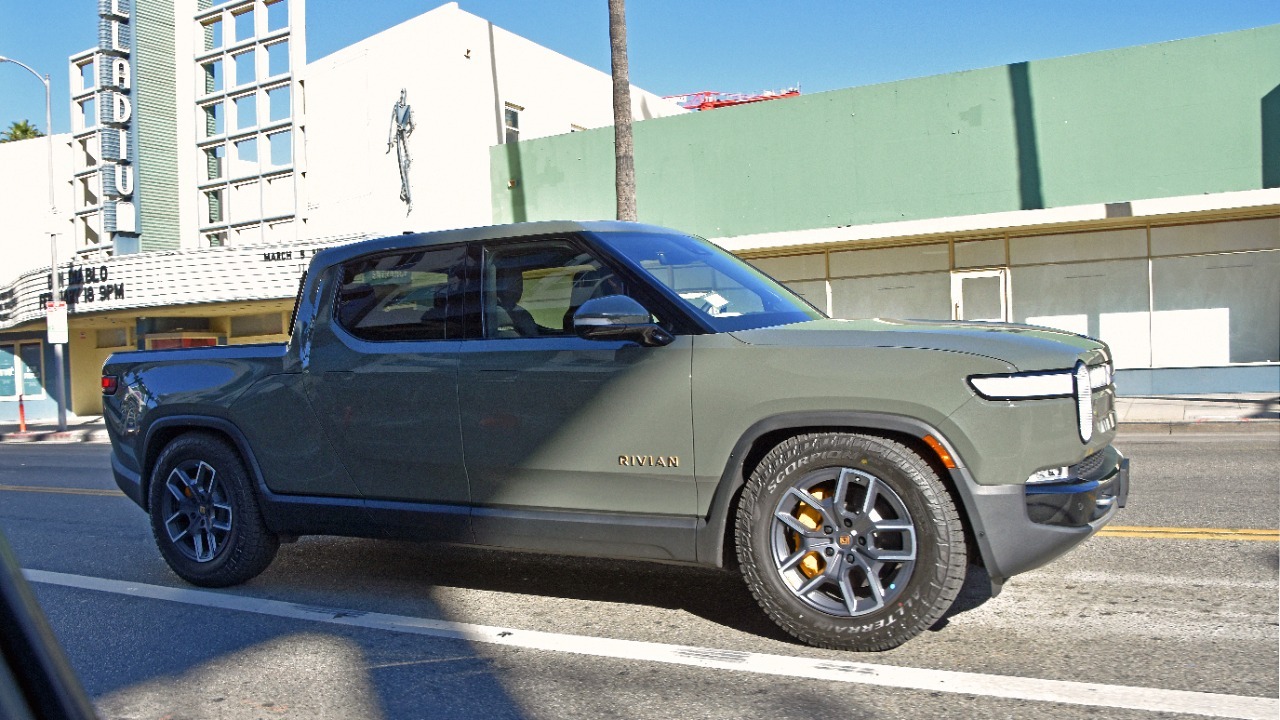
6. Rivian R1T: Electric Power Leaves the Pavement
Image Credit: Chris Yarzab – CC BY 2.0/Wiki Commons
The R1T treats an electric pickup as an adventure vehicle rather than a battery transplant into an existing truck. Its vehicle layout combines a pickup bed with enclosed storage spaces made possible by the absence of a front engine. Electric motors deliver immediate torque and controlled power, traits that can serve both quick road performance and slow off-road maneuvering.
Truck duties still impose hard energy tradeoffs. Towing, payload, speed, temperature, elevation, and tires can sharply alter range, while remote travel makes charger placement more consequential. The R1T also comes from a younger manufacturer, so service access and repair logistics may differ from those of established truck brands. Its strongest case is the way EV packaging creates new utility rather than merely replacing gasoline.
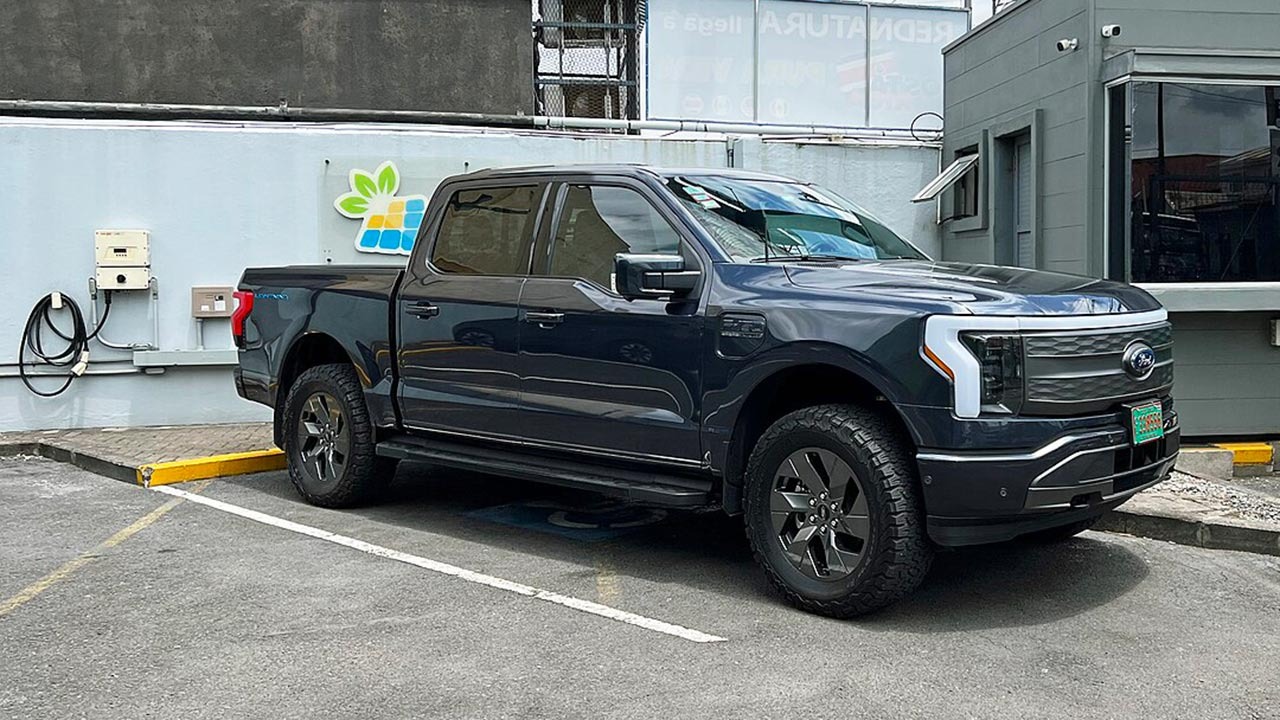
7. Ford F-150 Lightning: A Familiar Truck Changes Powertrains
Image Credit: Unknown author
The F-150 Lightning wraps an electric drivetrain in the familiar dimensions and working identity of Ford’s full-size pickup. Its electric configuration adds a large front storage compartment where an engine would normally sit, while retaining a conventional bed and spacious crew-cab layout. Strong motor torque makes the transition feel natural in ordinary acceleration and hauling.
Range becomes more complex when a pickup performs pickup work. Heavy trailers, aerodynamic drag, cold weather, and highway speed can reduce the distance between charging stops, so rated figures are only a starting point. The Lightning’s battery can also support external power functions in equipped setups, giving the vehicle value beyond transportation. Buyers should match battery, payload, towing, and charging needs to actual use.
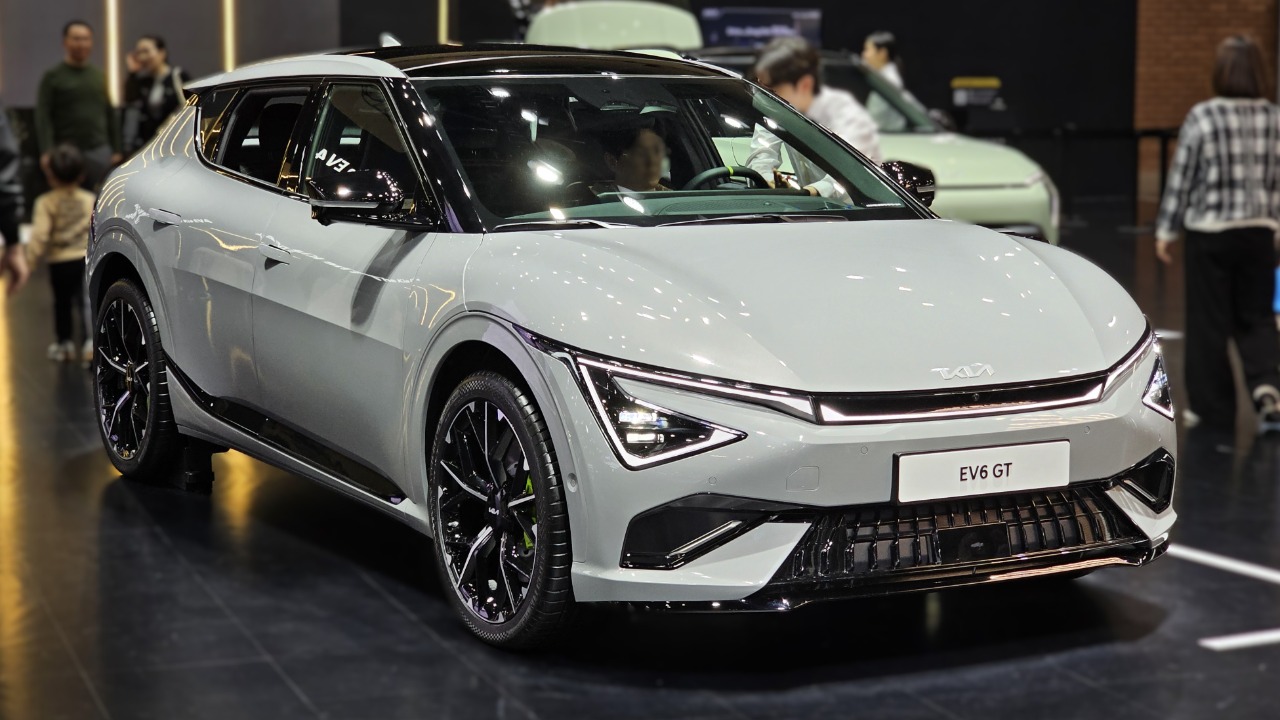
8. Kia EV6: Shared Architecture, Sportier Character
Image Credit: Damian B Oh – CC BY-SA 4.0/Wiki Commons
The EV6 shares Hyundai Motor Group’s electric foundation with the Ioniq 5 while presenting a lower, more performance-oriented shape. Its platform and model range support rear- or all-wheel drive and an 800-volt charging architecture. Those ingredients let Kia span efficient long-distance versions and quicker performance trims without changing the vehicle’s basic battery-electric layout.
The EV6’s sleeker roof and firmer character create different packaging and comfort tradeoffs from its Hyundai sibling. Charging speed still depends on station output, battery temperature, and state of charge, while wheels and drivetrain influence range. Used buyers should confirm charging equipment, software updates, warranty status, and repair history. The broader lesson is that shared EV hardware can produce vehicles with meaningfully different personalities.
More from Morning Overview
Morning Overview is reader-supported. Some links in our articles are affiliate links, and we may earn a commission at no extra cost to you. As an Amazon Associate I earn from qualifying purchases. Full disclosure.