
Convertibles have a reputation for fragile tops and finicky electronics, but not every drop-top earns that label. Some models pair open-air styling with drivetrains and chassis proven over many years of ownership. These eight convertibles show that reliability and wind-in-the-hair driving are not mutually exclusive.
1. Mazda MX-5: The Reliable Roadster Benchmark
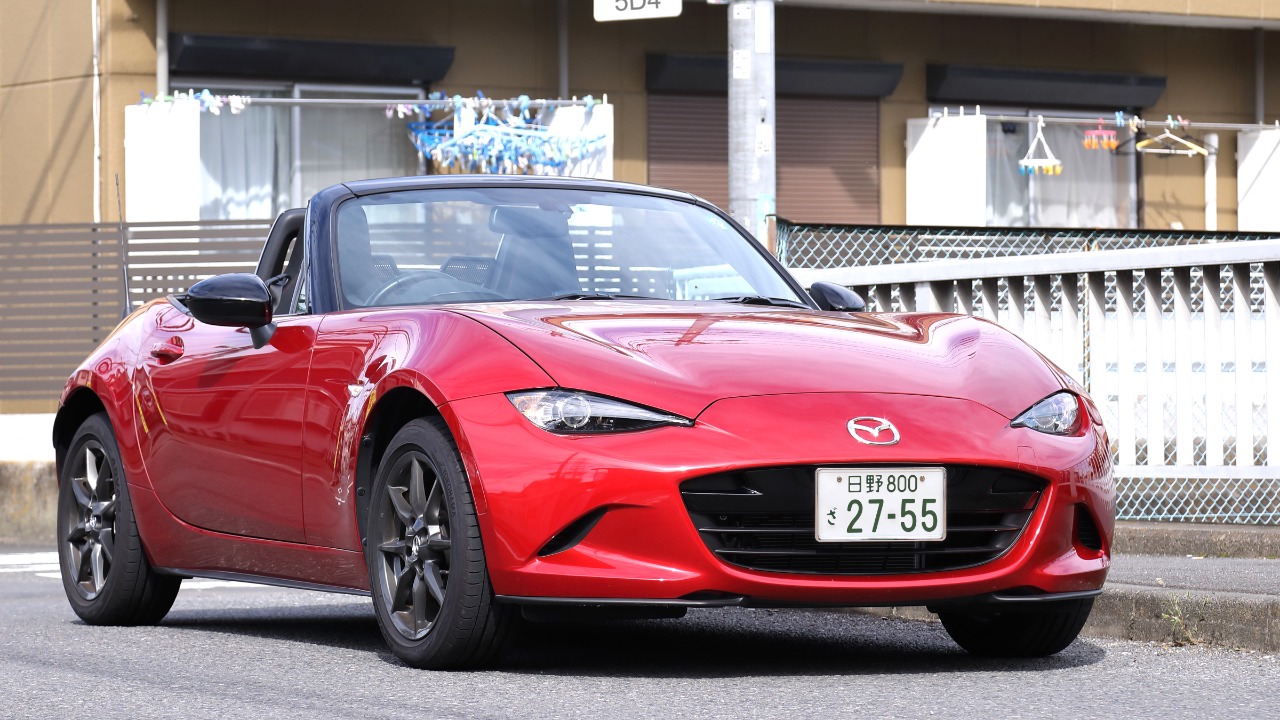
The Mazda MX-5 has spent more than three decades proving that a sports car does not need complexity to be fun, built around a small naturally aspirated engine, rear-wheel drive, and a light chassis with few stress points. Owner surveys and long-term reliability studies consistently rank the roadster’s simple drivetrain among the most dependable in its class.
Regular oil changes and basic maintenance are usually enough to keep one running well past 150,000 miles. The biggest wear items are soft-top seals and clutch wear on cars driven hard, not engine or transmission failures.
2. Ford Mustang: Proven Hardware, Open Top
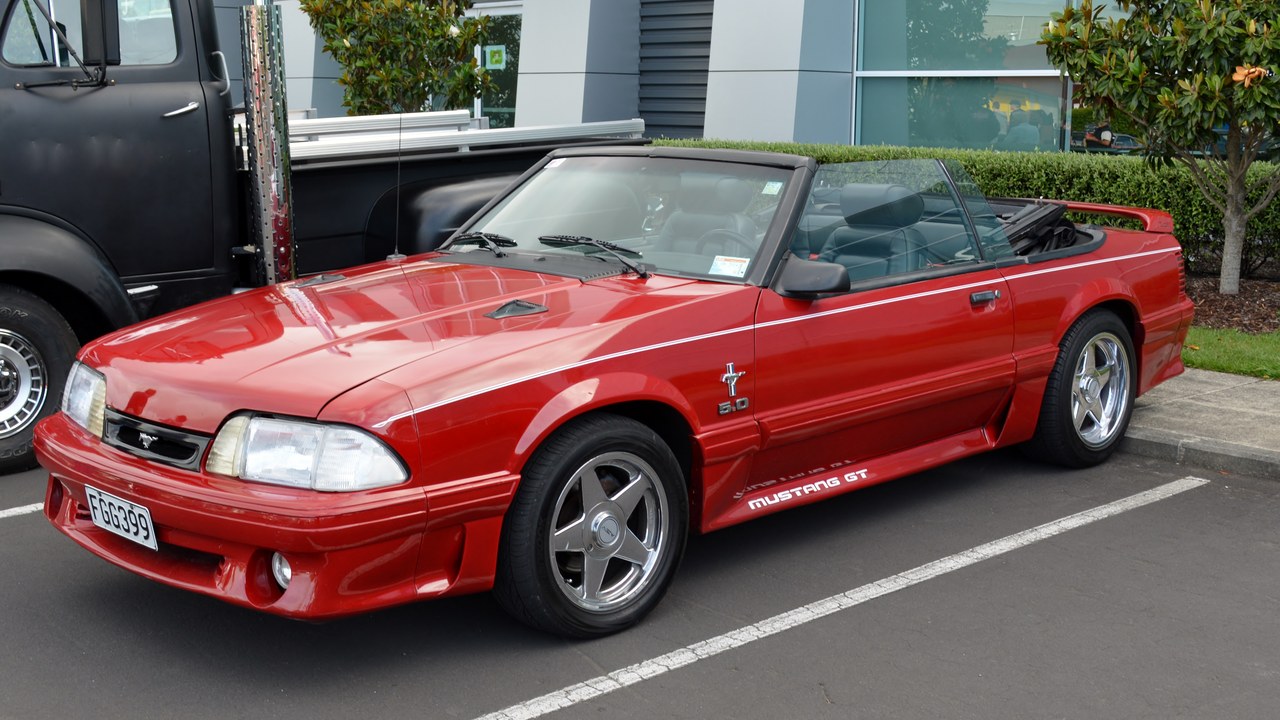
The Mustang convertible uses the same engines and chassis as the mainstream coupe, so its reliability record benefits from a platform built and refined at enormous volume for decades. Both the V6 and V8 options are proven, widely serviced units with a deep aftermarket, and the convertible’s mechanical layout stays mechanically simple compared with more exotic drop-tops.
The folding soft top itself is the main extra maintenance item, since its motors and seals wear differently than a fixed roof. Otherwise, owners report the same durability as any other Mustang on the road.
3. Chevrolet Corvette: An Everyday Drop-Top
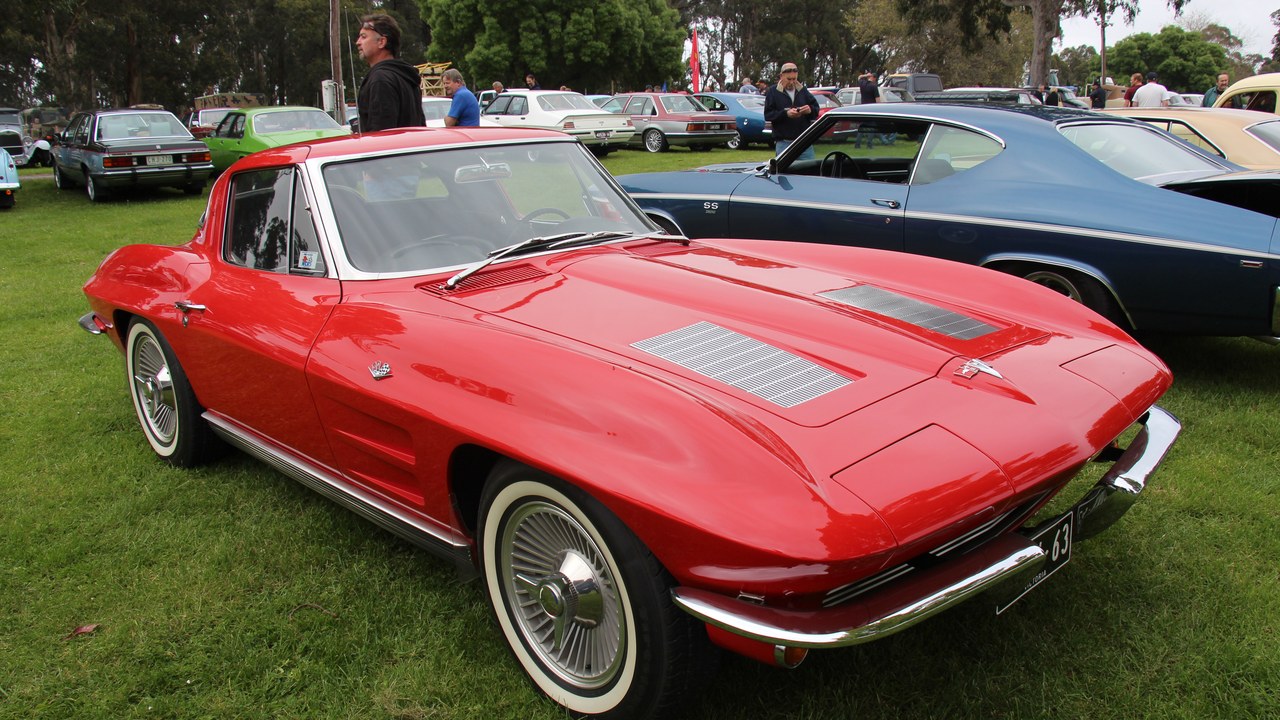
Modern Corvette convertibles pair a naturally aspirated small-block V8 with a chassis GM has continually refined, and that engine family has a long history of running well past 100,000 miles with basic upkeep. The Corvette’s small-block engine is mechanically simple by sports-car standards, with fewer failure-prone components than turbocharged European rivals.
Later C6, C7, and C8 model years also improved electronics and build quality over earlier generations, and the automatic and manual transmissions both have long service histories in daily use. Most reported issues involve minor trim or infotainment glitches rather than drivetrain failures.
4. Porsche Boxster: Mid-Engine Balance Pays Off
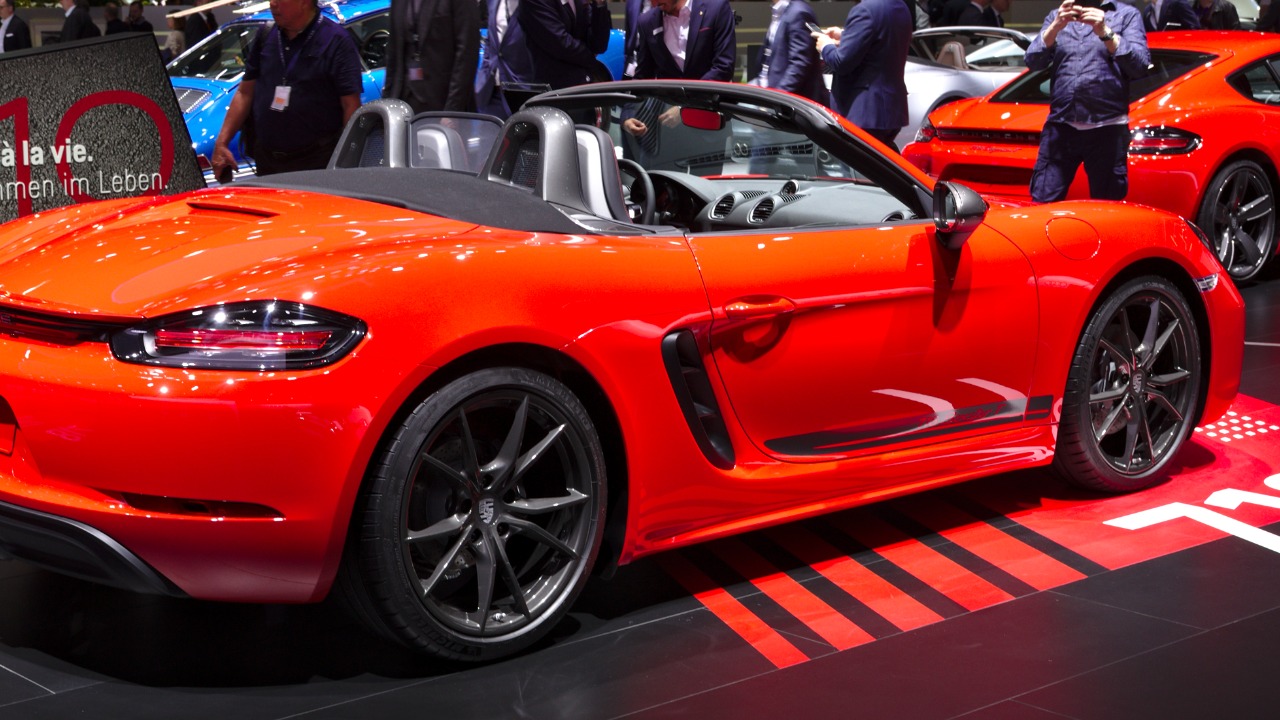
Porsche’s mid-engine layout in the Boxster balances weight for handling while keeping the engine bay cooler and less stressed than in the rear-engine 911. Later generations, including the 987, 981, and 982, resolved the intermediate-shaft bearing problems that hurt earlier flat-six engines‘ reputation.
As a result, well-maintained post-2009 Boxsters, including the 987.2, 981, and 982 cars, have earned respectable long-term dependability marks from independent owner surveys and specialist mechanics alike, a sharp turnaround from the earlier engines’ reputation. Buyers should still budget for Porsche-level parts and labor costs even when nothing is actually broken.
5. BMW Z4: A Later-Model Turnaround
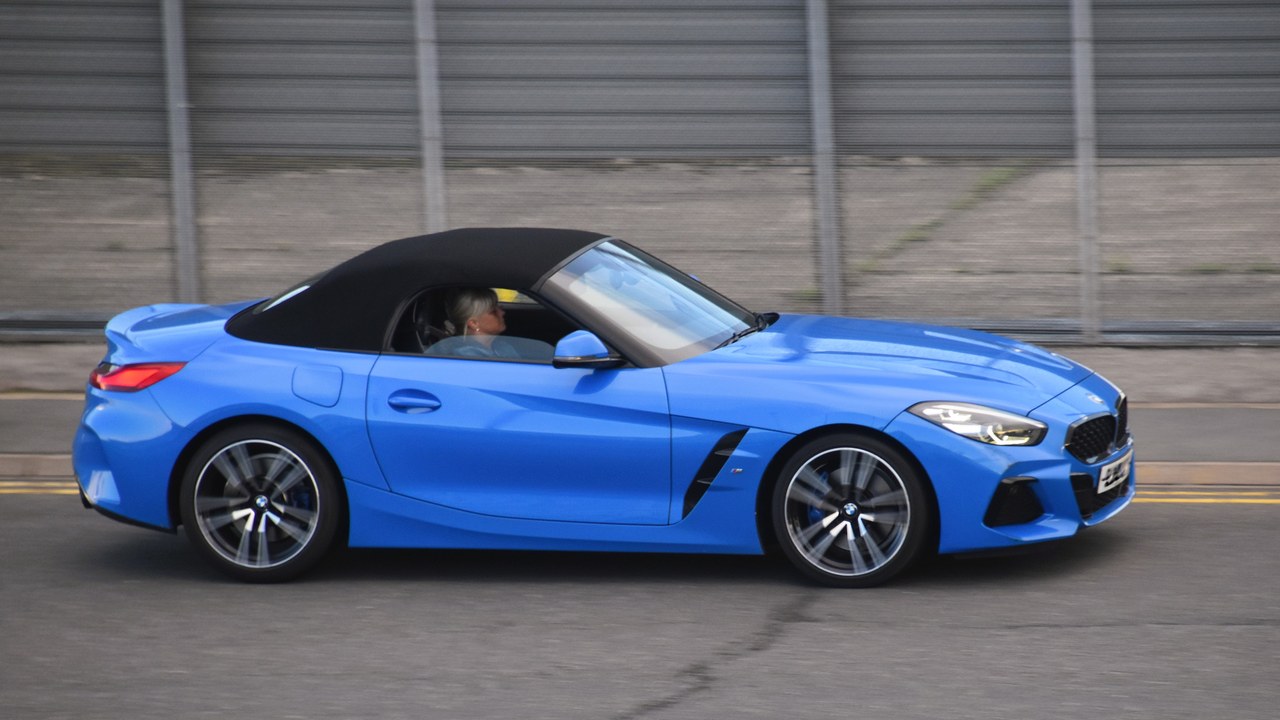
Early BMW Z4 generations carried BMW’s typical mix of strong performance and above-average repair costs, but the third-generation G29, built alongside the Toyota Supra, brought a notable jump in build quality and dependability. The newer Z4’s shared platform benefits from Toyota’s manufacturing discipline as much as BMW’s engineering.
Turbocharged four- and six-cylinder engines in later cars have proven more consistent than the troublesome water pumps and valve-cover gaskets that plagued some older 3 Series and earlier Z4 engines. Routine maintenance costs still run higher than mainstream convertibles, even on the newer, sturdier cars.
6. Audi A5: Comfort Built To Last

The Audi A5 Cabriolet pairs a comfortable, well-insulated cabin with a turbocharged four-cylinder engine that has been refined across multiple Volkswagen Group platforms. When serviced on schedule, the A5’s drivetrain holds up as well as most other German convertibles in its price range.
Its fabric top is simpler and lighter than the folding hardtops on some rivals, reducing one common source of convertible-specific repairs, and the optional Quattro all-wheel-drive system adds little extra failure risk over the standard front-wheel-drive setup. Owners who skip fluid changes and timing-chain service intervals tend to see the most trouble over time.
7. Mercedes-Benz SL-Class: Grand-Touring Build Quality
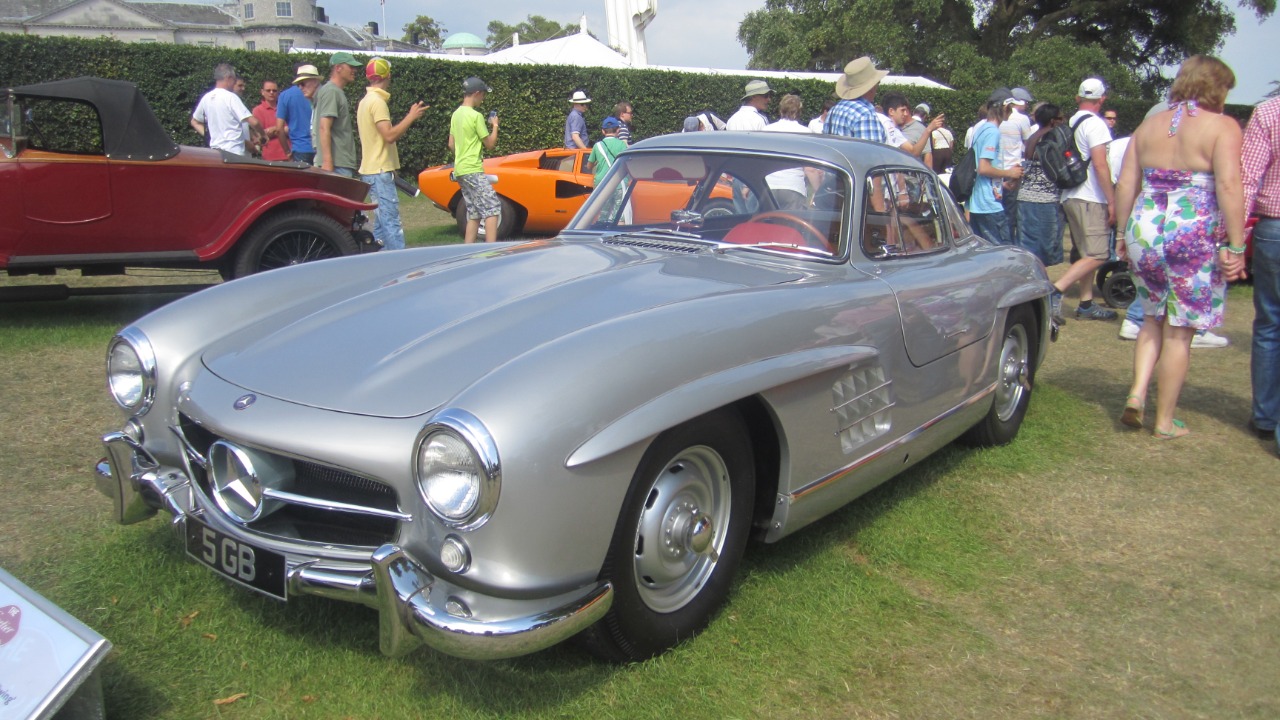
The SL-Class has long been built as a grand tourer first, with a stiff chassis, a retractable hardtop on many model years, and engines shared with the brand’s larger sedans. That shared hardware means the SL’s mechanical core benefits from parts and knowledge developed across Mercedes’ broader lineup.
The retractable roof mechanism and, on older cars, the hydraulic Active Body Control suspension add complexity that requires occasional specialist attention, particularly on higher-mileage examples bought without a full service history. Overall build quality and long-term structural durability remain a genuine strength of the model line across generations.
8. Lexus LC: Toyota Reliability, Luxury Body
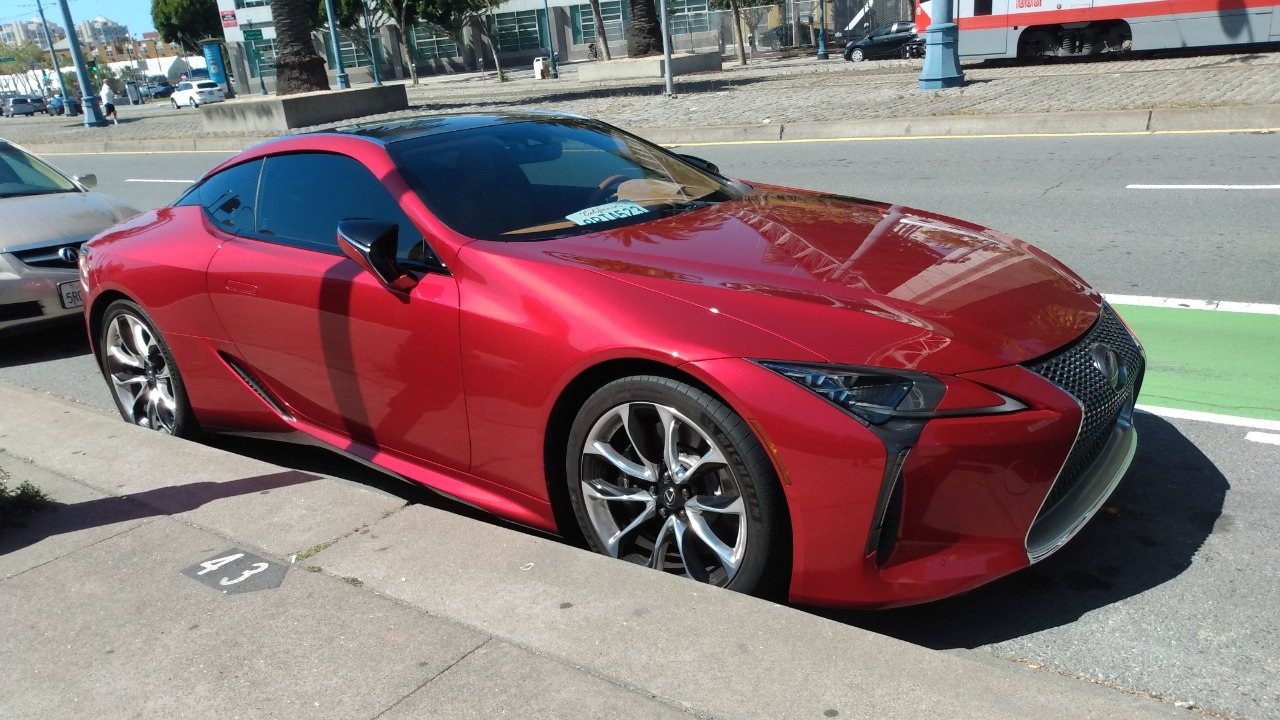
The Lexus LC convertible carries Toyota’s reputation for reliability into a genuine luxury grand tourer, built around a naturally aspirated V8 rather than a more failure-prone turbocharged setup. The LC’s V8 engine is closely related to units used in other proven Lexus and Toyota models.
Its fabric convertible top is mechanically simpler than a folding hardtop, limiting one common failure point found on rival convertibles from other luxury brands. Lexus dealer service, strong parts availability, and long warranty coverage add further peace of mind for owners of either the V8 or hybrid LC.
More from Morning Overview
- Long-term use of common heartburn pills is tied to kidney and dementia risk
- A California supervolcano has bulged upward about two and a half feet since 1978
- The FTC is warning about a scam quietly draining thousands from victims
- The NSA is again telling phone owners to switch off one location setting
