
As the automotive industry pivots towards sustainability, many iconic cars are undergoing an electric transformation. Brands are not just hinting at an electric future but actively replacing traditional models with electric versions. Here’s a look at eight well-known cars that are being phased out in favor of electric successors.
Ford Mustang
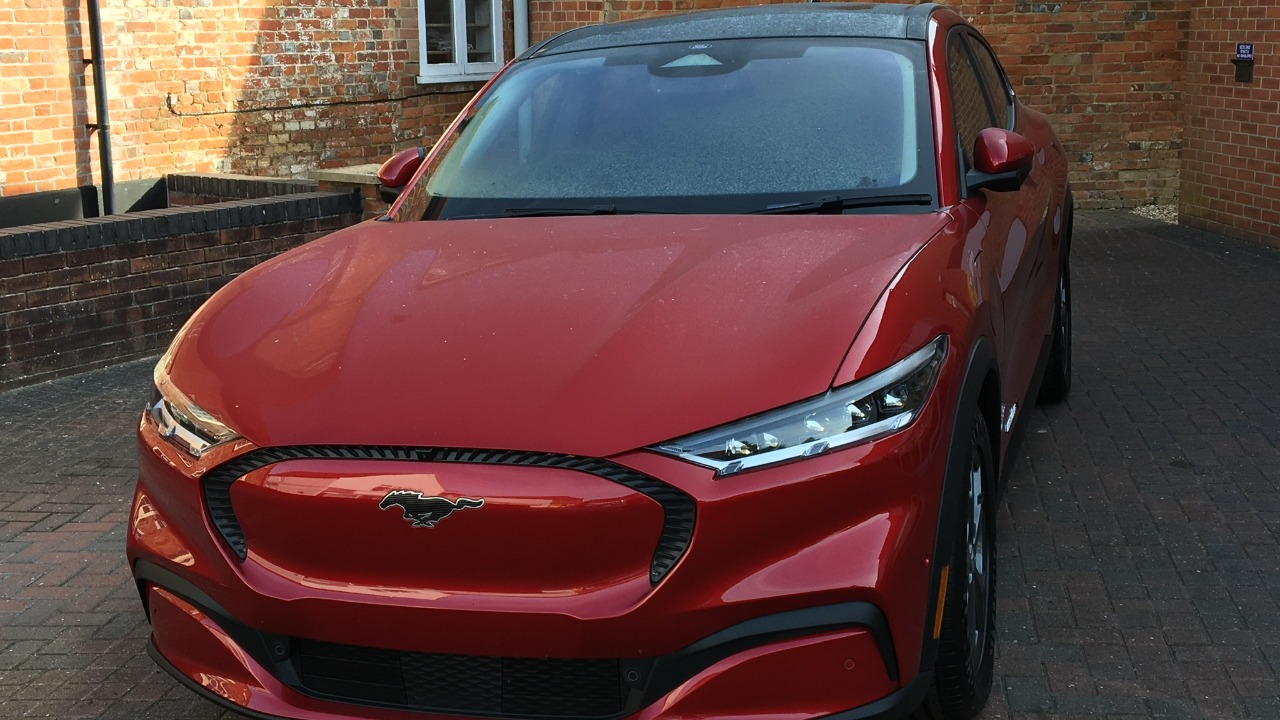
The Ford Mustang, a symbol of American muscle, is set to embrace the electric wave. While the classic rumble of the V8 has thrilled enthusiasts for decades, Ford is now paving the way for a greener future. The introduction of the Ford Mustang Mach-E, an all-electric SUV, is a bold step in this direction. This shift not only aims to capture the eco-conscious market but also to showcase that performance and sustainability can go hand in hand.
With future electric cars gaining popularity, the Mustang’s transformation aligns with the broader industry trends. It’s a move that reflects the growing demand for vehicles that are both exhilarating and environmentally friendly.
Chevrolet Camaro
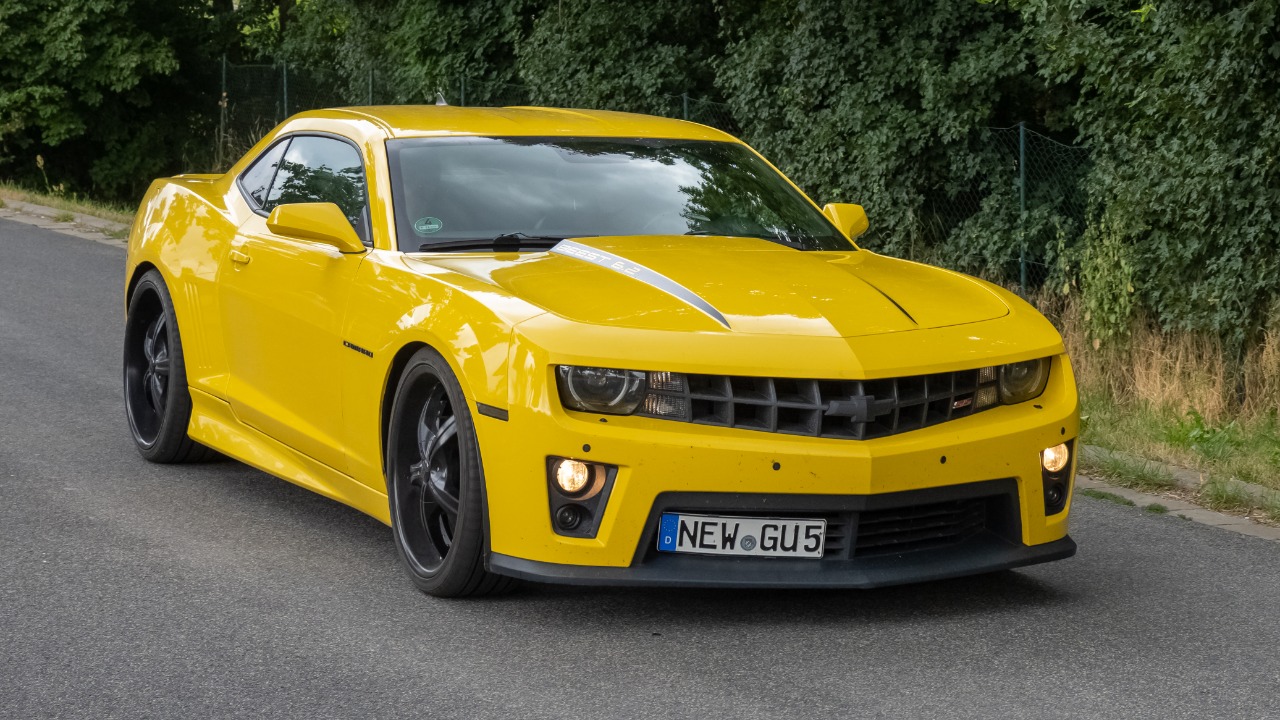
The Chevrolet Camaro, another staple in the realm of performance vehicles, is also on the brink of electrification. Chevrolet has announced plans to replace the Camaro with an electric vehicle (EV) model, signaling a shift in focus towards sustainable driving solutions. While exact details about the new EV are still under wraps, the move is indicative of the brand’s commitment to reducing carbon emissions.
This transition is part of a larger industry trend, with many manufacturers investing in EV technology to meet growing consumer demand for cleaner transportation options. It’s a pivotal moment for the Camaro as it evolves to meet new environmental standards.
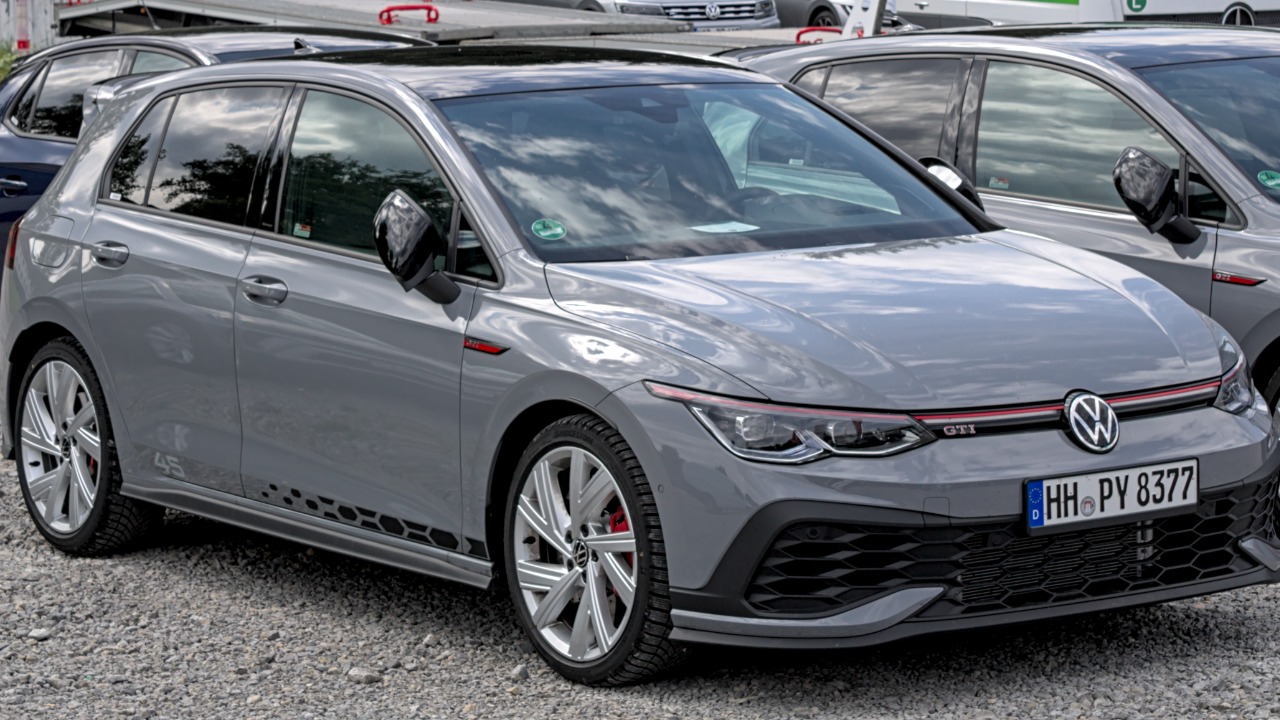
Volkswagen Golf
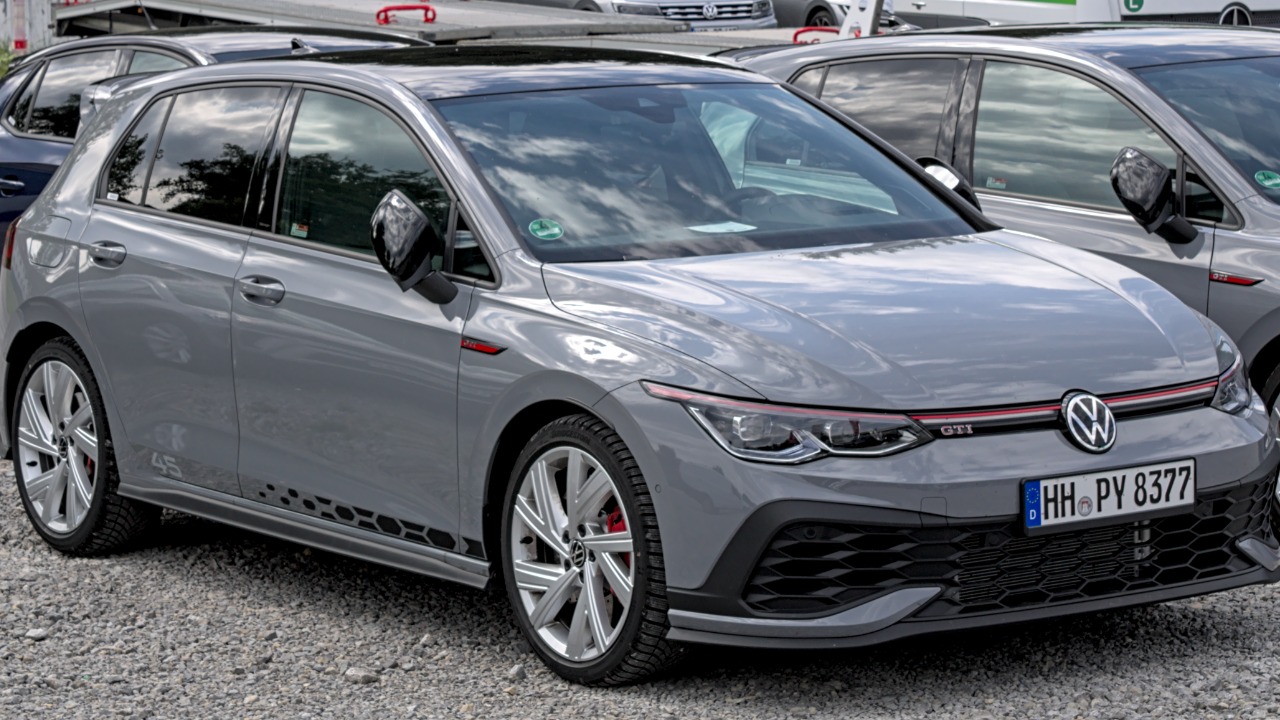
Volkswagen has made significant strides in the electric vehicle market, and the Golf is no exception. The traditional Golf is being phased out to make room for the all-electric ID.3. This shift underscores Volkswagen’s dedication to a sustainable future, as the company aims to sell millions of electric cars by the end of the decade.
The economic model of 2030 predicts a significant increase in electric vehicle adoption, and Volkswagen is positioning itself to be a leader in this transition. The Golf’s evolution into an electric vehicle marks a significant step in this journey.
BMW 3 Series
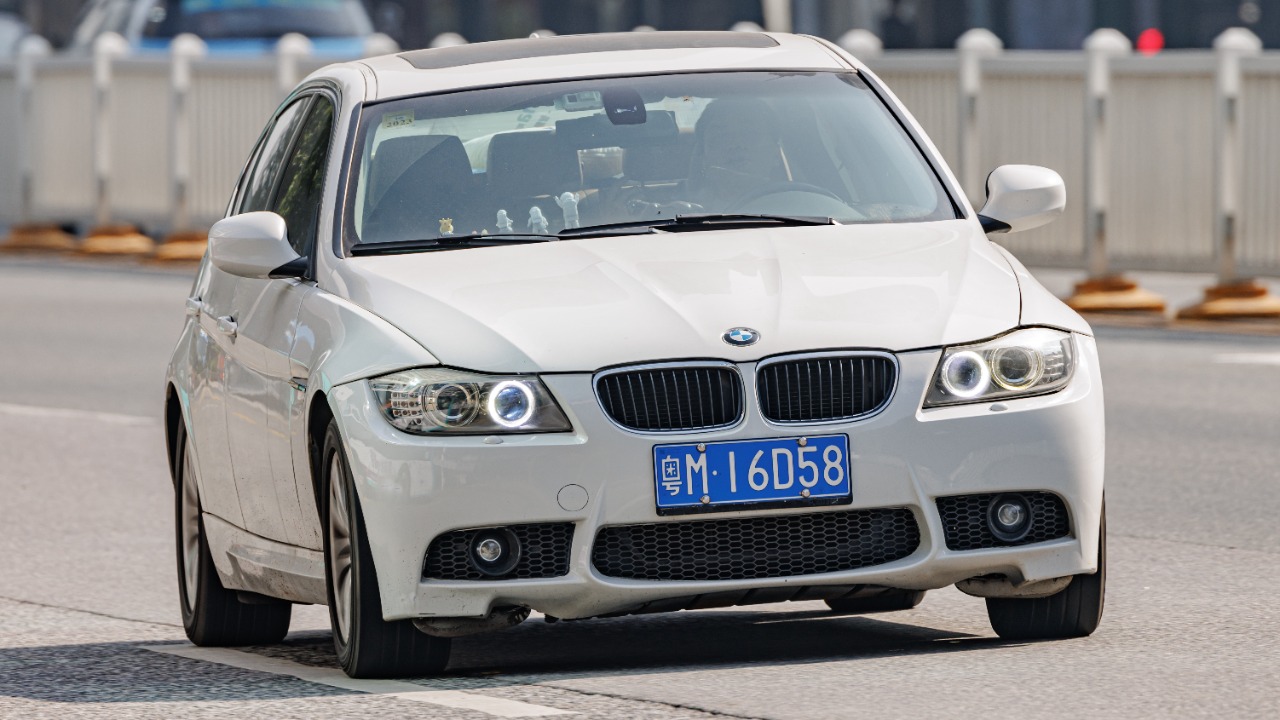
BMW’s 3 Series has long been a favorite among luxury sedan enthusiasts, but even this classic model is not immune to the electrification trend. BMW is gradually transitioning towards electric variants, with the i4 serving as a prime example of the brand’s direction. The i4 combines the 3 Series’ traditional appeal with cutting-edge electric technology.
As the demand for hybrid and electric models continues to rise, BMW’s strategic shift reflects the company’s acknowledgment of this changing landscape. It’s a move that balances luxury with ecological responsibility.
Nissan Maxima
The Nissan Maxima, known for its blend of performance and luxury, is set to undergo a significant transformation. Nissan is gearing up to replace the Maxima with an all-new electric sedan. This change aligns with Nissan’s broader strategy to electrify a significant portion of its lineup in the coming years.
As part of its ambitious plans, Nissan is focusing on reducing its carbon footprint and meeting stricter emissions regulations. By transitioning the Maxima to an electric vehicle, Nissan is not only keeping pace with industry trends but also catering to an evolving consumer base that prioritizes sustainability.
Honda Accord
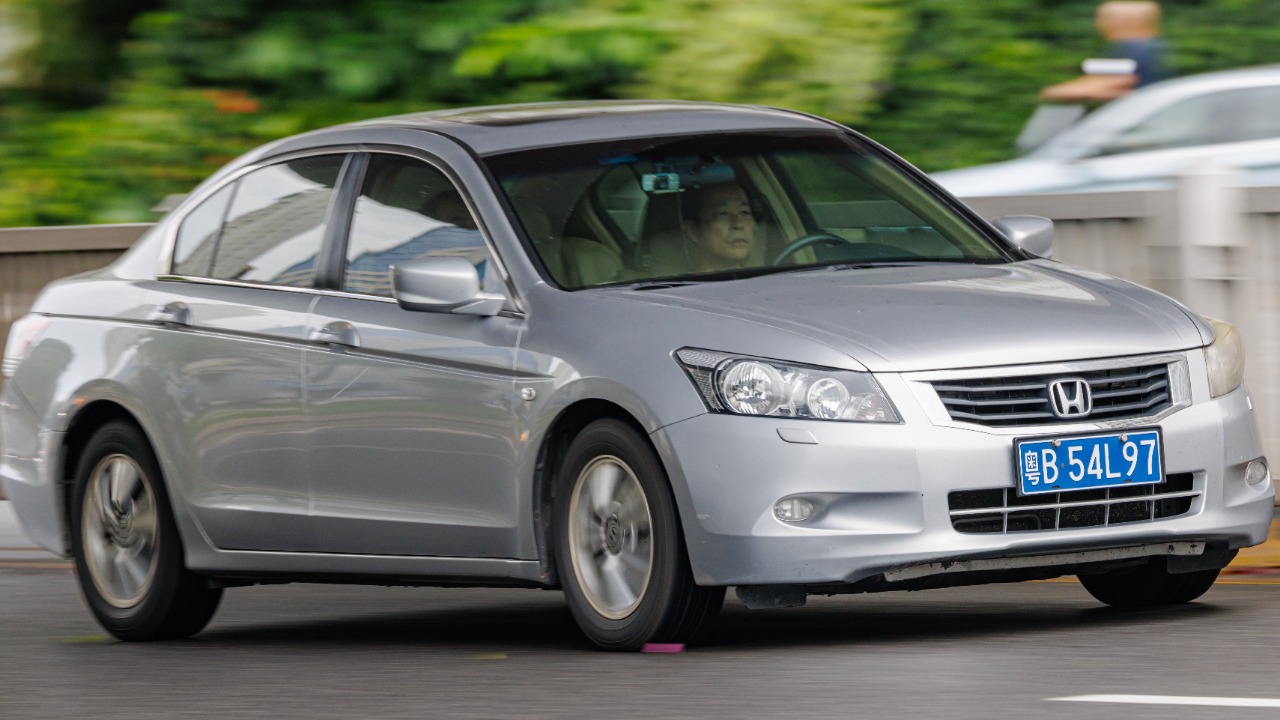
The Honda Accord, a staple in the midsize sedan category, is gearing up for an electric future. Honda has been vocal about its commitment to electrification, and the Accord is a key part of this strategy. Though the internal combustion engine has been a hallmark of the Accord, an all-electric version is on the horizon.
This move is part of Honda’s broader goal to achieve significant reductions in carbon emissions by 2050. As the electric vehicle market expands, Honda’s pivot to electric models demonstrates its dedication to innovation and environmental responsibility.
Mercedes-Benz C-Class
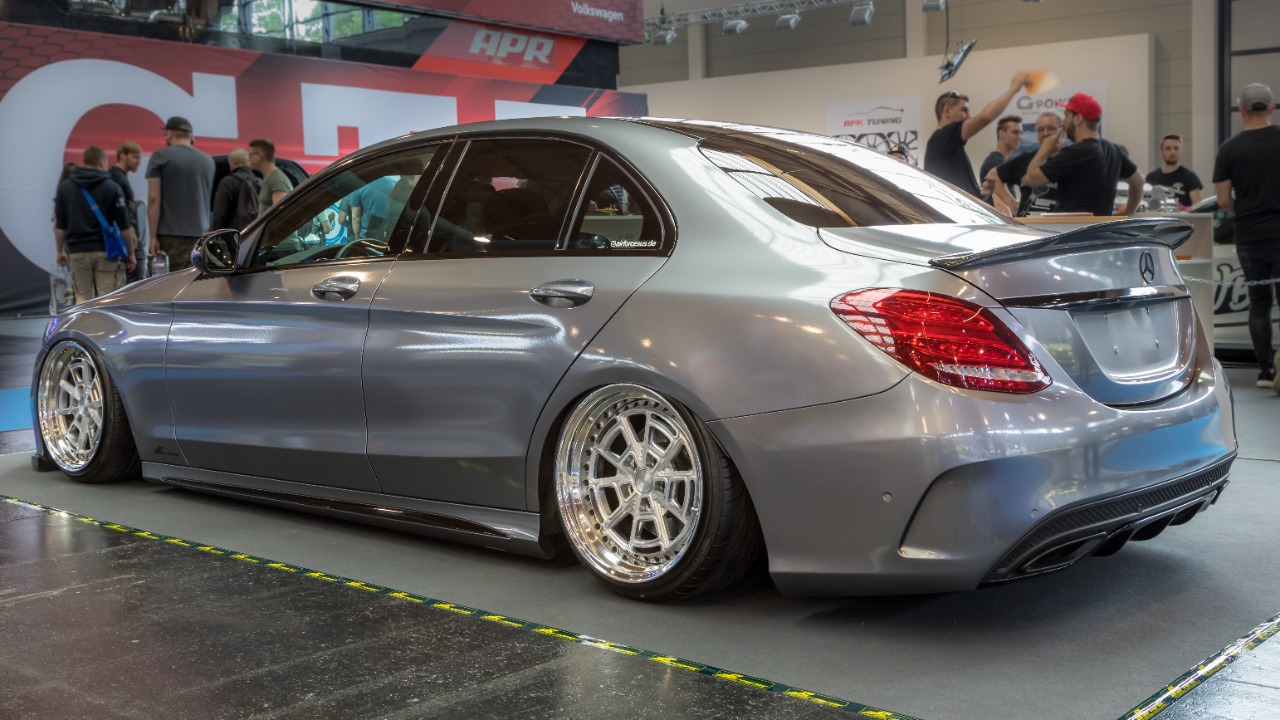
Mercedes-Benz is making strides in electrifying its lineup, and the C-Class is part of this transformation. The brand is gradually replacing this quintessential luxury sedan with the EQC, an electric variant that maintains the C-Class’s luxury appeal while offering zero-emission driving.
The introduction of the EQC represents Mercedes-Benz’s larger strategy to lead the luxury electric vehicle market. As the automotive industry evolves, the C-Class’s transition to electric reflects the brand’s commitment to innovation and sustainability.
Toyota Camry
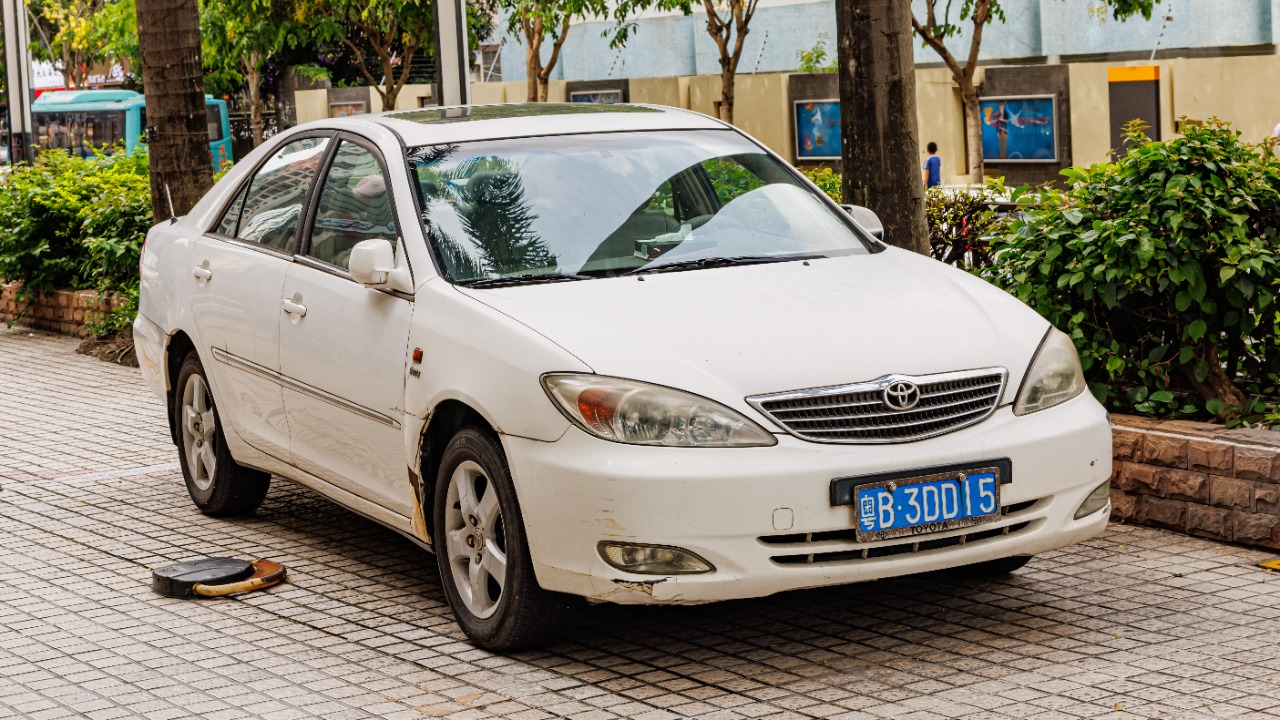
The Toyota Camry, a long-standing favorite among family sedans, is also moving towards an electric future. Toyota is known for its pioneering efforts in hybrid technology, and the Camry’s shift to an all-electric model is a natural progression.
This change is part of Toyota’s broader plan to electrify its entire lineup by the next decade. As consumers become more environmentally conscious, the Camry’s evolution represents Toyota’s response to the growing demand for sustainable transportation solutions.
