The concept of engineering animals for combat may sound like science fiction, but advances in technology and genetics are making it increasingly feasible. From cybernetics to genetic modification, these innovations are pushing the boundaries of what is possible. Here are eight intriguing examples of animals being engineered for potential use in combat scenarios.
Battle-Ready Canines
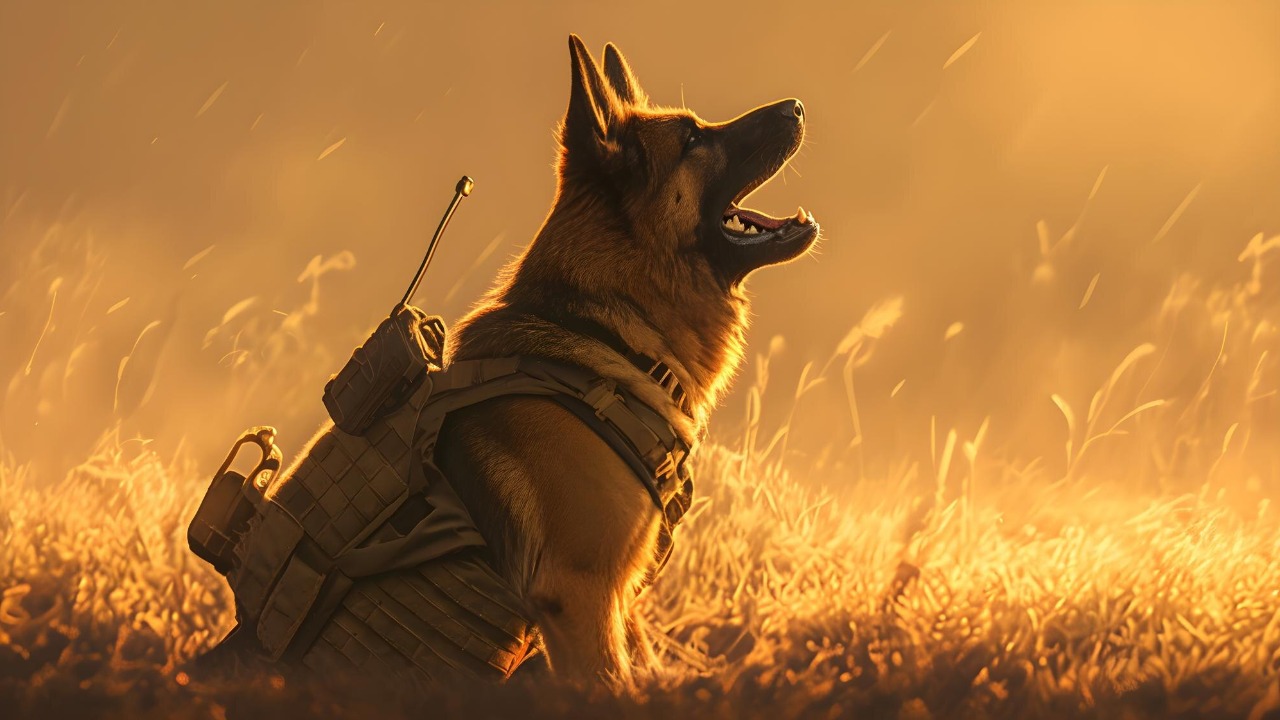
Dogs have been used in warfare for centuries, but modern technology is taking their capabilities to new heights. Engineered canines are now equipped with advanced gear such as GPS tracking, night vision goggles, and even bulletproof vests. These enhancements allow them to perform complex tasks such as locating explosives or apprehending insurgents in hostile environments.
Moreover, genetic engineering is being explored to enhance their strength, speed, and sensory abilities. This could make them even more indispensable on the battlefield, providing a significant tactical advantage. The ethical considerations of such genetic modifications are still under debate, as discussed in various academic circles.
Armored Elephants
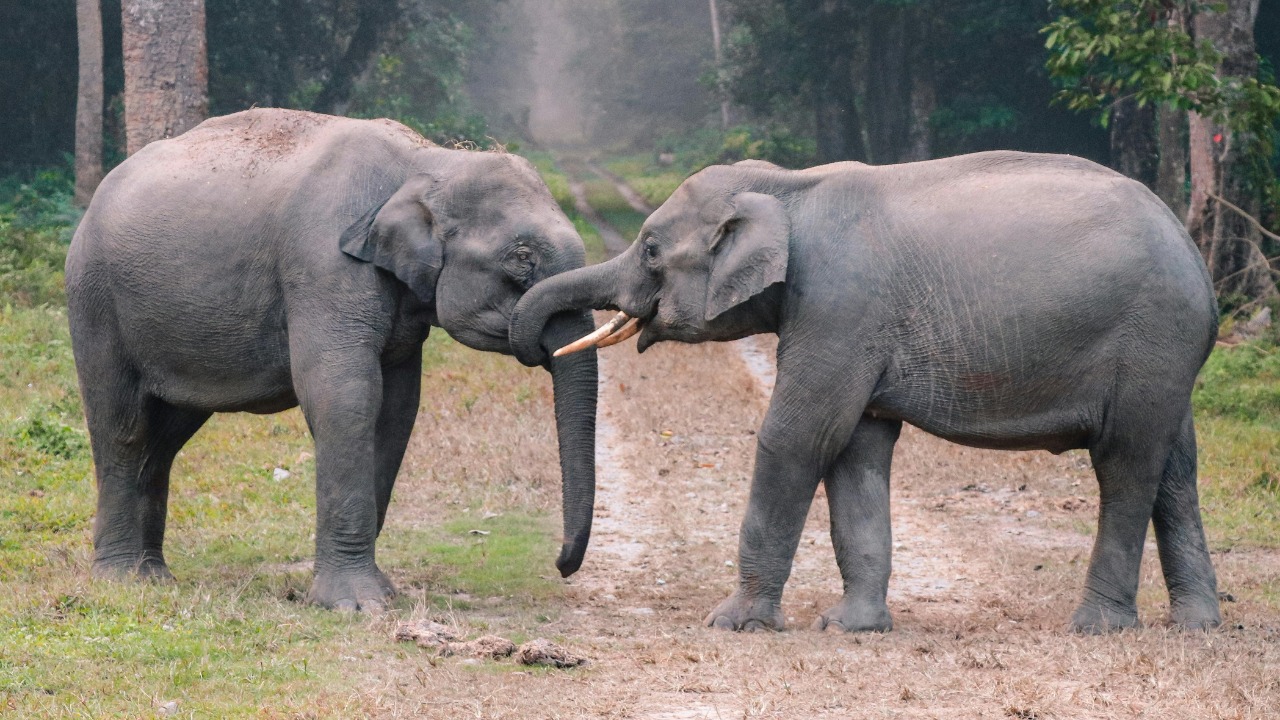
Elephants were historically used in warfare, and modern technology is now being employed to enhance their natural strengths. Researchers are exploring ways to create armored exoskeletons that could protect these majestic creatures in combat zones. These exoskeletons could potentially allow elephants to carry heavier loads and survive in dangerous environments.
While the idea of armored elephants may conjure images of ancient battles, the modern iteration focuses on both protection and efficiency. Such innovations aim not only to utilize elephants in logistics and transport but also to ensure their safety in conflict situations.
Cybernetic Raptors
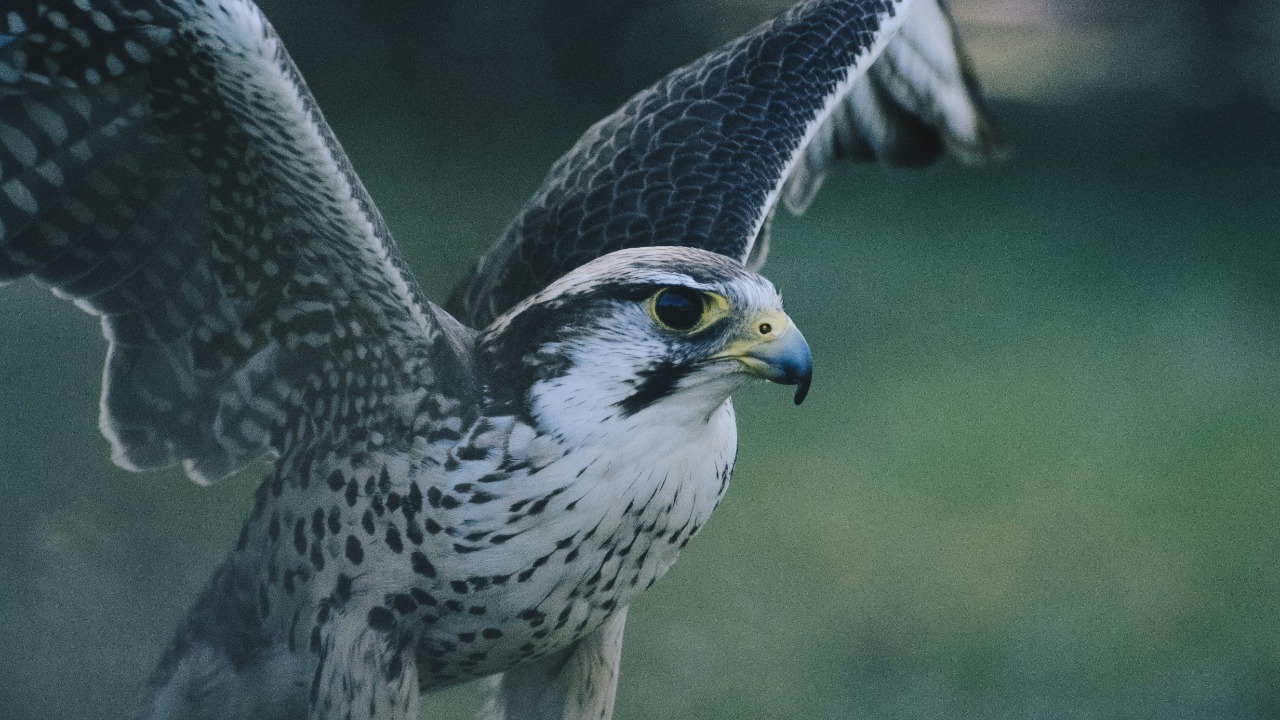
Birds of prey, such as eagles and hawks, are being considered for cybernetic enhancements to serve as surveillance drones. By outfitting these birds with lightweight cameras and communication devices, they could provide real-time intelligence from the skies. These innovations allow them to fly undetected over enemy terrain, gathering valuable data.
The ethical implications of using living animals in this manner remain a topic of discussion. However, the potential benefits in terms of intelligence-gathering capabilities are significant. The combination of natural agility and cybernetic enhancements could make these birds invaluable in certain military operations.
Enhanced Aquatic Soldiers
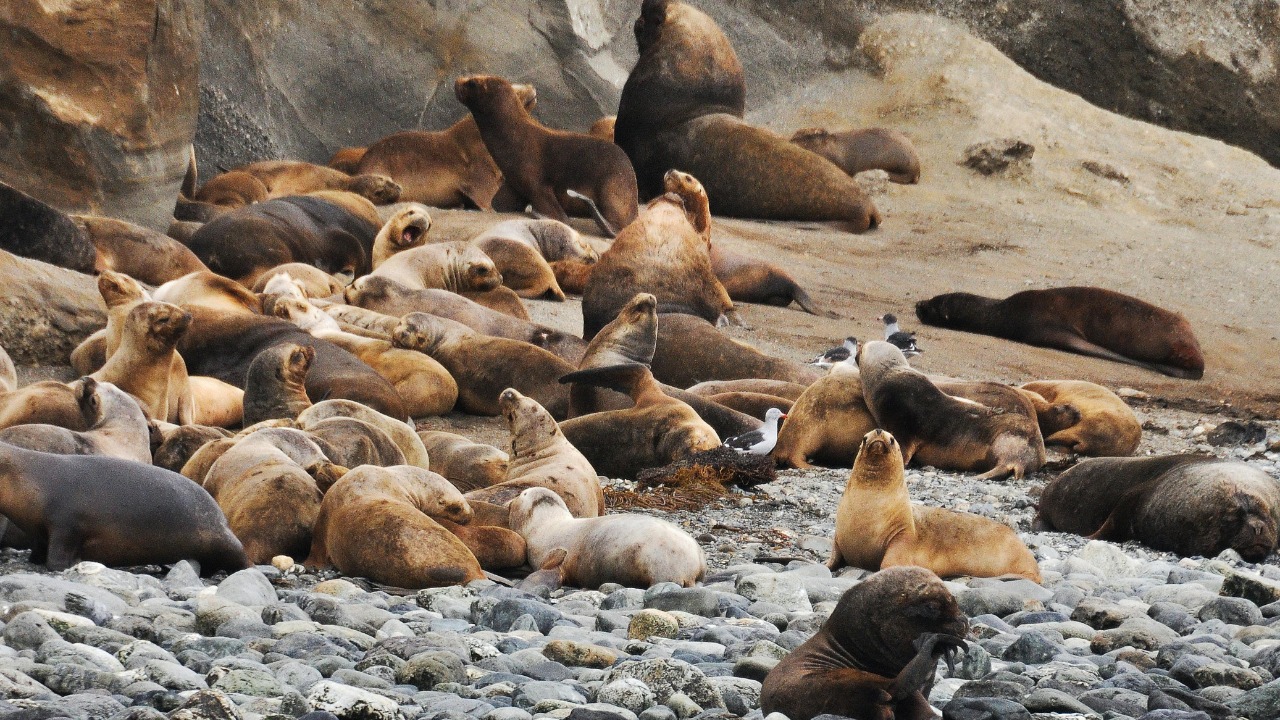
Marine animals like dolphins and sea lions have long been used for military purposes, particularly in mine detection and retrieval missions. Current advancements in biotechnology are exploring ways to enhance their abilities further. Genetic modifications could lead to improved sonar capabilities and increased resistance to harsh marine environments.
These enhancements would allow aquatic animals to perform more complex tasks, potentially revolutionizing naval operations. The ethical and environmental impacts of such modifications are ongoing concerns, as highlighted in various environmental studies.
Genetically Altered Insects
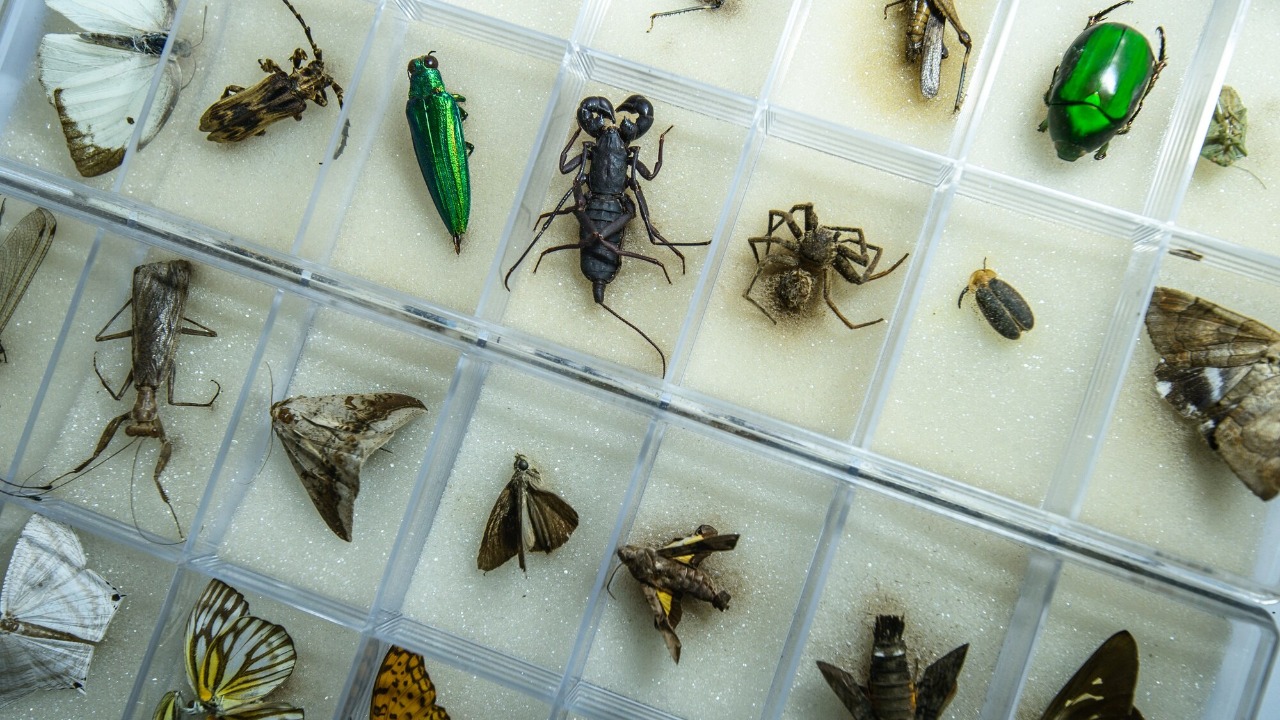
Insects, particularly bees and ants, are being genetically engineered to serve as surveillance tools and biological weapons. By altering their genetic makeup, scientists are working to create insects that can infiltrate enemy lines, gather intelligence, or even deliver harmful agents.
The concept of using insects in warfare raises numerous ethical questions, especially regarding the potential for unintended ecological consequences. Nonetheless, the possibility of deploying swarms of genetically altered insects offers a unique tactical advantage, providing information and capabilities that traditional methods cannot.
Weaponized Birds of Prey
Beyond surveillance, birds of prey are also being explored for direct combat roles. By outfitting them with lightweight weaponry or non-lethal deterrents, these birds could potentially be used to disrupt enemy operations or control airspace. The combination of their natural hunting skills and modern technology presents a fascinating intersection of biology and engineering.
While the idea of weaponized birds may seem far-fetched, ongoing research into enhancing their capabilities continues. The ethical implications of such uses are a matter of debate, as are the potential risks of deploying living creatures in combat scenarios.
Augmented Primates
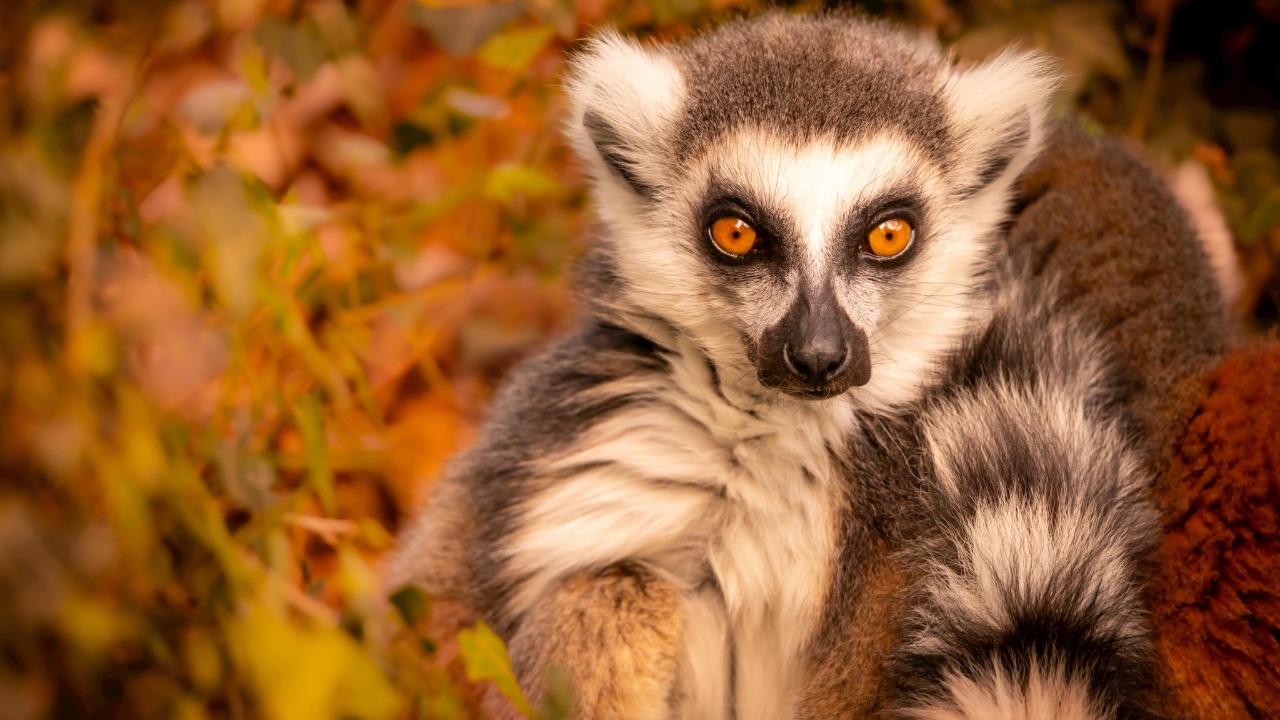
Primates, with their high intelligence and dexterity, are being considered for augmentation to perform complex tasks in combat zones. Cybernetic enhancements could enable them to operate machinery, perform reconnaissance, or even assist in medical triage. These capabilities could make them valuable assets in military operations.
The ethical concerns surrounding the use of primates in combat are significant, particularly regarding their welfare and autonomy. Nonetheless, the potential for augmented primates to contribute to military efforts continues to be a topic of interest in scientific and military communities.
Tactical Reptiles
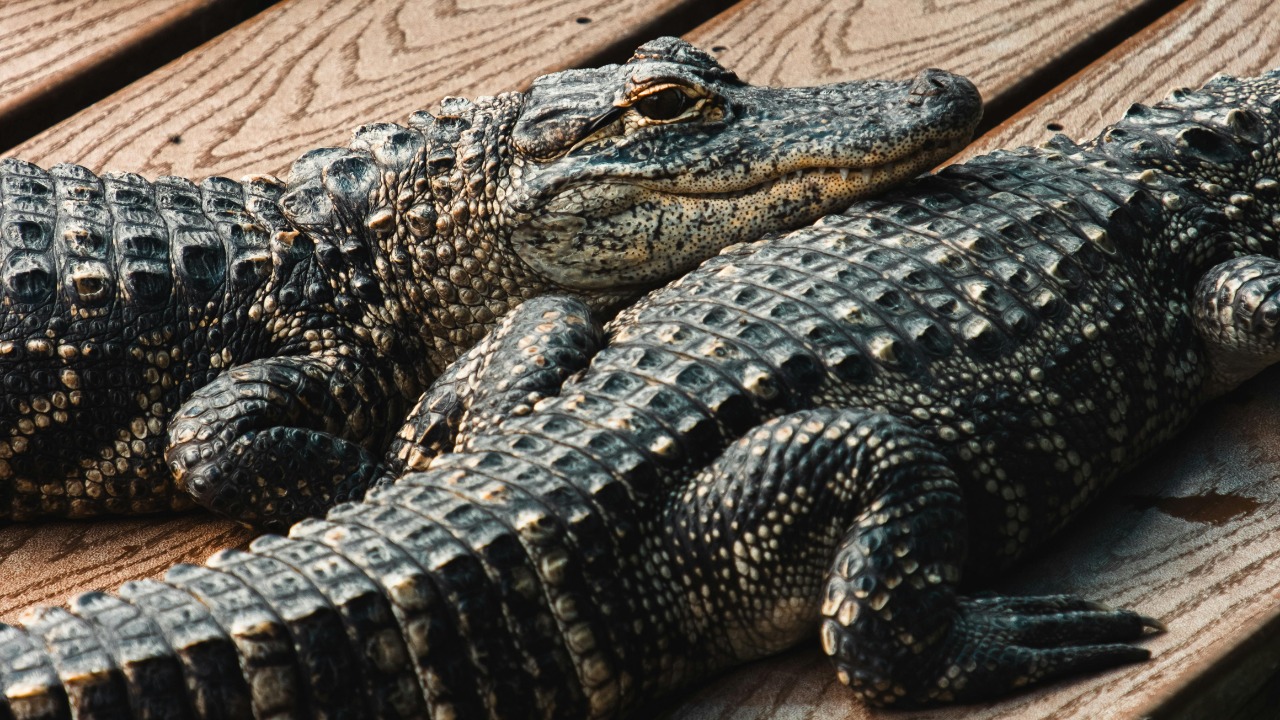
Reptiles like snakes and lizards are being explored for their potential in reconnaissance and infiltration missions. Their ability to move silently and navigate through tight spaces makes them ideal candidates for surveillance and intelligence-gathering tasks. Genetic modifications could enhance their sensory abilities, allowing them to detect chemical or biological threats.
The use of reptiles in combat scenarios raises questions about their welfare and the potential ecological impact of their deployment. However, the unique capabilities of these animals offer intriguing possibilities for future military applications, as highlighted in various innovation studies.
