
Aviation regulators reserve their harshest tool, the fleet-wide grounding, for defects severe enough that flying stops until engineers understand what failed. Some of these aircraft returned to service quickly after a fix; others never fully shook off the reputational damage. Here are eight airliners that were pulled from the skies after safety crises forced regulators to act.
1. Boeing 737 MAX (2019 worldwide grounding): Grounded After Two Fatal Crashes
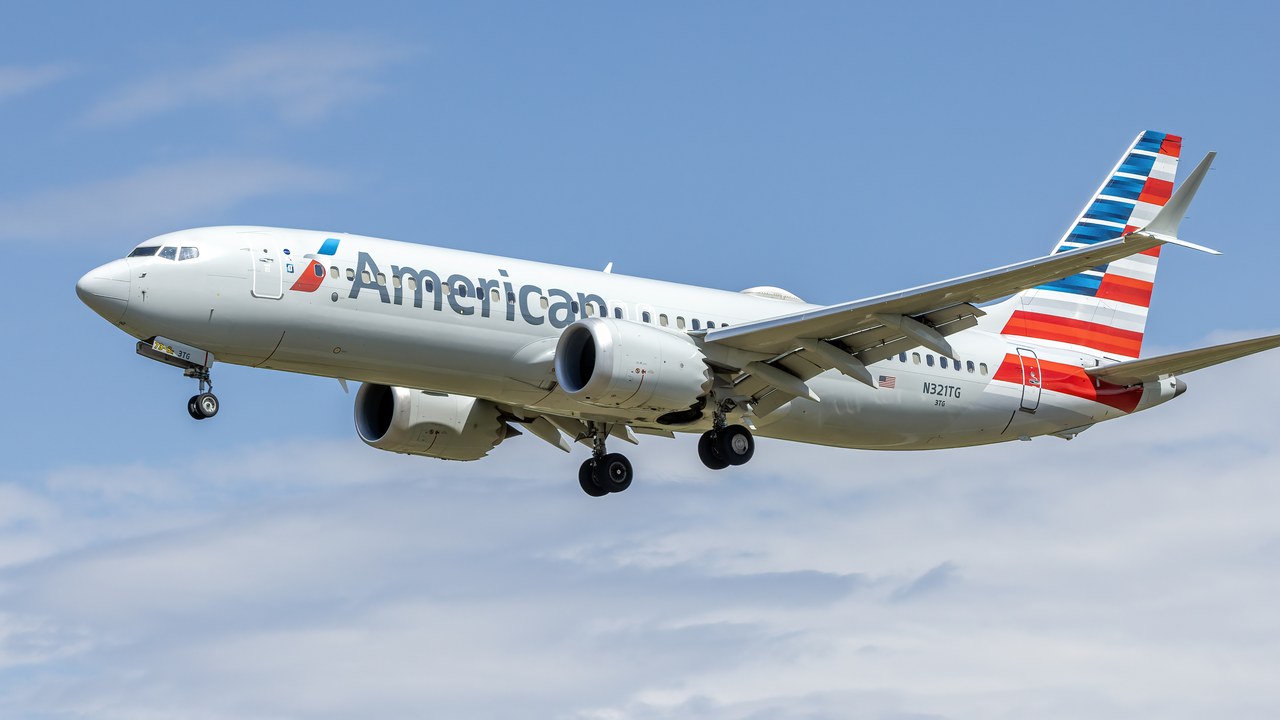
Regulators worldwide grounded the Boeing 737 MAX in March 2019 after the fatal Lion Air and Ethiopian Airlines crashes, both ultimately traced to a new flight-control system that repeatedly pushed the aircraft’s nose down using data from a single faulty sensor, overriding the crew’s attempts to regain control.
The grounding lasted roughly twenty months while Boeing redesigned the flawed software, added new sensor safeguards, and retrained pilots on the changes before regulators cleared the jet to resume carrying passengers, and it has since returned to daily service with most major carriers despite the lingering scrutiny over how it was originally certified.
2. Boeing 787 Dreamliner (2013 battery grounding): The Lithium-Battery Fires
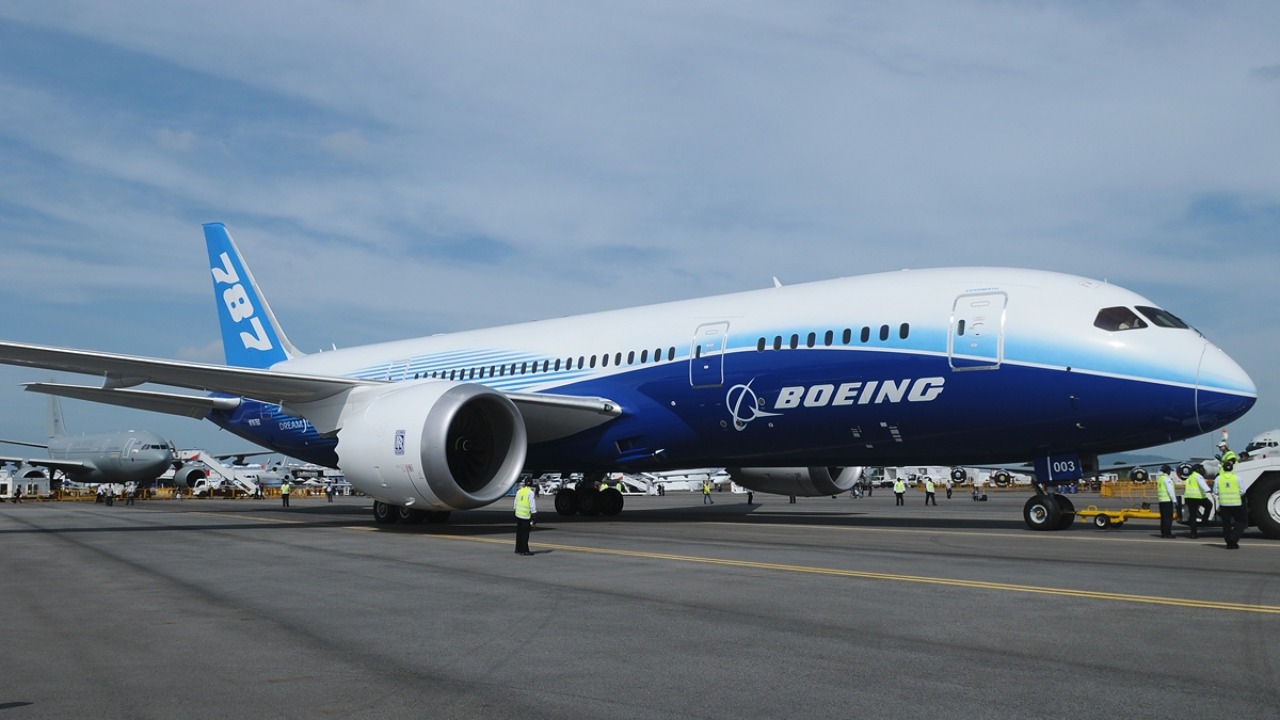
The FAA issued an emergency airworthiness directive grounding the entire 787 Dreamliner fleet after lithium-ion battery packs overheated and caught fire on two separate aircraft within weeks of each other in January 2013, one of them while parked at a gate and the other forcing an emergency landing.
Boeing spent about three months engineering a new steel containment case and an external venting system for the batteries before regulators would clear the jet to carry passengers again, and no repeat fire has forced a fleet-wide grounding of the Dreamliner since that fix was approved.
3. Concorde (2000-2001 grounding): Fuel Tanks Too Easily Ruptured
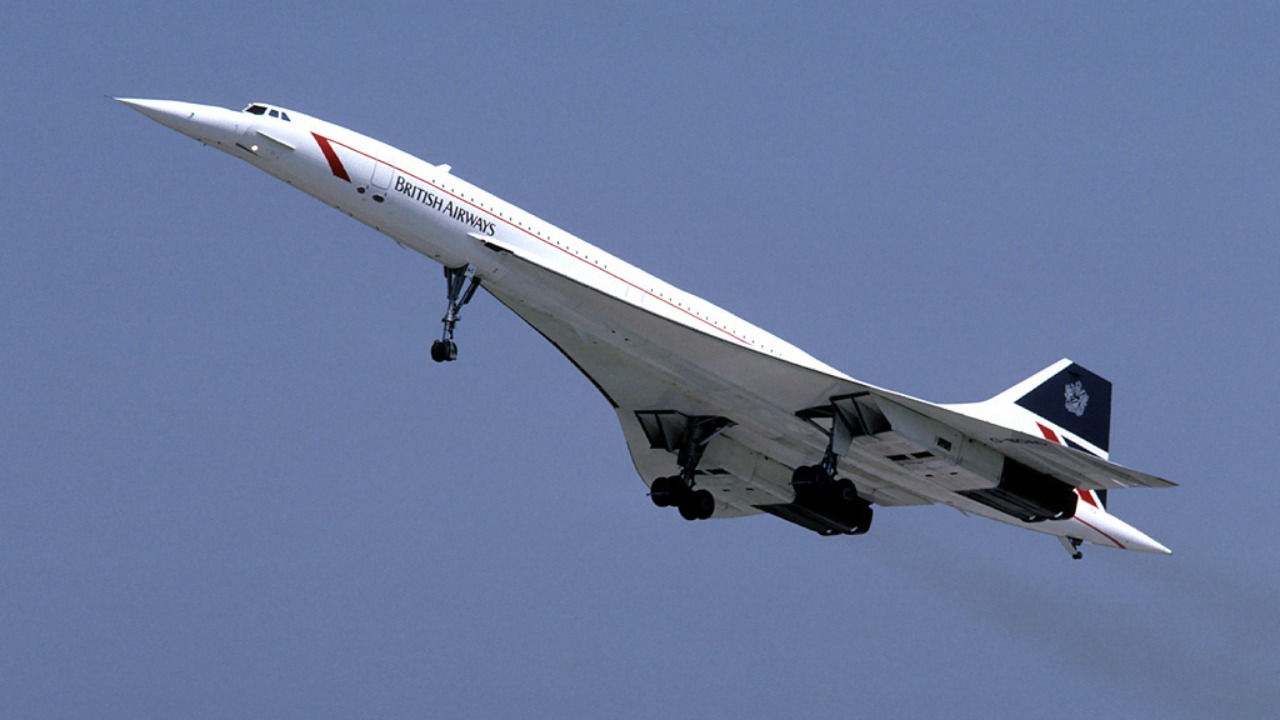
Concorde was grounded after investigators found its fuel tanks were highly susceptible to rupturing, a flaw exposed by the fatal Air France Flight 4590 crash in July 2000, when a strip of runway debris shredded a tire that then punctured a wing tank and ignited a fire beneath the aircraft.
Air France and British Airways kept the supersonic jet parked for over a year while reinforced tank liners, stronger tires, and armored wiring were fitted across the fleet, and though Concorde flew passengers again in 2001, the type was retired for good in 2003 as costs and demand fell.
4. de Havilland Comet (1954 grounding): The First Jetliner’s Metal Fatigue
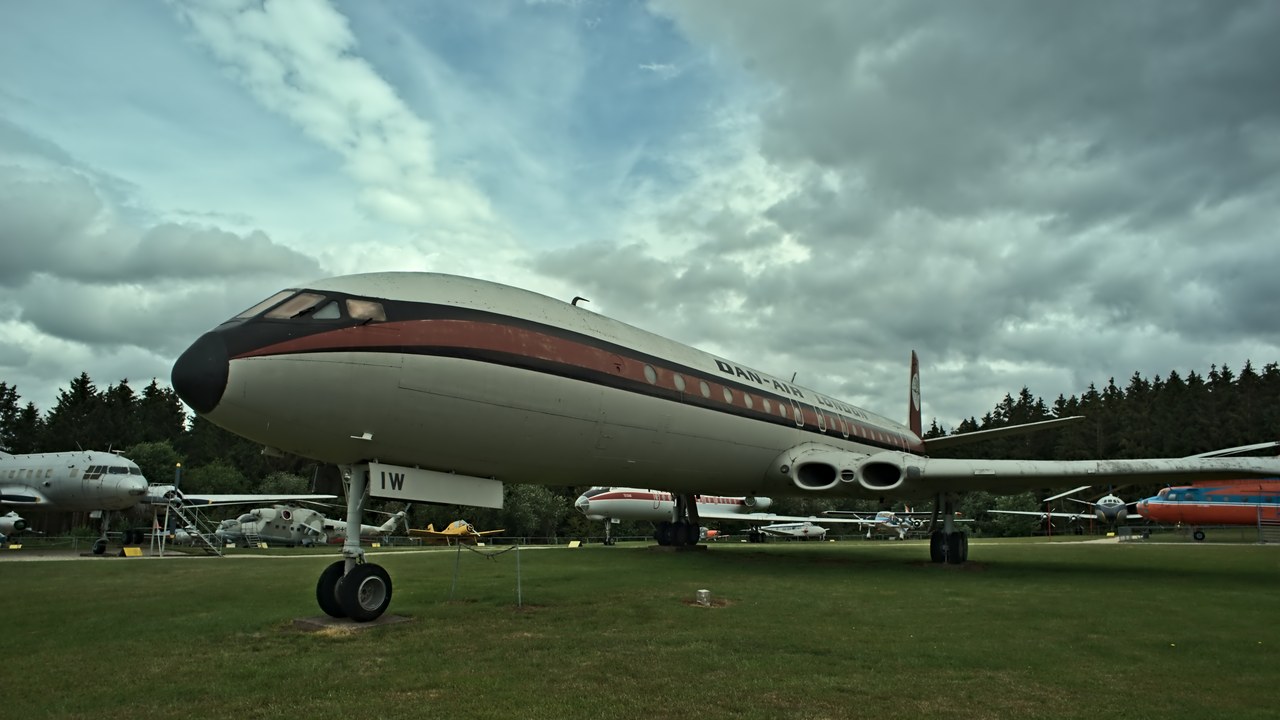
The world’s first commercial jet airliner, the de Havilland Comet, was grounded in 1954 after a string of in-flight breakups prompted a major investigation led by the Royal Aircraft Establishment into what was causing the pressurized aircraft to disintegrate suddenly at cruising altitude over open water.
Investigators eventually pinned the failures on metal fatigue that spread from the sharp corners of the Comet’s square window cutouts under repeated cabin pressurization, a finding that reshaped how every jetliner built afterward was engineered, tested, and certified for structural safety over thousands of pressurization cycles.
5. Yakovlev Yak-42 (1982 grounding): Grounded Over a Cracked Jackscrew
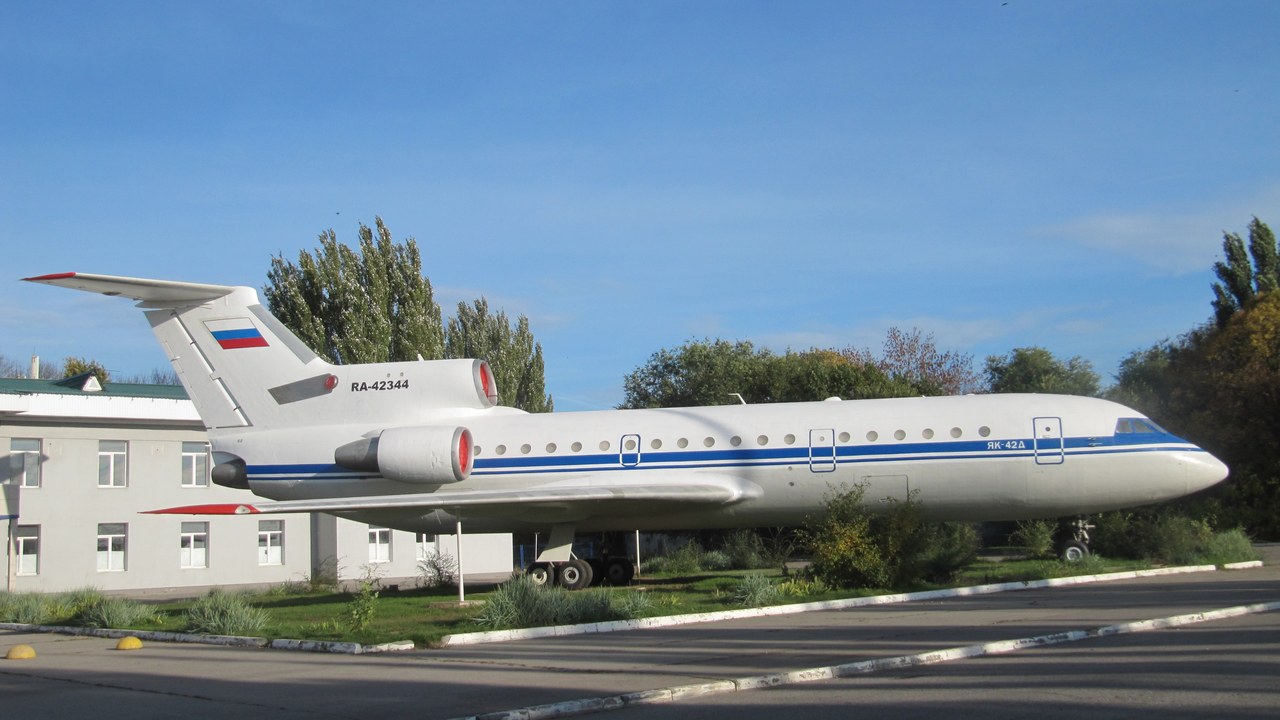
Every Yakovlev Yak-42 was grounded after a fatigue-cracked stabilizer jackscrew caused the 1982 crash of Aeroflot Flight 8641 shortly after takeoff, killing all 132 people aboard the Soviet trijet and prompting an immediate fleet-wide inspection order.
The entire fleet stayed parked while engineers traced the defect to the jackscrew mechanism controlling the tail-mounted horizontal stabilizer, and flights did not resume until the fix was rectified in October 1984, after which the trijet continued flying for decades across the Soviet Union and its successor states on domestic and regional routes well into the following century.
6. McDonnell Douglas DC-10 (1979 grounding): A Type Certificate Pulled Outright
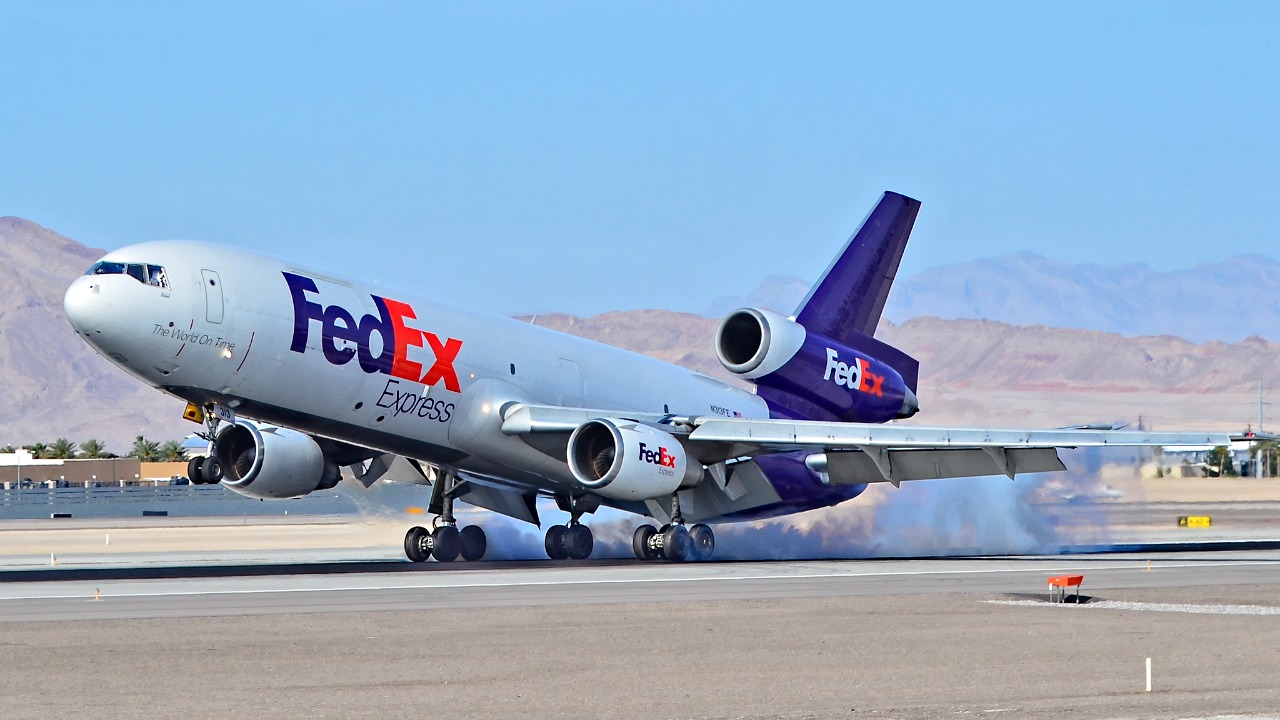
The FAA took the rare step of withdrawing the DC-10’s type certificate on June 6, 1979, grounding every U.S.-registered example after American Airlines Flight 191 crashed on takeoff from Chicago when an engine and its pylon tore away from the wing.
Inspections across the grounded fleet turned up cracked pylon mounts traced to improper maintenance procedures used by several airlines when removing and reinstalling the engines, and the trijet did not return to U.S. skies until the FAA verified that every aircraft’s mounts met the fleet-wide fix ordered during the grounding.
7. Boeing 737-9 MAX (2024 door plug grounding): A Door Plug Blew Out Mid-Flight
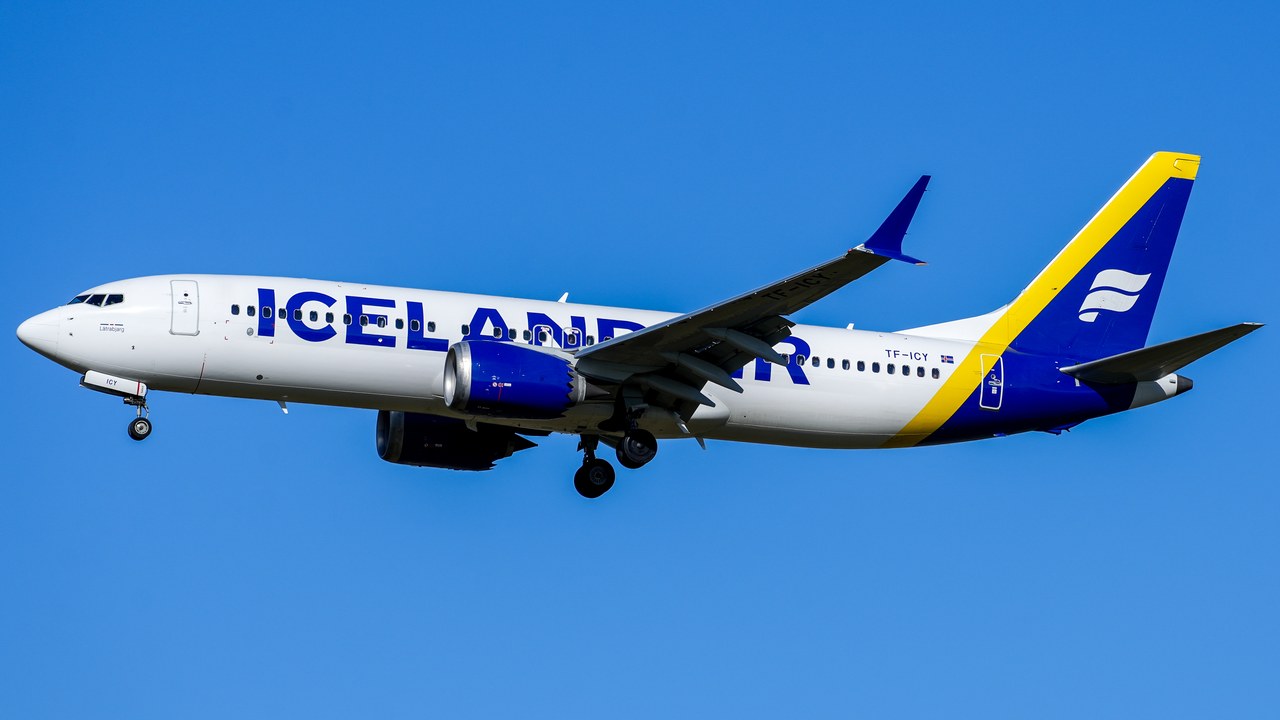
The FAA ordered roughly 171 Boeing 737-9 MAX aircraft grounded worldwide on January 6, 2024, a day after a mid-cabin door plug blew out of Alaska Airlines Flight 1282 shortly after takeoff, tearing a hole in the fuselage at altitude.
Investigators traced the failure to bolts that were missing from the door plug when the aircraft left the Boeing factory, and airlines returned the jets to service only after inspectors individually confirmed each aircraft’s plug was properly secured against the fuselage, a process regulators required before approving any single plane’s return.
8. Boeing 777 (2021 PW4000 engine grounding): An Engine Blew Apart Over Denver
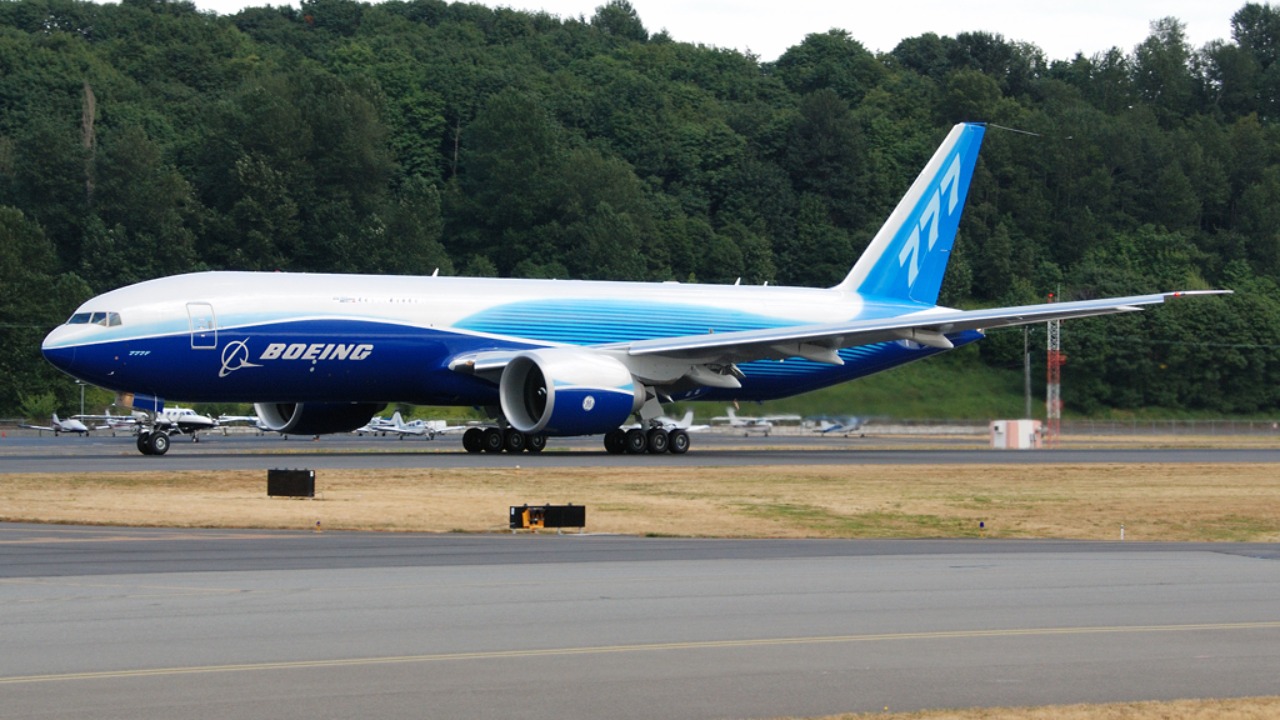
The FAA grounded PW4000-powered Boeing 777 aircraft in February 2021 after one of the engines on a United Airlines flight out of Denver blew apart shortly after takeoff, scattering debris over a nearby neighborhood below.
The order affected a small number of jets worldwide that used the same Pratt & Whitney engine variant involved in the incident, and carriers kept those aircraft parked until emergency fan-blade inspections were completed and cleared by regulators, with some airlines choosing to retire older examples of the type rather than return them to service.
More from Morning Overview
- Herbal supplements are landing Americans in the hospital with liver damage, doctors warn
- General Motors is switching on cameras that record inside your vehicle by update
- A geomagnetic storm is forecast to hit Earth today, pushing the northern lights unusually far south
- A recalled pill hid a stimulant dose linked to heart attacks and death
