
Space travel is a fascinating endeavor, but it comes with its own set of peculiar challenges. Astronauts often experience a range of unusual phenomena due to the unique environment of space. From crying to walking, here are seven weird things astronauts can’t do like they would on Earth.
Cry Properly
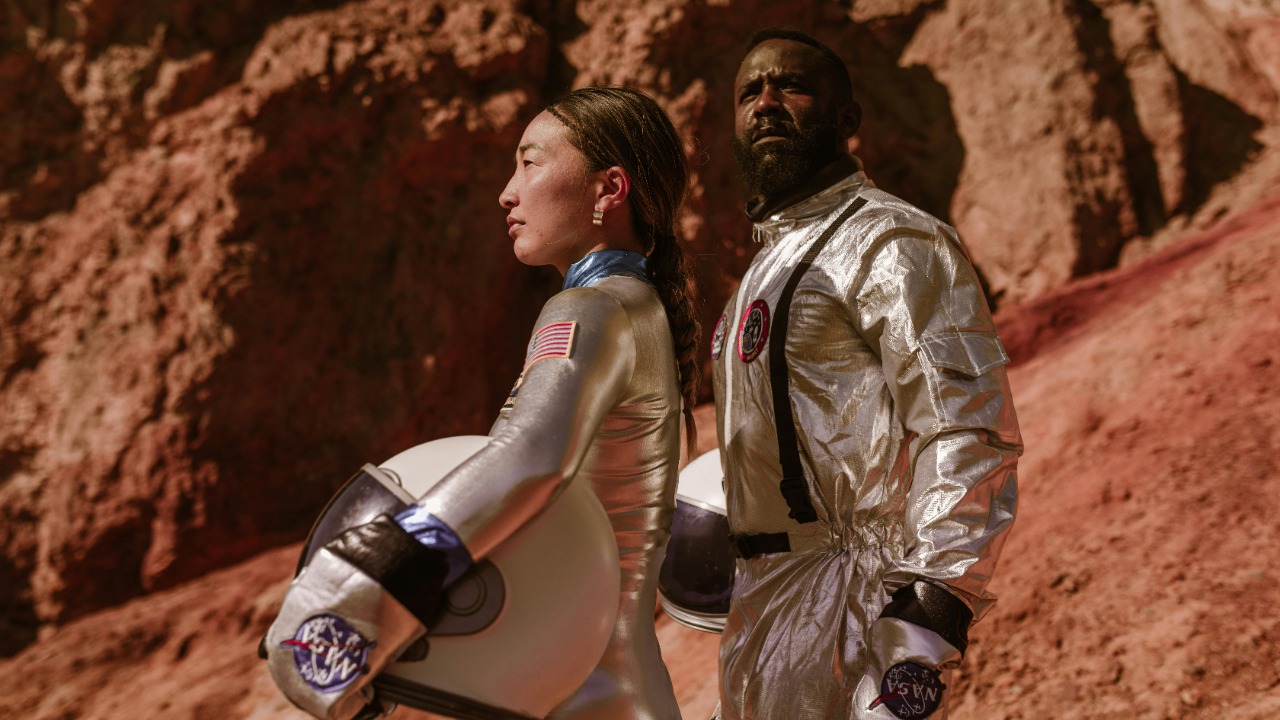
In the microgravity environment of space, tears don’t fall down a person’s face as they would on Earth. Instead, they form little balls that cling to the skin. This can be quite uncomfortable for astronauts who find themselves emotionally moved or affected by irritants.
The tears can cloud their vision and even sting if they don’t remove them with a towel. This peculiar behavior of tears is one of the many physical adjustments astronauts must make in space.
Burp Normally
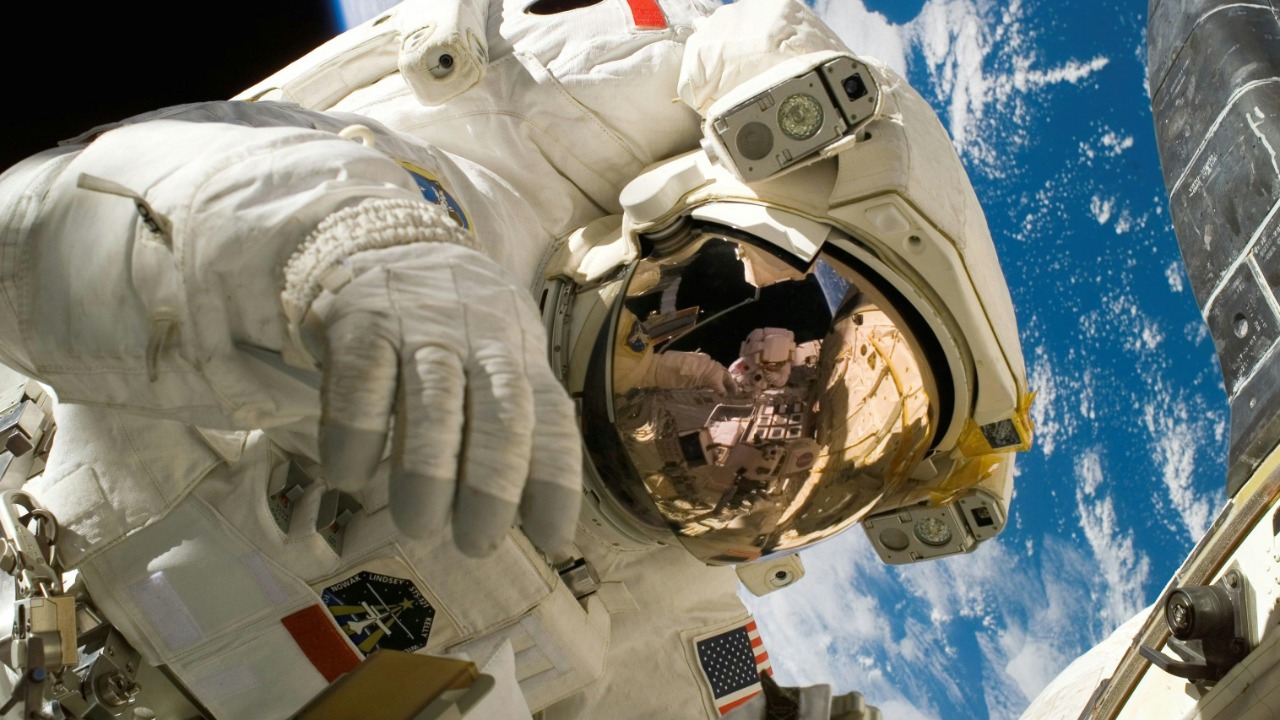
On Earth, gravity helps separate the gases in our stomach from the liquids and solids, allowing us to burp comfortably. However, in space, this separation doesn’t occur. As a result, astronauts can’t burp without also expelling some stomach contents, leading to the phenomenon known as a “wet burp.”
This issue is why carbonated beverages are generally avoided on the International Space Station, as they can exacerbate the problem. The unique digestive challenges make astronauts rethink their food and drink choices.
Smell Freshly Brewed Coffee
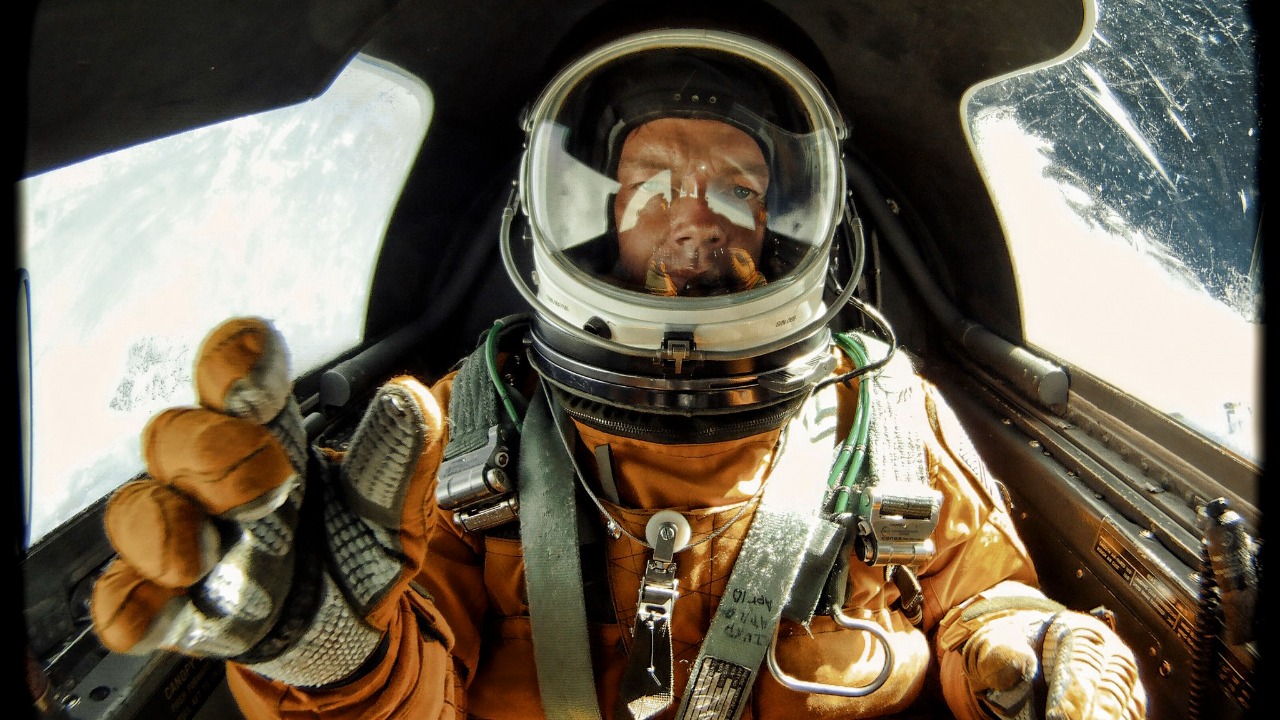
In space, the aroma of freshly brewed coffee is notably absent. This is because the sense of smell is diminished due to nasal congestion caused by the redistribution of bodily fluids in zero gravity. Without gravity to pull fluids down, astronauts often experience a stuffy nose, which affects their ability to enjoy aromas.
This means that while astronauts can still drink coffee, the experience is not quite the same as it is on Earth. The lack of familiar scents like coffee is one of the small but poignant reminders of how different life in space can be.
Sleep in Complete Darkness
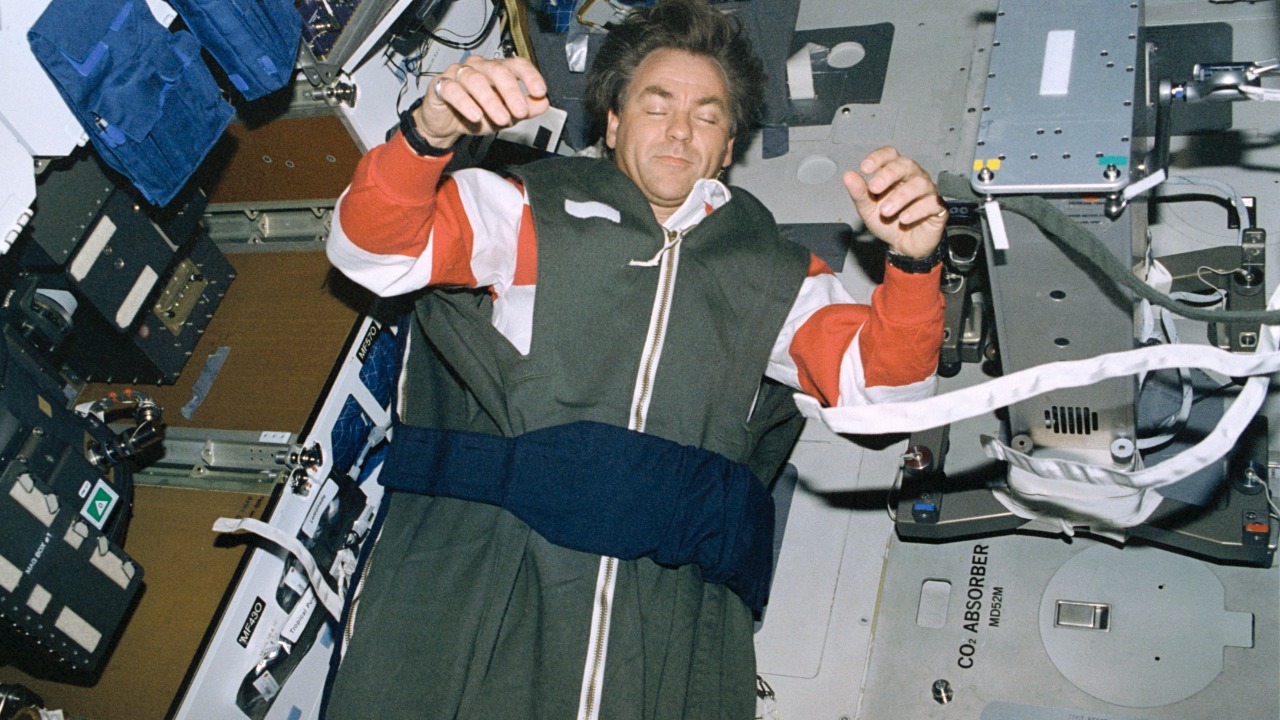
On the International Space Station, astronauts experience 16 sunrises and sunsets each day, which can make maintaining a regular sleep schedule challenging. To combat this, they use sleep masks and adjustable lighting to simulate a more Earth-like day-night cycle.
Despite these efforts, many astronauts report experiencing disrupted sleep patterns while in space. The absence of natural darkness can be a significant adjustment for those living in space for extended periods.
Eat Bread or Crumble Foods
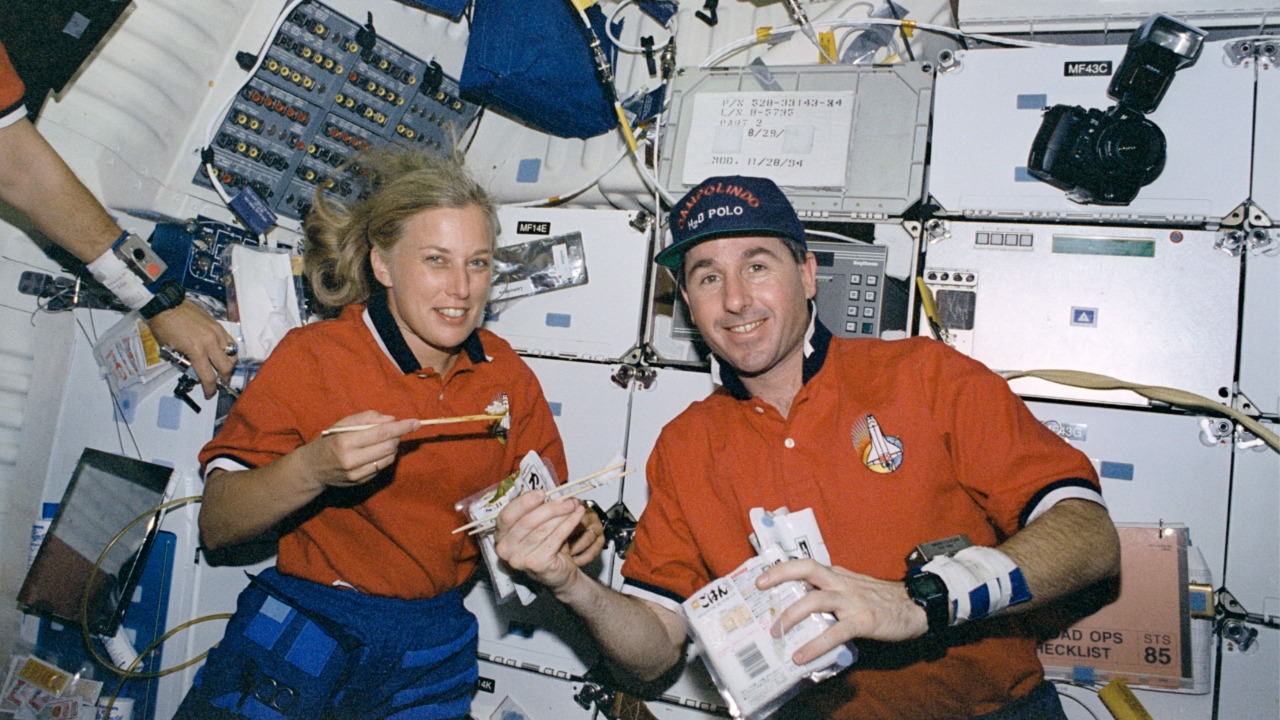
In the microgravity of space, crumbs from bread or similar foods can become a hazard. They can clog air vents, contaminate equipment, or even cause harm if inhaled. To avoid these risks, astronauts eat alternatives like tortillas, which don’t produce crumbs.
Food choices are carefully planned and prepared to prevent any loose particles from becoming problematic. This requirement makes the menu in space quite different from what one would expect on Earth.
Maintain a Normal Height
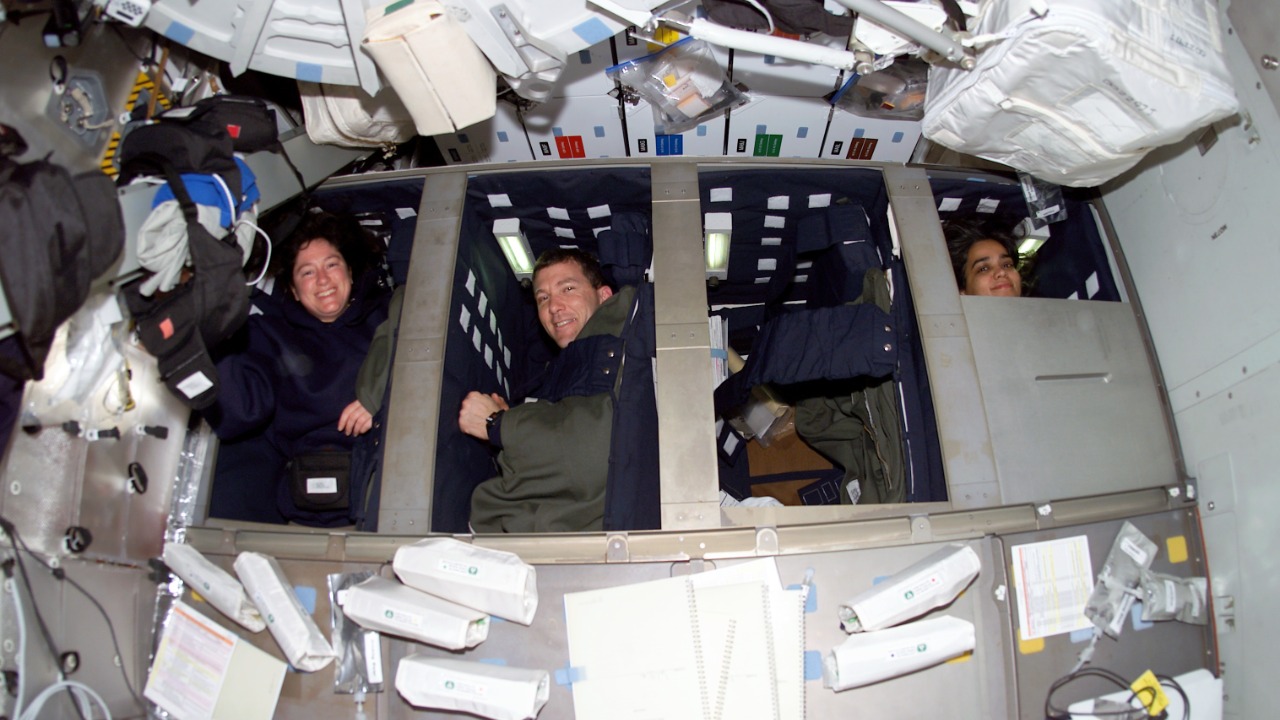
Without the constant pull of gravity, the spine of an astronaut can elongate, leading to an increase in height of up to two inches. However, this change is temporary, as the spine compresses back to its usual length after returning to Earth.
This temporary height increase can cause back discomfort and requires adjustments to the astronaut’s suits and equipment. The phenomenon is one of the many physical changes that astronauts experience during their missions.
Walk Effortlessly
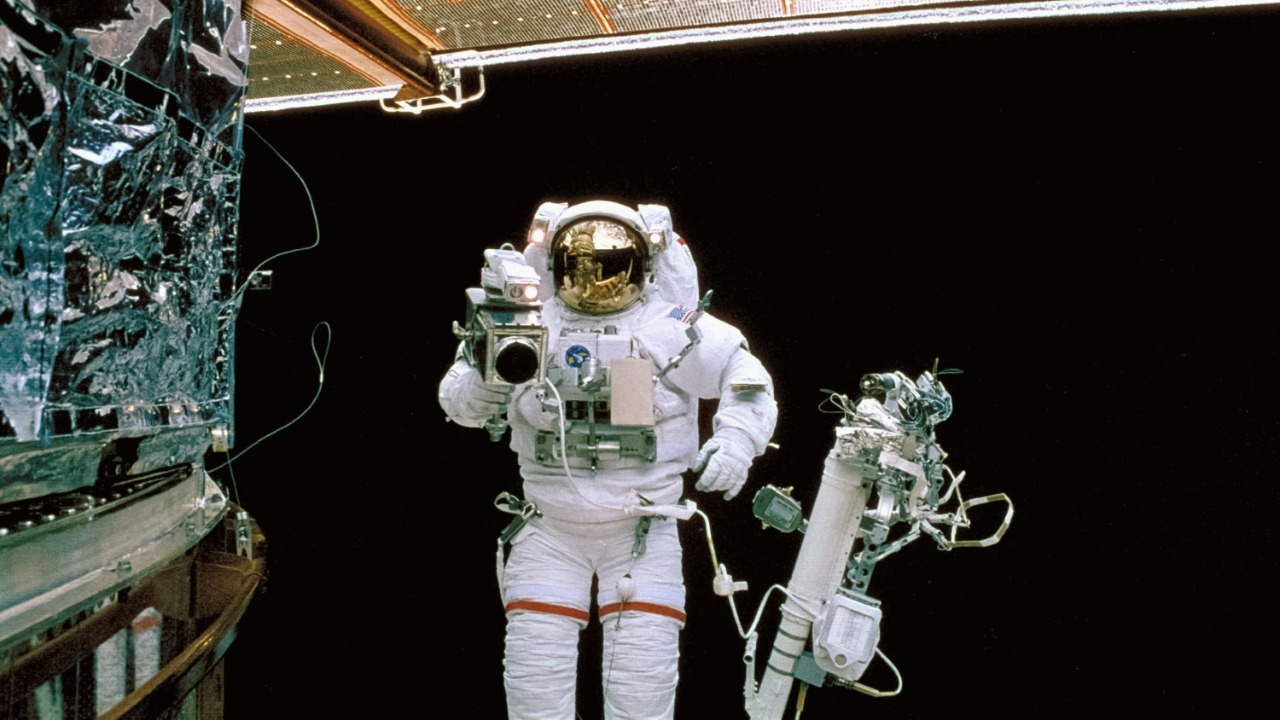
Walking in space is not as straightforward as it is on Earth. The absence of gravity means astronauts need to rely on handrails and tethers to move around. Even when they return to Earth, they often find walking difficult until they readjust to the gravitational pull. This difficulty is due to muscle atrophy and changes in balance experienced during their time in microgravity.
The process of relearning to walk can take some time, reflecting the profound impact space travel has on the human body.
