Emissions tests are becoming increasingly stringent, leading to more vehicles failing to meet the required standards. Notably, several popular truck models are struggling to pass these assessments. This analysis spotlights seven specific truck models that are now failing emissions tests, providing insights into potential reasons and implications for owners.
1. Ford F-150
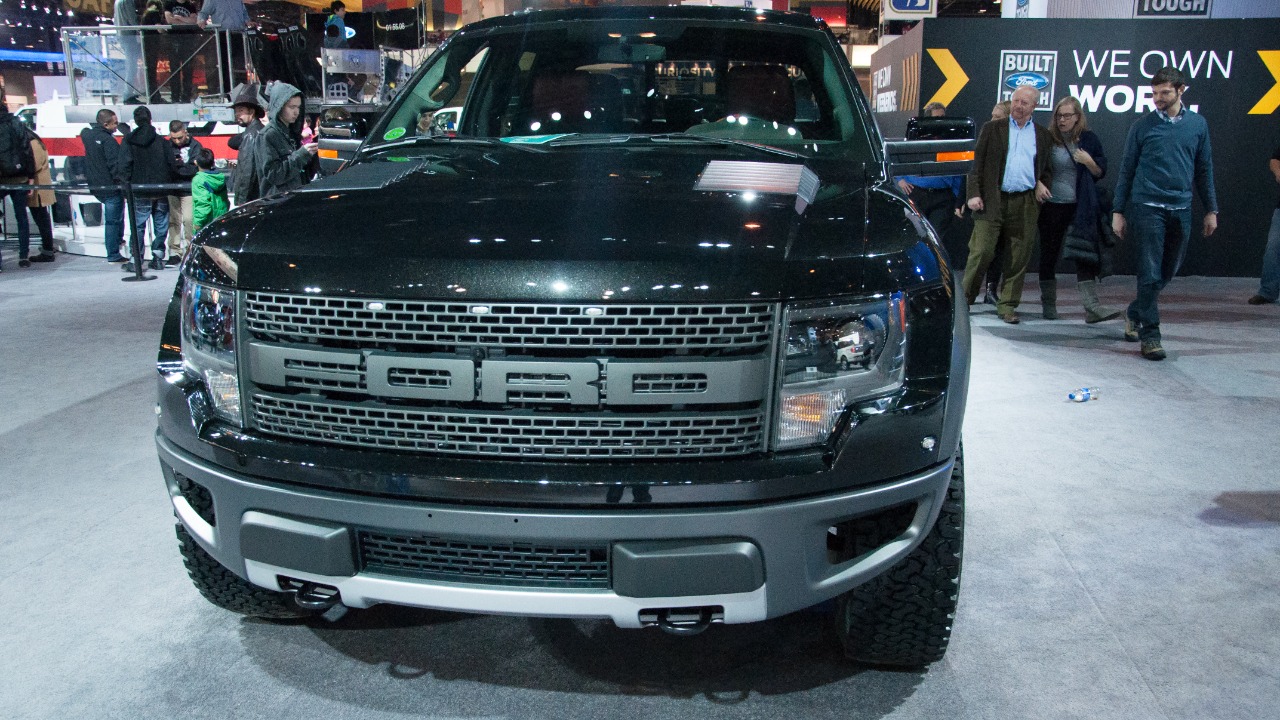
The Ford F-150, particularly the 2013-2014 models, has been under scrutiny for emissions issues. These trucks have been flagged due to problems with their exhaust gas recirculation (EGR) systems. The EGR valve, which helps reduce nitrogen oxide emissions, can become clogged over time, causing elevated emissions levels and test failures.
Owners of these models might find themselves facing repairs to bring their vehicles into compliance. For those dealing with this issue, the EGR system cleaning and maintenance can be a helpful step to avoid costly fines and ensure their trucks meet emission standards.
2. Chevrolet Silverado 1500
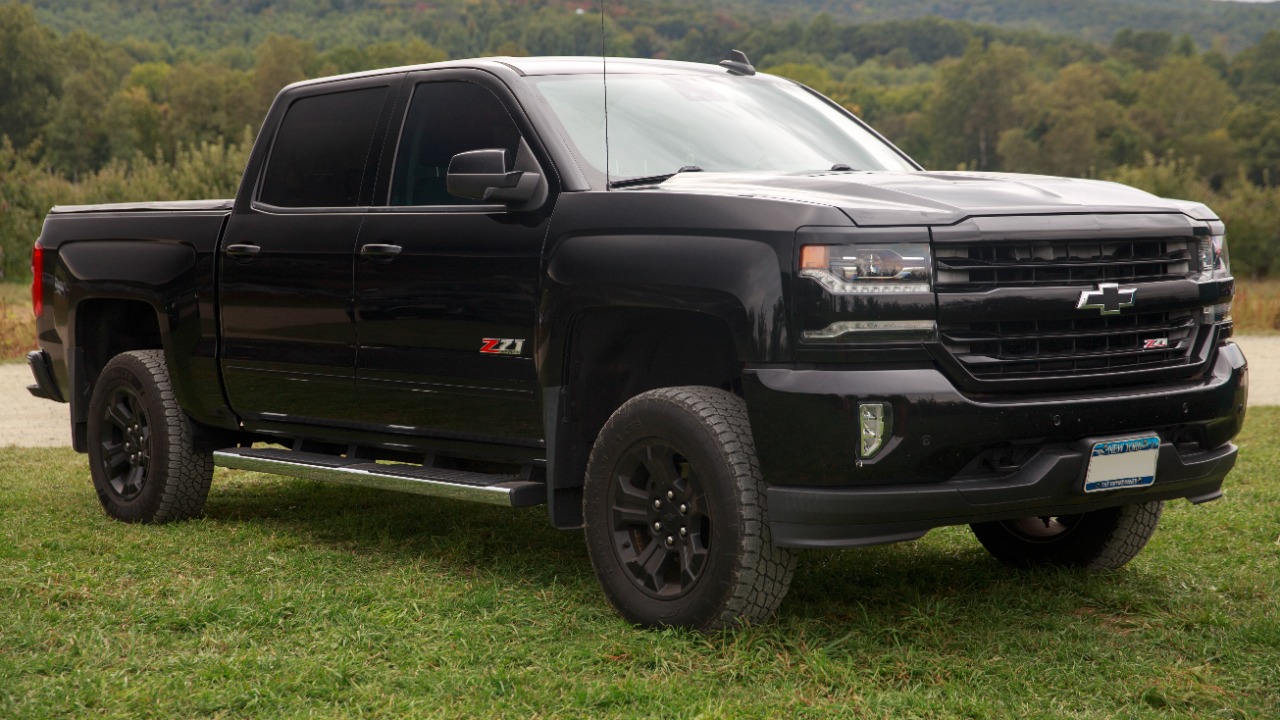
The Chevrolet Silverado 1500 models from 2015 to 2016 are also experiencing higher failure rates in emissions testing. These trucks often suffer from issues related to their catalytic converters, which are critical for reducing harmful emissions. When these components fail, they can no longer filter pollutants effectively.
Addressing this problem can be costly, as replacing a catalytic converter is not cheap. However, regular maintenance and timely repairs can help owners keep their trucks compliant. In some regions, the failure to meet emissions standards can result in registration issues, as seen in Oregon’s DMV program.
3. Ram 1500
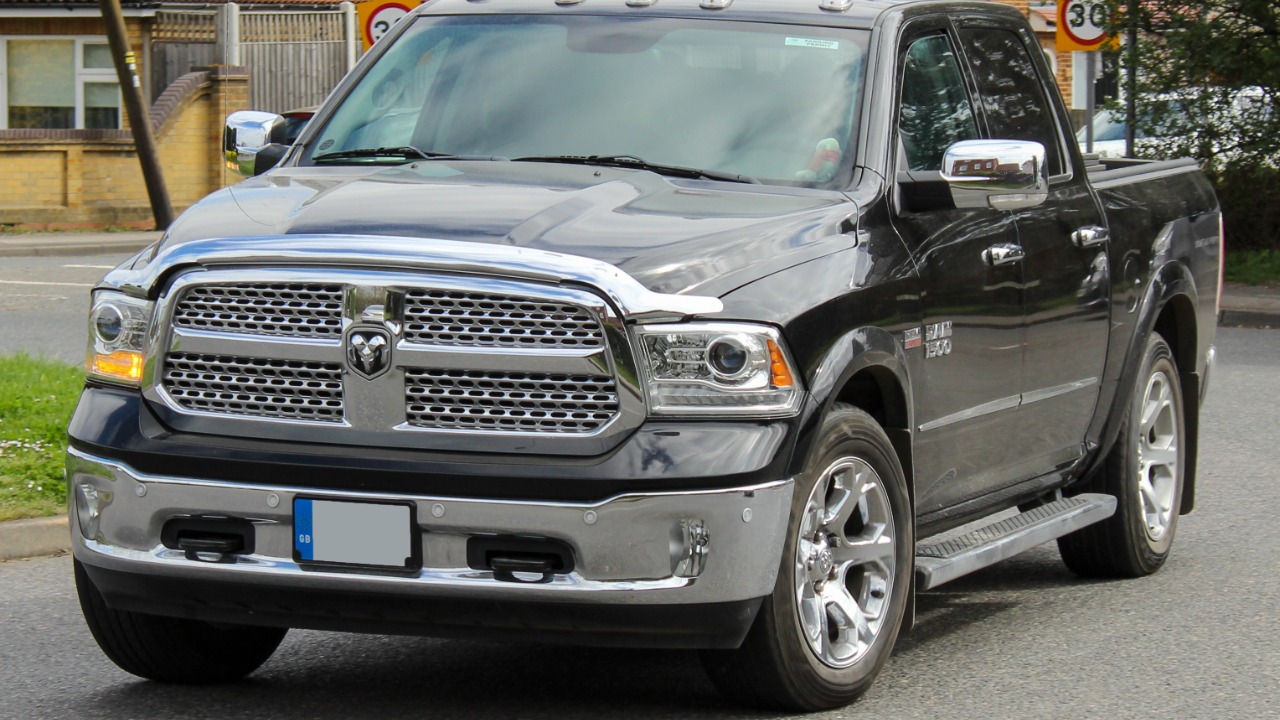
The 2014-2015 Ram 1500 models are another example of trucks facing emissions challenges. These vehicles often encounter problems with their onboard diagnostic systems, which are crucial for monitoring and controlling emissions. Faulty sensors can lead to improper fuel-air mixtures, contributing to higher emissions.
To mitigate these issues, owners should ensure their trucks’ diagnostic systems are regularly checked and maintained. Proper sensor function is essential for these vehicles to pass emissions tests and avoid potential penalties related to non-compliance.
4. Toyota Tacoma
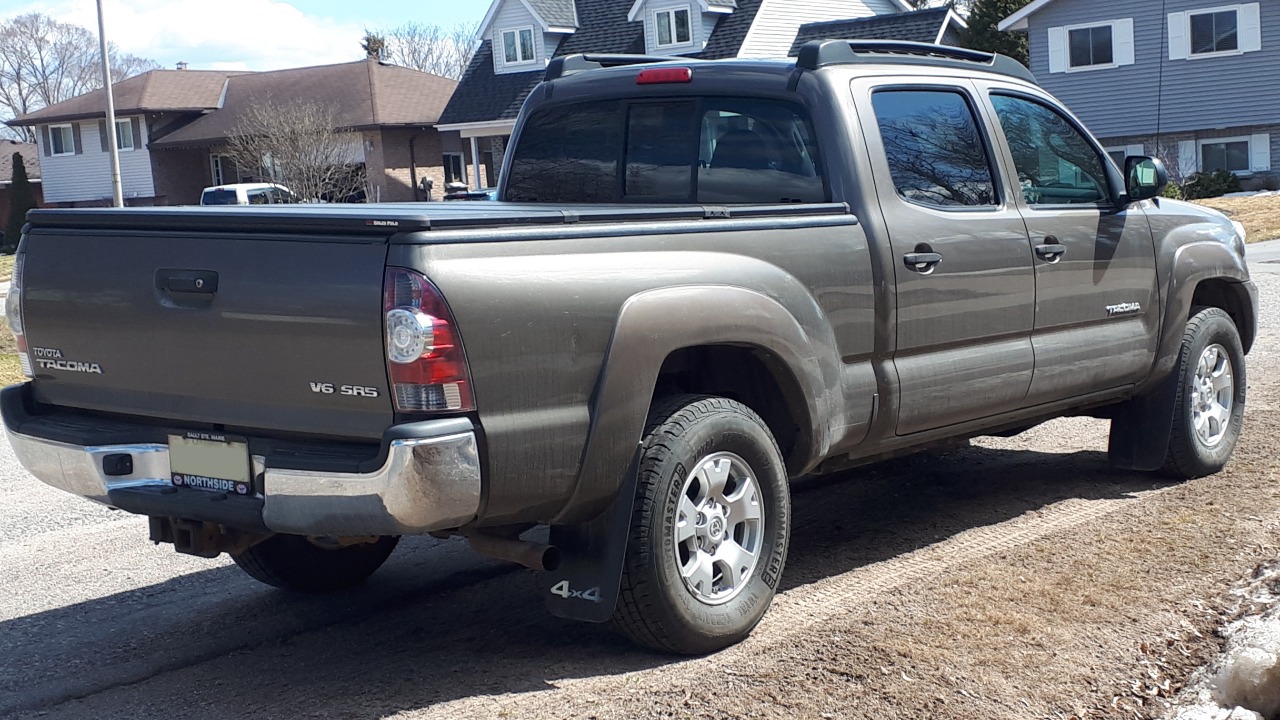
In recent years, the Toyota Tacoma, especially the 2012-2013 models, has faced emissions test failures. The main culprit seems to be issues with the oxygen sensors, which play a vital role in managing the engine’s air-fuel ratio. Malfunctioning sensors can lead to increased emissions and test failures.
Owners should consider regular sensor inspections and replacements when necessary. Keeping the oxygen sensors in good working condition can prevent the Tacoma from failing emissions tests and ensure smoother performance on the road.
5. Nissan Frontier
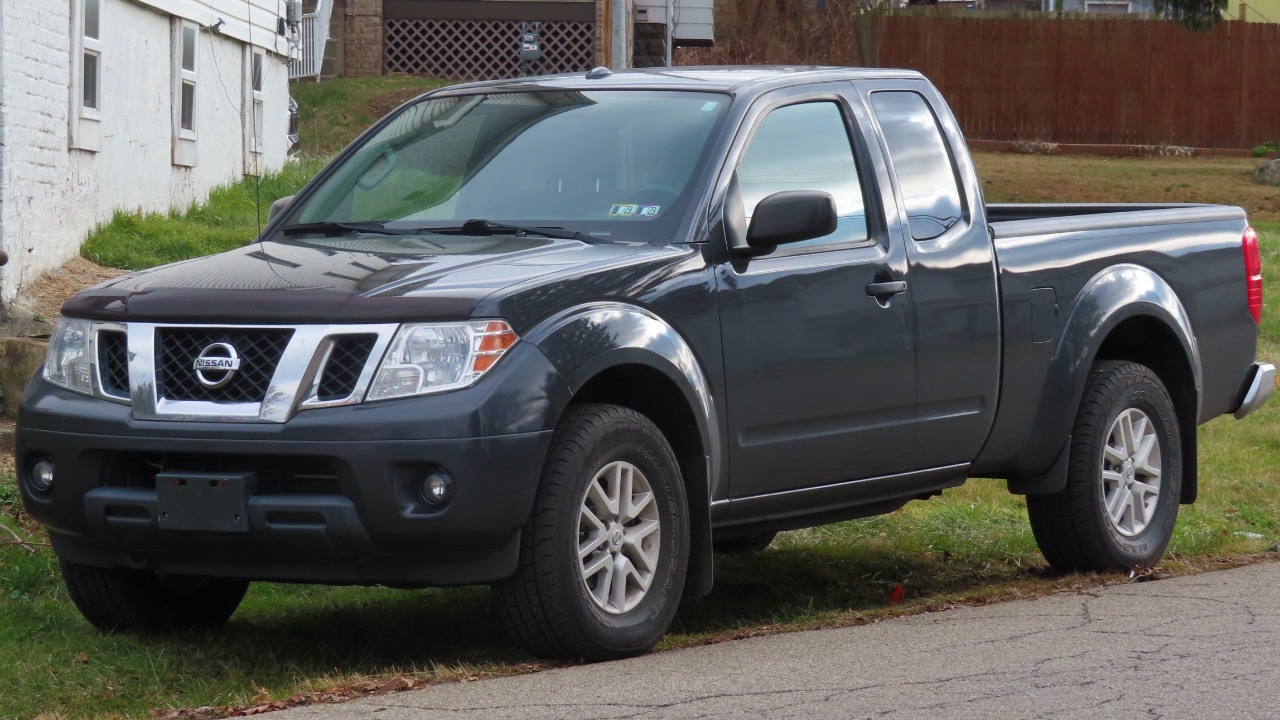
The 2013-2014 Nissan Frontier models have shown a tendency to fail emissions tests due to exhaust system leaks. These leaks can cause the engine to run inefficiently, leading to increased emissions. Additionally, they might trigger check engine lights, which are a common cause of test failures.
To avoid these issues, regular exhaust system inspections and prompt repairs are recommended. By addressing leaks early, owners can maintain their trucks’ emissions compliance and avoid potential fines or registration issues.
6. GMC Sierra 1500
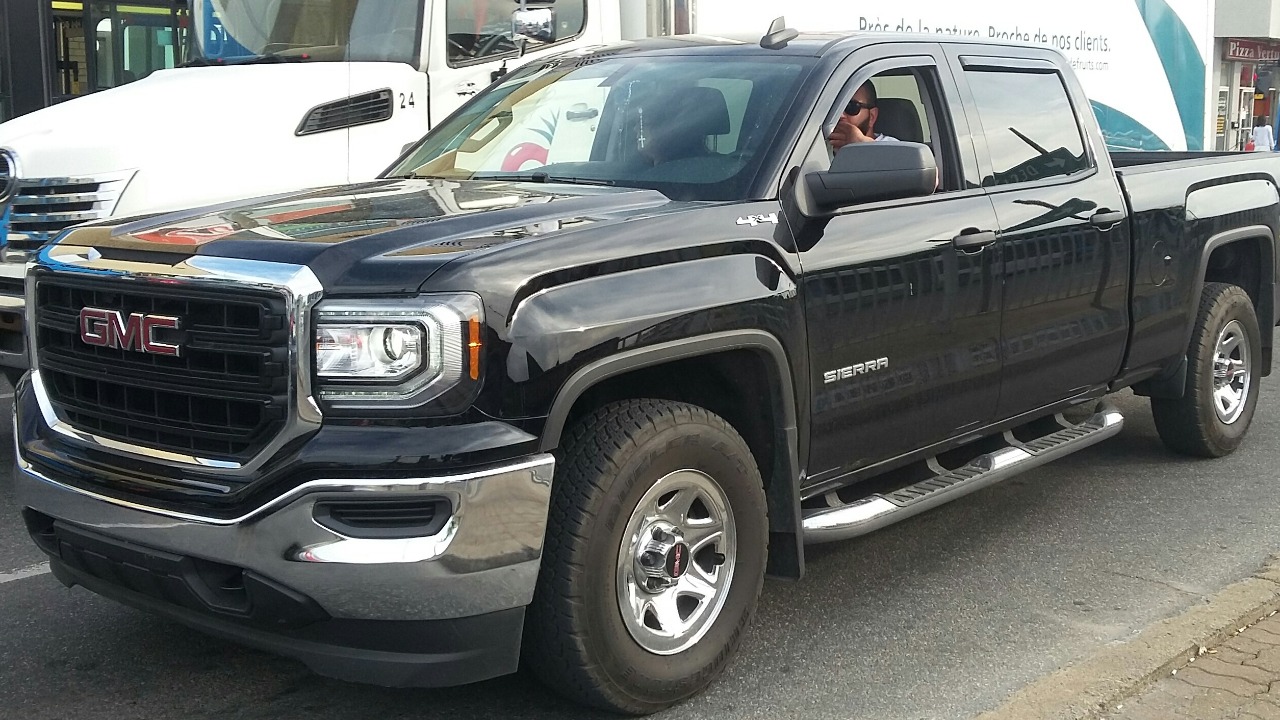
GMC Sierra 1500 trucks from 2015 to 2016 are also struggling with emissions compliance. A common problem in these models is related to their fuel injection systems. Improper fuel delivery can cause incomplete combustion, resulting in higher emissions and subsequent test failures.
Owners should ensure that their fuel systems are properly maintained and serviced. Regular checks can help identify and rectify issues before they lead to test failures. Staying proactive can save on costly repairs and ensure compliance with emission standards.
7. Honda Ridgeline
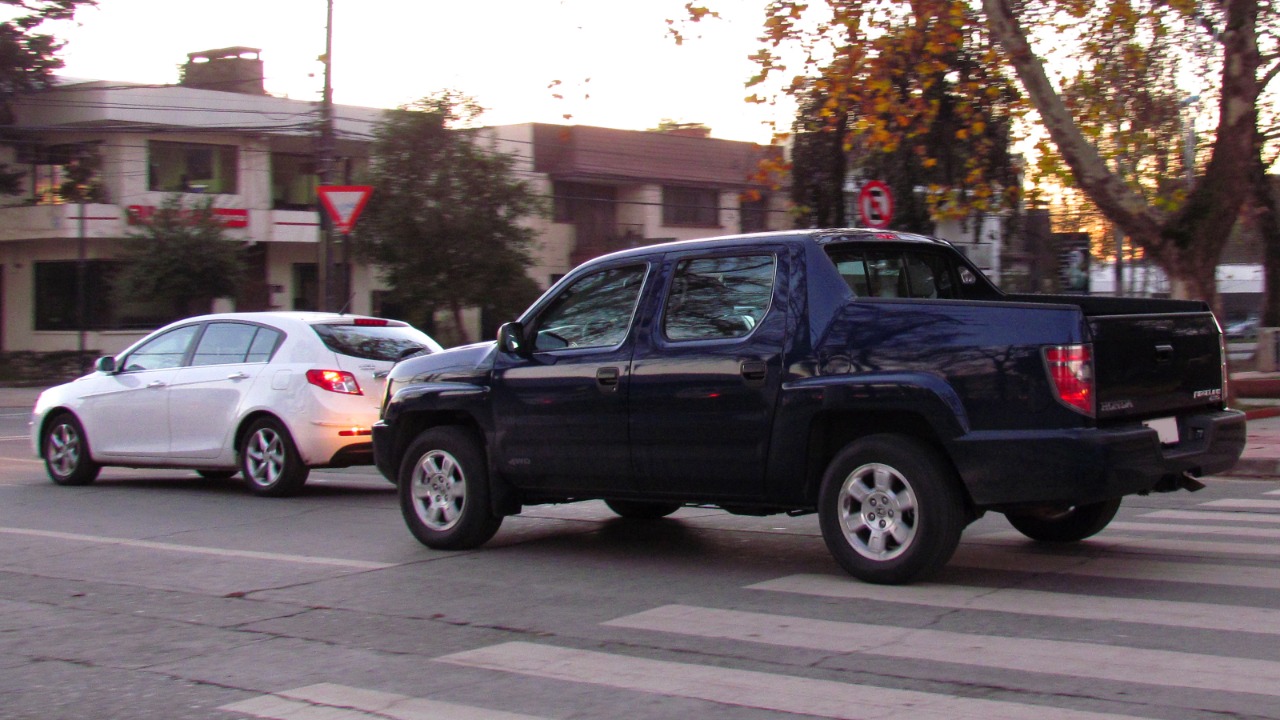
The Honda Ridgeline, particularly models from 2012 to 2013, has faced emissions test challenges due to issues with its evaporative emission control systems. These systems are designed to prevent fuel vapors from escaping into the atmosphere, but malfunctions can lead to increased emissions and test failures.
Regular system checks and maintenance are vital for avoiding these problems. By ensuring that the evaporative emission control systems are functioning correctly, Ridgeline owners can keep their vehicles compliant with emissions standards. For more insights, the debate on emissions testing highlights the importance of staying informed about regional requirements.
