When it comes to cutting-edge military technology, the Defense Advanced Research Projects Agency (DARPA) often leads the charge. However, some of their projects remain shrouded in secrecy. Here are seven technologies that DARPA has been working on, but remains tight-lipped about.
1. Quantum Stealth Technology

Imagine soldiers or vehicles that can become invisible to the naked eye. DARPA’s work on quantum stealth technology aims to make this a reality. By bending light around objects, this technology could make them disappear from view, providing a tactical advantage in hostile environments.
While details are scarce, this innovation has the potential to revolutionize future warfare. For more on DARPA’s future visions, visit DARPA’s Vision 2045.
2. Autonomous Drone Swarms
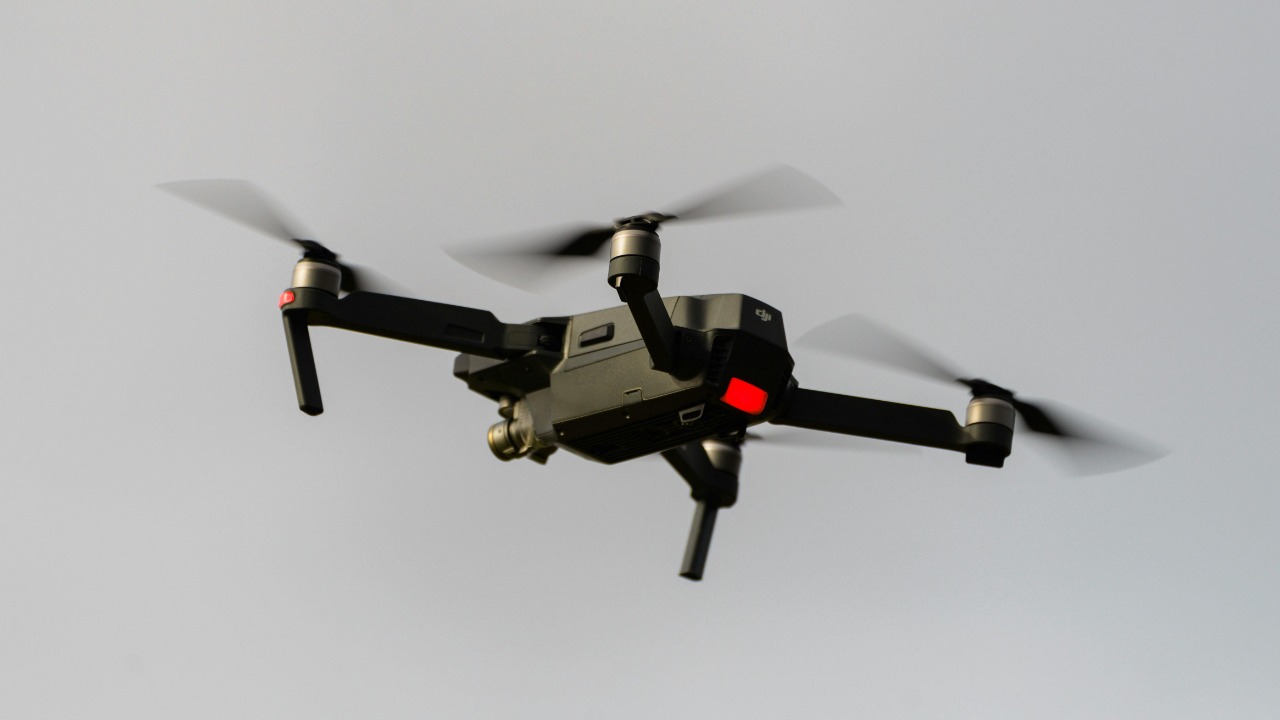
Autonomous drone swarms are designed to operate without human intervention, executing complex missions. These swarms can surveil, communicate, and even engage targets autonomously. DARPA’s development of this technology could change how battles are fought, reducing the need for human soldiers on the front lines.
Although much of the research remains classified, the potential applications are vast, from reconnaissance to direct confrontation.
3. Neurological Warfare Tools

In an era where information is as valuable as ammunition, neurological warfare tools are emerging as a new frontier. These tools aim to influence or disrupt the cognitive abilities of adversaries, potentially altering the outcomes of conflicts without firing a single shot.
The ethical implications are significant, yet DARPA’s investments suggest they see a future where brainwaves are as critical as firepower.
4. Advanced Cybersecurity Algorithms

As cyber threats become more sophisticated, DARPA is pushing the envelope with advanced cybersecurity algorithms. These algorithms aim to predict, detect, and neutralize threats in real-time, safeguarding critical national infrastructure. Though specifics are classified, the development of such algorithms is essential in an age where cyber warfare is a constant threat.
The importance of these technologies cannot be overstated, particularly in securing military and governmental networks.
5. Subterranean Mapping Systems
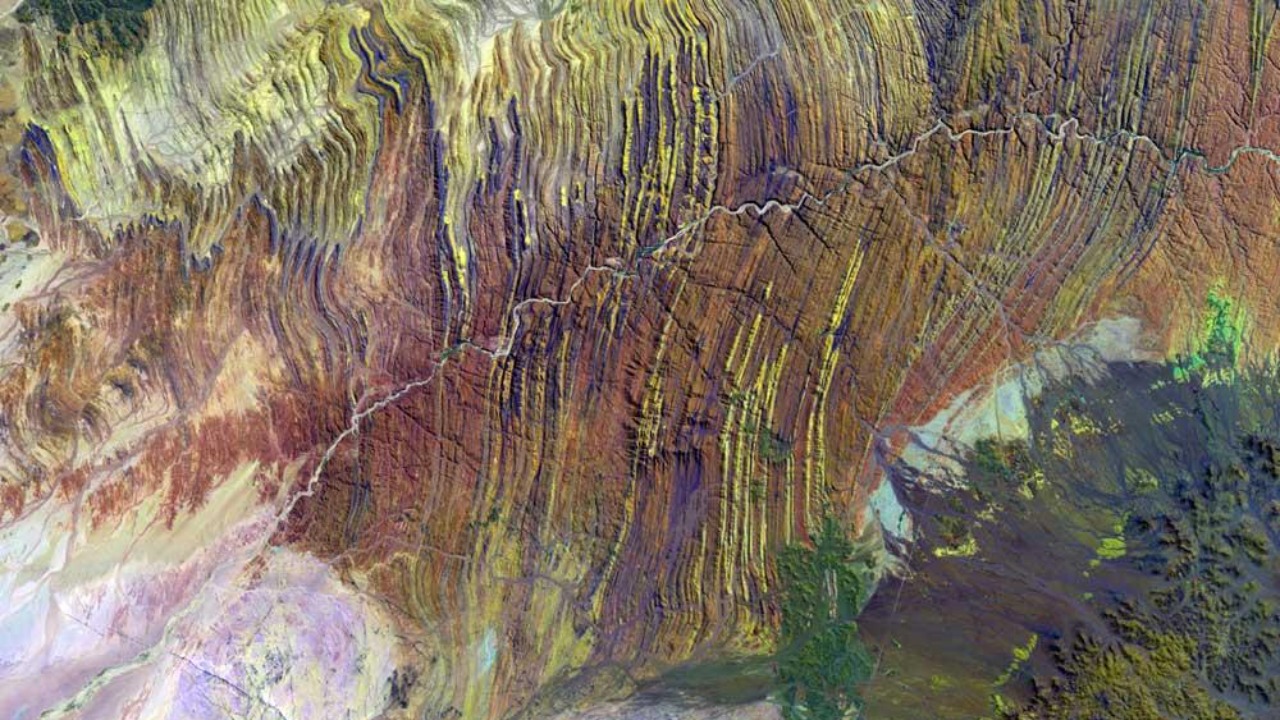
Navigating complex underground environments is a challenge DARPA is tackling head-on. Subterranean mapping systems are being developed to provide detailed maps of underground tunnels and bunkers. These systems can be crucial for urban warfare, rescue operations, and locating hidden threats.
While details remain confidential, the capability to see below the surface offers a significant strategic advantage.
6. Bioengineered Super Soldiers

The concept of bioengineered super soldiers may sound like science fiction, but DARPA is exploring ways to enhance human capabilities. These enhancements could include increased strength, endurance, and cognitive abilities. While the ethical considerations are immense, the potential to reshape military personnel into more resilient and capable soldiers is a tantalizing prospect.
For further discussion on the potential and challenges, check out this article on DARPA’s success preconditions.
7. Hypersonic Defense Systems
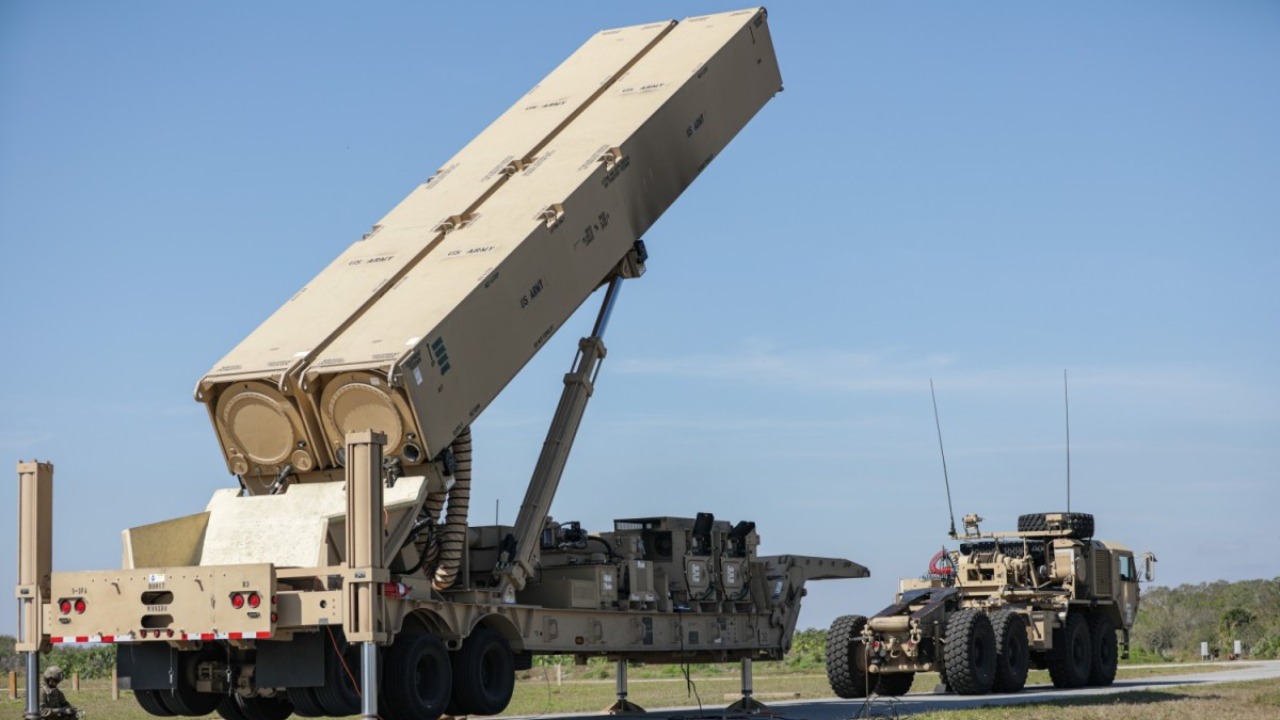
With the advent of hypersonic missiles, defense systems that can counter these threats are paramount. DARPA is reportedly developing technologies that can detect and intercept these fast-moving projectiles. The ability to neutralize hypersonic threats before they reach their targets could redefine missile defense strategies.
The urgency of this technology is underscored by the increasing investments in hypersonic weapons globally. More speculative discussions are available on Reddit’s Futurology.
