Exploring the frontiers of science can sometimes feel like stepping into a realm of infinite possibilities. From the nature of time and space to the fabric of reality itself, some theories challenge what we know and open doors to new dimensions of understanding. These seven theories could potentially revolutionize our understanding of the universe and our place within it.
1. The Theory of Quantum Gravity
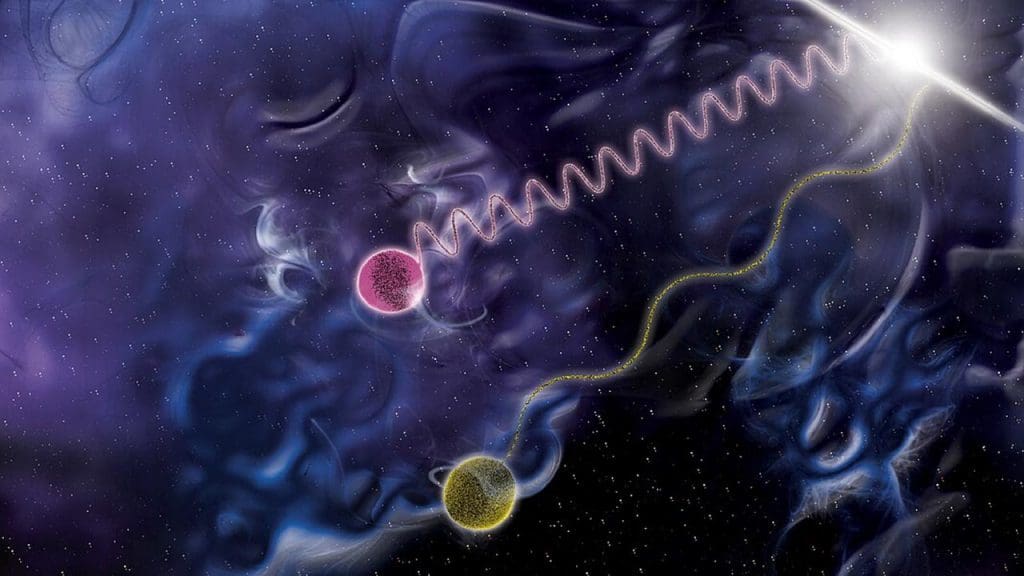
Quantum Gravity aims to bridge the gap between quantum mechanics and general relativity. It suggests a unified framework that could explain how gravity operates at quantum scales. This theory could unravel the mysteries of black holes and the Big Bang, offering insights into the fundamental structure of space and time. A successful theory of quantum gravity might redefine our understanding of reality itself, providing a new lens through which to view the universe.
2. The Multiverse Theory
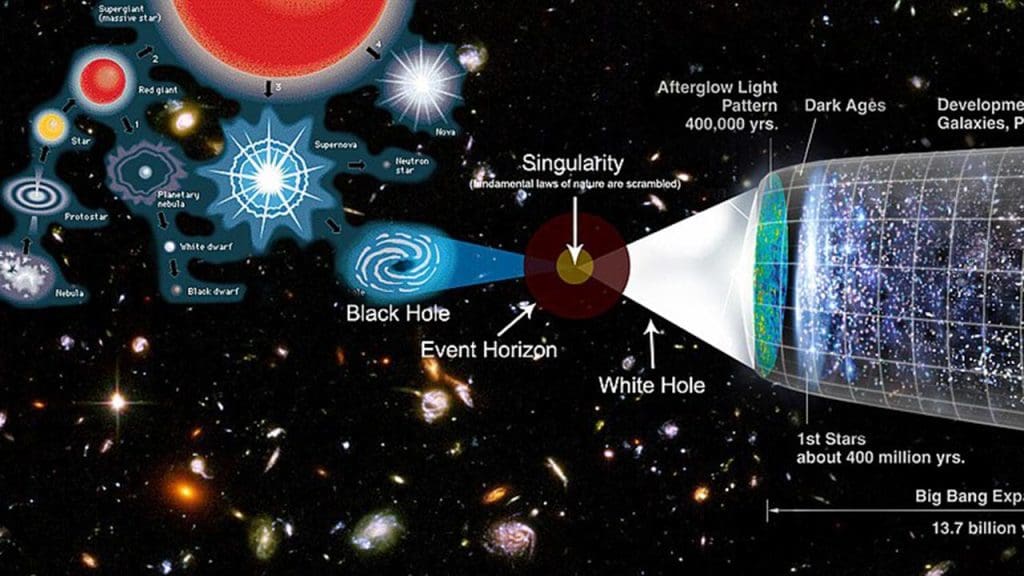
The Multiverse Theory posits the existence of multiple, perhaps infinite, universes beyond our own. This provocative idea suggests that each universe may operate under different physical laws. If proven true, the multiverse could explain the fine-tuning of constants in our universe and eliminate the need for a singular cosmic narrative. It could also provide answers to age-old questions about the nature of reality and existence.
3. The Theory of Dark Matter and Dark Energy
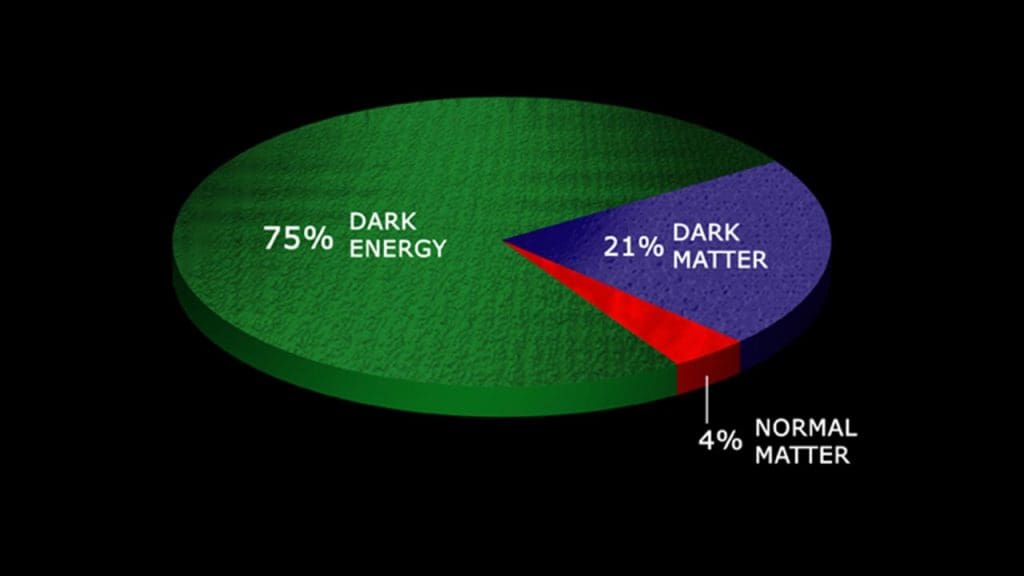
Dark matter and dark energy are believed to make up approximately 95% of the universe, yet their nature remains a significant mystery. These phenomena influence the structure and expansion of the universe, but they cannot be observed directly. Understanding them could revolutionize astrophysics and alter our comprehension of cosmic evolution. Current research continues to search for evidence of these enigmatic forces, which may redefine the fundamental components of the universe.
4. The Simulation Hypothesis
The Simulation Hypothesis proposes that reality as we know it might be an artificial simulation, created by an advanced civilization. This concept, popularized in science fiction, raises profound philosophical and ethical questions about free will and existence. If true, it would dramatically alter our perception of identity and consciousness, suggesting that what we perceive as reality could be an elaborate construct.
5. The Gaia Hypothesis
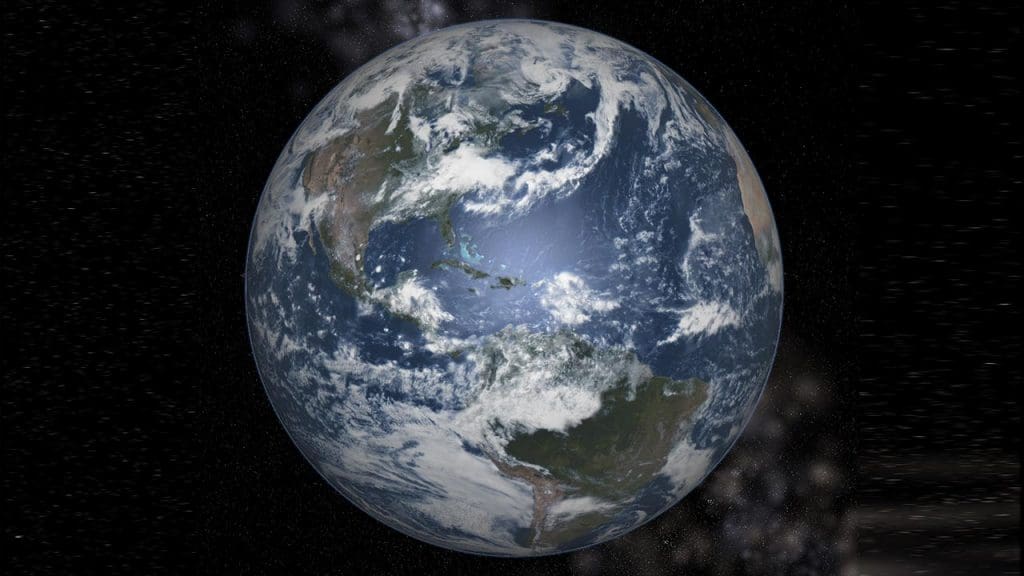
The Gaia Hypothesis suggests that Earth functions as a single, self-regulating organism. Proposed by James Lovelock, this theory implies a synergistic relationship between living organisms and their environment. It has significant implications for understanding ecological balance and the impact of human activity on the planet. By viewing Earth as a holistic system, the Gaia Hypothesis encourages sustainable practices and a deeper connection to the natural world.
6. The Theory of Time Travel
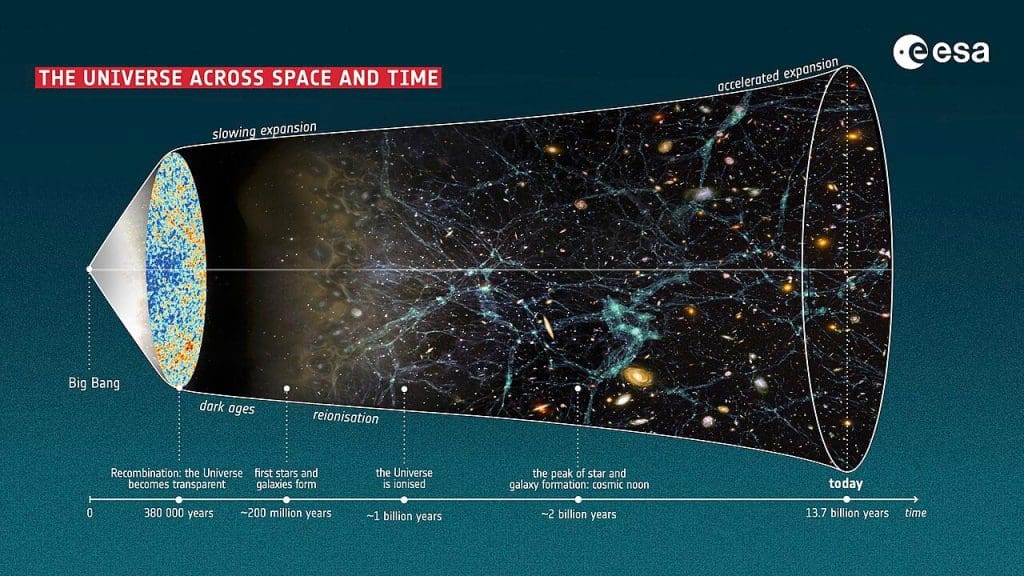
The concept of time travel has long fascinated scientists and storytellers alike. While currently speculative, some theories in physics, such as those involving wormholes, suggest that time travel might be possible under certain conditions. Discovering a method for time travel could redefine historical narratives and human experience. However, it also poses paradoxes and ethical dilemmas, challenging our understanding of causality and temporal existence.
7. The Theory of Consciousness
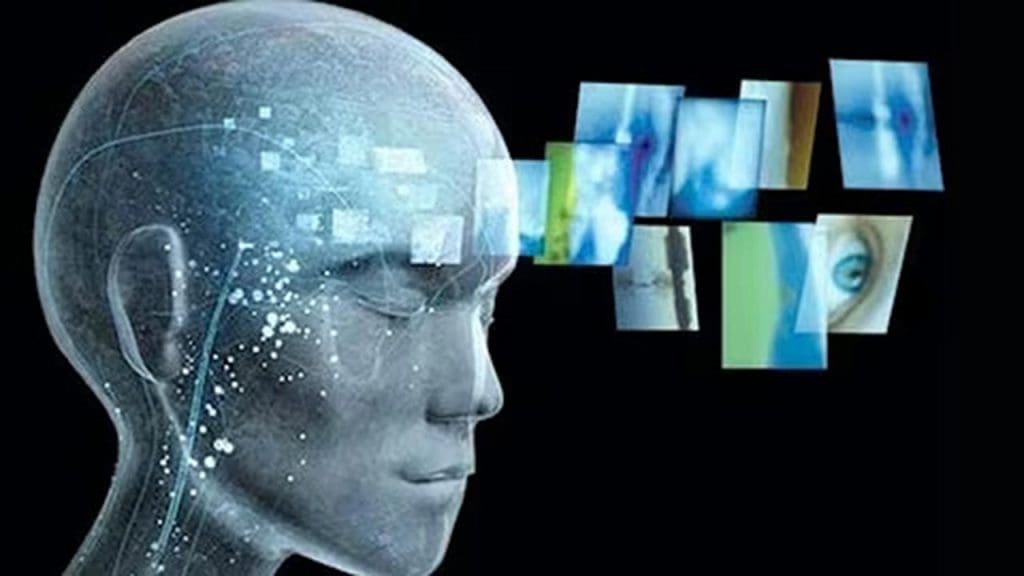
Consciousness remains one of the greatest mysteries in science. Some theories propose that consciousness is more than just brain chemistry, suggesting it might be a fundamental aspect of the universe. Understanding consciousness could transform fields from artificial intelligence to philosophy. The potential impact of unlocking the secrets of consciousness is profound, offering insights into perception, identity, and the nature of reality itself.
