While Teslas are renowned for their cutting-edge technology and eco-friendly appeal, buying a used model isn’t always the best decision. From depreciation to maintenance challenges, there are several pitfalls that potential buyers should be aware of. Here are some critical reasons to think twice before investing in a used Tesla.
Depreciation Concerns
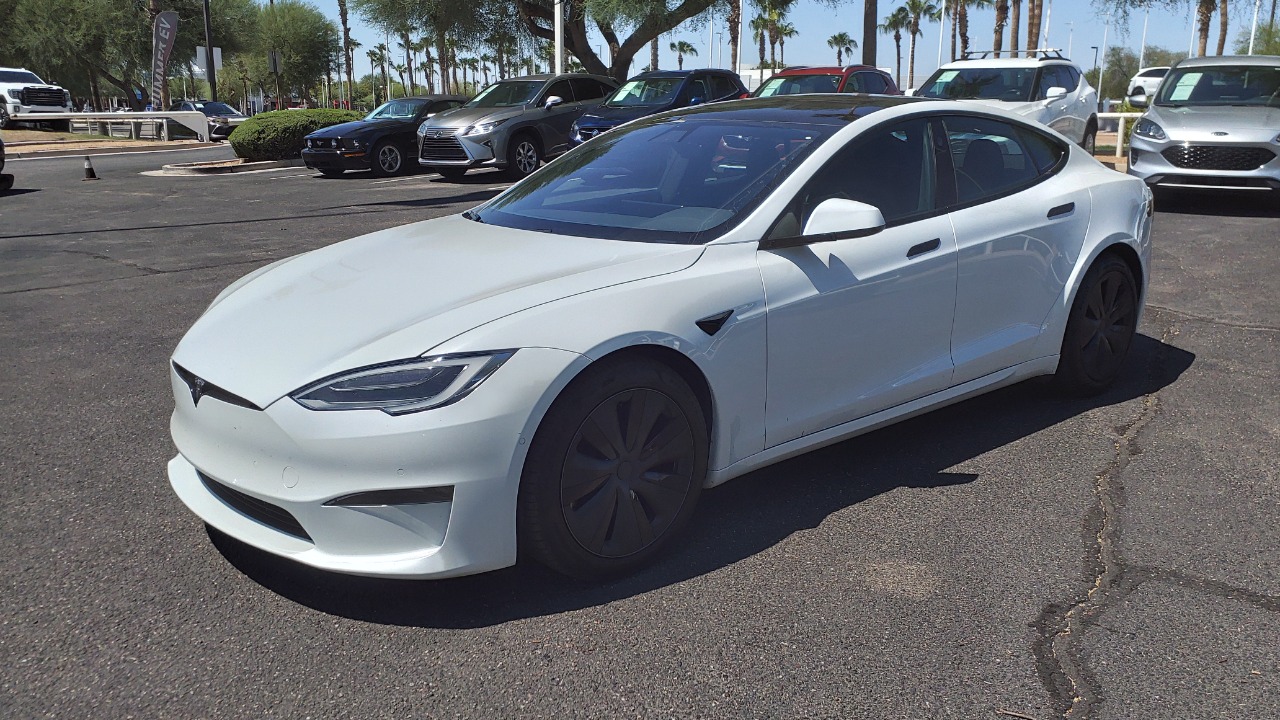
When it comes to electric vehicles, depreciation can be a significant issue, and Teslas are no exception. New models often depreciate rapidly due to technological advancements and the introduction of new features. For instance, significant updates in newer models can render older ones outdated, reducing their resale value substantially. This is particularly concerning if you plan to sell the vehicle down the line.
Moreover, the market for electric vehicles is still evolving, leading to fluctuations in used car prices. As more affordable and advanced options become available, older Tesla models may continue to lose value. Understanding these market dynamics is crucial before making a purchase.
Battery Degradation
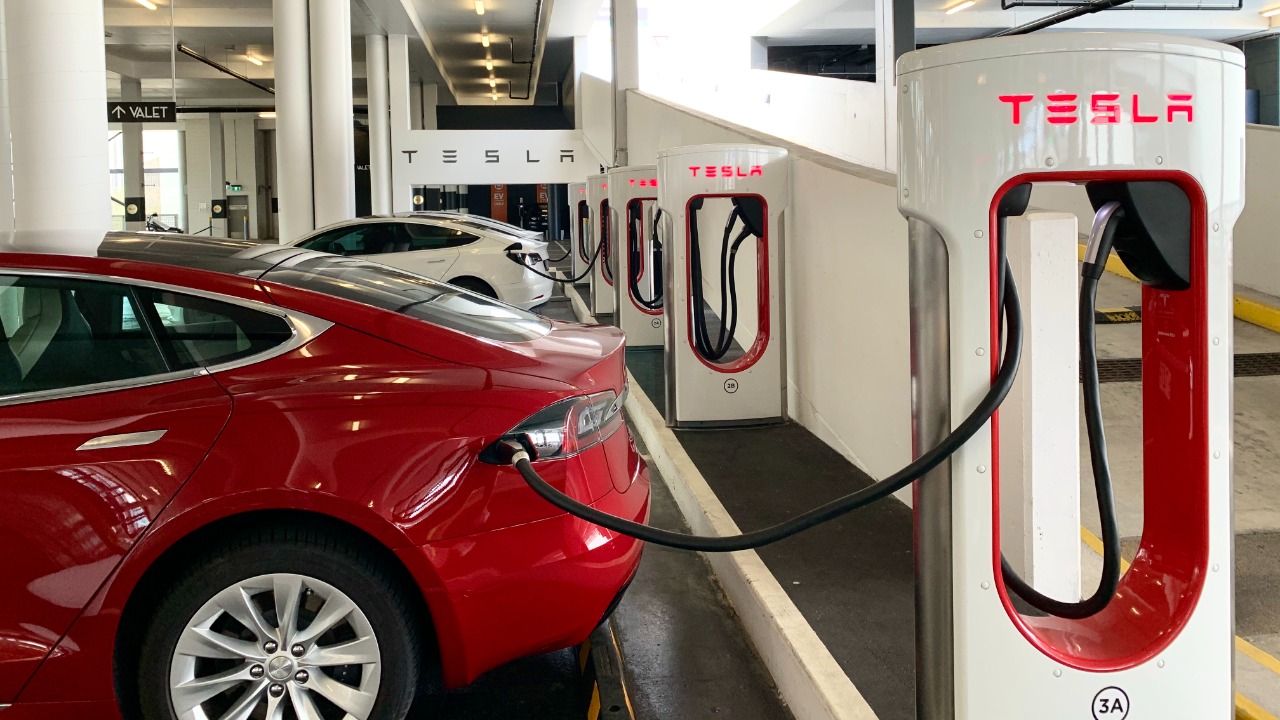
Battery life is one of the most critical aspects of electric vehicles like Teslas. Over time, batteries degrade, leading to reduced range and efficiency. This degradation can be accelerated by factors such as frequent fast charging and exposure to extreme temperatures. A used Tesla might not provide the range it originally did, which can be a significant drawback.
Without knowing how the previous owner maintained the vehicle, it’s challenging to predict the current state of the battery. Replacement costs for Tesla batteries can be substantial, sometimes reaching several thousand dollars, making this an essential consideration for potential buyers.
Limited Warranty Coverage

When purchasing a used Tesla, the vehicle might no longer be covered under the original warranty. New Teslas typically come with a four-year or 50,000-mile warranty, but this coverage may be significantly reduced or expired on used models. Without this safety net, you might be responsible for any repairs, which can be costly given the sophisticated technology in these cars.
Additionally, while Tesla offers extended service plans, these may not be transferable to subsequent owners. It’s vital to understand the warranty terms and what coverage remains before buying a used Tesla.
Software Update Restrictions
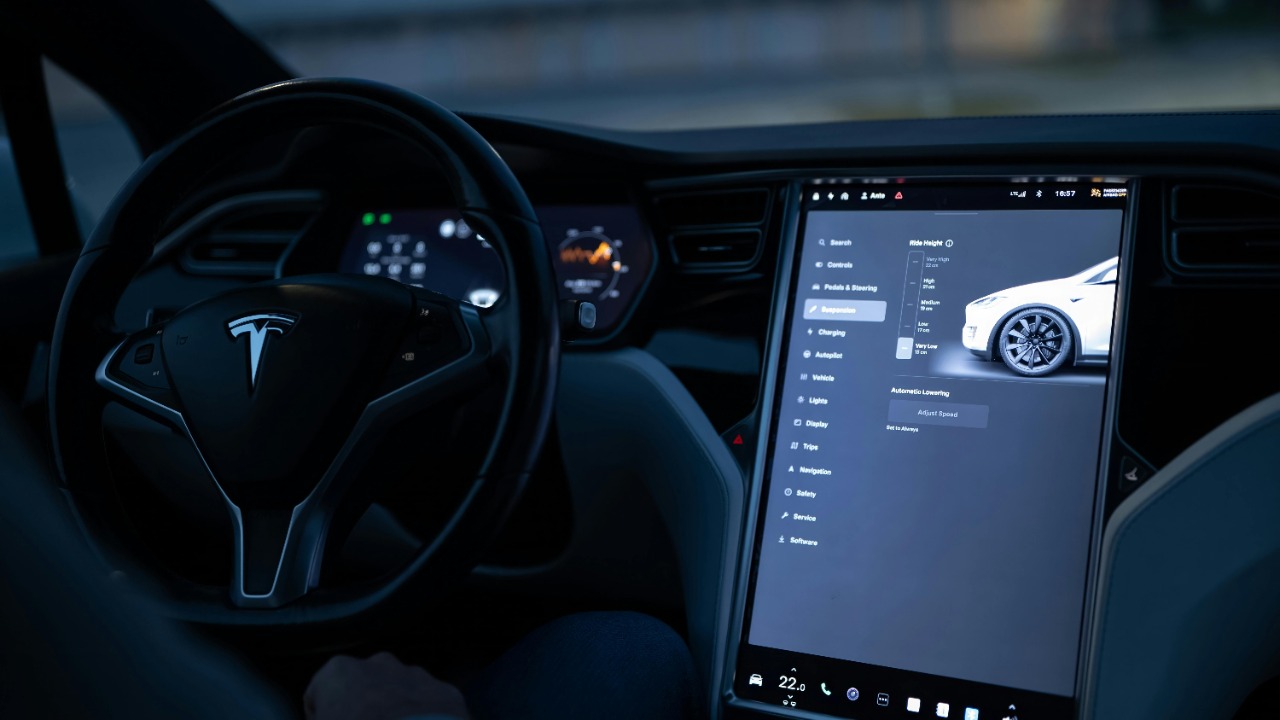
Tesla vehicles are known for their frequent software updates that improve functionality, enhance performance, and introduce new features. However, used Teslas may face restrictions on receiving these updates. For instance, older hardware might not support the latest software, limiting access to new features or improvements.
Some updates might also be available only through paid subscriptions or as part of premium packages. This could mean additional costs for maintaining the vehicle’s software at par with newer models, a factor worth considering.
Repair and Maintenance Costs

Though Teslas are known for requiring less maintenance compared to traditional vehicles, repair costs can be high due to the specialized nature of their components. For instance, repairing or replacing components like the battery or electric motors can be expensive. Additionally, finding qualified technicians can be challenging since not all repair shops are equipped to handle Tesla vehicles.
Moreover, the lack of competition in the repair market for electric vehicles can lead to higher labor costs. It’s crucial to factor in potential maintenance expenses when considering a used Tesla.
Availability of Parts
Getting replacement parts for Teslas can be a daunting task. Unlike traditional vehicles, Tesla uses many proprietary parts that are not readily available through third-party suppliers. This can lead to delays in repairs and increased costs, as parts may need to be ordered directly from Tesla.
Moreover, if you’re considering a model that’s no longer in production, sourcing parts could become even more challenging. It’s essential to assess the availability of parts as part of your decision-making process.
Uncertain Vehicle History
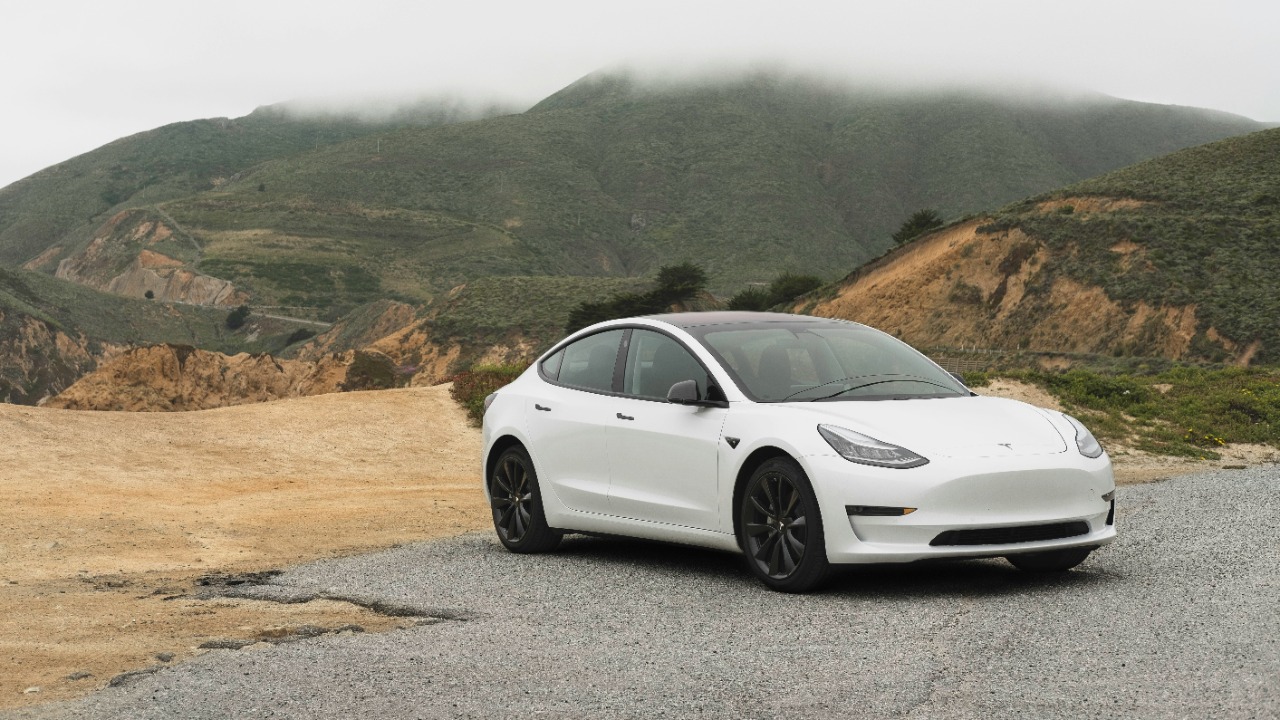
Understanding the history of a used vehicle is always crucial, and Teslas are no different. While some sellers provide vehicle history reports, they might not cover all aspects, such as previous accidents, repairs, or usage patterns. This lack of transparency can lead to unforeseen issues down the line.
Furthermore, Teslas have complex systems that could be impacted by improper use or unauthorized modifications. Ensuring a thorough check and verification of the vehicle’s history is essential to avoid potential pitfalls.
