The natural world is full of wonders that often leave us in awe. Some of these phenomena are so rare and unique that they seem impossible. Yet, they truly exist, reminding us of the beauty and mystery of our planet. Let’s delve into seven of these seemingly impossible but real natural events.
1. Bioluminescent Waves: The Ocean’s Enchanted Light Show
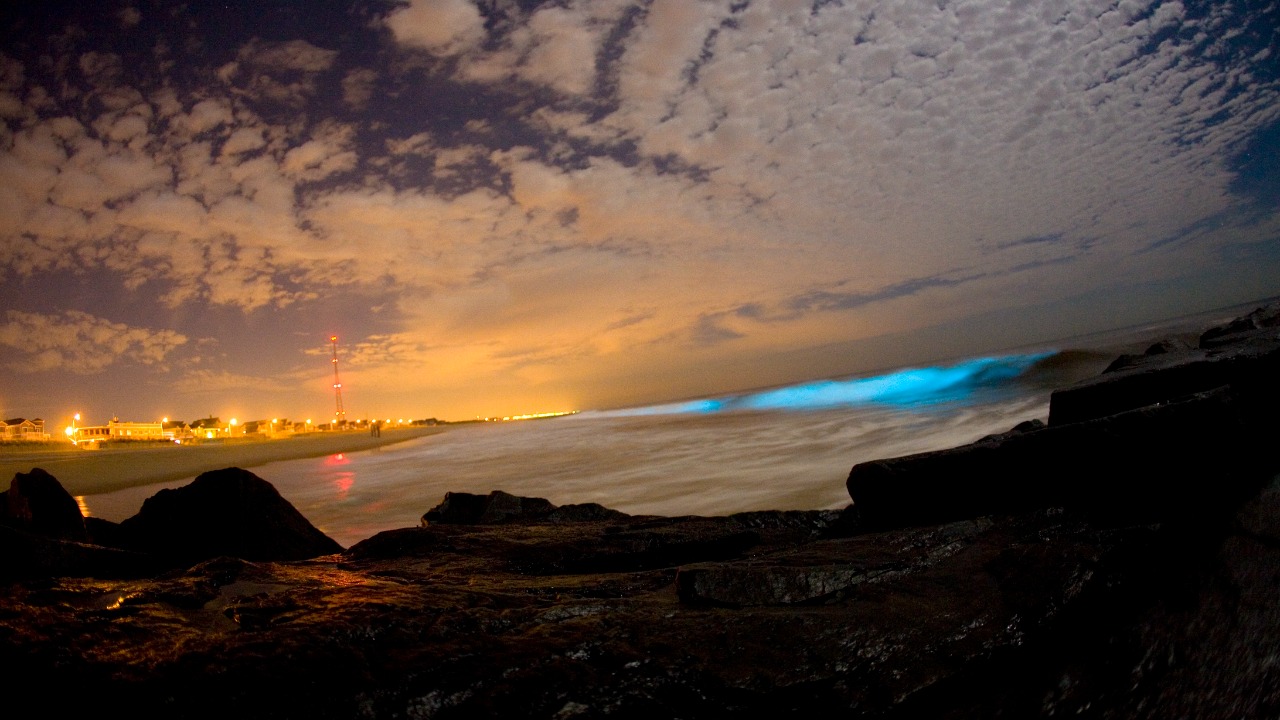
Imagine walking along the beach at night and seeing the waves glowing with an ethereal light. This is not a scene from a fantasy novel, but a rare natural event known as bioluminescence. Tiny marine organisms called phytoplankton emit light when disturbed, creating a mesmerizing light show in the ocean. This spectacle is a beautiful reminder of the often unseen complexity of marine ecosystems.
2. Fire Rainbows: A Display of Nature’s Artistry in the Sky
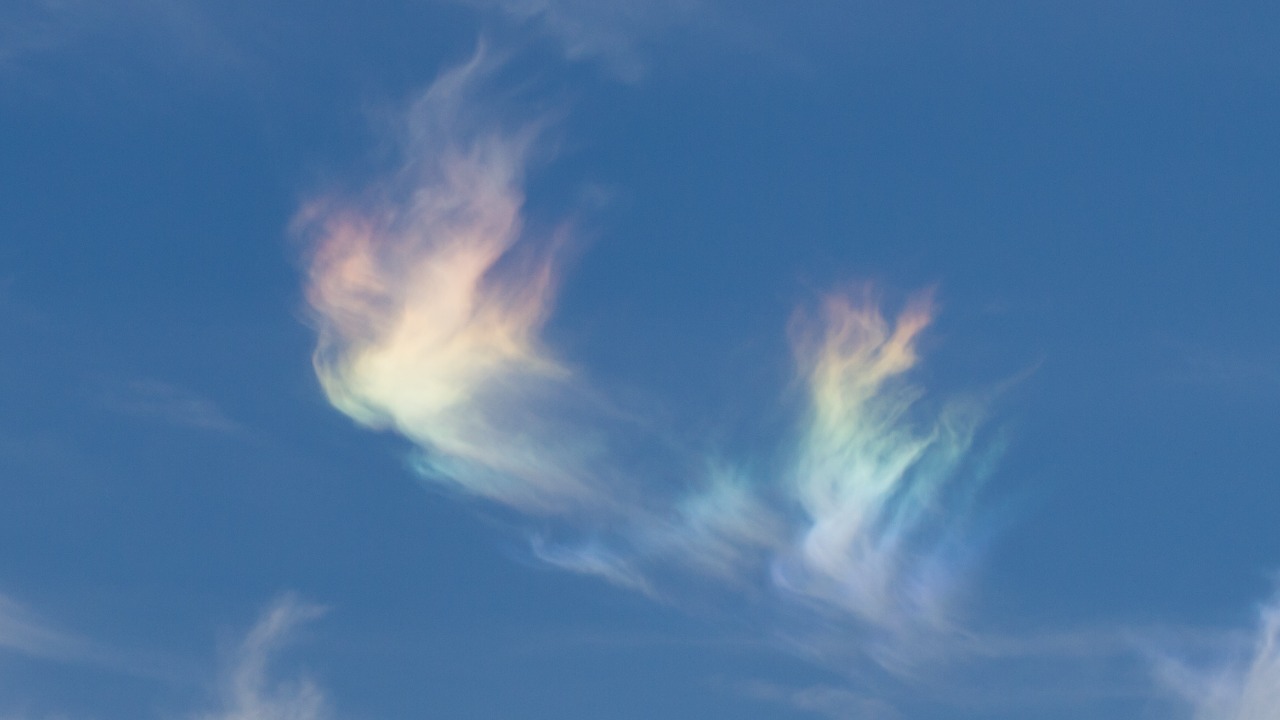
Despite their name, fire rainbows have nothing to do with fire or rainbows. These eye-catching optical phenomena are actually circumhorizontal arcs, bands of light that appear when the sun is high in the sky and its rays pass through ice crystals in cirrus clouds. The result is a breathtaking array of colors that resemble a rainbow on fire, thus earning its name. Unfortunately, these stunning sky displays are quite rare and depend on specific atmospheric conditions.
3. Underwater Crop Circles: The Architectural Wonders of Pufferfish
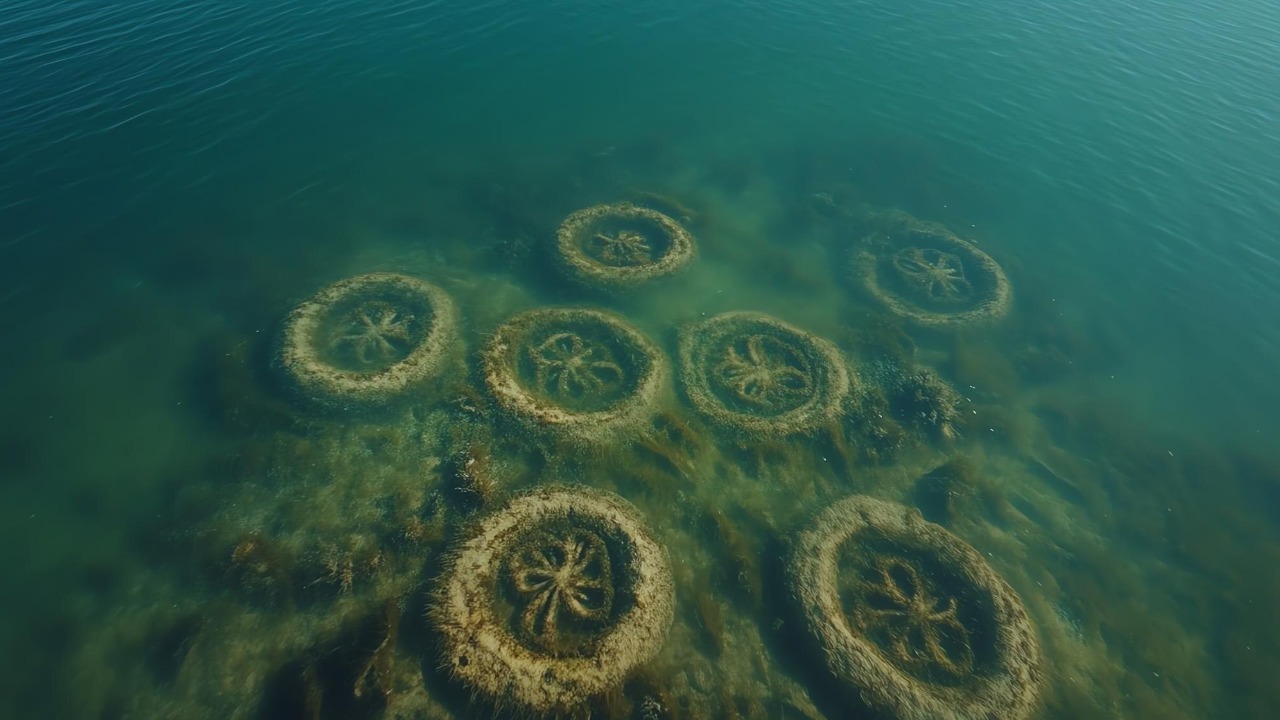
Underwater crop circles are intricate sand patterns created by male pufferfish to attract a mate. These marine artists spend about a week meticulously crafting these circles, which can be up to 2 meters in diameter. The patterns are not only visually appealing but also serve a practical purpose: they help to minimize ocean currents, protecting the pufferfish’s eggs. It’s a fascinating example of nature’s ingenuity and a testament to the complexity of animal behavior.
4. Supercells: Nature’s Dramatic and Powerful Storms
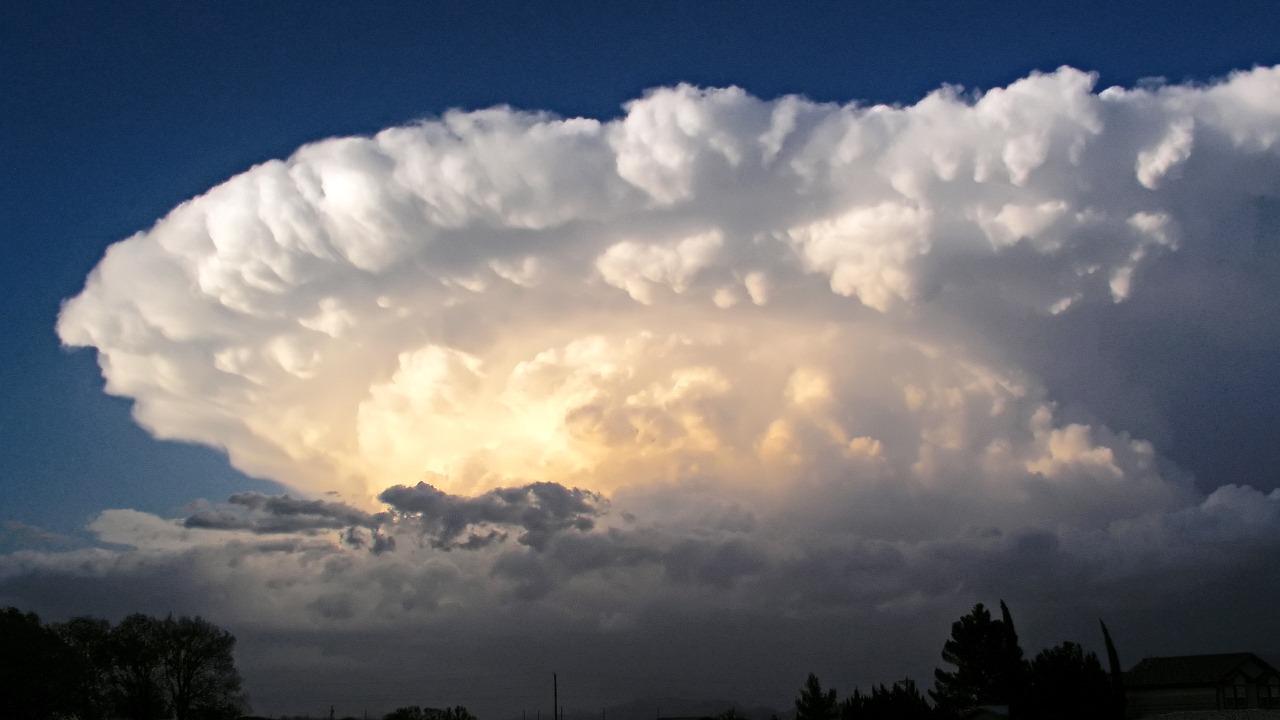
Supercells are the least common, yet the most severe, form of thunderstorms. Characterized by a deep, continuously rotating updraft, these storms can produce damaging hail, severe winds, and even tornadoes. Despite their destructive potential, supercells are also incredibly beautiful, with their distinctive anvil-shaped clouds creating a dramatic spectacle in the sky. Their rarity and power serve as a stark reminder of nature’s awe-inspiring force.
5. Volcanic Lightning: The Electrifying Side of Eruptions
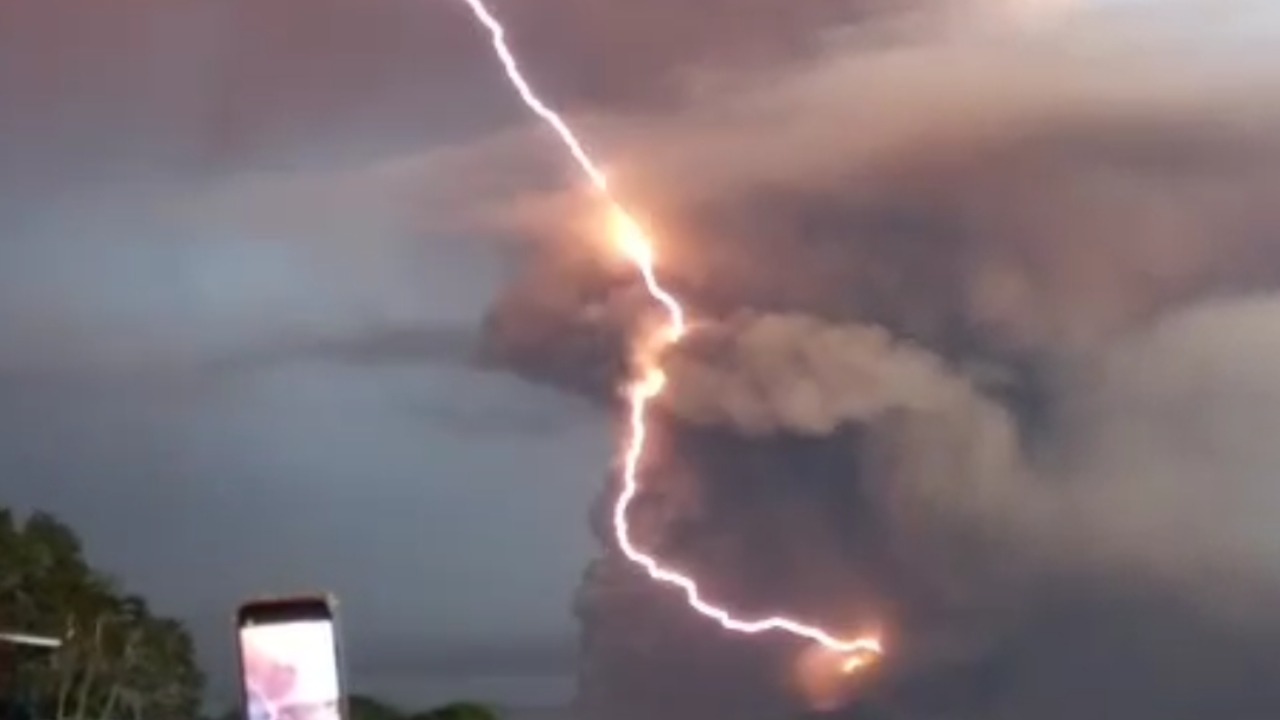
Volcanic eruptions are striking enough on their own, but sometimes they’re accompanied by an even more awe-inspiring spectacle: volcanic lightning. This electrifying event occurs when an eruption generates enough static electricity to create lightning. The sight of bright, jagged bolts of lightning against a backdrop of fiery lava is both beautiful and terrifying, echoing the raw power of our planet.
6. Sailing Stones: The Mysterious Movements in Death Valley
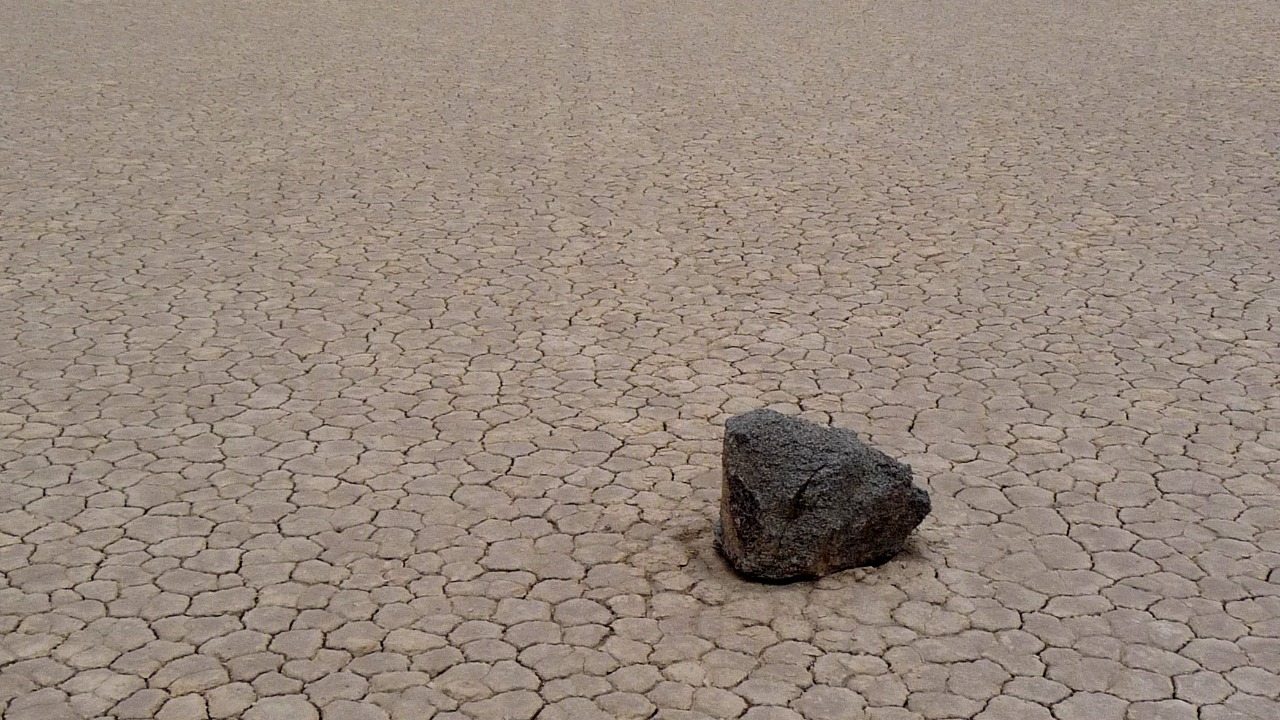
The sailing stones of Death Valley have puzzled scientists for decades. These large rocks appear to move on their own, leaving long tracks behind them. For a long time, their movement was a mystery, but recent studies suggest that a combination of thin ice, wind, and sunlight is behind this strange phenomenon. It’s a perfect example of how even the most barren places on Earth can hold fascinating secrets.
7. The Great Blue Hole: An Underwater Sinkhole Marvel
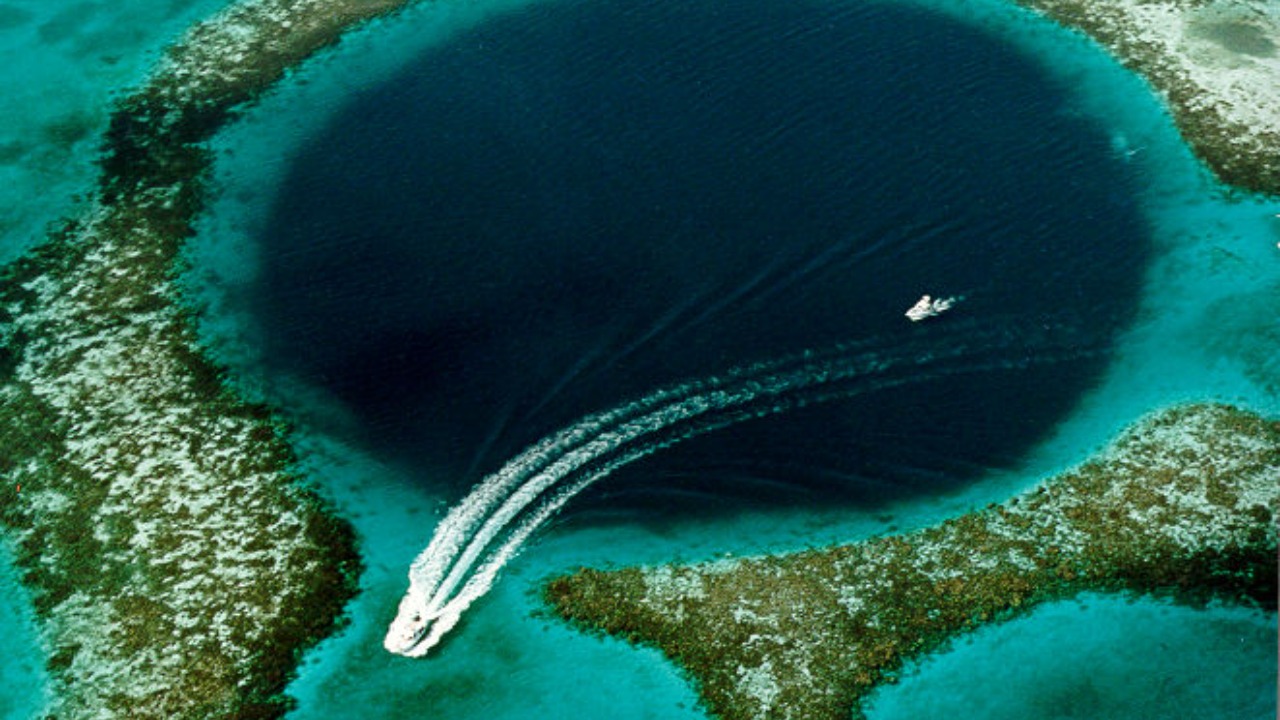
The Great Blue Hole is a large underwater sinkhole off the coast of Belize. This circular hole, over 300 meters across and 125 meters deep, is a popular spot for divers who are drawn by its clear water and diverse marine life. The Blue Hole is not just a marvel to behold; it also offers insights into Earth’s geological history, with its layers of limestone formations acting like a natural history book. This underwater wonder is a testament to the intricate and often surprising workings of our planet.
