In a staggering archaeological discovery, seven remarkably preserved mummies have been unearthed in a desert cave, shedding new light on ancient civilizations. This find not only provides insights into burial practices but also opens doors to understanding the environmental and genetic history of the region. Through the examination of these mummies, researchers aim to unravel mysteries of the past and their implications for present-day anthropology.
The Discovery in Context
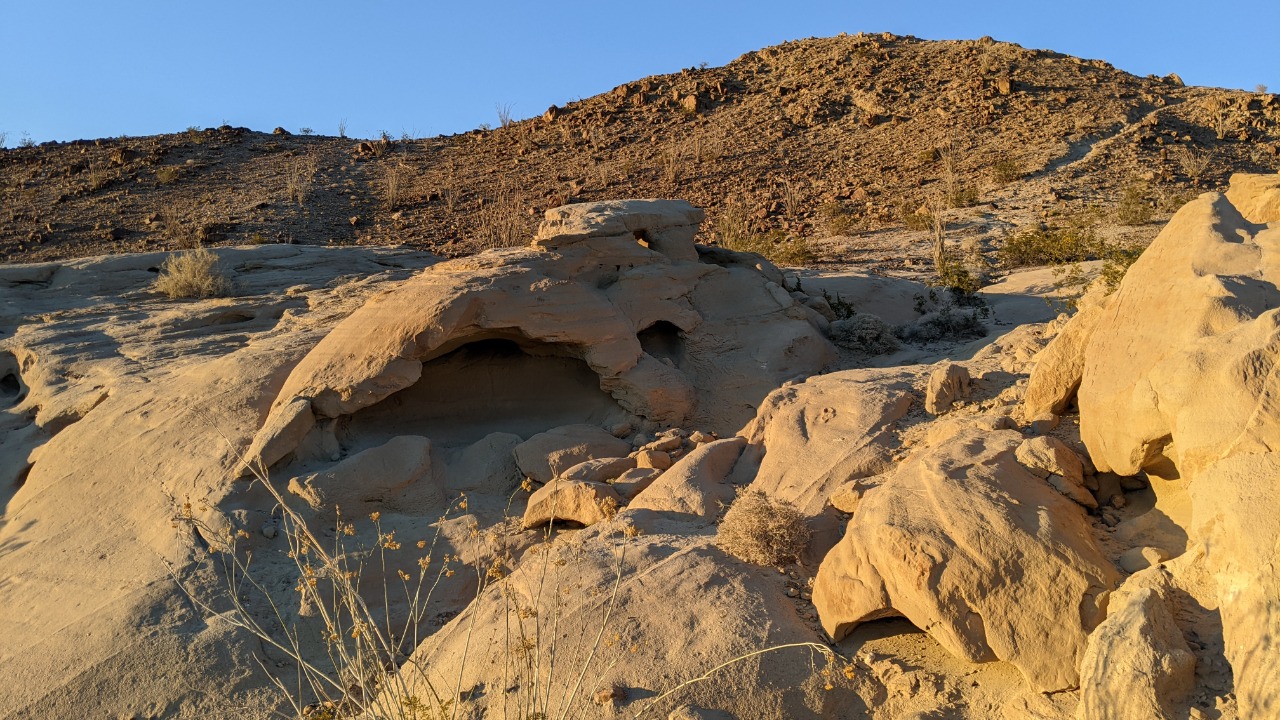
The desert cave where these mummies were discovered is located in a region historically rich with ancient civilizations. The initial discovery was made by a team of archaeologists conducting a routine survey, which quickly turned into a significant excavation project. The cave, hidden beneath layers of sand, revealed a treasure trove of historical data that promises to deepen our understanding of the people who once inhabited the area.
This region has long been of interest to historians and archaeologists due to its strategic location and historical significance. It has served as a crossroads for various ancient cultures, each leaving its mark on the landscape. The discovery of these mummies is comparable to other significant finds in similar terrains, such as those uncovered in the Saharan desert, which have provided valuable insights into ancient human activity in arid climates.
Preservation Techniques and Environmental Conditions
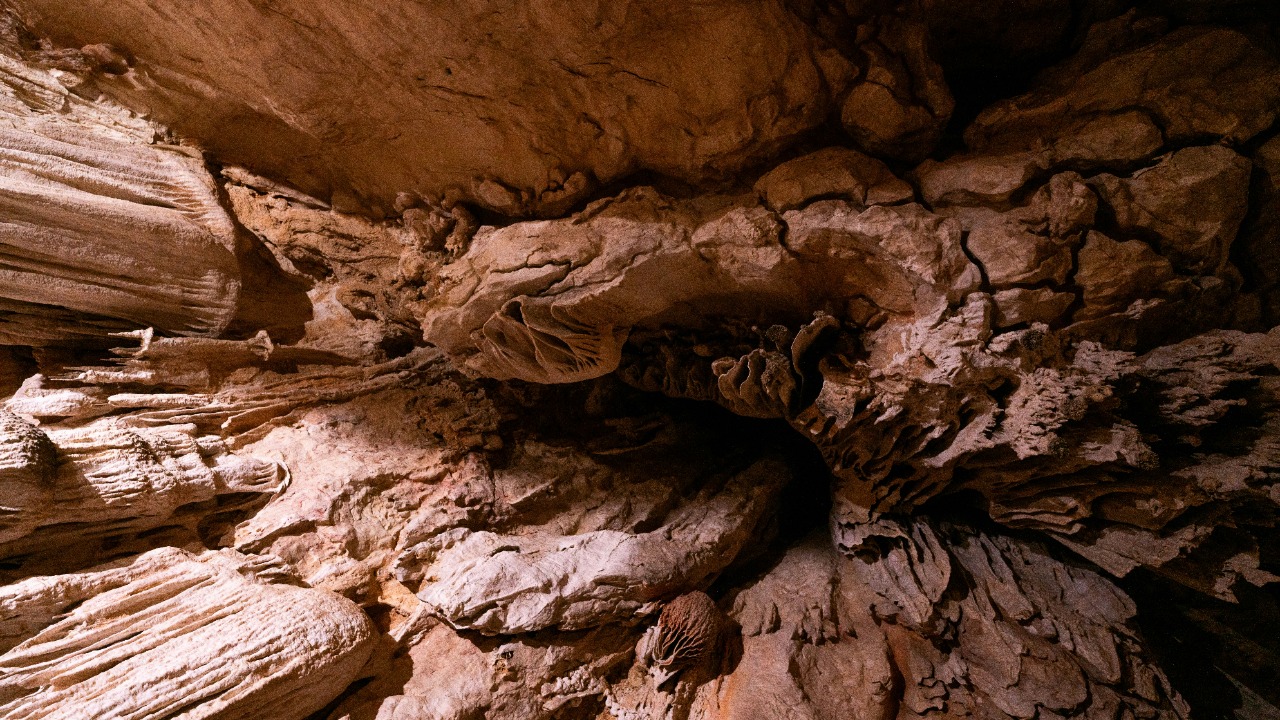
The natural preservation of these mummies is attributed to the unique environmental conditions within the desert cave. The dry climate and stable temperatures have created an ideal environment for mummification, allowing the soft tissues to remain largely intact over the centuries. These conditions parallel findings from other desert regions, where environmental factors have played a crucial role in the preservation of ancient remains.
In addition to natural factors, researchers are exploring the possibility that ancient peoples employed specific techniques to aid in the preservation of their dead. The presence of certain resins and oils suggests that mummification may have been a deliberate practice. Moreover, geological changes, such as shifts in climate over millennia, may have further contributed to the preservation process, allowing these mummies to withstand the test of time.
Insights from Genetic Analysis

One of the most intriguing aspects of this discovery is the potential insights from genetic analysis of the mummies. By examining DNA samples, researchers hope to gain a deeper understanding of human migration patterns and genetic diversity in the region. Initial studies have already suggested links to previously unknown human lineages, offering new perspectives on the ancestry of populations that once thrived in this area.
These genetic findings could have significant implications for our understanding of human evolution and the spread of ancient cultures. The discovery of previously unknown human lineages in the region highlights the complexity of human history and the interconnectedness of ancient civilizations. As researchers continue to analyze the genetic data, we may uncover new chapters in the story of human development.
Cultural and Anthropological Significance
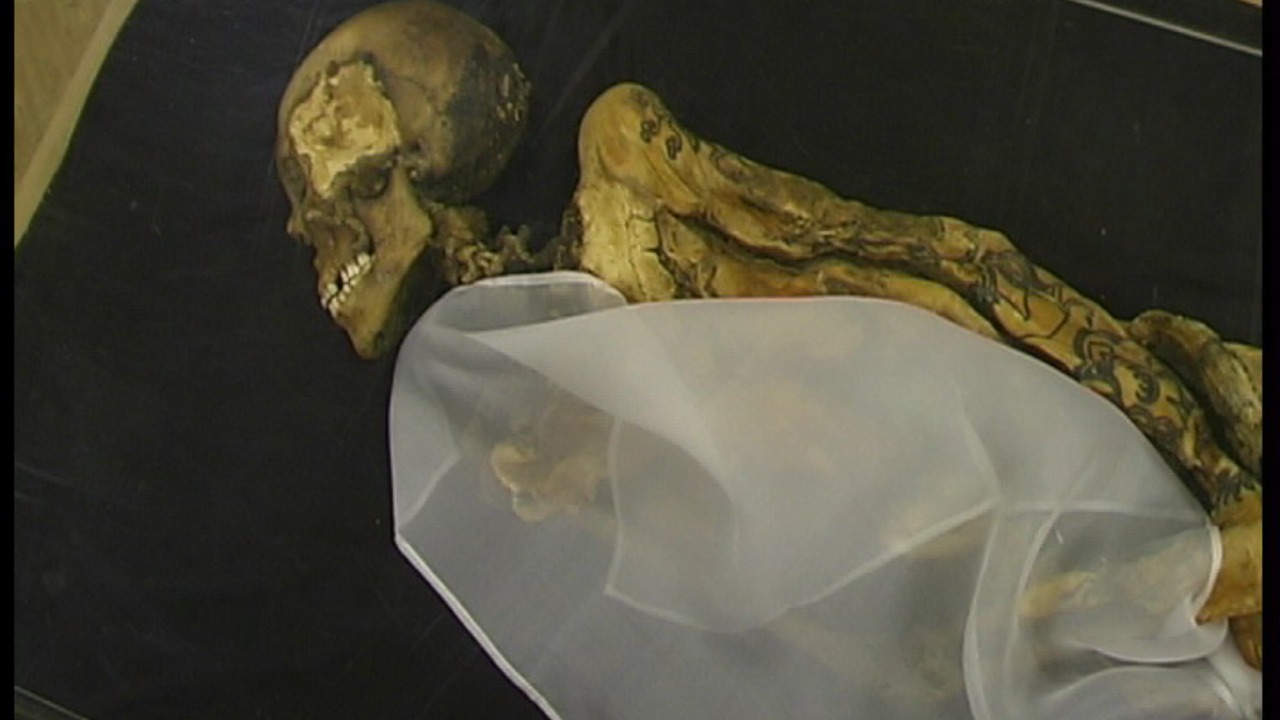
The mummies and the artifacts found alongside them offer a window into the cultural and social aspects of the society that buried them. The burial practices observed in the cave provide insights into the beliefs and customs of the time, including notions of the afterlife and the importance of honoring the deceased. These practices are reflective of the broader cultural landscape of the region and its historical context.
Artifacts discovered with the mummies, such as pottery, tools, and personal ornaments, further illuminate the daily lives and social structures of the ancient community. These items, imbued with cultural significance, help researchers piece together a clearer picture of how these people lived, worked, and interacted with their environment. The findings contribute to a deeper understanding of the social dynamics and cultural heritage of ancient societies.
Challenges and Ethical Considerations
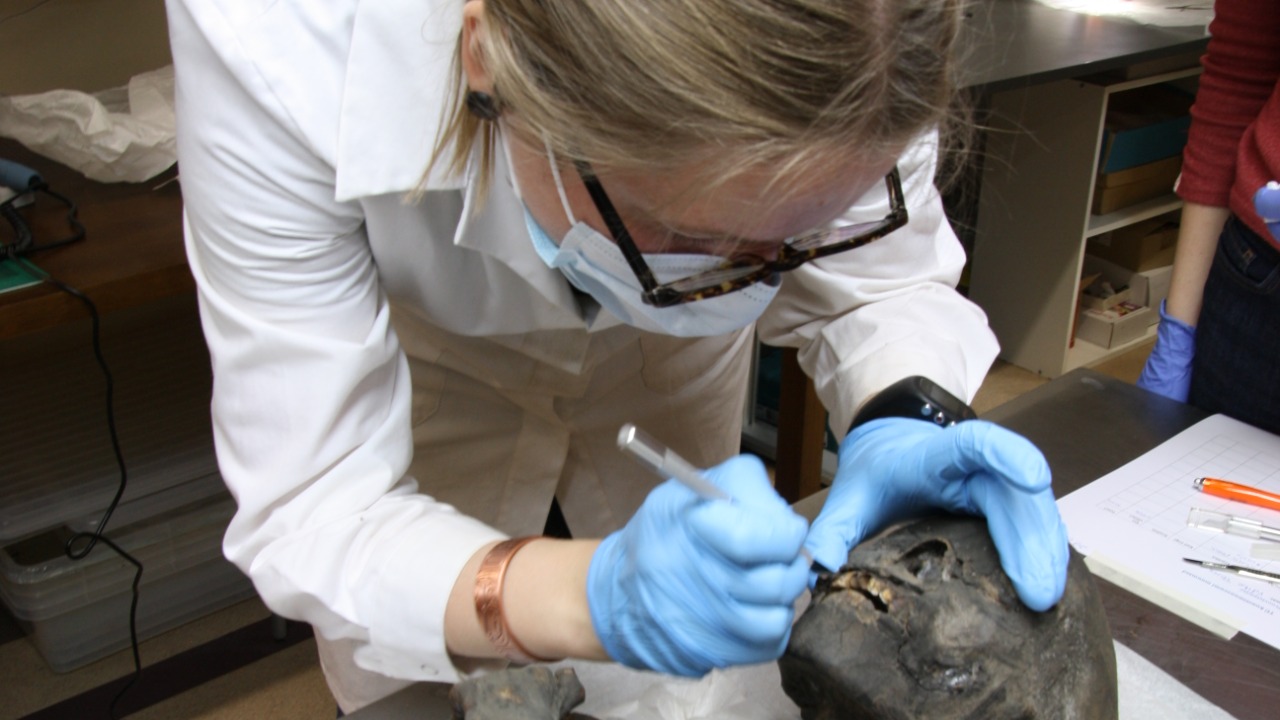
The excavation and study of these mummies are not without challenges. Logistical issues, such as the remote location of the cave and the delicate nature of the remains, require careful planning and execution. Moreover, researchers must navigate the ethical considerations inherent in handling human remains, ensuring that their work respects the cultural heritage and beliefs of the people they study.
There is an ongoing debate regarding the preservation and display of mummies in museums. While such displays can educate the public and promote cultural understanding, they must be balanced with considerations of dignity and respect for the deceased. Ethical guidelines are essential to ensure that the study and presentation of these human remains honor their cultural significance.
Implications for Future Research
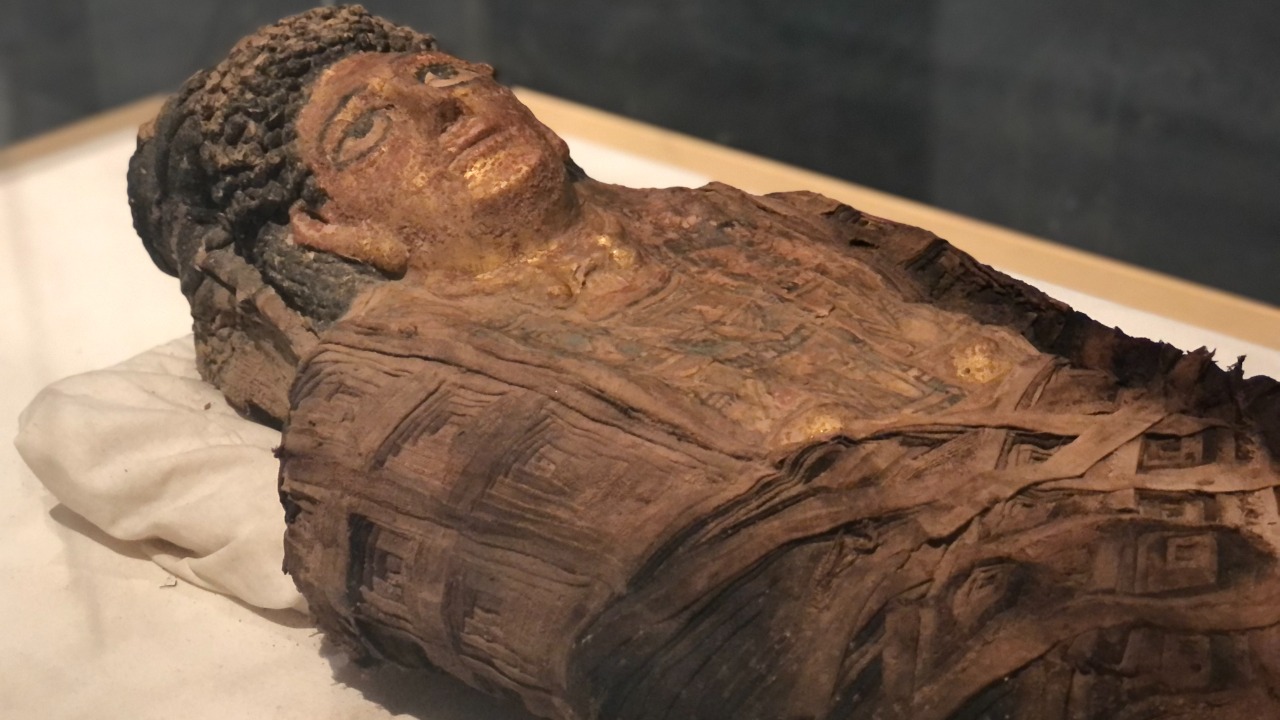
The discovery of these mummies opens new avenues for future research in archaeology and anthropology. Technological advancements, such as improved imaging techniques and DNA analysis, will play a crucial role in furthering our understanding of ancient civilizations. These tools enable researchers to explore new questions and refine existing theories about the past.
As we continue to uncover and interpret such findings, the potential to reshape historical narratives is immense. The insights gained from studying these mummies could influence future archaeological methodologies, leading to more nuanced and comprehensive accounts of human history. By integrating these discoveries into the broader context of archaeological research, we can enhance our understanding of the ancient world and its enduring impact on contemporary society.
