
In an era defined by rapid technological advancement, it’s surprising to discover that some older technologies remain in use. Whether it’s due to cost, tradition, or specific functionality, these technologies continue to serve certain niches effectively. From the office to emergency services, explore some of these fascinating holdovers from the past.
Fax Machines
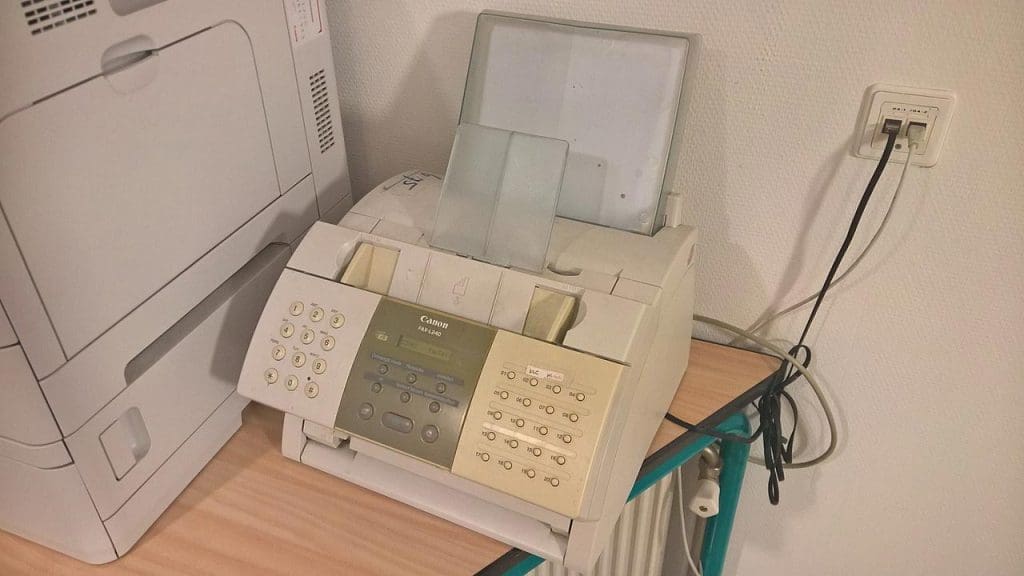
Despite the digital revolution, fax machines remain indispensable in various fields. Legal and healthcare sectors, in particular, continue to use fax machines due to their reliability and security in transmitting sensitive documents. While email can be vulnerable to hacking, faxed documents provide a more secure, albeit slower, alternative. For many businesses, the cost of transitioning to an entirely paperless system can be prohibitive, making the trusty fax machine a stalwart in offices worldwide.
Landline Telephones
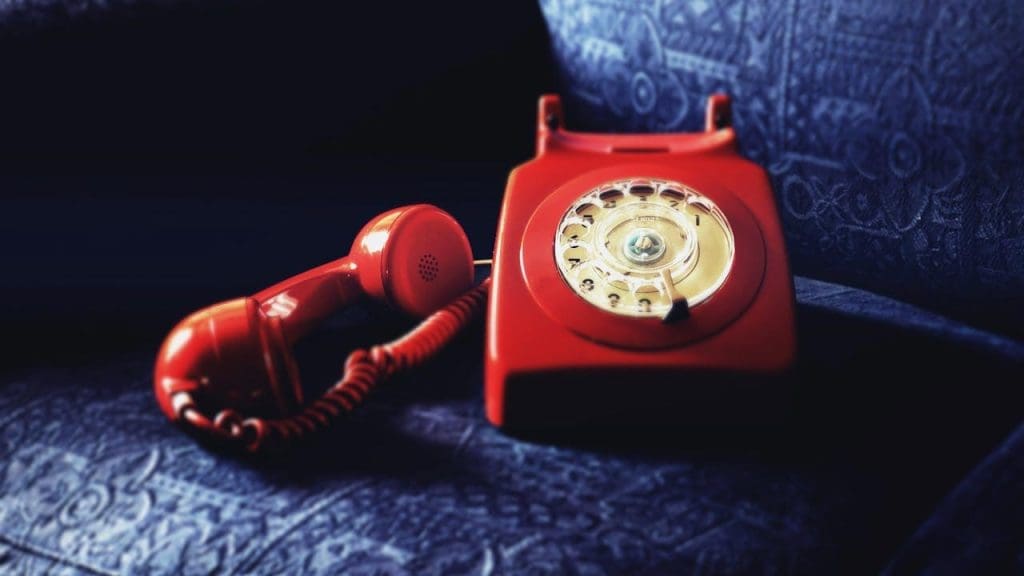
Landline telephones still hold a place in many homes and businesses. Although mobile phones have largely supplanted them, landlines provide a reliable backup during emergencies when cell networks might be congested or unavailable. For some, particularly older adults, the simplicity and familiarity of landline phones make them preferable. Additionally, landlines often offer better call quality and are cheaper for extended conversations, especially in rural areas where cellular service can be inconsistent.
Pagers
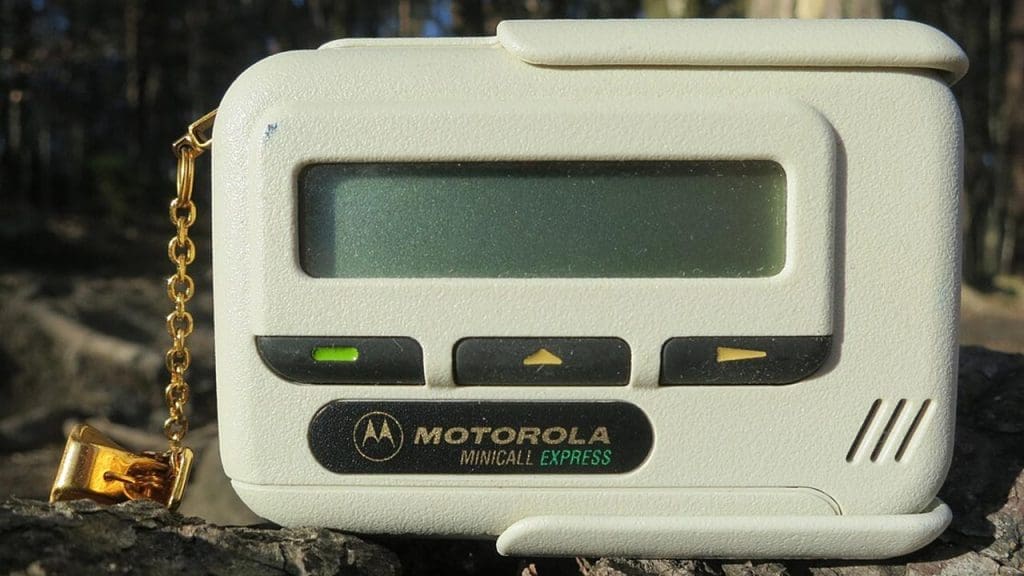
Pagers may seem like relics from the past, but they still play a critical role in specific industries like healthcare. In hospitals, pagers are valued for their reliability and simplicity. Unlike smartphones, pagers don’t require a cellular network and are less likely to face service interruptions. For doctors and emergency responders, this makes them a crucial tool for receiving urgent messages. Moreover, airports and airlines sometimes use them to coordinate operations without relying on potentially unstable Wi-Fi or cellular networks.
Cathode Ray Tube Televisions
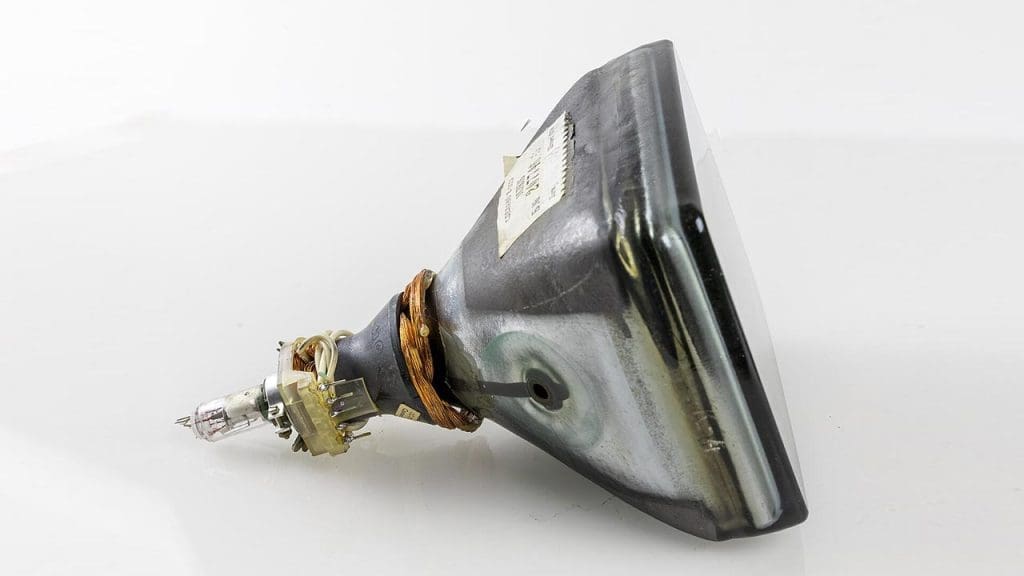
While flat-screen TVs dominate the market, Cathode Ray Tube (CRT) televisions are still in use, especially in areas where cost is a major factor. CRT TVs are durable and can last for decades without the need for repairs. They are also popular among retro gaming enthusiasts who prefer the vintage feel and compatibility with older gaming systems. For these users, CRTs offer a unique viewing experience that modern screens can’t replicate.
Floppy Disks
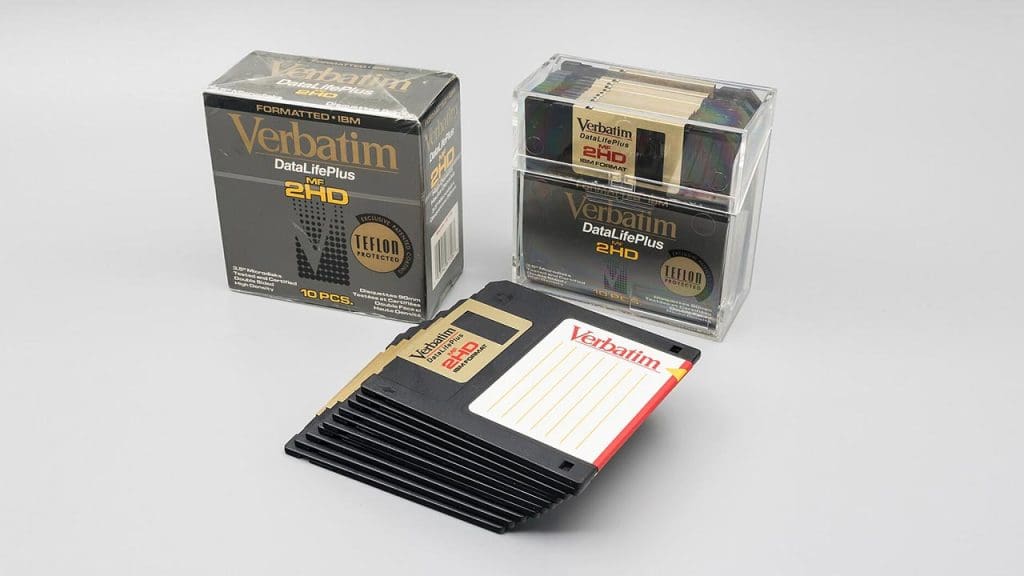
Floppy disks, once the primary storage medium for personal computers, still find use in some industrial settings. For certain machinery and systems, upgrading to newer storage solutions can be costly and complex, so the existing floppy disk infrastructure is maintained. Moreover, some archival purposes require floppy disks for accessing historical data. While it’s a niche market, the continued demand for floppy disks highlights how some technologies persist due to specific industry requirements and compatibility needs.
Dot Matrix Printers
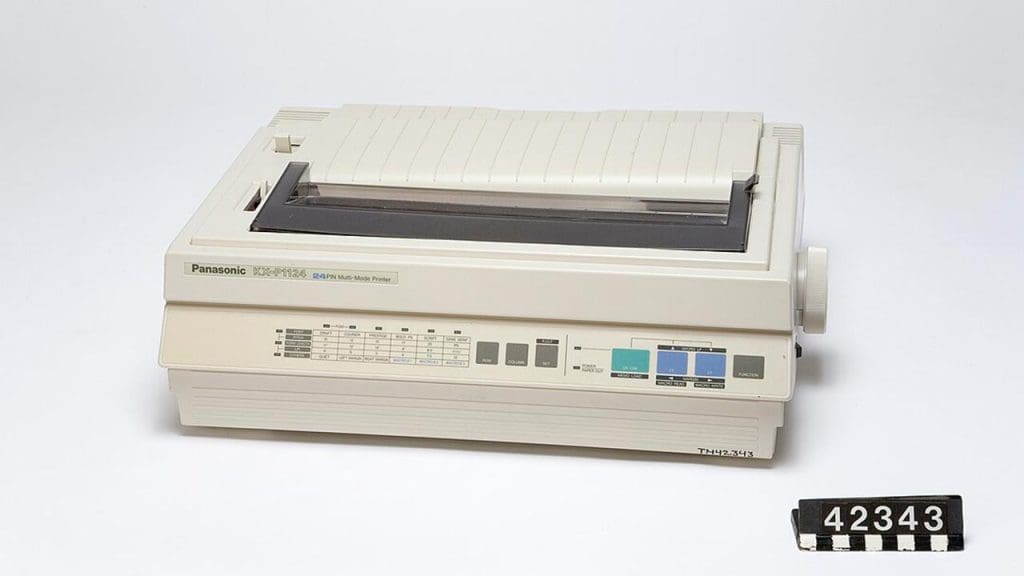
Dot matrix printers have largely been replaced by inkjet and laser printers in most offices, but they remain in use for specific tasks. These printers are robust and able to handle continuous printing on multi-part forms, making them ideal for environments like logistics and warehousing. Their ability to print on carbon-copy paper is unmatched by modern printers, which is why they are still utilized for invoicing and shipping labels in some businesses where such functionality is required.
Dial-Up Internet
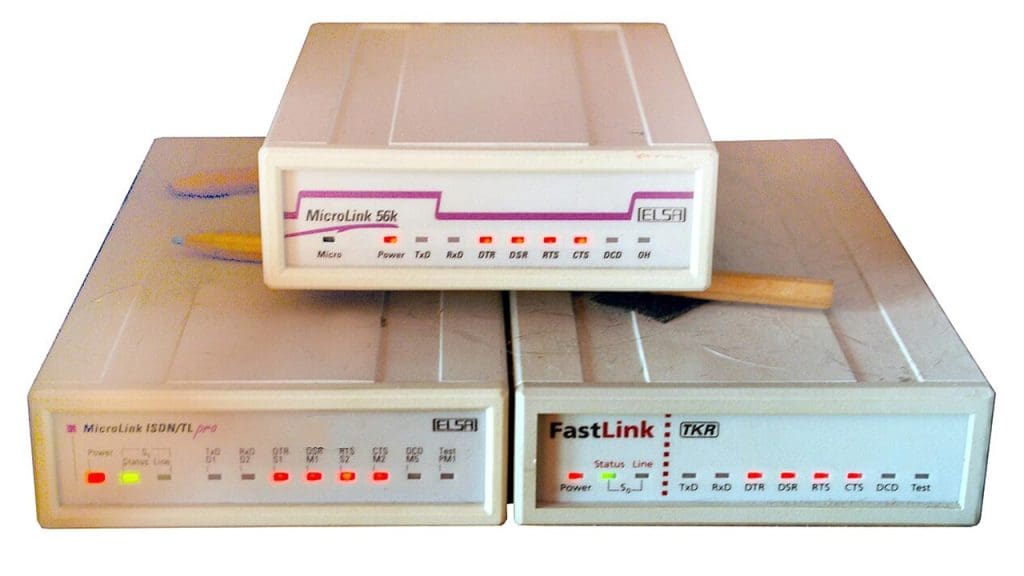
In some rural or remote areas, dial-up internet remains a reality. High-speed internet infrastructure can be costly to install in sparsely populated locations, leaving dial-up as the only viable option. Although slow and cumbersome, it provides basic connectivity for communities where alternatives are unavailable. For these users, dial-up internet is a lifeline, allowing access to essential online services despite its limitations compared to broadband connections.
