The trucking industry is witnessing a significant shift in design standards by 2026. This change is driven by new regulations aiming to enhance fuel efficiency, safety, and sustainability in the sector while addressing the challenges of climate change and road safety.
Regulation 1: Enhanced Fuel Efficiency Standards
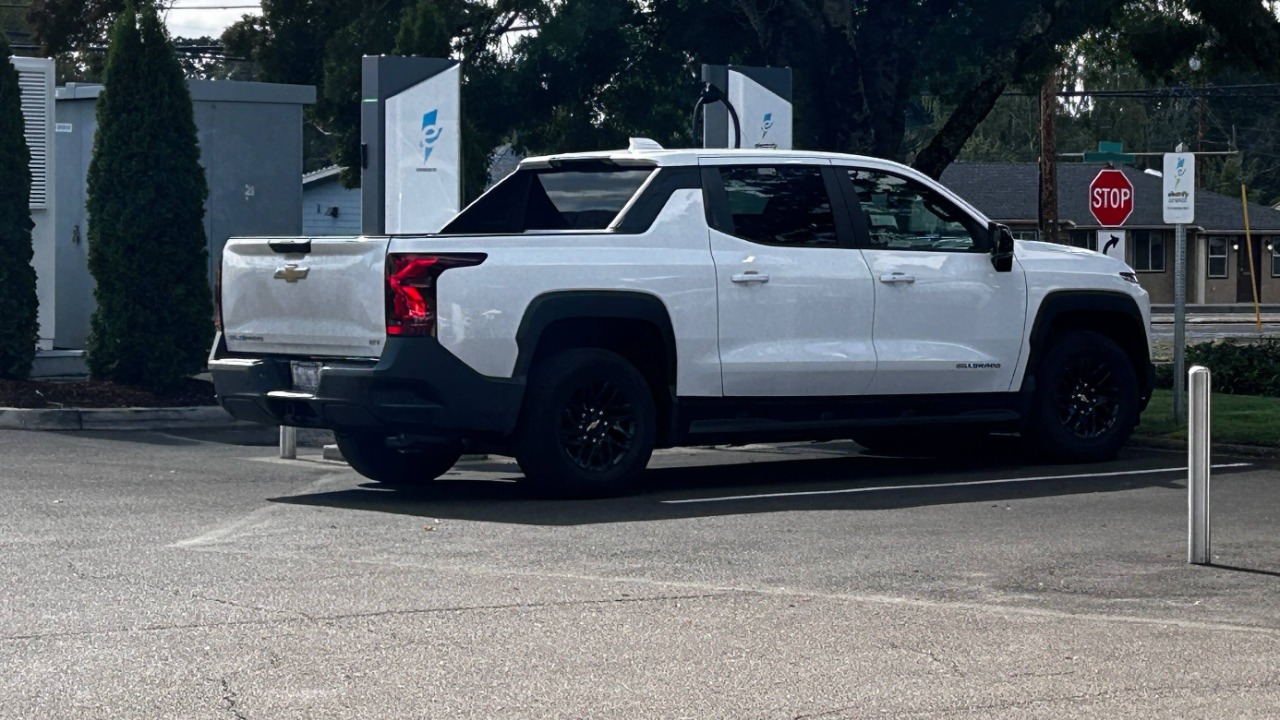
Improved fuel efficiency is a major focus of the upcoming regulations. This change is rooted in the need to reduce dependency on fossil fuels and cut down on greenhouse gas emissions. According to the ICCT, a potential improvement of 35% in fuel efficiency could be achieved by 2026, significantly reducing CO2 emissions. The new standards will impact the design of engines, transmissions, and aerodynamics, pushing manufacturers to innovate and evolve.
Regulation 2: Mandatory Integration of Advanced Safety Features

2026 will also see the mandatory integration of advanced safety features in truck design. This includes the installation of advanced braking systems, electronic stability control, and collision avoidance technologies. According to a study by the California Air Resources Board, these features can significantly reduce fatality rates in truck-related accidents. This change will not only enhance the safety of truck drivers but also the safety of other road users.
Regulation 3: Increased Weight and Size Limits
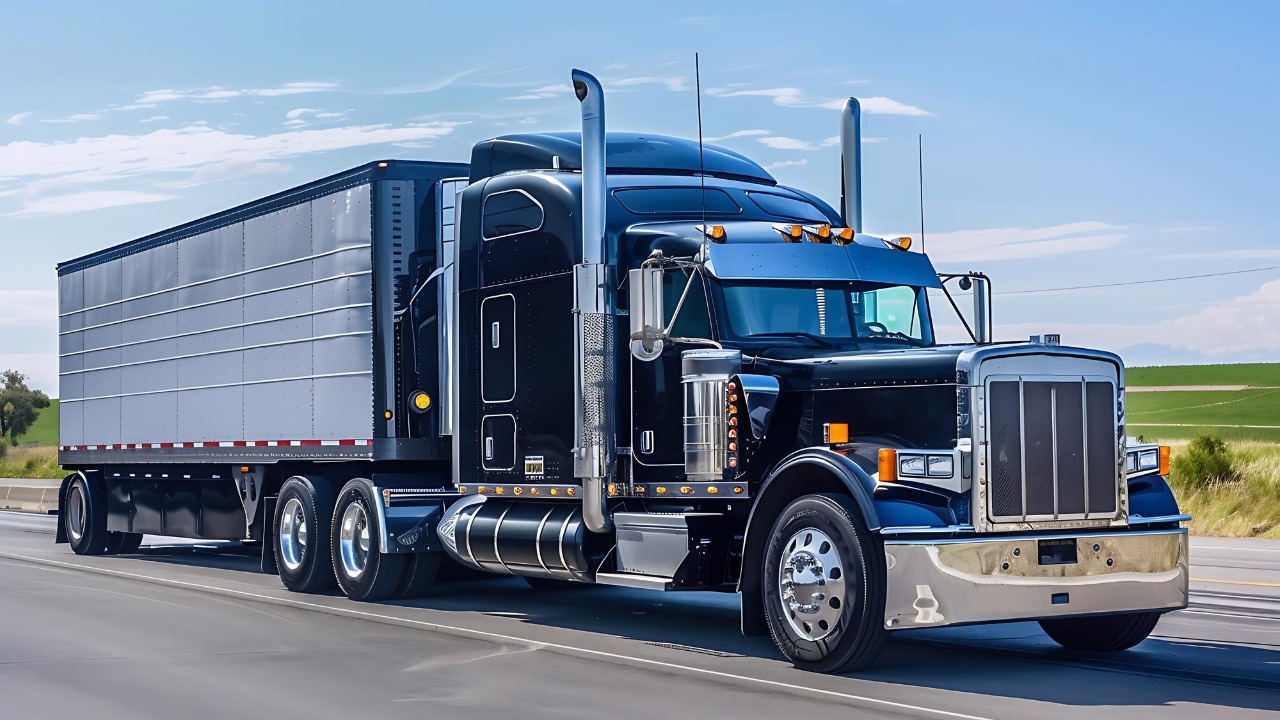
A shift towards increased weight and size limits is another pivotal change. This modification is meant to enable trucks to carry more cargo per trip, thus increasing efficiency and reducing the number of trips needed. However, it’s important to note that this change is not without its challenges. Higher weight and size limits will necessitate modifications to road infrastructure and may impact the safety and maneuverability of the vehicles.
Regulation 4: Stricter Emissions Regulations

Stricter emissions standards are another key aspect of the new regulations. These rules will require trucks to meet tighter limits for pollutants such as nitrogen oxides, particulate matter, and carbon dioxide, pushing manufacturers towards cleaner and more efficient engine technologies. The NHTSA outlines that these regulations will play a significant role in improving air quality and combating climate change.
Regulation 5: Requirements for Electric Drive Systems

A significant shift towards electric drive systems is also on the horizon. The new regulations will encourage manufacturers to incorporate electric drive systems into their designs, reducing dependence on fossil fuels even further. This move will not only lead to cleaner and quieter trucks but also pave the way for autonomous driving technologies.
Regulation 6: Accessibility and Ergonomics Standards
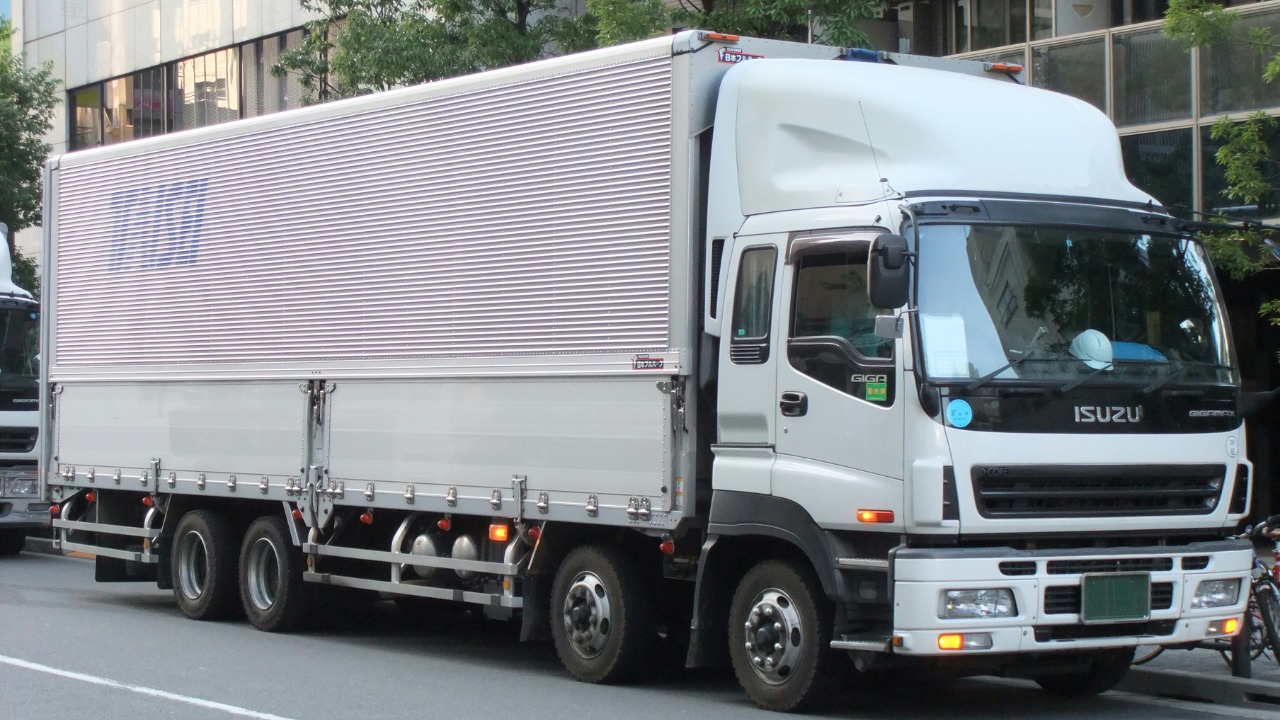
The 2026 regulations also emphasize improving accessibility and ergonomics for truck drivers. This includes the design of the truck cab, controls, and seating arrangements to ensure they are ergonomic and comfortable for drivers. Improving the working conditions for drivers is a key step in enhancing their productivity and well-being.
Regulation 7: Sustainability and Recyclability Requirements

The final set of regulations focuses on sustainability and recyclability. This includes the use of recyclable materials in truck construction and the promotion of manufacturing processes that minimize waste and pollution. As indicated by U.S. News, these regulations will significantly contribute to reducing the environmental impact of the trucking industry.
These new regulations reflect a significant shift in the trucking industry, driven by the pressing need to address the environmental impact of transportation and improve safety standards. The industry’s response to these regulations will undoubtedly shape the future of truck design and operation.
