The trucking industry is undergoing a significant transformation, driven by new laws and regulations aimed at modernizing production and enhancing sustainability. As these changes take effect, the impact on manufacturers and operators is both broad and profound. Let’s explore the key legislative changes reshaping the future of truck manufacturing.
Advanced Emission Standards
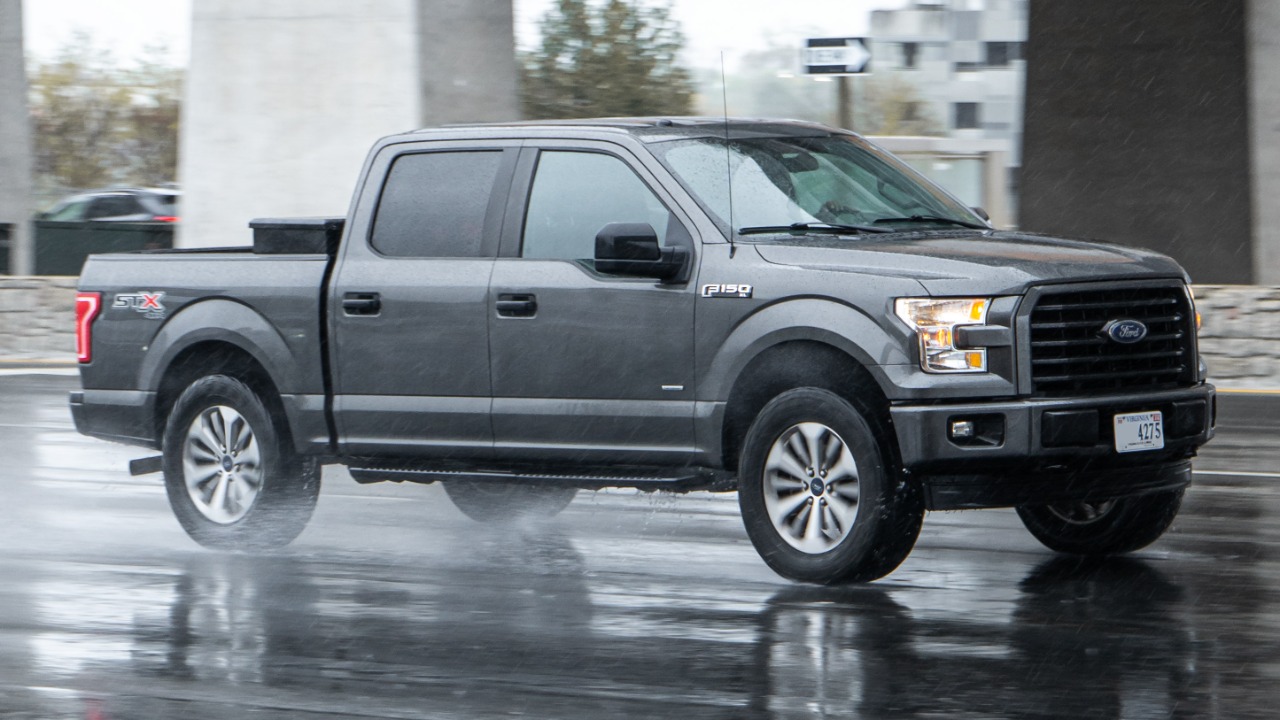
With an increased focus on reducing environmental impact, new advanced emission standards are being implemented globally. These standards aim to significantly cut the amount of pollutants emitted by trucks, thereby contributing to cleaner air and a healthier environment. Manufacturers are required to adopt cutting-edge technologies, such as selective catalytic reduction and diesel particulate filters, to meet these stringent requirements.
These regulations are not just about improving air quality; they also drive innovation in the industry. By pushing the limits of what’s possible with current technology, these standards encourage the development of new solutions that can be adopted industry-wide, benefiting both the environment and the economy.
Mandatory Electric Vehicle Transition

The shift towards electric vehicles (EVs) is gaining momentum, and new laws are mandating a transition to electric trucks. This is part of a broader push to reduce reliance on fossil fuels and lower greenhouse gas emissions. Manufacturers are investing heavily in EV technology, with the goal of producing trucks that are both efficient and environmentally friendly.
By setting deadlines for the phase-out of internal combustion engines, these regulations are accelerating the adoption of electric trucks. This transition not only helps in achieving sustainability goals but also positions the industry at the forefront of technological advancement.
Enhanced Safety Regulations
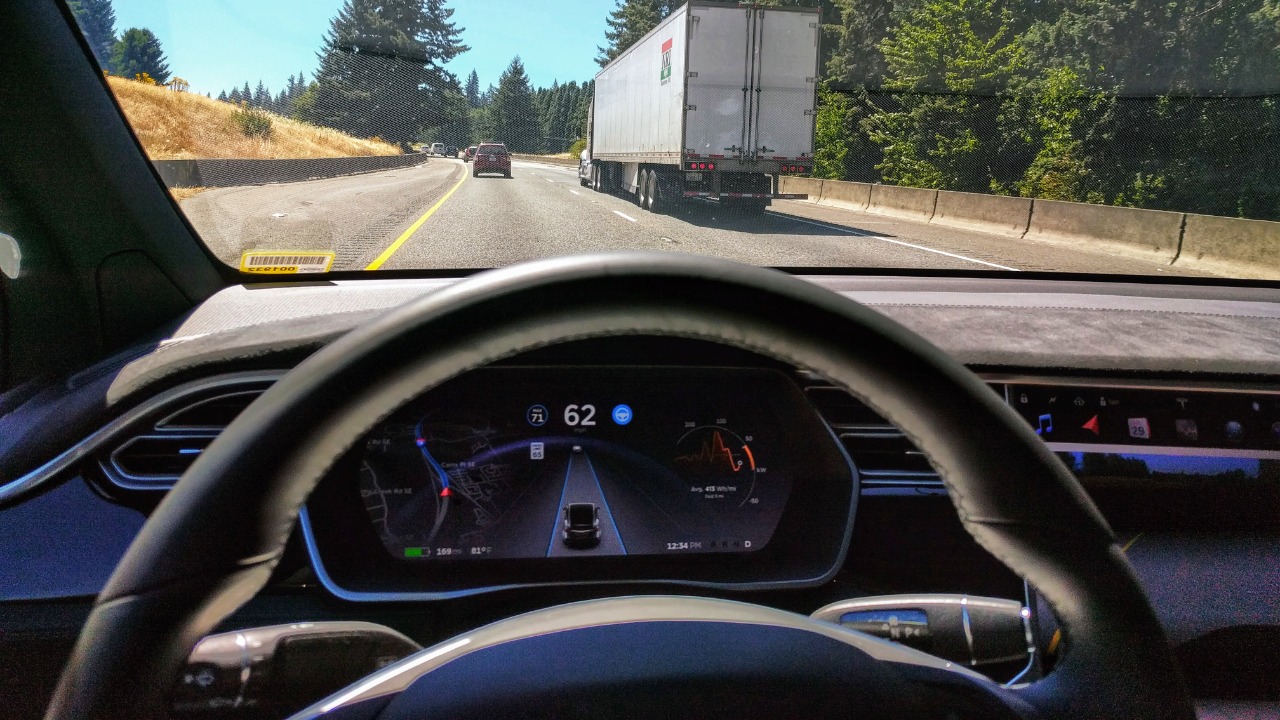
Safety remains a top priority, and new regulations are being introduced to further enhance the safety features of trucks. These include mandatory advanced driver-assistance systems (ADAS) like automatic emergency braking and lane departure warnings. These systems are designed to prevent accidents and protect both drivers and pedestrians.
Incorporating these technologies can significantly reduce the number of road incidents, which is a major step forward for the industry. By prioritizing safety, manufacturers can ensure that trucks are not only efficient but also safe for everyone on the road.
Sustainable Materials Requirement
Alongside emissions and safety, the use of sustainable materials is being mandated in truck manufacturing. This involves using materials that are recyclable, biodegradable, or sourced from renewable resources. The aim is to minimize the environmental footprint of truck production and disposal.
Manufacturers are exploring innovative materials such as bio-composites and recycled metals to comply with these requirements. By doing so, they not only contribute to environmental conservation but also potentially reduce costs associated with raw material procurement and waste management.
Autonomous Driving Technology Mandates

The future of trucking is increasingly autonomous, and new laws are setting the stage for the integration of autonomous driving technology. These mandates require the inclusion of features that enable partial or full automation of driving tasks, aiming to improve efficiency and reduce human error.
As the technology evolves, manufacturers are tasked with ensuring that their vehicles comply with safety and regulatory standards. This shift not only enhances operational efficiency but also opens up new possibilities for innovation within the industry.
Noise Pollution Reduction Guidelines
Another significant change is the introduction of guidelines aimed at reducing noise pollution. Trucks are a major source of noise in urban areas, and these new regulations seek to mitigate this impact. Manufacturers are working on developing quieter engines and incorporating noise-reducing materials in their designs.
By addressing noise pollution, these guidelines enhance the quality of life in urban environments and align with broader goals of creating more sustainable and livable cities. This change is particularly important as urbanization continues to rise globally.
Stricter Fuel Efficiency Criteria

Stricter fuel efficiency criteria are being enforced to reduce the carbon footprint of trucks. These requirements demand that manufacturers design vehicles that consume less fuel while maintaining performance standards. This not only helps in reducing emissions but also lowers operational costs for truck operators.
Innovations in engine design, aerodynamics, and lightweight materials are key strategies being employed to meet these criteria. By focusing on fuel efficiency, the industry can achieve significant environmental and economic benefits, ensuring a sustainable future.
